作者: admin

  • Police Confirm Two Dead in Early Morning Homicide

    Police Confirm Two Dead in Early Morning Homicide

    A quiet early morning in the Caribbean island of Nevis was shattered by a gruesome discovery that has left the small community reeling, as law enforcement confirmed two people dead in a fatal stabbing incident and launched a homicide investigation this week.

    First responders with the Royal St. Christopher and Nevis Police Force were dispatched to the incident location shortly after an urgent report came in just before 1 a.m. Wednesday, according to official updates from the force. When officers arrived at the scene, they found the bodies of a local couple who had died from multiple stab wounds.

    Authorities have publicly identified the two victims as 62-year-old Mario Andrew and his 52-year-old partner Caroline Rodrigues. Both victims were long-term residents of the Browne Pasture neighborhood on the island, where the incident took place near the capital of Charlestown.

    As of the latest update from police released Thursday morning, one person has been taken into custody in connection with the killings. The unidentified individual is currently cooperating with investigators as they work to piece together a timeline of events and determine a motive for the attack.

    This double homicide marks the sixth confirmed homicide case recorded across the Federation of Saint Kitts and Nevis so far in 2026, pushing the small nation’s annual homicide total higher ahead of the final four months of the year. Police have not released additional details about the suspect or the case as the investigation remains active and ongoing.

  • New Hotel Tax; Is Belize Pricing Itself Out of Tourism?

    New Hotel Tax; Is Belize Pricing Itself Out of Tourism?

    As Belize’s government moves forward with a long-discussed plan to raise hotel accommodation taxes, the country’s $20 billion annual tourism trade is facing growing uncertainty, with industry stakeholders warning that the policy could price the small Caribbean nation out of the budget and mid-range travel market.

    The proposal, first floated more than two years ago, would lift the existing 9% hotel tax to 12.5%, a nearly 39% jump that industry leaders argue would deter price-sensitive travelers already weighing competing Caribbean destinations with lower pricing structures. Even the country’s own Tourism Minister Anthony Mahler has openly cast doubt on the timing of the increase, while acknowledging the urgent need for new revenue to address a mounting ecological threat that is crippling Belize’s coastal tourism economy.

    Mahler, who has advocated for years for government investment in tourism infrastructure, confirmed that the tax proposal has gone through multiple rounds of negotiations across public and private sector groups, including direct talks between private tourism operators, the Ministry of Finance, and the Prime Minister’s office that proceeded without formal participation from the Belize Tourism Board (BTB). All parties have been aware of the impending policy change for months, Mahler said, but he has personally shared his opposition to the current timeline with both the Belize Tourism Industry Association (BTIA) and the Belize Hotel Association (BHA).

    At the core of the debate over funding is the growing crisis of sargassum, a large brown algae that has inundated Belize’s pristine coastlines – the primary draw for millions of international tourists annually. The algae smothers beaches, drives away visitors, and has caused irreversible damage to the coastal communities that form the backbone of Belize’s tourism product. Mahler explained that the government has framed the tax increase as a way to generate funding for sargassum mitigation efforts, which currently drain the majority of the BTB’s existing annual budget.

    “Right now, we need about $20 million worth of specialized equipment to effectively fight the sargassum invasion,” Mahler said in comments included in a televised government briefing. “We don’t have large dedicated vessels like Mexico and other neighboring countries that can clear massive algae blooms quickly. We are currently losing this battle, and almost all of the funding for mitigation work has come from the Belize Tourism Board, not any other government body.”

    Mahler added that the ongoing drain of BTB resources toward sargassum cleanup is already undermining core tourism development priorities: expanding international air lift capacity, global marketing campaigns to attract high-value visitors, and workforce training programs to improve service quality across the industry. The minister stressed that regardless of when the tax increase goes into effect, the government must commit to reinvesting 100% of the new tax revenue into the infrastructure and services the tourism sector needs to retain its competitive edge in the crowded Caribbean travel market.

    Industry groups have echoed Mahler’s concerns, arguing that without a guaranteed reinvestment commitment and a more strategic timing aligned with global travel demand trends, the tax hike will lead to lower occupancy rates, reduced revenue for hoteliers and local tourism businesses, and ultimately fewer overall tax receipts for the government, defeating the policy’s core goal.

  • OAS Hosts Belize-Guatemala Meeting at Adjacency Zone

    OAS Hosts Belize-Guatemala Meeting at Adjacency Zone

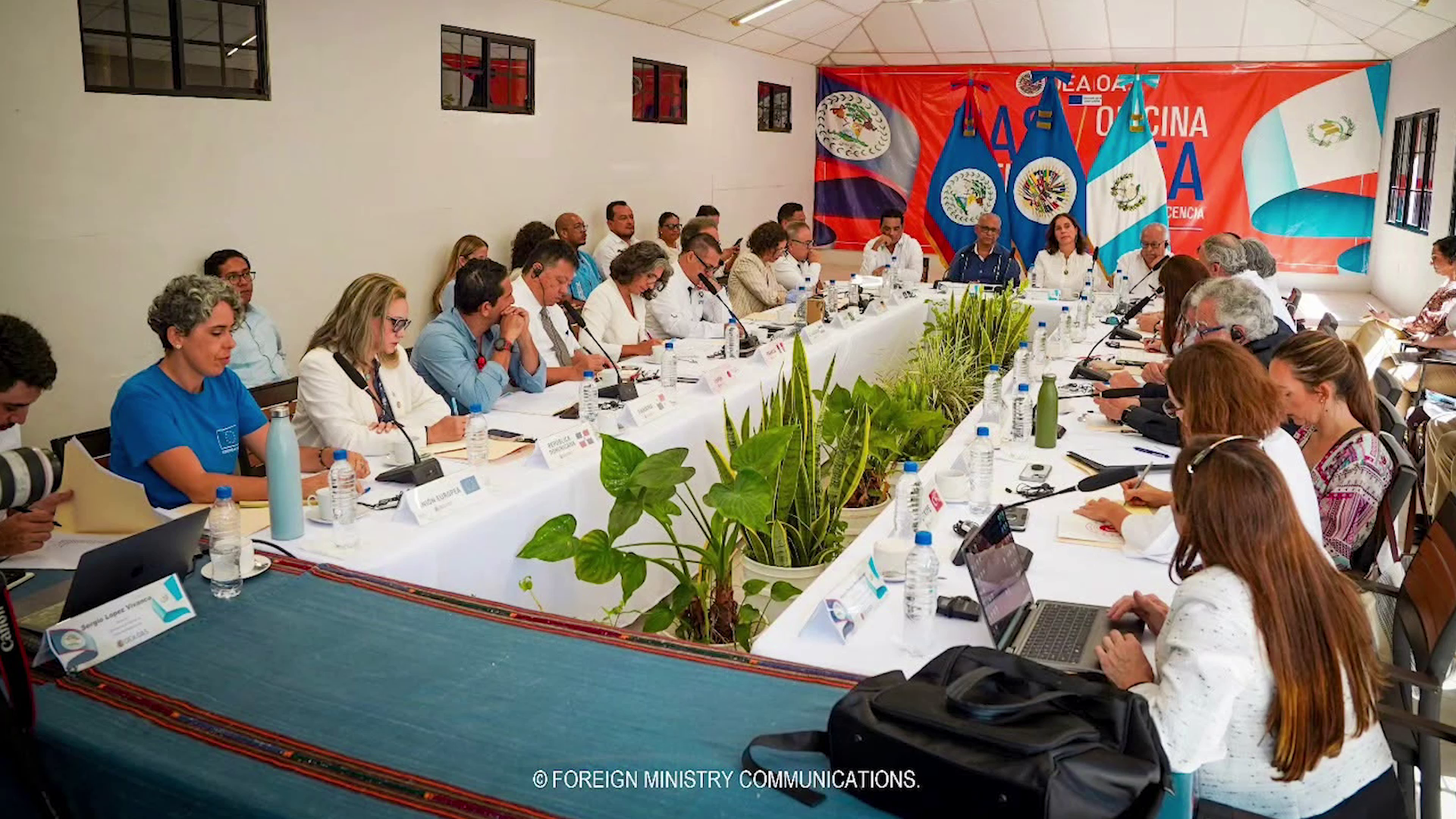
    As the decades-long territorial dispute between Belize and Guatemala inches closer to a binding ruling from the International Court of Justice (ICJ), regional and international stakeholders have stepped up engagement to ensure continued stability along the countries’ shared Adjacency Zone. On September 1, 2026, senior representatives from the Organization of American States (OAS) and the so-called Group of Friends — a coalition of supporting countries backing both nations — traveled to the border region to hold in-person talks focused on preserving peace, expanding cross-border cooperation, and sustaining open diplomatic channels ahead of the court’s decision.

    The meeting was held at the OAS’s local office in Benque, located directly in the Adjacency Zone. In attendance were OAS Secretary General, Belizean Foreign Minister Francis Fonseca, his Guatemalan counterpart, and ambassadors from the Group of Friends countries. In remarks following the discussion, Fonseca outlined the core goals of the gathering: updating international partners on on-the-ground conditions, aligning on preparations for the ICJ’s final judgment, which is projected to be delivered within the next 18 to 24 months, and laying early groundwork for post-ruling implementation support.

    Fonseca emphasized that both nations have reaffirmed their unwavering commitment to a peaceful resolution of Guatemala’s longstanding territorial claim, which Belize has characterized as unfounded. “This was a very constructive meeting about the road ahead,” Fonseca said. “We wanted to make sure that the OAS office is prepared for the next two years, and that they will remain engaged to support us even after the judgment is issued. We will need targeted help and backing from our international partners to implement whatever the court decides, so starting these discussions early to get ready makes all the sense in the world.”

    The high-level engagement comes as the international community monitors the final phase of the ICJ process, a historic milestone that is expected to bring a definitive end to one of the longest-running territorial disputes in the Western Hemisphere. The OAS has maintained a permanent presence in the Adjacency Zone for years, tasked with supporting confidence-building measures and preventing tensions along the border from escalating ahead of the court’s ruling.

  • Creative Excellence Shines During September Celebrations

    Creative Excellence Shines During September Celebrations

    As Belize kicks off its annual September national celebrations, the country’s quiet backbone of national identity—its unsung cultural stewards and creative pioneers—stepped into the spotlight this week to receive formal recognition for decades of work shaping the nation’s artistic and cultural landscape. Eight local practitioners across fields ranging from Indigenous traditional knowledge to literary arts, music, dance, theater, and visual art were awarded the 2026 Creative and Cultural Excellence Awards, an annual honor that highlights underrecognized contributions to preserving and growing Belize’s unique multicultural heritage.

    Francis Fonseca, Belize’s Minister of Culture, described the annual awards ceremony as one of the nation’s most meaningful annual traditions, noting that most of the honorees have spent decades advancing Belizean culture without widespread public or official acclaim. “Culture, creativity is really the heartbeat of our nation, the heart and soul of our nation,” Fonseca shared at the event, adding that it remains a privilege to recognize the deep personal commitment these artists and cultural leaders have given to Belize.

    This year’s awardees carry distinct legacies tied to different strands of Belize’s cultural tapestry: Poet and author Margaret Reynolds received the Zee Edgell Award for Literary Arts, while Sistie Fairweather Harmes was honored for her decades of work advancing dance in Belize. Poots “Titiman” Flores took home the prestigious Andy Palacio Award for Original Belizean Music, and Felicita Cantun was recognized for her lifelong work protecting and revitalizing Indigenous traditional knowledge. The remaining four honorees—Lola Delgado, Emmeth Young, Melissa Castellanos-Espat, and Lita Hunter Krohn—were recognized for their outstanding contributions to visual art, cultural heritage preservation, theater, and cultural leadership respectively.

    Yasser Musa, an advisor to Belize’s National Institute of Culture and History (NICH), emphasized that cultural heritage is not a static artifact of the past—it requires active work to survive and evolve. “Culture does not survive simply because it existed yesterday but because someone decides to teach it, perform it or celebrate it,” Musa explained. Since the awards program launched in 2021, a total of 45 Belizean cultural workers have been honored over the past six years, a legacy of recognition that Musa says can never fully capture the full scope of the impact these individuals have had on national life.

    To ensure transparency and fairness, the award selection process follows an open, community-centered structure. Every year, the National Celebrations Commission issues a public call for nominations from across the country. Submissions are then reviewed by a cross-stakeholder subcommittee, which deliberates to reach a consensus on honorees before forwarding a final recommendation to the full commission. Fonseca noted that choosing from a pool of highly qualified, deserving nominees is never an easy task, and he is grateful that the decision is not left to political leadership alone.

    For the eight 2026 recipients, the tangible recognition of a plaque and formal award carries deep meaning, but the greatest reward is the confirmation that their years of quiet work have left a lasting mark on Belize’s national story. This report was compiled by Shane Williams for News Five, based on a transcript of the outlet’s evening television broadcast.

  • Belize’s Inaugural Sports Summit Demands Long-term Answers

    Belize’s Inaugural Sports Summit Demands Long-term Answers

    In a landmark gathering for the Central American nation, Belize’s first ever National Sports Summit kicked off at the Belize City Civic Centre in early September 2026, bringing together athletes, coaches, sports administrators, government leaders, and community stakeholders to tackle a long-standing challenge: how to convert the nation’s abundant natural athletic talent into consistent international success.

    For two days, conversations moved far beyond the immediate goal of preparing for upcoming competitions, focusing instead on the foundational changes needed to cultivate champions over the long term. Prime Minister John Briceño opened the summit by emphasizing that systemic change cannot be delivered by any single group, calling for cross-sector collaboration to build a unified national sports ecosystem. “Success will depend upon partnership among government, sporting organizations, schools, coaches, communities, athletes, parents, and the private sector,” Briceño told attendees. “Our individual responsibility must be seen to be a part of building a holistic system where resources are shared for the greater good.”

    Belizean former Olympian Marion Jones delivered an impassioned keynote address that resonated across the room, noting that the nation has never lacked raw athletic ability. What has held Belizean sports back, she argued, is a critical gap in targeted investment and modern infrastructure to nurture local talent from promising amateur to elite international competitor. Jones shared a vision of a future where a Belizean athlete competes in an Olympic final, with thousands of cheering fans packing the national stadium to cheer on one of their own — a future she said is achievable with intentional, long-term planning.

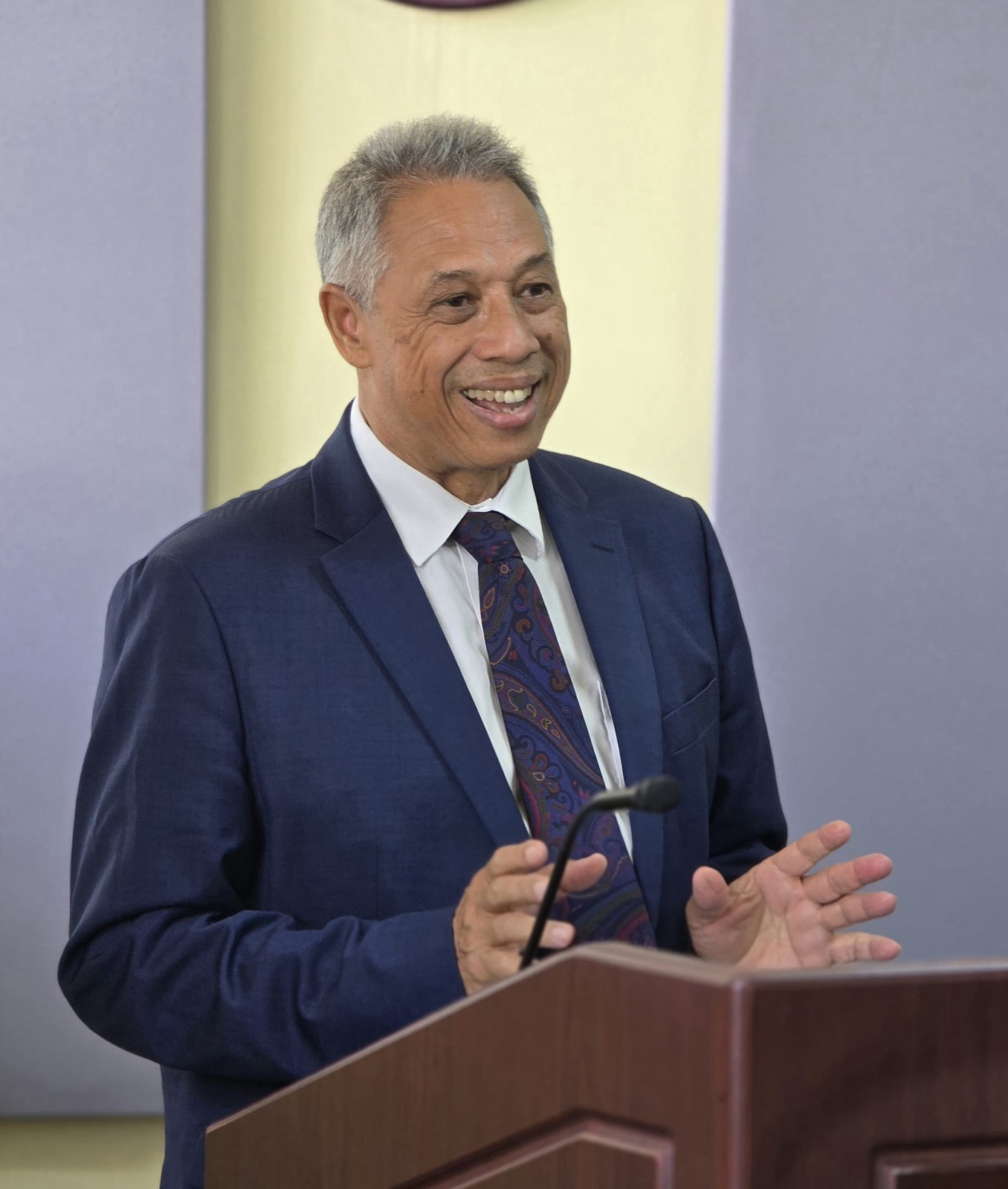
    Jones’ vision aligned with the core goal of the summit, which organizers framed as far more than a routine policy discussion. Sports Minister Anthony Mahler stressed that the gathering is intended to produce a concrete, shared strategy that will guide Belizean sports development for the next decade and beyond. Mahler outlined plans to form a unified coalition including national sports federations, the National Sports Council, the Belize Olympic Committee, and local community groups to implement the strategy. He also highlighted the need for early talent identification in school systems, noting that consistent resourcing and targeted support from a young age will be key to closing the gap with better-resourced competing nations. While calling on athletes to commit to the hard work required to reach the top, Mahler emphasized that governing bodies have a responsibility to build the support systems that make that success possible.

    For decades, Belizean athletes have competed on the global stage without access to the sports science, nutrition support, training facilities, and development infrastructure that athletes in wealthier nations take for granted. This summit marks a deliberate shift in approach: instead of asking what Belize can achieve with its existing limited resources, stakeholders are now demanding investment in the talent the nation already holds, laying the groundwork for a new era of Belizean athletic achievement.

  • Lower taxes could make island‑hopping affordable again – experts

    Lower taxes could make island‑hopping affordable again – experts

    The Caribbean, a region defined by scattered island nations, has long struggled with a cycle of unstable intra-regional air connectivity marked by frequent airline failures, exorbitant travel costs, and inconsistent service. Now, two seasoned aviation industry professionals have put forward a comprehensive, multi-pronged proposal that they argue could upend long-standing structural issues, slash ticket prices for regional travelers, and unlock broad-based economic growth across the bloc.

    The proposal comes from Captain Don Chee-A-Tow, an aviation consultant and France’s Honorary Consul to Barbados, and Paul Gravel, managing director of SVG Air, Grenadine Airways, and OECS Aircraft Maintenance. Their joint report, dated August 10 and obtained by Barbados TODAY, will be distributed to all Caribbean regional governments to catalyze policy action. At the core of their recommendations is an urgent call for fiscal reform: cutting airport usage fees, security charges, and passenger taxes specifically for legitimate intra-regional flights. The experts argue that these high cumulative costs have artificially suppressed passenger demand and left regional carriers unable to compete effectively, so downward adjustment would stimulate travel and boost the sector’s overall viability.

    Beyond fiscal changes, the experts are pushing for a fundamental reclassification of regional aviation by all Caribbean Community (CARICOM) member states, including Barbados. They contend that regional air connectivity is just as critical to economic function as core infrastructure like seaports, national highways, and telecommunications networks, and should be formally recognized as such by governments. Efficient air links underpin nearly every major sector across the Caribbean, from tourism and cross-border commerce to emergency healthcare access, post-secondary education, foreign direct investment, and disaster response resilience, they noted.

    To address long-standing bureaucratic bottlenecks, the report urges regional policymakers to allocate additional funding and resources to local civil aviation authorities. This investment would speed up core administrative processes including aircraft registrations, license validations, and safety certifications, eliminating unnecessary delays that have hampered carrier operations for years.

    A key pillar of the plan focuses on building a self-sufficient regional aviation workforce. The experts propose establishing a well-funded dedicated regional aviation academy to train new pilots, aircraft maintenance engineers, and other core aviation professionals. Currently, most Caribbean aviation workers rely on costly overseas training programs; a local academy would create a steady pipeline of skilled local talent and reduce the sector’s dependence on foreign training institutions.

    On the financing front, Chee-A-Tow, a former pilot for defunct regional carrier LIAT, and Gravel are calling for collaborative action from leading regional financial institutions including the Eastern Caribbean Central Bank (ECCB) and Caribbean Development Bank (CDB), alongside national governments, local commercial banks, and international development partners. The group should work together to create new, accessible financing frameworks tailored to the needs of regional carriers, they say. Possible mechanisms include partial credit guarantee schemes, dedicated aircraft financing facilities, development-focused lending programs, regional aircraft leasing initiatives, and structured risk-sharing agreements with commercial lenders. The report notes that these tools would lower the risk for lending institutions while allowing regional operators to invest in newer, safer, more fuel-efficient aircraft that cut long-term operating costs and improve environmental sustainability.

    The experts also back strategic industry consolidation, arguing that the current fragmented market of multiple small undercapitalized carriers is unsustainable. They recommend that governments support the emergence of a smaller number of larger, better-capitalized regional airline groups that can achieve economies of scale, improve fleet utilization rates, and build stronger financial resilience to weather market volatility.

    Additional recommendations include accelerating fleet modernization, developing shared regional centers of aviation excellence, introducing targeted public service obligation (PSO) programs for unprofitable but socially important routes, strengthening cross-carrier commercial cooperation, and reducing unnecessary political interference in airline operations.

    For fleet modernization, the experts urge encouraging investment in modern aircraft sized appropriately for the small passenger volumes common to Caribbean regional routes. These aircraft deliver lower operating costs, better fuel efficiency, lower carbon emissions, and more reliable service than aging fleets currently operated by many regional carriers. Where practical, the report also encourages fleet standardization to cut maintenance, training, and spare parts inventory costs.

    To maximize the use of limited regional resources and improve operational efficiency, governments should collaborate to build shared regional facilities for aircraft maintenance, pilot training, engineering education, and technical support, the proposal adds. For thin routes that are critical for connecting small island communities but not financially viable for carriers, the experts recommend transparent targeted PSO programs that provide public support to maintain service, rather than forcing airlines to absorb ongoing losses that threaten their long-term survival.

    To boost commercial integration across the sector, the report recommends expanding interline ticketing agreements between carriers, coordinating flight schedules to improve connections, offering through-ticketing for multi-leg journeys, and building formal partnerships with regional tourism boards, hotel groups, and cruise line operators to stimulate passenger demand and improve the end-to-end traveler experience.

    On the topic of political interference, the authors note that sustainable airline operations require long-term business strategy and sound financial management, rather than decision-making driven by short-term political objectives. They argue that professionalizing corporate governance frameworks and prioritizing business-focused decision-making can reduce unnecessary political meddling while preserving critical regional connectivity that serves public needs.

    In closing, the experts emphasized that the Caribbean’s unique geography of scattered island nations makes efficient regional air travel an absolute necessity for regional integration and development. They noted that the repeated cycle of new airline launches, followed by financial distress and eventual collapse that has plagued the region for decades is not caused by a lack of passenger demand. Instead, it stems from structural challenges that have gone unaddressed for generations.

    By implementing the full set of recommended reforms – from recognizing aviation as critical economic infrastructure and strengthening regulatory capacity to rebuilding local training programs, improving access to affordable financing, encouraging strategic consolidation, modernizing fleets, and reducing political interference – Caribbean governments and regional institutions can build a far more resilient, commercially sustainable regional air transport system. A stronger aviation network will not only benefit airlines, the report concludes. It will deliver widespread, long-lasting economic and social benefits to all Caribbean citizens by improving trade, expanding tourism, enhancing healthcare and education access, strengthening disaster response, boosting investment, and deepening regional integration.


  • Police seek missing 17-year-old Kymiah Clarke

    Police seek missing 17-year-old Kymiah Clarke

    Law enforcement authorities in St George are turning to the community for help in tracing a missing teenager who has not been seen for more than a week. Kymiah Paulesha Clarke, 17, a resident of Lot #56, Valley Drive in the Constant neighborhood of St George, was last observed by members of the public on Tuesday, September 1.

    Police have released a detailed physical description of the missing teen to help community members identify her. Clarke stands approximately five feet tall, has a slender build and a light brown skin tone. She is noted to have black hair, brown eyes, and a distinctive dark marking on her right elbow. At the time of her disappearance, investigators have not been able to confirm what clothing she was wearing, leaving one key detail unconfirmed for the search effort.

    The Royal Barbados Police Force is urging any member of the public who may have encountered Clarke since September 1, or who has information about her current location, to come forward immediately with details. Tips can be submitted to District ‘B’ Police Station directly through any of three dedicated contact numbers: 536-9062, 437-4311, or 430-7625. For urgent reports, community members can reach the 24/7 Police Emergency line at 211. Anonymous tips can also be submitted to Crime Stoppers at 1-800-TIPS (1-800-847-7), or people can share information at any local police station across the island.

  • Xi Jinping bezoekt Egypte: China versterkt invloed in het Midden-Oosten

    Xi Jinping bezoekt Egypte: China versterkt invloed in het Midden-Oosten

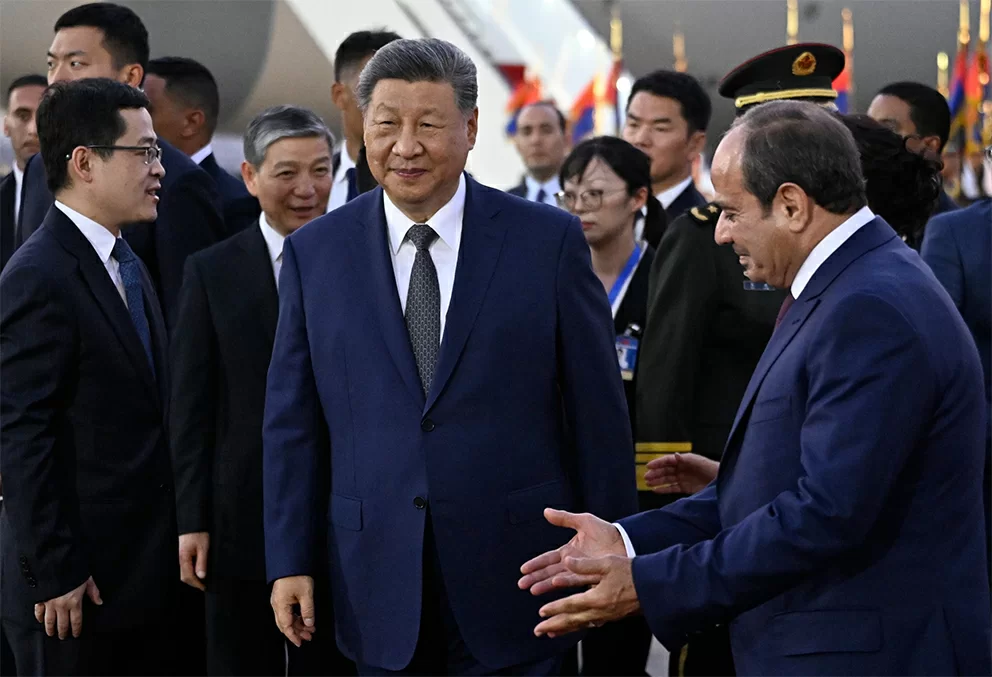
    On a crisp Tuesday evening in Cairo, Chinese President Xi Jinping touched down at Cairo International Airport, greeted with a full official welcome by Egyptian President Abdel Fattah al-Sisi and a military honor guard. The visit marks Xi’s first return to the Middle East region since his 2022 trip to Saudi Arabia, and while on the surface it is framed as a standard diplomatic mission to strengthen economic and people-to-people ties between the two nations, regional analysts and diplomatic insiders say the meeting carries far broader geostrategic weight at a moment of shifting global power dynamics.

    This year marks the 70th anniversary of formal diplomatic relations between Beijing and Cairo, a milestone both leaders have highlighted as a foundation for deeper cooperation. For China, the growing partnership with Egypt – a longstanding key ally of the United States in the Middle East – represents a major step forward in its campaign to position itself as a viable alternative global power to Washington, and to expand its footprint across a region undergoing rapid political and economic change.

    During wide-ranging talks with al-Sisi, Xi emphasized that China and Egypt must align to push back against unilateralism and what he called “bullying behavior” in global affairs, while calling for the construction of a more just and equitable framework for international collaboration. For Egypt, deepening ties to Beijing serves a clear strategic goal: diversifying its network of global partnerships beyond its traditional reliance on Western powers. In 2023, Egypt received an invitation to join the BRICS bloc, a coalition of major emerging economies led by China, Russia and India that was formed to counterbalance Western-dominated global institutions such as the G7.

    Economic ties between the two countries have already grown far deeper than many outside observers recognize. To date, China has committed more than $10 billion in direct investment to Egyptian infrastructure and development projects, including a new central business district east of Cairo and a high-capacity electric freight railway serving industrial hubs across the Nile Delta. Annual bilateral trade between the two nations is currently estimated at $20 billion – a figure that already outpaces the $15.7 billion in annual trade between the United States and Egypt recorded in 2025. Even with this growing economic alignment with Beijing, Egypt retains its status as a critical regional security partner for Washington, a balancing act Cairo has carefully maintained for decades.

    This visit is not an isolated step for China in the Middle East. Back in 2023, Beijing brokered a landmark deal to restore diplomatic relations between Iran – one of China’s key regional allies and top oil suppliers – and Saudi Arabia, another long-standing U.S. partner in the region. While tensions between Riyadh and Tehran have re-escalated amid new regional conflicts since the deal was signed, the breakthrough demonstrated Beijing’s growing ambition to shape regional outcomes and build diplomatic capital across competing blocs.

    Egypt’s unique strategic position, which includes full control over the Suez Canal – one of the world’s most vital global shipping chokepoints – has added extra urgency to China’s outreach amid current regional disruptions. With oil shipments through the Strait of Hormuz facing severe disruption from ongoing conflict linked to Iran, the Suez Canal has emerged as an even more critical alternative route for energy shipments out of the Middle East. Regional security experts widely view China’s deepening partnership with Cairo as a calculated move to secure reliable access to Arab and African markets at a time when Washington has shifted much of its strategic focus away from the Middle East to other global priorities.

    Beyond economic and diplomatic cooperation, security ties between Beijing and Cairo have also expanded in recent months. The two countries recently held their first joint air force exercises, which saw Chinese J-16 fighter jets train alongside Egyptian Rafale fighter aircraft in shared operational drills. Xi’s visit to Cairo comes directly on the heels of a recent summit of the Shanghai Cooperation Organization (SCO), a political and security bloc increasingly seen as a counterweight to U.S.-led regional security architectures, which brought together leaders from Russia, India, Pakistan, Iran and other member states.

    The shifting alignments in the region come as the United States continues to ramp up economic pressure on Iran, maintaining sweeping sanctions aimed at isolating Tehran from global commercial networks. China, which import more than 80% of Iran’s total oil exports – most currently moving through indirect shipping channels – has repeatedly stated that all of its trade with Iran adheres to international law and norms, pushing back against U.S. claims that its trade violates Washington’s unilateral sanctions regimes.

  • Why Can’t BEL Just Buy More Electricity?

    Why Can’t BEL Just Buy More Electricity?

    By September 2026, the small Central American nation of Belize is confronting a growing energy crisis: a projected electricity shortage is set to hit within 12 months, yet the country’s primary power utility, Belize Electricity Limited (BEL), is legally barred from independently purchasing additional generation capacity to close the gap.

    The looming deficit comes as rising domestic and commercial energy demand has steadily eaten into Belize’s existing power generation reserves, bringing consumption dangerously close to current maximum output. This narrowing gap has triggered widespread concerns over the long-term stability of Belize’s national power grid, with industry observers warning that unaddressed shortfalls could lead to rolling blackouts or widespread service disruptions.

    To unlock the ability to source emergency power, BEL has formally requested the government issue an official emergency declaration. However, the request cannot move forward directly: it must first pass review by the national Cabinet, before being sent to the Public Utilities Commission (PUC), Belize’s independent energy regulator, for final approval and authorization.

    Dr. Leroy Almendarez, Chief Executive Officer of Belize’s Ministry of Public Utilities, explained that this multi-step bureaucratic structure was intentionally designed to prevent BEL from unilaterally selecting power suppliers. In comments on the policy framework, Almendarez emphasized that regulatory oversight is a non-negotiable part of the process. “We don’t want it to be said that BEL can just go out and determine that I want to get from X or Y. That is not what is happening,” Almendarez said. “BEL does not just go out and say, well I can see the emergency coming up and so I just go and do so. Don’t forget and this must always be at the back of our minds, that there is a regulator called the PUC.”

    Under the approved process, even if Cabinet greenlights the emergency declaration, BEL still faces additional requirements before it can secure new power. As the country’s sole authorized power purchaser, BEL must first provide documented proof that a genuine energy emergency exists, then identify a qualified supplier capable of meeting the full projected shortfall. Only after both steps are completed can negotiations for additional power generation begin.

    As of early September 2026, BEL’s request remains under review at the PUC. Almendarez noted that if the projected shortage ends up lasting longer than current projections indicate, additional rounds of stakeholder consultations and regulatory reviews will likely be required to secure long-term additional capacity.

  • PSV sector cashless bus pilot in three weeks

    PSV sector cashless bus pilot in three weeks

    Barbados is on the cusp of a major modernization push for its public transit network, with a long-awaited digital payment pilot program for public service vehicles (PSVs) set to launch within the next two to three weeks. Spearheaded by the Alliance Owners of Public Transport (AOPT), the initiative aims to phase out paper ticketing, curb widespread fare fraud that has drained operator revenue for years, and bring the island’s transit system into the digital age.

    Final preparations are currently in full swing, with organizers wrapping up the selection of participating operators ahead of scheduled staff training and equipment installation. Eight PSVs spanning both high-traffic commercial corridors and quieter suburban and rural routes will be outfitted with custom-built automated fare collection hardware to test real-world usability of the system, according to AOPT Chairman Roy Raphael.

    “We have never operated a full cashless system on our public transport before, so this pilot will serve as our introduction to the technology,” Raphael shared in an exclusive interview with Barbados TODAY. “All the system design work is complete, and we are just finalizing the selection of buses for the trial, thanks to our existing partnerships with local transit stakeholders.”

    The first phase of testing will roll out across a diverse slate of routes, including busy city corridors like River Road and Forde’s Road, as well as longer rural routes serving Silver Hill, St Peter, Castle and Bathsheba. This mixed-route selection will allow project leads to collect actionable data on passenger adoption across different use cases, from short daily commutes in urban centers to longer, less frequent trips in rural areas where commuters often face extended wait times between service.

    To address a long-standing regulatory barrier that derailed earlier attempts at mobile-based cashless fare systems, developers designed the new technology to use standalone, onboard validation units mounted directly to each bus, eliminating the need for drivers to handle personal mobile devices while operating their vehicles. Under Barbadian road law, drivers are prohibited from holding mobile devices while behind the wheel, a rule that required a full rework of the system’s hardware.

    “What the development team did was create a dedicated unit that fits right on the bus, roughly the same size as a cell phone,” Raphael explained. “Passengers simply tap or swipe their payment card on the unit, which sends a clear confirmation directly to the driver.”

    The push to accelerate the transition to digital payments comes in response to a persistent, costly issue of fare fraud that has plagued operators relying on traditional cash fare boxes. Raphael confirmed that multiple operators have reported increasing instances of passengers cutting paper banknotes into two separate pieces in an attempt to get two fares for the price of one, leaving operators with damaged, unusable currency and significant revenue losses over time.

    “We are seeing more and more passengers cut $5 bills into two halves, roll up each half separately, and drop them into the fare box to count as two separate full fares,” Raphael revealed. “By the time operators collect and count the cash at the end of the day, they find two partial bills that add up to just one full $5 note.”

    Beyond cutting down on this revenue leakage, Raphael noted that the transition to digital ticketing also aligns with the Barbadian government’s broader national strategy to expand digital financial inclusion and reduce unnecessary paper-based administrative processes across all public services.

    To boost early adoption among commuters who are accustomed to paying with cash, the pilot program will include a range of consumer incentives and flexible journey policies. Passengers who use the new digital payment system will be eligible for rewards programs and discounted fares on multi-leg connected journeys. A time-based transfer policy will allow passengers to switch between participating routes within a two-hour window for no additional charge, and regular users will be entered into drawings for free ride rewards.

    “Our core goal is to draw in commuters who currently rely exclusively on cash payments,” Raphael said. “The more you ride with the digital system, the more opportunities you have to earn rewards. After you tap your card, you may even be selected for an instant win for a free trip.”

    While a handful of final operational details, including processing fee structures and revenue sharing protocols, are still being finalized, AOPT leaders frame the upcoming pilot as a transformative first step toward building a fully automated, cashless public transit network for the entire island.