
As Suriname marks 50 years of independence, the nation finds itself reflecting on the deeper meaning of freedom. The journey since 1975, when Suriname formally severed ties with its colonial past, has been one of both pride and introspection. Yet, the question lingers: what has been achieved with this hard-won independence? True liberation, it seems, demands more than political autonomy; it requires a transformation within the people themselves. The scars of slavery, indentured labor, and colonial exploitation remain etched in the national consciousness, symbolized by monuments like the statue of Kwakoe, whose broken chains still hang from his wrists. These remnants of history serve as a reminder that while the nation is free in name, it remains bound by the invisible chains of division, distrust, and complacency. The relationship with the Netherlands, though complex, persists through shared language, culture, and familial ties. Rather than dwelling on past grievances, the call is for Suriname to view the Netherlands as a partner in progress, fostering collaboration in trade, education, and sustainable development. The true battle for independence, however, lies within. It is a fight against the internalized colonial mindset that perpetuates inequality and corruption. The promise of oil revenues offers economic potential, but it is not a panacea for the nation’s structural challenges. Real change will only come when Surinamese society confronts its own shortcomings, embraces unity, and takes collective responsibility for its future. Fifty years of independence is not just a milestone but a call to action—a reminder that true freedom is a daily commitment, requiring courage, character, and the recognition that liberation begins with self-transformation.
作者: admin
-
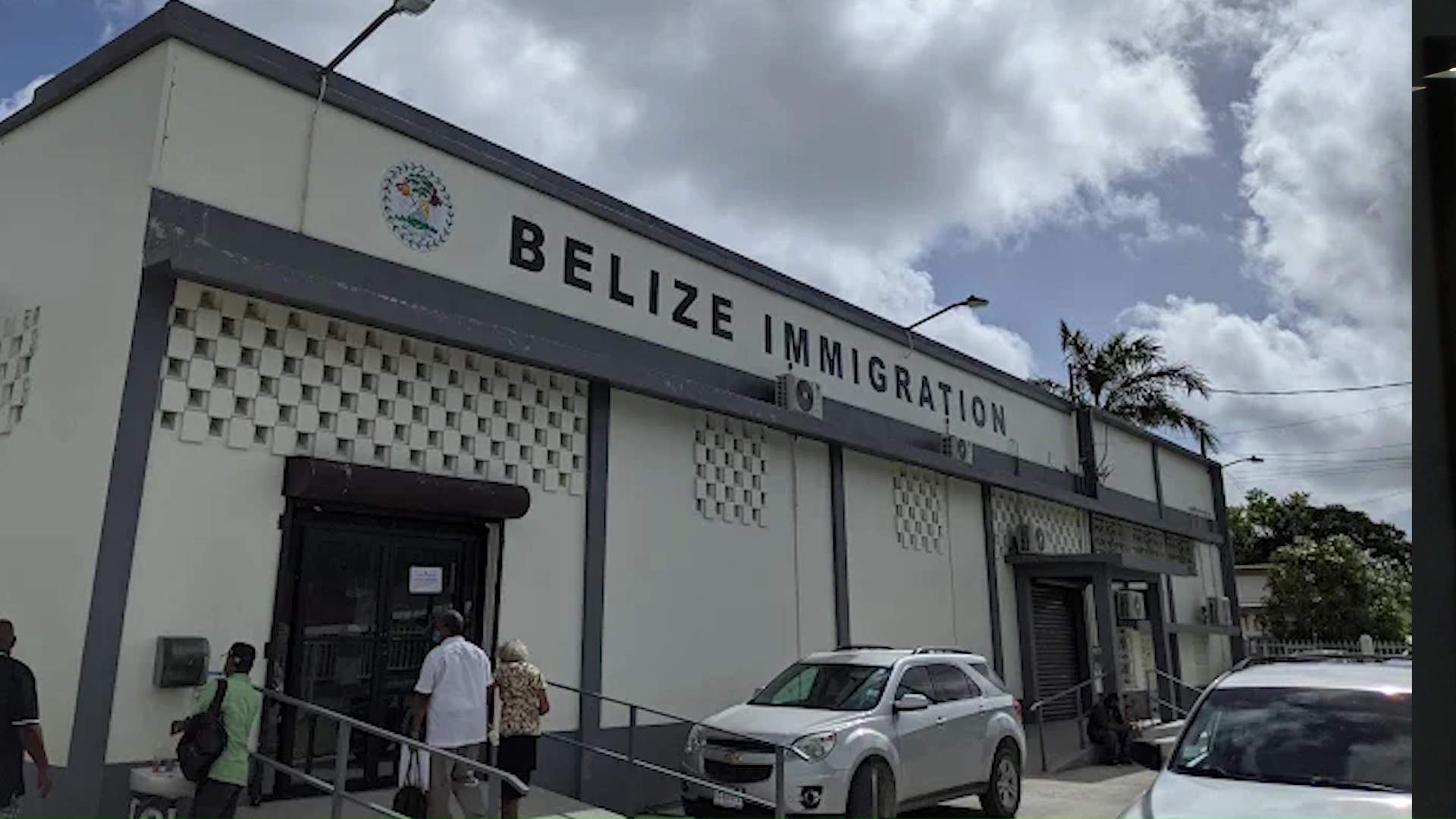
Kareem Musa’s Big Switch from Home Affairs to Immigration
In a significant Cabinet reshuffle, Kareem Musa has transitioned from his role as Minister of Home Affairs to take charge of the Ministry of Immigration, Labor, and Governance. This move has ignited widespread speculation and debate across Belize. While some critics view this as a demotion, Musa firmly asserts that it is a promotion, emphasizing the complexity and importance of his new responsibilities. He expressed optimism about his new role, highlighting the challenges in immigration, labor, and governance, and underscored the Prime Minister’s confidence in his legal expertise to navigate these critical areas. The timing of this reshuffle has raised questions, particularly in light of the ongoing investigation into the kidnapping of Joseph Budna. Musa has categorically denied any involvement in the case, stating that the Prime Minister and the Cabinet are fully aware of his innocence. He also addressed concerns about the investigation’s progress, noting that there is substantial evidence, including video footage and officer statements, which could be revisited. This transition marks a pivotal moment in Musa’s political career, with implications for Belize’s governance and public perception.
-
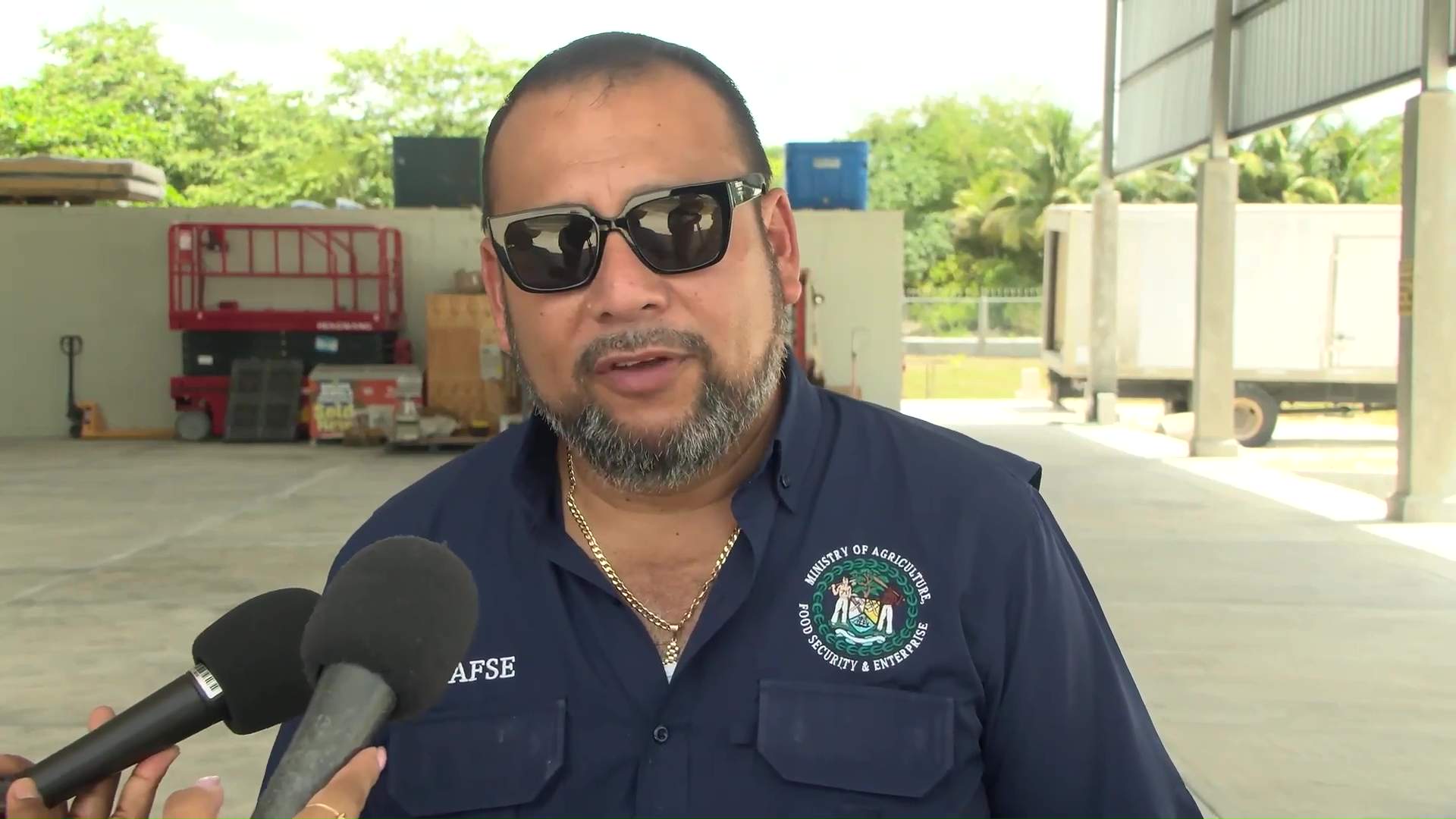
Horse Fall or Washington Pressure? Abi Mai Steps Down
In a surprising turn of events, Belize’s Prime Minister John Briceño announced on Tuesday that Minister of Agriculture Jose Mai has taken a leave of absence due to health reasons. According to Briceño, Mai sustained a back injury from a horse fall approximately a year ago and now requires surgery. However, this explanation has been met with growing skepticism, as rumors suggest that Mai’s departure may have been influenced by external pressures, particularly from Washington. The situation has sparked intense speculation and debate within Belize’s political circles. When questioned, Mai’s Cabinet colleagues offered mixed responses. Oscar Mira, Minister of Home Affairs, acknowledged that Mai had indeed suffered an accident but refrained from elaborating further, stating, “All of us decide and know how we feel. Sometimes we need to take a break.” Kareem Musa, Minister of Immigration and Labor, admitted he had not been able to reach Mai for comment but noted that the minister had been complaining of pain for some time. The prime minister’s account, while supported by some, continues to be scrutinized as the public seeks clarity on the true reasons behind Mai’s sudden leave.
-

Pierre tours Halls of Justice site ahead of election
Prime Minister Philip J. Pierre conducted a site visit to the Halls of Justice Project on Thursday, November 20, to assess the construction progress as the December 1 election approaches. The project, a flagship initiative of the current administration, is being developed under a Build Own Lease Transfer (BOLT) agreement between the Government of Saint Lucia and Themis LTD, a subsidiary of NH International. With a fixed project cost of EC$143 million, Themis LTD is fully financing the construction, including office furniture, filing systems, and Information and Communication Technology (ICT) infrastructure. Upon completion, the government will lease the facilities for up to 12 years before ownership is transferred to the people of Saint Lucia.
During the visit, Prime Minister Pierre expressed his satisfaction with the project’s progress, particularly noting the diverse workforce comprising individuals from CARICOM nations. He emphasized the significance of the centralized facility, which will serve as the official home of the judiciary in Saint Lucia. Pierre highlighted the current challenges faced by the judiciary, including inadequate court facilities and structural issues, and underscored the importance of consolidating all legal and judicial operations under one roof.
The Prime Minister also praised the innovative investment model employed for the project, contrasting it with traditional state department housing agreements. He explained that the lease structure ensures the country will eventually gain full ownership of the property, making it a sustainable investment for Saint Lucia. Pierre emphasized that this approach avoids perpetual rental payments and instead provides long-term benefits to the nation.
Civil engineer John Peters, the project director, provided an update on the construction progress. He reported that the ground floor of the annexe building, which will house criminal courts, has been completed. Work on the foundation of the main building, intended for commercial, family, and civil courts, is progressing well, with hopes of reaching the first or second floor by year-end. Despite weather-related challenges, Peters expressed confidence in meeting the two-year completion timeline.
-

CCJ Delivers Judgment in Belize’s LPG Import Showdown
In a landmark ruling, the Caribbean Court of Justice (CCJ) has upheld Belize’s legislation centralizing the importation of liquid petroleum gas (LPG) under the National Gas Company. The decision marks the culmination of a protracted legal battle between the Belizean government and four private gas companies—Gas Tomza, Western Gas, Southern Choice Butane (Zeta Gas), and Belize Western Energy—who challenged the policy as a violation of their constitutional rights to work and property. The government, represented by the Controller of Supplies, the Minister of Economic Development, and the Attorney General, argued that the reforms were essential to address systemic issues in the LPG sector, including supply insecurity, transfer pricing, poor product quality, and smuggling. Senior Counsel Eamon Courtenay emphasized that the legislation aimed to dismantle monopolistic practices and establish a fairer, more stable system. The private companies had previously won a $60 million claim at the High Court, but the Court of Appeal overturned the decision, prompting the government to escalate the case to the CCJ. The CCJ ultimately ruled that the Court of Appeal erred, affirming that no constitutional rights were breached and dismissing the companies’ claims. This decision reinforces the government’s authority to regulate critical sectors in the public interest.
-
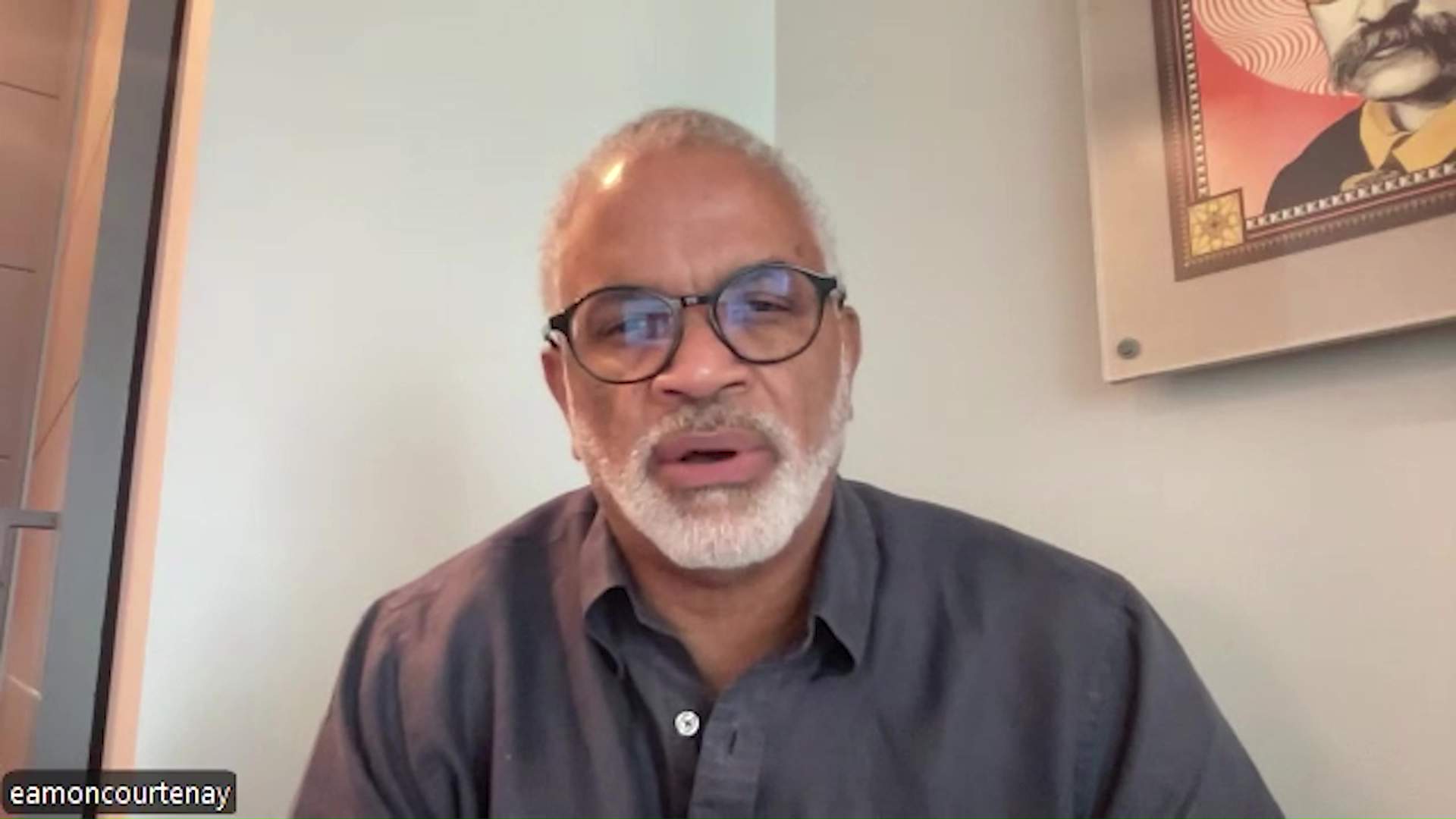
CCJ Upholds Government’s LPG Market Reforms
In a landmark decision on November 20, 2025, the Caribbean Court of Justice (CCJ) upheld the Belizean government’s restructuring of the Liquefied Petroleum Gas (LPG) market, marking the culmination of a years-long legal battle. The ruling validates the transition from a system of multiple importers to a streamlined model featuring a single main importer and local distributors. This reorganization, deemed constitutionally sound by the court, effectively shields the government from a $60 million claim previously pursued by private gas companies. Senior Counsel Eamon Courtenay emphasized the significance of the judgment, stating that the legislation is now confirmed as constitutionally compliant. He further clarified that the court’s decision underscores the continued existence of goodwill among gas companies, despite their claims of financial losses. The ruling not only resolves a major legal dispute but also sets a precedent for the future organization of Belize’s LPG market, ensuring stability and clarity for industry stakeholders.
-
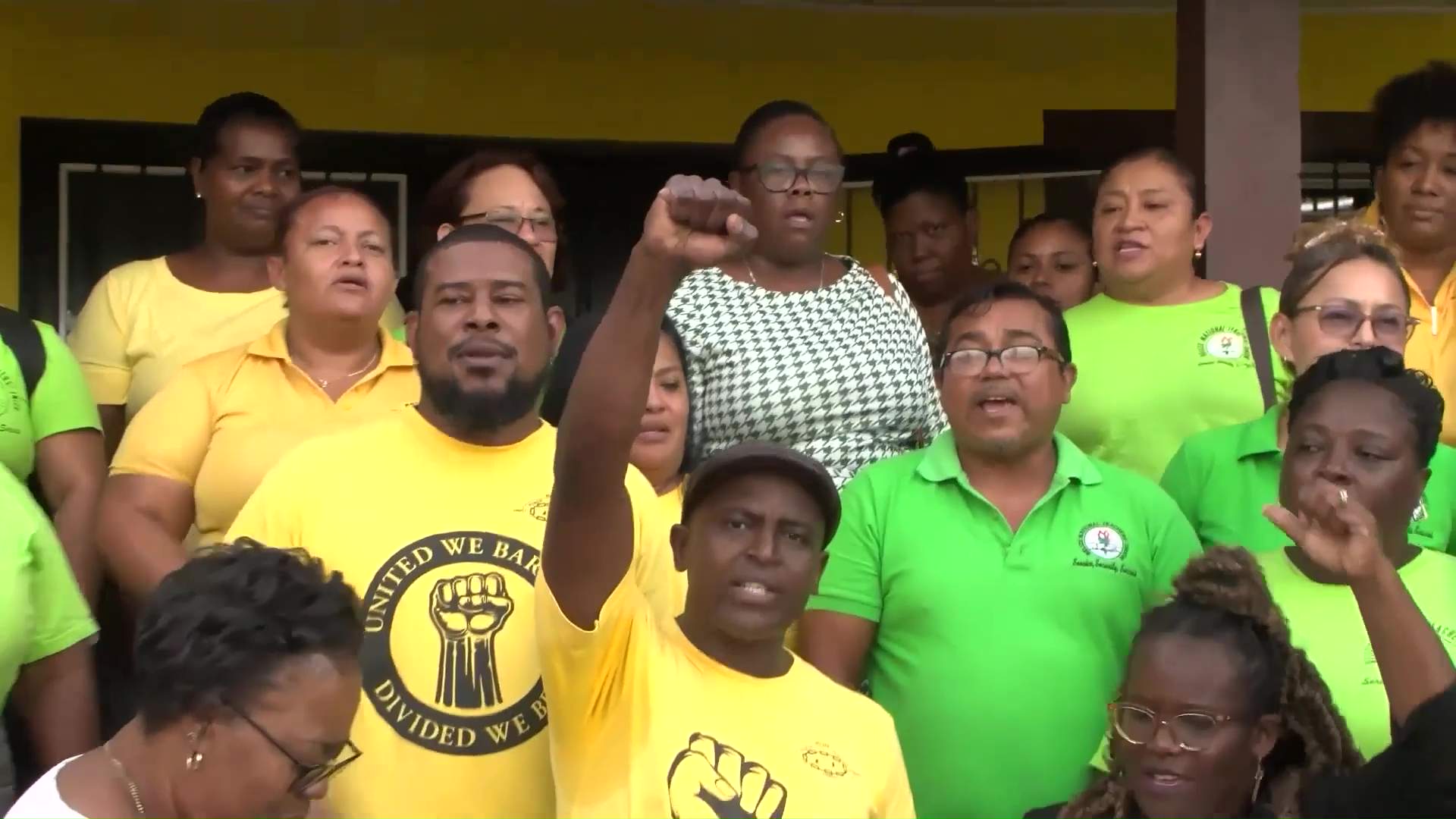
Historic Pay Raise at Heart of $210M Spending Plan
The Briceño administration has unveiled a groundbreaking $210 million spending plan, urging Parliament to approve two significant bills aimed at addressing both immediate and long-term financial needs across various ministries. At the heart of this proposal is a historic salary and pension increase for public officers, teachers, and security personnel, marking the largest pay raise ever granted by any government in Belize. Prime Minister John Briceño emphasized the importance of this initiative, stating that it reflects the administration’s commitment to recognizing the hard work and dedication of these essential workers. The wage hike, negotiated earlier this year with the Joint Unions, includes an initial 4.5% increase effective from October 1, 2025, to March 31, 2026, costing nearly $15 million. Once fully implemented, the total increase of 8.5% will amount to an annual expenditure of $60 million. This move is expected to significantly boost morale and productivity among public sector employees, including the police department, the Belize Defence Force (BDF), and the Belize Coast Guard. The spending plan also allocates funds for other critical areas, ensuring comprehensive support for the nation’s development.
-
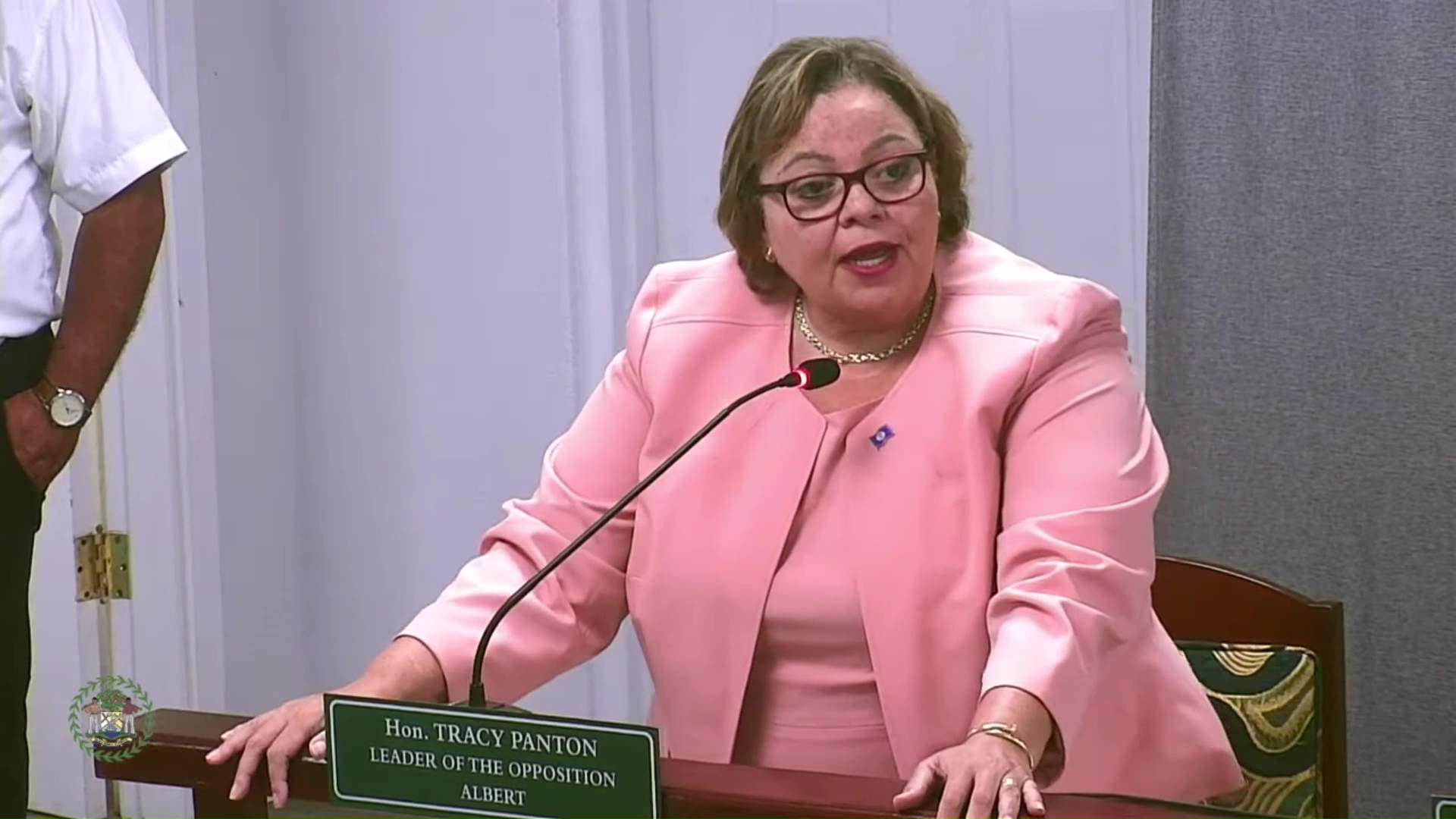
Why Does a ‘Strong’ Economy Need More Cash?
In a heated parliamentary session on November 20, 2025, Belize’s Opposition Leader Tracy Taegar-Panton strongly criticized the government’s request for additional funding through two supplementary appropriation bills, totaling $210 million. Panton argued that the repeated need for budget adjustments contradicts the administration’s claims of a robust economy. She highlighted discrepancies in the reported economic growth figures, noting that while the Prime Minister cited an 8.2% growth rate, the actual figure was only 3.5%. Panton accused the government of severe underbudgeting, questioning why a supposedly strong economy requires constant financial injections. She declared that the Opposition would not support the bills in their current form, emphasizing the need for greater fiscal transparency and accountability.
-

UN delegation visits Haina Migration Center to review procedures
A high-level delegation from the United Nations’ permanent office in the Dominican Republic recently conducted an inspection of the Haina Migration Processing Center (CPM). The visit was led by UN Resident Coordinator Julia Sánchez, who was welcomed by Vice Admiral Luis Rafael Lee Ballester, Director of the General Directorate of Migration (DGM). During the tour, Lee Ballester provided a comprehensive overview of the procedures applied to undocumented foreigners at the facility, including biometric identification, legal processes, and medical care. He also addressed questions from the delegation regarding the center’s operations and ongoing infrastructure improvements. Sánchez expressed her appreciation for the detailed explanations and reaffirmed the UN’s commitment to supporting the Dominican government in managing migration challenges. She highlighted the complexities arising from the crisis and institutional weaknesses in Haiti, which significantly impact migration control efforts in the Dominican Republic. The delegation also reviewed verification procedures for detainees, such as identity checks, detection of forged documents, and monitoring of recidivism. They acknowledged the collaborative efforts between the DGM and UN agencies like UNICEF, IOM, and UNHCR, which work to protect migrants’ rights and well-being. Lee Ballester emphasized the strong coordination between the DGM and these agencies, particularly UNICEF’s permanent presence at the Haina center, especially in cases involving children. The delegation concluded their visit by touring the facilities and receiving updates on investments and upgrades aimed at enhancing the center’s operations.
-

Espat Defends $69M George Price Highway Upgrade
The Belizean government’s proposed $69 million loan for the George Price Highway upgrade has sparked intense debate, with the Opposition strongly criticizing the move as an unnecessary financial burden. The loan, aimed at funding roadworks between Belize City and Hattieville, has been labeled by critics as a reckless decision that will saddle the country with two decades of repayments, diverting resources from pressing social and economic issues. Minister of Infrastructure Development Julius Espat, however, has vehemently defended the project, emphasizing its urgency and priority for the Briceno administration. Espat dismissed claims of inadequate feasibility studies, asserting that international financial institutions (IFIs) would not approve loans without thorough documentation. He invited critics, including Corozal North Area Representative Hugo Patt, to review the studies firsthand. Patt, meanwhile, questioned the project’s cost-effectiveness and standards, citing structural failures in recent infrastructure projects. Opposition Leader Tracy Panton also condemned the loan agreement, accusing the government of prioritizing debt over the nation’s welfare. The debate highlights the ongoing tension between infrastructure development and fiscal responsibility in Belize.