
The Energy Authority Suriname (EAS) has responded to recent reports of widespread power outages across multiple districts, acknowledging the concerns of citizens and businesses. The regulator emphasized the critical importance of a reliable electricity supply for the nation. Since 2021, the EAS has laid the groundwork for improved regulation and modernization of the sector, with significant preparatory work addressing current challenges. The EAS has three core mandates: advising the government, regulating the electricity sector, and promoting a safe, reliable, and affordable power supply. Additionally, it approves kWh tariffs, ensures compliance with laws, and encourages sustainable energy solutions. Following a recent outage earlier this month, the EAS received information from the EBS and highlighted the need for better preventive maintenance, timely inspections, infrastructure modernization, and more transparent public communication. A key part of the solution lies in the Electricity Sector Plan, submitted to the government in May 2025 for approval. This plan includes a 20-year strategic vision, a five-year investment roadmap, technical recommendations, improved tariff methodologies, and proposals for strengthening legal frameworks. The EAS is also collaborating with sector partners and the Inter-American Development Bank on projects to modernize regulations, enhance oversight, build capacity, and invest in sustainable energy. A transparent framework for renewable energy project tenders has already been developed. The EAS has prepared necessary analyses, frameworks, and recommendations for future working groups, enabling the country to build on existing efforts rather than starting anew. The authority stressed that electricity is a basic necessity and is ready to support the government and sector partners with data, policy proposals, and international best practices. The recent outage underscores the urgency of implementing the Electricity Sector Plan to ensure Suriname achieves a reliable, affordable, and sustainable energy supply.
作者: admin
-
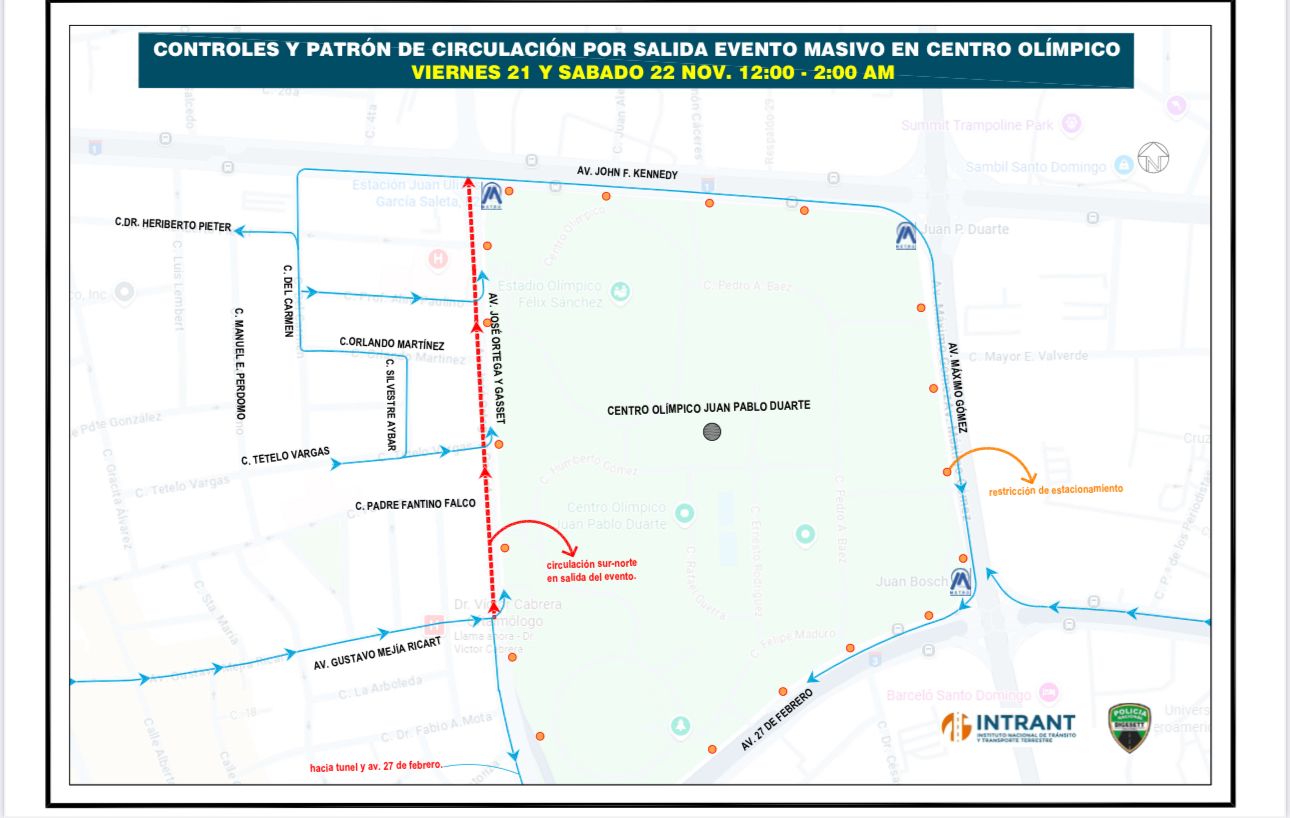
INTRANT issues traffic plan for Bad Bunny’s concerts
In preparation for the highly anticipated Bad Bunny concerts near the Juan Pablo Duarte Olympic Center this Friday and Saturday, the National Institute of Transit and Land Transportation (INTRANT) and the General Directorate of Traffic Safety and Land Transportation (DIGESETT) have unveiled a comprehensive traffic management plan. To mitigate congestion in the event zone, motorists are advised to utilize alternate routes, including Mexico Avenue, Abraham Lincoln Avenue, Independence Avenue, George Washington Avenue, Delgado Street, and Leopoldo Navarro Avenue, starting at 3:00 p.m. These routes are designed to divert traffic away from the immediate vicinity of the Olympic Center. Additionally, parking restrictions will be enforced on major thoroughfares such as Máximo Gómez, 27 de Febrero, John F. Kennedy, and Ortega y Gasset avenues. Sidewalk occupation and lingering in public areas will also be prohibited to maintain order. Vehicle access to the Olympic Center will be strictly limited to sports activities and internal operations, with entry permitted only through gates on Máximo Gómez Avenue and 27 de Febrero Avenue. Buses and tour operator vehicles will be allowed to drop off passengers in surrounding areas, with John F. Kennedy Avenue designated as a primary transfer point. For the concert’s exit, expected in the early morning hours, Ortega y Gasset Avenue will operate exclusively southbound, from Gustavo Mejía Ricart Avenue to John F. Kennedy Avenue, with priority given to pedestrian safety. Authorities have strongly encouraged the use of public transportation, including the Santo Domingo Metro, bus corridors, and authorized taxis, to reduce traffic pressure. Officials emphasized that these measures aim to enhance traffic flow and ensure safer mobility throughout the National District during the event.
-

Bad Bunny kicks off his world tour at the Olympic Stadium this Friday
Santo Domingo is set to become the epicenter of global entertainment as Bad Bunny officially launches his highly anticipated ‘DeBÍ TiRAR Más FOTOS World Tour’ this Friday at the Olympic Stadium. The Dominican Republic has been chosen as the starting point for this monumental tour, underscoring the region’s growing prominence in the international music scene.
-

Dominican Republic faces rising diabetes rates
The Dominican Republic is grappling with a mounting diabetes crisis, as highlighted by the National Institute of Diabetes, Endocrinology and Nutrition (INDEN). Recent data reveals that 13.45% of the population is living with diabetes, while an alarming 2.35% remain undiagnosed, leaving them vulnerable to severe health complications. Broader health estimates indicate that 14% of Dominicans have diabetes, and an additional 9.3% are in a prediabetic state, signaling a pressing public health challenge that is overwhelming the nation’s healthcare infrastructure. INDEN has underscored the critical risks associated with undiagnosed diabetes, including heightened chances of cardiovascular disease, kidney failure, and vision impairment due to delayed treatment. The institution has issued a public appeal for regular health screenings, the adoption of healthier lifestyles, and enhanced early-detection initiatives to curb the escalating impact of this chronic condition on the population.
-
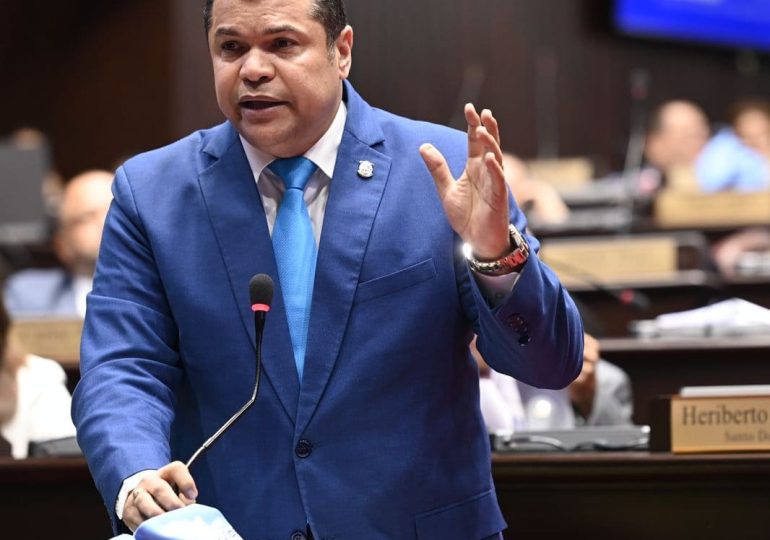
Deputy warns Intrant is profiting from new motorcycle helmet rules
Santo Domingo – Representative Tobías Crespo, the architect behind Law 63-17 on Mobility and Transit, has leveled serious allegations against the National Institute of Transit and Land Transportation (INTRANT). Crespo accused the agency of deviating from its core mission of regulating and ensuring road safety in the Dominican Republic, instead engaging in profit-driven practices. The lawmaker’s critique centers on INTRANT’s new regulation mandating the use of specific motorcycle helmets, which he claims imposes undue financial burdens on motorcyclists. According to Crespo, the helmets, priced at RD$3,500 each for both drivers and passengers, are excessively costly and appear to benefit select companies rather than prioritizing public safety. He argued that this move contradicts the spirit of Law 63-17, which was designed to enhance road safety, not to create exclusive business opportunities. Crespo urged INTRANT to focus on enforcing existing laws that improve mobility and protect citizens, rather than implementing measures that exploit the population. He also referenced Law 176-07, which mandates municipalities to safeguard public interest and prevent policies that prioritize private profit over transparency and security. While Crespo acknowledged the importance of helmets meeting international safety standards, he emphasized that regulations must not be manipulated to financially benefit a privileged few.
-
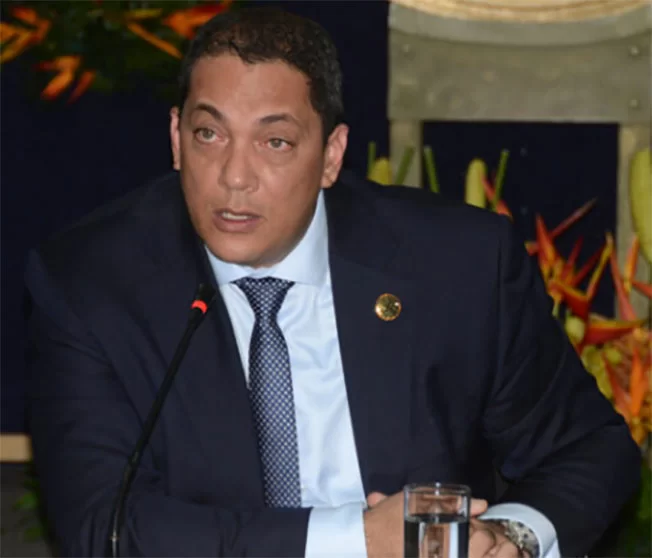
Van Trikt in nieuw strafrechtelijk onderzoek gedagvaard door Openbaar Ministerie
Robert van Trikt, the former Governor of the Central Bank of Suriname, has been summoned as a suspect in a new criminal investigation by the Public Prosecution Service (OM). He is required to appear before the examining magistrate on Wednesday, November 26. The allegations against Van Trikt include violating legal regulations, such as entering into agreements on behalf of or at the expense of the state or a state institution, as outlined in Article 13 of the Anti-Corruption Act. Additionally, he is accused of embezzlement of funds or valuable securities and fraud committed by a public official, involving a breach of a special duty or the misuse of power, opportunity, or means provided by his position. Van Trikt, who was previously convicted in a high-profile case related to the Central Bank of Suriname, is currently appealing this conviction. The appeal process is nearing completion, with Van Trikt having presented his final arguments, though the Court of Justice has yet to issue a ruling. Murwin Dubois, one of the lawyers involved in the case, expressed skepticism about the new investigation, suggesting it may be related to the use of cash reserves in 2019 during Van Trikt’s tenure. Dubois emphasized that multiple reports over the past five years have found no issues with the cash reserves. He also raised concerns about the principle of ne bis in idem, which prohibits prosecuting an individual twice for the same offense, noting that the new summons is based on the same legal provision as the ongoing case. Dubois questioned the basis of the judicial investigation, pointing out that no legal authority, including the Court of Audit, has raised concerns about the use of the cash reserves, even in the Central Bank’s annual report for the relevant period.
-

Spanish language drive launched as students, teachers prepare for Panama immersion
Barbados has taken a significant step toward enhancing Spanish proficiency and fostering cultural ties with Latin America through a groundbreaking initiative. Fifteen secondary school students and several teachers are preparing for a two-week language and cultural exchange in Panama, marking the start of a national campaign to embed Spanish across various sectors. This effort is part of the US$100,000 ‘Enhancing Capacities to Communicate in Spanish’ project, supported by the Development Bank of Latin America (CAF) under its SOMOS (Spanish Opens More OpportunitieS) program. The initiative aims to promote bilingualism, cultural understanding, and a comprehensive national strategy for Spanish language learning. At a high-level dialogue held at Wyndham Sam Lord’s Castle, government officials agreed to establish an inter-ministerial working group to coordinate the rollout and develop a national strategy. Resources will be allocated in the 2026 national budget for staff training and public education campaigns. Finance Minister Ryan Straughn emphasized the project’s importance, stating, ‘The Ministry of Finance will fully support these initiatives for the future of Barbados.’ The exchange program will include daily Spanish lessons, cultural excursions, and innovation workshops for students, while teachers will engage in advanced professional development with Panamanian institutions. Dr. Stacy Richards-Kennedy, CAF’s regional manager for the Caribbean, highlighted the program’s focus on people-centred growth, noting that bilingualism opens doors to trade, tourism, and innovation. Pablo Bartol, CAF’s social and human development manager, underscored the project’s role in fostering Caribbean-Latin American integration. Additional measures include a national diagnostic study and a roadmap for policy development. Minister of Educational Transformation Chad Blackman announced plans to introduce Spanish from early childhood, emphasizing the importance of language in shaping children’s worldviews.
-
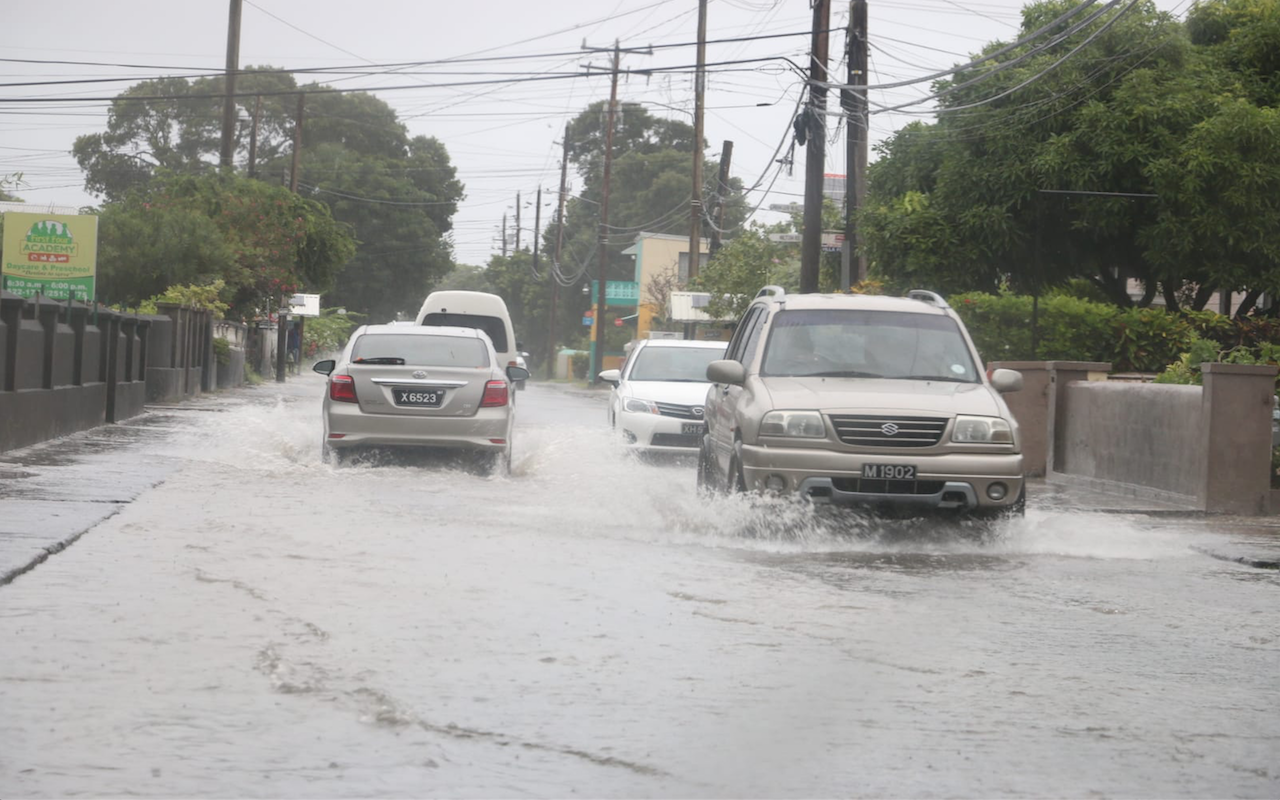
Urgent call for check dams after Charles Rowe Bridge flood death
In the wake of Sunday’s devastating flood in St. George, which claimed one life and caused extensive damage to vehicles, a prominent engineering consultant is advocating for immediate government intervention to construct ‘check dams’ in the gullies leading to Charles Rowe Bridge. Andrew P. Hutchinson, director of A H Consulting Inc., emphasized that traditional solutions like soakaways are insufficient for managing the high volumes of runoff during extreme storms. Instead, he proposed building small check dams at intervals within the gullies to retain runoff, reduce peak flow, and recharge aquifers. Hutchinson stressed the importance of using digital hydrological models to ensure the effectiveness of these structures. He highlighted the urgent need for such measures to mitigate the economic and social impacts of future flooding events. The flood, which resulted from an intense rainfall event with a recurrence interval of 15 years, affected a watershed of 2,765 acres, including several urban and rural communities. Hutchinson warned that without proper drainage and mitigation strategies, similar incidents could recur, especially during the Atlantic hurricane season. The tragic death of Terry Kellman, who was swept away by floodwaters, underscores the human cost of such disasters. Meanwhile, insurers are preparing for significant motor claims as the floods caused widespread vehicle destruction across the island. Historical flood events in Barbados, such as the Jordan Flood of 1901 and the Speightstown flood of 1984, serve as reminders of the island’s vulnerability to extreme weather.
-

Column: Het vervolgingsrecht van OM – prerogatief of bron van ongelijkheid?
A concerning pattern has emerged within Suriname’s judicial system, as highlighted by the country’s Court of Audit. Over three consecutive years—2021, 2022, and 2023—the Court has documented significant irregularities in government operations. These are not mere administrative oversights but systemic violations, including the unlawful allocation of land, which have been explicitly labeled as illegal.
-

CTUSAB says no to Transport Board sell-off
The Congress of Trade Unions and Staff Associations of Barbados (CTUSAB) has strongly criticized the government for its decision to privatize the public transport sector, accusing it of neglecting its duty to provide essential services. The controversy stems from a Ministry of Transport and Works letter, signed by Permanent Secretary Jehu Wiltshire, which outlines plans to dissolve the Transport Board and transfer ownership of electric buses to former employees. The proposal includes severance packages for current workers, with ex-employees given priority to become owner-operators, supported by low-interest financing. The government also pledged to subsidize electricity costs for bus charging and partially fund battery replacements. CTUSAB expressed surprise and dismay at the lack of consultation with the Social Partnership, a key stakeholder group, labeling the move as disrespectful and a dereliction of responsibility. The union highlighted existing issues in the private transport sector, such as inconsistent service and limited operating hours, and urged the government to invest in expanding the public bus fleet and strengthening regulations. CTUSAB warned that focusing solely on profitability risks undermining public mobility, particularly for vulnerable groups. As an alternative, the union proposed a capacity-building program to enhance management, leverage technology, and optimize route planning using data-driven strategies.