作者: admin

  • Although it will take time, the East will recover

    Although it will take time, the East will recover

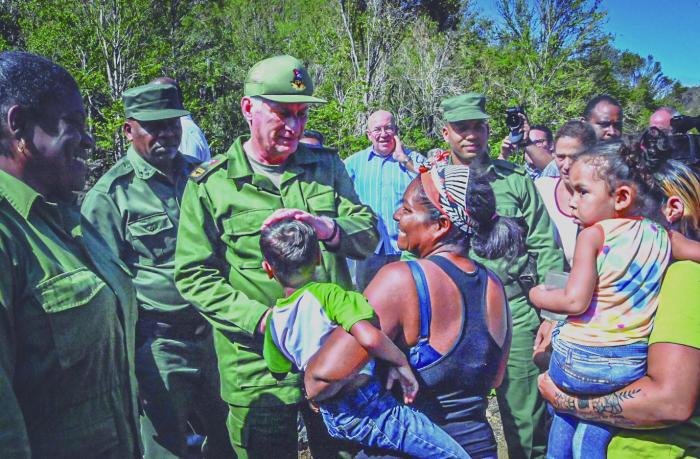
    Cuban President Miguel Díaz-Canel Bermúdez has been actively overseeing recovery efforts in the provinces of Santiago de Cuba and Granma, following the extensive damage caused by Hurricane Melissa. During his fourth visit to Santiago de Cuba in 22 days, Díaz-Canel inspected the collapsed bridge over the Baconao River, which serves as a crucial access point to the communities of María del Pilar and 13 de Marzo. The bridge was severely damaged by unprecedented flooding, with 18 of its 24 pipe passages blocked by debris washed down from the hillside. Local leader Luis Arias recounted the harrowing experience of the storm, noting that the region accumulated over 310 millimeters of rain in just three days.

    Díaz-Canel emphasized the need for a definitive solution to the recurring issue of flooding in the area, instructing construction and water resources authorities to revisit the Baconao dam project, an initiative originally championed by former leader Fidel Castro in the 1980s. The President also addressed the restoration of essential services, including electricity and water supply, which are expected to be fully operational by the end of November. In the town of Baconao, Díaz-Canel praised the resilience and unity of the local population, urging them to continue their efforts in the recovery process.

    In Granma, the President visited the municipality of Yara, where he commended the community’s disciplined response to the hurricane, which prevented any loss of life. He highlighted the importance of solidarity and mutual aid in overcoming the challenges posed by the disaster. Local authorities reported significant damage to housing, agriculture, and infrastructure, with efforts underway to provide affected families with essential supplies and resources. Díaz-Canel also acknowledged the support received from friendly countries and the private sector, emphasizing the need for continued collaboration to expedite recovery.

    Throughout his visits, Díaz-Canel called for unity, discipline, and effective communication to ensure a swift and comprehensive recovery. He reiterated the government’s commitment to addressing the immediate needs of the affected populations while also working on long-term solutions to mitigate the impact of future natural disasters.
  • In response to El Toque’s manipulations: plan against plan

    In response to El Toque’s manipulations: plan against plan

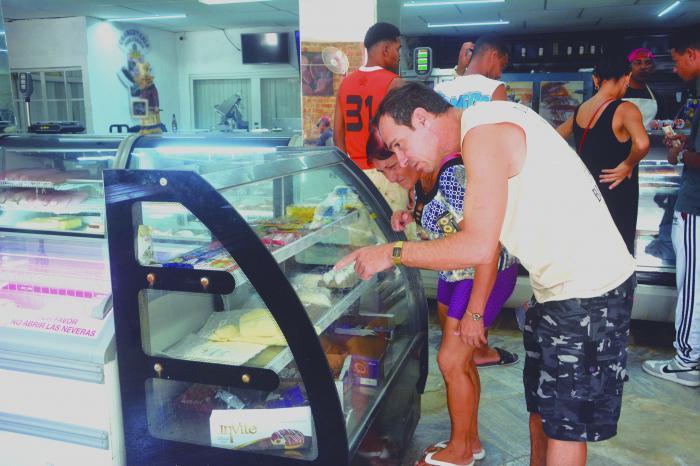
    The fluctuating value of the U.S. dollar in Cuba’s informal market is creating widespread economic instability, directly impacting micro, small, and medium-sized enterprises (MSMEs) and the general population. These fluctuations have led to unpredictable pricing for essential goods, making it increasingly difficult for Cubans to afford basic necessities.

  • Caribbean at risk from illicit glass eel trade, CARICOM security agency warns

    Caribbean at risk from illicit glass eel trade, CARICOM security agency warns

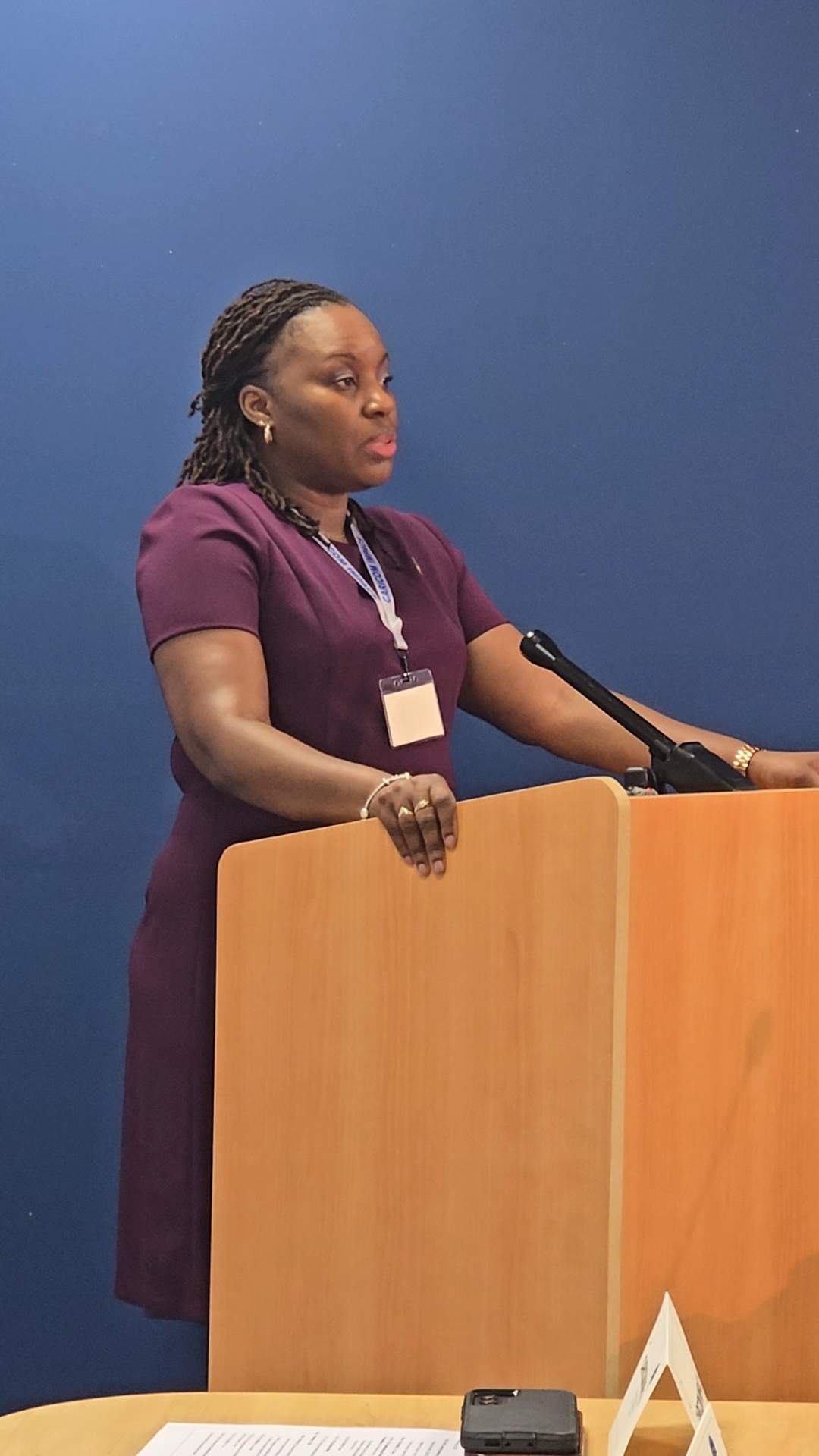
    The Caribbean is grappling with a dual crisis of environmental degradation and organized crime, driven by the illegal trafficking of juvenile eels, commonly known as glass eels. The Caribbean Community (CARICOM) Implementation Agency for Crime and Security (IMPACS) has raised alarms about this illicit trade, which threatens both the region’s fragile ecosystems and its security networks. At a recent two-day regional workshop on glass eel trafficking, held at the Joint Regional Communications Centre in Wildey, Nadine Bushell, Assistant Director of Projects at CARICOM IMPACS, emphasized the critical need to combat this trade to protect natural resources and dismantle the financial networks supporting other serious crimes. Glass eels, a transparent juvenile stage of several eel species, are highly valued in the global market, making them a lucrative target for criminal organizations. Bushell highlighted that these criminal actors exploit gaps in knowledge about natural resources and environmental crime to evade detection. Eels play a vital role in biodiversity and aquatic ecosystems, serving as both a food source in their juvenile stage and as predators once fully grown. Bushell stressed that protecting natural resources is essential for achieving long-term reductions in crime, as environmental crimes often converge with other serious offenses like narcotics trafficking, gun smuggling, and human trafficking. She called for regional collaboration and partnerships to combat these crimes, aligning with the principles of mutual security through partnership. Dr. David Soud of Auxilium Worldwide, which is collaborating with CARICOM IMPACS and Canada, noted that efforts to counter the illicit trade could be influenced by an upcoming decision in Samarkand, Uzbekistan, on whether all eel species will be listed as endangered under the Convention on International Trade in Endangered Species (CITES). Such a listing would add layers of documentation and verification, making traceability more achievable. However, Dr. Soud warned that criminal networks are highly adaptable and will continue to find ways to profit and launder money, regardless of the decision. The workshop aims to strengthen regional law enforcement and security networks to more effectively disrupt illicit glass eel trafficking, addressing what Dr. Soud described as an environmental, economic, and transnational organized crime threat that endangers not only the Caribbean but the entire world.

  • IMF ziet harde waarschuwing voor Suriname op weg naar 2028

    IMF ziet harde waarschuwing voor Suriname op weg naar 2028

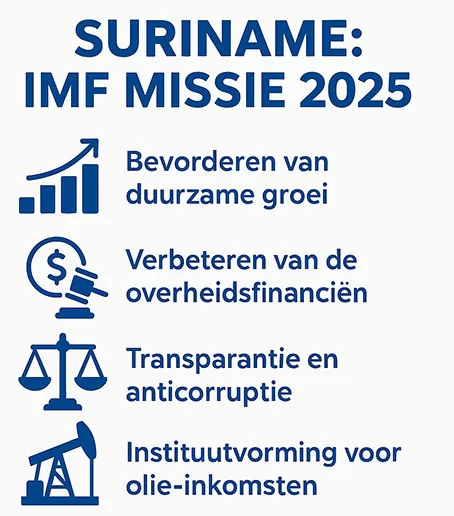
    Suriname, marking fifty years of independence, stands on the brink of a historic turning point, according to the International Monetary Fund (IMF). In its Staff Concluding Statement following the annual Article IV mission, the IMF highlights the nation’s progress in stabilizing its economy and strengthening institutions. However, with the imminent commencement of large-scale oil exploitation, the IMF emphasizes the urgent need for swift and targeted reforms to responsibly manage future revenues and improve citizens’ quality of life. The report warns that the hard-earned economic stability is showing signs of strain.

    The IMF mission focused on economic developments, fiscal policy, the foreign exchange market, the role of state-owned enterprises, and preparations for expected revenues from the offshore oil field Block 58. While Suriname has a unique opportunity to transform its economy for future generations, the IMF cautions that delays in reforms could squander this potential.

    Economic growth has remained modest but stable, with 1.7% in 2024 and 1.3% in 2025, projected to rise to nearly 4% by 2026. Despite a disappointing gold production this year, the development of the Block 58 oil project remains on track. The project’s construction phase will lead to increased imports and current account deficits from 2026 to 2028, financed by foreign investments. Oil production is expected to begin in 2028, potentially doubling the economy by 2030.

    However, macroeconomic stability is under threat. Although Suriname achieved primary fiscal surpluses between 2022 and 2024, 2025 saw a deterioration due to election-related spending and a surge in overdue payments to suppliers. This has depleted government cash reserves and increased pressure on the exchange rate. Inflation rose from 6% to over 10% in 2025, prompting the Central Bank of Suriname to intervene in the foreign exchange market while allowing money supply growth to exceed targets.

    The IMF stresses the need for robust fiscal discipline in 2026–2027, recommending measures such as restoring budgetary discipline, maintaining clear spending limits, strengthening public finances, and addressing supplier arrears. Social spending in education, healthcare, utilities, and infrastructure should be increased gradually to ensure effective implementation.

    Key recommendations include restoring automatic electricity tariff indexing, phasing out subsidies, and reallocating resources to social programs and investments. The IMF also calls for stronger tax collection, addressing gold smuggling, and enhancing governance to ensure oil revenues benefit the population. Transparency in state-owned enterprises, stricter monetary policies, and operationalizing a legal framework for bank resolution are also urged.

    The IMF concludes that timely and consistent reforms are essential for Suriname to leverage its oil revenues for sustainable development. The coming years will be pivotal in shaping the nation’s economic future.

  • Rock remanded to Dodds Prison on rape charge

    Rock remanded to Dodds Prison on rape charge

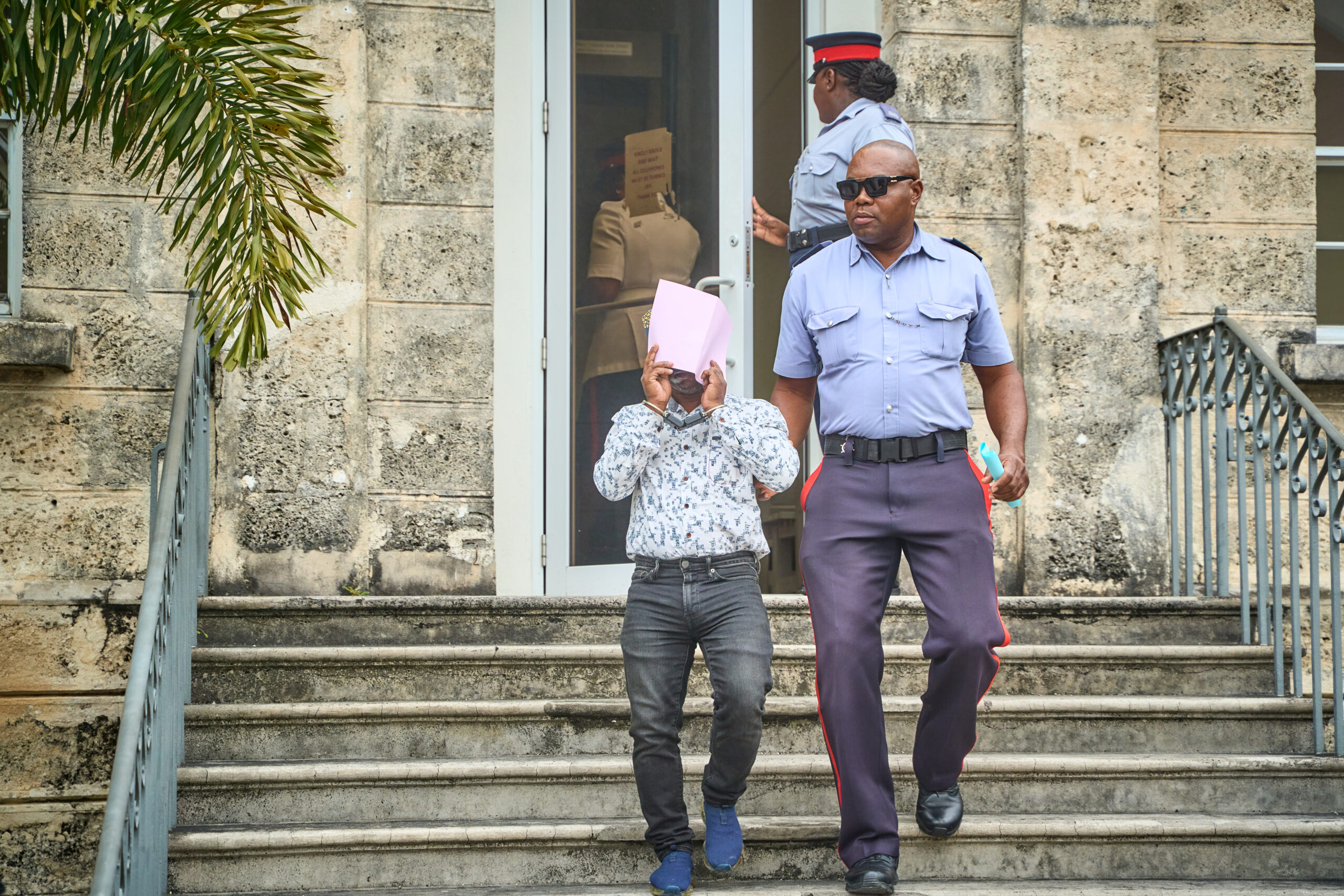
    A 36-year-old photographer, Remy Reco Rock from Small Land, Bridge Gap, St Michael, has been remanded to Dodds Prison following charges of raping a male minor two years ago. Rock appeared in the District ‘A’ Traffic Court, where he was not required to enter a plea for the indictable offence. The alleged crime is said to have occurred between September 1 and October 3, 2023. During the hearing, Station Sergeant St Clair Phillips, the prosecutor, raised several objections to granting bail. These included the compelling strength of the evidence, the fact that Rock was already on bail for a similar offence, and concerns that witnesses could be interfered with if he were released. Magistrate Alison Burke ultimately denied bail. Rock, represented by attorney Ensley Grainger, is scheduled to return to court on December 18 for further proceedings.

  • LETTER- Malaka Parker: A Tried and Failed Experiment in Political Reinvention

    LETTER- Malaka Parker: A Tried and Failed Experiment in Political Reinvention

    The political scene in Antigua and Barbuda has been reignited with the return of Malaka Parker, a figure whose reentry into frontline politics has sparked widespread debate. However, her comeback is perceived less as a new beginning and more as a repetition of past failures. Parker’s political career has been characterized by grandiose claims and self-promotion, yet these have seldom translated into concrete achievements for the nation. Her reliance on rhetoric over results has left her credibility in question.

  • Can Oscar Mira Handle Belize’s Toughest Ministry?

    Can Oscar Mira Handle Belize’s Toughest Ministry?

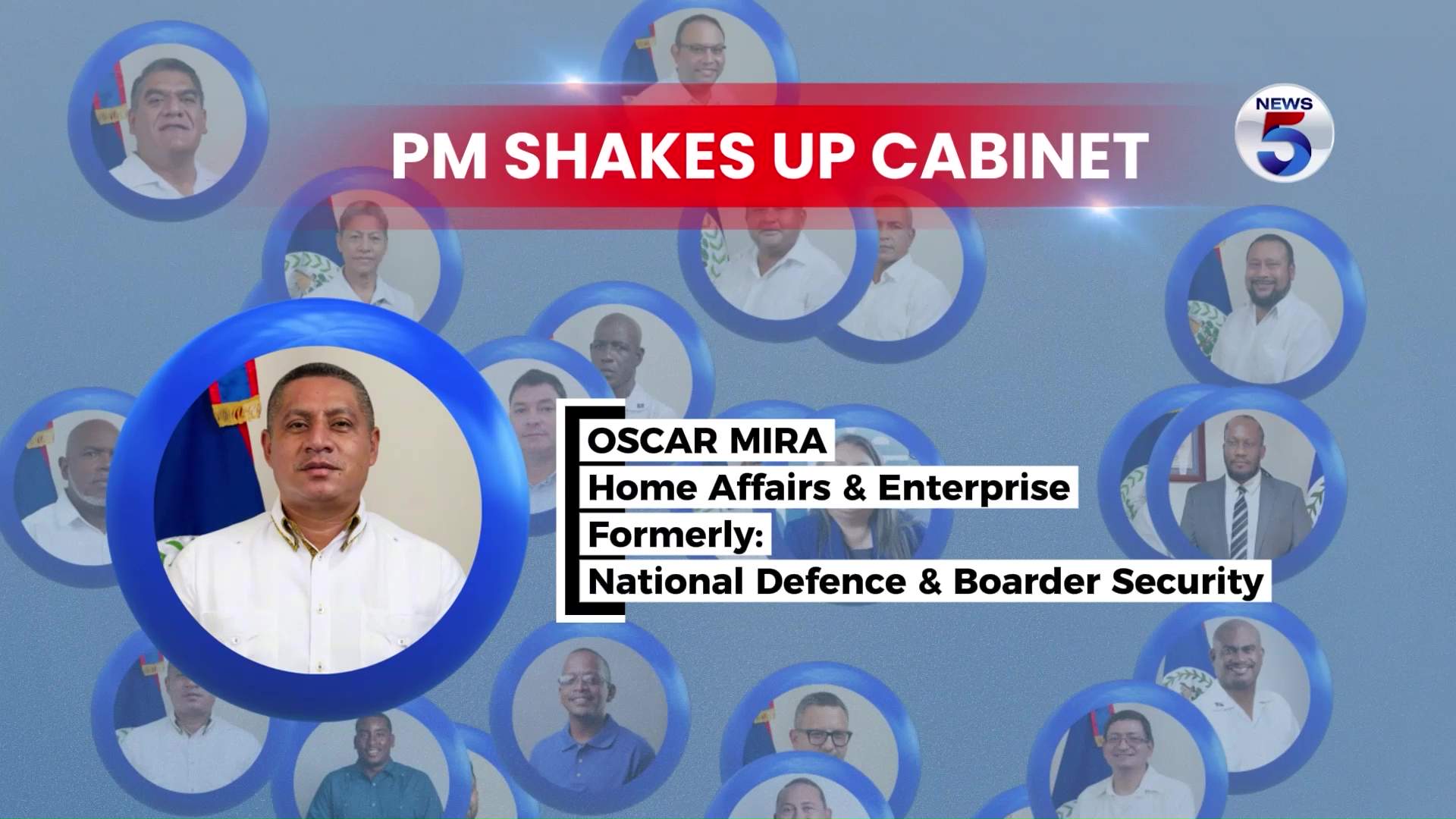
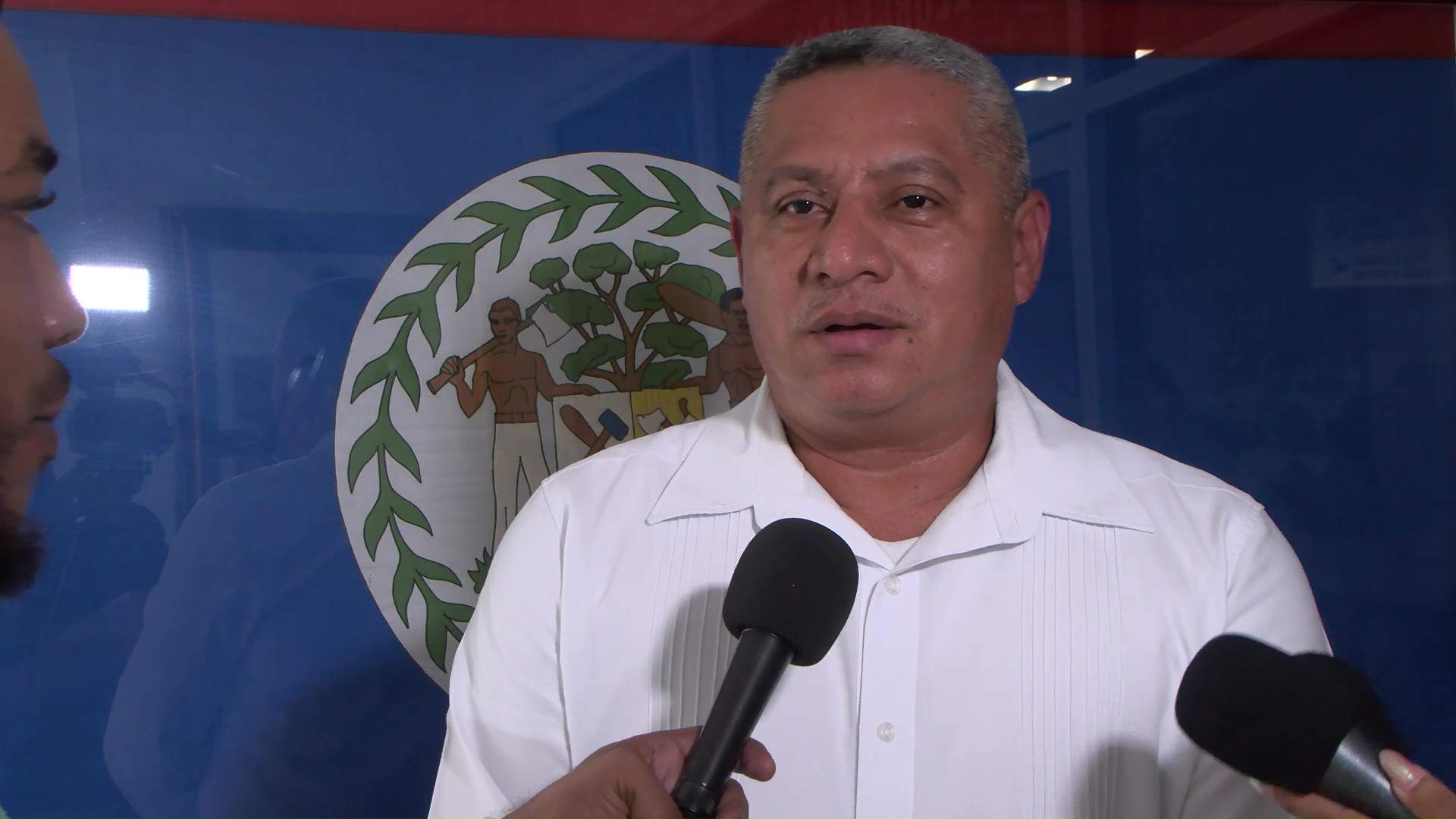
    Oscar Mira’s recent transition from the Ministry of National Defense and Border Security to the Ministry of Home Affairs has sparked widespread debate in Belize. Widely regarded as one of the most challenging roles in the government, the Home Affairs portfolio demands a robust strategy to combat crime and ensure public safety. Critics question whether Mira is equipped for this high-pressure position, while supporters argue he has the determination to succeed. In a recent interview in Belmopan, Mira addressed the skepticism head-on, emphasizing his commitment to the role. He stated, ‘I work at the pleasure of the prime minister. As a member of Cabinet, it is my duty to fulfill the responsibilities entrusted to me. I will not shy away from any challenge.’ Mira acknowledged the complexity of the task, vowing to collaborate with law enforcement and other departments to reduce crime to manageable levels. The move has been labeled by some as ‘political suicide,’ but others see it as an opportunity for Mira to prove his capabilities. As Belize grapples with rising crime rates, all eyes are on Mira to deliver results.

  • Oscar Mira Seeks Right Fit for Home Affairs CEO

    Oscar Mira Seeks Right Fit for Home Affairs CEO

    In a significant development within the Ministry of Home Affairs, Minister Oscar Mira has initiated a meticulous search for a new Chief Executive Officer (CEO). The selection process has garnered considerable attention, with prominent figures such as former Commissioner of Police Chester Williams and Deputy Commissioner Bart Jones emerging as potential candidates. Minister Mira, however, has underscored that the decision transcends mere appointment; it is about identifying a leader with the requisite expertise and vision to propel the ministry forward. Speaking to reporters, Mira revealed ongoing consultations with the Office of the Prime Minister to ensure the selection of a suitable candidate. He emphasized the critical nature of the role, particularly in the context of security and operational efficiency. While rumors have circulated regarding the exclusion of former CEO Ms. Sharole, Mira clarified that her departure was part of broader organizational changes. Kareem Musa, Minister of Immigration, expressed confidence in the potential candidates, highlighting their proven track records in law enforcement. As the process unfolds, the focus remains on securing a leader capable of fostering seamless operations within the ministry.

  • Oscar Mira Faces Crime Fighting and Budna Fallout

    Oscar Mira Faces Crime Fighting and Budna Fallout

    As Oscar Mira assumes the role of Belize’s Minister of Home Affairs, he faces the dual challenge of addressing rising crime rates and managing the fallout from the Joseph Budna investigation, a case that has severely undermined public trust in the Belize Police Department. The investigation file has been handed over to the Director of Public Prosecutions (DPP), with Mira emphasizing a hands-off approach to ensure impartiality. Despite mounting pressure, Mira has refrained from interfering, stating, ‘That file has been sent to the DPP. It is her job to give us the advice we need.’ When questioned about the lack of substantial evidence in the police investigation, Mira maintained his stance, asserting that he has not seen the file and will not influence the process. The controversy has sparked debates about transparency, with reporters pressing Mira on whether the investigation tape should be released. Mira reiterated his commitment to justice but stressed that his role does not involve meddling in concluded investigations. ‘The trust that we will work for, we will get it back,’ he affirmed, highlighting his dedication to restoring public confidence in law enforcement. However, critics question how he plans to rebuild trust while distancing himself from a scandal that continues to haunt the department.

  • Can New Home Affairs Minister Secure Corozal Free Zone?

    Can New Home Affairs Minister Secure Corozal Free Zone?

    In a strategic move to enhance security and streamline governance, Prime Minister John Briceño has merged the Ministry of Enterprise with the Ministry of Home Affairs. This decision comes amid growing concerns over safety in the Corozal Free Zone, a critical economic hub. The newly appointed Minister of Home Affairs, Oscar Mira, has outlined his immediate priorities to address these issues. Mira emphasized his commitment to ensuring a secure environment for businesses to operate without fear. ‘I am scheduled to meet with the CEO of the Freezone and the chairman of the board shortly,’ Mira stated. ‘Our goal is to thoroughly examine all aspects and ensure that businesses can thrive in a safe and secure environment.’ While Mira acknowledged that he has yet to receive a comprehensive briefing on the current situation, he assured that his team would mobilize all necessary resources to address any security challenges. When questioned about the police department’s capacity to counter alleged cartel influence in the Freezone, Mira responded cautiously, stating, ‘I need to understand the specifics of these allegations first. Our focus is on pooling all resources to make the area safe for business.’ This development underscores the government’s proactive approach to safeguarding economic interests while addressing security concerns in the region.