作者: admin

  • Port of Belize Files Major Expansion EIA

    Port of Belize Files Major Expansion EIA

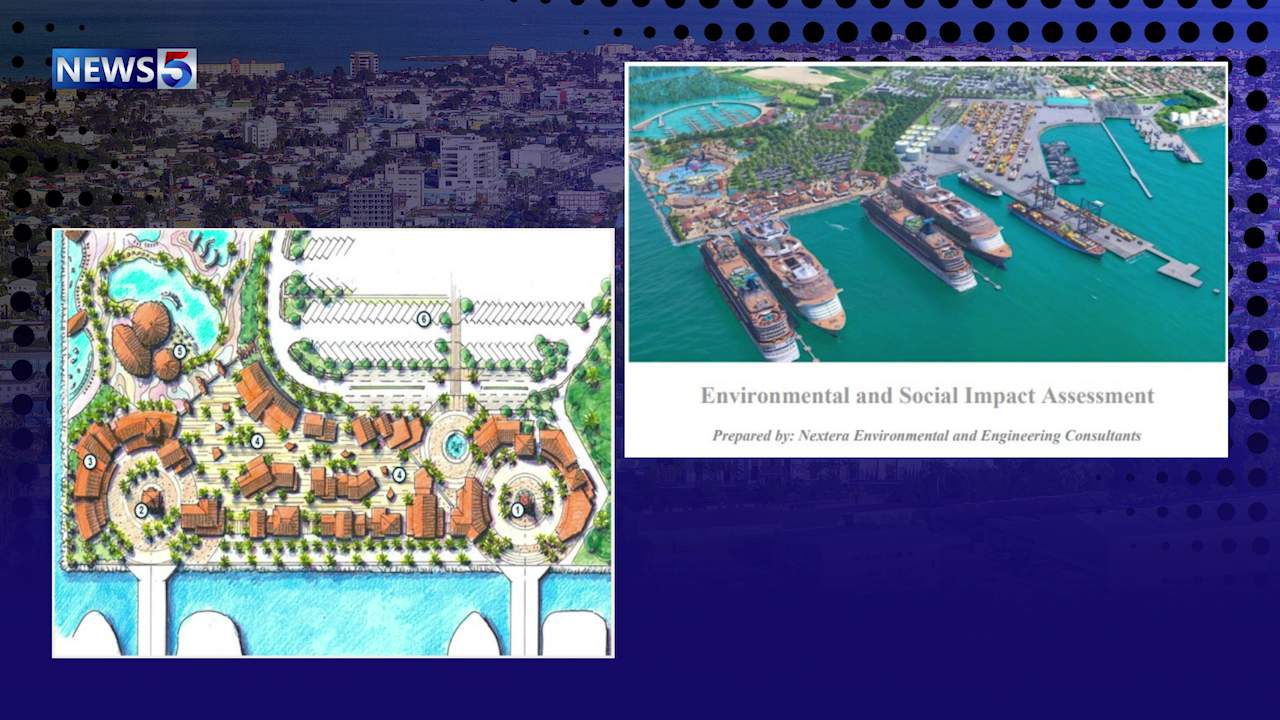
    Belize City, March 6, 2026 – A transformative maritime development initiative has been formally launched as Port of Belize Limited submitted a comprehensive Environmental and Social Impact Assessment (ESIA) to the Department of Environment. The 600-page document outlines an extensive modernization strategy for the nation’s primary port facility, signaling a potential economic renaissance for Belize’s maritime sector.

    The ambitious proposal encompasses multiple infrastructure enhancements including deepened navigation channels, expanded cargo berth capacity, and new shoreside cruise piers. A distinctive environmental component features the construction of an engineered mangrove island ecosystem offshore, representing an innovative approach to coastal resilience through nature-based design.

    Minister of Sustainable Development Orlando Habet emphasized the critical importance of public consultation in the approval process. “The consultation process is absolutely necessary to ensure community awareness and engagement,” Habet stated. “Residents adjacent to the project area must understand both potential impacts and benefits, while also considering the technical environmental aspects and economic advantages for the country.”

    This development marks the revival of a previously stalled initiative that collapsed under previous ownership. The current proposal distinguishes itself through enhanced environmental safeguards, particularly the artificial wetland creation that promises mangrove restoration, biodiversity promotion, and shoreline protection. The government emphasizes that unlike the previous attempt, which faced environmental clearance denial due to insufficient information, this proposal addresses previous concerns with comprehensive data and innovative ecological solutions.

    The project aims to modernize national trade infrastructure, restore Belize City’s competitive position in the cruise industry, and demonstrate sustainable development practices through community-inclusive planning and ecological preservation measures.

  • San Pedro Growth Hits Sustainability Questions

    San Pedro Growth Hits Sustainability Questions

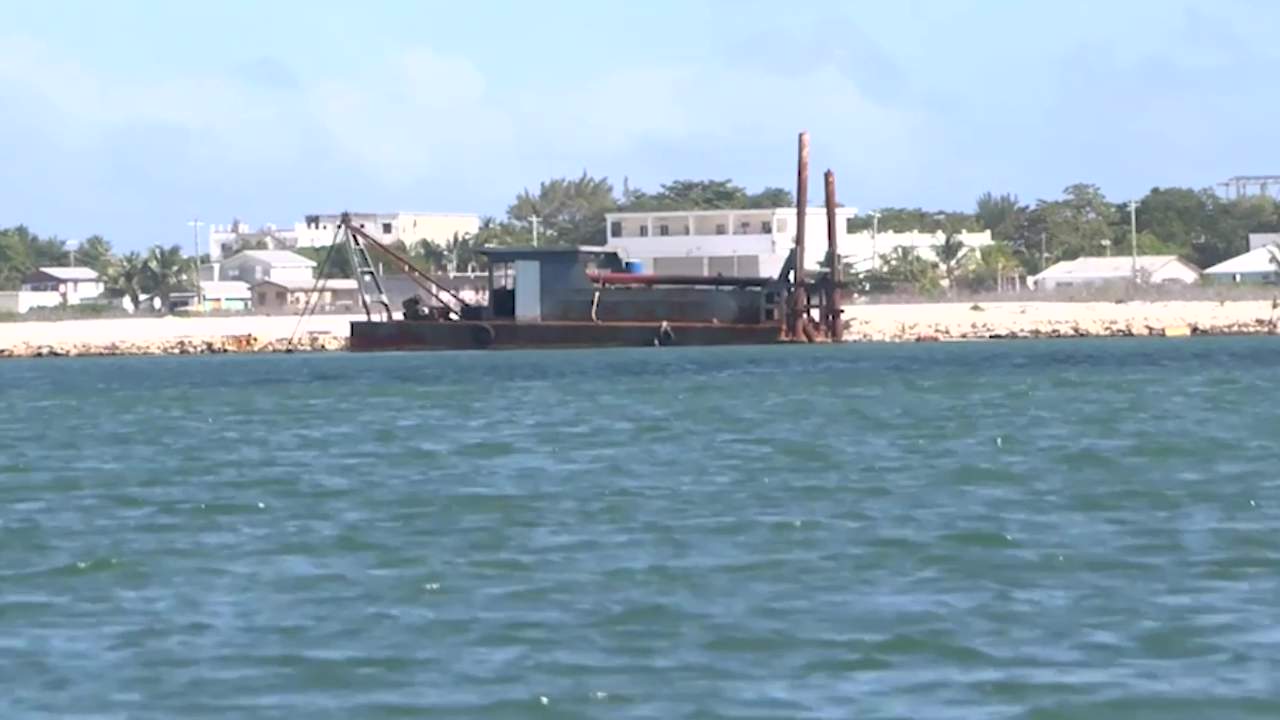
    Belize’s Minister of Sustainable Development Orlando Habet has issued a stark warning about the ecological consequences of rapid coastal development on the nation’s prized islands. The government’s concerns center on extensive dredging operations and unregulated construction projects across Ambergris Caye that threaten the region’s delicate marine ecosystems.

    Minister Habet confirmed that both Cabinet members and citizens have expressed growing apprehension about the scale and speed of development transforming the island’s coastline. The minister emphasized that Belize now faces a critical long-term planning dilemma: determining the maximum sustainable capacity for tourism infrastructure in vulnerable communities including San Pedro, Caye Caulker, and Placencia.

    Habet specifically highlighted Secret Beach as an example of problematic development where complete absence of planning regulations has led to significant environmental damage. The minister noted that unregulated construction not only affects terrestrial environments but also creates marine consequences that could potentially harm Belize’s fragile coral reef systems—part of the largest barrier reef in the Western Hemisphere.

    The government now acknowledges the urgent need for comprehensive zoning regulations and development caps to prevent ecological degradation. Minister Habet stated that proper planning would enable authorities to establish maximum project thresholds for specific areas, potentially rejecting additional development proposals once sustainable limits are reached.

  • Lottery Contribution Backs National Preparedness

    Lottery Contribution Backs National Preparedness

    BELIZE CITY – In a significant boost to national humanitarian efforts, the Belize Red Cross has received a substantial contribution of $55,000 from unclaimed lottery winnings. The funds originated from the unclaimed portion of the Million Dalla Jackpot drawn on December 20th, administered by the Belize Government Lotteries Limited.

    This financial injection will directly enhance the organization’s critical programs across three key areas: disaster preparedness and emergency response systems, nationwide health services, and community resilience initiatives. The allocation represents exactly half of the total unclaimed prizes from the year-end jackpot event.

    Lily Bowman, Director General of the Belize Red Cross, expressed profound appreciation for the timely contribution. “It feels very gratifying when our work is recognized and appreciated,” Bowman stated. “This support will go a long way in allowing the Belize Red Cross to continue its humanitarian work in the communities.”

    Highlighting the operational challenges faced by nonprofit organizations, Bowman explained the practical implications of the funding: “The minute you have to mobilize a staff or a volunteer, there’re expenses. This will definitely help us to continue our programs in the communities, to mobilize our staff and our volunteers to be able to deliver services to the most vulnerable people in Belize.”

    The Belize Red Cross maintains an extensive network across the country, having implemented programs in over 100 communities. This partnership between national gaming revenues and humanitarian response demonstrates an innovative approach to funding critical social services, ensuring that even unclaimed prizes serve national preparedness interests.

  • Worrell: Barbados can’t get cheaper oil deals in CARICOM as regional trade still in US dollars

    Worrell: Barbados can’t get cheaper oil deals in CARICOM as regional trade still in US dollars

    Renowned economist and former Central Bank of Barbados Governor Dr. Delisle Worrell has delivered a sobering assessment of energy trade dynamics within the Caribbean Community (CARICOM), asserting that member states should abandon any expectation of preferential oil pricing from regional partners. In his March Economic Letter, the distinguished monetary expert—who previously consulted for the International Monetary Fund on financial stability matters—explained that all petroleum transactions among CARICOM nations are conducted exclusively in US dollars, mirroring global market conditions.

    Dr. Worrell clarified that Barbados faces identical financial implications whether purchasing fuel from Trinidad and Tobago, the United States, or India. “The impact on foreign currency markets remains consistent regardless of procurement source,” he stated, emphasizing that contract-specific terms might vary but the fundamental economic effect does not differ based on origin.

    The analysis reveals surprising trade patterns: despite Guyana’s emergence as CARICOM’s largest oil producer in 2023, no member country currently imports petroleum from this resource-rich nation. Instead, Guyana itself imported $21 million worth of refined petroleum products from Jamaica in 2024—highlighting Jamaica’s refining capacity versus Guyana’s extraction-focused industry. Barbados and Eastern Caribbean Currency Union members do import some fuels from Trinidad and Tobago, though their primary suppliers remain the US and India.

    Dr. Worrell identified structural limitations constraining regional energy trade: Caribbean markets remain too small to justify local crude refining or intra-regional shipping operations. Existing refineries were constructed primarily to serve North American markets, with regional sales representing merely residual operations that have stagnated following refinery closures in Trinidad and Aruba.

    The economist presented a broader monetary critique: without a commonly adopted regional currency, intra-CARICOM trade provides no foreign exchange advantages to member states. All transactions—whether for petroleum, agricultural products, or manufactured goods—require US dollar payments identical to extra-regional imports. This dollar dependency negates any potential balance-of-payments benefits from increased regional trade.

    Dr. Worrell provided historical context, noting that prior to 1971, Caribbean currencies maintained fixed exchange rates against the US dollar, creating de facto regional currency acceptance. The abandonment of this system led to divergent currency values, prompting the creation of the CARICOM Multilateral Clearing Facility in the 1970s—a mechanism that collapsed in the 1980s and was never replaced.

    The last serious effort toward monetary integration occurred in 1982 when CARICOM leaders endorsed the West Indian Commission’s proposal for a US dollar-pegged common currency. This initiative required participating nations to meet strict criteria regarding currency stability, foreign reserves, and fiscal discipline. The proposal ultimately failed because Trinidad and Tobago and Jamaica—representing two-thirds of CARICOM’s GDP—could not satisfy these requirements.

    Concluding his analysis, Dr. Worrell asserted that after three decades of stagnation, prospects for a common CARICOM currency have effectively vanished. He recommended that regional leaders and populations adapt their exchange rate strategies to acknowledge the US dollar’s permanent dominance in Caribbean trade and finance.

  • Is Healthy Eating Too Expensive?

    Is Healthy Eating Too Expensive?

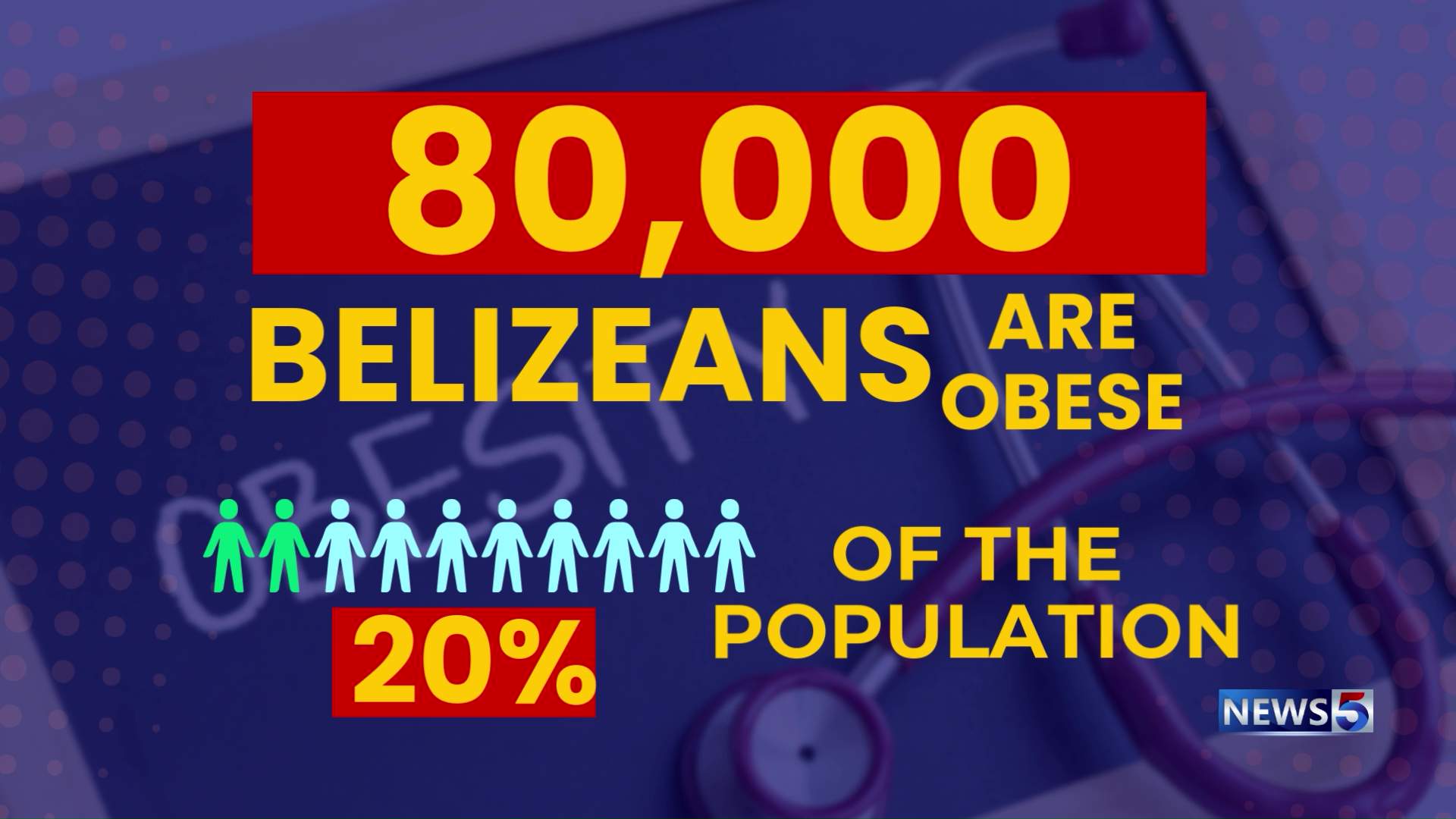
    Belize faces a significant public health challenge with new data revealing alarming obesity rates affecting over 130,000 citizens. Recent statistics indicate that approximately 20% of the population is clinically obese, with an additional 56,000 individuals classified as overweight. Particularly concerning is the prevalence among children, where 87% of those aged five to nine exceed healthy weight parameters.

    The economic dimension of this health crisis presents a major barrier. Comparative analysis shows that nutritious meal options typically cost more than double the price of fast food alternatives. A restaurant-prepared grilled chicken meal with vegetables averages $12, while fried chicken and fries remains accessible at approximately $6. This price disparity creates substantial challenges for families seeking healthier alternatives.

    Stephen Mossiah, a Belizean who successfully transformed his health after reaching 300 pounds, shared his personal journey. “Food provided comfort similar to a drug,” Mossiah recounted. “I remember waking at 2 AM to eat pizza before returning to bed—a pattern that put me on track for diabetes or hypertension.”

    The Ministry of Health and Wellness has implemented multi-faceted strategies to address this crisis. Robyn Daly, Technical Advisor for Nutrition, emphasizes practical approaches: “I encourage baby steps. Incorporating fruits and vegetables three to four days weekly represents significant progress. No food is inherently bad—portion control and preparation methods determine nutritional impact.”

    Mossiah demonstrates cost-effective solutions through personal practice: “I spend $50 on meat provisions lasting two weeks, supplemented by $30 worth of vegetables. The rotisserie chicken at Public’s supermarket, priced at $7, offers a healthier alternative to fried options.”

    Government initiatives include the “Shake the Habit” campaign, which has educated over 5,000 food vendors since May 2025 on reducing salt and fat content in prepared foods. This vendor education program, integrated into food handler licensing requirements, represents a systematic approach to improving the nutritional quality of commonly consumed meals.

    Health authorities stress that achievable dietary modifications, combined with physical activity and mindful eating practices, can effectively combat obesity without imposing financial strain on Belizean families.

  • UWI Unveils Jenny Lovell Book Collection for Women’s Month

    UWI Unveils Jenny Lovell Book Collection for Women’s Month

    The University of the West Indies Library in Belize City has inaugurated a significant literary collection in memory of Jenny Lovell, the esteemed educator, mental health professional, and television personality who passed away in 2024. The special unveiling coincides with Women’s Month celebrations, featuring an extensive donation of books from Lovell’s personal library contributed by her son.

    The curated collection showcases works spanning women’s issues, psychological studies, counseling methodologies, healthy living practices, nutrition guidance, and substance abuse literature—reflecting Lovell’s professional expertise and personal passions. Library Assistant Ion Cacho emphasized the university’s commitment to making this collection publicly accessible during regular operating hours from 8:00 AM to 5:00 PM.

    Lovell, remembered as an integral part of the university community, played a pivotal role in guiding students through transitional periods and advancing counseling education programs. The institution plans to establish this book display as an annual tradition during Women’s Month, serving both as a tribute to Lovell’s legacy and an initiative to reconnect the Belizean public with the enduring value of physical books and the knowledge they contain.

  • Independence Girls and Sacred Heart Boys Are National Football Champs

    Independence Girls and Sacred Heart Boys Are National Football Champs

    BELMOPAN, BELIZE – The nation’s most promising young football talent converged on the FFB Field in Belmopan for the exhilarating finals of the National Primary School Football Championships. The tournament, representing the pinnacle of primary school football in Belize, culminated on March 6, 2026, with two decisive victories that crowned new national champions.

    In the girls’ division, Independence Primary School from the Stann Creek district delivered a masterclass performance, securing a commanding 4-0 victory against Chunox SDA. The team’s dominant display showcased exceptional skill and coordination, leaving no doubt about their championship credentials.

    The boys’ final witnessed an equally impressive performance from Sacred Heart Primary of the Cayo district, who captured the national title with a well-earned 2-0 win over a determined Wesley Upper squad. The match demonstrated technical proficiency and sportsmanship at the highest level of primary school competition.

    National Sports Coordinator Kaya Cattouse, representing the Sports Council, provided context for the event, explaining, “This championship represents the culmination of tournaments played across eleven municipalities nationwide. What we witness today are the district champions—literally the best of the best at the primary school level.”

    Cattouse expressed particular enthusiasm for the high caliber of play observed throughout the tournament, noting the “refreshing to see kids at this age playing at such a high level” in both boys’ and girls’ divisions. She also highlighted the tournament’s unique developmental rules that ensure every participant receives meaningful playing time, with matches structured in four ten-minute periods that guarantee all fourteen team members proper field experience.

    The event drew substantial community support, with parents and supporters creating an electrifying atmosphere that underscored football’s growing popularity among Belize’s youth. The championship not only crowned national winners but also highlighted the country’s investment in youth sports development and the bright future of Belizean football.

  • Govt renews health pledge as China donates equipment to QEH

    Govt renews health pledge as China donates equipment to QEH

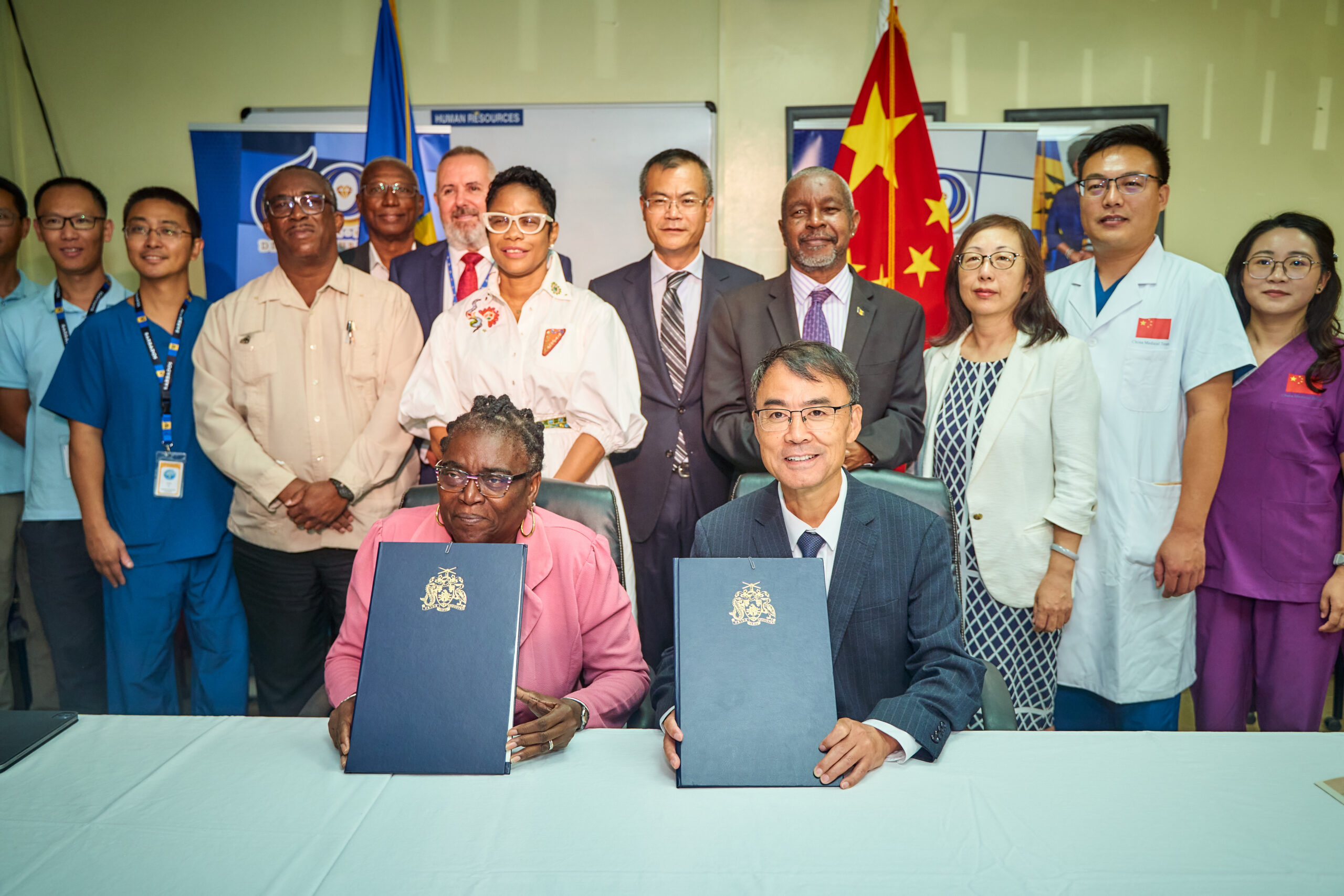
    Barbados has intensified its commitment to revolutionize its national healthcare infrastructure through strategic international partnerships and comprehensive system reforms. This renewed initiative follows China’s substantial donation of medical equipment and supplies valued at over $136,000 to the Queen Elizabeth Hospital (QEH), formally presented during a ceremony last Friday.

    Health Minister Senator Lisa Cummins revealed her extensive consultations with healthcare stakeholders since assuming office, emphasizing a listening-focused approach to identify systemic challenges and opportunities. The minister has conducted daily meetings with QEH representatives, Ministry officials, private sector partners, and other stakeholders to develop cohesive strategies for enhancing the island’s medical services.

    ‘There exists a clear and resolute commitment among all stakeholders to provide world-class healthcare for Barbadian citizens,’ Senator Cummins stated, while openly acknowledging existing system shortcomings. She confirmed the government’s adoption of a ‘deconstruct and reconstruct’ methodology—carefully analyzing all healthcare components to identify functional strengths, operational deficiencies, and complete failures.

    This analytical process will inform the rebuilding of a robust healthcare ecosystem designed to deliver premium medical services. International collaborations, particularly support like China’s equipment donation, are recognized as crucial elements in strengthening Barbados’ healthcare capacity and advancing toward medical excellence.

    The minister personally committed to collaborative leadership, stating: ‘I pledge to work collectively with our dedicated team to achieve this transformative goal for all Barbadians.’ The newly acquired medical resources will immediately enhance service delivery at QEH while supporting broader primary healthcare system strengthening initiatives.

  • Diplomacy : Official ceremony to greet the new Haitian Chancellor

    Diplomacy : Official ceremony to greet the new Haitian Chancellor

    In a significant diplomatic gathering, Haiti’s newly appointed Minister of Foreign Affairs, Raina Forbin, was formally received by the international community during an official ceremony in Port-au-Prince. The event brought together ambassadors, representatives of international organizations, and consular officials accredited to Haiti, marking a crucial moment in the nation’s diplomatic calendar.

    Minister Forbin assumed her position following a comprehensive government restructuring, stepping into her role as Haiti’s chief diplomat during a period of profound national challenges. The ceremonial reception, conducted in accordance with established diplomatic protocols, provided foreign representatives the opportunity to extend formal greetings to the incoming chancellor.

    In her inaugural address to the diplomatic corps, Minister Forbin articulated a clear vision for Haiti’s foreign policy direction. She expressed profound appreciation for the international community’s sustained engagement with Haiti and emphasized the government’s commitment to fostering dialogue and mutual respect in international relations. The minister specifically highlighted four critical priority areas requiring urgent attention: national security restoration, the organization of transparent elections, economic revitalization, and addressing the ongoing humanitarian emergency.

    Minister Forbin explicitly acknowledged Haiti’s gratitude toward international partners supporting institutional strengthening initiatives, particularly those aimed at enhancing security capabilities and promoting national stabilization. She affirmed that Haitian diplomacy would maintain an actively mobilized stance to facilitate enhanced cooperation mechanisms with global partners.

    Concluding her remarks, the Foreign Minister reaffirmed the government’s dedication to steering Haiti through its current transitional period while appealing for sustained international solidarity to support the nation’s journey toward security, institutional stability, and sustainable development.

  • Education : Who is Vijonet Déméro, the new Minister of National Education ?

    Education : Who is Vijonet Déméro, the new Minister of National Education ?

    Haiti’s educational landscape is poised for transformation under new leadership as Dr. Vijonet Déméro officially assumed the role of Minister of National Education on March 4th, 2026. The seasoned educator took his oath of office before Prime Minister Alix Didier Fils-Aimé, who emphasized the critical nature of this appointment during the swearing-in ceremony.

    Prime Minister Fils-Aimé characterized the education portfolio as a strategic sector central to national priorities, stating that Haitian schools must evolve into spaces of knowledge, discipline, equity, and hope. He expressed confidence in Dr. Déméro’s dynamism and capacity to implement rapid, meaningful progress in the country’s educational framework.

    In his inaugural address, Minister Déméro outlined an ambitious vision for educational reform, declaring the necessity for leadership, innovation, and systemic change. His transformative approach aims to reconceptualize Haitian schools as engines of social and economic mobility rather than mere knowledge transmission centers.

    The newly appointed minister unveiled a comprehensive 15-point agenda addressing critical areas including educational governance, multilingual education, vocational training, digital innovation, and international university partnerships. Additional priorities encompass mental health support services, digitalization of state examinations, strengthened school-community relationships, civic engagement programs, and reformed teacher recruitment policies.

    Dr. Déméro brings over three decades of educational expertise to the position, holding a doctorate in educational leadership from the University of the Virgin Islands. His professional background includes extensive teaching, research, and scholarly publication focused on developing leaders capable of transforming Haitian society through education.

    Currently serving as professor at both the University Institute for Executive Training (INUFOCAD) and the State University of Haiti’s Faculty of Ethnology, Déméro maintains an active role in national educational development. His credentials are further strengthened through membership in CONASTI (National Commission for Science, Technology, and Innovation), where he contributes to strategic planning for Haiti’s scientific and technological advancement.

    Renowned for his intellectual rigor and educational vision, Déméro’s appointment signals a commitment to restructuring Haiti’s education system based on competence, visionary leadership, and profound understanding of the country’s educational challenges. His career demonstrates a steadfast conviction that Haiti’s national renewal must be grounded in substantive, well-structured educational reform.