作者: admin

  • Chayah Lauwerends wint nationale speechcontest van JCI Nilom

    Chayah Lauwerends wint nationale speechcontest van JCI Nilom

    The 29th iteration of the JCI Nilom National Speech Contest (NSC) wrapped up over the weekend with a decisive win for Chayah Lauwerends, a VWO-4 student, who earned the prestigious title of Best Speaking Student at the VOS level. Held at the city’s Congress Hall, the annual competition brought together eight promising young speakers from four top secondary institutions: AMS, VWO-4, Edward P. Meyer Lyceum, and Mr. Dr. J.C. de Miranda Lyceum.

    In the weeks leading up to the final event, all contestants received intensive, hands-on training in public speaking and presentation techniques as part of JCI Nilom’s community-focused “Speak Up” initiative, designed to build youth communication confidence. After preliminary rounds, five participants advanced to the final showcase held Saturday, where Lauwerends stood out from the field with the most persuasive and compelling presentation. Joining her on the winner’s podium were Chayenne Etnel from Algemene Middelbare School, who secured second place, and Jayden Post, also a VWO-4 student, who finished third.

    Alain Heave, president of JCI Nilom, emphasized the far-reaching value of the contest beyond a simple competitive event. In his remarks after the final, Heave noted that the competitors had demonstrated that young people not only have meaningful ideas to share, but also the courage to communicate those ideas powerfully and clearly. “It is critically important that young people learn to convey their thoughts both clearly and respectfully,” Heave explained. “This contest is far more than a competition; it is an investment in our youth, and ultimately an investment in the future development of our nation.”

    With Lauwerends’ victory, VWO-4 claimed the coveted rotating Francis Small Trophy, taking the honor from last year’s winning institution, Havo-3. The award was personally presented to the new champion by Richenel Mac Donald, winner of the 28th edition of the National Speech Contest, marking a full passing of the torch to the next generation of skilled young communicators.

  • Bajan sweet potato on rebound after 2024 crisis

    Bajan sweet potato on rebound after 2024 crisis

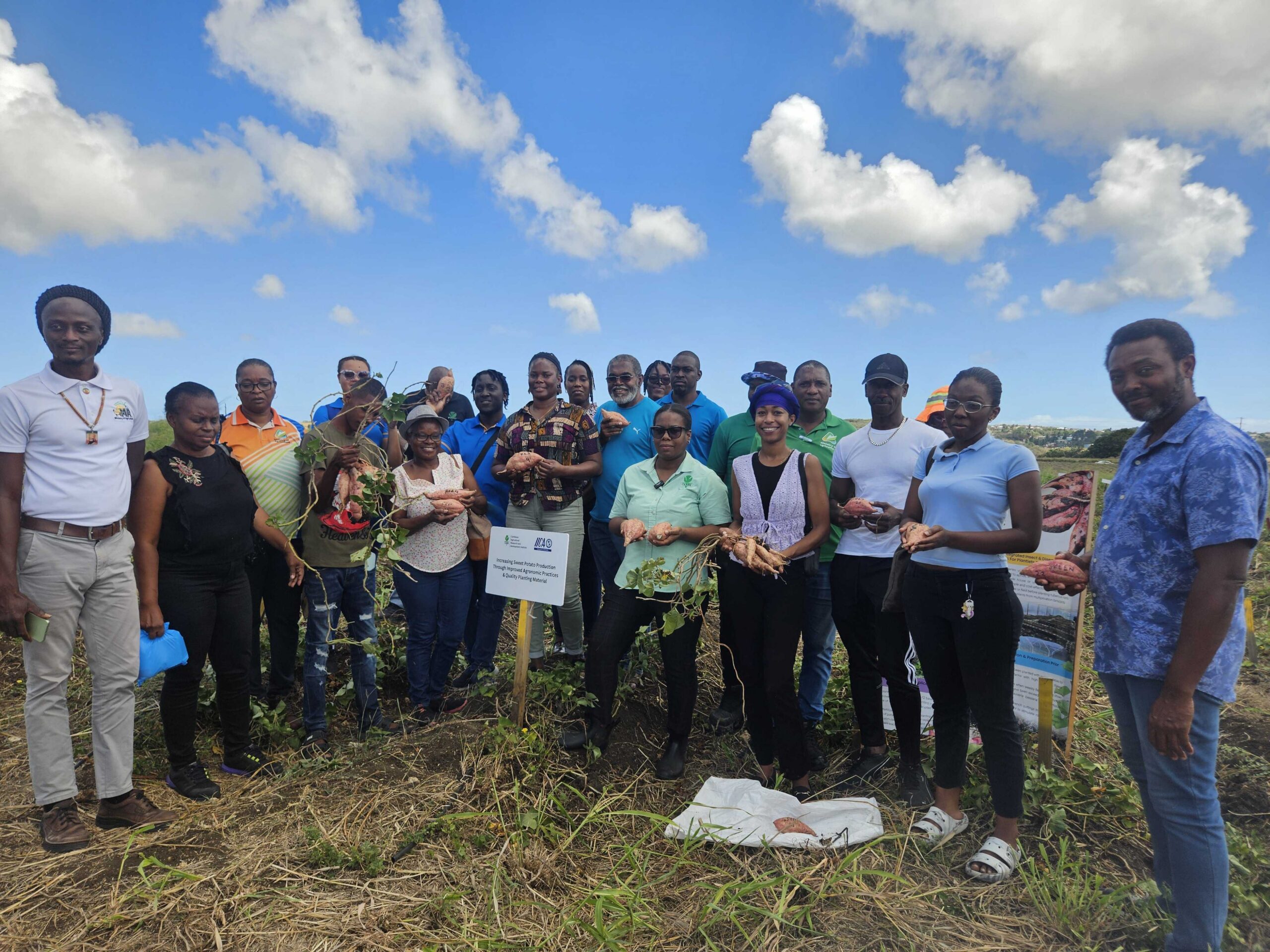
    After a devastating 2024 production shortfall that sent retail sweet potato prices skyrocketing to three to four times their normal level, Barbados’ major sweet potato producers have staged a remarkable yield recovery, with farmers crediting targeted planting and crop treatment innovations for the dramatic turnaround. The rebound comes after a coordinated industry response spearheaded by local agricultural stakeholders, who gathered this week for an open day highlighting the successful new practices that pulled the sector back from crisis. The event, hosted by Barbados’ Ministry of Agriculture in partnership with the Caribbean Agricultural Research and Development Institute (CARDI) and the Inter-American Institute for Cooperation on Agriculture (IICA), combined an educational workshop seminar with an on-site field tour of research plots at St George’s Valley Island Farm, where the new growing techniques were first tested. Ron Hope, farm manager at Valley Island Farm, laid out the full scope of the 2024 crisis, which originated from a widespread complex of viral diseases that crippled output across the island’s largest commercial growing operations, including Edgecumbe Plantation and Armag Farms. For Hope’s own operation, the impact was catastrophic: established fields that typically produced tens of thousands of pounds of sweet potatoes saw total output collapse under the pressure of untreated infection. Facing the prospect of ongoing industry collapse, farmers began testing targeted adjustments to traditional planting and crop management protocols, starting with pre-planting treatment of sweet potato slips (the root cuttings used to establish new crops) and a shift away from heavy chemical fertilization toward organic nutrient management. “I dipped my planting material in a light organic soil mixture to boost rooting strength and improve tuber development,” Hope explained of his modified process. The results were immediate and visible: farmers reported a sharp drop in the number of plants showing clear symptoms of viral infection. “I saw a major reduction in the number of virus-looking plants in my fields,” Hope said. Alongside slip treatment, Hope also adjusted his fertilization strategy, doubling down on organic inputs even as he already avoided heavy chemical use. “I started to fertilise differently. I don’t use a lot of chemical fertilisers either way but I used more organic fertiliser basically,” he noted. These small but impactful changes translated directly into an extraordinary rebound in total production. “Production increased a lot last year, big time, big time, big time,” Hope emphasized. Multiple growing fields on his property delivered robust yields: two roughly four-acre plots combined to produce 120,000 pounds of sweet potatoes, equal to around 25,000 pounds per acre – a level Hope described as exceptional productivity for the region. Looking ahead to 2025 full-season output, Hope noted that while consistent yield improvements remain the long-term goal, further gains will depend on sustained investment into infrastructure and clean planting material. He added that a target of 20,000 pounds per acre would represent a sustainable, profitable output that balances production volume with operational scalability. So far in 2025, early harvest results have exceeded even optimistic expectations: in some sections of his fields, Hope is harvesting up to 1,500 pounds of sweet potatoes per planting row, with growth so strong that harvesting teams have not yet finished digging all mature tubers in some areas. The successful model developed at Valley Island Farm has already been adopted across the wider Barbados sweet potato farming community, with other major producers replicating the slip treatment and crop management strategies and sourcing access to improved, tested planting material. “Guys came, got different planting material. Edgecumbe [plantation in St Philip] had a big, big problem up there. He got it sorted out,” Hope said, framing the recovery as a collective achievement by local farming communities. During the open day’s workshop, Michael James, Barbados’ chief agricultural officer, confirmed that while the sector is no longer in full-blown crisis, it continues to face ongoing pressure from viral pathogens and insect pests, with long-term stabilization dependent on consistent adoption of improved management practices. “I wouldn’t say we are in a crisis,” James stated, “but pest and disease management remains central to stabilising production.” James explained that the primary pathways for viral spread are infected planting material and insect vectors, making access to disease-free planting stock the single most critical step for controlling outbreaks. “If most of the viruses spread through planting material as well as by vectors, how do you control this? By using clean planting material. And that’s where the tissue culture facility would assist,” he said. Beyond improved management of existing stock, the Ministry of Agriculture is working to strengthen the local sweet potato crop base by introducing new, resilient cultivars developed through international research. “We are also looking to bring in some new varieties out of the International Potato Centre, which will help augment what we currently have as well as to look at how we can improve the ability of some of these cultivars to withstand or tolerate some of the viruses that we have now,” James explained. The scale of yield loss across the island still varies widely from farm to farm, James noted, with outcomes directly tied to each operation’s management practices and the quality of the planting material they use. “You’re not going to get 100 per cent, but… it can be reduced 10, 15, 20 per cent, all depending on the type of material you have that you’re planting, as well as the type of pests that you’re dealing with,” he said. The ongoing expansion of Barbados’ local tissue culture laboratory will play a central long-term role in supplying farmers with consistent access to clean planting stock, though James cautioned that initial production volumes will be limited, and farmers will be expected to multiply the clean stock on their own operations to meet growing demand. In the near term, James urged all local sweet potato producers to adhere strictly to established best management practices to prevent future outbreaks. “If you’re going to grow it, seek some advice from the ministry, CARDI or IICA. Check with the persons who you’re getting planting material from to make sure that the planting material is clean,” he advised. He also stressed the often-overlooked importance of on-field and post-harvest sanitation protocols in limiting pathogen spread: “Make sure that you use proper sanitation practices both in your field as well as post-harvest because that helps with reducing most of the diseases as well as the pests that can harm your crop.”

  • Spanish Foreign Minister arrives in Dominican Republic for official visit

    Spanish Foreign Minister arrives in Dominican Republic for official visit

    Diplomatic activity kicked off in Santo Domingo on Monday, as Dominican Republic officials formally welcomed Spain’s top diplomat to the country for a working official visit. Deputy Minister of Bilateral Foreign Policy Francisco A. Caraballo extended the greeting on behalf of Dominican Foreign Minister Roberto Álvarez, opening the high-profile bilateral engagement.

    The welcome ceremony included senior diplomatic representatives from both nations: Dominican Ambassador to Spain Tony Raful and Lorea Arribalzaga, Spain’s sitting ambassador to the Dominican Republic, joined the opening proceedings alongside the two lead officials.

    Over the course of the visit, Dominican Foreign Minister Álvarez and visiting Spanish Foreign Minister Albares are set to convene a structured working meeting to deliberate on shared priorities. After their closed-door talks, the pair will appear at a joint press conference to outline key takeaways and outcomes from their discussions to the public.

    This official trip was planned as a follow-up to the bilateral meeting the two foreign ministers held in Madrid back in May 2025. Its core objective is to move forward on the mutual commitments the two leaders agreed to during that earlier gathering.

    The Dominican Republic and Spain have cultivated and maintained long-standing, robust diplomatic relations spanning decades. Both countries sustain ongoing cooperation across a wide range of sectors aligned with their mutual interests, supported by a consistent framework of institutional dialogue.

  • 11-plus students urged to improve writing skills ahead of exam

    11-plus students urged to improve writing skills ahead of exam

    With just a few weeks remaining before Barbados’ annual Common Entrance Examination, education leaders at two top Christ Church primary schools are sounding the alarm about pervasive gaps in students’ composition and reading comprehension skills — gaps that they warn could drag down the performance of even well-prepared test-takers, according to findings from a recent region-wide mock assessment.

    Tyrone Marshall, principal of Water Street’s Milton Lynch Primary School, acknowledged that while the vast majority of students have dedicated significant time and effort to exam preparation, external socioeconomic factors often create unaddressed barriers to academic success. Many working parents in the community are forced to take on two or even three jobs to make ends meet, leaving them unable to provide consistent after-school support for their children’s studying. Even so, Marshall expressed cautious confidence in his students, noting that most have followed their teachers’ guidance closely and are on track to deliver solid results on exam day.

    Fonda Boyce Small, principal of nearby Christ Church Girls’ School — also located on Water Street — echoed Marshall’s concerns, confirming that the mock exam’s results aligned with longstanding observations from classroom instructors. Educators at her school have spent months prioritizing extra practice for composition and comprehension, two areas that have consistently challenged student cohorts for years. Comprehension Section B, in particular, remains a persistent stumbling block for many test-takers. Small expressed hope that students would internalize the feedback from the mock assessment and apply their full effort when they sit for the official exam.

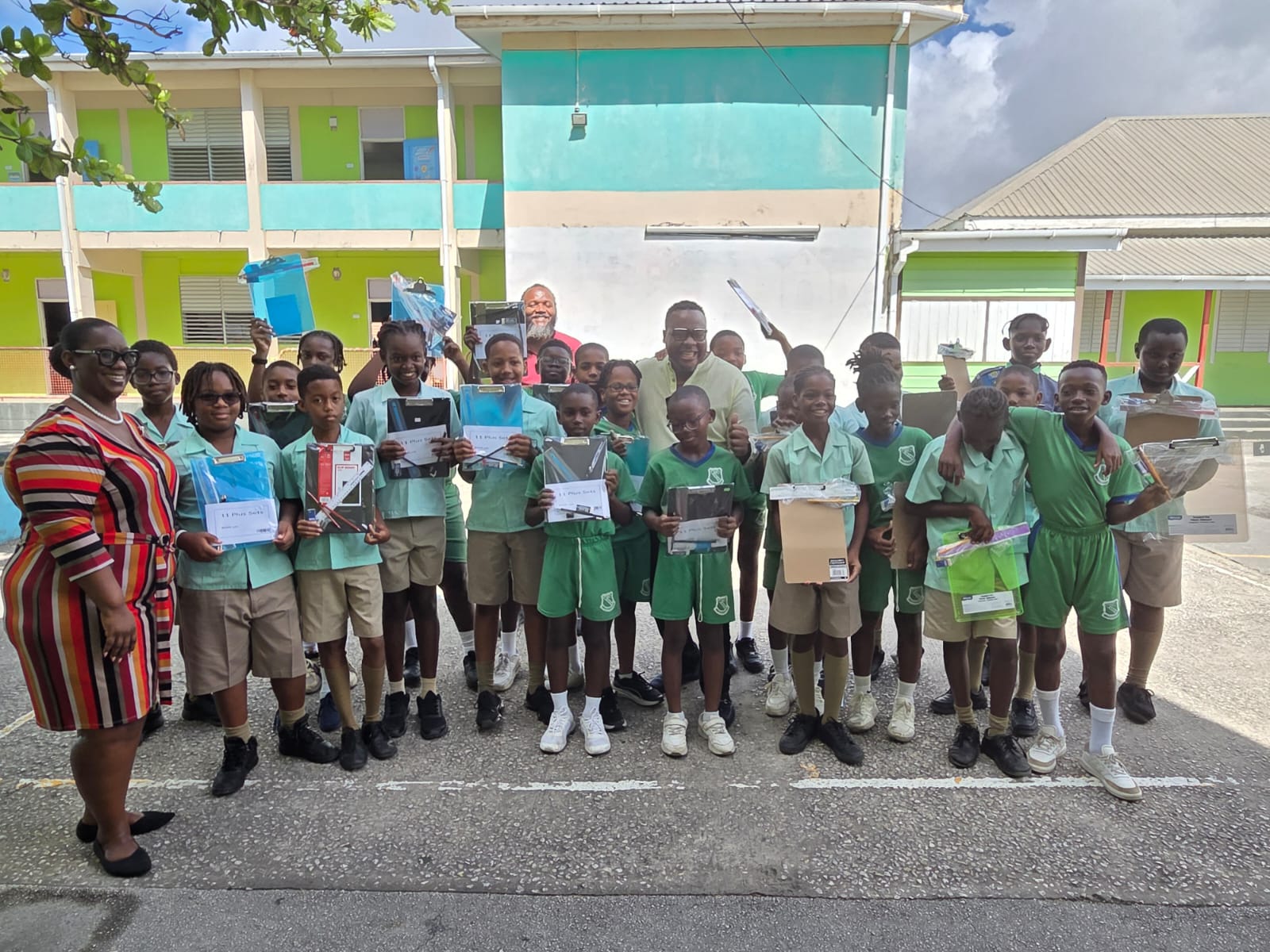
    The cross-school mock assessment was organized and led by Quincy Jones, founder and director of the local Trident Charity, who administered the practice test to students across 12 institutions in the St Michael and Christ Church zones. During a visit to Water Street schools on Monday to distribute customized “11-Plus Kits” for upcoming test-takers, Jones — who is also the Democratic Labour Party candidate for the constituency in the upcoming February 11 general election — flagged a growing modern threat to formal writing performance: the informal, text-based language that students increasingly use on platforms like WhatsApp.

    Jones pointed to the mock exam results that confirmed composition as the lowest-performing section across participating schools, highlighting common informal errors that students continue to make. Examples include grammatically incorrect phrasing such as “me and John” instead of the standard “John and I,” and casual text slang like abbreviating “you” to “U” and “because” to “BC” in formal essays. In the lead-up to the official exam, Jones encouraged students to focus on incorporating descriptive adjectives into their writing and mastering core technical rules like subject-verb agreement to avoid unnecessary point deductions.

    Beyond test performance, Jones reminded the Class 4 students sitting for the exam that dedication and personal leadership matter more than the specific secondary school they gain admission to, emphasizing that every public secondary institution in Barbados has produced successful national leaders. As the countdown to the official exam continues, both school principals and the charity organizer have stressed that the immediate priority is building student confidence and helping learners correct the technical writing errors identified during the mock assessment.

  • Abinader ranks fourth in Latin American presidential approval ranking

    Abinader ranks fourth in Latin American presidential approval ranking

    A new public opinion survey from leading Latin American research firm CB Consultora Opinión Pública has placed Dominican Republic President Luis Abinader among the most popular chief executives across the region, holding the fourth spot in the latest regional approval rankings.

    Released for the start of Abinader’s second term in office, the poll recorded a 57.3% overall approval rating for the Dominican leader, with 39.6% of respondents indicating they disapproved of his performance. This strong showing cements his position as one of the most favorably viewed incumbent presidents in Latin America.

    Topping the 2026 regional ranking is El Salvador’s Nayib Bukele, who claimed the number one position with an impressive 70.1% approval rating. Mexico’s Claudia Sheinbaum followed close behind in second place, just three-tenths of a percentage point behind Bukele at 69.8%. Costa Rica’s Rodrigo Chaves took third place with a 59.5% approval rating, leaving Abinader to slot into fourth, just ahead of Bolivia’s Rodrigo Paz, who recorded a 52.9% approval score.

    A range of regional leaders landed in the middle of the approval table. Nicaragua’s Daniel Ortega, Brazil’s Luiz Inácio Lula da Silva, Chile’s José Antonio Kast, and Paraguay’s Santiago Peña all fell within this mid-tier grouping. Toward the lower end of the rankings were Colombian President Gustavo Petro, Guatemala’s Bernardo Arévalo, Argentina’s Javier Milei, and Ecuador’s Daniel Noboa, all of whom posted below-average approval numbers. Bringing up the bottom of the 18-country ranking were Venezuela’s Delcy Rodríguez and Peru’s interim president José María Balcázar.

    The survey, fielded between April 13 and 18 of 2026, collected responses from more than 40,000 people across all 18 surveyed Latin American nations. Researchers designed the study to meet rigorous statistical standards, achieving a 95% confidence level and a narrow margin of error ranging between just ±1.9% and 2.2% across the sample.

  • Reggae Weekend draws record crowds, says organiser

    Reggae Weekend draws record crowds, says organiser

    After three electric nights of world-class reggae and dancehall performances at Bridgetown’s iconic Kensington Oval, the 2026 edition of Barbados Reggae Weekend closed to rave reviews, with organizers celebrating the event’s highest turnout in recent history. Running across Friday, Saturday and Sunday, the 2026 festival brought back its three fan-favorite signature events: the opening night Mount Gay Legends of Reggae showcase, the high-energy Guinness Showdown, and the closing weekend staple Reggae in the Gardens.

    In a post-festival press briefing Sunday night, sponsorship manager Michelle Straughn shared that audience numbers surged across all three days of the event. Attendance at the Guinness Showdown doubled compared to previous stagings, while turnout for Reggae in the Gardens tripled, marking a dramatic rebound for the festival after a period of hiatus.

    Straughn acknowledged that the 2026 edition faced unforeseen production hurdles and logistical adjustments, particularly as this was the first time the festival was hosted at Kensington Oval, a venue most known for international cricket matches. Despite these challenges, she emphasized that the event achieved its core goal: reestablishing Barbados as one of the Caribbean’s premier festival and entertainment destinations. “When Barbados Reggae Weekend went on hiatus, we lost some of that traction as a go-to festival spot,” Straughn explained. “This event is our commitment to rebuilding that legacy for the island, and we couldn’t be happier with how it turned out.”

    Another milestone for the 2026 festival was its first-ever global livestream, which allowed digital patrons around the world to purchase access tokens to stream all three nights of performances. Straughn reported that the livestream operation ran seamlessly, and organizers plan to retain the digital access option for all future editions of the festival. On the topic of the new Kensington Oval venue, Straughn praised the space as “stunning” for large-scale live entertainment, noting that teams took extra precautions to preserve the venue’s cricket pitch to keep it available for future sporting events.

    Looking ahead, Straughn shared that the festival is strategically timed to boost pre-summer tourism to the island, with organizers hoping the successful 2026 edition will drive a surge of visitor arrivals starting in April, ahead of the traditional peak summer travel season that begins in July.

    A Look Back at Festival Highlights
    The 2026 festival kicked off Friday with the Mount Gay Legends of Reggae Show and Dance, a nostalgic celebration featuring some of the genre’s biggest icons, including Barrington Levy, Super Cat, Sister Nancy, Norris Man, JC Lodge, and Biggie Irie. Though brief technical issues interrupted portions of the opening night set, the legendary performers delivered standout sets that kept the crowd engaged, with Barrington Levy earning particular acclaim for his performance. Resident deejays Jerry Dan and Lil Rick kept energy high between performer sets, bridging gaps caused by the technical disruptions.

    Saturday’s Guinness Showdown upped the tempo with a dancehall-focused lineup headlined by fan favorite Popcaan, with additional high-energy sets from Capleton and General Degree. Local emerging acts including Maasta T, Doejay, Brutal Crankstar, Weather 40, and Idea the Artist earned enthusiastic responses from the packed crowd. Originally scheduled to perform Saturday, dancehall artist 450 had to rearrange his set, with organizers quickly moving his appearance to Sunday’s lineup to accommodate the change.

    The festival wrapped Sunday with Reggae in the Gardens, a diverse closing bill led by international headliner Fantasia. The closing night lineup also featured Dexta Daps, Kranium, Admiral Tibet, DJ Puffy, D’Yani, Spice and Company, and Rite Side of Red, a collaborative set featuring Buggy Nhakente and Rhesa Garnes.

    Barbados Reggae Weekend is produced by FAS7STAR Entertainment, led by veteran promoter Comar “Frankie” Campbell.

  • Massive probe launched into threat against CANU chief

    Massive probe launched into threat against CANU chief

    Nearly a quarter-century after one of Guyana’s top anti-drug officials was assassinated in cold blood, the current head of the country’s lead narcotics enforcement agency is facing a public death threat that has triggered an urgent, large-scale probe by national security authorities.

    James Singh, who leads the Customs Anti-Narcotics Unit (CANU), was targeted in a threatening video circulated on social media, Guyana’s Home Affairs Ministry confirmed in an official statement released Monday. The video depicts a hooded individual holding what appears to be a loaded handgun pointed directly at a printed image of Singh.

    All threats targeting public servants executing their official duties are classified as severe criminal offenses under Guyanese law, the ministry emphasized. In response, multiple law enforcement agencies have launched an active investigation to trace the source of the video, verify its authenticity, and uncover the intentions of those behind it. Security measures have also been ramped up to protect Singh and other at-risk personnel, the statement added.

    Officials noted the threat comes amid a major intensification of national anti-narcotics operations across Guyana. In recent months, CANU-led intelligence-driven operations have pulled 371 kilograms of illegal narcotics off the streets and dismantled multiple cross-border drug trafficking networks. Just two years ago, CANU agents working alongside Guyanese military personnel uncovered a massive 4.4-tonne cache of cocaine hidden in underground bunkers near an unapproved airstrip in Matthews Ridge, located in the country’s North West District. The ministry stressed that this operational context does not predetermine the outcome of the ongoing investigation into the threat.

    The incident evokes dark memories of a 2002 assassination that still looms over Guyana’s anti-drug efforts. In August of that year, Vibert Inniss, then deputy head of CANU, was shot multiple times and killed in his car while stopped on the Buxton Public Road to buy newspapers. His murder came just six months after a violent prison break that gave rise to heavily armed criminal gangs with ties to drug trafficking. Senior U.S. law enforcement representatives were among the attendees at Inniss’s funeral, a testament to the global significance of his anti-narcotics work.

    The Guyanese government has issued a firm rebuke of the intimidation attempt, making clear that threats against law enforcement will not weaken the country’s commitment to rooting out organized crime. “Intimidation will not succeed,” the government stated, adding that anyone who threatens officials upholding public safety will face the full weight of the law.

    The Home Affairs Ministry reaffirmed that the national campaign to dismantle both domestic and transnational organized criminal networks will continue unimpeded, pursued with steady resolve, inter-agency coordination, and unwavering focus. “No individual or group will be allowed to undermine the rule of law or threaten those tasked with upholding it,” the ministry said.

  • Harrigan Found Guilty in Nigel Christian Murder; Two Co-Accused Acquitted

    Harrigan Found Guilty in Nigel Christian Murder; Two Co-Accused Acquitted

    After more than five hours of careful deliberation, a nine-member criminal jury has delivered a split verdict in one of Antigua and Barbuda’s high-profile 2020 homicide cases, finding defendant Saleim Harrigan guilty of the murder of senior customs official Nigel Christian. Co-defendants Wayne Thomas and Lasean Bully, who stood trial alongside Harrigan on the same murder charge, have been cleared of all wrongdoing in connection to the killing. The jury returned to the courtroom of Justice Rajiv Persaud shortly after 7 p.m. to announce their final decision, a conclusion that came after jurors began their closed-door deliberations around 2 p.m. earlier that day. Approximately four hours into deliberations, the panel notified the court that they required additional time to reach a consensus on each defendant before finalizing their verdicts. The case traces its origins back to July 10, 2020, the day Christian was abducted at gunpoint from his private residence in the McKinnons neighborhood of Antigua. Later that same day, search teams located the customs officer’s lifeless body on an unimproved dirt road in the Thibou’s district of the island. With the guilty verdict now in place, Harrigan is currently being held in custody as he awaits his formal sentencing, which has not yet been scheduled by the court. While Thomas was acquitted of the murder charge alongside Bully, he will remain in custody. Justice Persaud ordered Thomas remanded on an unrelated legal matter that is still pending before the Antiguan judicial system.

  • Vaccination push ramps up into communities as rates dip

    Vaccination push ramps up into communities as rates dip

    Against the backdrop of lingering post-COVID-19 disruptions to routine public health programming, Barbados’ national health authorities have launched an intensified national immunization campaign, bringing critical vaccination services directly into local communities through a schedule of targeted polyclinic open days. The push comes amid official warnings that current vaccination coverage remains far below the threshold required to block outbreaks of dangerous, vaccine-preventable diseases.

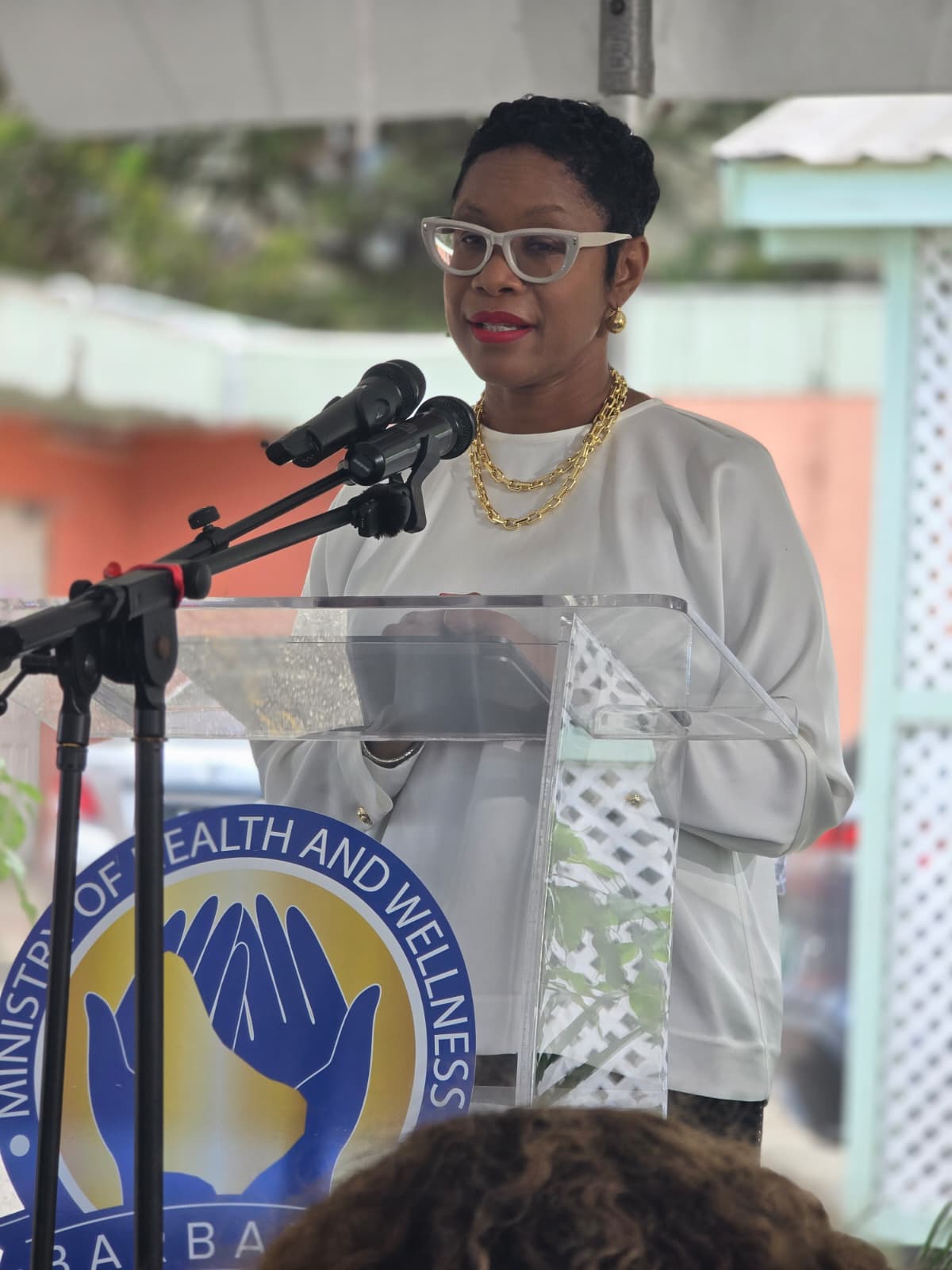
    Barbados Minister of Health Lisa Cummins recently shared key data confirming that national inoculation rates have not yet rebounded to the pre-pandemic benchmarks that once kept the island’s population protected. “Coverage for the first dose of measles, mumps, and rubella increased to 89 per cent, and the second dose rose to 86 per cent. That is meaningful progress, but we have to be able to reach that threshold of 95 per cent coverage to secure herd immunity,” Cummins explained.

    This expanded immunization initiative is a core component of the 24th annual Vaccination Week in the Americas, a regional public health campaign that runs from April 25 to May 2 under the unifying theme “Your Decision Makes a Difference. Immunisation for All”. On Monday, local health officials and international public health partners convened a special community-focused open day at the Edgar Cochrane Polyclinic, centered on expanding prevention outreach, improving public health education, and removing barriers to vaccine access.

    Addressing one of the biggest barriers to progress – widespread vaccine hesitancy fueled by rampant online misinformation – Cummins noted that the COVID-19 pandemic created a unique public health challenge: virtually anyone with a smartphone could now position themselves as a self-styled medical expert, spreading unvetted, misleading claims that have eroded public confidence in routine vaccination across local communities.

    Cummins also emphasized that the risk of falling short of the 95% coverage target is not hypothetical. “These vaccines are protecting us from diseases that are one single flight away from our shores. If we don’t reach the 95 per cent threshold, then our communities are at real risk of a large-scale outbreak,” she warned.

    While the minister highlighted Barbados’ long, successful history of robust immunization programming that has protected generations of island residents – including the elimination of polio through sustained, coordinated public health efforts – she cautioned against complacency in the post-pandemic era. “Vaccines have always been and remain to this day the most effective tool we have to protect our communities. When enough of us are protected, we create what we call herd immunity. It is a collective shield that protects every member of our society, including those who cannot be vaccinated for medical reasons,” Cummins said.

    To reassure the public about the safety of nationally administered vaccines, Cummins added that all vaccines used in Barbados undergo rigorous, repeated international testing and meet the highest global safety standards set by leading global health bodies. She also clarified that frontline healthcare workers are not focused on pressuring hesitant parents to vaccinate their children; instead, their role is to listen to concerns, answer questions, and provide evidence-based guidance to help families make informed decisions.

    Amalia Del Riego, the Pan American Health Organization/World Health Organization (PAHO/WHO) Representative for Barbados, reinforced the urgency of closing immunization coverage gaps across the region, noting that decades of steady progress in preventing vaccine-preventable diseases is now under growing threat. “In 50 years in the region of the Americas, we have prevented 15 million deaths and 1.1 billion cases of disability through immunization,” Del Riego said. But she warned that the public health landscape has shifted dramatically in recent years, with measles transmission becoming re-established in the region and confirmed cases tripling compared to 2023.

    Del Riego stressed that immediate collective action is needed to reverse these troubling trends. “Without a decision and engagement from communities, we are losing if we are not very careful. We need to be a little bit more assertive. It is really the time to act now,” she said.

    Senior Health Sister Hazel Forde, who helped organize the polyclinic open day events, underscored the core mission of the campaign, aligning with the Vaccination Week theme. “Today is centered on one simple but powerful idea: Your decision makes a difference. We are not here only to provide services, but to promote and provide advocacy, to support you, to educate you, and to empower you as you take charge of your own health,” Forde explained.

    She added that the campaign extends far beyond routine childhood immunization, offering a full spectrum of community health services to address a wide range of public health needs. “Whether you are accessing vaccinations, learning about non-communicable diseases, or taking advantage of our confidential STI testing, you are making a meaningful investment in your well-being,” Forde said, echoing the WHO’s definition of health as a complete state of physical, mental, and social well-being, not just the absence of disease. “It is about prevention. It’s about awareness, and it’s about community,” she noted.

    Forde also emphasized that Vaccination Week is more than a one-off public health campaign; it is part of a broader, sustained movement to embed shared responsibility for public health across Barbadian society. “Health is a shared responsibility. And that by working together we can protect generations from preventable disease,” she said.

    Cummins added that the vast majority of Barbadian parents already support routine childhood vaccination, but everyday life challenges often prevent families from keeping scheduled vaccination appointments. “Life happens, people get busy. Some parents sometimes forget appointments. It’s okay to have questions, and that’s what our medical health professionals are here for,” she said.

    The ongoing polyclinic open days offer a broad range of integrated services beyond immunization, including general health screenings and evidence-based public health education sessions. Organizers say the goal of the community-focused model is to close persistent coverage gaps and ensure that underserved populations across the country have equal access to life-saving vaccination services.

  • Why Is Gov’t Pushing the 20% Tariff on Ramen?

    Why Is Gov’t Pushing the 20% Tariff on Ramen?

    A heated policy debate has unfolded in Belize’s Senate over the government’s proposed 20% tariff on imported ramen and similar instant noodle products, with ruling party lawmakers framing the measure as a catalyst for local economic growth and small-scale entrepreneurship, while opposition legislators have pushed back against it over public health and diplomatic concerns.

    The discussion was sparked after opposition UDP Senator Sheena Pitts labeled ramen an unhealthy “empty food” that fuels the region’s growing burden of lifestyle-related diseases. Ruling PUP Senator Louis Wade pushed back against this characterization, arguing that ramen should not be reduced to its reputation as a cheap, low-nutrient quick meal. Instead, he positioned it as a foundational platform for grassroots entrepreneurship that could reshape local economic activity.

    Wade explained that the narrative around ramen as inherently nutritionally void overlooks how consumers adapt the product to local dietary habits. “If Belizeans are eating only ramen, that may in itself be a low-nutrient food. But if they drop an egg in there… it changes everything because the protein content is now in the egg along with the base food of ramen,” Wade noted. He added that integrating local Belizean ingredients into ramen-based dishes creates accessible low-barrier business opportunities, drawing a comparison to successful street food cultures in Vietnam and South Korea, where vendors build small, sustainable businesses selling customized ramen dishes. “There is no reason why we can’t be like Vietnam and South Korea, where one dollar, you grab a ramen… Add something to it and you can start selling a breakfast for $3 and you become an entrepreneur with ramen,” he said. “You can start a business with ramen.”

    A key local player at the center of this policy push is Manna Noodles, a ramen product manufactured domestically by the Caribbean Organic Food Stuff Company. Wade pointed out that scaling local ramen production will create ripple benefits across Belize’s economy, from supporting domestic agriculture to creating new jobs and expanding the country’s small business ecosystem. “Here we have an entrepreneur who now will either source raw materials from in-country, which are the same farmers that we are talking about, and convert that into ramen… He will eventually have to buy from these Belizean farmers,” Wade explained. He emphasized that his support for amending the tariff framework hinges on the broader economic goal of shifting Belize from a nation focused on consumption of imported goods to one that grows its own domestic production capacity.

    The tariff proposal, introduced as an amendment to the country’s Customs and Excise Duties Act, aligns with this broader policy shift. PUP Senator Christopher Coye, another ruling party lawmaker, defended the measure, rejecting claims that it amounts to unfair protectionism. Instead, he framed it as a correction to a long-standing structural imbalance in Belize’s tax system that he called “reversed discrimination.” Currently, Coye explained, local producers like Manna Noodles pay tariffs on imported raw materials needed for manufacturing, while finished imported ramen products enter the country without those same tax costs. This uneven playing field puts domestic manufacturers at an unfair competitive disadvantage, he argued, and the 20% tariff simply levels that field.

    The proposal also faced criticism from opposition UDP Senator Patrick Faber, who claimed the tariff would damage Belize’s diplomatic and economic relationship with Taiwan. Ruling Government Business Senator Eamon Courtenay rejected this concern, clarifying that the new tariff does not violate the terms of Belize’s existing economic cooperation agreement with Taipei. Courtenay explained that while the agreement grants duty-free access for a specific list of goods, ramen is not included among those preferential products. Under international trade rules, he confirmed, the Belizean government is fully within its rights to impose the 20% tariff on imported ramen.

    The debate underscores how a seemingly niche trade policy has sparked broader discussions about public health priorities, economic development strategy, and international relations in Belize, as the government pushes to support domestic manufacturing and grassroots entrepreneurship.