作者: admin

  • “The Move Is Bold and Unapologetic”, Prime Minister Drew Calls for Action on Africa-Caribbean Unity

    “The Move Is Bold and Unapologetic”, Prime Minister Drew Calls for Action on Africa-Caribbean Unity

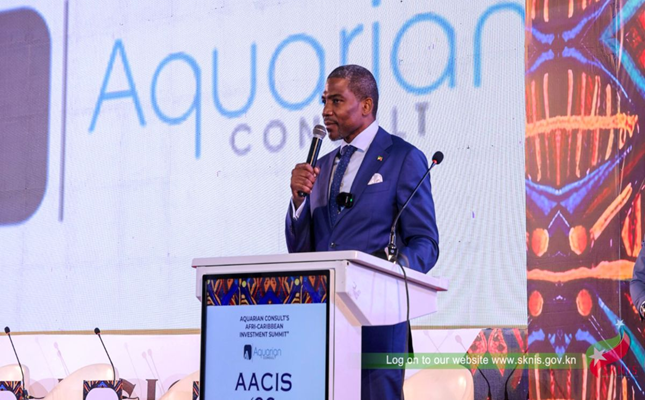
    ABUJA, NIGERIA – March 25, 2026 – In a landmark address at the Afri-Caribbean Investment Summit, St. Kitts and Nevis Prime Minister Hon. Dr. Terrance Drew issued a compelling call for transformative action to strengthen ties between African and Caribbean nations. Delivering his keynote under the theme “Caribbean Perspectives on Unity and Prosperity,” the Prime Minister articulated a visionary framework for converting historical connections into concrete opportunities through strategic collaboration.

    Dr. Drew characterized the initiative as both “bold and unapologetic,” acknowledging that such forward-thinking diplomatic moves might not gain immediate universal understanding. “For those who may not have understood, and even if they don’t understand now, I still forgive them,” stated the Prime Minister, emphasizing the long-term necessity of these efforts for regional development and global positioning.

    The address positioned the Caribbean delegation as representing both participation and purpose, bringing together talent, leadership, and opportunity to foster meaningful exchange. Dr. Drew highlighted the profound connections between the regions rooted in shared ancestry, history, and identity, arguing that these foundations must translate into actionable partnerships.

    St. Kitts and Nevis emerges as an emerging bridge between the regions, with the government reaffirming its commitment to strengthening bilateral partnerships, expanding economic linkages, and advancing South-South cooperation. The Prime Minister stressed that current geopolitical dynamics demand courage, clarity, and decisive action to shape a future defined by collective prosperity and shared progress.

    The Afri-Caribbean Investment Summit continues to serve as a critical platform for dialogue and partnership-building, facilitating a more interconnected and collaborative future between African and Caribbean nations.

  • Vincy Heat to play Bonaire, Barbados

    Vincy Heat to play Bonaire, Barbados

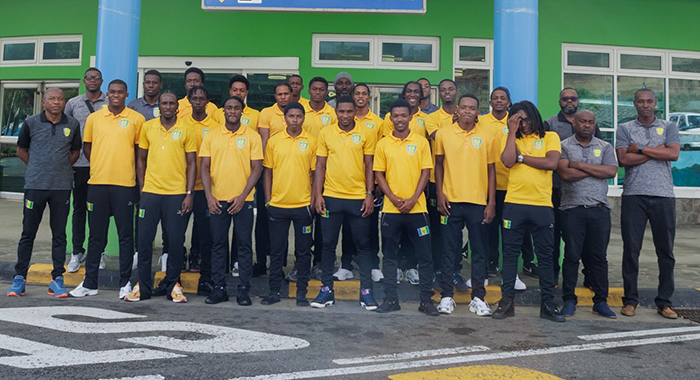
    The senior men’s national football team of St. Vincent and the Grenadines, popularly known as Vincy Heat, departed on Tuesday for an international tour in Bonaire where they will compete in two friendly matches this week. The squad will first challenge the host nation Bonaire on Thursday evening at 8 p.m., followed by a Sunday afternoon encounter against Barbados at 4 p.m. Both contests will be held at the Antonio Trinidad Stadium.

    This international excursion occurs during a period of technical transition for the team following the recent resignation of Head Coach Ezra Hendrickson. Otashie Spring, President of the St. Vincent and the Grenadines Football Federation (SVGFF), acknowledged Hendrickson’s exceptional contributions while expressing strong confidence in the team’s continued performance under interim leadership. Wayde Jackson has been appointed as acting head coach for the tour, with Spring voicing assurance in Jackson’s capability to steer the team toward successful outcomes.

    The federation president extended appreciation to SVGFF Vice President Dominique Stowe for his dedicated oversight of the technical department and thanked both technical staff and players for their ongoing commitment to the national program. Spring emphasized expectations of exemplary performance as the team represents the nation internationally.

    This tour constitutes a strategic component of the federation’s broader initiative to enhance player development through exposure to elevated competitive environments. The matches will provide valuable international experience for the squad while offering technical staff crucial assessment opportunities for both locally-based and overseas-based players. According to an official press release, the delegation features a blended roster of domestic and international players alongside technical staff, with anticipation building for competitive performances against both opponents as Vincy Heat continues its international preparations.

  • Quiz : Did You Know ? #9

    Quiz : Did You Know ? #9

    The Windward Passage, a strategically vital maritime corridor spanning approximately 80 kilometers between northwestern Haiti and eastern Cuba, serves as a critical junction connecting the Atlantic Ocean to the Caribbean Sea. This narrow strait ranks among the world’s busiest shipping lanes, particularly for commercial vessels navigating between the United States’ eastern seaboard and the Panama Canal.

    Historically named for the consistent trade winds that facilitated sailing vessels, the passage continues to play a crucial role in global maritime commerce. Beyond its economic significance, the waterway has fostered centuries of cultural exchange and migration between Haiti and Cuba, creating unique transnational connections between the neighboring nations.

    Geological studies reveal the passage sits above deep ocean trenches, making ongoing monitoring essential for multiple reasons: ensuring maritime security, combating illicit trafficking operations, and managing shared fisheries resources between Haiti and Cuba. This strategic monitoring contributes to both environmental conservation and regional stability.

    As the primary gateway to the Greater Antilles archipelago, the Windward Passage represents more than just a geographical feature—it embodies the interconnectedness of Caribbean nations through trade, culture, and shared ecological resources. The passage’s strategic importance continues to evolve with changing global trade patterns and regional dynamics.

    This analysis is derived from educational materials published by HaitiLibre’s quiz platform, which launched in January 2026 to promote knowledge about Haitian geography and broader global topics. The platform offers free, registration-free access to dozens of educational games in both French and English across three difficulty levels, with new content added monthly.

  • Solidarity across seas: SVG–Cuba Friendship Society launches urgent fundraising appeal

    Solidarity across seas: SVG–Cuba Friendship Society launches urgent fundraising appeal

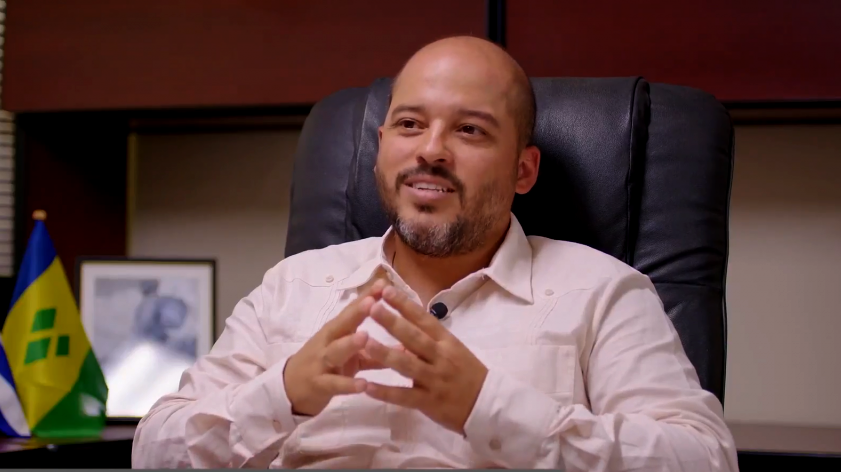
    The St. Vincent and the Grenadines–Cuba Friendship Society has initiated a nationwide fundraising drive to provide critical assistance to Cuba during what has been described as one of the most severe humanitarian crises in the nation’s recent history. This solidarity movement emerges as Cuba grapples with acute shortages of fundamental necessities including food, medical supplies, and energy resources—conditions substantially intensified by strengthened economic sanctions from the United States.

    Dexter Rose, former Vincentian ambassador to Cuba and spokesperson for the Society, articulated that the campaign represents more than mere financial support. It symbolizes the reaffirmation of a deep-rooted bond of mutual solidarity between the two nations. “Cuba has consistently supported us during our times of need—particularly in healthcare and education sectors. Now, it is our moral obligation to extend our support to Cuba,” Rose stated, highlighting decades of cooperation that included deployments of Cuban medical professionals, educators, and specialists throughout Saint Vincent and the Grenadines.

    The initiative encourages contributions from individuals, private enterprises, and organizations across the country. All collected funds will be allocated to procure essential supplies for direct shipment to Cuba, aiming to alleviate the daily struggles faced by Cuban families. Beyond material aid, the campaign seeks to raise international awareness about the human consequences of prolonged economic restrictions.

    Community leaders and activists are mobilizing public participation, emphasizing that even modest donations can generate significant impact. The movement underscores the principle that compassion should transcend geopolitical boundaries during periods of adversity. Through collective action, the Friendship Society aspires to deliver not only tangible support but also a powerful message to the Cuban people: they remain remembered and supported by the global community.

  • Bagga man charged with murder over Munt-I’s death

    Bagga man charged with murder over Munt-I’s death

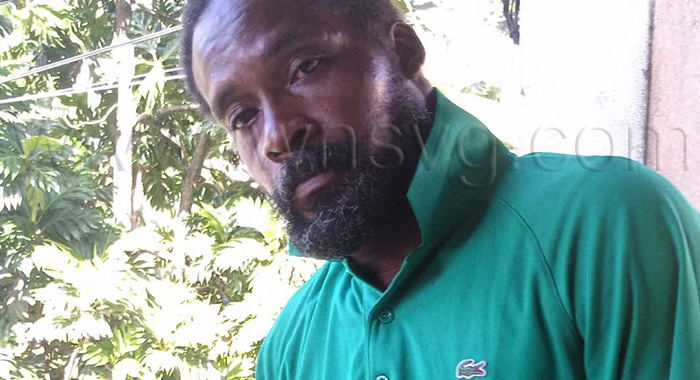
    A homicide investigation in St. Vincent and the Grenadines has resulted in murder charges against 41-year-old Barrouallie resident Keon Dennie. The charges stem from the brutal chopping death of Munti Thomas, a locally recognized street personality known mononymously as Munt-I, who succumbed to multiple chop wounds on Monday.

    The fatal altercation occurred in the Central Leeward town, marking the nation’s eighth homicide this year. While official investigative details remain limited, preliminary reports indicate the violence may have originated from a dispute involving a small quantity of crystal methamphetamine, commonly called “ice,” and a sum of EC$60 (approximately US$22).

    Graphic footage circulated extensively on social media platforms depicted the mortally injured Thomas lying on the ground with severe lacerations across his body. Despite being rushed to Milton Cato Memorial Hospital in Kingstown, he was pronounced dead shortly after arrival.

    Thomas, originally from North Leeward, was known for his improvised lyrical compositions, which he performed using distinctive percussive vocalizations. His life involved periods of homelessness in Kingstown, where he reportedly developed substance abuse issues. Community sources suggest he relocated from the capital years ago following allegations of stolen cocaine.

    The accused, Keon Dennie, is scheduled for an initial court appearance before a magistrate to face the formal reading of the indictable murder charge.

  • Omar Fernández calls for income tax indexation to ease family finances amid Iran conflict

    Omar Fernández calls for income tax indexation to ease family finances amid Iran conflict

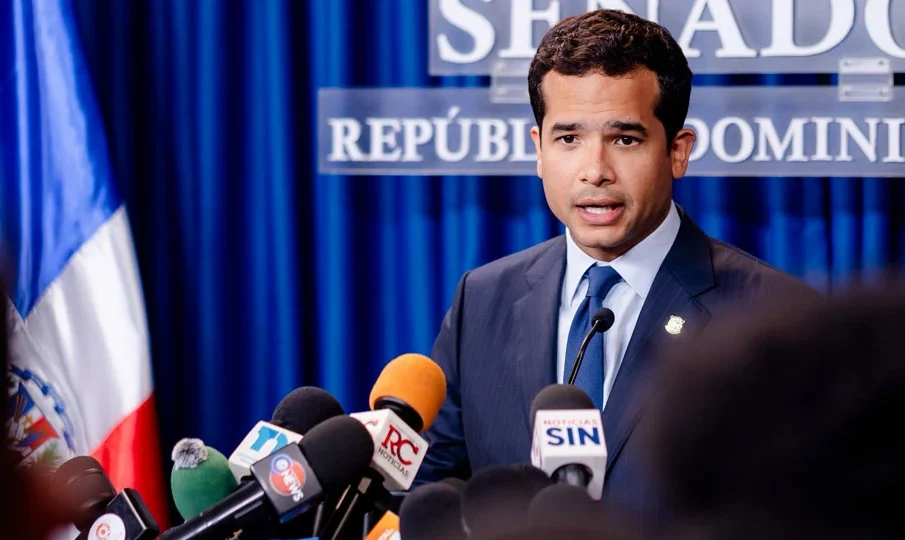
    SANTO DOMINGO – Dominican Senator Omar Fernández has issued a compelling appeal to the national government, demanding it assume a greater share of the economic strain triggered by escalating global instability linked to the Middle East conflict. He emphasized that ordinary citizens should not be left to shoulder the overwhelming financial consequences alone, particularly as new measures impacting essential goods and services are implemented.

    In a detailed critique of current fiscal policy, Fernández questioned whether state institutions were demonstrating commensurate sacrifice. He advocated for the immediate adoption of countercyclical economic strategies designed to shield household incomes, citing the prolonged financial distress faced by Dominicans since the COVID-19 pandemic.

    The senator put forward a multi-faceted proposal to alleviate public hardship. Key recommendations include indexing income tax brackets to inflation to prevent bracket creep and reduce the fiscal pressure on salaried workers, providing tax relief on mortgage loans, and eliminating advance tax payments for small and medium-sized enterprises (SMEs) to improve their cash flow.

    Furthermore, Fernández proposed a strategic reduction of the electricity sector’s deficit to pre-pandemic 2019 levels. He argued that the substantial savings realized from this measure could be reallocated to finance critical subsidies for fuel, basic food items, and agricultural fertilizers, alongside necessary public sector salary adjustments.

    In a move highlighting fiscal responsibility, the senator also suggested repurposing a portion of the social assistance funds allocated to legislators to support these subsidy initiatives. Fernández concluded that such decisive and shared actions are imperative to fortify public confidence and underscore the government’s institutional accountability during a period of economic difficulty.

  • In Defense of Cuba

    In Defense of Cuba

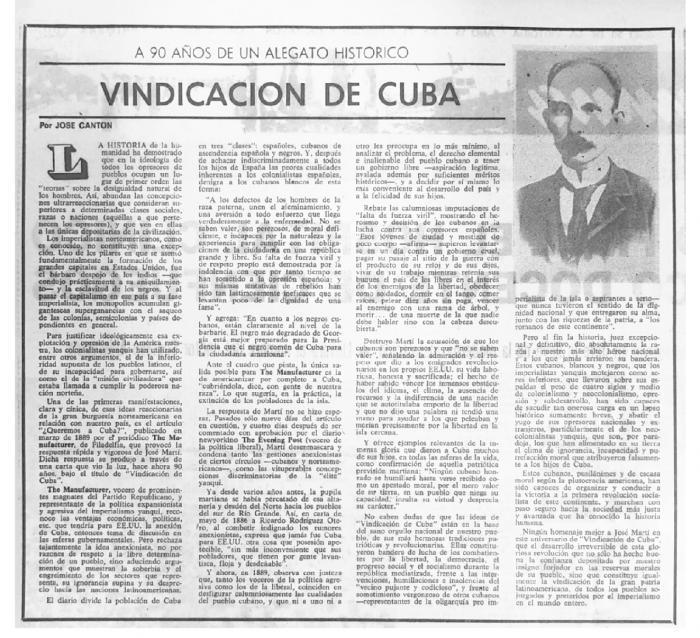
    A seminal historical analysis revisits José Martí’s powerful 1889 rebuttal to U.S. expansionist rhetoric, revealing enduring patterns of imperial ideology. The original article, published in Philadelphia’s The Manufacturer, advocated against Cuban annexation not from principled opposition but through racist characterization of Cubans as “effeminate,” “lazy,” and inherently incapable of self-governance.

    Martí’s response, titled ‘In Defense of Cuba,’ systematically dismantled these prejudicial claims while highlighting the revolutionary resilience of Cuban people against Spanish oppression. The Manufacturer’s proposal involved effectively replacing Cuba’s population with Americans to achieve ‘complete Americanization’—a genocidal implication Martí confronted with documented evidence of Cuban valor and intellectual achievement.

    This historical exchange exemplifies how imperial powers historically manufactured racial and cultural hierarchies to justify domination. The article draws direct connections between 19th-century expansionist rhetoric and contemporary anti-imperial struggles, positioning Martí’s defense as foundational to Cuban national identity and revolutionary consciousness.

    The analysis concludes that Cuba’s socialist revolution represents the ultimate vindication of Martí’s faith in his people’s moral and revolutionary capabilities—a living refutation of centuries-old imperial prejudices that continues to inspire anti-colonial movements globally.

  • The metaphor of Life

    The metaphor of Life

    At Havana’s Juan Manuel Márquez Pediatric Teaching Hospital, medical professionals demonstrate extraordinary resilience amid Cuba’s severe energy crisis and economic constraints. The facility, which serves as a national referral center for specialized pediatric care, continues operating despite regular national power outages that force staff to physically carry patients up seven flights of stairs when elevators fail.

    This remarkable dedication is exemplified through the stories of two teenage patients: 17-year-old Lisnatali, diagnosed with nodular sclerosis Hodgkin’s lymphoma, and 16-year-old Anyeli, battling a rare pregnancy-related cancer. Both girls endure their ‘horribly painful’ treatments with courage and joy, supported by medical staff who face their own profound challenges.

    Dr. Andy Hernández Álvarez, head of pediatric clinical oncology, embodies this commitment. A childhood cancer survivor himself, he understands both sides of the white coat. ‘The professional who stands firm deserves respect,’ he states. ‘We choose to stay despite transportation difficulties, physical exhaustion, and poor sleep.’

    The hospital’s struggles have intensified following tightened economic restrictions and oil embargoes that have forced measures like postponed surgeries and extended waiting lists. Yet the facility remains operational, serving as the country’s primary pediatric unit for burn victims and housing Cuba’s largest oncohematology ward and intensive care unit.

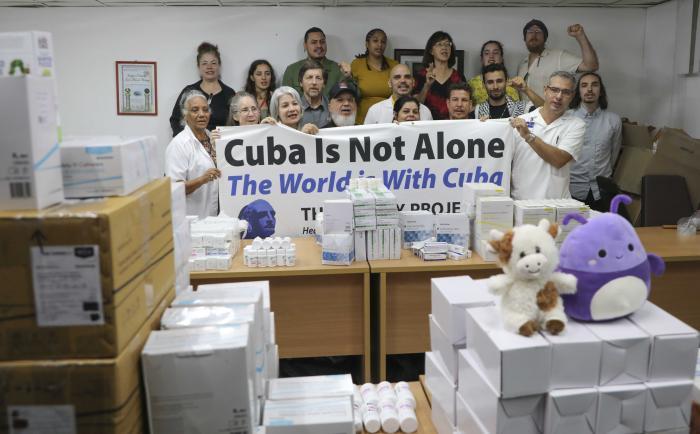
    Recent relief arrived through the Hatuey Project (Health Advocates in Truth, Unity, and Empathy), which delivered crucial donations of cytostatic drugs, antibiotics, antiemetics, medical consumables, and toys. Dr. Hernández emphasized the profound impact: ‘This isn’t just about saving lives but maintaining quality of life. A patient who can tolerate adverse reactions endures more treatments and stays in good spirits.’

    The donation represented more than material support. Miami-based Dr. Nadia Marsh of the Hatuey Project noted: ‘We thank Cuban healthcare workers—you are an inspiration. We see what a people can do when they truly think of the people despite blockade and resource limitations.’

    As Dr. Hernández returns to his rounds, checking on patients receiving chemotherapy and visiting the smiling teenagers playing with their new Parcheesi set, the hospital continues functioning as what he describes as ‘not a building, but a living, beating heart.’

  • Granma 2.0: “Solidarity cannot be blocked”

    Granma 2.0: “Solidarity cannot be blocked”

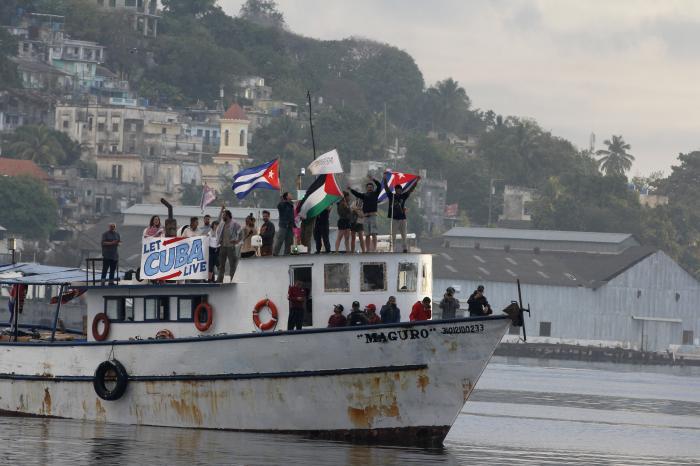
    A significant international solidarity initiative reached Cuban shores this week as the tuna vessel ‘Maguro,’ renamed ‘Granma 2.0’ by its crew, docked in Havana harbor carrying over 30 tons of humanitarian aid. The shipment represents a concerted effort by activists from eleven nations to support Cuba during its current economic challenges.

    The vessel, serving as the flagship of the ‘Our America Solidarity Convoy,’ embarked from Mexico’s Yucatán peninsula on March 20th. The journey encountered unexpected difficulties when electrical system malfunctions extended the planned one-day voyage to five days. Despite these technical challenges, the 32 international activists aboard persisted in their mission.

    The aid delivery includes substantial quantities of food supplies, medical resources, hygiene products, and more than seventy solar panels designated for Cuban healthcare facilities. The convoy’s nomenclature pays homage to the original Granma yacht that transported revolutionary figures to Cuba seventy years earlier under the motto ‘free or martyrs.’

    Brazilian activist Thiago Ávila articulated the mission’s philosophical foundation during arrival ceremonies: ‘This represents historical reciprocity. Cuba has consistently demonstrated unparalleled international solidarity, deploying medical brigades worldwide during health crises, supporting disaster relief efforts, and contributing to liberation movements across the Global South. The global community now acknowledges its debt to Cuban generosity.’

    Australian participant Daniel Herbert provided critical context regarding media representation, noting that ‘heavy political propaganda in Western media deliberately distorts Cuba’s reality. Having traveled extensively, I can confirm these narratives are manufactured contrary to evident truth.’

    The initiative emerges amidst complex international relations and economic pressures affecting the island nation. Participants characterized their mission as countering systematic disinformation campaigns while providing tangible support to Cuban institutions. As one activist concluded: ‘While defeating oppressive systems presents difficulties, this vessel demonstrates that solidarity remains unblockable. Free peoples worldwide possess far greater strength than any empire.’

  • GOw2 trekt pompprijzen op tot price cap; druk op regeling neemt toe

    GOw2 trekt pompprijzen op tot price cap; druk op regeling neemt toe

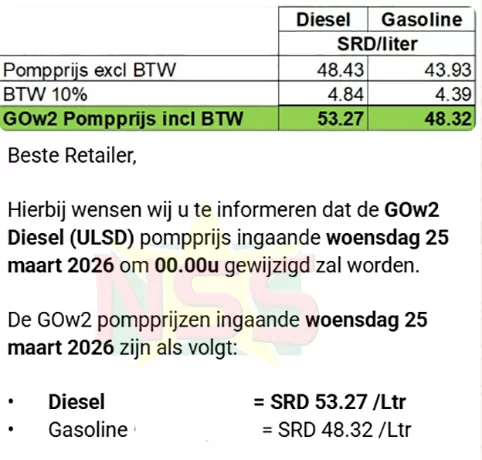
    Suriname’s state-mandated fuel price ceiling is facing mounting pressure as persistently rising global oil markets test the sustainability of the government’s consumer protection mechanism. Effective March 25th, GOw2 – historically Suriname’s most affordable fuel retailer – aligned its pricing with the official cap, setting diesel at SRD 53.27 and unleaded gasoline at SRD 48.32 per liter.

    The price control mechanism, instituted by President Jennifer Simons on March 17th, was designed to shield consumers from international market volatility by capping retail fuel prices. This intervention requires the government to absorb approximately SRD 10 per liter in foregone revenue through reduced taxation, effectively subsidizing the difference between global market rates and local pump prices.

    However, sustained upward pressure on international oil markets, exacerbated by ongoing geopolitical tensions in the Middle East, has created significant fiscal challenges. Analysts warn that the current price cap may become economically unsustainable if global trends continue, potentially forcing the government to choose between increasing its financial compensation or permitting controlled price adjustments at the pump.

    The situation highlights the delicate balance between consumer protection and fiscal responsibility in resource-dependent economies. While the measure provides short-term stability for Surinamese citizens, its long-term viability remains contingent upon unpredictable international market conditions and the government’s capacity to maintain substantial revenue sacrifices.