作者: admin

  • ABWU Highlights Power of Women’s Leadership on International Women’s Day

    ABWU Highlights Power of Women’s Leadership on International Women’s Day

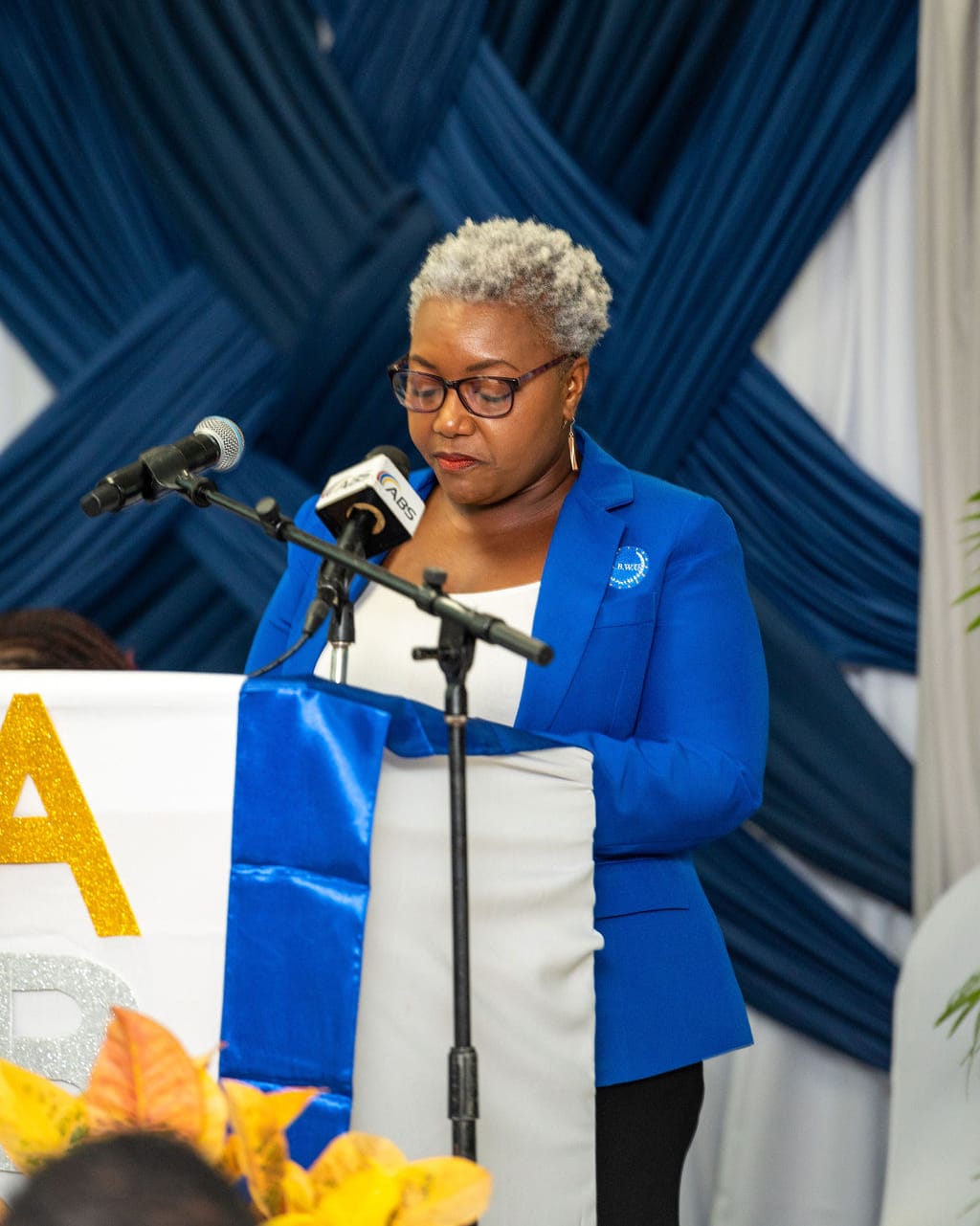
    On International Women’s Day, Monique James-Roberts, Second Vice-President of the Antigua and Barbuda Workers’ Union (ABWU), articulated how female leadership is fundamentally reshaping labor advocacy through more inclusive and balanced approaches. Speaking about the transformative power of women in union leadership, James-Roberts emphasized that their presence at decision-making tables generates comprehensive outcomes benefiting the entire membership spectrum.

    James-Roberts contrasted leadership styles, noting that while male counterparts often maintain rigid positions, women typically employ more conciliatory approaches that foster effective compromise and balanced resolutions. This distinctive perspective, she explained, stems from natural nurturing instincts that extend beyond individual workers to encompass their families through thoughtfully designed policies and programs.

    The ABWU has implemented intentional inclusion strategies resulting in gender parity within its 18-member Executive committee, with nine positions occupied by women. This structural equality creates platforms for female professionals to develop leadership capabilities while contributing substantially to organizational direction.

    Among groundbreaking initiatives, the union is developing workplace provisions addressing unique female biological experiences including menstruation, maternity, and menopause. The proposals additionally advocate for enhanced breastfeeding accommodations and expanded paternity leave provisions within Collective Bargaining Agreements. James-Roberts emphasized the critical importance of paternity leave, noting that postpartum support from partners necessitates corresponding workplace policy adaptations.

    These progressive measures represent the union’s commitment to modernizing workplace standards to align with contemporary family needs. For aspiring female leaders, James-Roberts recommended cultivating self-confidence, developing clear vision, seeking mentorship, building resilience against setbacks, and pursuing continuous skill enhancement.

    Expressing optimism about women’s trajectory in labor movements, James-Roberts highlighted the union’s constitutional prohibitions against discrimination and guaranteed equal leadership opportunities. She concluded with an empowering message for Antigua and Barbuda’s women to stand visibly in their power, serving as beacons of hope through unified presence and vocal advocacy.


  • NDP benadrukt rol van vrouwen en wijst op leiderschap Simons

    NDP benadrukt rol van vrouwen en wijst op leiderschap Simons

    In a significant political statement marking International Women’s Day, Suriname’s National Democratic Party (NDP) has issued a powerful declaration celebrating women’s pivotal role in national development and governance. The party emphasized its longstanding commitment to advancing women’s rights, particularly highlighting its instrumental role in eliminating legal barriers through the landmark Decree 11C, which abolished women’s legal incapacity.

    The NDP pointed to its current leadership as embodiment of this vision, noting that ‘the ship of state is steered by a strong woman: our chairperson Jennifer Geerlings-Simons.’ The party characterized her leadership as representing stability, balance, and determination during a period requiring steadfastness, courage, and moral guidance.

    Beyond political representation, the statement acknowledged women’s multifaceted contributions across all societal sectors—as mothers, educators, healthcare professionals, entrepreneurs, civil servants, agricultural workers, and volunteers. The NDP articulated its foundational belief that women should not stand behind others but rather lead independently across ministries, corporations, directorates, and critical institutions.

    While asserting that women’s achievements are valued daily, the party designated March 8th as a particularly significant occasion to reflect on hard-won rights, societal contributions, and the continuing role of women in national advancement. The statement serves as both a celebration of progress and a reaffirmation of the party’s commitment to gender equality in Surinamese society.

  • Traffic delay: Belmont Public Road, St George

    Traffic delay: Belmont Public Road, St George

    The Royal Grenada Police Force Traffic Department has issued an official public advisory regarding anticipated vehicular delays along Belmont Public Road in St. George this coming Sunday. The transportation interruption is scheduled to occur from 9:00 AM until 12:00 PM on March 8, 2026, to enable essential infrastructure maintenance.

    The National Water and Sewerage Authority (NAWASA) will be conducting urgent repair operations on a primary water distribution pipeline during this three-hour period. This necessary maintenance work requires temporary traffic management measures to ensure both worker safety and efficient project completion.

    Police authorities have formally expressed regret for any inconveniences resulting from these essential public works. The statement specifically acknowledges and appreciates the anticipated patience and cooperation of community members and motorists who may be affected by the temporary disruption.

    The announcement concludes with official attribution to the Office of the Commissioner of Police, maintaining the authoritative nature of the communication while providing clear situational awareness for all impacted parties.

  • St. Kitts to welcome 68 cruises this month with over 130,000 passengers expected  – WIC News

    St. Kitts to welcome 68 cruises this month with over 130,000 passengers expected  – WIC News

    The Caribbean island of St. Kitts is preparing for an unprecedented influx of maritime tourism as March 2026 unfolds with one of its most substantial cruise schedules on record. Official tourism data indicates 68 separate vessel calls throughout the month, projecting an estimated arrival of over 130,000 passengers through Port Zante, the island’s primary cruise terminal.

    Port authorities confirm multiple days will feature triple-ship arrivals simultaneously, with peak activity occurring on March 17th when four vessels—Aidasol, Brilliant Lady, Celebrity Eclipse, and Grand Princess—will simultaneously occupy port facilities. The maritime roster includes premium cruise operators such as Seabourn Ovation, Seven Seas Grandeur, and Viking Sea, whose affluent passengers typically demonstrate higher per-capita spending on shore excursions, gourmet dining, and artisan purchases.

    Economic analysts project substantial financial benefits for local enterprises, particularly within the transportation, hospitality, and retail sectors. Taxi operators, tour guides, restaurant owners, and craft vendors anticipate notable revenue increases during this period of intensified maritime activity. The cumulative economic impact extends beyond direct passenger expenditure to include expenditures by thousands of crew members who likewise engage with local businesses during port calls.

    This maritime phenomenon underscores St. Kitts’ growing prominence within Caribbean cruise itineraries and reflects broader industry recovery trends post-pandemic. Tourism officials highlight the strategic investments in port infrastructure and visitor experiences that have positioned the dual-island nation as a preferred destination for major cruise lines. The scheduled arrivals throughout March demonstrate careful coordination between port authorities and cruise operators to maximize passenger experience while minimizing port congestion.

    The complete vessel schedule reveals meticulous planning across all March dates, with continuous arrivals from premium lines including MSC Cruises, Royal Caribbean, and Princess Cruises. Industry observers note that such concentrated cruise activity typically generates multi-million dollar economic impacts for small island destinations, making March 2026 potentially one of the most financially significant months in recent tourism history for St. Kitts and Nevis.

  • Escalatie in VS-Iran conflict: Oekraïne biedt steun aan Saudi-Arabië tegen Iraanse drones

    Escalatie in VS-Iran conflict: Oekraïne biedt steun aan Saudi-Arabië tegen Iraanse drones

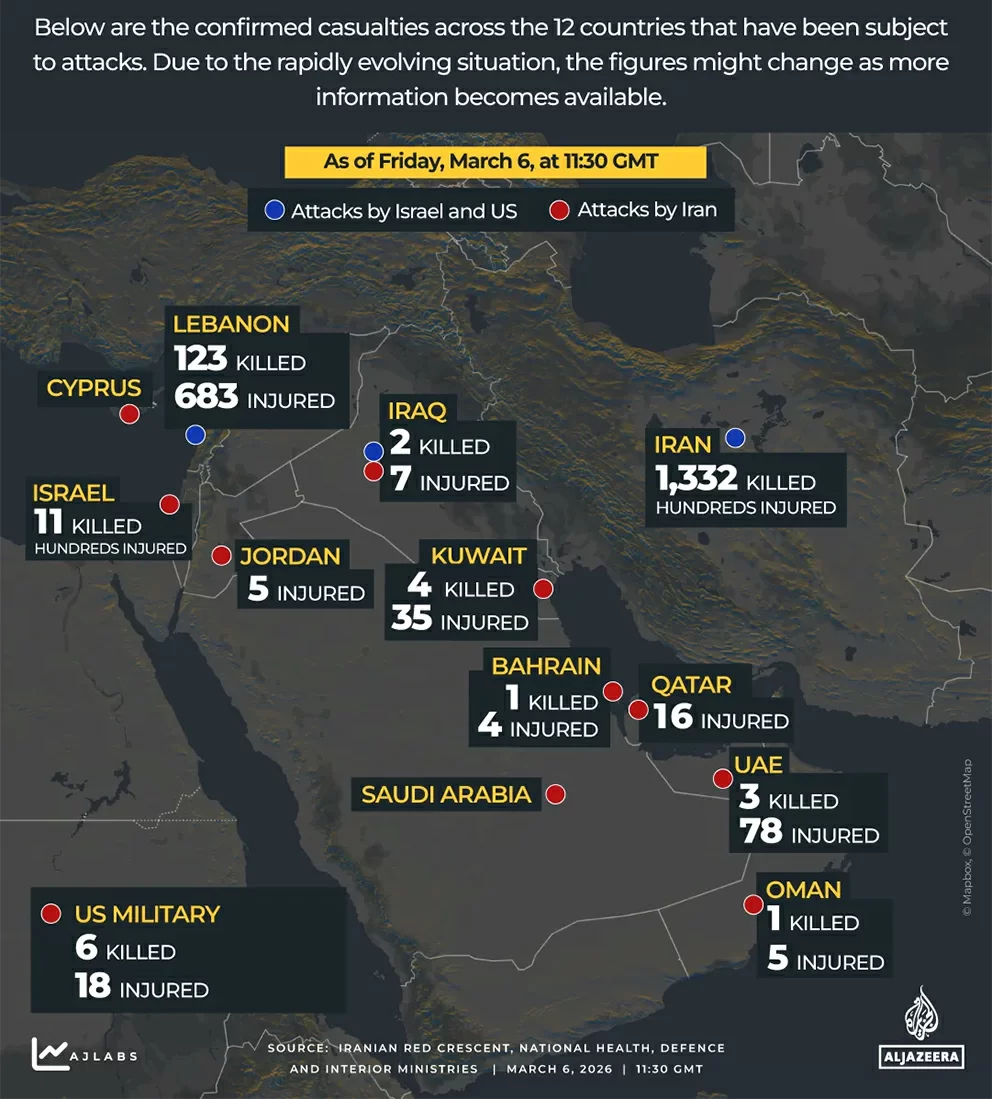
    The Middle East faces unprecedented escalation as military confrontations between the United States and Iran intensify, with expanding regional repercussions and global economic implications. Iranian forces have launched sustained attacks against American bases and allied installations across the Gulf region, while simultaneously, Ukraine has emerged as an unexpected player in the conflict by offering its hard-earned drone warfare expertise to Saudi Arabia and other Gulf states.

    Ukrainian President Volodymyr Zelenskyy announced via social media platform X that he has engaged in direct discussions with Saudi Crown Prince Mohammed bin Salman regarding cooperative measures to counter the Iranian drone threat. This development marks a significant geopolitical shift as Ukraine, having developed extensive experience intercepting Iranian-designed Shahed drones through its conflict with Russia, now positions itself as a defense technology exporter to wealthy Gulf nations.

    The Ukrainian defense industry has pioneered cost-effective drone interception systems that present a viable alternative to expensive American missile defense systems. While Iranian Shahed drones cost approximately $30,000 per unit and Patriot PAC-3 interceptor missiles require millions per launch, Ukraine produces interception drones for merely $1,000-$2,000 each, creating a potentially game-changing economic advantage in aerial defense warfare.

    Meanwhile, the United States and Israel have conducted precision airstrikes against Iranian strategic targets, including oil storage facilities and refineries in Tehran, resulting in significant fires throughout the Iranian capital. Top Iranian official Ali Larijani warned that the U.S. would ‘pay a high price’ for its military actions, while former President Donald Trump has threatened to further escalate strikes against Iranian interests.

    Despite Iranian President Masoud Pezeshkian’s official apology to neighboring nations for collateral damage, Iranian rocket and drone attacks continue against American bases throughout the United Arab Emirates, Kuwait, Qatar, Bahrain, and Saudi Arabia. Pezeshkian’s conciliatory gestures faced immediate criticism from hardline elements within Iran’s Revolutionary Guard, who emphasized that military responses would continue unabated.

    The Israel-Iran front has similarly intensified, with Prime Minister Benjamin Netanyahu vowing to continue military operations with ‘full force’ against Iranian targets. Israeli airstrikes against Hezbollah positions in Lebanon have resulted in hundreds of casualties, dramatically increasing regional tensions.

    The conflict’s economic impact continues to expand with reduced oil production in Kuwait, Iraq, and Qatar driving global oil prices to multi-year highs. The strategic Strait of Hormuz has become effectively closed to shipping, placing tremendous pressure on worldwide energy supplies and threatening global economic stability.

    In a controversial diplomatic move, former President Trump reiterated demands for Western involvement in selecting Iran’s next Supreme Leader, a proposal immediately rejected by Iranian leadership. Hardline clerics in Tehran are reportedly preparing for rapid appointment proceedings to ensure continuity in Iran’s political leadership structure.

  • President Simons: positie van vrouwen cruciaal voor sterke samenleving

    President Simons: positie van vrouwen cruciaal voor sterke samenleving

    Surinamese President Jennifer Simons delivered a powerful address commemorating International Women’s Day, emphasizing that women’s development constitutes the cornerstone of a robust society. In her official statement, the head of state called for intensified efforts to create greater opportunities and strengthen the position of women across all sectors.

    The President expressed profound appreciation for women who actively pursue their ambitions while contributing meaningfully to societal progress. “I extend congratulations to all women who relentlessly pursue their objectives,” Simons declared. “Our collective endeavor to build a stronger society remains fundamentally important.”

    While acknowledging significant advancements in legal frameworks and educational access for Surinamese women, the President candidly recognized that substantial challenges persist. “We operate under no illusion that everything is perfect for women in our nation,” she noted. “Nevertheless, measurable progress has been achieved, particularly within legal protections and educational opportunities.”

    Simons underscored the government’s pivotal role in fostering an environment conducive to female advancement. “When women thrive, their children consequently thrive,” the President asserted. “This fundamental interconnection necessitates our unwavering commitment to female development initiatives.”

    The address also highlighted the importance of collaborative responsibility between genders. Simons urged men to actively contribute to creating environments where women can achieve their goals, while simultaneously encouraging women to remain mindful of the positions of men, sons, and fathers within society.

    “Our path to a resilient society can only be forged through cooperative effort,” the head of state concluded, reinforcing the necessity of unified action across gender lines to achieve meaningful societal transformation.

  • Forest fires, a constantly increasing problem in the Dominican Republic over the last six years

    Forest fires, a constantly increasing problem in the Dominican Republic over the last six years

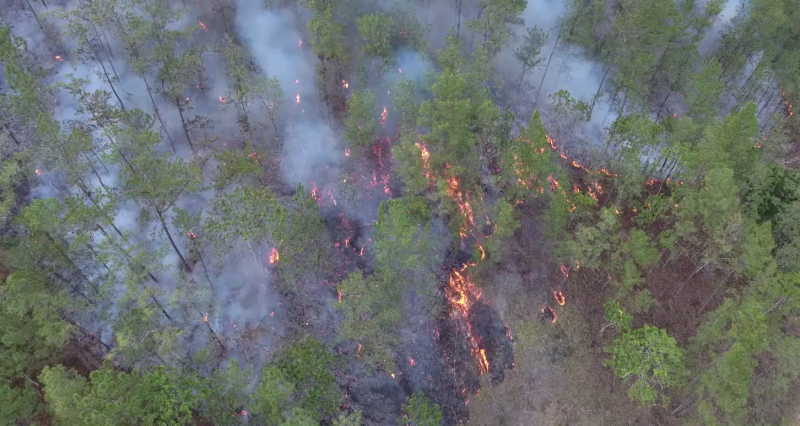
    A stark new analysis of government data reveals the Dominican Republic is experiencing a severe and accelerating wildfire crisis, mirroring a troubling global pattern identified by the World Resources Institute. The nation has witnessed a dramatic 57% increase in forest fires, with 2,558 incidents recorded between 2020 and 2025 compared to 1,630 in the preceding six-year period (2014-2019).

    Geospatial analysis pinpoints La Vega province as the nation’s wildfire epicenter, reporting 492 incidents over the last five years. Within this region, the municipalities of Constanza and Jarabacoa are persistently the most affected, appearing in fire reports nearly every month of every year. The crisis extends beyond La Vega, with the provinces of Dajabón, Santiago, and Santiago Rodríguez each reporting over 200 fires in the past six years. The border municipality of Restauración (Dajabón) exhibits one of the highest incident densities, frequently reporting multiple fires within short timeframes, often alongside neighboring areas like Loma de Cabrera.

    While frequency is concentrated in the north, the most severe fires in terms of land area consumed have ravaged the south. The province of Pedernales suffered the single most devastating fire of the period in January 2022, which devoured approximately 1,300 acres. San Juan province ranks second for area impacted, enduring a series of catastrophic blazes in 2023 and 2024, including two fires just two days apart in March 2023 that torched a combined 120,000 acres. Azua province also experienced extreme severity, with a single fire in March 2023 affecting over 1,000 acres in the municipality of Padre Las Casas.

    The year 2023 emerged as the peak of the crisis with 873 fires, more than any other year in the dataset. A critical finding is the concentration of these disasters in the year’s first quarter. The months of March and April 2023 alone accounted for 492 fires, representing over half of the year’s total. This period aligns with the annual peak of drought conditions and agricultural land preparation, where daily fire counts can exceed 15 simultaneous events across the country.

    The data, sourced from the Ministry of Environment and Natural Resources via the Government’s Open Data portal, details the date, location, and scale of each fire from January 2014 to December 2025 but does not specify causes or origins. As these intensifying wildfires contribute to global forest loss, their impact extends beyond biodiversity loss to include the destruction of homes, infrastructure, and widespread pollution of ecosystems.

  • First GRA Commissioner-General, Edgar Heyligar dies

    First GRA Commissioner-General, Edgar Heyligar dies

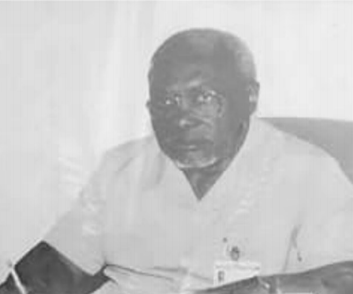
    The Republic of Guyana is in mourning following the passing of Edgar Heyligar, the inaugural Commissioner-General of the Guyana Revenue Authority (GRA), who died on March 7, 2026, at the age of 86. The GRA confirmed the news through an official statement released by current Commissioner-General Godfrey Statia.

    Heyligar’s distinguished career in public service spanned decades, marked by his foundational role in shaping Guyana’s fiscal administration. After qualifying as a Chartered Accountant in the United Kingdom, he returned to his homeland in the early 1970s and dedicated his professional life to strengthening the nation’s financial institutions.

    His significant contributions began well before the establishment of the GRA. In 1978, Heyligar was appointed Commissioner of Inland Revenue, where he pioneered systems and professional standards that would later form the blueprint for the modern revenue authority. When the GRA was formally established in 2000 as a milestone in modernizing Guyana’s revenue administration, Heyligar was appointed as its first Commissioner-General, serving until 2003.

    Under his leadership, the Authority initiated critical reforms in tax and customs administration, enhanced accountability measures, and established a professional institutional culture that continues to guide the organization today. His tenure laid the groundwork for effective revenue collection mechanisms that support national development.

    The GRA statement highlighted Heyligar’s widely respected professionalism, integrity, and commitment to public service. Many current officers within the Authority have benefited from the institutional framework established during his formative leadership years.

    The Governing Board, Commissioner-General, and staff of the GRA have extended their deepest condolences to his family, friends, and former colleagues. The nation recognizes his enduring legacy in building Guyana’s revenue administration system, which will remain an integral part of the organization’s institutional memory.

  • Visserijsector waarschuwt voor aantasting onafhankelijkheid Viskeuringsinstituut

    Visserijsector waarschuwt voor aantasting onafhankelijkheid Viskeuringsinstituut

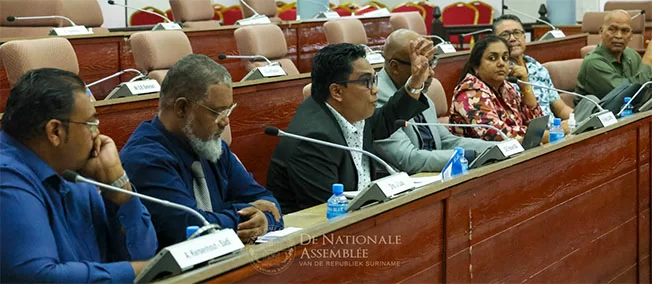
    Suriname’s parliamentary Committee on Agriculture, Livestock, and Fisheries recently convened to address growing concerns surrounding the Fish Inspection Institute (VKI), a critical regulatory body overseeing the nation’s seafood safety standards. During the session, Minister Mike Noersalim detailed the institution’s ongoing transformation and announced the appointment of a new supervisory board chaired by Emanuel Enjoem.

    The VKI maintains responsibility for monitoring fishery product safety throughout production, processing, import, and export operations, serving as a cornerstone in upholding international quality standards essential for Suriname’s global trade relationships. However, recent governmental moves have sparked significant apprehension within the fisheries sector.

    Udo Karg, President of the Suriname Seafood Association (SSA), expressed astonishment at the minister’s declarations, highlighting that the VKI has long been regarded as a model institution throughout the Caribbean region. Karg emphasized the institute’s international acclaim and recent commendations for its operational excellence. The sector further noted that the VKI operates with complete financial independence without relying on state funds—a crucial aspect that ensures its regulatory autonomy.

    Industry representatives warned that political interference could jeopardize Suriname’s standing in international markets, particularly the European Union. Any compromise to the inspection system’s independence might potentially affect the country’s export listings, with far-reaching economic consequences. The sector previously raised concerns about the supervisory board appointments, claiming initial selections disregarded legal requirements for industry representation, necessitating subsequent adjustments.

    Additional unease followed announcements of potential internal reorganization within VKI, prompting calls to prevent recurrence of issues experienced by other regulatory bodies. The fisheries sector has committed to vigilant monitoring of developments, emphasizing the imperative to preserve VKI’s autonomous status to maintain international credibility and market access.

  • Somohardjo bij Nationale Iftar: werk harder voor het land, niet voor groepen

    Somohardjo bij Nationale Iftar: werk harder voor het land, niet voor groepen

    Suriname witnessed a remarkable display of interfaith harmony during the second annual National Iftar gathering on Saturday evening, where thousands congregated to break fast collectively while reflecting on core principles of justice, respect, and national unity. The event, organized by initiator Bronto Somohardjo, transformed Roeli’s Event Centre into a vibrant tapestry of Suriname’s religious diversity.

    Addressing the substantial crowd, Somohardjo articulated the gathering’s fundamental purpose: bridging communities across cultural and religious divides. “The first edition represented initiative,” he stated. “This second edition demonstrates intention. We are building something enduring.” He highlighted Suriname’s unique religious synchrony, noting that while Muslims observe Ramadan, Christians concurrently undergo Lenten fasting, and Hindus recently celebrated Phagwa. “Different traditions, different rhythms, but one nation. That defines Suriname.”

    Bishop Karel Choennie, echoing sentiments from the previous year, emphasized the profound interconnectedness binding Suriname’s diverse populations. The ceremony transcended mere symbolic gesture, fostering genuine dialogue around shared societal values.

    Somohardjo further elaborated that principles like justice, responsibility, and respect transcend any single religion, instead forming the bedrock of effective leadership and robust civil society. “When I speak of justice,” he affirmed, “I advocate not solely for Muslims but for every Surinamese citizen—Christian, Hindu, Muslim, and all residents alike.”

    Issuing a compelling call to action, Somohardjo urged those in public service to rededicate themselves to national rather than partisan interests. “We who possess the privilege of serving the people must labor more diligently—not for a specific group or constituency, but for the entire nation.”

    The atmosphere within the venue radiated profound camaraderie as attendees, united in purpose, shared the transformative iftar moment, reinforcing the event’s role in strengthening the nation’s social fabric.