作者: admin

  • Rotary Club of Antigua Promotes Healthy Living at Old Road Primary

    Rotary Club of Antigua Promotes Healthy Living at Old Road Primary

    ST. JOHN’S, ANTIGUA – In a proactive move against childhood obesity, the Rotary Club of Antigua executed an impactful awareness initiative at Old Road Primary School on January 29, 2026. Dubbed ‘Healthy Bounce, Happy Bodies,’ the event marked a significant effort within the broader Rotary MOVES campaign to instill healthier habits among the youth.

    The session provided a dual focus on nutritional education and physical activity, addressing core components in combating non-communicable diseases. Renowned nutritionist Ms. Charity Dublin spearheaded an interactive workshop, educating students on the fundamentals of a balanced diet and the critical role of various food groups. In a practical demonstration, she prepared two wholesome smoothies—banana chocolate and banana vanilla—showcasing them as delicious alternatives to sugar-laden snacks. The student body responded with notable enthusiasm to these nutritious samples.

    Complementing the dietary segment, the program emphasized the necessity of consistent physical exercise. Each participant was gifted a bouncing ball and engaged in a guided demonstration of straightforward exercises. The children were advised to incorporate at least five to ten minutes of such active movement into their daily routines, whether at home or within the school environment.

    Further reinforcing these health-centric messages, all students received a copy of the District-published booklet, ‘Eat Well, Move Well,’ designed to serve as a continuing resource. This initiative is a cornerstone of the Rotary District 7030’s Childhood Obesity Prevention (COP) Programme, which mobilizes clubs throughout the Caribbean to enhance awareness, bolster advocacy, and deploy localized interventions for improved community health outcomes.

    The Rotary Club of Antigua has reaffirmed its dedication to equipping the nation’s next generation with the knowledge and tools required to make informed, healthier lifestyle decisions, signaling an ongoing commitment to public health advancement.


  • A Telecom Tug‑of‑War: The Battle Over BTL and Speednet

    A Telecom Tug‑of‑War: The Battle Over BTL and Speednet

    A proposed acquisition that would reshape Belize’s telecommunications landscape has ignited intense national debate. Belize Telemedia Limited (BTL), the nation’s dominant telecom provider, has sought regulatory approval to purchase its primary competitor Speednet in an $80 million deal that would effectively create a market monopoly.

    The controversy emerged when BTL submitted its application to the Public Utilities Commission (PUC) on January 8, 2026, initially targeting four telecom and broadband companies. Public pressure quickly prompted three companies to withdraw from negotiations, leaving Speednet as the sole remaining acquisition target.

    BTL’s Chief Financial Officer Ian Cleverly argues the consolidation would create operational efficiencies in Belize’s small, mature market. “Operating two parallel mobile networks increases costs and limits rural expansion,” Cleverly stated, emphasizing pledged consumer protections including no forced plan changes, maintained services, unchanged phone numbers, and a 36-month price freeze under PUC oversight.

    However, significant obstacles have emerged. BTL’s board, comprising majority shareholder Government of Belize, secondary stakeholder Social Security Board, and an independent member, has repeatedly failed to secure majority support for the acquisition. Growing public resistance has further complicated efforts to convene board meetings.

    The Belize Chamber of Commerce and Industry has expressed consumer protection concerns, citing BTL’s past practices. National Trade Union Congress of Belize President Ella Waight warned that Social Security’s involvement risks pension funds, stating “If we lose in a monopoly at the Social Security Board, it will not allow for certain things to happen when you and I retire.”

    Political opposition has mounted with the United Democratic Party staging multiple public demonstrations. Independent senators, including Church Senator Louis Wade, have called for abandoning the deal over monopoly concerns. Retired BTL employees have joined protests while demanding outstanding severance payments.

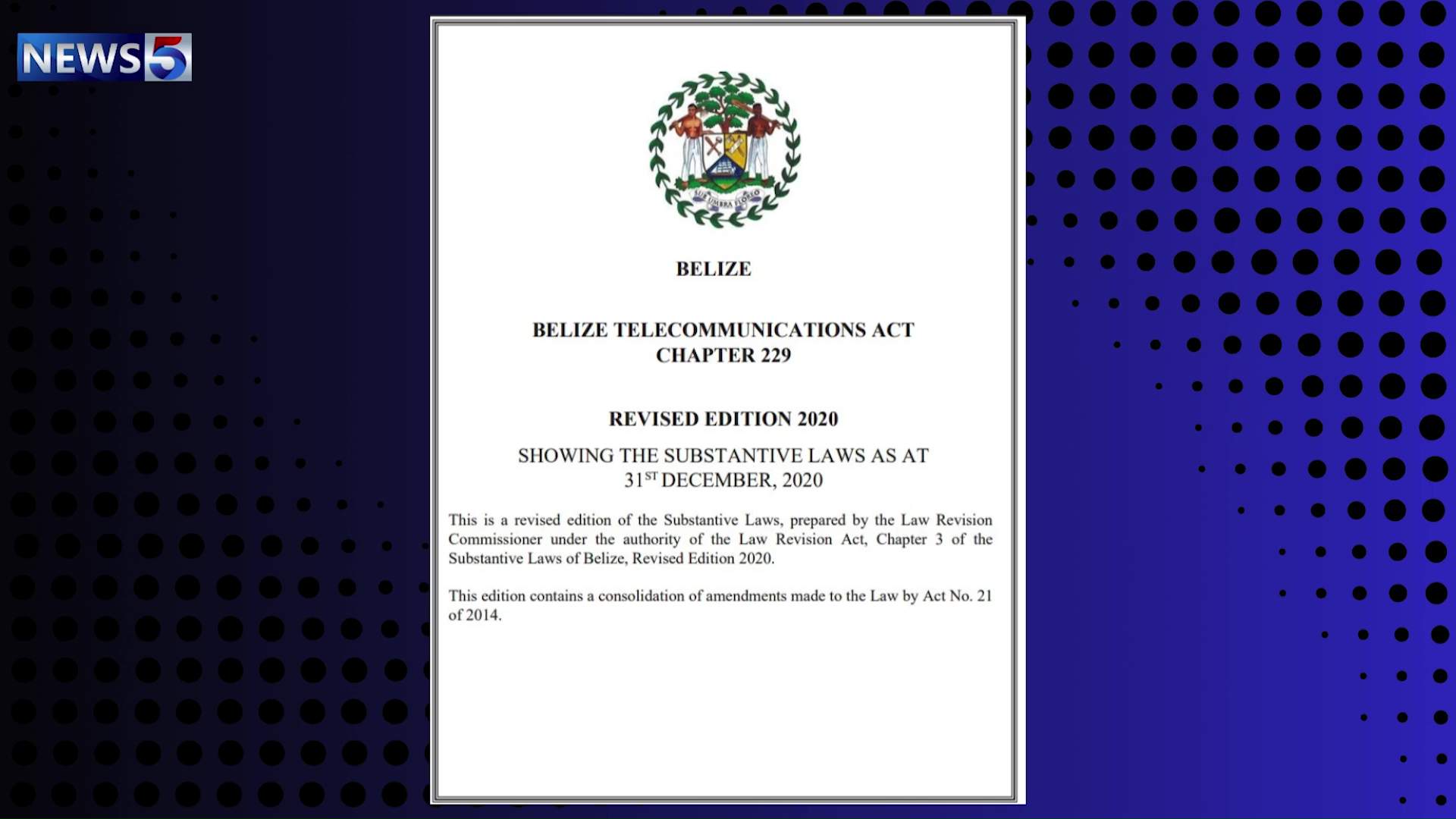
    The ultimate decision rests with the PUC, which must evaluate the proposal against eleven statutory objectives under the Belize Telecommunications Act. Internal Legal Counsel Stacy Grinage confirmed the commission must consider service quality, reliability, pricing, and overall consumer impact.

    Prime Minister John Briceño has maintained a neutral stance, emphasizing process integrity: “I have said all along let the process proceed… But as a Cabinet we have said let the process continue.”

    With negotiations at an impasse, the nation awaits the PUC’s ruling that will determine whether Belize maintains competitive telecommunications markets or transitions to a consolidated monopoly structure.

  • Orbtronics launches OPAY to bridge digital gap for SMEs

    Orbtronics launches OPAY to bridge digital gap for SMEs

    In a significant advancement for Caribbean digital commerce, St. Lucian technology innovator Orbtronics has introduced OPAY—a groundbreaking payment solution specifically engineered to empower small and medium enterprises across the region. This strategic launch addresses longstanding barriers that have prevented Caribbean businesses from fully participating in the global e-commerce marketplace.

    OPAY represents a technological breakthrough rather than a financial institution, functioning as an innovative layer that integrates seamlessly with established, regulated payment processors. This architecture simplifies critical processes including merchant onboarding, comprehensive payment management, and real-time transaction visibility without attempting to displace traditional banking partners.

    The development comes as a direct response to systemic challenges identified through extensive regional research. Caribbean enterprises have historically faced prohibitive obstacles including protracted bank approval timelines and payment infrastructure ill-suited to regional market realities. OPAY’s design specifically counteracts these pain points with a streamlined, regionally-optimized approach that significantly accelerates market entry while enhancing operational flexibility.

    Through a strategic partnership with Stripe—the renowned international fintech giant providing payment processing for global e-commerce platforms—Orbtronics has created an ingenious solution to a fundamental regional limitation. Since Stripe mandates U.S. bank accounts for platform access (a requirement typically unattainable for Caribbean businesses), Orbtronics serves as an authorized integration agent, effectively creating a bridge between Caribbean merchants and global payment infrastructure.

    The company has announced an introductory promotion extending through year-end, offering OPAY subscriptions at $50 monthly plus a 5.5% transaction fee. In a innovative customer acquisition strategy, businesses successfully referring new clients to the platform will receive complimentary service for their first full year of operation.

  • Price Caps or Regulation? PUC Explains

    Price Caps or Regulation? PUC Explains

    Amid growing public discourse about potential telecommunications price controls in Belize, the Public Utilities Commission (PUC) has provided crucial clarification regarding its regulatory approach and authority. The commission addressed questions about whether new statutory instruments are necessary for implementing consumer protection measures in the telecom sector.

    Stacy Grinage, Internal Legal Counsel at PUC, referenced Section 26 of the Belize Telecommunications Act, explaining that the commission already possesses regulatory authority to implement rate controls when a sole or dominant provider exists in the market. “What we are doing here is the initial consultation process in determining a dominant provider,” Grinage stated, noting that while multiple licenses exist, the market currently operates with two primary providers.

    Abraham Teck, Director of Regulated Services at PUC, emphasized that market share represents just one factor in their comprehensive assessment. “Our exercise is an independent exercise that looks at market share as one and other areas,” Teck explained, distancing the commission’s technical evaluation from political considerations.

    When questioned about the necessity of additional statutory instruments, Teck indicated that certain regulatory remedies might require specific S.I. implementation, though not in all cases. The commission’s comments suggest a methodical, evidence-based approach to telecommunications regulation rather than immediate price intervention, with the current focus remaining on properly assessing market dominance through established legal frameworks.

  • PUC Says BTL Not Monopoly Across Market

    PUC Says BTL Not Monopoly Across Market

    In a significant regulatory development, Belize’s Public Utilities Commission (PUC) has released preliminary findings regarding BTL’s proposed acquisition of competitor Speednet. The regulatory body acknowledges that BTL currently maintains the strongest position within the telecommunications market but contends this does not equate to complete market domination.

    The central question under examination is whether the acquisition would transform BTL into an absolute monopoly. While critics of the transaction assert this outcome is inevitable, the PUC maintains a more nuanced perspective. The commission’s analysis indicates that while BTL would likely dominate specific market segments, it would not exercise control over the entire telecommunications landscape.

    Stacy Grinage, Internal Legal Counsel for the PUC, emphasized the regulatory process is designed to preserve competition and protect public and consumer interests. “This exercise of declaring dominance and identifying possible remedies aims to limit any abuse of that dominant position,” Grinage stated. “The PUC has initially found that BTL is the dominant provider. If it moves to acquire the shares of the biggest competitor, will that make BTL a monopoly? Only in certain markets. Competition will still continue in other markets.”

    Abraham Teck, Director of Regulated Services at the PUC, further clarified the regulatory approach, noting that “market share is not the only factor that we are required to consider when making an initial determination or a determination,” particularly regarding broadband services.

    The PUC confirmed its comprehensive review remains ongoing, with a final, well-reasoned decision to be issued in due course. This determination will address whether BTL’s proposed acquisition raises substantial competition concerns and what specific safeguards might be necessary to protect consumer interests.

  • Senators Says no Questions Answered in BTL Acquisition

    Senators Says no Questions Answered in BTL Acquisition

    Belize’s political landscape witnessed mounting tension as opposition senators intensified their critique of the government’s handling of the BTL acquisition process. During a recent press conference, NGO Senator Janelle Chanona revealed that despite repeated attempts to seek clarification, government officials have maintained complete silence regarding substantive concerns about the telecommunications deal.

    The independent senators, while not participating in ground demonstrations, have aligned with opposition groups and labor unions in demanding greater transparency and accountability. Senator Chanona emphasized the critical need for meaningful public consultation, describing the BTL acquisition as a definitive case study for implementing transparent decision-making mechanisms that properly reflect public sentiment.

    “We have systematically shared our specific questions and concerns through appropriate channels, including detailed presentations,” Chanona stated. “Yet neither through public forums nor direct communication have we received any substantive responses from decision-makers.”

    The senator employed a vivid analogy to underscore the irreversible nature of such significant national decisions: “When toothpaste emerges excessively from its tube, returning it becomes impossible. This illustrates why we must adopt a precautionary approach, ensuring our nation enters such agreements fully informed and confident that national interests remain paramount.”

    This development occurs alongside tributes to former UDP Senator Henry Gordon, creating a complex political backdrop where concerns over governmental transparency contrast with recognition of past statesmanship. The growing chorus of unanswered questions suggests deepening concerns about governance protocols surrounding major national asset transactions.

  • US denies having talks with Saint Lucia regarding students studying in Cuba

    US denies having talks with Saint Lucia regarding students studying in Cuba

    The United States has formally denied allegations that it pressured the Saint Lucian government to cease sending medical students to Cuba for education. In an official statement released by the US Embassy to Barbados, the Eastern Caribbean, and the OECS, American officials clarified that while they maintain criticism of Cuba’s overseas medical programs, they have not issued directives to Saint Lucia regarding its educational partnerships.

    The embassy statement explicitly noted: ‘The United States has not recently engaged Saint Lucia in discussions concerning international education and respects nations’ sovereign rights to determine their citizens’ educational paths.’ This clarification comes in response to recent remarks by Saint Lucia’s Prime Minister Philip J. Pierre, who previously indicated that US pressure was creating ‘a major problem’ for the country’s healthcare education system.

    Prime Minister Pierre had revealed at the 2nd World Congress on Racial & Ethnic Health Disparities that the perceived US position was creating significant challenges for Saint Lucia’s medical education framework, noting that many of the nation’s doctors received training in Cuba and that Cuban medical professionals have been operating in Saint Lucia since 2001 through the Cuban Medical Brigade program.

    The US statement reiterated longstanding concerns about Cuba’s medical missions program, asserting that ‘the United States continues to call for an end to exploitation and forced labor in the illegitimate Cuban regime’s overseas medical missions programme.’ Earlier this month, the US Embassy had detailed allegations against Cuba’s program, claiming medical workers face withheld wages, passport confiscation, forced family separation, movement restrictions through curfews and surveillance, intimidation tactics, and pressure to falsify medical documentation.

  • Independent Senators Question Legality of BTL Acquisitions

    Independent Senators Question Legality of BTL Acquisitions

    A significant legal challenge has emerged against Belize Telemedia Limited’s proposed acquisition of Speednet, with independent senators raising fundamental questions about the transaction’s compliance with national telecommunications legislation. The controversy centers on whether the merger violates explicit anti-competition provisions within Belize’s Telecommunications Act.

    Despite recent comparisons by Dr. Leroy Almendarez, CEO in the Ministry of Public Utilities, who characterized the acquisition as a ‘natural monopoly’ similar to Belize Electricity Limited, senators have rejected this analogy. They emphasize that the regulatory frameworks governing telecommunications and electricity sectors are fundamentally distinct.

    Business Senator Kevin Herrera presented a detailed legal argument referencing Section 42 of the Telecommunications Act, which expressly prohibits licensees from undertaking actions that ‘significantly lessen competition’ within the market. Herrera emphasized that the legislation was specifically crafted twenty-two years ago to transition Belize away from telecommunications monopolies and toward competitive market structures.

    NGO Senator Janelle Chanona further questioned the procedural aspects, noting that substantive changes to telecommunications law would require parliamentary approval through the House of Representatives rather than through statutory instruments, which typically address regulatory adjustments rather than fundamental legislative amendments.

    The developing situation suggests that the proposed acquisition may face significant legal hurdles unless addressed through formal parliamentary processes to amend existing telecommunications legislation.

  • Awareness, Education, Empowerment: Belize Observes World Cancer Day

    Awareness, Education, Empowerment: Belize Observes World Cancer Day

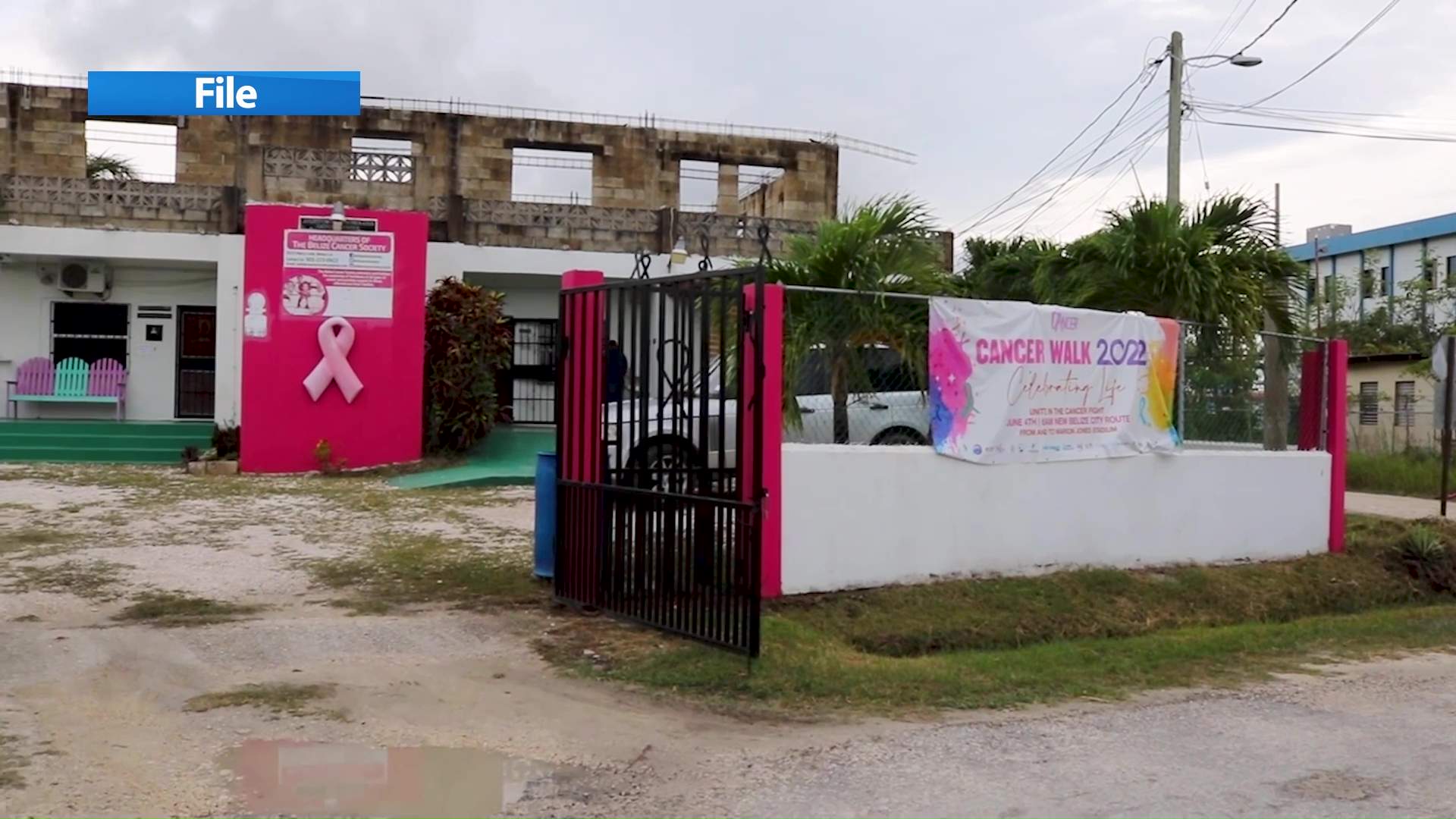
    Belize joined the global community on February 4th in observing World Cancer Day under the international theme ‘United by Unique,’ emphasizing personalized care and support for cancer patients. The Belize Cancer Society, under the leadership of President Kim Simplis-Barrow, is championing a humanized approach to cancer awareness that prioritizes individual patient experiences and needs.

    Simplis-Barrow emphasized the Society’s commitment to placing ‘cancer at the center of the conversation’ while maintaining a people-centered perspective. ‘No two cancer journeys are the same,’ she noted, highlighting the importance of recognizing the unique challenges faced by each patient and holding society accountable for supporting those affected.

    The Society has announced an ambitious calendar of events for 2026, building on recent initiatives during January’s Cervical Cancer Awareness Month. A significant upcoming event is the Cervical Cancer Forum scheduled for February 27th at St. Catherine Academy, organized in partnership with the Pan American Health Organization (PAHO) and Belize’s Ministry of Health and Wellness.

    The forum will feature educational components, empowerment sessions, and personal testimonials from cervical cancer survivors. The Ministry of Health and Wellness will provide on-site HPV testing and vaccination services during the event. Additionally, the Society confirmed plans for its annual cancer walk in May and committed to monthly awareness campaigns covering all cancer types, moving beyond the focus on only the most publicized forms of the disease.

  • EU Ambassador praises Dominican economic performance in meeting with Central Bank

    EU Ambassador praises Dominican economic performance in meeting with Central Bank

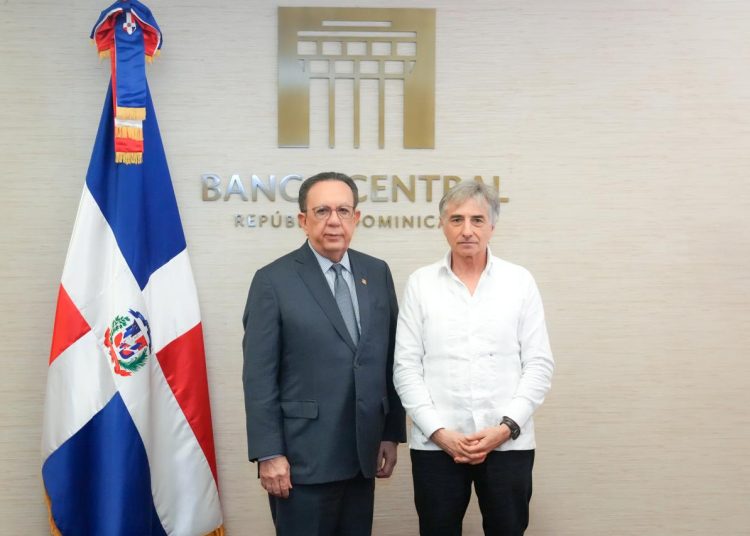
    In a significant diplomatic engagement, Central Bank of the Dominican Republic Governor Héctor Valdez Albizu and European Union Ambassador Raúl Fuentes Milani convened to discuss enhanced economic cooperation between the Caribbean nation and the European bloc. The meeting highlighted the Dominican Republic’s robust economic fundamentals and its emerging status as a premier investment destination for European businesses.

    Governor Valdez Albizu presented comprehensive data demonstrating the country’s economic resilience, emphasizing three key pillars of stability: a fortified financial system, disciplined fiscal management, and a credible monetary policy framework. These foundations have earned international recognition from leading economic organizations and created an environment conducive to foreign investment.

    Remarkable economic indicators supported these claims: Foreign Direct Investment surged to $5.03 billion in 2025, representing an 11.3% year-over-year increase despite global economic uncertainties. Combined foreign exchange inflows—encompassing FDI, remittances, tourism revenues, and exports—exceeded $47.3 billion, providing substantial support for exchange rate stability. Inflation maintained remarkable consistency at 4.95%, marking 32 consecutive months within the central bank’s target range.

    Looking forward, the governor projected sustained growth of approximately 4.0% through 2026, driven by robust domestic demand, strategic public investment, and favorable terms of trade including elevated gold prices and manageable petroleum costs.

    Ambassador Fuentes Milani acknowledged these achievements, specifically highlighting substantial European investments in the Dominican tourism sector, with Spanish companies playing a particularly prominent role. The ambassador reaffirmed the EU’s commitment to strengthening bilateral relations and praised the central bank’s longstanding dedication to macroeconomic stability.