作者: admin

  • Foreign Minister Álvarez and Energy Minister Santos attend U.S. critical minerals meeting

    Foreign Minister Álvarez and Energy Minister Santos attend U.S. critical minerals meeting

    WASHINGTON, D.C. – The Dominican Republic has positioned itself as a pivotal ally in global efforts to secure critical mineral supply chains during the inaugural Ministerial Meeting on Critical Minerals hosted by the U.S. State Department. Foreign Minister Roberto Álvarez and Energy and Mines Minister Joel Santos led the nation’s delegation, which received notable recognition for its strategic importance in mineral diversification initiatives.

    The high-level gathering, attended by representatives from fifty nations, featured opening remarks from U.S. Vice President JD Vance and Secretary of State Marco Rubio. Both emphasized the necessity of establishing dependable international alliances to guarantee access to minerals vital for advanced technologies and national security. Senior American officials further elaborated on strategic priorities for building robust global supply networks resistant to geopolitical disruptions.

    This diplomatic engagement reflects President Luis Abinader’s comprehensive vision for responsibly harnessing the nation’s rare earth resources. The administration’s policy framework recently materialized through Decree 453-24 in August 2024, establishing the Dominican Mining Company (EMIDOM) as the governing body for strategic mineral exploration. President Abinader has characterized the development of these resources as a transformative opportunity for sustainable economic advancement that prioritizes environmental stewardship.

    Beyond the ministerial proceedings, the Dominican delegation participated in a specialized forum organized by the Center for Strategic and International Studies (CSIS) entitled “Securing the Supply of Critical Minerals: Government-Industry Dialogue.” The event facilitated discussions among U.S. cabinet members, legislators, international diplomats, and industry executives regarding investment opportunities and cooperative frameworks. The delegation was further strengthened by the presence of Dominican Ambassador to the United States María Isabel Castillo.


  • Health : Drinking water crisis in Haiti

    Health : Drinking water crisis in Haiti

    Haiti is confronting an escalating drinking water emergency that now poses severe threats to public health and national stability, according to alarming assessments from the Ecological Intervention Group Écovert-Haiti. The organization has issued urgent warnings about systemic failures in water resource management that have brought the nation to a dangerous tipping point.

    The crisis stems from multiple compounding factors: widespread pollution of water sources, complete regulatory breakdown, and the unchecked expansion of the bottled water industry. Haiti’s water resources—from natural springs to underground aquifers—are experiencing massive contamination due to absent environmental protection policies, degradation of watersheds from unregulated agricultural practices, and inadequate sanitation infrastructure that allows fecal matter and chemical residues to infiltrate groundwater systems.

    Compounding these challenges, the plastic sachet and bottled water industry has proliferated without oversight since the 2000s. This unregulated sector has become Haiti’s primary source of plastic pollution, clogging urban drainage systems and coastal areas while exacerbating flood risks and waterborne disease transmission.

    Écovert-Haiti highlights the catastrophic failure of Haiti’s National Directorate of Drinking Water and Sanitation (DINEPA), which serves only 20% of the population’s drinking water needs in metropolitan areas. This institutional collapse has forced households and government institutions alike to depend on tanker trucks and unregulated private suppliers whose water quality remains questionable.

    The environmental group expressed astonishment at recent statements from Commerce and Industry Minister James Monazar, who denounced contaminated water consumption while overseeing two regulatory bodies—the Directorate of Quality Control and the Haitian Bureau of Standards—that have remained inactive for over two decades.

    In response to this multidimensional crisis, Écovert-Haiti has proposed a five-point emergency plan: immediate implementation of adopted quality standards, rigorous land-use policies to protect water recharge areas, strengthened oversight of water treatment companies, national restoration of aquatic ecosystems, and formal recognition of drinking water as a fundamental human right requiring transparent governance.

  • Vice President Raquel Peña meets with U.S. Ambassador Leah Campos

    Vice President Raquel Peña meets with U.S. Ambassador Leah Campos

    In a significant diplomatic engagement, Dominican Vice President Raquel Peña hosted U.S. Ambassador Leah Campos at her National Palace office on Wednesday. The high-level meeting served as a platform to reinforce the robust partnership between the two nations while addressing matters of mutual concern. Official communications from the Vice Presidency’s X account characterized the discussions as productive and wide-ranging, focusing specifically on enhanced cooperation frameworks. Both officials emphasized the enduring strength of Dominican-American relations, which span economic, security, and developmental domains. The meeting underscores ongoing commitment to diplomatic dialogue at the highest levels, reflecting the strategic importance both nations place on their bilateral relationship. This engagement occurs against the backdrop of increasing regional cooperation in the Caribbean and demonstrates continuity in foreign policy priorities for both governments.

  • UDP Protesters vs. Police Tension Flared at SSB’s Doorstep

    UDP Protesters vs. Police Tension Flared at SSB’s Doorstep

    Tensions escalated dramatically in Belize City today as supporters of the United Democratic Party (UDP) mobilized outside the Social Security Board (SSB) headquarters to vehemently oppose Belize Telemedia Limited’s prospective takeover of telecommunications provider Speednet/SMART.

    The demonstration rapidly evolved into a tense standoff with law enforcement personnel, with UDP protesters making four separate attempts to breach the secured perimeter of the SSB compound. The party’s central argument maintains that the acquisition would consolidate excessive market control within BTL’s dominion while exposing critical Social Security funds to unwarranted financial jeopardy. Participants condemned the government’s alleged lack of transparency and inadequate public consultation throughout the negotiation process.

    Prior to the full mobilization of protesters, police authorities detained prominent UDP organizer Brian “Yellowman” Audinett within the Mesopotamia Division, holding him at Queen Street Police Station throughout the morning hours. His legal representative, attorney Orson Elrington, contested that Audinett was “being detained for being a member of a gang” while coordinating demonstration participants.

    Police Commissioner Dr. Richard Rosado firmly refuted these allegations, characterizing them as “the furthest from the truth.” Commissioner Rosado clarified to news outlets that Audinett’s detention resulted from allegations of inciting violence through electronic communications earlier that day, confirming an ongoing investigation into the matter.

    Following his release by midday, Audinett rejoined protesters on Belcan Bridge where UDP leader Tracy Panton had rallied supporters demanding his freedom. Audinett denied issuing any violent threats, insisting the protest was intended to be entirely peaceful and challenging authorities to “Bring the evidence that I sent any text or anything on Facebook that we will have any kind of violence.”

    The UDP organizer announced intentions to pursue legal action against the police department before protesters concluded their demonstration at the SSB headquarters.

  • FLASH : USCIS extends EADs for Haitian TPS beneficiaries

    FLASH : USCIS extends EADs for Haitian TPS beneficiaries

    In a significant immigration policy development, U.S. Citizenship and Immigration Services (USCIS) has automatically extended Employment Authorization Documents (EADs) for Haitian Temporary Protected Status (TPS) beneficiaries indefinitely. This administrative action comes directly in response to a February 2nd, 2026 federal district court ruling from Washington, D.C. that suspended the Department of Homeland Security’s planned termination of TPS protections for Haiti.

    The court’s intervention temporarily blocked the revocation of protected status that was scheduled to take effect on February 3rd, 2026. USCIS formally announced the automatic extensions through its official channels, explicitly referencing the judicial decision that halted the termination pending a comprehensive review of its legal validity.

    The extension covers Haitian TPS beneficiaries whose work authorization documents carried expiration dates spanning multiple years, including February 3rd, 2026; August 3rd, 2025; August 3rd, 2024; June 30, 2024; and several previous dates going back to July 22, 2017. All these documents remain valid until further official notice.

    Despite implementing the court-ordered extension, the immigration agency is expected to pursue an appeal of Federal Judge Ana C. Reyes’ decision. This legal maneuvering creates potential uncertainty for employers, who might face compressed timelines for re-verifying employment eligibility documentation (Form I-9) and reinstating affected workers should the appeal succeed.

    The court’s suspension of TPS termination maintains temporary humanitarian protection for Haitian nationals who cannot safely return to their homeland due to ongoing environmental disasters and severe social unrest.

  • Bullet Tree Falls Gets Upgraded Community Centre

    Bullet Tree Falls Gets Upgraded Community Centre

    The rural community of Bullet Tree Falls has officially unveiled its comprehensively rehabilitated community center following an extensive nine-month renovation initiative completed in February 2026. The infrastructure enhancement project, which commenced in April 2025, transformed the facility with critical upgrades including modernized bathroom fixtures, energy-efficient windows and doors, complete electrical system rewiring, structural roofing improvements, and comprehensive interior and exterior repainting.

    During the inauguration ceremony, officials emphasized the center’s profound significance beyond its physical structure. “For generations, this establishment has transcended being merely concrete and steel. It has served as the foundational venue where memories were forged and life milestones celebrated—hosting innumerable community assemblies, quinceañeras, wedding receptions, birthday festivities, family reunions, and events that unified us as one collective,” stated Chebat, highlighting its role in fostering social cohesion.

    Addressing inquiries regarding tourism fund allocation for the project, Mahler provided justification: “I frequently face scrutiny for initiatives such as this—questioning why tourism resources are directed toward a community center. My consistent response remains: ‘This is not an investment in a facility; it is an investment in the community itself. It is an investment in our people.’”

    The celebratory event featured cultural performances, including traditional music by the Los Hijos del West marimba ensemble, alongside participation from local schoolchildren who led the national anthem and ceremonial prayer.

    Beyond its primary function as a hub for cultural programming and community activities, the newly upgraded center will additionally operate as a designated emergency hurricane shelter, enhancing regional disaster preparedness infrastructure.

  • Digitaal systeem gelanceerd voor volledige controle op vuurwapens

    Digitaal systeem gelanceerd voor volledige controle op vuurwapens

    Suriname has officially launched a comprehensive digital firearm tracking system designed to monitor weapons throughout their entire lifecycle—from import and ownership to eventual destruction. The system, developed in collaboration with CARICOM’s Implementation Agency for Crime and Security (IMPACS), represents a significant advancement in regional security cooperation.

    Justice and Police Minister Harish Monorath emphasized that the registry will provide complete traceability for every firearm in the nation. “From production and purchase to import, ownership, use, and final destruction—even after destruction, it remains recorded that the weapon was actually destroyed,” Monorath stated during the system’s inauguration.

    The registry encompasses all firearms in Suriname, including handguns and hunting rifles owned by civilians, weapons from shooting associations, and arms belonging to police, military, correctional facilities, and other legally authorized entities. Any weapon not registered in the system will automatically be considered illegal, with stricter sanctions to be implemented in the future.

    The digital infrastructure forms part of a broader regional strategy and interfaces with similar systems across Caribbean nations—a critical feature given the influx of illegal weapons from neighboring Brazil, French Guiana, and Guyana.

    Trained personnel operating the system adhere to international standards, with the Directorate of National Security assuming coordinating responsibilities. The registry integrates with Suriname’s recently digitized firearm license system, which now enables complete online application and payment processes.

    Minister Monorath addressed security concerns by highlighting multiple protective layers and warning mechanisms designed to prevent cyber threats and data breaches. Parallel to the registry implementation, authorities are advancing additional projects including the destruction of illegally obtained weapons.

    Michael Jones, Executive Director of CARICOM IMPACS, noted that the digital transition significantly enhances operational efficiency and analytical capabilities. “The shift from paper to digital enables faster information analysis and recognition of patterns that previously remained invisible,” Jones explained. The regional interconnection substantially improves tracking capabilities for illegal firearm distribution networks across Caribbean borders.

  • Follow through on post-Beryl recovery projects, fishers say

    Follow through on post-Beryl recovery projects, fishers say

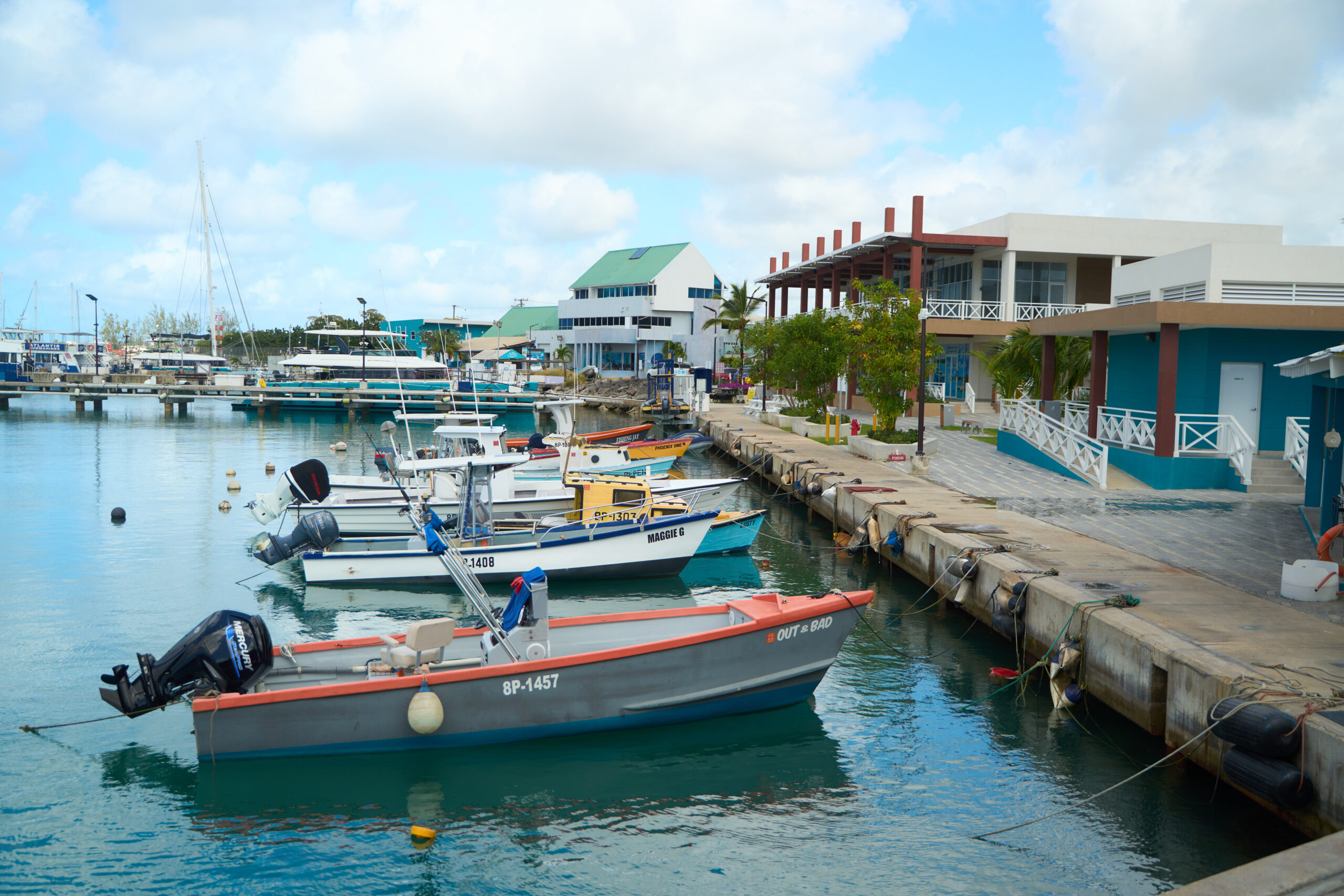
    With Barbados’ general election approaching on February 11, the island’s fishing communities are calling for sustained government commitment to post-Hurricane Beryl recovery efforts and the completion of critical infrastructure projects vital to their industry’s survival.

    Moonesh Dharampaul, Head of the Black Fin Fleet, emphasized to Barbados TODAY that the fishing sector has established a productive working relationship with current authorities and hopes this partnership will strengthen following the formation of a new administration. The industry suffered catastrophic damage during the 2024 hurricane season, forcing fisherfolk to implement gradual rebuilding measures while developing strategies to mitigate future storm impacts.

    Among the most pressing needs identified are proper haul-out facilities at key landing sites. “We urgently need completion of the ongoing breakwater project,” Dharampaul stated. “Additionally, we require functional haul-out facilities and slipways that enable fishermen to quickly remove vessels from water when storms approach.”

    Significant progress is underway through the Fisheries Division’s development of a national policy governing Fish Aggregating Devices (FADs). These artificial floating structures attract pelagic fish species and substantially increase catch volumes, though their deployment requires careful regulation to balance economic benefits with environmental considerations and spatial conflicts.

    “The Fisheries Division is currently drafting a FAD policy,” Dharampaul confirmed. “We’re collaborating closely with Coastal Zone Management on economic zone spatial planning, and anticipate positive outcomes.” He stressed that meaningful consultation with fishing professionals must remain central to policy development processes, ensuring practical industry experience informs regulatory frameworks.

    Dharampaul elaborated on FAD technology’s dual nature: while significantly enhancing fishing efficiency by creating underwater aggregation points that attract larger fish, Barbados’ unique tidal conditions present substantial anchoring challenges. “This is precisely why establishing a proper regulatory mechanism is crucial,” he explained.

    Another priority involves finalizing a specialized commercial fishing insurance policy. Through collective negotiation, industry representatives have secured reduced premium rates, potentially dropping from 3% to between 2.2-2.5% through group participation. Dharampaul also highlighted the need for a dedicated commercial fishing policy that acknowledges the diverse scale of fishing operations, unlike existing marine policies focused primarily on charter and recreational vessels.

    Recent improvements to ice distribution infrastructure at Bridgetown market—including new compressors and additional ice machines—were acknowledged as critical advancements for food security. “Where we previously serviced two to three boats daily, we can now accommodate six to eight,” Dharampaul noted, while emphasizing ongoing coordination with government officials to ensure these gains are maintained and expanded.

  • Deep clean’: BUT wants mandatory annual industrial cleaning at all schools

    Deep clean’: BUT wants mandatory annual industrial cleaning at all schools

    The Barbados Union of Teachers is advocating for a systemic overhaul of school maintenance protocols, demanding mandatory industrial cleaning across all educational institutions at least once annually. Julian Pierre, the union’s vice president and chair of its occupational safety committee, emphasized that reactive measures are insufficient to address persistent environmental health concerns disrupting academic activities. His comments follow the temporary closure of St. Ambrose Primary School, where additional ventilation work is underway after industrial cleaning resolved a severe cockroach infestation. While acknowledging improvements in the Ministry of Educational Transformation’s maintenance program—including off-hours and vacation-period work—Pierre highlighted the critical challenge of aging infrastructure. Many school facilities exceed forty years of service, requiring comprehensive preventative maintenance beyond current efforts. Pierre proposed implementing a rotational cleaning schedule distributed across Easter, summer, and Christmas breaks to prevent overwhelming resources during summer months. He further stressed the necessity for inter-ministerial coordination, particularly involving health authorities for environmental checks beyond school buildings themselves. Key concerns include water quality monitoring, vegetation management, and systematic pest control through regular baiting protocols. Although recognizing the efforts of the Education Technical Management Unit, Pierre insisted that true industrial cleaning standards must be consistently enforced, moving beyond superficial disinfection to address deep-seated infrastructure challenges in Barbados’ educational system.

  • Woman Fined $2K for Jaguar Skin Possession

    Woman Fined $2K for Jaguar Skin Possession

    In a significant enforcement of wildlife protection laws, a Belizean woman has been convicted and penalized for possessing protected jaguar remains. The case concluded this week in the Court of Belize with Lidear Lino pleading guilty to charges filed in August 2025 under the country’s Forests Act.

    The judicial outcome resulted in a substantial fine of BZ$2,000 (approximately US$1,000) for the offense of possessing wildlife derivatives without proper authorization. The Belize Forest Department, which led the prosecution, emphasized that no circumstances permit civilians to retain protected wildlife components.

    Following the verdict, forestry officials issued a stark reminder that Belizean law prohibits possession of any wildlife parts—including skins, teeth, feathers, nests, eggs, or other biological derivatives—without explicit permission. Violators potentially face penalties reaching BZ$10,000 under current legislation.

    The Forest Department publicly acknowledged collaborators in the successful prosecution while urging citizens to actively participate in conservation efforts. “We encourage all Belizeans to play an active role in protecting wildlife and to discourage illegal trade,” read an official statement, highlighting the ongoing commitment to combat wildlife trafficking through both enforcement and public education initiatives.