作者: admin

  • OP-ED: The Oldest Story in the Book

    OP-ED: The Oldest Story in the Book

    In a powerful address originally delivered to church congregations, Professor C. Justin Robinson draws striking parallels between biblical narratives of oppressed peoples and the contemporary Caribbean condition. The analysis reveals how ancient stories of survival under empire rule mirror modern regional challenges, offering both sobering reflections and hopeful pathways forward.

    The biblical journey from Genesis to Revelation consistently portrays small nations navigating domination by powerful empires—from Abraham’s departure from Mesopotamia to Jesus’s execution under Roman authority. This framework provides a compelling lens through which to examine Caribbean history and current realities. The region’s economic structures echo Pharaoh’s Egypt, where enslaved populations built infrastructure for their own oppression. Similarly, Caribbean nations historically produced commodities for foreign consumers under arrangements dictated from distant capitals, creating economic dependencies that persist today.

    Professor Robinson identifies tourism dependence, food importation despite fertile lands, and brain drain masked as development strategy as modern manifestations of this colonial legacy. The post-war international order that once provided protective walls for small nations is now being dismantled by the very powers that established it, leaving Caribbean countries vulnerable in an increasingly volatile global landscape.

    The analysis turns to biblical wisdom for guidance in navigating contemporary challenges. Jesus’s instruction to “render unto Caesar what is Caesar’s” provides a framework for engaging with powerful nations without surrendering cultural identity or sovereignty. The prophet Jeremiah’s counsel to build houses and plant gardens during Babylonian exile offers a blueprint for self-reliance—investing in local institutions, developing agricultural sovereignty, and creating sustainable communities rather than waiting for external rescue.

    Caribbean strengths are reframed as modern-day David’s stones against Goliath: climate expertise, digital potential, energy sovereignty capabilities, proven models of regional integration through the OECS, and the power of unified voice. The parable of the Good Samaritan underscores the necessity of regional cooperation, questioning why successful integration models for smaller populations cannot scale across CARICOM.

    The address concludes with an urgent call to action, invoking Esther’s courage and Isaiah’s willingness to serve. The most liberating realization, according to Professor Robinson, is recognizing that no external savior will emerge—true freedom requires Caribbean people to build economies their citizens choose rather than endure, embracing self-determination as both practical necessity and moral imperative.


  • Liberty Caribbean Links Connectivity to Jobs, Innovation

    Liberty Caribbean Links Connectivity to Jobs, Innovation

    At the CANTO Connect 2026 conference, Liberty Caribbean—operating Flow, Liberty Business, and BTC—used its Diamond Sponsor platform to champion an ambitious agenda for converting digital connectivity into tangible economic benefits across the Caribbean region. The company emphasized the critical need to transform infrastructure into job creation, enhanced public services, and export-ready innovation.

    Neda Brown, Senior Director of Regulatory & Government Affairs at Liberty Caribbean, delivered a keynote address at the conference’s opening reception, calling for strategic alignment between policy frameworks, investment mechanisms, and operational delivery. She specifically urged governments and regulatory bodies to harmonize data governance policies and establish regulatory sandboxes. These controlled environments would allow innovators to test and refine new technologies without undue restrictions, thereby accelerating responsible scaling.

    “Intelligent policy is now synonymous with digital infrastructure,” Brown stated. “By harmonizing data governance and creating well-designed regulatory sandboxes, we provide innovators the space to evaluate, learn, and scale responsibly. This approach not only safeguards citizens but also attracts investment, enabling innovative ideas to progress from pilot stages to genuine economic impact throughout the Caribbean.”

    CANTO, the premier regional organization dedicated to advancing the Caribbean’s digital ecosystem, serves as a collaborative platform for telecommunications operators, ICT providers, regulators, governments, and industry partners. This year’s conference theme, ‘Elevate the Caribbean – From Connectivity to Global Competitiveness,’ set the stage for discussions on regional digital transformation.

    Brown further advocated for multilateral and development finance institutions to create blended financial instruments that link funding to achievable social and economic outcomes. “Connectivity forms the foundation, but converting it into widespread prosperity demands clarity, courage, and collaboration,” she emphasized. “When policy, capital, and capability converge around measurable milestones, investment follows and impact accelerates. Liberty Caribbean is committed to convening stakeholders, investing strategically, and forming impactful partnerships.”

    The company signaled its intent to move beyond dialogue into concrete action, focusing on partnerships with governments, regulators, and development organizations. These collaborations aim to scale innovation, strengthen policy frameworks, and expand digital opportunities across the region.

  • U.S. pressures St. Lucia to ban students studying in Cuba

    U.S. pressures St. Lucia to ban students studying in Cuba

    The Trump administration has escalated diplomatic pressure on Caribbean nations, specifically targeting educational cooperation programs with Cuba. Recent developments reveal that Washington has issued directives to Saint Lucia demanding the cessation of medical student exchanges with Cuban institutions—a move that threatens to destabilize healthcare systems across the region.

    Prime Minister Philip Pierre of Saint Lucia publicly acknowledged receiving this mandate during an international health conference, characterizing the situation as a ‘major problem’ for his nation’s healthcare infrastructure. Historically, Cuban-trained physicians have formed the backbone of Saint Lucia’s medical workforce, with educational exchanges dating back to the 1970s.

    This pressure campaign extends beyond educational ties. The administration has simultaneously implemented visa suspensions for citizens of Dominica and Saint Vincent, included most Caribbean Community (CARICOM) nations on immigration ban lists, and demanded acceptance of third-country deportees. Additionally, the U.S. has sought military concessions, including radar station installations in Grenada—the same nation it invaded in 1983.

    Secretary of State Marco Rubio has spearheaded the effort, threatening visa revocations for officials involved with Cuban medical programs. The administration alleges exploitation in payment structures where professionals retain less than 20% of their salaries, though Caribbean leaders uniformly deny these claims.

    The confrontation is set to dominate the upcoming CARICOM summit in Saint Kitts, chaired by Prime Minister Terrance Drew—a Cuban-trained physician himself. Drew recently defended the programs, stating: ‘Cuban healthcare professionals have saved lives. They’ve become pillars of our society. Our federation values relations with both Cuba and the U.S., but these accusations contradict our laws and values.’

    Multiple governments, including The Bahamas, Guyana, and Antigua, have already complied with U.S. demands to avoid sanctions, though many warn their healthcare systems would collapse without Cuban support. The summit may determine whether CARICOM can maintain unified resistance against what leaders perceive as unwarranted superpower aggression.

  • Column: Duurzaamheid clubvoetbal

    Column: Duurzaamheid clubvoetbal

    Suriname’s football landscape reveals a paradoxical reality where undeniable talent coexists with systemic limitations. While the nation has produced exceptional players since the Caribbean Cup-winning generation decades ago, the sporadic emergence of standout performers has failed to translate into consistent regional success.

    The historical achievements of Transvaal in the 1970s and more recently Robinhood’s 2019 CONCACAF Caribbean Club Shield victory and 2023 Caribbean Cup triumph demonstrate Suriname’s potential. Remarkably, these accomplishments were achieved while maintaining amateur status—a testament to the players’ dedication but also highlighting structural constraints.

    Despite these flashes of brilliance, neither club has sustained their peak performance levels. Robinhood’s disappointing follow-up to their magnificent 2022-2023 season raises serious questions about the sustainability of current approaches within Surinamese football.

    The core issue lies in the semi-professional reality masked by professional labels. Suriname Major League clubs are officially professional organizations but operate as amateur entities in practice. Players juggle full-time jobs with limited training schedules—typically a few afternoon hours several days weekly—creating an impossible competitive disadvantage against genuine professional opponents.

    This structural deficiency directly impacts national team prospects. Selection for international duty requires players to maintain professional standards: full football dedication without external employment, multiple daily training sessions, and complete athletic focus. Without meeting these fundamental conditions, local players remain ineligible for national team consideration.

    The solution requires transformative change. Clubs must grant genuine professional status through living wages that support families, eliminating players’ need for secondary employment. Where financial constraints exist, strategic partnerships could provide necessary funding infrastructure. Such modernization would simultaneously advance regional competitive goals and enable international careers for Surinamese athletes.

  • Dominican Republic to host World Governments Summit Regional Dialogue for Latin America in 2026

    Dominican Republic to host World Governments Summit Regional Dialogue for Latin America in 2026

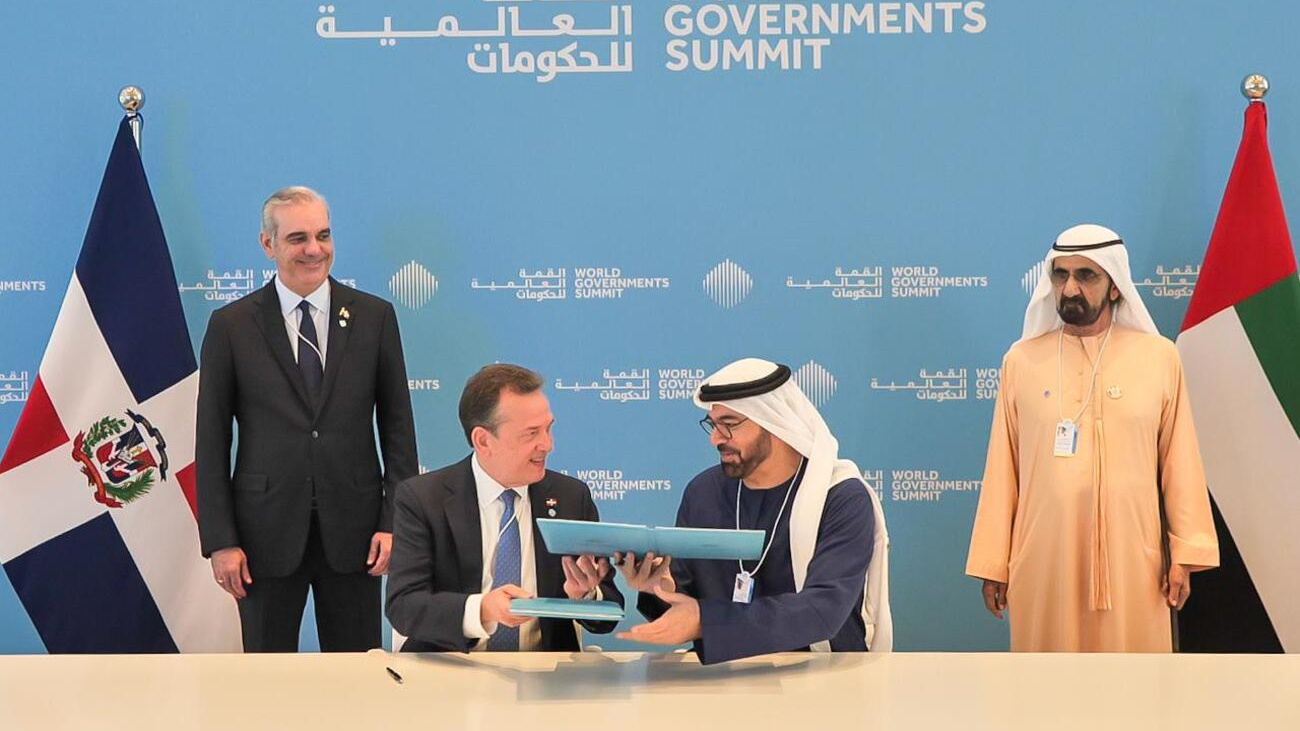
    DUBAI – A significant milestone in international governance cooperation was achieved at the conclusion of the World Governments Summit (WGS) in Dubai with the signing of a Letter of Intent that designates the Dominican Republic as host nation for the World Governments Summit Regional Dialogue for Latin America in late 2026. This strategic agreement substantially enhances the Caribbean nation’s positioning as a crucial diplomatic and economic bridge connecting the Middle East with Latin American markets.

    The forthcoming regional dialogue represents the return of the World Governments Summit to Dominican soil with an expanded agenda and broader strategic scope. The event is specifically designed to strengthen bilateral relations between Latin America and the Middle East, facilitate substantial investment flows from the United Arab Emirates, and foster high-level dialogue among senior government officials, private sector executives, and international policymakers.

    The formal announcement ceremony in Dubai featured the signing by His Excellency Mohammad Abdullah Al Gergawi, Minister of Cabinet Affairs and Chairman of the World Governments Summit Organization, and Minister Víctor ‘Ito’ Bisonó of the Dominican Republic. The signing was witnessed by His Highness Sheikh Mohammed bin Rashid Al Maktoum, Vice President and Prime Minister of the UAE and Ruler of Dubai, alongside Dominican President Luis Abinader Corona. The document formalizes the joint commitment to establish an annual World Governments Summit Regional Dialogue for Latin America beginning in 2026.

    This initiative aligns perfectly with President Abinader’s comprehensive strategy to establish the Dominican Republic as a regional center for diplomatic engagement, foreign investment, and international cooperation. The nation’s institutional stability, economically liberal policies, and advantageous geographic location provide ideal conditions for such high-profile international gatherings.

    The partnership originated in 2025 when the Dominican Republic made history by hosting the first World Governments Summit regional dialogue outside the United Arab Emirates, marking the first occasion any Latin American nation had hosted an event of this caliber. That pioneering effort was formalized through a Memorandum of Understanding between the World Governments Summit and the Center for Analysis for Public Policies (CAPP), creating an institutional cooperation framework focused on policy analysis, international engagement, and high-level dialogue initiatives.

    Under this established agreement, the 2026 Regional Dialogue will be coordinated in collaboration with CAPP, significantly enhancing the event’s technical, academic, and public policy dimensions. This announcement confirms both the continuity and expansion of the vision initiated in 2025, envisioning a larger-scale gathering with a reinforced strategic agenda and clear commitment to regional impact.

    The Latin America Summit – World Governments Summit 2026 aims to solidify the Dominican Republic’s role as a natural connector between the Middle East and Latin America by convening government leaders, corporate executives, investors, international organizations, and global experts. The summit will facilitate strategic cooperation, accelerate investment flows from the UAE to Latin America, exchange best practices in public policy, and address critical challenges and opportunities related to development, governance, and the global economy.

    Through this prestigious undertaking, the Dominican Republic reaffirms its growing importance as a platform for global dialogue and regional coordination, substantially strengthening its international profile and leadership in building sustainable bridges between world regions.

  • Nelson Cruz and baseball legends finalize Dominican team for 2026 World Baseball Classic

    Nelson Cruz and baseball legends finalize Dominican team for 2026 World Baseball Classic

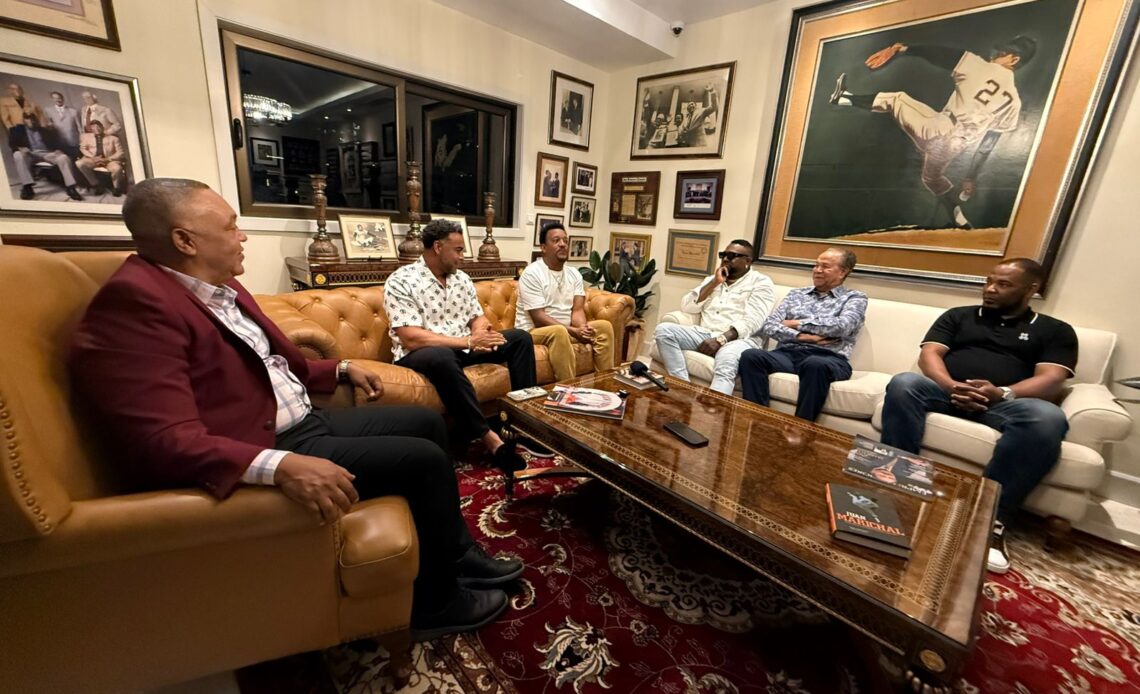
    Santo Domingo has officially finalized its national baseball squad for the upcoming 2026 World Baseball Classic, submitting a formidable 30-player roster to tournament organizers. The selection process was spearheaded by General Manager Nelson Cruz and meticulously guided by an elite advisory committee comprising Dominican legends from the Cooperstown Hall of Fame.

    The finalized roster was delivered to Major League Baseball (MLB) ahead of the regulatory deadline, aligning with the submission requirements for all twenty competing nations. A formal global unveiling of all national team rosters is scheduled for this Thursday by MLB officials.

    The decisive selection meeting featured an assembly of baseball royalty, including Cruz, Juan Núñez (President of the Dominican Baseball Federation – FEDOM), and Hall of Fame inductees Juan Marichal, Pedro Martínez, David Ortiz, and Edwin Encarnación. Manager Albert Pujols, alongside icons Vladimir Guerrero and Adrián Beltré, joined the proceedings virtually due to prior international engagements.

    Cruz characterized the selection as the culmination of a deeply collaborative and analytical process. He emphasized that the advisory committee’s vast experience, strategic vision, and profound understanding of the game were instrumental in every decision, all aimed at constructing the most powerful team possible to represent the nation.

    In an official communiqué, Cruz articulated that the entire process was fueled by a solemn commitment to dignify the Dominican Republic and fulfill the lofty expectations of its passionate global fanbase. He extended a hope that all eleven million Dominican citizens would feel immense pride in the team chosen to don the national colors in 2026.

    Hall of Famer Juan Marichal voiced robust confidence in the selected squad and commended Cruz’s executive leadership, boldly forecasting a strong bid for the Dominican Republic to reclaim the World Baseball Classic championship. Pedro Martínez echoed this optimism, specifically lauding the exceptional depth and caliber of the pitching rotation and warning that the team would present a formidable challenge to all opponents.

    David Ortiz analyzed the final roster as a perfect blend of elite talent and strategic balance, noting that triumph in this tournament hinges more on meticulous preparation and cohesion than on individual reputations. He also extended congratulations to FEDOM for the appointment of Cruz and endorsed the comprehensive work undertaken throughout the team assembly phase.

    Edwin Encarnación called upon the nation to rally behind the team with pride, asserting that the roster possesses the necessary talent, unwavering motivation, and a fierce competitive spirit to triumph over any contender. He guaranteed that every player is utterly dedicated to performing at their peak and representing the Dominican flag with the highest honor.

  • Openbaar Ministerie gaat in hoger beroep na vrijspraak Danielle Veira

    Openbaar Ministerie gaat in hoger beroep na vrijspraak Danielle Veira

    The Public Prosecution Service has formally filed an appeal against the full acquittal of Danielle Veira, former head of the Directorate of National Security (DNV), by the Court of Martial Appeals. This move signals the prosecution’s refusal to accept the court’s finding that insufficient evidence existed to prove Veira’s involvement in the April 16, 2020 hostage operation targeting Rodney Cairo.

    Presiding Judge Cynthia Valstein-Montnor emphasized during Friday’s ruling that the central consideration was whether the operation genuinely constituted an official DNV action. The court determined that only one convicted co-suspect, Imro Miedema, had testified about Veira’s potential involvement when police requested explanations, while other objective evidence confirming her role as instigator remained absent.

    The court also dismissed allegations regarding Veira’s unauthorized distribution of weapons and firearm permits, noting that providing arms to informants and civilians had been an established practice within DNV—sometimes even under presidential instruction. The judiciary deemed it unreasonable to hold Veira solely criminally responsible for what constituted an institutionalized organizational practice.

    Following her emotional release, Veira expressed profound gratitude outside the courthouse, repeatedly referencing her religious faith. She described enduring five arduous years and affirmed her belief in divine justice, while also thanking the judges for their discernment and her family for their unwavering support.

    The case remains unresolved as it proceeds to appellate review, where the higher court will reexamine both factual evidence and legal assessments. The prosecution had initially sought a nine-year prison term with immediate custody.

  • Saint Mary Academy teachers stage brief industrial action over salary delays

    Saint Mary Academy teachers stage brief industrial action over salary delays

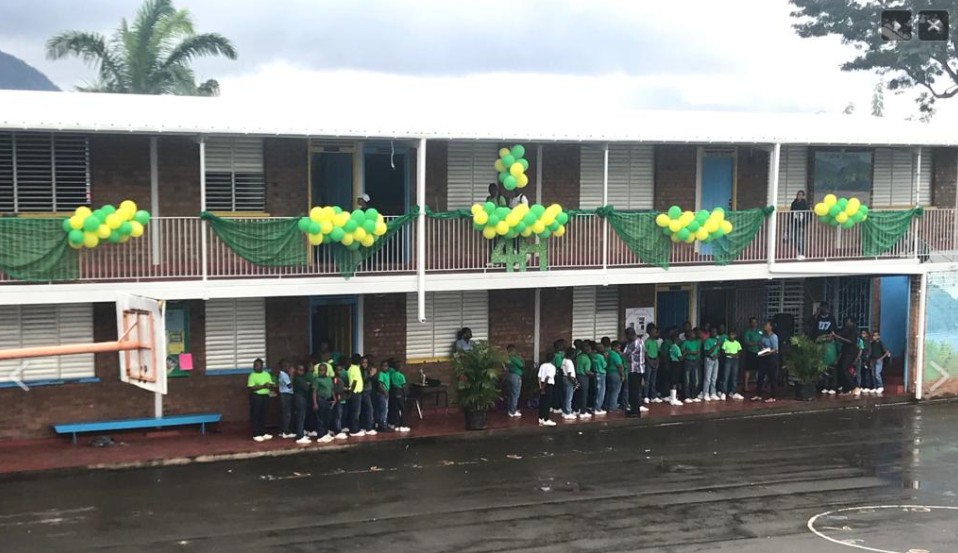
    Educators at Saint Mary Academy initiated a brief work stoppage on Monday, February 2nd, in response to the non-payment of January salaries by the Ministry of Education. This industrial action serves to spotlight systemic compensation issues plaguing teachers within government-assisted educational institutions across Dominica.

    According to an official communiqué released by the faculty, salary disbursements that were historically punctual have experienced consistent delays since December 2018. Similar to other assisted secondary schools nationwide, Saint Mary Academy relies on monthly governmental grants for payroll funding. Staff representatives report that school administrators now routinely undertake multiple personal visits to the Treasury Department, frequently receiving explanations that necessary checks remain either unprepared or awaiting signatures.

    The teaching body emphasized that this compensation crisis extends beyond their institution, affecting educators throughout Dominica’s network of government-assisted schools. They detailed how belated payments create substantial financial distress, preventing teachers from meeting critical obligations including loan repayments that often accumulate penalty fees and additional interest charges.

    “The normalization of end-month or post-month salary payments must cease,” the statement asserted, highlighting that assisted-school teachers remain excluded from the timely payment protocols granted to other educational professionals. Staff further noted that while certain public officials receive advance compensation during national holidays like Creole Day and Christmas, educators at assisted institutions consistently face financial disadvantage.

    Faculty members are demanding equitable treatment through several specific measures: implementation of consistent timely salary payments, immediate disbursement of overdue back pay, and salary reclassification parity with government secondary school teachers based on equivalent qualifications and experience. Additionally, they urge full implementation of existing agreements between the Dominican government and assisted schools, characterizing these changes as fundamental to achieving professional fairness and justice.

    Despite these operational challenges, Saint Mary Academy maintains exceptional educational standards, achieving consistent 100% pass rates in multiple subjects and regularly securing top rankings in national and regional academic comparisons. Teachers expressed profound pride in their contributions to Dominica’s educational excellence while reaffirming their unwavering commitment to student development.

    The academic staff recognized ongoing advocacy efforts by educational trade unions and requested continued support from the Catholic Schools’ Board of Management and other supervisory bodies. They issued a final appeal to the Ministry of Education’s sense of justice, framing resolution of these compensation issues as both a moral imperative and a matter of professional dignity.

  • Four found dead in vessel at Georgetown wharf

    Four found dead in vessel at Georgetown wharf

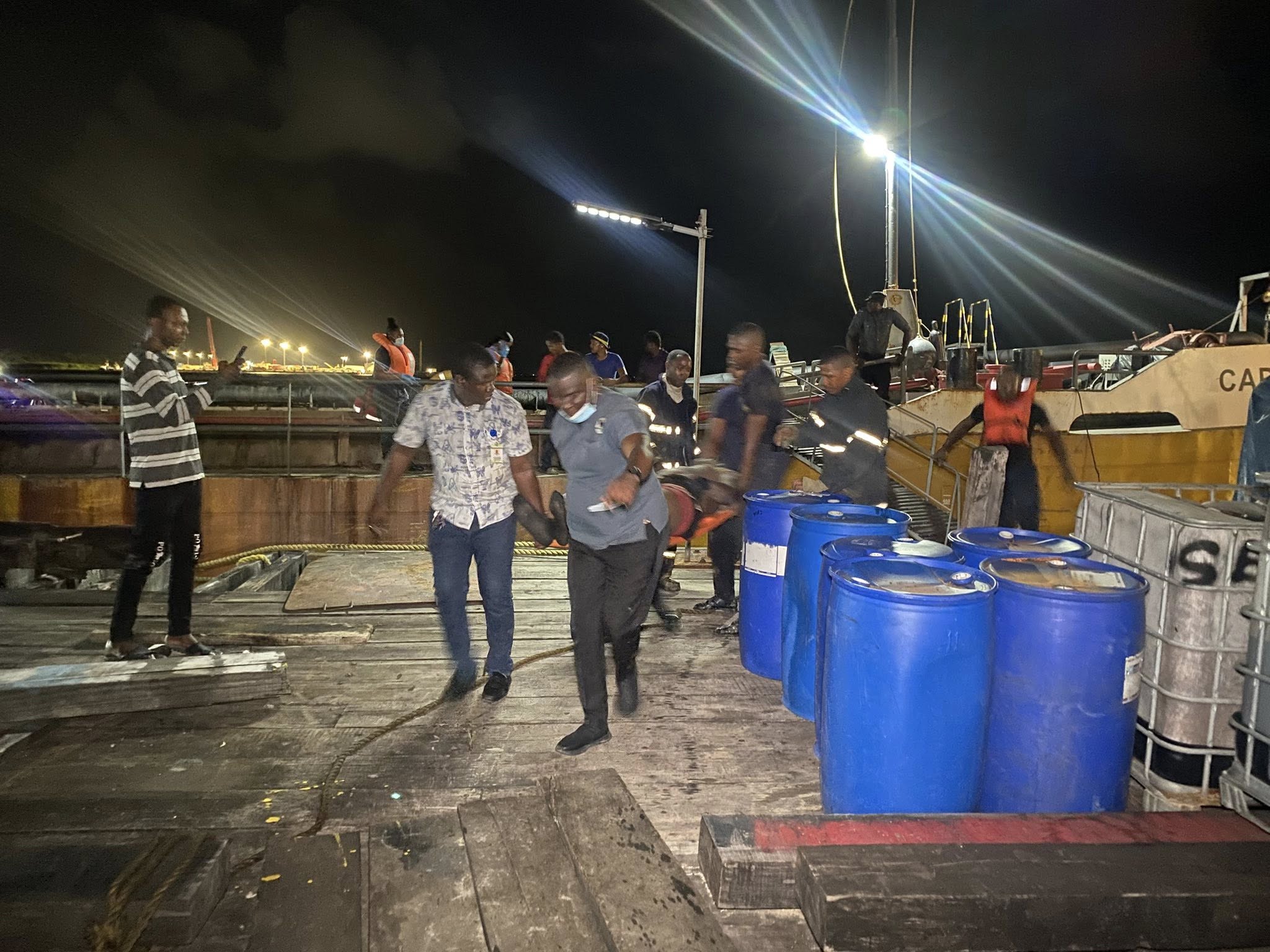
    A tragic industrial incident at Georgetown’s Courtney Benn wharf has resulted in the deaths of four maritime workers, casting a somber shadow over Guyana’s port operations. The fatalities occurred aboard the MV Captain Virat, a split barge owned by vessel construction firm Guyana Port Inc., on Wednesday evening around 6:30 p.m.

    According to official statements from the Guyana Police Force, preliminary investigations indicate the victims were conducting routine inspection work within a dry compartment of the engine room when they were suddenly overcome by suspected noxious fumes. The confined space, located in the lower section of the vessel, apparently contained hazardous atmospheric conditions that proved immediately fatal.

    The deceased have been identified as Brandon Deonarine (18), a seaman from Support, East Bank Demerara; Nerwaine Persaud (57), a boat captain from Cummings Lodge, East Coast Demerara; Dominic Alexis (33), a seaman from De Kendren, West Coast Demerara; and Getindra Sanchara (25), an engineer from Cummings Lodge, East Coast Demerara.

    Emergency protocols were activated when fellow crew members raised the alarm, prompting response teams from the Guyana Fire Service and emergency medical technicians to rush to the scene. Despite their efforts, all four men were pronounced dead after being transported to the Georgetown Public Hospital Corporation. Their bodies currently await post-mortem examinations at the hospital’s mortuary.

    Pritipaul Singh, Jr., Managing Director of Guyana Port Inc., confirmed in an exclusive interview with Demerara Waves Online News that all four victims were company employees. Express profound grief, Singh stated, ‘It is absolutely unfortunate and it is the saddest thing. I am lost for words right now.’ The company has pledged full cooperation with ongoing police investigations.

    The Ministry of Labour and Manpower Planning, under Minister Keoma Griffith, has been notified of the incident and is preparing to launch its own investigation in accordance with the Occupational Safety and Health Act, which mandates prompt employer reporting of workplace incidents.

  • Guyana breaching ICAO rules over failure to release GDF helicopter crash report- Walton-Desir

    Guyana breaching ICAO rules over failure to release GDF helicopter crash report- Walton-Desir

    Guyana’s compliance with international aviation standards has been called into question following allegations that the government has violated the Convention on International Civil Aviation by withholding the official investigation report of a deadly military helicopter crash that occurred over two years ago.

    Amanza Walton-Desir, Leader of the Forward Guyana Movement and former General Counsel to the Guyana Civil Aviation Authority, raised the serious allegation during parliamentary debates on the 2026 national budget. She emphasized that Annex 13 of the International Civil Aviation Convention mandates states to publicly release accident investigation reports within twelve months, or provide annual interim statements if the full report cannot be completed within that timeframe.

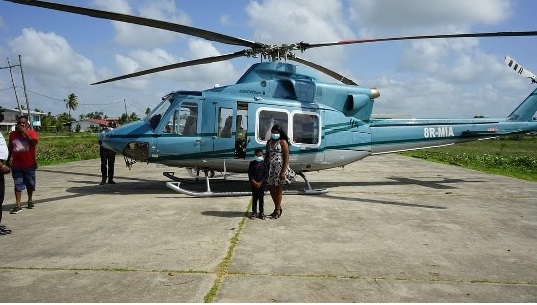
    The tragic incident involved a Bell 412 Epi helicopter belonging to the Guyana Defence Force that crashed on December 6, 2023, while transporting five servicemen to an interior location. The accident occurred during a period of heightened tensions between Guyana and Venezuela concerning Venezuela’s longstanding territorial claim to Guyana’s Essequibo Region.

    While acknowledging potential national security considerations that might justify redacting certain sections, Walton-Desir insisted that the families of the deceased servicemen deserve closure and that the aviation industry needs access to the report’s safety findings to prevent future accidents. She made an impassioned plea from the parliamentary floor for the immediate release of the long-overdue document.

    The continued withholding of the crash investigation report represents both a regulatory violation and a significant transparency issue, raising questions about governmental accountability in matters of national security and aviation safety.