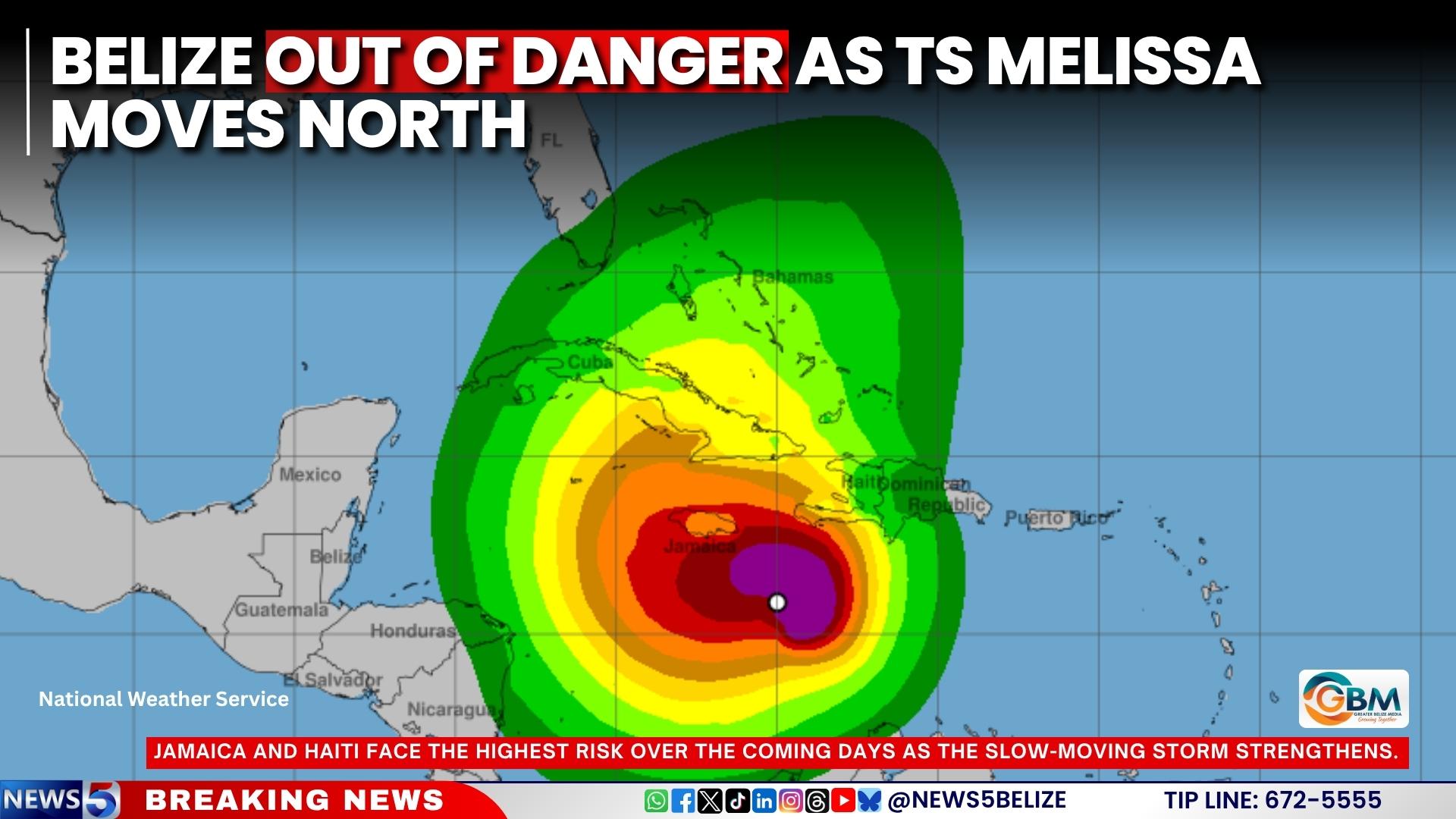
Tropical Storm Melissa has emerged as a significant threat to several Caribbean nations, with Jamaica and Haiti bearing the brunt of its impact. The National Hurricane Center (NHC) has issued warnings of prolonged severe weather conditions, including damaging winds, torrential rains, and landslides, as the storm moves slowly across the region. Belize, however, remains out of harm’s way as the storm’s trajectory shifts northward. In Jamaica, the storm’s sluggish pace has heightened concerns of extended exposure to hazardous conditions. Residents are advised to complete emergency preparations promptly, as strong winds and heavy rainfall are expected to intensify by late Friday or Saturday. Haiti faces an even graver situation, with the NHC predicting catastrophic flash flooding and landslides in the southwestern regions. The storm’s prolonged presence could lead to extensive infrastructure damage, isolating communities for days. Authorities have described the situation as life-threatening, urging immediate action to safeguard lives and property. Meanwhile, Belize has been spared from Melissa’s path, as forecast models indicate a northward movement, keeping the nation safe for now. The NHC continues to monitor the storm’s progression, emphasizing the need for vigilance in affected areas.
作者: admin
-
Benjamin Announces 1,500 Street Lights Nationwide
In a significant move to bolster community safety, Sir Steadroy “Cutie” Benjamin, Attorney General and Minister of National Security, has unveiled plans to install additional street lights and ramp up police patrols across All Saints West. The announcement was made during a town hall meeting in Seaview Farm on Thursday evening, hosted by MP Hon. Anthony Smith Jr. Benjamin emphasized that the initiative responds to persistent appeals from residents and their parliamentary representative, particularly in areas like Bellevue Estate. ‘Anthony Smith has been advocating for improved lighting in Bellevue,’ Benjamin stated. ‘We are committed to installing 1,500 new lights, and I’m certain Smith will ensure his community receives its fair share.’ The initiative is part of a broader government strategy to enhance public safety through better visibility and stronger community engagement. Benjamin also pledged increased police presence in the area, urging residents to collaborate through neighborhood watch programs. ‘We’re going to fight to get more light in the area,’ he said. ‘Please organize your neighborhood watchers and ensure mutual vigilance.’ The event also featured updates from Prime Minister Gaston Browne and Health Minister Sir Molwyn Joseph on key government projects, including the planned All Saints Polyclinic and ongoing infrastructure upgrades in the constituency.
-

Leadership is duty to next generation, not election deals — King
Curtis King, the Member of Parliament for West St. George and a retired educator, has passionately urged constituents to re-elect the Unity Labour Party (ULP) for a sixth consecutive term. Speaking at a ULP rally in Calliaqua, King emphasized that true leadership is a responsibility to future generations, not merely a strategy for winning elections.
-
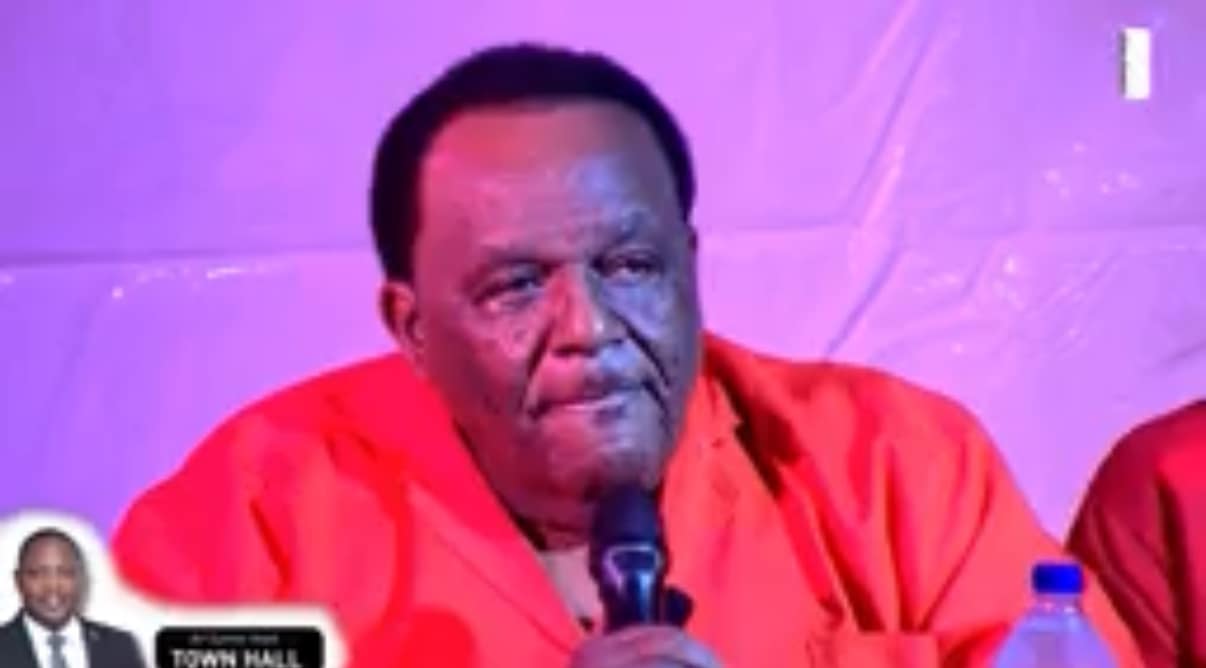
AG Says Antigua and Barbuda Safest in the Region
Antigua and Barbuda continues to hold its position as the safest country in the Caribbean region, according to Attorney General and Minister of National Security, Sir Steadroy “Cutie” Benjamin. Speaking at a town hall meeting in Seaview Farm on Thursday evening, Benjamin highlighted the nation’s remarkably low crime rate, attributing this achievement to robust policing efforts and strong community partnerships. The event, organized for All Saints West MP Hon. Anthony Smith Jr., drew a significant audience eager to hear updates on public safety and government initiatives. Benjamin emphasized the importance of community vigilance, urging residents to form neighborhood watch groups, remain alert, and report any suspicious activities. He also revealed plans to enhance security measures, including increased police patrols and the installation of additional streetlights in areas like Bellevue Estate to improve visibility and deter crime. The Attorney General commended MP Smith for his dedication to community development and his advocacy for youth, noting his collaborative efforts with national security officials. The town hall also featured presentations from senior Cabinet members, including Prime Minister Gaston Browne and Health Minister Sir Molwyn Joseph, who provided updates on ongoing government projects in the constituency.
-
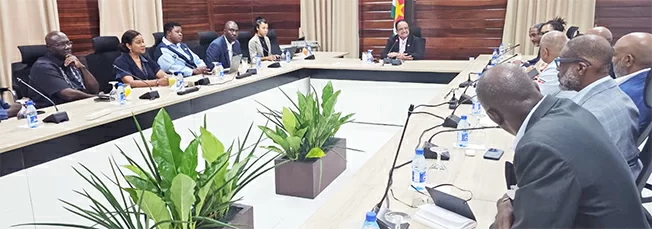
Suriname zet koers naar nationale local content-roadmap
Suriname has taken a significant step toward establishing a unified national strategy for local content development in its energy sector through the Local Content Conference 2025. Organized by the Suriname Energy Chamber (SEC), the three-day event brought together a diverse range of stakeholders, including government officials, parliamentarians, State Oil Company, Energy Authority Suriname (EAS), private sector representatives, labor unions, international oil companies like TotalEnergies, and global partners. The conference aimed to create a cohesive national vision and definition for local content development, with the goal of finalizing a National Local Content Roadmap within months. This roadmap is expected to lay the foundation for a sustainable, inclusive, and diversified economy, ensuring that Surinamese businesses, workers, and communities benefit from the growth in the energy industry. SEC Chairman Orlando Olmberg emphasized the importance of this initiative during the plenary sessions, highlighting TotalEnergies’ $1.5 billion commitment to local content within the GranMorgu project (Block 58) and Afreximbank’s $5 billion facility to strengthen local enterprises for future large-scale projects. These international commitments underscore Suriname’s position at a historic juncture. Vice President Gregory Rusland called for collaboration across all sectors to further develop the energy industry, stressing the government’s responsibility to create a robust and inclusive local content policy. Full support was expressed by both the government and parliament, with Oil, Gas, and Environment Minister Patrick Brunings emphasizing the need for aligned policy, legislation, and execution. National Assembly Chairman Ashwin Adhin announced plans to develop legislation and establish a special committee to oversee the process. Foreign Affairs Minister Melvin Bouva highlighted the importance of local technical capacity, market-aligned education, and transparent social and financial conditions as the foundation for sustainable trust. The conference, which began with a networking event at the Marriott Hotel, included plenary sessions, workshops, and panel discussions at the Assuria High-Rise Building. Follow-up steps include the establishment of a National Local Content Commission, tasked with presenting a policy proposal within three to four months. This conference marks the beginning of a collaborative effort to embed local content as a cornerstone of Suriname’s future economic development.
-
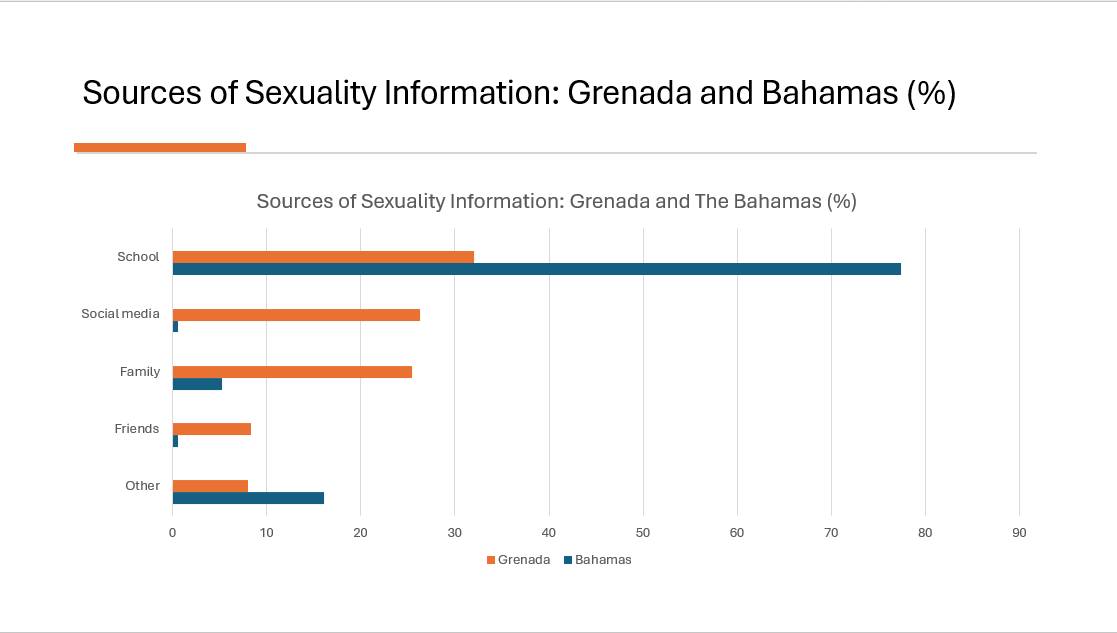
Parental consent and parental detachment
The reluctance of Caribbean parents to engage in discussions about sex education with their children has emerged as a significant cultural issue, according to recent studies and surveys. In the Bahamas, where a well-established sex education program exists in public schools, a staggering 77% of women reported learning about sex from school, while only 5% cited their parents as a source of information. This trend highlights a concerning detachment among parents, who often defer to formal education systems. A similar survey conducted among older teens in Grenada revealed slightly more parental involvement, but still, fewer than half learned about sexuality through school instruction. Alarmingly, over a quarter of these teens turned to social media platforms like TikTok, YouTube, and ChatGPT for information, raising concerns about the reliability and appropriateness of such sources. Religious institutions, despite their influence in the region, were notably absent as a source of guidance. Adolescents consistently express a preference for learning about sex from their parents, particularly their mothers. However, cultural stigmas surrounding the topic have led to widespread avoidance and ignorance, leaving young people vulnerable. The Age of Civil Responsibility (ACR) Bill has been proposed as a potential catalyst for change, encouraging parents to shift from detachment to active engagement. Advocates argue that both school programs and parental involvement are essential for comprehensive sex education. The Grenada Planned Parenthood Association (GPPA) and Advocates for Safe Parenthood: Improving Reproductive Equity (ASPIRE) are calling for urgent action to address this crisis. They emphasize the need for collaborative efforts to equip parents with the tools and confidence to discuss sex with their children, aiming to increase parental engagement from below 6% to over 60% within the next year.
-

171 matters heard since re-introduction of night court, says Blackmoore
In a recent press conference, National Security Minister Rayburn Blackmoore provided an update on the reintroduction of night courts, which resumed operations on September 8, 2025. The initiative, which operates from 2:00 PM to 9:00 PM, has already processed 171 cases, with 26 successfully resolved. Blackmoore expressed his gratitude to all parties involved, including magistrates, court staff, and law enforcement, for their collaborative efforts in ensuring the smooth functioning of the night courts. He personally visited the night court on three occasions and was impressed by the professionalism of lawyers representing their clients. Blackmoore emphasized the importance of ongoing consultations with the Bar Association and other stakeholders to further refine the process. He highlighted the need for improved case management and scheduling, particularly for vulnerable individuals such as elderly clients. The minister also advocated for ‘strata hearings,’ where parties can mutually agree on hearing times. Overall, Blackmoore underscored the night court’s role in enhancing access to justice and the efficient resolution of disputes, ultimately benefiting the state.
-
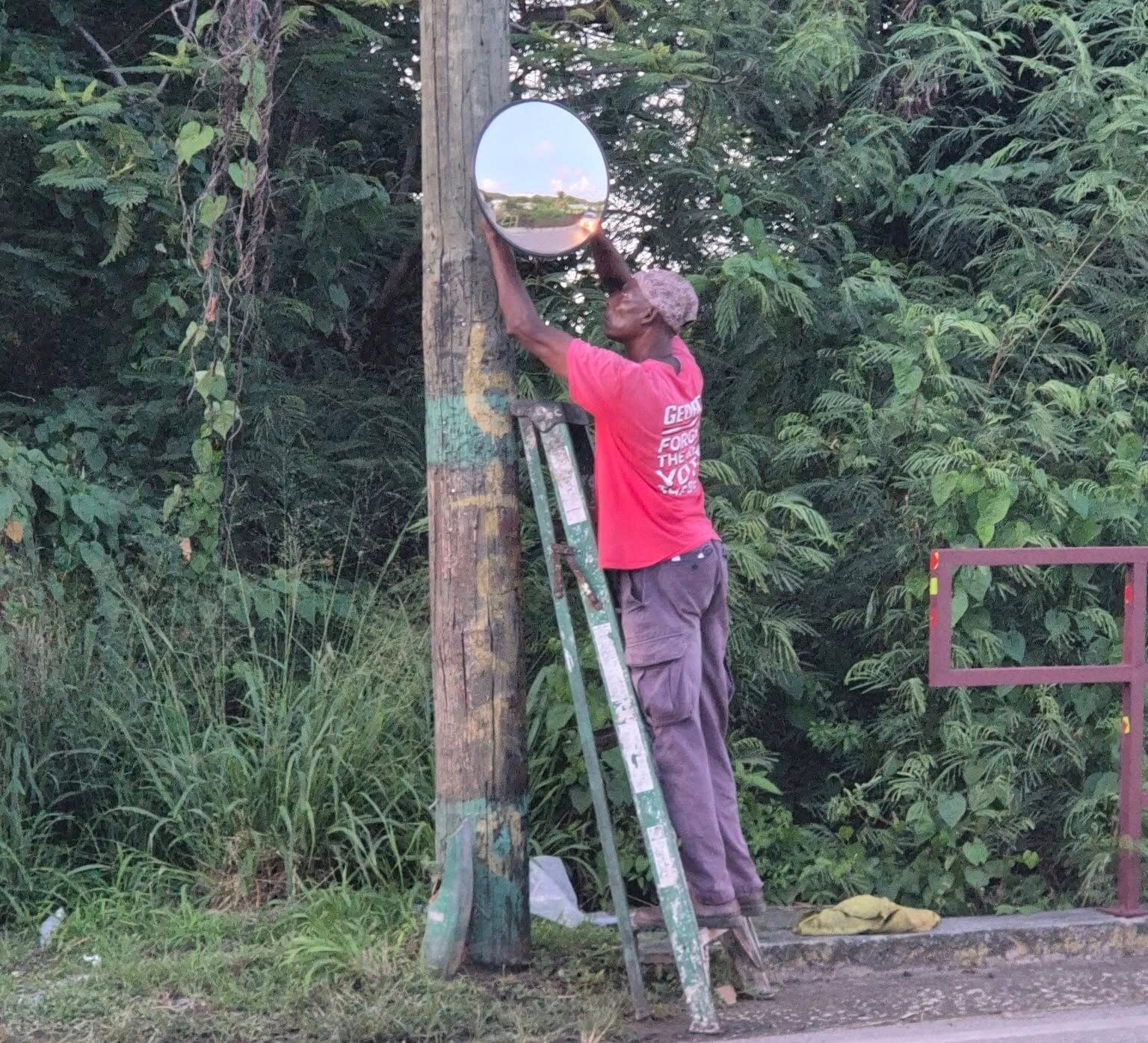
Senator Dwayne George Installs Traffic Mirror to Improve Road Safety in St. Mary’s South
In a proactive move to bolster road safety, Senator Dwayne George has installed a traffic mirror at a bustling junction in St. Mary’s South. This strategic placement aims to enhance visibility for drivers navigating the area, thereby mitigating the risk of accidents. The initiative underscores George’s unwavering dedication to safeguarding the well-being of his constituents. Speaking on the project, George emphasized the importance of collective responsibility in fostering a safer community. “This endeavor is a testament to our commitment to ensuring that both motorists and pedestrians can traverse our roads with heightened confidence and caution,” he stated. The senator also hinted at plans to implement similar safety measures across other parts of the constituency, further promoting secure and accessible roadways. George urged drivers to remain alert and considerate, reinforcing the notion that community safety is a shared endeavor.
-
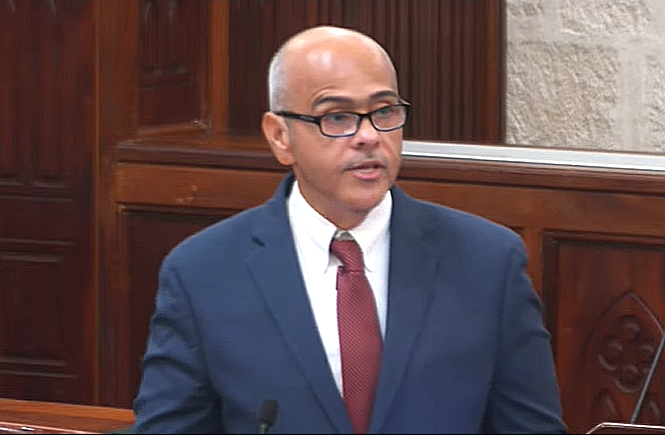
Duguid: Government ‘doing its best’ to clean up country
Dr. William Duguid, Minister of Planning and Development and Senior Minister in the Prime Minister’s Office, has openly acknowledged that while the government is not flawless, it remains steadfast in its efforts to enhance the island’s cleanliness and address pressing issues such as abandoned vehicles and neglected properties. Speaking at the Ideas Forum — Christ Church Edition, held as part of the parish’s We Gatherin’ celebrations, Dr. Duguid emphasized the administration’s measurable progress in improving sanitation and infrastructure.
-

Another US strike in Caribbean On alleged drug-running boat kills 6
The U.S. military has escalated its campaign against drug trafficking in the Caribbean, conducting its 10th strike on a suspected drug-running vessel, as announced by Defense Secretary Pete Hegseth on Friday. The operation, which resulted in six fatalities, has been linked to the Tren de Aragua gang, a criminal organization originating from a Venezuelan prison. The frequency of these strikes has increased significantly, with three carried out this week alone, compared to one every few weeks when they began in September. Notably, two of this week’s strikes occurred in the eastern Pacific Ocean, marking an expansion of the military’s operational zone. Hegseth emphasized that the latest strike took place in international waters and was the first conducted at night, signaling a more aggressive approach. He warned drug traffickers, stating, ‘If you are a narco-terrorist smuggling drugs in our hemisphere, we will treat you like we treat Al-Qaeda.’ The strikes coincide with a substantial U.S. military buildup in the Caribbean and off the coast of Venezuela, including a recent flight of supersonic heavy bombers near Venezuela. This has fueled speculation about potential U.S. intentions to oust Venezuelan President Nicolás Maduro, who faces narcoterrorism charges in the U.S. Venezuelan Defense Minister Vladimir Padrino has dismissed the drug-trafficking allegations as pretextual, accusing the U.S. of seeking regime change. Hegseth’s rhetoric has drawn parallels between the current crackdown on drug traffickers and the U.S. war on terrorism post-9/11. However, President Trump has denied plans to seek a formal declaration of war against cartels, instead vowing to eliminate drug smugglers. The military actions have sparked bipartisan concerns in Congress, with critics arguing they lack proper authorization and violate international law.