作者: admin

  • Critical minerals and rare earths: the Dominican Republic’s new strategic bet

    Critical minerals and rare earths: the Dominican Republic’s new strategic bet

    SANTO DOMINGO, Dominican Republic – In a strategic address that positions the Caribbean nation at the center of global resource geopolitics, Foreign Minister Roberto Álvarez has articulated the Dominican Republic’s emerging role in the critical minerals sector. Speaking at the Corripio Communications Group Luncheon, Álvarez provided crucial conceptual distinctions while outlining the nation’s substantial geological advantages.

    The diplomatic leader clarified the fundamental difference between rare earth elements and critical minerals, noting that while all 17 rare earth elements fall under the critical minerals umbrella, the broader category encompasses any mineral deemed strategically vital to national security and industrial needs by individual countries.

    These resources form the backbone of advanced technological manufacturing, enabling production across aerospace, defense, automotive, computing, semiconductor, and quantum computing industries. Minister Álvarez illustrated this critical dependency with a compelling example: a single sophisticated aircraft may require up to 2,000 mineral-dependent components, with the absence of just one rendering the entire system inoperable.

    Among the most prized elements discussed were neodymium for permanent magnets in electric motors and wind turbines, scandium for ultra-strong lightweight aluminum alloys, and gallium for semiconductor applications – each representing specialized niches within the broader critical minerals spectrum.

    The address revealed significant international developments, including a U.S.-led initiative involving 55 nations working to secure critical mineral supply chains. This collaboration may yield an international framework agreement potentially establishing minimum price floors for certain minerals – a stabilization mechanism historically applied to commodities like sugar that would enable producing nations to make secure economic projections and attract investment under predictable conditions.

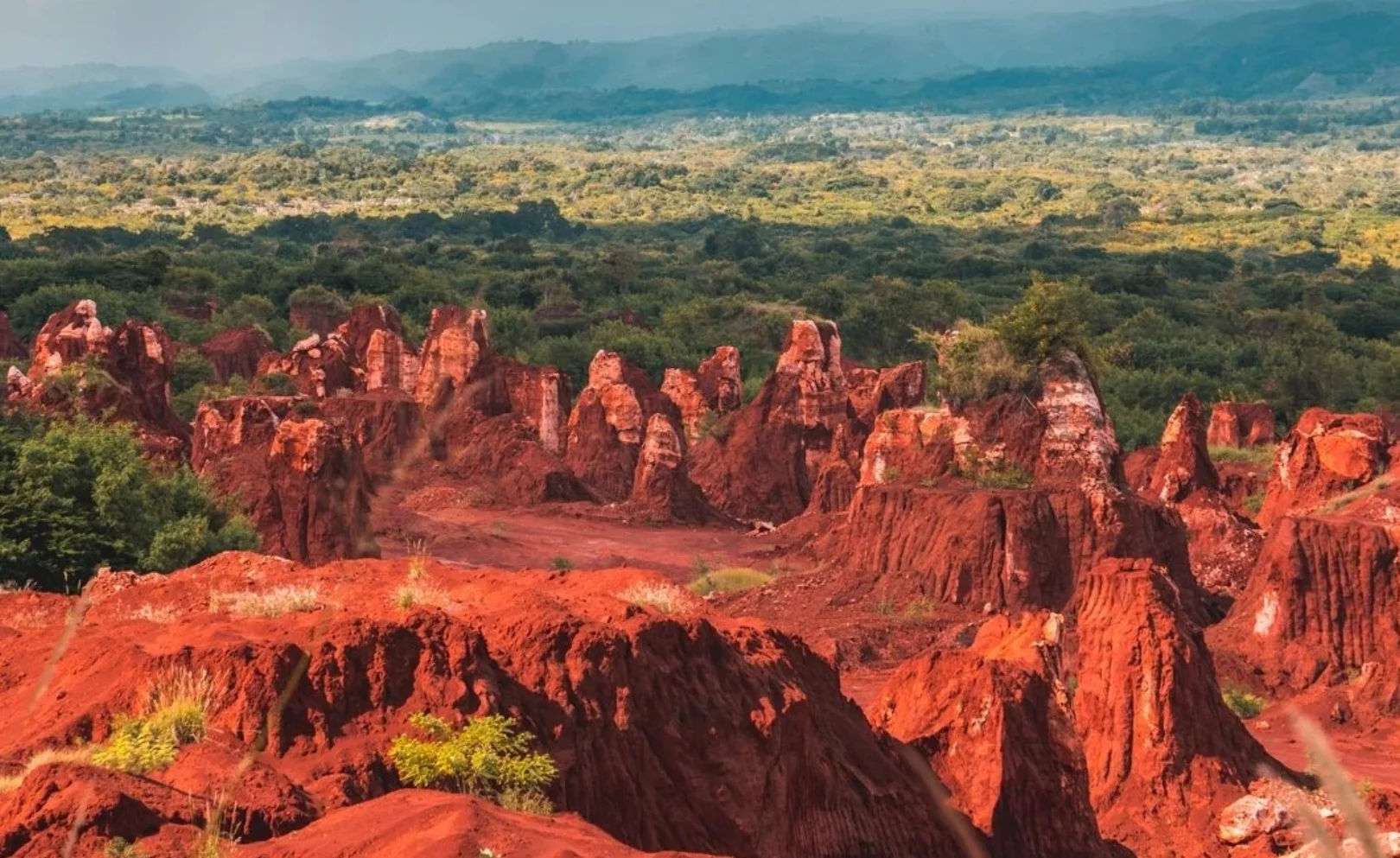
    Geological surveys have identified exceptional Dominican potential, particularly in the Pedernales province where 84 deposits have been documented, though only 15 have undergone comprehensive exploration. Preliminary estimates suggest approximately 65 million metric tons of resources, primarily rare earth elements, alongside other internationally recognized critical minerals including bauxite and strategic metals.

    Minister Álvarez emphasized that the nation faces “very carefully considered” decisions regarding exploration and exploitation frameworks, given the escalating strategic value of these resources. The initiative enjoys presidential endorsement, with President Luis Abinader reportedly committed to developing this sector as a cornerstone of the nation’s economic and geopolitical future.

  • Guyana, St. Kitts and Nevis hold “fruitful” discussions ahead of 50th CARICOM heads meeting

    Guyana, St. Kitts and Nevis hold “fruitful” discussions ahead of 50th CARICOM heads meeting

    In a significant diplomatic engagement ahead of the 50th CARICOM Heads of Government Meeting, Guyanese President Irfaan Ali hosted St. Kitts and Nevis Prime Minister Dr. Terrance Drew at State House this past Saturday. The high-level consultation, described by both leaders as profoundly productive, focused on strengthening bilateral relations and advancing regional integration initiatives within the Caribbean Community.

    Prime Minister Drew, who currently holds the rotating CARICOM chairmanship, emphasized the critical importance of regional unity during the closed-door discussions. “Our dialogue was exceptionally fruitful,” Drew stated following the meeting. “We remain committed to championing regional integration and collective advancement as fundamental pillars of CARICOM’s mission.”

    The strategic dialogue covered multiple dimensions of Caribbean cooperation, with particular attention to enhancing collaborative frameworks between Guyana and St. Kitts and Nevis. Both leaders reaffirmed their dedication to addressing shared regional challenges through coordinated policy approaches and strengthened diplomatic ties.

    The Guyanese delegation included Foreign Affairs Minister Hugh Todd, Public Service Minister Zulfikar Ally, Chief of Defence Staff Brigadier Omar Khan, along with senior officials from the Ministry of Foreign Affairs and national security agencies. This substantial representation underscored the strategic importance both nations attach to the upcoming landmark summit.

    The 50th Meeting of the Conference of Heads of Government, scheduled to convene in St. Kitts and Nevis next week, marks a historic milestone for CARICOM. The pre-summit discussions between President Ali and Prime Minister Drew are expected to set a constructive tone for the broader multilateral negotiations, potentially influencing the regional agenda for the coming year.

  • US visa restrictions on CBI nations raise economic concerns; IMF watching closely

    US visa restrictions on CBI nations raise economic concerns; IMF watching closely

    WASHINGTON, DC — The International Monetary Fund has initiated close surveillance of potential economic repercussions following the Trump administration’s imposition of visa restrictions on Citizenship by Investment (CBI) passport holders from Dominica and Antigua and Barbuda. This diplomatic development emerges despite recent regional commitments to enhance program integrity through stricter transparency protocols.

    The White House justified its provisional measures citing specific security concerns, including the absence of mandatory residency requirements and insufficient biometric data collection within both nations’ investment migration programs. Official statements emphasized that these limitations are essential to address national security vulnerabilities and immigration enforcement objectives.

    Antigua and Barbuda’s Prime Minister Gaston Browne contested the allegations, highlighting his government’s year-long collaborative efforts with multiple US agencies to implement substantive safeguards within their CBI framework. “We have accepted practical suggestions and taken concrete steps to ensure our Programme presents no risk whatsoever to US security,” Browne asserted.

    Although characterized as temporary pending review, these restrictions have raised alarms among economic observers who caution that even short-term measures could undermine investor confidence and program credibility. For Organization of Eastern Caribbean States members that depend significantly on CBI revenue streams, the implications extend beyond diplomatic friction to tangible economic vulnerability.

    The IMF’s measured response indicates that while direct economic impact remains contained, the institution recognizes elevated downside risks affecting revenue stability, travel freedom, and business mobility across the region.

  • Girdhari (VES): Wetten geldelijke voorzieningen moet met spoed worden gecorrigeerd

    Girdhari (VES): Wetten geldelijke voorzieningen moet met spoed worden gecorrigeerd

    Suriname faces mounting public outrage over excessive government salaries as Swami Girdhari, Secretary of the Association of Economists in Suriname (VES), has launched scathing criticism against the nation’s compensation laws for top officials. The economist revealed that judicial and parliamentary authorities receive annual payments ranging from $35,000 to $300,000—dramatically disproportionate to the country’s $6,800 GDP per capita.

    Girdhari exposed how the National Assembly passed controversial legislation in November 2024, just six months before elections, under the guise of ‘synchronization’ reforms. While promoted as eliminating double salaries and increasing transparency, the measures instead created what he termed ‘exorbitant’ compensation packages that disregarded national budget implications.

    The economic expert warned that these astronomical raises are creating ripple effects throughout Suriname’s economy. Private sector businesses, particularly small and medium enterprises, cannot match the pace of public sector increases. Meanwhile, government unions are now using the new top-tier salaries as benchmarks for their negotiations—threatening to destabilize the entire national wage structure.

    Girdhari proposed establishing a ‘Commission of Wise Surinamers’ comprising representatives from parliament, government, judiciary, planning bureau, state council, legal experts, and economists. This independent body would develop a new compensation framework aligned with Suriname’s economic reality, incorporating a ‘Presidential Norm’ where no public official earns more than the president—similar to the Netherlands’ ‘Balkenendenorm’ implemented after similar controversies.

    The economist emphasized that while salary differences based on responsibility, education, and experience are justified, they must operate within a framework of justice and economic sustainability. Eight months after a new government took office, no corrections have been implemented despite previous criticisms from current ruling parties.

  • COE warns of high levels of maritime risk due to abnormal swells on the North coast

    COE warns of high levels of maritime risk due to abnormal swells on the North coast

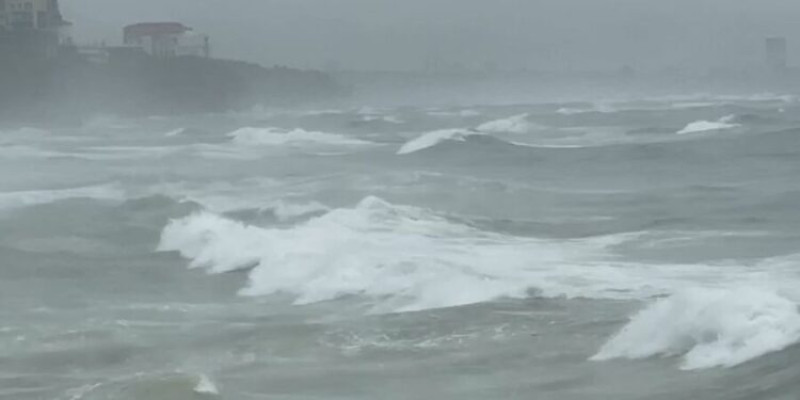
    Santo Domingo, Dominican Republic — Maritime conditions have shown significant improvement along the nation’s Caribbean coastline, prompting authorities to revise navigational advisories this Saturday. The Dominican Institute of Meteorology (Indomet), through its latest weather bulletin, confirmed that previously hazardous sea conditions have substantially normalized.

    The Emergency Operations Center (COE), acting upon Indomet’s meteorological assessment, officially discontinued the port restriction mandate for fragile, small, and medium-sized vessels operating along the North coast. This decision was formally executed under the legal framework established in Article 2, Chapter 1 of Law 147-02, which governs emergency maritime protocols.

    While conditions have stabilized for most regions, the COE issued specific precautions for vessel operators navigating the Atlantic coastal stretch between Miches (El Seibo) and Cabo Engaño (La Altagracia). Meteorological monitoring indicates persistent abnormal wind patterns and wave activity in this sector, requiring heightened navigational vigilance.

    The national meteorological service confirms that all remaining coastal areas currently experience normal maritime conditions, providing relief to the maritime industry and coastal communities following recent weather disturbances.

  • Economy : Preparation for the Regional Women’s Entrepreneurship Fair in the Great South

    Economy : Preparation for the Regional Women’s Entrepreneurship Fair in the Great South

    The Haitian Ministry of Commerce and Industry (MCI) is advancing its commitment to female economic empowerment through the upcoming Regional Women’s Entrepreneurship Fair, scheduled for March 7-8, 2026, in the Grand Sud region. This strategic initiative forms a core component of the Women’s Entrepreneurship Support Program (PAEF), designed to transform women’s economic participation into a tangible driver of national development.

    Minister James Monazard, championing the program, recently convened a critical working session at the Montana Hotel to finalize preparations. In his opening address, Minister Monazard emphasized the foundational role of women in Haiti’s economic future, stating, “We are preparing Haiti’s future. Women are the pillars of the Haitian economy.”

    The PAEF represents a structured, multi-faceted approach to economic inclusion. Its current cohort includes 40 beneficiaries, with ambitious goals to formalize women-led enterprises, deliver market-relevant training programs, and enhance collaboration between national and international partners to maximize local resource utilization.

    Mona Lisa Dunbar, PAEF Coordinator, clarified that the program extends beyond a single event, constituting a long-term support ecosystem. This includes structuring business activities, building capacity for over 500 women, and providing technical and financial support in partnership with institutions like the Industrial Development Fund (FDI).

    Panel Paulemont, Director of Trade at the Ministry, identified the resource-rich Grand Sud region as an ideal launchpad for this inaugural regional edition, highlighting its significant economic potential.

    The Fair itself is designed to deliver concrete benefits to participants, including dedicated exhibition booths to increase product visibility, curated networking spaces for business promotion, and facilitated access to new economic opportunities aimed at fostering business growth and formalization. This effort specifically targets the gradual integration of women from the informal sector into the formal economy, a move deemed essential for sustainable national growth.

  • Domínguez Brito: “The behavioral crisis of our adolescents is a national alarm”

    Domínguez Brito: “The behavioral crisis of our adolescents is a national alarm”

    SANTO DOMINGO, DR – Prominent political figure Francisco Domínguez Brito has issued a stark warning regarding escalating violence and disrespect within educational institutions, characterizing the situation as a national emergency that demands immediate state and societal intervention.

    Addressing recent disturbing incidents at schools across Santo Domingo, San Francisco de Macorís, and Santiago, Domínguez Brito condemned the current climate as profoundly unacceptable. “Educators increasingly confront threats, verbal abuse, and physical violence without adequate institutional backing,” he stated. “The erosion of teacher authority and their resulting vulnerability directly undermines educational institutions and disrupts the broader social fabric of communities.”

    Domínguez Brito presented a nuanced analysis, asserting that this behavioral crisis among adolescents stems from complex societal failures rather than individual student culpability. He identified key contributing factors including family disintegration, insufficient community support systems, premature exposure to alcohol and narcotics, and a critical deficiency in effective preventive government strategies. “This represents a pervasive social dilemma that our nation has neglected for far too long,” he emphasized.

    In response to this multifaceted challenge, the leader proposed a comprehensive action plan. His recommendations include reinforcing school psychological and guidance services, implementing definitive protocols for educator protection, developing robust mechanisms for violence reporting and resolution, and enhancing collaborative social outreach programs to identify at-risk youth vulnerable to substance abuse and academic abandonment.

    Concluding his appeal, Domínguez Brito underscored the fundamental importance of safeguarding educators: “Ensuring teacher security is synonymous with protecting our nation’s future. Our schools must transform into secure environments where educators operate with respected authority, dignity, and substantive institutional support.”

  • High jumper Jacobie is raising the bar

    High jumper Jacobie is raising the bar

    Saint Lucian athlete Jenneil Jacobie has catapulted herself into the track and field spotlight with a record-shattering performance in women’s high jump. The 21-year-old Corinth Secondary alumna achieved a personal best of 1.87 meters last week, establishing new benchmarks at East Texas A&M University and the Southland Conference while simultaneously meeting qualification standards for the upcoming Commonwealth Games.

    Jacobie’s remarkable leap represents the fourth-highest achievement in Saint Lucian women’s high jump history, trailing only legendary athletes Levern Spencer, Jeannelle Scheper and Makeba Alcide. Despite this accomplishment, the rising star maintains she has yet to reach her full potential.

    The journey to this breakthrough has been fraught with challenges. After attracting attention from multiple American universities with 1.70m jumps in her homeland, Jacobie selected then-Division II institution Texas A&M Commerce (now ETAMU) primarily due to the presence of renowned high jump coach Rock Light. Her collegiate career immediately faced setbacks when medical complications that had plagued her in Saint Lucia forced her to miss her entire freshman season.

    “My first year truly tested me,” Jacobie reflected. “I had to cultivate patience and understand that circumstances don’t always align favorably. Through it all, my coaches never wavered in their belief in my capabilities.”

    After undergoing surgery that cost her the 2025 competitive season, Jacobie spent 18 months in recovery and contemplation. “I discovered how deeply my identity was intertwined with track and field,” she revealed. “Watching competitions from the sidelines proved emotionally challenging, so I channeled my energy into supporting teammates and sharing knowledge to remain connected to the sport.”

    Her comeback has been nothing short of spectacular. In two appearances this season, Jacobie has set meet records each time and earned Southland Conference Field Athlete of the Week honors on both occasions. Currently ranked among the NCAA’s top ten high jumpers, she now sets her sights on qualifying for the 2026 Commonwealth Games in Glasgow and becoming only the third Saint Lucian to clear 1.90 meters.

    Coach Light has implemented a carefully managed training regimen to balance academic responsibilities with athletic ambitions. Meanwhile, Jacobie has undergone a parallel transformation in her academic pursuits, transitioning from nursing to pre-medical studies after her aunt encouraged her to reconsider her professional limitations.

    “Maintaining equilibrium between rigorous pre-med coursework, rehabilitation protocols, and competition schedules demands meticulous planning and perseverance,” Jacobie acknowledged. “The spring semester presents particular challenges, requiring constant schedule reevaluation to optimize performance across all domains.”

    With a renewed mindset that rejects self-imposed limitations both on and off the track, Jacobie continues to redefine her potential. “I believe there’s more capacity waiting to be unlocked,” she stated. “My approach focuses on consistent effort, proper treatment adherence, and avoiding premature exhaustion—not merely participating in major competitions, but delivering exceptional performances when it matters most.”

  • Brazil 2027 Qualifiers : The new Swedish coach unveils the list of Grenadières convened

    Brazil 2027 Qualifiers : The new Swedish coach unveils the list of Grenadières convened

    In a significant development for Caribbean football, newly appointed Swedish coach Pia Sundhage has announced her inaugural squad selection for the Haitian Women’s National Team. The revelation comes as the Grenadières prepare for their CONCACAF qualifying campaign ahead of the FIFA Women’s World Cup Brazil 2027.

    The two-time Olympic gold medalist coach, who took helm of the Haitian team recently, revealed a balanced roster that strategically blends experienced veterans with promising young talent. The selection demonstrates Sundhage’s approach to maintaining team stability while injecting fresh energy into the squad.

    Notably, the core group of players who have represented Haiti admirably in recent years remains largely intact. However, Sundhage has introduced several emerging prospects, including Nadia Cassamajor and Amélie Chloé Joseph, both promoted from the U-20 national team program. These additions signal the coach’s commitment to building competitive depth within the squad.

    The team features players competing professionally across multiple leagues worldwide, with representation from clubs in France, England, and the United States. Standout names include Melchie Dumornay (Olympique Lyonnais), Nerilia Mondesir (Seattle Reign), and Batcheba Louis (Birmingham City), who bring top-level experience to the qualification effort.

    Training preparations commence on February 22, 2026, with the team’s opening qualifying match scheduled against Suriname’s national team on March 3rd at the Dr. Ir. Franklin Essed Stadium. The Group D schedule subsequently pits Haiti against Anguilla (April 9) and the Dominican Republic (April 17) as they pursue qualification for the global tournament scheduled for June-July 2027.

    Sundhage’s appointment and initial squad selection mark a new chapter for Haitian women’s football as they aim to build on their previous World Cup appearance and establish themselves as consistent contenders in the CONCACAF region.

  • Kenscoff : Large-scale operation, at least 16 bandits killed

    Kenscoff : Large-scale operation, at least 16 bandits killed

    In a decisive nighttime operation spanning February 20-21, 2026, Haitian security forces launched a major offensive against armed groups in the Kenscoff region. The Haitian National Police (PNH) executed a meticulously planned encirclement strategy, deploying specialized units to the Godet and Wynn Farm sectors beginning at midnight.

    The tactical engagement reached its peak around 4:00 a.m. when PNH forces, utilizing sniper teams and aerial drone support, confronted the armed militants. Preliminary field reports confirm at least 16 combatants were fatally neutralized during the exchange of fire.

    The operation represented a coordinated effort involving multiple security branches, including the PNH’s elite Task Force and Private Military Company (PMC) personnel. While the mission achieved its primary objective of disrupting militant activities, logistical challenges prevented the immediate recovery of weapons and ammunition from the deceased combatants due to their dispersed positions across the operational zone.

    Security operations remain ongoing as Haitian forces continue their systematic sweep to fully secure the area and eliminate remaining threats to public safety.