作者: admin

  • MP Richard Lewis Says Cook’s Landfill Crisis ‘Has Reached a Breaking Point

    MP Richard Lewis Says Cook’s Landfill Crisis ‘Has Reached a Breaking Point

    The Cook’s Landfill in Antigua’s St. John’s Rural West Constituency has evolved into a severe public health emergency, with mounting evidence of systemic failures and environmental contamination. According to local representatives, the facility accepts virtually all waste types—including raw sewage and combustible materials—without adequate separation protocols, leading to widespread groundwater and surface water pollution.

    The ecological damage extends beyond immediate surroundings, with confirmed mangrove contamination creating pathways for toxins to reach marine environments. Compounding these concerns, the recent relocation of Five Islands Primary School closer to the hazardous site has intensified fears regarding children’s health and safety.

    While the Cabinet of Antigua and Barbuda has acknowledged the crisis and pledged intervention, community members express skepticism due to historical patterns of unfulfilled commitments. Operational deficiencies include critical staffing shortages, inadequate equipment, absent safety protocols, and the lack of essential machinery like tire shredders. Current practices see waste frequently left uncovered due to soil shortages, exacerbating contamination risks.

    Residents of Five Islands, Hatton, and Denfields report enduring prolonged exposure to health hazards, reaching what local MP Richard S. Lewis describes as a ‘breaking point.’ The National Solid Waste Management Authority (NSWMA) faces urgent calls to implement comprehensive Waste Diversion Plans, improved operational policies, and immediate protective measures for both staff and surrounding communities.

    Technical recommendations include creating isolated tire storage with protective trenches to prevent fire spread until specialized equipment becomes available. The situation demands proactive management rather than reactive responses, emphasizing waste separation at source and systematic operational reforms.
  • Streekziekenhuis Atjoni stabiliseert zwaargewonde politiebrigadier

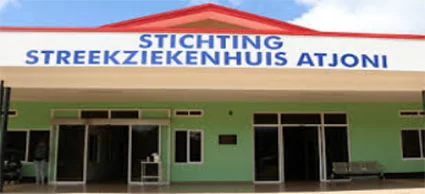
    Streekziekenhuis Atjoni stabiliseert zwaargewonde politiebrigadier

    In a dramatic demonstration of emergency medical capabilities, Streekziekenhuis Atjoni successfully stabilized a critically injured police brigadier in the early morning hours, highlighting its growing importance in Suriname’s regional healthcare network.

    The officer was urgently transported to the hospital’s Emergency Department in Pokigron—approximately 188 kilometers from Paramaribo—following a stabbing incident. Acting under established protocols, the attending physician immediately engaged the Medical Coordinator to address the acute situation. The medical team executed precise interventions to stabilize the victim and treat multiple stab wounds.

    Following stabilization, the patient was transferred via ambulance to the Emergency Department of Academisch Ziekenhuis Paramaribo for specialized continuing care.

    Since inaugurating its Emergency Department on May 22, 2020, Streekziekenhuis Atjoni has significantly expanded its acute care capabilities. The facility reached full operational status in July 2023 and now provides comprehensive services including laboratory diagnostics, pharmaceutical services, emergency general practitioner care, routine medical practice, and inpatient bed facilities. The hospital has further enhanced its specialist capabilities with the recent addition of an internist specializing in oncology and a gynecologist to its medical staff.

    Hospital administration confirms that ongoing development continues toward complete operationalization of the regional medical center, representing a substantial advancement in healthcare accessibility for the region.

  • Saint Lucia weighs future of Cuban medical aid as US pressure mounts

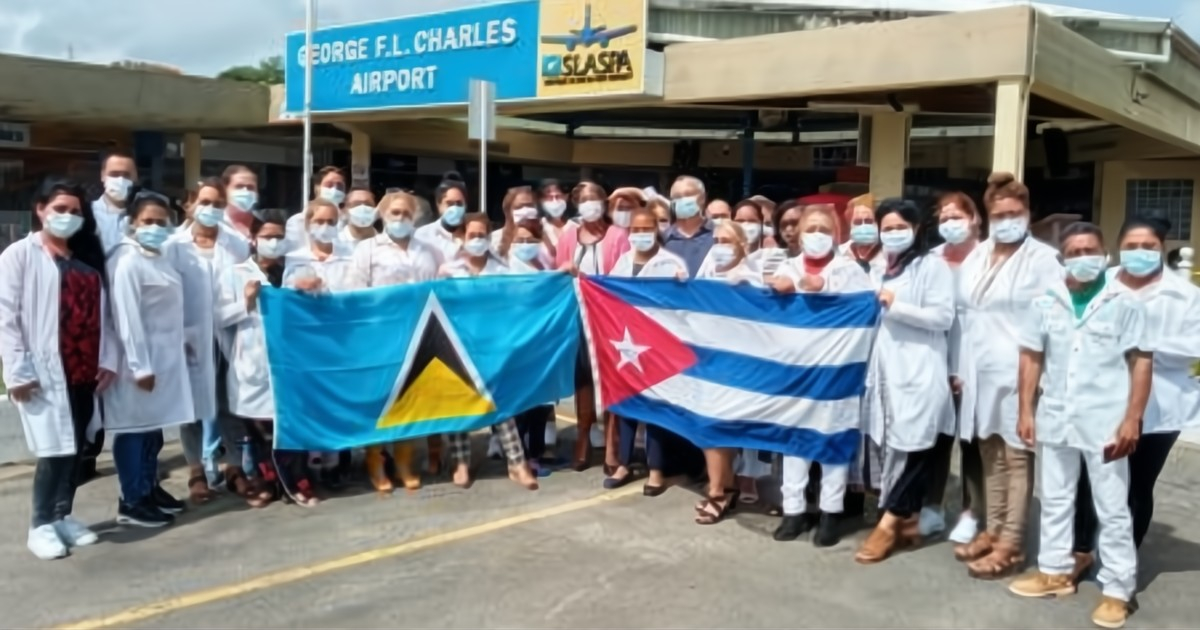
    Saint Lucia weighs future of Cuban medical aid as US pressure mounts

    A delicate healthcare partnership that has sustained Saint Lucia’s medical infrastructure for decades now faces unprecedented pressure amid escalating diplomatic tensions between Washington and Havana. For years, Cuban medical professionals have served as a critical workforce solution, staffing rural clinics and emergency departments that would otherwise remain vacant due to the Caribbean nation’s persistent brain drain of local nursing and specialist talent.

    The longstanding arrangement faces potential disruption as the United States intensifies its opposition to Cuba’s medical brigade programs throughout the Caribbean region. Health Minister Moses Jn Baptiste confirmed the government is developing contingency plans to address possible geopolitical shifts that might jeopardize this vital healthcare collaboration.

    While expressing gratitude for Cuba’s humanitarian assistance, Minister Jn Baptiste highlighted the broader regional challenge of medical personnel migration that has left Caribbean governments struggling to maintain adequate healthcare coverage. The administration is actively pursuing alternative training and recruitment partnerships, including potential agreements with African nations following Barbados’ successful recruitment of Ghanaian nurses.

    Concurrently, the government is boosting domestic training capabilities through enhanced support for nursing programs at Sir Arthur Lewis Community College to encourage more Saint Lucians to enter the healthcare profession.

    The diplomatic friction escalated recently when the US Embassy in the Eastern Caribbean alleged Cuban medical workers face withheld wages, passport confiscation, forced family separation, and intimidation tactics—claims vigorously denied by Saint Lucia and neighboring Caribbean governments.

    External Affairs Minister Alva Baptiste maintained that Cuban doctors in Saint Lucia are legally employed and not subjected to forced labor conditions. Regional leaders from Jamaica to Trinidad have expressed strong opposition to Washington’s position, with some, like former St. Vincent Prime Minister Ralph Gonsalves, declaring they would sacrifice US visas before expelling Cuban medical professionals.

    Prime Minister Philip J. Pierre acknowledged the reality of US diplomatic pressure while emphasizing Saint Lucia’s commitment to navigating these geopolitical challenges without compromising national interests or healthcare accessibility. The government is proactively developing alternative arrangements to insulate the country’s health system from external political shocks, though no definitive decisions have been finalized.

  • Magnitude 4.0 Earthquake Recorded North of the Leeward Islands

    Magnitude 4.0 Earthquake Recorded North of the Leeward Islands

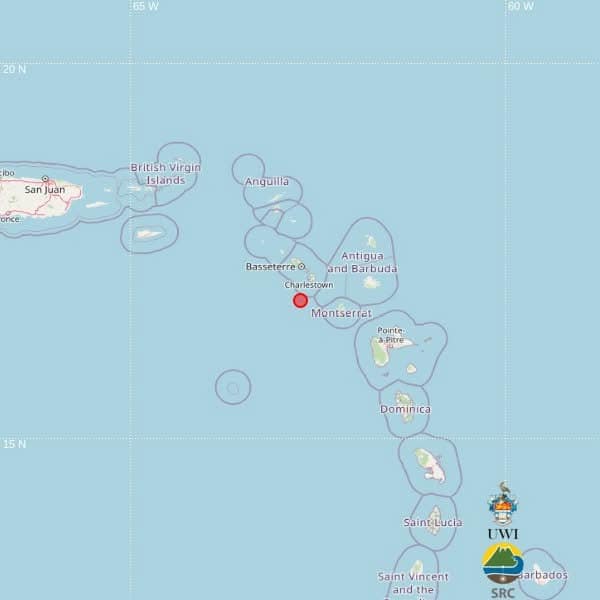
    A moderate seismic event measuring 4.0 on the Richter scale was detected in the Eastern Caribbean region earlier today, as confirmed by the Seismic Research Centre (SRC) at The University of the West Indies. The tremor occurred precisely at 1:24 p.m. local time (17:24 UTC) on Saturday, with preliminary coordinates placing the epicenter at latitude 16.85N and longitude 62.74W.

    The seismic activity originated at a relatively shallow depth of approximately 10 kilometers beneath the Earth’s surface. Geographical positioning data indicates the quake was situated approximately 49 kilometers south of Basseterre, St Kitts and Nevis; 59 kilometers west of Brades, Montserrat; and 103 kilometers west-southwest of St John’s, Antigua and Barbuda.

    Initial assessments from regional authorities indicate no immediate reports of structural damage, injuries, or casualties resulting from the seismic activity. The SRC has emphasized that their preliminary location data was automatically generated through advanced computer algorithms and may undergo refinement following comprehensive analysis by seismic experts.

    This event occurs within the geologically dynamic Lesser Antilles arc, a region known for significant tectonic activity. The area represents a convergent boundary where the Caribbean and North American tectonic plates interact, creating a seismically active zone that regularly produces earthquakes across varying magnitude levels. The region’s complex geological framework continues to be closely monitored by seismic research organizations.

  • Dominica signs $2.1 million contract for smart retrofit of Wesley health centre

    Dominica signs $2.1 million contract for smart retrofit of Wesley health centre

    The Dominican government has solidified its dedication to nationwide healthcare modernization through a substantial $2.1 million investment in smart infrastructure upgrades for the Emelda James Health and Wellness Centre in Wesley. The contract signing ceremony, attended by high-ranking officials, highlighted the administration’s strategic focus on creating weather-resistant medical facilities capable of operating under any circumstances.

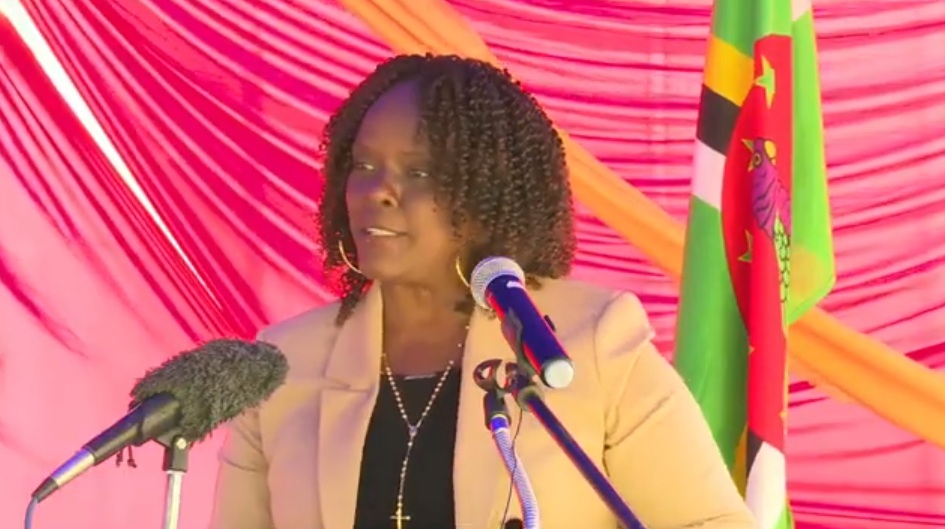
    Minister of Culture, Youth, Sports and Community Development, representing Prime Minister Roosevelt Skerrit, emphasized the profound significance of the project during the formal proceedings. “This ceremony transcends mere contractual formalities—it embodies our reinforced pledge to equitable healthcare access,” she stated. “We guarantee safe, reliable, and contemporary medical services for all communities, irrespective of environmental conditions or unforeseen challenges.”

    Funded through collaborative partnerships with the World Bank, the Pan American Health Organization’s Smart Hospitals Initiative, and the Organisation of Eastern Caribbean States Regional Health Project, the $2,114,095.78 endeavor represents a key component of Dominica’s comprehensive health infrastructure overhaul. Project managers have targeted June of this year for completion.

    Fidel Grant, Parliamentary Representative for Wesley Constituency, characterized the initiative as a transformative investment in community healthcare resilience. “This project extends beyond conventional construction—it constitutes a strategic allocation of resources toward sustainable healthcare excellence for Wesley and the broader North East region,” Grant explained. The retrofitted facility will incorporate advanced backup systems, optimized operational layouts, enhanced accessibility features, and eco-conscious improvements designed to maintain uninterrupted service during extreme weather events.

    Health Minister Cassanni Laville underscored the broader implications of the smart retrofit program, noting its alignment with national health system modernization objectives. “This initiative manifests our determination to equip medical facilities across Dominica with contemporary, resilient infrastructure capable of evolving alongside growing public health demands,” Laville affirmed. Despite existing healthcare infrastructure in the Wesley district, the investment specifically targets elevated care standards and improved environments for both medical professionals and patients.

    The Emelda James Health and Wellness Centre modernization epitomizes Dominica’s dual commitment to healthcare excellence and climate adaptation, positioning the nation as a regional leader in sustainable medical infrastructure development.

  • COMMENTARY: A protest against the smearing of China’s image

    COMMENTARY: A protest against the smearing of China’s image

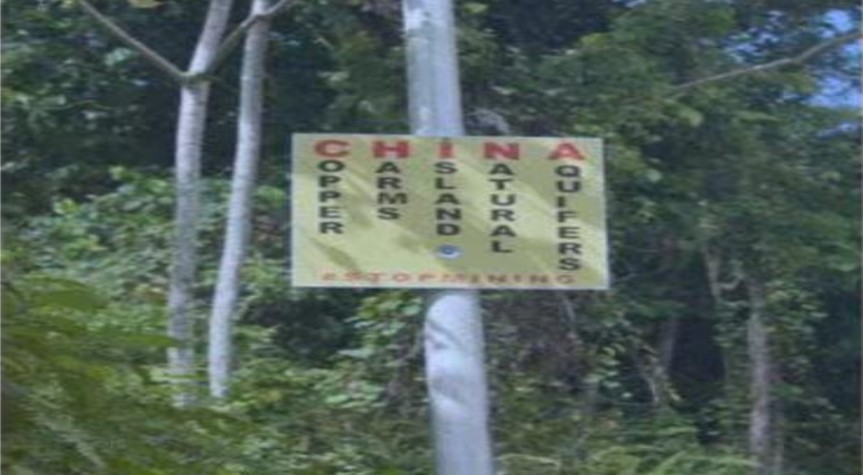
    A long-term Chinese resident in Dominica has publicly condemned what they describe as a deliberate smear campaign against China through manipulated protest signage. The individual, who has legally resided and worked in Dominica for over two decades, expressed profound disappointment upon encountering imagery that strategically arranged words to form the acrostic “CHINA” in a negative context.

    The controversy emerged from local reporting on February 13th, 2026, concerning police removal of anti-mining signs at Deux Branches. The author specifically references visual materials accompanying these reports that allegedly portray China in a distorted manner through wordplay tactics.

    Addressing the core issue, the resident clarifies that Chinese contracting companies are solely engaged in legitimate construction activities for Dominica’s new international airport project. Quarrying operations at Stone Field, which have been suspended since early 2026, exclusively provide aggregate materials for airport construction—not copper mining as alleged by protesters.

    The author characterizes copper mining allegations as fundamentally misleading to the Dominican public, particularly condemning the deliberate visual manipulation that targets China’s national image. They note such actions cause emotional distress to Dominica’s Chinese community while misrepresenting construction realities.

    Supporting evidence includes testimonies from Marigot area residents who reportedly prioritize airport development over temporary environmental concerns. One resident contextualized vegetation impact by recalling post-hurricane recovery: “We experienced severe hurricane in 2017, which destroyed most of the island’s vegetation. Yet after several years, everything has returned to normal.”

    The commentary concludes by advocating for cessation of unfounded accusations against Chinese entities and expressing anticipation for the airport’s completion—a project deemed crucial for national mobility and economic prosperity that will benefit future Dominican generations.

  • Update on Leakage of Contaminants from Cooks Landfill

    Update on Leakage of Contaminants from Cooks Landfill

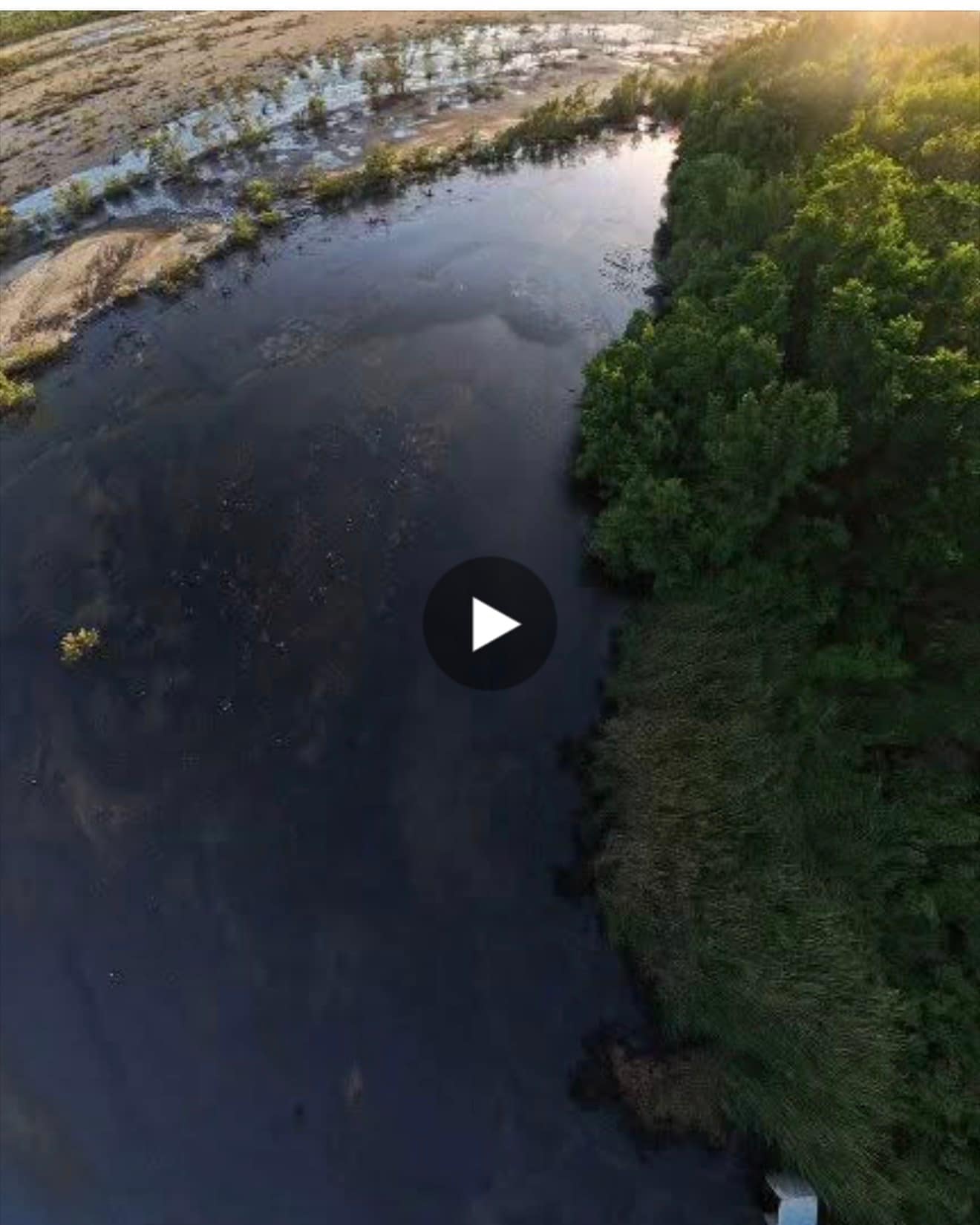
    Authorities in Antigua have successfully contained a hazardous contaminant leakage from Cooks Landfill into marine environments near Hansons Bay. The incident, initially detected on February 12, prompted immediate activation of the National Emergency Operations Centre (NEOC) and implementation of containment protocols outlined in the National Marine Pollution Manual.

    Following the discovery reported to Antigua Port Authority’s Pilot Station, the National Marine Pollution Committee convened an emergency meeting last Friday. The multi-agency response involved strategic deployment of containment booms around Pearns Point to prevent further spread of pollutants. Simultaneously, the Department of Analytical Services conducted comprehensive water quality assessments while imposing temporary restrictions on fishing and recreational activities in the affected coastal zone.

    The coordinated effort involved numerous government entities including the National Office of Disaster Services, Ministries of Health, Tourism, Legal Affairs and Agriculture, Department of Environment, West Indies Oil Company, Department of Marine Services, Defence Force, Coast Guard, Fisheries Division, and the Meteorological Office.

    While the NEOC has now scaled down its emergency operations, environmental monitoring continues pending final water quality test results. Officials have formulated several policy recommendations to prevent future occurrences, emphasizing enhanced resource allocation to Solid Waste management departments for improved waste disposal infrastructure and emergency response capabilities.

  • Piloot zet toestel veilig aan de grond na noodlanding achter Hollandse Kamp

    Piloot zet toestel veilig aan de grond na noodlanding achter Hollandse Kamp

    Authorities in Zanderij responded to what initially appeared to be a catastrophic aviation incident on Wednesday morning, only to discover a remarkable display of pilot expertise that transformed a potential tragedy into a story of survival.

    Police received urgent notifications of a suspected aircraft crash near Hollandse Kamp, prompting immediate deployment of emergency services. Upon arrival, first responders encountered an unexpected scene: rather than a wreckage-strewn crash site, they found an intact aircraft that had executed a successful emergency landing.

    Preliminary investigations indicate the pilot encountered sudden mechanical failure mid-flight, specifically critical engine malfunction. Faced with this airborne emergency, the aviator made the critical decision to attempt an emergency landing rather than risk continued flight. Through skilled maneuvering, the pilot identified a suitable landing area and safely brought the aircraft to ground.

    The incident resulted solely in property damage, with the aircraft making contact with perimeter fencing during the landing sequence. This impact caused structural damage to both the fencing and portions of the aircraft’s exterior, but remarkably resulted in no injuries to passengers or crew.

    Aviation authorities have launched a full investigation into the mechanical failure that prompted the emergency landing. The successful outcome highlights the importance of pilot training and emergency preparedness in aviation safety protocols. The incident serves as a testament to how proper crisis response can prevent potential disasters in civil aviation.

  • 3 killed in strike on suspected narco-trafficking vessel

    3 killed in strike on suspected narco-trafficking vessel

    In a significant military operation targeting transnational criminal networks, the United States Southern Command (SOUTHCOM) has confirmed the execution of a lethal kinetic strike against a vessel allegedly engaged in narcotics trafficking with connections to designated terrorist organizations. The operation, authorized by SOUTHCOM Commander General Francis L. Donovan, was carried out on February 20 by Joint Task Force Southern Spear along established drug-smuggling corridors in the Eastern Pacific Ocean.

    According to official statements released Friday, intelligence assessments indicated the targeted vessel was actively participating in illicit narcotics operations. The military engagement resulted in the deaths of three individuals identified by U.S. authorities as ‘narco-terrorists.’ No American personnel sustained injuries during the operation.

    The command’s disclosure maintained operational security by withholding specific details regarding the vessel’s registry, ownership structure, precise coordinates of the engagement, or whether any contraband was recovered post-strike. The identities of the deceased individuals were not disclosed to the public.

    This strategic action falls within SOUTHCOM’s broader mandate of overseeing military operations and security cooperation across Central America, South America, and the Caribbean region. Officials characterized the operation as part of continuing counter-narcotics initiatives aimed at disrupting the financial networks that potentially fund terrorist activities through drug trafficking.

  • Uber dodges legal questions but open to talks with stakeholders

    Uber dodges legal questions but open to talks with stakeholders

    The global ride-hailing behemoth Uber has declared its intention to remain part of Saint Lucia’s future despite facing mounting regulatory challenges and government opposition. This Caribbean confrontation escalated when Deputy Prime Minister Ernest Hilaire publicly declared Uber’s operations illegal earlier this month, citing significant regulatory violations.

    Despite direct questioning from St Lucia Times regarding its legal status and compliance intentions, Uber provided evasive responses, avoiding specific answers about its regulatory standing. Instead, the company reiterated its willingness to engage in “respectful dialogue with all stakeholders” while maintaining operations despite the government’s cease-and-desist order.

    The core regulatory conflicts identified by Minister Hilaire encompass three critical areas: Uber’s failure to obtain a necessary trade license, non-registration with the Inland Revenue Department for tax purposes, and lack of certification under the Tourism Development Act. Compounding these official challenges, the National Taxi Union has warned its members that association with the Uber platform could jeopardize their union registration status.

    Since its January 27 launch on the island, Uber has promoted its platform as a technological solution benefiting local drivers through enhanced connectivity with tourists, credit card payment options, and schedule flexibility. However, its arrival has ignited complex debates about transportation modernization versus regulatory compliance.

    The controversy reflects deeper systemic issues within Saint Lucia’s transportation infrastructure. Residents report persistent challenges with limited routes, inconsistent service, and coverage gaps that complicate daily commutes for workers and students alike.

    One Beausejour resident, familiar with international ride-hailing services, expressed cautious optimism tempered by practical concerns: “The idea of a dependable service is appealing but I’ve faced disappointing experiences with local platforms—unavailable drivers or unexpected fees eventually made me stop trying.”

    This standoff transcends corporate-regulatory tensions, revealing fundamental questions about how Saint Lucia might develop more reliable, affordable, and accessible transportation systems. As the government and union maintain firm opposition, many citizens are weighing the potential benefits of technological innovation against the necessity of regulatory oversight and fair competition.