作者: admin

  • Argo smashes Antigua 360 record in 35-knot blitz

    Argo smashes Antigua 360 record in 35-knot blitz

    In a spectacular display of nautical prowess, Jason Carroll’s MOD70 trimaran Argo has annihilated the course record for the Royal Ocean Racing Club’s Antigua 360 Race. Completing the demanding 48-nautical-mile circuit in a breathtaking 2 hours, 29 minutes, and 20 seconds, the team achieved a staggering 25% improvement over the previous benchmark.

    The record-shattering run saw Argo slash a full 45 minutes from its own 2023 time of 3 hours, 14 minutes, and 23 seconds. The vessel transformed Antigua’s turquoise waters into a high-speed blur during what skipper Carroll characterized as an ideal day for sailing and a magnificent circumnavigation of the island.

    Facing challenging initial conditions with approximately 20 knots of wind and rougher seas on the eastern coastline, Carroll’s crew implemented a strategically conservative approach. They opted to sail with one reef—a technique that reduces the sail area to de-power the boat and maintain control—demonstrating that calculated precision can trump raw power in elite sailing.

    Reflecting on their strategy, Carroll noted, ‘We chose to go with one reef, which felt like the right call. I believe we sailed it relatively conservatively without leaving much potential unclaimed.’ The nearly flawless performance was marred only by a single problematic tack that left the vessel temporarily stalled, costing the team approximately one minute of time.

    Sam Goodchild, a crew member who will also compete aboard Argo in the forthcoming RORC Caribbean 600, emphasized the exceptional and visually stunning nature of the Antigua course, underscoring why this event remains a highlight on the offshore racing calendar.
  • Lula: Brazilië wil geen ‘nieuwe Koude Oorlog’

    Lula: Brazilië wil geen ‘nieuwe Koude Oorlog’

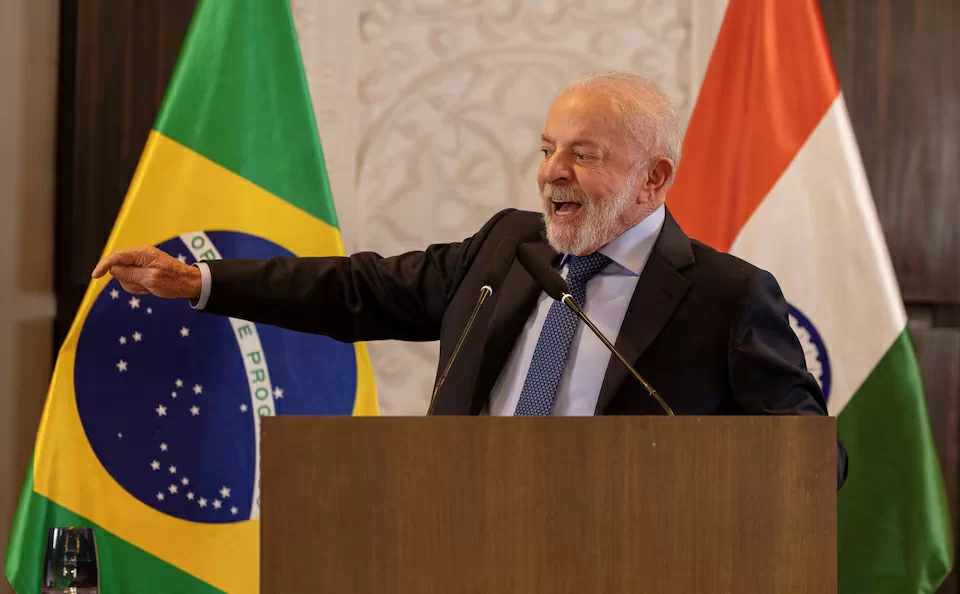
    Brazilian President Luiz Inacio Lula da Silva has articulated a firm stance against global polarization ahead of his scheduled meeting with U.S. President Donald Trump in early March. Speaking at a New Delhi press conference concluding his three-day India visit, Lula emphasized Brazil’s commitment to equitable international relations.

    “My message to President Trump is clear: Brazil rejects any movement toward a new Cold War,” Lula stated. “We maintain no intention to interfere in other nations’ affairs, but we insist that all countries must be treated equally in global diplomacy.”

    The upcoming Washington summit agenda will reportedly focus on four key areas: bilateral trade relations, immigration policies, investment opportunities, and inter-university cooperation initiatives. This meeting occurs against a backdrop of significant policy divergences between the two leaders on multiple fronts.

    Substantial disagreements exist regarding Republican-imposed tariffs, Israel’s military operations in Gaza, the U.S. detention of Venezuelan President Maduro, and the functioning of Trump’s Peace Council. Notably, Lula declined to comment on Friday’s Supreme Court decision that invalidated numerous Trump-era tariffs on imported goods, which the former president immediately vowed to replace with 15% levies using alternative legislative mechanisms.

    Despite these substantial policy differences, the Brazilian leader expressed cautious optimism about bilateral relations: “I believe U.S.-Brazil relations will emerge stronger from our discussions,” Lula concluded, suggesting diplomatic dialogue might bridge existing divides.

  • Urgent Appeal for Blood Donations for Nicole Williams

    Urgent Appeal for Blood Donations for Nicole Williams

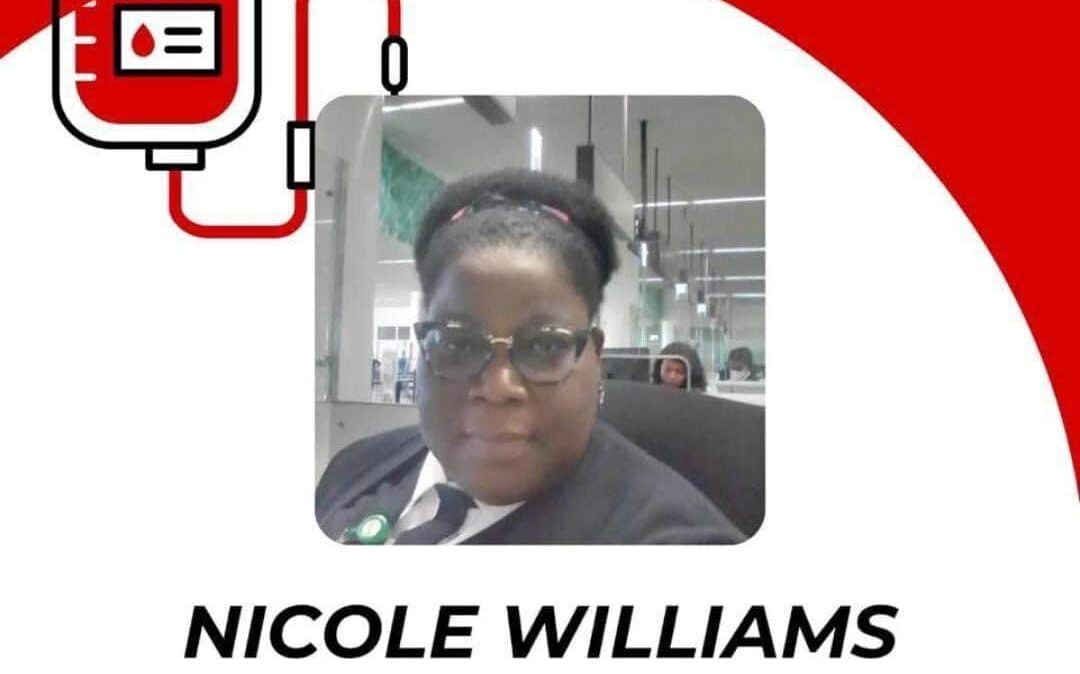
    The Sir Lester Bird Medical Center has issued an urgent public appeal for blood donations to support patient Nicole Williams, who requires immediate medical assistance. Hospital authorities have announced they are accepting donations of all blood types to address this critical need.

    Medical officials emphasize that community participation is vital for successful treatment outcomes. Potential donors are requested to visit the healthcare facility at their earliest convenience. Upon arrival, individuals should specifically indicate that their blood donation is intended for Nicole Williams to ensure proper allocation.

    This emergency call highlights the ongoing importance of maintaining robust blood bank reserves for medical emergencies. The hospital’s appeal underscores how individual contributions can directly impact patient survival rates during critical health situations. Healthcare professionals note that such community responses often make the difference between successful and unsuccessful medical interventions when time-sensitive treatments are required.

    The medical center maintains proper facilities for blood collection and follows all international standards for donor safety and blood processing. This case demonstrates how public healthcare systems rely on civic engagement to supplement their medical resources during patient-specific emergencies.

  • Building Materials Delivered for HAPI Home Refurbishment in St Philip’s South

    Building Materials Delivered for HAPI Home Refurbishment in St Philip’s South

    The Government of Antigua and Barbuda has initiated the first home renovation under its Home Assistance Programme for the Indigent (HAPI) in St Philip’s South constituency, marking a significant milestone in national housing assistance efforts. Construction materials have been delivered to the property located in St Philip’s Village, with preparatory work commencing immediately under the administration of the Ministry of Social and Urban Transformation.

    Kiz Johnson, the Antigua and Barbuda Labour Party (ABLP) caretaker for St Philip’s South, confirmed the delivery of building supplies as the project moves into its implementation phase. The initiative represents a collaborative effort between government agencies and local communities to address housing insecurity among vulnerable populations.

    Rawdon Turner, alongside community representatives, visited the construction site to meet with homeowner Sean Limerick (locally known as ‘Tony’) prior to the beginning of renovation work. The event demonstrated strong community engagement, with village residents—including young volunteers—actively participating in unloading the delivered materials.

    The refurbishment project will employ local builders from within the constituency, ensuring economic benefits remain within the community. Officials have established an optimistic timeline for construction completion, anticipating that the renovated property will substantially enhance the homeowner’s living conditions and provide lasting stability.

    HAPI represents a cornerstone of the government’s social welfare strategy, systematically addressing substandard housing conditions through targeted repairs and rehabilitation projects across the twin-island nation. The program specifically targets citizens experiencing economic hardship, offering tangible support through physical infrastructure improvements.

  • Humphrey ready for challenges in Ministry of Transport and Works

    Humphrey ready for challenges in Ministry of Transport and Works

    Barbados’ newly appointed Minister of Transport and Works, Kirk Humphrey, commenced his official duties last week with a comprehensive introductory session at the ministry’s Goddard Building headquarters in Haggatt Hall, St Michael. The meeting served as an operational briefing on current work programs and pressing concerns within the transport sector.

    Drawing upon his seven and a half years of cabinet experience where transport issues were frequently addressed, Minister Humphrey expressed readiness to confront the ministry’s challenges directly. “Having reviewed budgetary estimates and departmental briefs extensively since my appointment,” Humphrey stated, “I’ve developed preliminary perspectives on necessary actions. While this marks my inaugural day preventing grandiose promises, I assure the public of our dedicated energy toward resolving systemic issues.”

    The minister specifically referenced road conditions, traffic management, pothole remediation, and drainage improvements as priority areas. His approach emphasizes public consultation, noting that citizens will have substantive opportunities to contribute solutions. Humphrey articulated an integrated philosophy toward transportation infrastructure: “Roads, transport, and drainage constitute interconnected systems requiring holistic evaluation. We must examine physical infrastructure, management systems, and personnel collectively rather than as isolated components.”

    Accompanied by Minister of State Dr. Romel Springer, who brings four and a half years of institutional knowledge from previous administration service, Humphrey’s team identified ongoing initiatives requiring continuity. These include the Scotland District Rehabilitation Programme, Cart Road programme, and Focused Road Programme.

    Dr. Springer emphasized climate resilience as a critical consideration, noting: “Current road infrastructure must accommodate both changing climate patterns and increased vehicular loading from heavier trucks and buses. We’re reviewing building code standards to enhance durability and ensure our roads meet contemporary demands effectively.”

  • Minister Straughn ready to build on Barbados’ economic gains

    Minister Straughn ready to build on Barbados’ economic gains

    Barbados’ Finance Minister Ryan Straughn has identified public financial education as a cornerstone of his strategy to stabilize the nation’s economy. In a recent interview with the Barbados Government Information Service, Minister Straughn outlined his vision to democratize investment opportunities traditionally dominated by large financial institutions.

    With seven and a half years of experience working alongside Prime Minister Mia Mottley, Straughn emphasized his readiness to assume full responsibility for the ministry. “This appointment represents a natural progression of our previous successes,” he stated, noting he has already directed ministry staff to advance several initiatives to modernize the Finance Ministry for 21st-century challenges.

    The minister plans increased communication regarding government policies and legitimate investment avenues, specifically aiming to steer citizens away from risky ‘get rich quick’ schemes. “Currently, only commercial banks and major insurance companies access these opportunities,” Straughn observed. “My mission is to ensure every Bajan, regardless of wealth, can benefit equally from shaping public policy and achieving solid returns on savings.”

    Central to this financial inclusion strategy is the recently launched BIMPay Platform, designed to enable small-scale investments that accumulate over time. Additionally, Straughn announced re-education programs for public servants to improve understanding of government financing mechanisms, thereby building trust in financial instruments like BOSS Bonds and other government securities.

    Reflecting on Barbados’ recent challenges—including COVID-19, volcanic ashfall, and economic difficulties he described as among the nation’s most severe outside world wars—Straughn expressed confidence. “Having emerged from these crises, we’re now positioned to shift Barbados into higher gears of economic acceleration and sustainable growth.”

  • The port that carried Saint Lucia from colony to country

    The port that carried Saint Lucia from colony to country

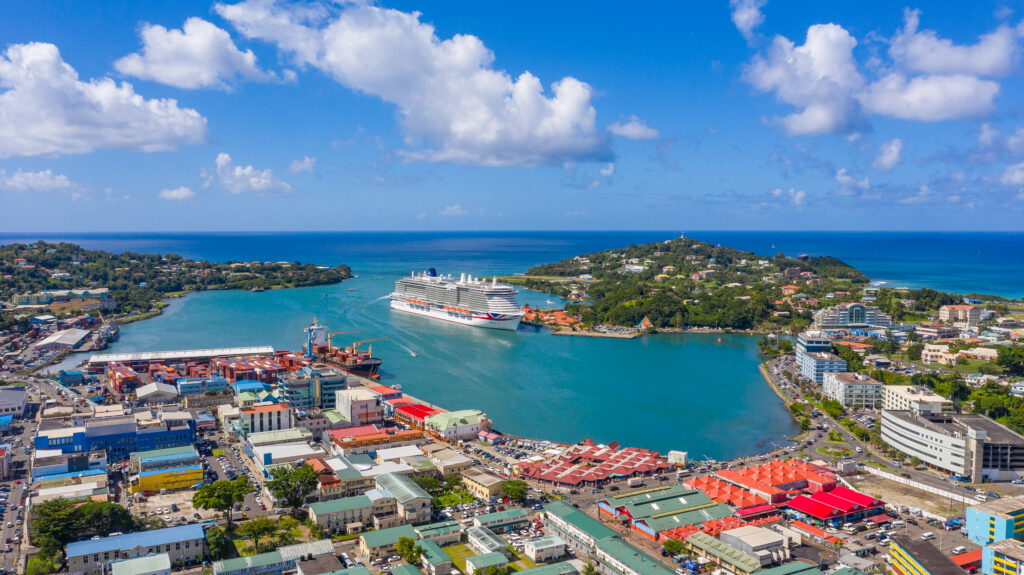
    The historic Port Castries stands as a living testament to Saint Lucia’s complex colonial past and evolving economic identity. Nestled within a former volcanic crater, this strategic harbor has served as a crucial Atlantic gateway for centuries, originally named “Le Carenage” (safe anchorage) by French colonizers during World War II.

    Throughout its layered history, the port has undergone remarkable transformations. During the 19th century, it emerged as the British Empire’s principal coaling station in the Eastern Caribbean, capable of accommodating the largest warships of the colonial era. The western wharf constructed in 1835 facilitated this vital trade, with the first steamship RMS Solway arriving in 1841.

    The port’s strategic importance came at a cost during wartime. In a daring 1942 attack, a German U-boat torpedoed the British cargo ship SS Umtata while docked alongside RMS Lady Nelson, resulting in the tragic loss of 41 lives whose remains rest at Choc cemetery.

    Economic transitions reshaped the port’s function throughout the 20th century. As coal exports waned in the 1930s, sugarcane cultivation took precedence, later giving way to banana exports in the 1950s. The port buzzed with activity during “banana days” when Geest Industries exported thousands of boxes of “green gold” to European markets from Berth 6.

    Following independence in 1979, Saint Lucia strategically pivoted toward tourism. Cunard—once part of the port’s coaling history—became the first cruise line to establish regular calls at Port Castries. Today, the port welcomes hundreds of thousands of cruise passengers annually, with January 2024 alone seeing 150,323 visitors.

    The Saint Lucia Air and Seaports Authority (SLASPA), managing the port since 1983, has garnered international recognition including the Caribbean Shipping Association’s Nathan Dundas Cruise Port of the Year Award.

    A new chapter unfolds as the government partners with Global Port Holdings to redevelop the waterfront. Saint Lucia Cruise Port confirms plans to integrate the harbor’s rich heritage into the transformation project, acknowledging that authentic historical narratives will enhance visitor experiences through immersive educational environments.

    As Saint Lucia celebrates its 47th independence anniversary, Port Castries continues to embody the nation’s resilience—a symbol of cultural evolution, community identity, and enduring strategic importance in the Caribbean basin.

  • Parmessar: Ontbrekende documenten blokkeren start begrotingsdebat

    Parmessar: Ontbrekende documenten blokkeren start begrotingsdebat

    Suriname’s parliamentary proceedings for the 2026 national budget have encountered significant delays due to incomplete documentation requirements. Rabin Parmessar, opposition leader of the NDP party and chairman of the parliamentary rapporteurs committee, revealed that essential financial documents either remain missing or require substantial revisions before budget deliberations can commence.

    According to Parmessar, the Comptability Law 2024 mandates the submission of several critical documents that have not been presented to the National Assembly in their updated forms. The original 2026 budget was initially submitted on October 1st and underwent thorough examination by the rapporteurs committee. However, recent debt restructuring arrangements have necessitated comprehensive revisions across all budgetary documentation.

    “The rapporteurs committee has meticulously analyzed the originally submitted budget,” Parmessar stated. “But now we await updated figures that must be incorporated throughout all financial documents. These revisions must undergo renewed committee scrutiny before formal budget treatment can begin.”

    The legal framework requires submission of multiple key documents including an updated budget strategy, revised annual financial plan, adjusted five-year financial plan, and modified national debt management strategy. The absence of these properly formatted documents has created both procedural and substantive challenges for parliamentary operations.

    Opposition voices, including VHP party leader Asis Gajadien, have previously criticized the government’s compliance with fiscal regulations, emphasizing that “the Comptability Law 2024 must function substantively rather than merely existing as a formal requirement.” This development highlights ongoing concerns regarding medium-term budgetary discipline and adherence to legislative financial governance standards.

    The situation presents a dual challenge: Parliament awaits technically updated documents while simultaneously addressing fundamental questions about whether the proposed budget meets statutory requirements for medium-term fiscal responsibility and transparency.

  • India’s AI summit overschaduwd door chaos en controverse

    India’s AI summit overschaduwd door chaos en controverse

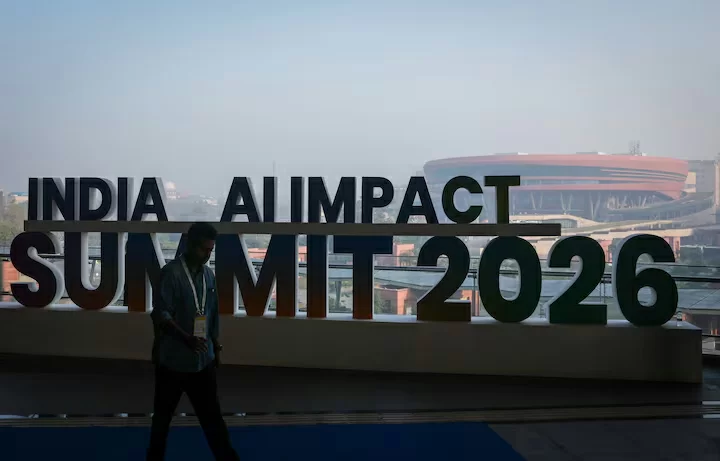
    At the culminating session of the AI Impact Summit 2026 in New Delhi, Indian Prime Minister Narendra Modi articulated a compelling vision for human-centered artificial intelligence development. The four-day gathering, hosted at Bharat Mandapam convention center, brought together over 250,000 participants from more than 100 nations, establishing itself as the largest edition since the summit’s inception in 2023.

    Modi positioned India as a pivotal force in shaping global AI evolution, citing the nation’s demographic advantage with one of the world’s largest youth populations and its rapidly expanding technology ecosystem. The Prime Minister introduced the MANAV framework (meaning ‘human’ in Sanskrit), a comprehensive set of principles emphasizing ethics, transparency, national sovereignty, accessibility, and legal compliance in AI governance. ‘We are entering an era where humans and intelligent systems will co-create, collaborate, and co-evolve together,’ Modi declared during his keynote address.

    The summit showcased practical AI implementations within India, including the ‘Sarlaben’ digital assistant for dairy farmers and the multilingual Bharat VISTAAR platform that provides agricultural communities with real-time information. Modi called for international cooperation in developing authenticity labeling systems for digital content to combat deepfake manipulation and misinformation. He particularly emphasized child protection mechanisms within AI systems and advocated for open platforms to enable global youth participation in creating safer, more human-centric technology.

    Despite these ambitious declarations, the event faced significant organizational shortcomings that threatened to undermine its impact. Attendees reported extensive queues, overcrowded venues, and inadequate signage throughout the conference facility. Several speakers received confirmation of their session times at the last minute, resulting in scheduling confusion and delays.

    The absence of Microsoft founder Bill Gates, who withdrew participation due to ongoing controversies surrounding his associations with Jeffrey Epstein, attracted considerable attention. Further controversy emerged when an Indian university presented Chinese robotic technology as domestic innovation, raising questions about transparency and authenticity at an event intended to showcase India’s technological leadership.

    The summit concluded Friday with extensive discussions on regulatory frameworks, ethical considerations, and AI’s role in economic and social development, solidifying India’s position as an emerging global power in the rapidly evolving AI landscape.

  • The “fridge” struck again: Valle Nuevo woke up almost below zero and covered in white.

    The “fridge” struck again: Valle Nuevo woke up almost below zero and covered in white.

    Valle Nuevo National Park, renowned as the Dominican Republic’s natural “icebox,” experienced a dramatic return of Arctic conditions early Saturday morning. The protected area witnessed temperatures plunging to near-freezing levels, compelling campers to abandon their tents in search of warmth around crackling campfires.

    According to park administrator Julio César de los Santos, the Automatic Meteorological Station operated by the Dominican Institute of Meteorology (Indomet) recorded a startling 0.2°C at 5:58 AM at its Rancho en Medio location. This temperature reading proved sufficient to generate widespread frost formation across the park’s vegetation as dew particles crystallized into delicate ice formations.

    Meteorological data revealed that even by 7:10 AM, temperatures remained at a frigid 1.6°C with a wind chill factor making it feel like 0.5°C. The mercury gradually climbed to 3.1°C by 7:59 AM, though the persistent wind chill maintained a biting sensation of 1.9°C throughout the morning hours.

    Photographic evidence captured the extraordinary transformation of the typically tropical landscape. Vegetation appeared dusted with hoarfrost—a thin, crystalline layer of ice—while metal containers and exposed surfaces developed freezer-like coatings. The mountainous terrain temporarily adopted the appearance of a winter wonderland, creating surreal visual contrasts against the Caribbean backdrop.

    This meteorological phenomenon represents a recurring weather pattern for Valle Nuevo, which maintains its reputation as one of the coldest regions in the Caribbean nation. The park’s high elevation and unique microclimate regularly produce temperature inversions that create these uncharacteristically cold conditions for the tropical region, offering both challenges for visitors and opportunities for unique ecological observations.