
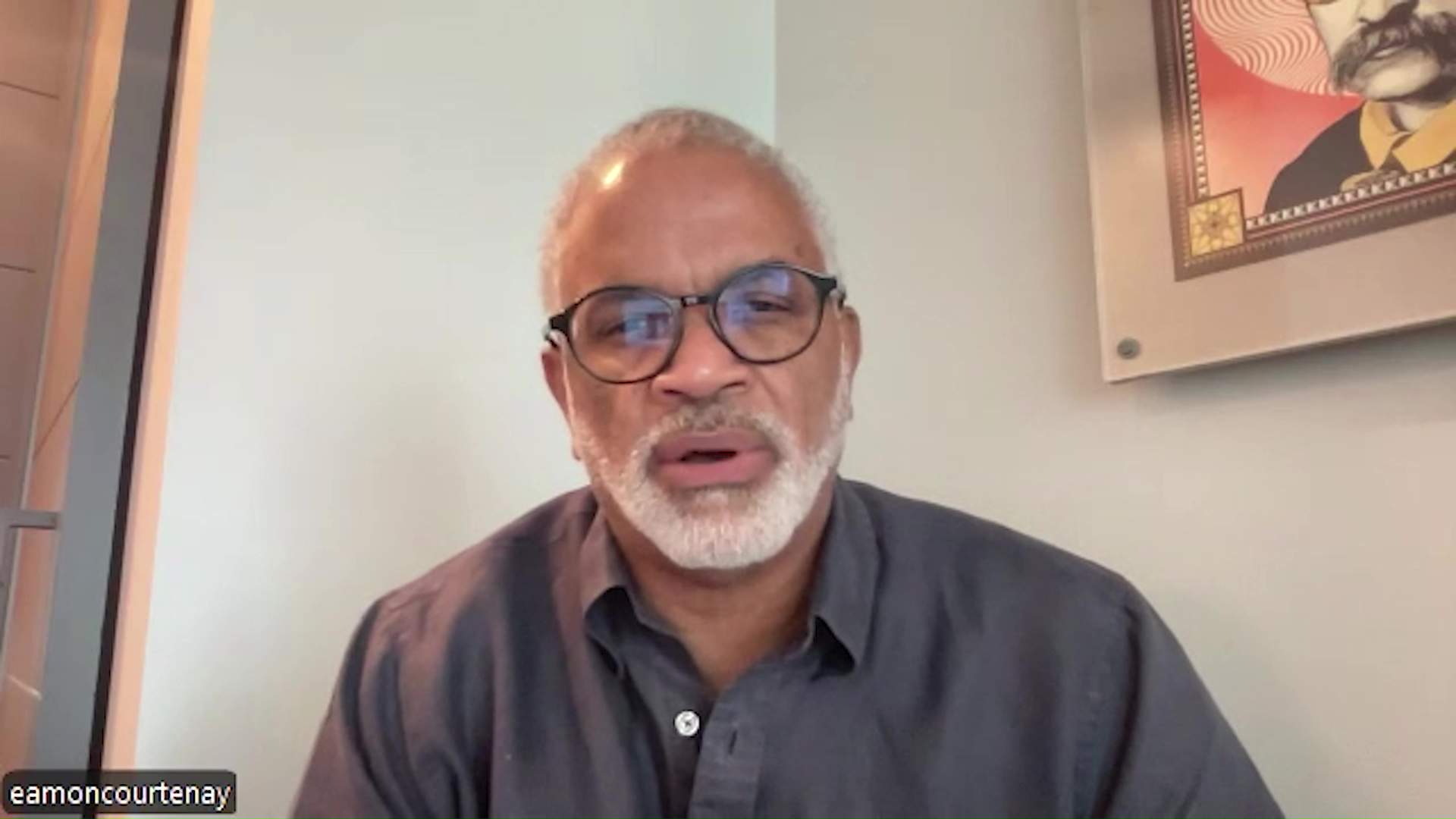
In a landmark ruling, the Caribbean Court of Justice (CCJ) has upheld Belize’s legislation centralizing the importation of liquid petroleum gas (LPG) under the National Gas Company. The decision marks the culmination of a protracted legal battle between the Belizean government and four private gas companies—Gas Tomza, Western Gas, Southern Choice Butane (Zeta Gas), and Belize Western Energy—who challenged the policy as a violation of their constitutional rights to work and property. The government, represented by the Controller of Supplies, the Minister of Economic Development, and the Attorney General, argued that the reforms were essential to address systemic issues in the LPG sector, including supply insecurity, transfer pricing, poor product quality, and smuggling. Senior Counsel Eamon Courtenay emphasized that the legislation aimed to dismantle monopolistic practices and establish a fairer, more stable system. The private companies had previously won a $60 million claim at the High Court, but the Court of Appeal overturned the decision, prompting the government to escalate the case to the CCJ. The CCJ ultimately ruled that the Court of Appeal erred, affirming that no constitutional rights were breached and dismissing the companies’ claims. This decision reinforces the government’s authority to regulate critical sectors in the public interest.
作者: admin
-
CCJ Upholds Government’s LPG Market Reforms
In a landmark decision on November 20, 2025, the Caribbean Court of Justice (CCJ) upheld the Belizean government’s restructuring of the Liquefied Petroleum Gas (LPG) market, marking the culmination of a years-long legal battle. The ruling validates the transition from a system of multiple importers to a streamlined model featuring a single main importer and local distributors. This reorganization, deemed constitutionally sound by the court, effectively shields the government from a $60 million claim previously pursued by private gas companies. Senior Counsel Eamon Courtenay emphasized the significance of the judgment, stating that the legislation is now confirmed as constitutionally compliant. He further clarified that the court’s decision underscores the continued existence of goodwill among gas companies, despite their claims of financial losses. The ruling not only resolves a major legal dispute but also sets a precedent for the future organization of Belize’s LPG market, ensuring stability and clarity for industry stakeholders.
-
Historic Pay Raise at Heart of $210M Spending Plan
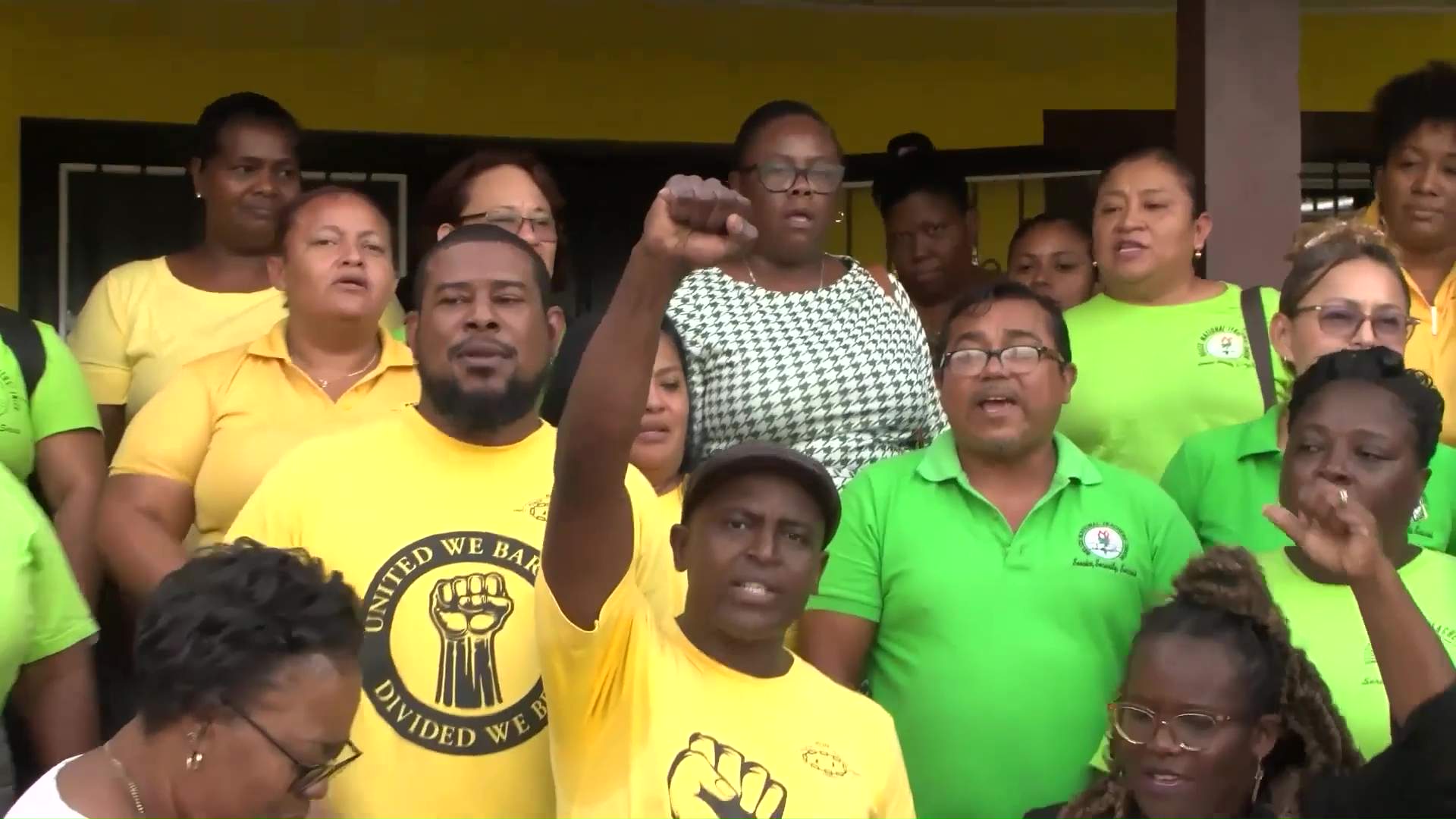
The Briceño administration has unveiled a groundbreaking $210 million spending plan, urging Parliament to approve two significant bills aimed at addressing both immediate and long-term financial needs across various ministries. At the heart of this proposal is a historic salary and pension increase for public officers, teachers, and security personnel, marking the largest pay raise ever granted by any government in Belize. Prime Minister John Briceño emphasized the importance of this initiative, stating that it reflects the administration’s commitment to recognizing the hard work and dedication of these essential workers. The wage hike, negotiated earlier this year with the Joint Unions, includes an initial 4.5% increase effective from October 1, 2025, to March 31, 2026, costing nearly $15 million. Once fully implemented, the total increase of 8.5% will amount to an annual expenditure of $60 million. This move is expected to significantly boost morale and productivity among public sector employees, including the police department, the Belize Defence Force (BDF), and the Belize Coast Guard. The spending plan also allocates funds for other critical areas, ensuring comprehensive support for the nation’s development.
-
Why Does a ‘Strong’ Economy Need More Cash?
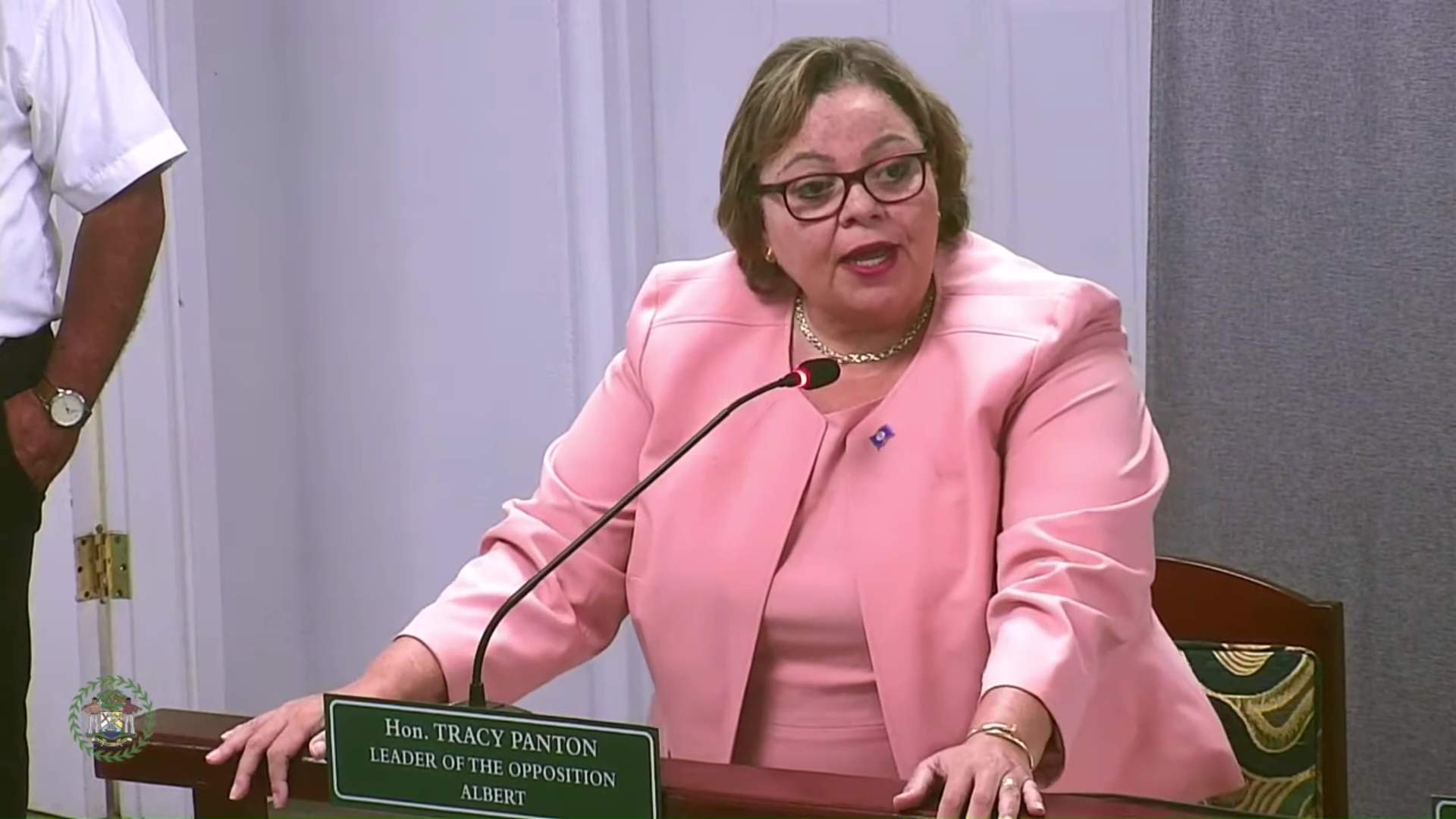
In a heated parliamentary session on November 20, 2025, Belize’s Opposition Leader Tracy Taegar-Panton strongly criticized the government’s request for additional funding through two supplementary appropriation bills, totaling $210 million. Panton argued that the repeated need for budget adjustments contradicts the administration’s claims of a robust economy. She highlighted discrepancies in the reported economic growth figures, noting that while the Prime Minister cited an 8.2% growth rate, the actual figure was only 3.5%. Panton accused the government of severe underbudgeting, questioning why a supposedly strong economy requires constant financial injections. She declared that the Opposition would not support the bills in their current form, emphasizing the need for greater fiscal transparency and accountability.
-

UN delegation visits Haina Migration Center to review procedures
A high-level delegation from the United Nations’ permanent office in the Dominican Republic recently conducted an inspection of the Haina Migration Processing Center (CPM). The visit was led by UN Resident Coordinator Julia Sánchez, who was welcomed by Vice Admiral Luis Rafael Lee Ballester, Director of the General Directorate of Migration (DGM). During the tour, Lee Ballester provided a comprehensive overview of the procedures applied to undocumented foreigners at the facility, including biometric identification, legal processes, and medical care. He also addressed questions from the delegation regarding the center’s operations and ongoing infrastructure improvements. Sánchez expressed her appreciation for the detailed explanations and reaffirmed the UN’s commitment to supporting the Dominican government in managing migration challenges. She highlighted the complexities arising from the crisis and institutional weaknesses in Haiti, which significantly impact migration control efforts in the Dominican Republic. The delegation also reviewed verification procedures for detainees, such as identity checks, detection of forged documents, and monitoring of recidivism. They acknowledged the collaborative efforts between the DGM and UN agencies like UNICEF, IOM, and UNHCR, which work to protect migrants’ rights and well-being. Lee Ballester emphasized the strong coordination between the DGM and these agencies, particularly UNICEF’s permanent presence at the Haina center, especially in cases involving children. The delegation concluded their visit by touring the facilities and receiving updates on investments and upgrades aimed at enhancing the center’s operations.
-
Espat Defends $69M George Price Highway Upgrade
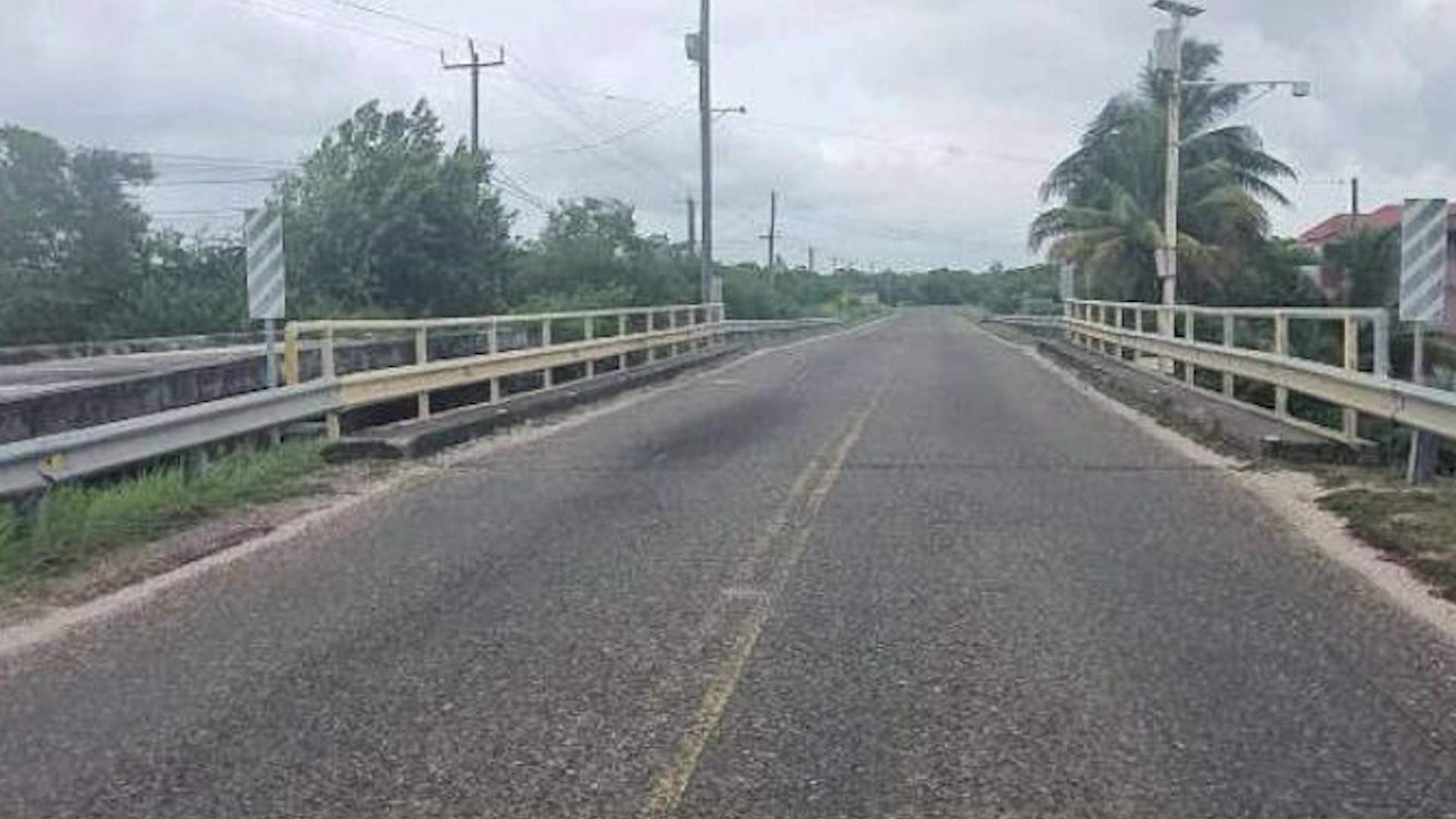
The Belizean government’s proposed $69 million loan for the George Price Highway upgrade has sparked intense debate, with the Opposition strongly criticizing the move as an unnecessary financial burden. The loan, aimed at funding roadworks between Belize City and Hattieville, has been labeled by critics as a reckless decision that will saddle the country with two decades of repayments, diverting resources from pressing social and economic issues. Minister of Infrastructure Development Julius Espat, however, has vehemently defended the project, emphasizing its urgency and priority for the Briceno administration. Espat dismissed claims of inadequate feasibility studies, asserting that international financial institutions (IFIs) would not approve loans without thorough documentation. He invited critics, including Corozal North Area Representative Hugo Patt, to review the studies firsthand. Patt, meanwhile, questioned the project’s cost-effectiveness and standards, citing structural failures in recent infrastructure projects. Opposition Leader Tracy Panton also condemned the loan agreement, accusing the government of prioritizing debt over the nation’s welfare. The debate highlights the ongoing tension between infrastructure development and fiscal responsibility in Belize.
-

Phillip Wright Becomes First Belizean Archbishop of the West Indies
Belize has achieved a historic milestone with the appointment of Phillip S. Wright as the first Belizean Archbishop of the Anglican Church’s Province of the West Indies. Archbishop Wright, a native of Belize City, was celebrated during a homecoming event on Friday, marking a moment of national pride and recognition of his decades-long dedication to ministry. Born and raised in the southside of Belize City, Wright felt a calling to priesthood as early as nine years old, a path that led him to seminary and eventually to the highest ecclesiastical position in the region. At 58, Archbishop Wright reflects on his journey, from serving as an acolyte in his youth to becoming a bishop at 38 and now an archbishop. His role involves overseeing the province’s dioceses, chairing meetings of bishops, and representing the Anglican Church on international platforms. Reverend Elswith Clare, Methodist Bishop, praised Wright’s election as a testament to his spiritual guidance, pastoral wisdom, and commitment to the gospel. Archbishop Wright emphasized the privilege of accompanying people through life’s significant moments and helping them find purpose. Addressing the timeless question of evil in a world governed by a benevolent God, Wright acknowledged the complexity of the issue but expressed hope in a brighter future under divine control. The archbishop has received widespread congratulations from across Belize and the region, cementing his legacy as a beacon of faith and service.
-

Seven Months Later: New Airport Security Contracts Signed
Seven months after the shocking midair hijacking of a Tropic Air flight by U.S. national Akinyela Sawa Taylor, the Belize Airport Authority has taken decisive action to overhaul airport security. The authority is set to sign new security contracts for municipal airports nationwide, following the termination of nearly $30 million in previous agreements with two private firms. The move comes in response to widespread public backlash and aims to restore confidence in airport safety and tighten oversight. Civil Aviation CEO Narda Garcia emphasized that the new contracts were awarded after a rigorous tendering process, ensuring that the selected company meets all specified requirements. Garcia noted that one company will handle body searches and human security, while another will manage surveillance systems. The announcement of the new contracts is expected soon, marking a significant step toward enhancing airport security in Belize.
-

Boledo Millions to Fund National Health Insurance
The Briceño administration has unveiled an ambitious plan to leverage Boledo lottery profits to bolster Belize’s healthcare system. Prime Minister John Briceño announced that earnings from Boledo sales are projected to exceed $20 million this year, with the funds earmarked for the rollout of National Health Insurance (NHI) nationwide. This initiative aims to provide comprehensive health coverage to citizens, addressing long-standing gaps in the healthcare infrastructure. Narda Garcia, CEO of the Ministry of Investment, emphasized the need for NHI to operate as an autonomous body, enabling direct funding from the Belize Government Lotteries Limited (BGLL). Currently, Boledo profits are channeled through the government before reaching NHI, which operates under the Social Security Board. Garcia anticipates that legislative changes in December or January will formalize NHI’s autonomy, streamlining the financial process. The Prime Minister highlighted the success of the Boledo initiative, noting that the first year of operations (April 2024 to March 2025) generated $16.7 million, surpassing expectations. This innovative funding strategy underscores the government’s commitment to improving healthcare accessibility and quality for all Belizeans.
-

FLASH : 13.4% increase in gender-based violence in 1 month
Haiti is grappling with a distressing escalation in gender-based violence, as reported by the Office for the Coordination of Humanitarian Affairs (OCHA). Between January and September 2025, the country witnessed a staggering 13.5% increase in such cases, with over 7,400 incidents documented. Sexual violence, constituting slightly more than half of these cases, included nearly two-thirds involving gang rape. Alarmingly, two-thirds of the victims were internally displaced persons, highlighting the vulnerability of displaced populations. Despite these harrowing statistics, humanitarian efforts remain severely constrained. Only 7% of the targeted 833,000 individuals requiring specialized assistance were reached, primarily due to funding shortages and persistent insecurity. The response program faces a 70% funding gap, amounting to $13.5 million out of the required $19 million. This shortfall jeopardizes critical services for nearly 780,000 women and girls, including clinical care, mental health support, legal aid, and the provision of dignity kits. Access challenges further exacerbate the crisis, particularly for women in remote areas and those with disabilities. Nevertheless, humanitarian organizations are intensifying their efforts, offering psychosocial support, medical care, and legal assistance, while conducting over 32,000 awareness sessions and training 560 frontline workers. OCHA remains committed to collaborating with partners and national authorities to ensure victims can access essential services safely.