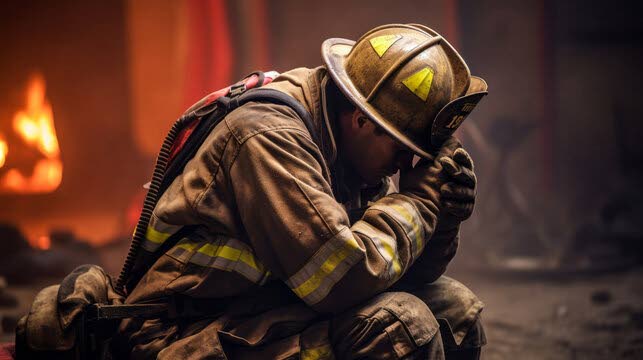
In the aftermath of Hurricane Melissa, a Category 5 storm that wreaked havoc across western Jamaica, approximately 15 firefighters found themselves without homes, turning their fire stations into temporary shelters. Jamaica Fire Brigade Commissioner Stewart Beckford revealed that 193 firefighters were impacted by the disaster, with 25 experiencing total destruction of their homes and 168 facing significant damage. Many of these first responders were still recovering from the devastation of Hurricane Beryl when Melissa struck, compounding their struggles.
作者: admin
-
From Yemen’s conflict zone to ‘harrowing’ Jamaica
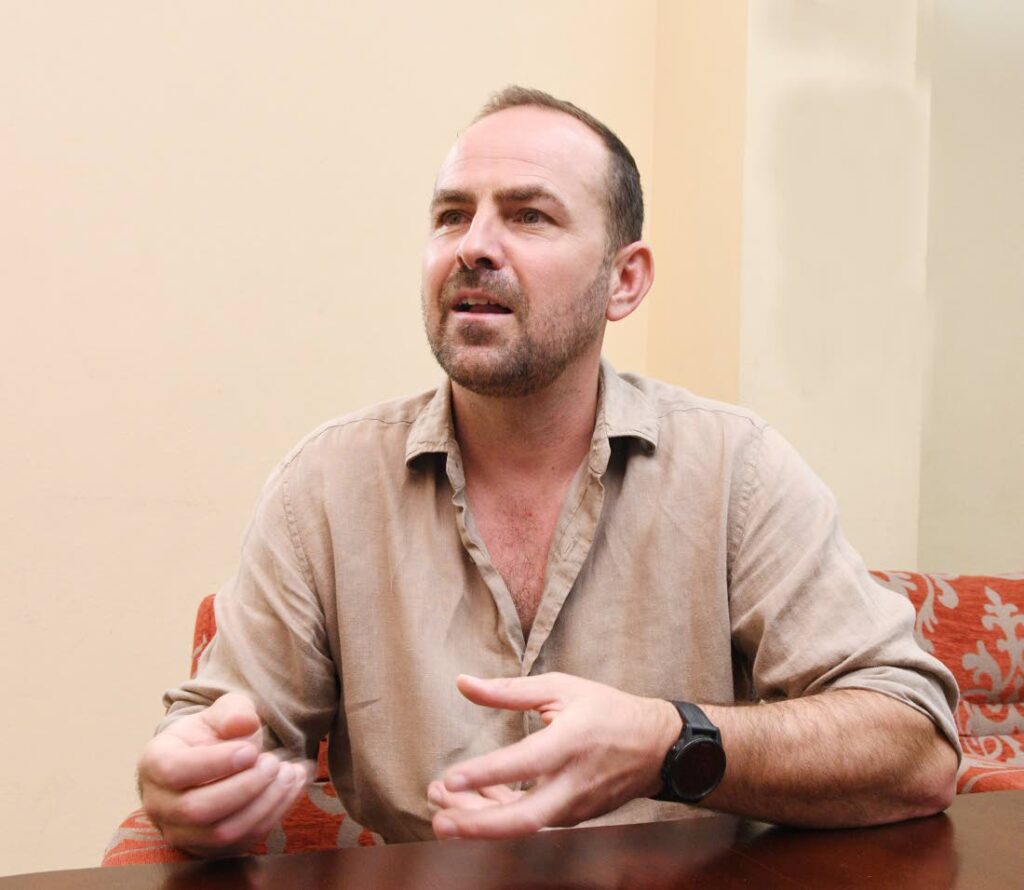
Georg Gassauer, a seasoned responder with Doctors Without Borders (MSF), has witnessed the horrors of conflict zones in Yemen, but nothing prepared him for the devastation he encountered in Jamaica after Hurricane Melissa. Arriving days after the initial MSF team was deployed to St James and neighboring parishes, Gassauer was struck by the sheer scale of destruction. Hillsides were stripped bare, trees stood leafless, and communities were left picking up the pieces of their shattered lives. ‘It’s quite a harrowing view,’ Gassauer remarked, shaking his head. ‘We’ve worked in natural disasters before, but nothing like this.’
Since November 1, MSF has been working closely with Jamaica’s Ministry of Health and Wellness to restore access to clinical facilities, deliver potable water, test groundwater, and supply health centers with essential materials. One of their most significant contributions has been the restoration of the roof at Cornwall Regional Hospital, which had lost over 80% of its ceiling to the hurricane’s fierce winds. ‘This is quite unusual for us to be a funding partner,’ Gassauer noted. ‘Usually, we’re an implementing partner, but here we had to take a different role.’
Despite the challenges posed by damaged infrastructure, Gassauer remains optimistic about Jamaica’s recovery. He praised the resilience and solidarity of the Jamaican people, particularly the community’s efforts to support one another. ‘One of the things that I found very encouraging was just the solidarity that is shown from Jamaicans,’ he said. ‘I don’t think anybody from the team was really expecting that Jamaica and its health services would be bouncing back as fast as they did.’
Gassauer’s experience in Jamaica has been a stark reminder of the power of nature and the strength of human spirit. While the road to recovery is long, the unwavering determination of the Jamaican people offers a beacon of hope in the face of adversity.
-

HOMELESS HEROES
Hurricane Melissa has left a trail of destruction in its wake, particularly impacting the lives of Jamaica’s firefighters. The catastrophic storm rendered 25 firefighters homeless and caused substantial damage to the residences of nearly 170 others. These brave individuals, whose roles often require them to risk their lives to protect others and safeguard property, now face immense personal challenges. The devastation has forced 15 of these national heroes to take refuge in the very fire stations where they serve, highlighting the severity of their plight. In response, Jamaica Fire Brigade Commissioner Stewart Beckford has issued an urgent appeal for assistance from corporate Jamaica. Beckford emphasized the critical need for support to help these firefighters rebuild their lives and continue their vital work in the community. The tragedy underscores the vulnerability of those who dedicate their lives to public service, even as they confront the dual burdens of professional duty and personal loss.
-

Fire alarm!
In the wake of Hurricane Melissa, Jamaican firefighters have been inundated with emergency calls, primarily addressing structural and electrical fires. Fire Chief Stewart Beckford revealed that the hardest-hit parishes—Westmoreland, St Elizabeth, St James, Trelawny, and Hanover—are grappling with widespread debris, dry mountain ranges, and downed utility poles, which have become significant fire hazards. Between October 28, when the Category 5 storm struck, and November 19, the Jamaica Fire Brigade (JFB) responded to 143 fire-related incidents, including 58 structural fires and 34 electrical or utility pole fires. Additionally, 25 landfill fires, 17 bush fires, and nine vehicle fires were reported. Tragically, seven deaths due to carbon monoxide poisoning from generators were also recorded. Beckford emphasized that many structural fires originated in Westmoreland and rural communities, where residents rely on candles for light due to prolonged power outages. He urged caution when using candles, advising against placing them near flammable materials and recommending the use of water-filled containers to prevent accidental fires. The fire chief also highlighted the dangers of burning debris, a common practice post-hurricane, and called for safer disposal methods. Bush fires, exacerbated by dry conditions, have further strained firefighting resources, with some areas remaining inaccessible due to flooding and landslides. Beckford expressed regret over the carbon monoxide-related deaths, reiterating the importance of placing generators at a safe distance from homes and ensuring proper ventilation. He appealed to Jamaicans to prioritize safety and avoid practices that could lead to further disasters.
-
A Journey HOME
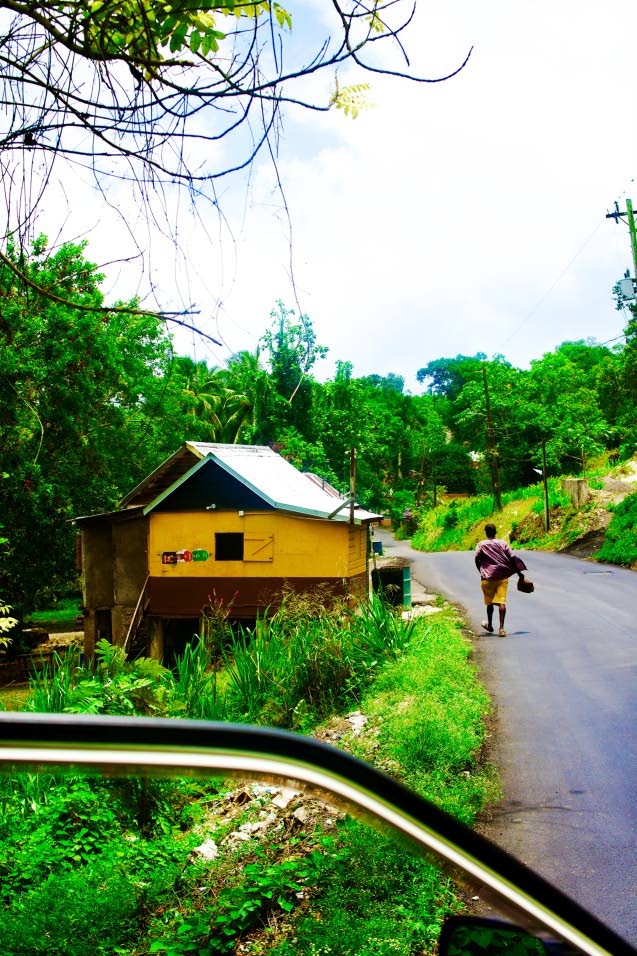
Jamaican-born photographer, model, and creative director Tameisha Edwards recently returned to her birthplace in St Ann, Jamaica, to create a deeply personal photography series titled ‘Home’. The project, which explores themes of family, roots, and identity, captures the essence of what home truly means through intimate portraits and candid moments. Edwards, whose work spans documentary, portraiture, fashion, and visual storytelling, focuses on the connections that shape our lives. ‘The Home project is my exploration of what home really is: The people we love, the family that shapes us, the spaces where memories linger, and the special moments that make life feel connected,’ Edwards explains. Her photographs celebrate the bonds between people, the love we share, and the sense of belonging that makes a home truly feel like home. Edwards’ journey into photography began three years ago, initially using her iPhone to teach herself composition and framing. Her first major project was capturing behind-the-scenes photos for Omah Lay’s New Wave magazine feature, which ignited her passion for storytelling through images. Now based between London and Bristol, Edwards has gained recognition for her work, which has been featured in PhotoVogue and various exhibitions. She has also made a name for herself in modelling, working with brands like Avon Cosmetics, Nike, and Juicy Couture. Looking ahead, Edwards aims to expand her creative work into styling and jewellery design while continuing to mentor young Caribbean creatives. Her trip to Jamaica was a healing experience, allowing her to reconnect with her heritage and see her home with fresh eyes. Her images, vibrant and intimate, are a testament to the lived experiences of Jamaicans.
-
Trinidad and Tobago ruggermen into RAN 7s semis with win over Mexico
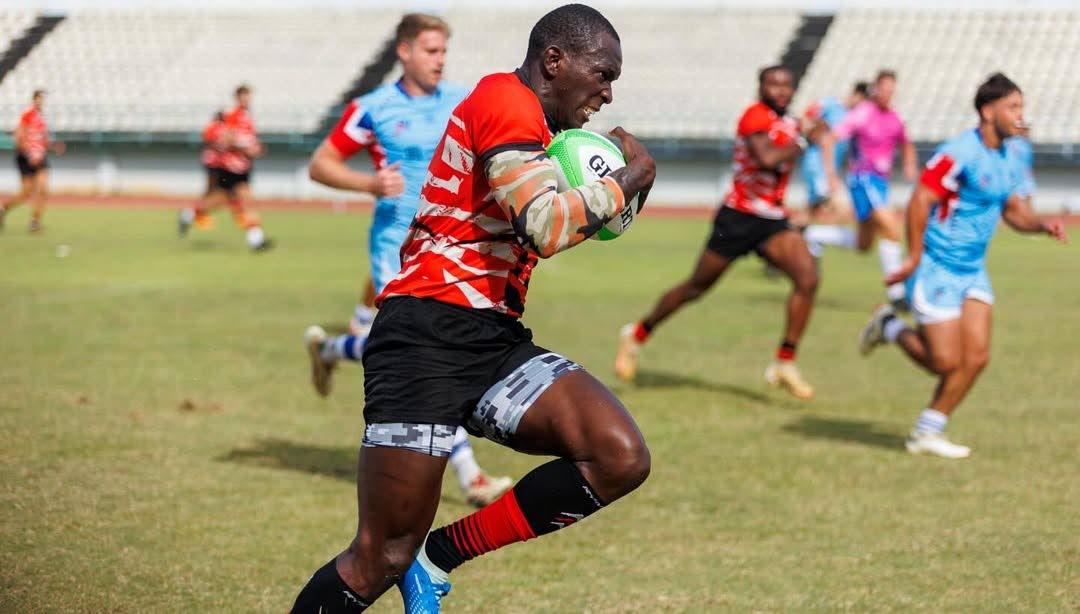
The Trinidad and Tobago (TT) men’s rugby team showcased resilience and determination in the 2025 Rugby Americas North (RAN) Sevens tournament, securing a spot in the semifinals after a challenging start. Competing at the Larry Gomes Stadium in Malabar, the TT men began their campaign on November 21 with a 14-14 draw against Guyana in Group B, followed by a commanding 25-14 victory over the Cayman Islands. However, they faced a setback on November 22 with a 14-5 loss to Jamaica, slipping to third in their group. In a crucial quarterfinal match against Mexico, the TT men delivered a stellar performance, triumphing 19-5 with tries from Rauri O’Farrell, Marcus Arrindell, and Jonathan Taylor. They now prepare to face reigning champions Canada in the semifinals on November 23, aiming to avenge their 38-0 defeat in the 2024 final. On the women’s side, the TT team started strong with dominant wins over Guyana (39-0) and Bermuda (29-0) but encountered challenges on day two, losing 15-0 to Mexico and 22-7 to Jamaica. They will look to bounce back in their final round-robin match against Barbados on November 23. The women’s placement matches and final are also scheduled for the same day, promising an exciting conclusion to the tournament.
-
Brazen crimes of opportunity
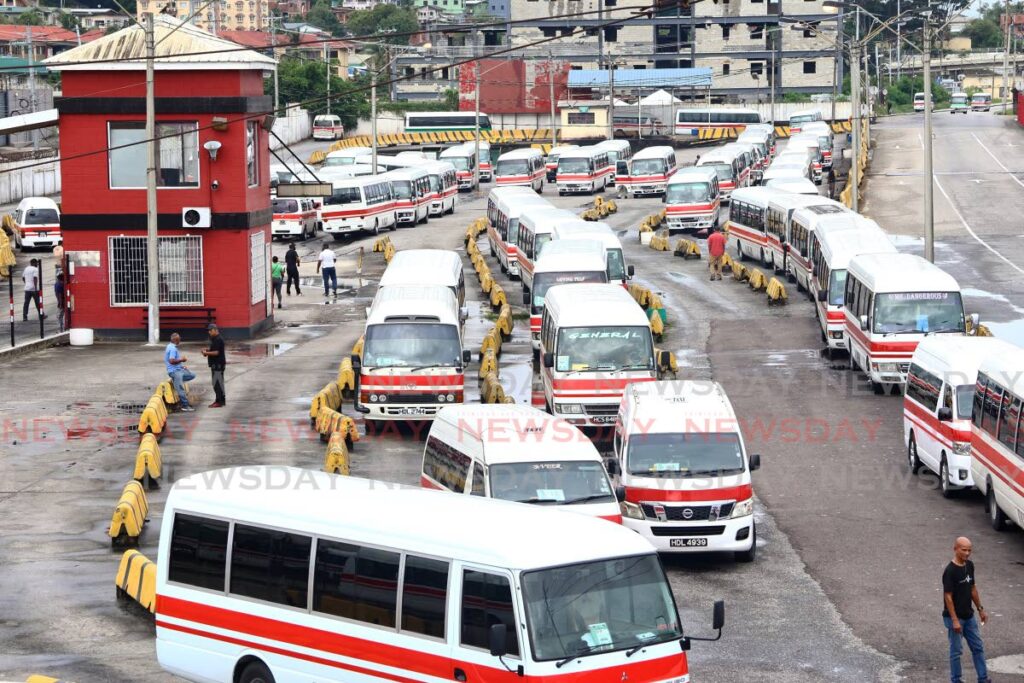
A harrowing video capturing the robbery of passengers and a driver aboard a maxi taxi in Trinidad and Tobago on November 19 has underscored the alarming rise in brazen daytime crimes in the country. The incident, recorded on the driver’s dashboard camera, began as an ordinary journey along the Priority Bus Route in Arouca. However, the scene quickly turned violent when the vehicle stopped, and five masked men boarded, brandishing weapons and demanding cash and valuables. Passengers, visibly terrified, complied as their belongings were snatched. The driver, displaying remarkable composure, handed over his earnings without resistance. The entire ordeal lasted less than a minute, leaving the victims shaken but unharmed. This incident is part of a troubling trend of opportunistic crimes in the region. Homeland Security Minister Roger Alexander revealed that while robberies on the route decreased from ten last year to one this year, the Transit Police Unit remains critically understaffed, with a shortage of at least 60 officers. Recent weeks have seen a spike in similar crimes, including the armed robbery of a businesswoman at her Signal Hill home and a Trade Ministry official in Cascade. These incidents highlight the urgent need for enhanced police presence and proactive measures to deter criminals. As the holiday season approaches, authorities must prioritize public safety through increased patrols and visible law enforcement to restore public confidence.
-

TnTeague shines at PASIC50
The Indiana Convention Centre in the United States reverberated with thunderous applause on November 15, as the father-son duo TNTeague delivered a masterful performance at the Percussive Arts Society International Convention (PASIC50). Liam Teague, globally acclaimed as the ‘Paganini of the steelpan,’ joined forces with his 17-year-old son, Jaden Teague-Nuñez, a rising multi-instrumentalist, to create a musical dialogue that blended technical prowess with emotional depth. Their performance was a highlight of the 50th-anniversary convention, attended by thousands of percussion enthusiasts worldwide. For Liam, a seasoned PASIC performer, this event marked a poignant full-circle moment, as he reflected on his first solo steelpan recital at PASIC in the early 1990s. This time, the focus was on Jaden’s future and the broader potential of the steelpan. The duo’s program showcased the instrument’s versatility, featuring works like Kevin Bobo’s ‘Rhapsody in Steel’ and Ben Wahlund’s ‘Grotesque.’ A standout moment was Jaden’s rendition of ‘A Visit to Hell,’ a multi-movement piece composed by his father, which earned him the distinction of being the first pannist to win the Chicago Symphony Orchestra’s Young Artist Competition. The recital concluded with a personal medley that traced the Teague-Nuñez family’s story, blending contemporary compositions with a nod to the steelpan’s Trinidadian roots. Following their PASIC50 triumph, Jaden will perform with the DeKalb High School Band in Prague, while Liam will lead the NIU Steelband Fall Concert on November 23, featuring guest performances by Trinidadian virtuoso Earl Brooks Jr and Chicago’s Epic Steelband. The concert promises to be a global celebration of rhythm and innovation, continuing the duo’s mission to elevate the steelpan’s legacy.
-

Importance of investing in our children’s future
In many Caribbean households, including Trinidad and Tobago (TT), the age-old saying ‘children should be seen and not heard’ has long been a cultural norm. Rooted in traditional values, this adage emphasized children’s passive role in adult-dominated spaces, discouraging them from voicing their opinions or interrupting elders. However, as global perspectives on childhood have evolved, this proverb now stands in stark contrast to modern understandings of children’s rights, marking a shift from enforced silence to active participation.
The phrase ‘children should be seen and not heard’ reflects a hierarchical view of family and society, where adults held authority and children were expected to learn through observation rather than vocal expression. While this approach aimed to instill discipline, it often stifled children’s natural curiosity and self-expression. In TT, a nation rich in cultural diversity, this saying shaped family gatherings, schools, and community events, influencing how children navigated social spaces.
The 20th and 21st centuries brought a profound re-evaluation of such norms. In 1989, the United Nations Convention on the Rights of the Child (UNCRC) was adopted, becoming the most widely ratified human rights treaty in history. The UNCRC outlines fundamental rights for children, including the right to express their views freely, be heard in matters affecting them, and participate in decisions shaping their lives. This landmark agreement has transformed children’s lives globally, challenging outdated adages and promoting a world where young people are active contributors to society.
On Universal Children’s Day, November 20, 2025, the theme ‘My Day, My Rights’ emphasized amplifying children’s voices and understanding how their rights are present, missing, or pursued in daily life. This theme aligns with the 35th anniversary of the UNCRC, urging active participation by children in shaping their world. Rather than being passive observers, children are now encouraged to share their experiences, advocate for their needs, and influence policies. This shift fosters dialogue between adults and young voices, building inclusive communities and addressing global disparities.
The benefits of children’s rights extend far beyond rhetoric, offering tangible improvements worldwide. The UNCRC has driven initiatives to end child labour, combat trafficking, and provide mental health support. In countries like Sweden and Canada, robust implementation of the convention has enabled children to participate in school councils and family decisions, fostering confidence and resilience. Globally, it has reduced child mortality rates and increased literacy, empowering generations to break cycles of poverty.
In TT, the UNCRC’s principles have been integrated into the legal framework, including the Children Act of 2012, which emphasizes children’s best interests, protection from harm, and the right to be heard. This has led to advancements in child welfare, such as improved access to education and healthcare, and efforts to combat issues like child abuse and juvenile delinquency. Programmes like the Child Protection Unit safeguard vulnerable children, while school initiatives encourage student voices through councils and debates.
Despite progress, challenges remain. In TT, issues like poverty, domestic violence, and limited resources hinder the full realization of children’s rights. Globally, conflicts in places like Ukraine and Yemen continue to threaten children’s rights, underscoring the need for ongoing advocacy. The ‘My Day, My Rights’ theme serves as a reminder that progress requires collective action from governments, families, and communities.
In conclusion, the adage ‘children should be seen and not heard’ reflects a bygone era of enforced quietude, but the UNCRC and Universal Children’s Day 2025 herald a new chapter of empowerment. By prioritizing children’s voices, we unlock their potential, benefiting societies in TT and worldwide. As we celebrate on November 20, 2025, let us commit to a world where children are not just seen, but truly heard – shaping a brighter, more equitable future for all.
-
Explore the mystery of McCaulay’s A House for Miss Pauline
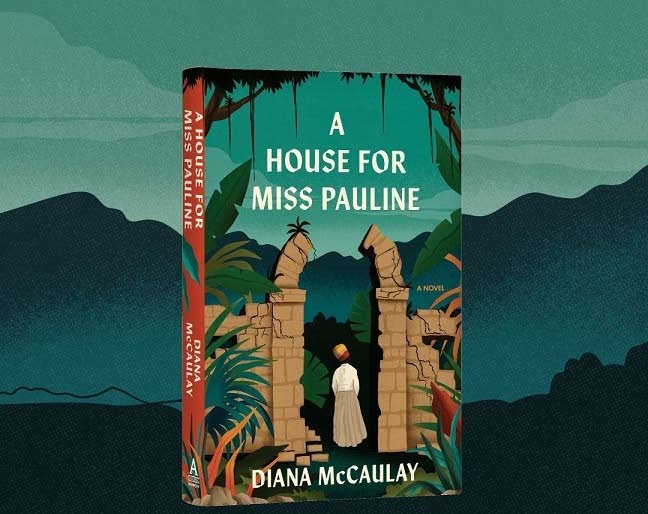
Diana McCaulay, the acclaimed Jamaican author, has once again captivated readers with her latest novel, *A House for Miss Pauline*. This intricately woven narrative follows the life of Pauline Sinclair, a resilient woman nearing her centennial birthday, as she embarks on a profound journey to reconcile her past and confront the legacy of colonialism and slavery. Set in the remote village of Mason Hall, Jamaica, the story delves into Pauline’s reflections on the meaning of home, ownership, and history, all while she rebuilds her life from the ruins of a former slaveholder’s house. McCaulay’s masterful storytelling blends mystery, philosophy, and cultural exploration, offering readers a deeply moving and thought-provoking experience. The novel also highlights the generational divide, as Pauline’s granddaughter, Justine, struggles to grasp the significance of their shared history. Through vivid imagery and poignant anecdotes, McCaulay challenges stereotypes of aging and presents Pauline as a bold, independent, and unyielding character. *A House for Miss Pauline* is a testament to the enduring power of Caribbean literature and a must-read for those seeking to understand the complexities of history and identity.