
In a landmark move for sustainable economic development, the Seamoss Association of St. Vincent and the Grenadines has unveiled the region’s first dedicated Seamoss Storefront and Interpretative Centre in Bequia. Funded by the Government of Canada through the Canada Fund for Local Initiatives (CFLI), the centre represents a significant stride in empowering local communities and preserving cultural heritage. Shavorn Stephens, the association’s founder, hailed the opening as a historic milestone, emphasizing its role as a symbol of economic empowerment, cultural pride, and resilience within the sea moss community. The facility offers local producers a specialized retail space to showcase a diverse range of products, from raw and dried sea moss to innovative value-added items like teas, gels, and skincare products. Additionally, the centre features an interpretative section that educates visitors on the history, cultivation practices, nutritional benefits, and cultural significance of sea moss, while paying tribute to the pioneering contributions of women like Ann Bernard Harvey. Jessica Mackie, representing the Government of Canada, underscored Canada’s commitment to supporting sustainable, community-driven initiatives, while Chief Fisheries Officer Jennifer Howard-Cruickshank praised the project for its role in advancing the blue economy. The centre is poised to enhance local income opportunities, promote food security, and position St. Vincent and the Grenadines as a leader in sustainable marine resource development.
作者: admin
-

Cabinet Stakeholder Meetings- Farmers and Supermarkets Next
In a significant move to enhance governance and economic collaboration, the Cabinet has announced the expansion of its weekly stakeholder meetings to include farmers and supermarket operators. Cabinet spokesman Maurice Merchant revealed that the initiative follows a successful inaugural session with 14 local contractors earlier this week. The government aims to institutionalize these meetings as a cornerstone of its governance model, fostering direct dialogue between policymakers and key economic stakeholders. Farmers are slated to meet with the Cabinet next Wednesday, with supermarket operators expected to join the discussions shortly thereafter. Merchant emphasized that these sessions will be an ongoing process, with the Ministry of Works identifying additional contractors for future engagements while other ministries propose their own stakeholder groups. The primary objectives of these meetings are to provide direct support, gather critical feedback, and address operational challenges faced by industry participants. The initiative is closely aligned with the government’s broader food security agenda, with farmers set to discuss critical issues such as irrigation, fencing, seedling production, access roads, subsidies, and the reallocation of unused agricultural lands. Supermarket operators, on the other hand, will focus on consumer prices, supply chain efficiency, and national food resilience. Merchant underscored the importance of these weekly sessions in promoting transparency, enhancing sector performance, and ensuring that policies are grounded in real-world insights. The government views this initiative as a vital tool for fostering collaboration and driving sustainable economic growth.
-

The lasting impact of the Boy Scout movement on my life
In 1950, at the age of nine, Dr. Basil Springer first stepped onto the grounds of Harrison College in Barbados, unaware of how the Boy Scout movement would profoundly shape his life. Under the guidance of Mrs. Beryl Sharpe, he joined the Cub Scout programme, where he discovered discipline, camaraderie, and a sense of purpose that would remain with him throughout his life. This marked the beginning of a transformative journey that would leave an indelible mark on his character and values. At age 11, Dr. Springer transitioned to the Scout movement under the leadership of Mr. Ralph Mann, an English Scout leader and teacher at Harrison College. Mr. Mann’s dedication to Scouting and his emphasis on leadership development had a lasting impact on young Basil, providing him with opportunities for personal growth and a commitment to community service. One of the most cherished aspects of Dr. Springer’s Scouting journey was his enduring friendship with Trevor Austin Hassell, whom he met on his first day at Harrison College. Together, they rose through the ranks, from Cubs to Scouts, eventually achieving the prestigious title of Queen’s Scouts. In 1958, alongside Trevor’s younger brother, the late Frank Hassell, they embarked on a memorable Venture Scout journey along the old Barbados train line, now known as The Barbados Trailway. Their adventures extended beyond Barbados, as they participated in Scout camps in St Vincent and the Grenadines, Trinidad and Tobago, and represented Barbados at the 8th World Scout Jamboree in Niagara-on-the-Lake, Ontario, Canada, in 1955. Led by Captain Reuben Sealy, this event was a defining moment in their Scouting careers. After the Jamboree, Dr. Springer spent a memorable week in New York with his Aunt Iris, further enriching his experiences. Decades later, the bond between Dr. Springer and Trevor remains strong, nurtured by their shared Scouting memories. Now back in Barbados after years abroad, they meet every two months for lunch, reflecting on their past adventures and the enduring lessons of Scouting—discipline, leadership, and service. These principles continue to guide their lives, leaving a legacy of friendship and community impact. Dr. Basil Springer GCM, a corporate governance adviser, credits the Boy Scout movement for shaping his character and values, which he carries forward in his professional and personal life.
-
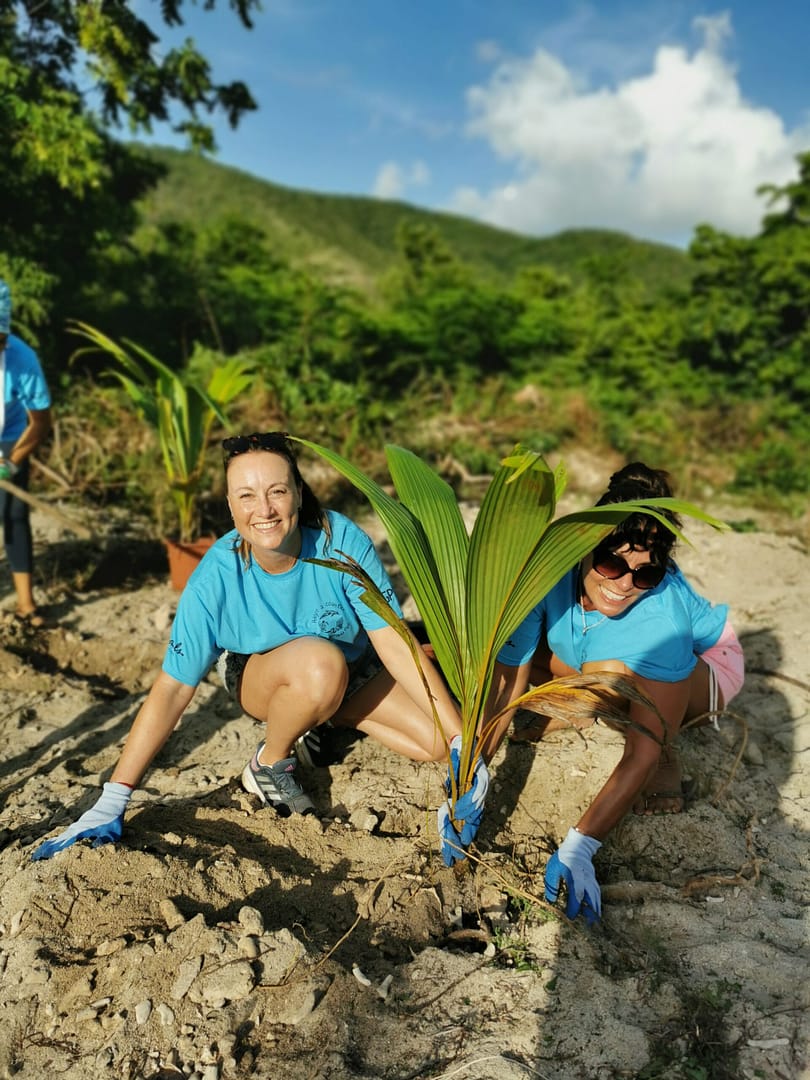
Government Scales Back One Million Trees Goal to 300,000 on Advice of Forestry Experts
In a significant shift, the government has scaled back its ambitious tree-planting campaign from one million trees to 300,000, following recommendations from forestry experts. The decision was announced by Cabinet spokesman Maurice Merchant during Friday’s post-Cabinet briefing. Merchant explained that the Forestry Division had advised the Cabinet that the original target was unfeasible, prompting a reevaluation of the initiative. The revised goal, now set at 300,000 trees, reflects a more realistic and achievable approach, ensuring the program’s success and proper implementation. The Forestry Division, alongside the Department of Agriculture and other relevant agencies, will spearhead the adjusted campaign. This move underscores the government’s commitment to aligning its environmental agenda with expert insights, prioritizing practicality and sustainability in national reforestation efforts.
-
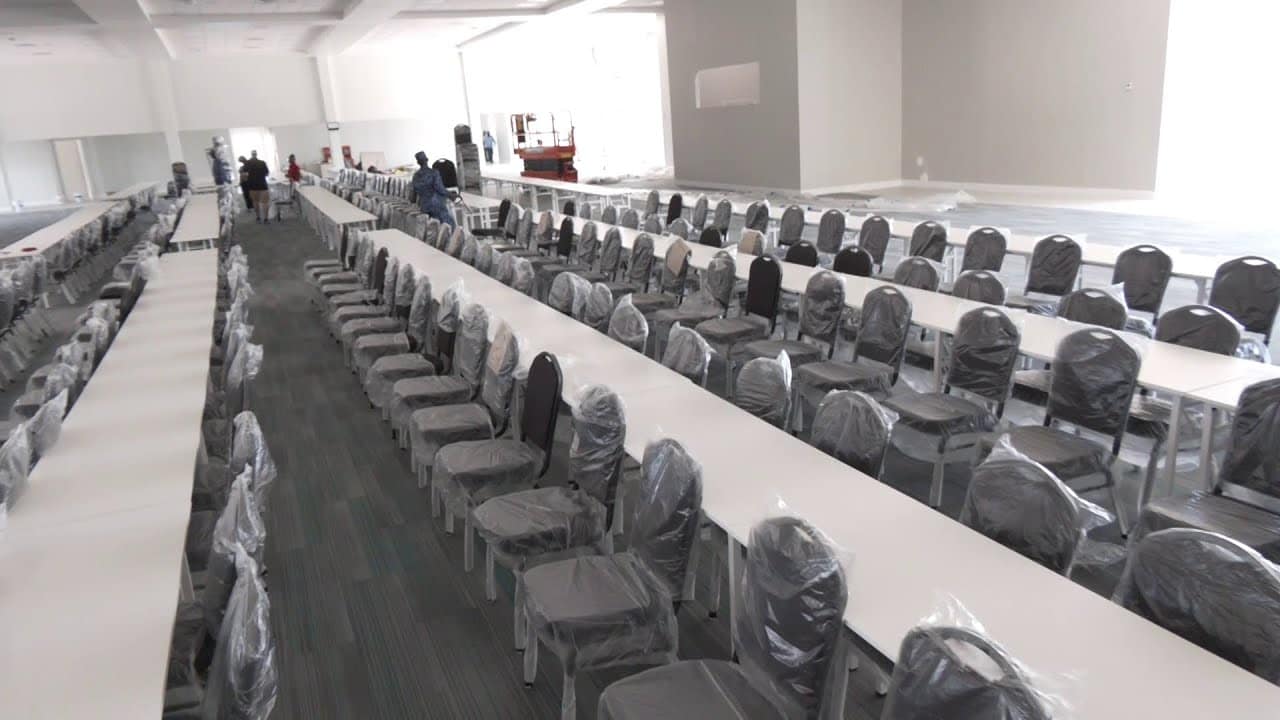
Black Bar Association to Host Major U.S. Legal Conference in Antigua Next Year, Cabinet Spokesman Says
Antigua and Barbuda has been chosen as the host nation for a significant U.S. legal conference organized by the Black Bar Association of the United States, scheduled for January 2024. The announcement was made by Cabinet spokesman Maurice Merchant during a post-Cabinet briefing on Friday. Attorney General Steadroy Benjamin confirmed that the association has finalized its plans to hold the event in Antigua, marking another milestone in the country’s growing portfolio of international gatherings. This decision underscores Antigua and Barbuda’s emerging status as a prime destination for high-profile professional, legal, and academic conferences. Merchant emphasized that the government views this development as a testament to the nation’s enhanced reputation as a regional hub for major events. He highlighted the country’s improved infrastructure, robust air connectivity, and its welcoming environment for international delegations as key factors driving this trend. While specific details regarding the number of attendees and conference sessions remain undisclosed, Merchant assured that further information will be released by the Attorney General’s office closer to the event. The government anticipates substantial economic benefits from the influx of conference tourism, including increased hotel bookings, restaurant patronage, and local spending. This initiative aligns with the administration’s broader strategy to diversify tourism and attract new visitor demographics to the country.
-
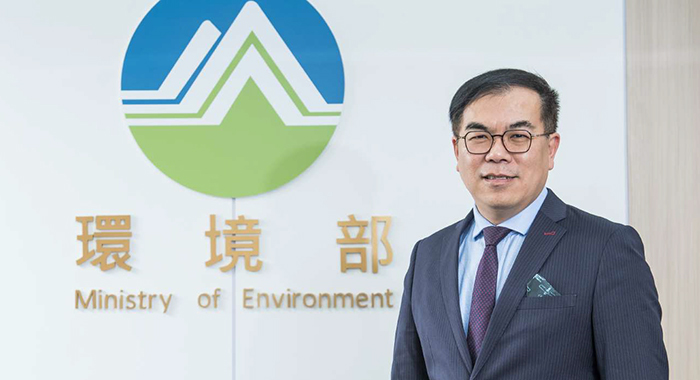
Taiwan’s participation in the ‘Global Mutirão’ on climate transition
Taiwan is taking decisive steps to address the escalating challenges posed by climate change, aligning its efforts with global initiatives to limit temperature increases to 1.5 degrees Celsius. In 2025, Taiwan faced severe flooding due to consecutive typhoons and torrential rains in its southern and eastern regions, highlighting the urgent need for robust climate action. As a proactive member of the international community, Taiwan has outlined a clear Nationally Determined Contribution (NDC) for 2035, setting ambitious goals for a low-carbon transition. The country is also publishing regular National Inventory Reports and Biennial Transparency Reports to ensure transparency and accountability in its emissions reduction efforts. President Lai Ching-te’s National Project of Hope, launched in 2024, emphasizes green growth and a 2050 net-zero transition. This initiative is supported by five key strategies: intelligent green energy development, dual-track industrial transformation, fostering sustainable lifestyles, government leadership, and ensuring a just transition. In June 2024, the National Climate Change Committee was established to drive societal momentum and dialogue on climate governance. Taiwan has set mid-term emissions reduction targets of 26-30% by 2030 and 36-40% by 2035, with a long-term goal of achieving net-zero emissions by 2050. The Climate Change Response Act enshrines this commitment in law, while the Comprehensive Carbon Reduction Action Plan mobilizes ministries and agencies to implement mitigation programs. Taiwan is also advancing carbon pricing through a combined fee system and emissions trading scheme, aiming to reduce emissions by 37 million metric tons of CO2e by 2030. Additionally, the country is enhancing climate adaptation efforts through a National Climate Change Adaptation Action Plan, focusing on critical infrastructure, water resources, and public health. Taiwan’s submission of its NDC 3.0 and participation in COP30 underscore its commitment to global climate action and its call for international support in achieving a net-zero future.
-

BREAKING: Louis Armstrong Of Upper Fort Road Dies Following Shooting Incident
The Royal Police Force of Antigua and Barbuda has launched a homicide investigation following a fatal shooting incident on Upper Fort Road. Louis Armstrong, a 43-year-old local resident, tragically passed away on Saturday morning at approximately 7:24 a.m. while receiving medical care at the Sir Lester Bird Medical Centre. The incident occurred early Friday morning near Toy Toy Restaurant, where Armstrong was found with multiple gunshot wounds to his chest, eye, and left hand. Police officers swiftly responded to the scene after receiving reports of the shooting. Authorities are now actively investigating the case as a murder and are urging the public to come forward with any information that could help identify the perpetrator(s). Individuals with relevant details are encouraged to contact the Criminal Investigations Department at 462-3913 or use the anonymous Crimestoppers hotline at 800-TIPS (8477).
-
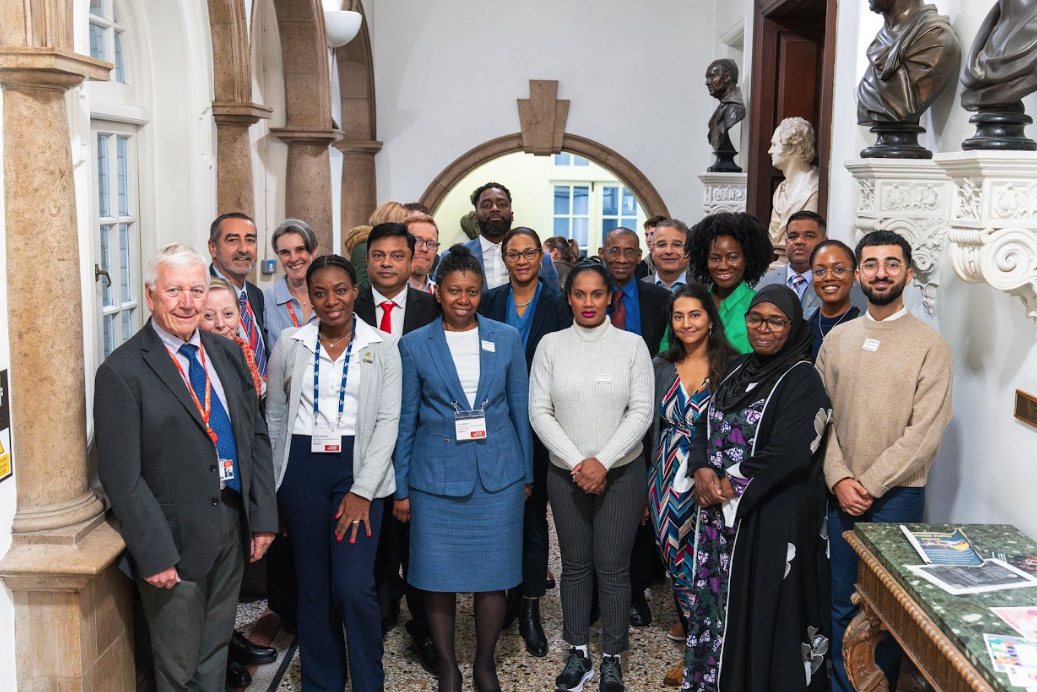
UK-Caribbean mission unites health leaders to boost innovation and regulation
Senior health officials from Barbados and other Caribbean nations recently participated in the inaugural UK-Caribbean Life Sciences and Regulatory Trade Mission in London, hosted by the UK Department for Business and Trade (DBT). This four-day event aimed to bolster the modernization of healthcare systems across the Caribbean, focusing on improving access to safe medicines and enhancing regulatory frameworks. The mission provided a platform for Caribbean regulators to engage with leading UK institutions, including the Medicines and Healthcare products Regulatory Agency (MHRA), the National Institute for Health and Care Excellence (NICE), King’s College London, and the Centre for Innovation in Regulatory Science (CIRS). Key discussions centered on streamlining drug registration, adopting international standards, improving regulatory efficiency, and integrating digital technologies into health systems. UK High Commissioner to Barbados and the Eastern Caribbean, Simon Mustard, emphasized the broader impact of this collaboration, stating that it strengthens health systems, drives economic growth, and fosters long-term partnerships. D’Jamila Ward, Regional Trade Director for the Commonwealth Caribbean at DBT, highlighted the mission’s significance in addressing regulatory challenges and improving access to essential medicines. Barbados was represented by Lindsay Bynoe, assistant director and pharmacist at the Barbados Drug Service, and Maryam Karga-Hinds, interim director general of the Barbados Medical Products Authority, who underscored the country’s commitment to advancing pharmaceutical regulation and regional collaboration. Karga-Hinds reflected on the mission, noting that it has deepened partnerships and strengthened knowledge to ensure equitable access to safe, effective medical products for all Caribbean citizens. This initiative highlights the UK’s commitment to partnering with Caribbean nations to strengthen health systems, foster innovation, and improve patient outcomes, paving the way for future collaborations on regulatory reform, investment opportunities, and digital health integration.
-
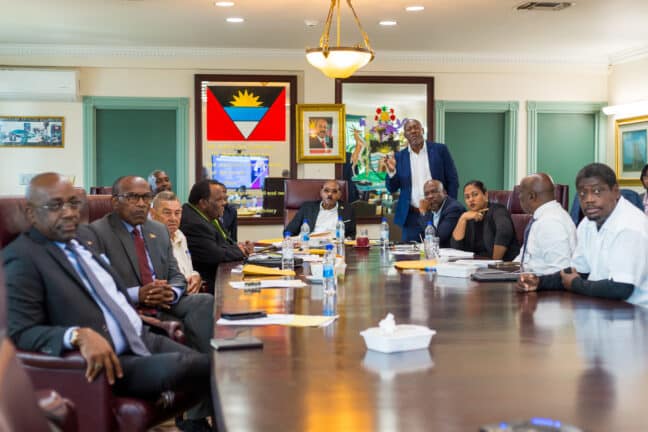
Cabinet Meets 14 Contractors in First-of-Its-Kind Session; New Support Unit and Sector Reforms Announced
In a groundbreaking session, the Antigua and Barbuda government convened a high-level meeting with 14 local contractors, marking a pivotal moment in the nation’s construction sector. The meeting, held on Wednesday, was attended by Prime Minister Gaston Browne, Works Minister Maria Bird Browne, and senior ministry officials. The dialogue focused on addressing long-standing industry challenges and introducing transformative reforms to enhance the sector’s competitiveness and modernization. Contractors lauded the government’s direct engagement, describing it as a critical step toward fostering a robust local industry. They also commended the Works Ministry for its improved communication, organizational efficiency, and consistent payment practices under Minister Browne’s leadership. Prime Minister Browne acknowledged decades of persistent issues, including cash-flow constraints, cost overruns, project delays, and weak management practices. He emphasized the need for modernization to empower local contractors to operate at international standards while meeting national timelines and budget requirements. As part of the reforms, the Ministry of Works will establish a Contractor Support Unit to assist firms with bid preparation, costing, administrative systems, technical support, and training aligned with global benchmarks. The unit will also prepare local companies for major tenders, including projects funded by the Caribbean Development Bank in Barbuda. The ministry will launch its first bid-preparation workshop on Monday at the John E. St. Luce Centre. Additionally, the government reaffirmed its commitment to timely payments and promoted joint contracting arrangements between local firms and established regional or international companies to facilitate knowledge transfer, management capacity, and access to working capital. This meeting is the first in a series, with further sessions planned with contractors, farmers, and supermarket operators. Both the government and contractors agreed that the session marked a significant stride toward building a more competitive, modern, and resilient construction sector in Antigua and Barbuda.
-

Hunger and war: The oldest crime the world still permits
A recent UN report has unveiled a grim reality: the world’s most powerful nations have grown indifferent to human suffering, prioritizing military expenditures over addressing global hunger. The World Food Programme estimates that ending hunger by 2030 would require just $93 billion annually—less than 1% of the $21.9 trillion spent on militaries over the past decade. Yet, hunger continues to escalate, with 318 million people projected to face crisis-level hunger by 2026, double the figure from 2019. While wealthy nations enjoy food security, regions like Gaza, Sudan, the Democratic Republic of Congo, and Haiti bear the brunt of conflict-driven famine. In Gaza, despite ceasefire talks, children starve amidst Israeli blockades and bombardment. Sudan and Congo face catastrophic food shortages due to violence and displacement, while Haiti’s hunger crisis is exacerbated by gang dominance and political instability. Latin America and the Caribbean offer a glimmer of hope, with hunger declining for the second consecutive year in 2023, thanks to economic recovery and social programs. However, climate change poses a growing threat, with extreme weather events exacerbating food insecurity. The war in Ukraine has underscored the interconnectedness of global food systems, as stalled grain exports triggered price spikes and social unrest worldwide. UN agencies like the World Food Programme and the UN Human Rights Office work tirelessly to address these crises, but chronic underfunding and political inaction hinder their efforts. The UN Security Council’s failure to treat hunger as a geopolitical threat highlights the lack of political will to allocate resources effectively. Ending hunger is not just a moral imperative but a prerequisite for global peace and security. As UN Deputy Secretary-General Amina Mohammed warned, “there can be neither peace where people are starving, nor security where hunger drives conflict.” This stark reminder demands urgent action from the international community.