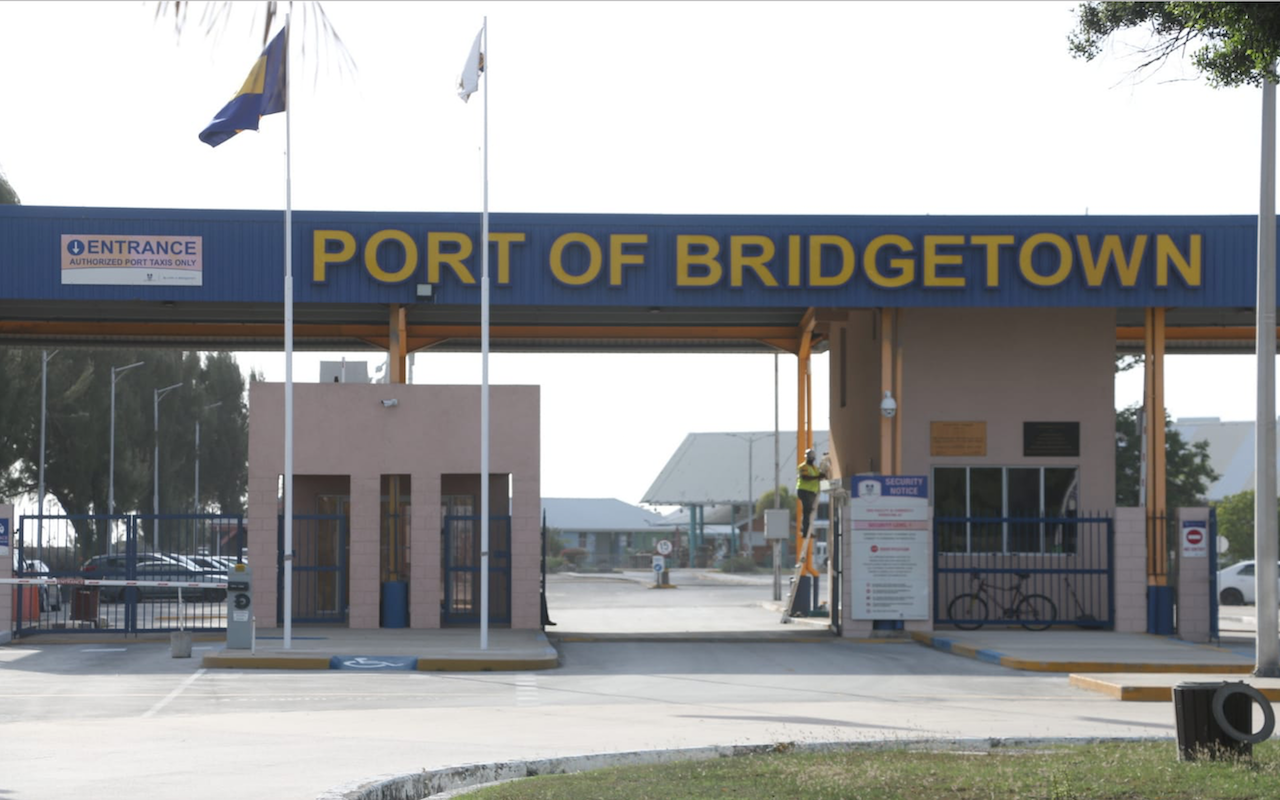
A cruise passenger was apprehended by authorities on Friday night following a security breach at the Port of Bridgetown in Barbados. The individual attempted to re-enter a ship without proper clearance, leading to a confrontation with port security. During the incident, a Port Security Officer sustained injuries and was promptly provided with medical attention.
作者: admin
-
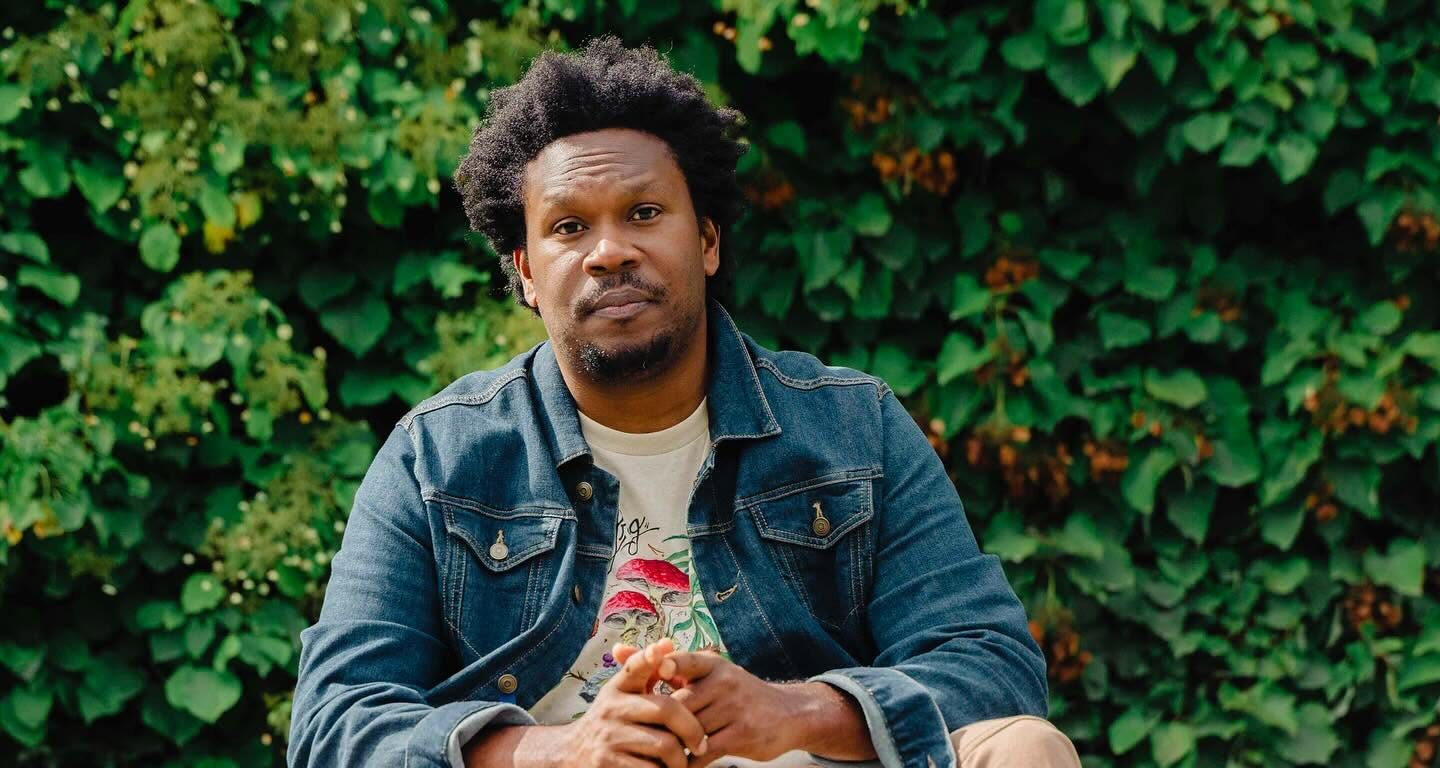
Why musicians matter
Sherwinn Dupes Brice, a renowned musician from Vieux Fort, Saint Lucia, emphasizes the profound role of music in communication and storytelling. ‘Music is a way to recall memories and the most significant moments of life,’ Brice shared with St. Lucia Times. ‘Musicians preserve these stories, offering both escape and therapy. They keep the art form alive, passing on skills, traditions, and the collective narratives of our people.’
As Saint Lucia prepares to celebrate Saint Cecilia’s Day on November 22, the focus shifts to honoring musicians and their contributions. The day features events like school showcases and the Cultural Development Foundation’s MIZIK: A Celebration of our Musicians, highlighting music’s societal impact.
Martin Alson James, CEO of the Eastern Caribbean Collective Organisation for Music Rights (ECCO), echoed Brice’s sentiments. ‘Musicians shape our cultural and emotional landscapes,’ James stated. ‘They are storytellers and historians, capturing the spirit of their times through lyrics and melodies. Music fosters community, creating shared identity and belonging.’
Both Brice and James advocate for the protection and fair compensation of musicians. ‘Music is more than a finished product; it’s the result of time, passion, and lifelong commitment,’ James explained. ‘Protecting musicians’ rights ensures fairness and dignity, safeguarding our cultural future. Without support, the flow of new music may cease, diminishing our artistic heritage.’
Brice, who collaborated on British singer Mahalia’s EP Luvergirl, urged broader support for musicians. ‘Pay us, advocate for us, and educate yourself on how the music business works,’ he said. ‘Music is a legitimate industry, generating billions globally. It’s time to remove the stigma that it’s not a real business.’
Saint Cecilia’s Day, rooted in the legend of a 3rd-century martyr who sang to God, has evolved in Saint Lucia. The predominantly Catholic society now blends religious and secular celebrations, reflecting the growing local music industry. As the industry expands, so must the appreciation and support for its practitioners to ensure sustainability and continued cultural enrichment.
-

Still waters run deep
The implementation of a stringent vaccine mandate in Saint Vincent and the Grenadines has ignited widespread controversy, legal battles, and ethical dilemmas. Initially, Prime Minister Dr. Ralph Gonsalves dismissed calls for draconian measures, contrasting his approach with what he termed ‘Chinese methods’ of pandemic control. However, the eventual mandate, introduced in October 2021, imposed severe consequences on unvaccinated public officers, including job termination without compensation or reinstatement options. This policy, deemed ‘absurd’ by critics, has drawn sharp criticism for its lack of flexibility and disregard for individual circumstances, such as medical exemptions or religious beliefs. The mandate’s impact was particularly felt in the education sector, where dedicated principals and teachers, who had tirelessly served during the La Soufriere volcanic crisis, were abruptly dismissed. Legal challenges have since escalated, with the case now referred to the Privy Council for final adjudication. Critics argue that the mandate was neither necessary nor proportionate, given the country’s relatively low COVID-19 infection and mortality rates compared to regional counterparts. The government’s insistence on maintaining the policy, coupled with its refusal to compensate affected workers, has further deepened public discontent. As the debate continues, questions linger about the fairness of reinstatement offers and the broader implications for workers’ dignity and rights.
-
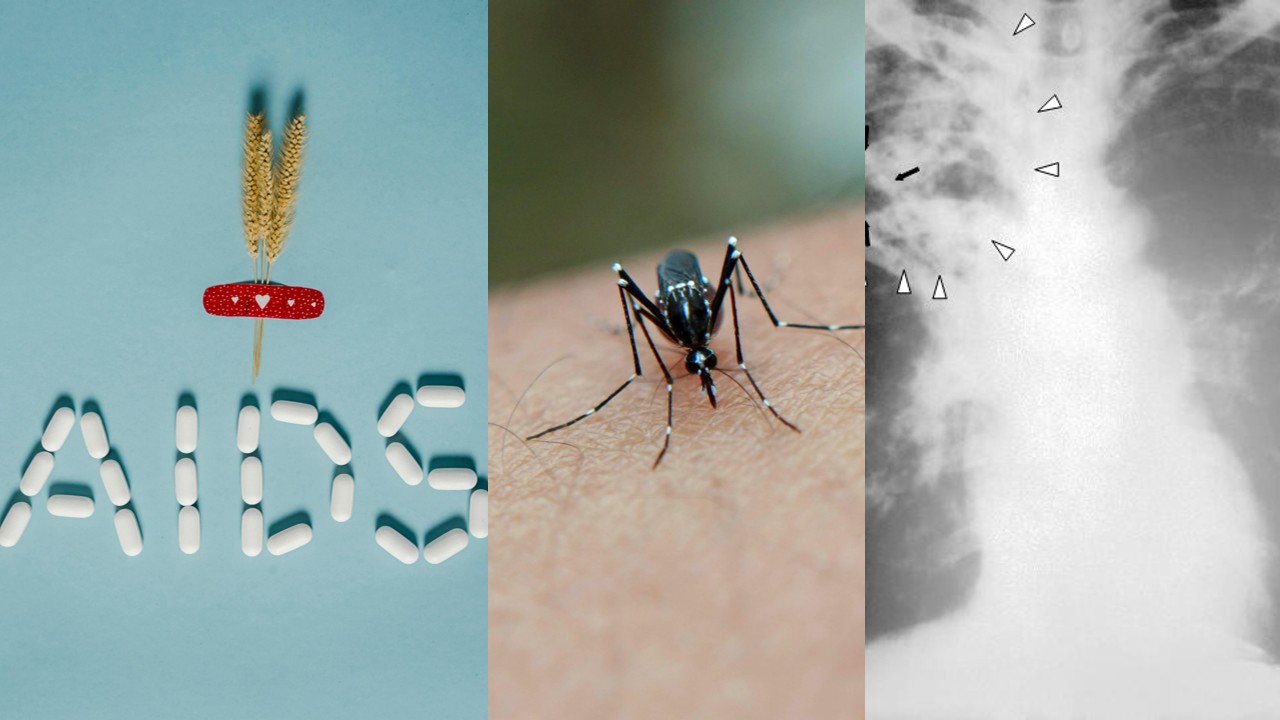
Global Fund Replenishment Conference highlights progress and gaps in fight against AIDS, TB, and Malaria
The 8th replenishment conference of the Global Fund to Fight AIDS, Tuberculosis, and Malaria concluded in Johannesburg with pledges totaling less than the ambitious $18 billion target. Despite this shortfall, the event underscored the critical need for global solidarity and sustained investment in health initiatives. Ndidi Okonkwo Nwuneli, CEO of the ONE Campaign, acknowledged the financial gap but praised the continued prioritization of lifesaving health programs by many world leaders. She emphasized that while innovations to combat these diseases exist, they require robust funding and political will to achieve transformative impact. Adrian Lovett, Executive Director for the UK, Middle East, and Asia Pacific at the ONE Campaign, highlighted the historic significance of hosting the conference in Africa, a region deeply affected by these diseases. However, he expressed concern over reduced or delayed pledges from major donors, including France, Japan, and the European Commission, urging governments to intensify their efforts. Since its inception in 2002, the Global Fund has saved 70 million lives and reduced deaths from AIDS, tuberculosis, and malaria by 63%. The current replenishment aims to secure $18 billion to save an additional 23 million lives and prevent 400 million infections between 2027 and 2029. The Johannesburg conference, the first of its kind held in Africa, symbolized the continent’s pivotal role in combating these diseases and showcased a spirit of international collaboration despite global challenges. Updates on pledges can be tracked via ONE Data’s replenishment tracker.
-

How to prepare to vote in Saint Lucia’s upcoming general election
As Saint Lucia gears up for its forthcoming general elections, citizens are urged to ensure they are fully prepared to exercise their democratic rights. The Electoral Department has outlined essential steps for voters to verify their eligibility and registration status. Citizens who possess a Saint Lucian national identification card or participated in the previous general election are already registered. Eligibility extends to Saint Lucian citizens and Commonwealth citizens who have resided in the country for at least seven years and in an electoral district for a minimum of two months, provided they are 18 years or older. However, individuals declared of unsound mind, imprisoned, or under a death sentence are ineligible to register. To register, voters must visit the Electoral Department at #23 High Street, Castries, in the Godfrey James Building, bringing necessary documents such as a birth certificate, National Insurance Card, and, if applicable, a marriage certificate. Non-native citizens must present a Certificate of Registration or Naturalisation from the Ministry of Home Affairs. Voters who have relocated must update their registration to reflect their new address. Saint Lucia is divided into 17 electoral districts, with the Electoral Department revising the register annually and publishing supplementary lists twice a year. These lists are available for public review, and citizens have 12 days post-publication to file claims or objections. By January 31 each year, the register is updated to include new electors and remove ineligible names. Voters can confirm their registration details and access additional information via the Electoral Department’s website at https://www.sluelectoral.com/electoral/voter-record-search/.
-

More diversity needed in SVG’s political candidates
As St. Vincent and the Grenadines (SVG) gears up for the 2025 general elections, the selection of candidates by the two dominant political parties—the ruling Unity Labour Party (ULP) and the opposition New Democratic Party (NDP)—reveals persistent patterns of underrepresentation across various demographics. Despite the significant contributions of women to Vincentian society, only five women are contesting across 15 constituencies, with three representing the ULP and two for the NDP. Both parties, historically led by male lawyers, continue to reflect a lack of gender diversity in leadership roles. The dominance of legal professionals among candidates further highlights the need for broader occupational representation, including health professionals, engineers, and environmental specialists, to address the multifaceted challenges facing SVG. Age diversity also remains a concern, with party leaders in their 60s and 80s, though the ULP has made strides in fielding younger candidates. Racial, ethnic, and religious diversity among candidates is notably limited, with the majority being of Afro-descendant heritage and Christian backgrounds. LGBTQ+ representation is absent, and persons with disabilities are also underrepresented. While diversity alone does not guarantee effective governance, it ensures that the voices of all societal groups are heard in shaping national development. Moving forward, there is an urgent need for more inclusive candidate selection processes to better reflect the rich diversity of SVG’s population.
-
Ecuadorian group affirms blockade on Cuba violates rights
In a recent communication to Alena Douhan, the UN Special Rapporteur on unilateral coercive measures, the Ecuadorian organization CPAZ highlighted the detrimental effects of the U.S. economic embargo on Cuba. The embargo, which has been in place for over six decades, has been described by CPAZ as ‘an act of genocide and the principal violation of human rights’ against the Cuban population. The group emphasized that the sanctions, particularly those reinforced between March 2024 and February 2025, severely impact essential sectors such as health, food, education, and technology access. CPAZ pointed out that these measures prevent Cuba from obtaining critical resources like medicines, medical equipment, agricultural inputs, credit, and advanced technologies. Additionally, the organization criticized the extraterritorial provisions of the Helms-Burton Act, which deter foreign investment and penalize third-country companies engaging with Cuba. The statement underscored the dire consequences for Cubans, including restricted access to cancer medications, HIV/AIDS treatments, diagnostic equipment, and surgical supplies, as international suppliers avoid trade with Cuba due to fear of U.S. sanctions.
-

Young leader for diabetes urges Dominicans to prioritize health and wellness
Royette Charles, a prominent figure in Dominica’s health sector, is leading a powerful campaign to raise awareness about diabetes and promote healthier lifestyles. As an Executive Member of the Dominica Diabetes Association, Young Leader for Diabetes, and Pharmacy Technician, Ms. Charles is dedicated to inspiring hope among individuals living with diabetes while encouraging the broader population to adopt preventive measures. She emphasizes that diabetes is a serious health condition requiring consistent effort, discipline, and proactive lifestyle changes. Ms. Charles advocates for balanced routines, including healthier dietary choices, regular physical activity, and sustainable wellness habits. She also highlights the importance of empowering those already diagnosed to manage their condition effectively through proper monitoring and education. In her recent media address, she stressed the critical role of understanding how to use testing supplies correctly, noting that effective management of diabetes can significantly enhance quality of life and overall well-being.
-
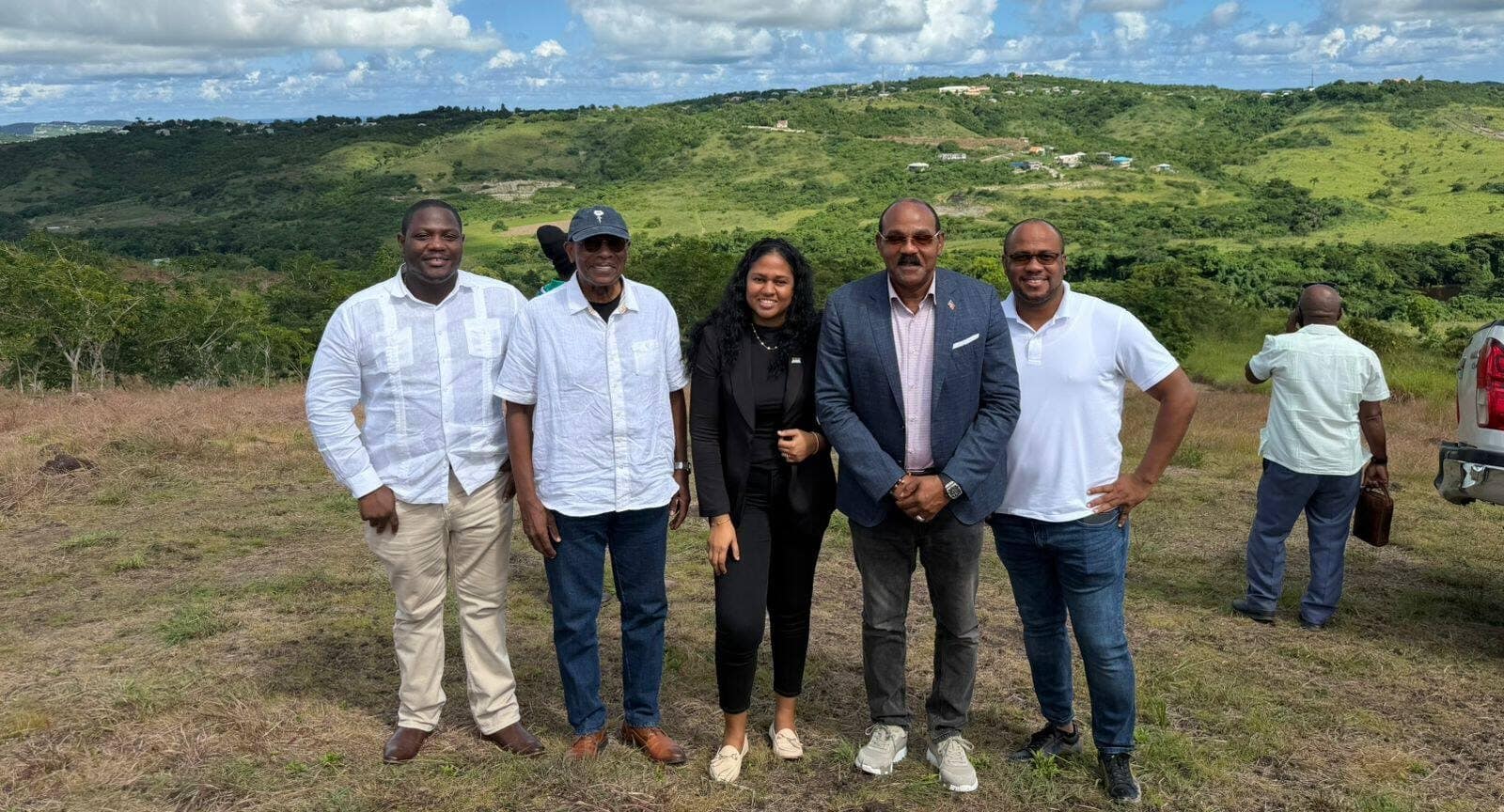
Government Ramps Up Farm Support With Security, Water and Access Upgrades
In response to escalating geopolitical tensions in the Caribbean region, the Cabinet of Antigua and Barbuda has unveiled a comprehensive strategy to enhance national food security. Recognizing the potential risks posed by rising uncertainties, particularly between Venezuela and the United States, the government has prioritized a significant boost in domestic agricultural production. This initiative aims to safeguard the nation’s access to affordable and reliable food supplies, ensuring resilience against potential disruptions in regional supply chains.
Over the past decade, Antigua and Barbuda has made notable progress in agricultural development, including the expansion of farm infrastructure, construction of dams, implementation of drip-irrigation systems, and provision of incentives for farmers. However, the Cabinet emphasized that current global and regional challenges necessitate a more intensified national effort. As part of this renewed focus, lands leased for farming but left unproductive will be reassigned. Farmers failing to utilize their acreage within 30 days will see their lands reallocated to active farmers and cooperatives ready to cultivate. The Cabinet clarified that this measure is not punitive but essential to maximize the contribution of agricultural assets to food security, employment, and economic sustainability.
To support this initiative, the Ministry of Agriculture has been directed to accelerate state assistance to the farming community. Immediate actions include fencing farms to prevent theft, expanding nursery production, constructing new wells and dams, lighting farms for enhanced security, and improving farm access roads. Additionally, fishermen will receive fuel subsidies, acknowledging their critical role in the domestic food supply chain.
The government also announced the establishment of an Agro-Industrial Park at Diamonds and an Eco Park at Christian Valley to modernize large-scale production and support agro-enterprise development. Furthermore, the national reforestation program has been revised, with a new target of planting 300,000 trees annually, deemed both challenging and achievable. This initiative aims to bolster climate resilience, restore watersheds, and enhance biodiversity.
Over the last decade, Antigua and Barbuda has expanded domestic egg, poultry, and livestock production, implemented duty-free concessions for farm equipment, and invested in drought-resilient technologies. The Cabinet underscored the urgency of transitioning into full “production mode” to reduce dependence on food imports, stating, “Food security is national security.”
The government reaffirmed its commitment to collaborating with farmers, fishermen, the private sector, and educational institutions to position Antigua and Barbuda as one of the most food-secure small states in the Western Hemisphere.
-
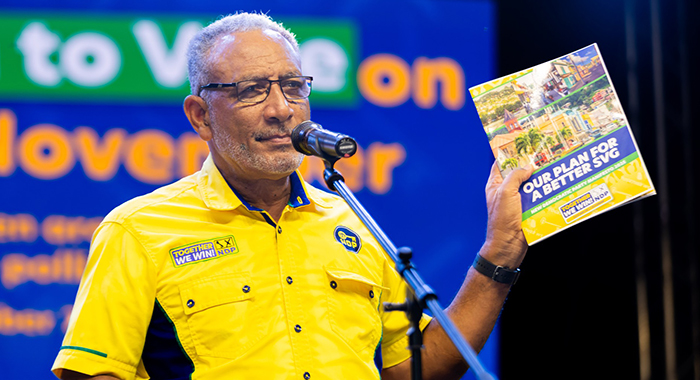
NDP launches manifesto of ‘bold, transformative plans’
The New Democratic Party (NDP), the primary opposition in St. Vincent and the Grenadines (SVG), has officially launched its manifesto for the upcoming general election. Party leader Godwin Friday described the document as a blueprint for \”bold, transformative plans\” aimed at reshaping the nation over the next five years. Speaking to supporters in Keartons, Barrouallie, Friday emphasized that the manifesto encapsulates the party’s vision for economic growth, public safety, and infrastructure development.