作者: admin

  • Overseas haven for dogs

    Overseas haven for dogs

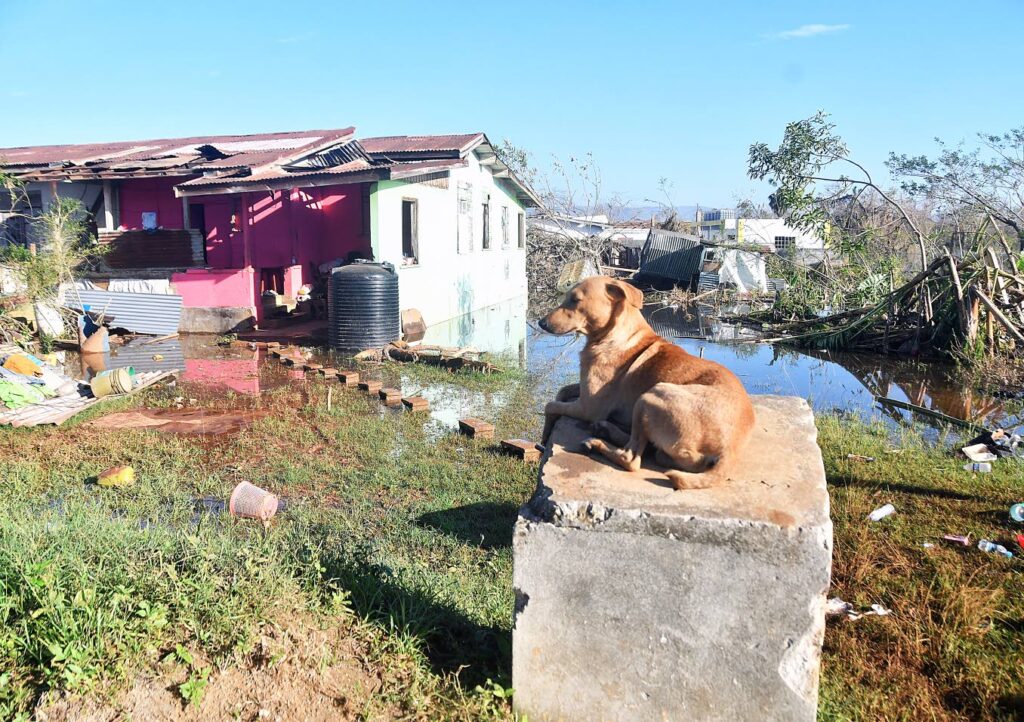
    In a remarkable humanitarian effort following the devastation of Hurricane Melissa, Jamaican authorities successfully rescued more than 50 distressed dogs from severely affected communities in the island’s southwestern parishes. Many of these animals have now been adopted into loving homes overseas.

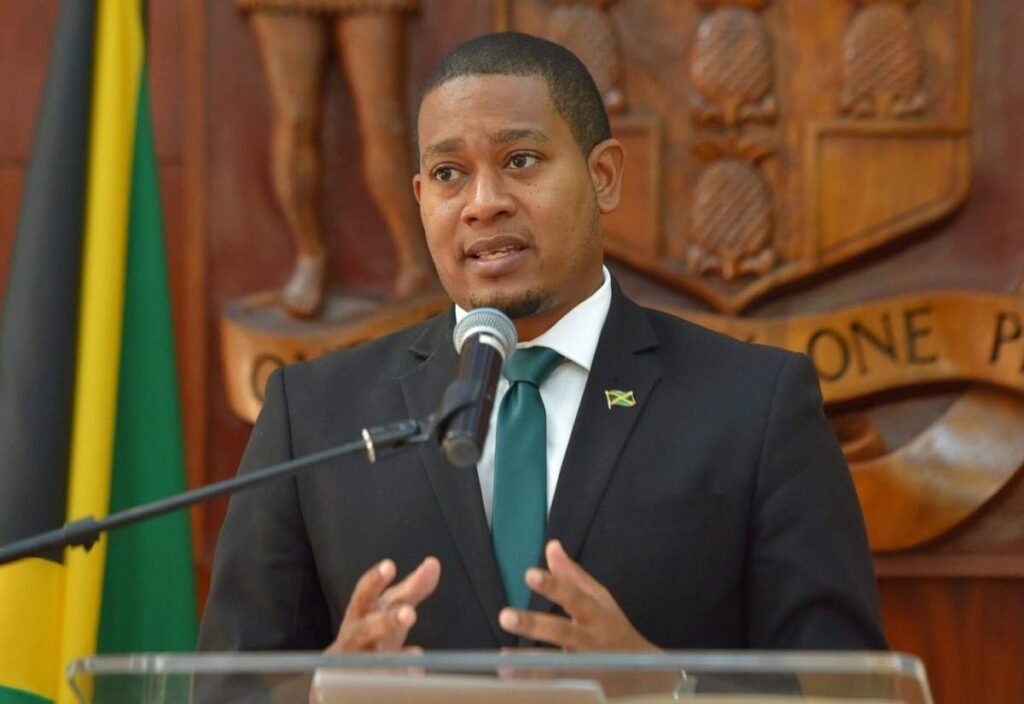
    Agriculture Minister Floyd Green, speaking at a special post-hurricane media briefing at Jamaica House on Wednesday, emphasized that while the primary focus remained on saving human lives and delivering essential aid to devastated communities, the government maintained significant concern for animal welfare during the catastrophic event.

    Minister Green detailed how personnel from the Veterinary Services Unit collaborated with the Jamaica Defence Force (JDF) in specialized rescue operations targeting stranded pets, particularly dogs isolated by flooding. The teams conducted aerial reconnaissance missions to identify locations where animals were trapped and required emergency assistance.

    “The ministry facilitated the export of 58 dogs rescued through these coordinated missions,” Green announced. “Some have found new homes in the United States, while others have been relocated to Canada.”

    The Veterinary Services Division has demonstrated exceptional commitment in the aftermath of the Category 5 storm that struck Jamaica on October 28. The ministry has established free veterinary clinics across multiple parishes, including St. Elizabeth, St. James, and Westmoreland, with additional services planned for Clark’s Town in Trelawny. These clinics provide critical support including medical treatment, medication, wound care, vaccinations, and nutritional assistance for both farm animals and pets.

    While no official estimate exists for pet fatalities during Hurricane Melissa, the human toll continues to mount. The Office of Disaster Preparedness and Emergency Management (ODPEM) has confirmed 45 storm-related fatalities with 18 individuals still missing.

    The agricultural sector suffered catastrophic losses, with Minister Green reporting to Parliament on November 11 that farmers lost 5,600 pigs, 3,560 small ruminants (goats and sheep), and 2,850 cattle. The poultry industry was particularly devastated, losing 458,000 laying hens (representing over 40% of the national layer population) and 780,000 broiler chickens.

    The preliminary damage assessment for the agricultural sector initially estimated losses at $30 billion, but according to World Bank rapid assessment data, this figure has now doubled to approximately $60 billion, highlighting the unprecedented scale of destruction wrought by Hurricane Melissa.
  • Climate justice clash

    Climate justice clash

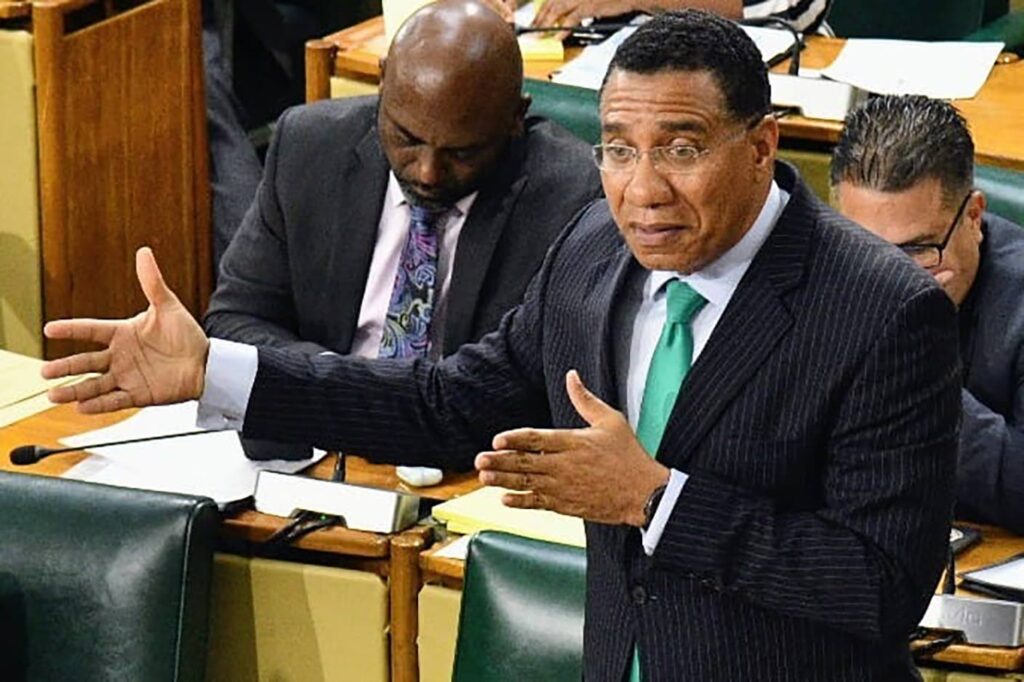
    A significant political divergence emerged in Jamaica’s House of Representatives on Tuesday as Prime Minister Andrew Holness and Opposition Leader Mark Golding presented contrasting visions for addressing climate-induced disasters. The debate centered on Jamaica’s recovery strategy following Hurricane Melissa, exposing fundamental differences in approaching climate injustice and economic sovereignty.

    Opposition Leader Golding launched a forceful critique against global climate inequality, characterizing Jamaica as an innocent victim suffering from ecological crises it didn’t create. He emphasized that wealthy, high-emission nations bear historical responsibility for climate disruptions that disproportionately affect small island developing states. Golding warned that Jamaica faces ‘a massive amount of additional debt’ to recover from disasters, creating an unfair burden that should be shouldered by major polluting nations.

    Prime Minister Holness acknowledged the validity of climate injustice arguments but articulated a philosophy of pragmatic self-reliance. While reaffirming his longstanding advocacy for climate justice on international platforms, including his role as co-chair of the Global Committee for Climate Financing, Holness insisted Jamaica cannot depend on external goodwill. He maintained that the nation must ‘stand on its own two feet’ while pursuing international compensation claims.

    The Prime Minister highlighted Jamaica’s transformed fiscal credibility, noting that the country now qualifies for concessional financing from international financial institutions—a scenario he described as ‘unthinkable two decades ago.’ Holness pointed to Jamaica’s dramatically improved debt-to-GDP ratio over the past decade as evidence of strengthened economic management that commands global confidence.

    Crucially, Holness emphasized that borrowing terms matter more than borrowing itself. He detailed how current recovery financing offers more structured, concessionary, and predictable terms than previous arrangements. The Prime Minister stressed that wise deployment of reconstruction funds could expand GDP and facilitate debt repayment, urging parliamentary discipline and long-term strategic thinking as recovery programs accelerate.

    Golding later clarified that he wasn’t advocating for handouts but highlighting the structural injustice that forces vulnerable nations into debt for survival. Both leaders agreed on the reality of climate inequality but diverged significantly on how Jamaica should navigate its consequences while maintaining economic stability and sovereignty.

  • Christmas cheer

    Christmas cheer

    Jamaican Agriculture Minister Floyd Green has publicly guaranteed the availability of traditional holiday foods for the upcoming Christmas season, despite significant agricultural disruptions caused by Hurricane Melissa. The assurance came during a special post-hurricane media briefing at Jamaica House on Tuesday, where Green outlined a comprehensive recovery strategy combining targeted imports and substantial farmer support programs.

    The minister revealed his ministry has initiated contact with external suppliers to address specific shortages in vegetable lines and table eggs, emphasizing that importation would be carefully calibrated to avoid undermining local producers. ‘We will not do more than is needed. There will be space for your products,’ Green assured Jamaican farmers, explaining that the ministry employs detailed demand pattern analysis throughout the year to determine appropriate supply levels.

    The hurricane, which struck on October 28, exacerbated existing egg shortages by wiping out 458,000 layers—approximately 40% of Jamaica’s laying hen population. Green acknowledged the severity of the situation, noting that discussions are underway with the Ministry of Finance to ensure imported food items ‘land here at a reasonable price’ for consumers during the critical holiday period.

    Beyond immediate import solutions, the government has launched an ambitious agricultural recovery program. Phase two of hurricane recovery involves distributing over 7,000 seed packs valued at $50 million, with an additional $70 million allocation pending. Specialized support includes $50 million for fertilizer formulated specifically for yam farmers (who suffered 70% crop damage) and another $50 million for yam planting materials and stakes.

    Infrastructure repair forms another crucial component, with $800 million earmarked for restoring approximately 40 farm roads from the ministry’s $3 billion supplementary budget. The Rural Agricultural Development Authority (RADA) is spearheading multiple initiatives, including a free land preparation program utilizing private tractor services and distribution of 100,000 broiler chicks expected to produce 160 kilograms of chicken meat.

    Green highlighted encouraging signs of recovery, noting that farmers have already begun replanting, reestablishing nurseries, and repairing greenhouses in the month since the hurricane caused approximately $60 billion in agricultural losses. The coordinated government effort aims to accelerate Jamaica’s agricultural restoration while ensuring holiday food security through strategic intervention.

  • Student loan relief

    Student loan relief

    The Students’ Loan Bureau (SLB) of Jamaica has unveiled a comprehensive debt relief program offering substantial financial assistance to thousands of student borrowers affected by Hurricane Melissa. Executive Director Nickeisha Walsh announced the initiative during a post-Cabinet briefing at Jamaica House, outlining targeted support for both current students and repayment customers.

    Immediate relief measures will benefit nearly 2,000 enrolled students and approximately 4,450 repayment customers across five severely impacted parishes: St Elizabeth, Westmoreland, Hanover, St James, and Trelawny. Current students will receive direct grants of J$60,000 to support their educational recovery efforts, while repayment customers will obtain a three-month payment deferral from November 2025 through January 2026.

    The broader Debt Reset Programme, scheduled from December 1, 2026, to April 30, 2026, provides extensive financial waivers. Eligible borrowers can clear arrears through a 50% interest arrears waiver, complete elimination of accumulated charges, and full insurance fee waivers. Additionally, the SLB will credit J$100,000 to accounts of 8,890 borrowers maintaining good standing as an incentive for continued timely payments.

    Walsh emphasized the program’s dual purpose: immediate hurricane recovery support and long-term debt sustainability. Borrowers who remain current for one year following debt reset participation will qualify for a permanent 2% interest rate reduction, substantially lowering their overall repayment burden.

    The initiative comes as the SLB reports improved lending conditions, with borrowing rates dropping dramatically from 16% to just 3%. Current portfolio data indicates 35,360 active loans, including 11,634 delinquent accounts and 14,836 in moratorium status. Students outside the five designated parishes who experienced hurricane damage may still qualify for assistance through case-by-case evaluation.

  • ‘Social Media Lockout’ in Australia for Users Under Sixteen

    ‘Social Media Lockout’ in Australia for Users Under Sixteen

    In a groundbreaking move to safeguard youth from digital risks, the Australian government has mandated a comprehensive social media prohibition for all citizens under sixteen years of age. Effective December 10, 2025, this sweeping regulation requires major platforms—including Facebook, Instagram, TikTok, YouTube, Snapchat, Reddit, X, Threads, and Kick—to deactivate accounts belonging to minors below the specified age threshold.

    Platform operators must comply with stringent reporting protocols, submitting monthly documentation detailing the number of underage accounts terminated. Non-compliance carries severe financial penalties, with fines reaching up to 50 million Australian dollars for violations. The Australian eSafety Commissioner will formally issue enforcement notices to social media companies on December 11, initiating the compliance verification process.

    Communications Minister Anika Wells defended the policy, citing mounting evidence of platforms’ inadequate protection of younger users. While acknowledging the technical complexities of age verification systems, Wells emphasized that systemic violations would trigger substantial financial consequences.

    The policy has drawn mixed reactions from technology corporations. YouTube, operated by Google, expressed strong opposition, stating the measure would ultimately decrease safety for Australian youth on their platform. Conversely, Meta announced proactive measures to identify and remove suspected underage accounts beginning December 7.

    Australia’s decisive action has generated international attention, with several nations considering similar age restrictions. Malaysia has announced plans to implement comparable social media prohibitions for users under sixteen within the coming year. European nations are pursuing alternative approaches: France mandates age verification and parental consent for users under fifteen, Denmark is preparing restrictions for those under fifteen, and Italy requires parental authorization for social media access by individuals under fourteen.

  • NODS Begins Nationwide Audit to Strengthen Antigua and Barbuda’s Disaster Preparedness

    NODS Begins Nationwide Audit to Strengthen Antigua and Barbuda’s Disaster Preparedness

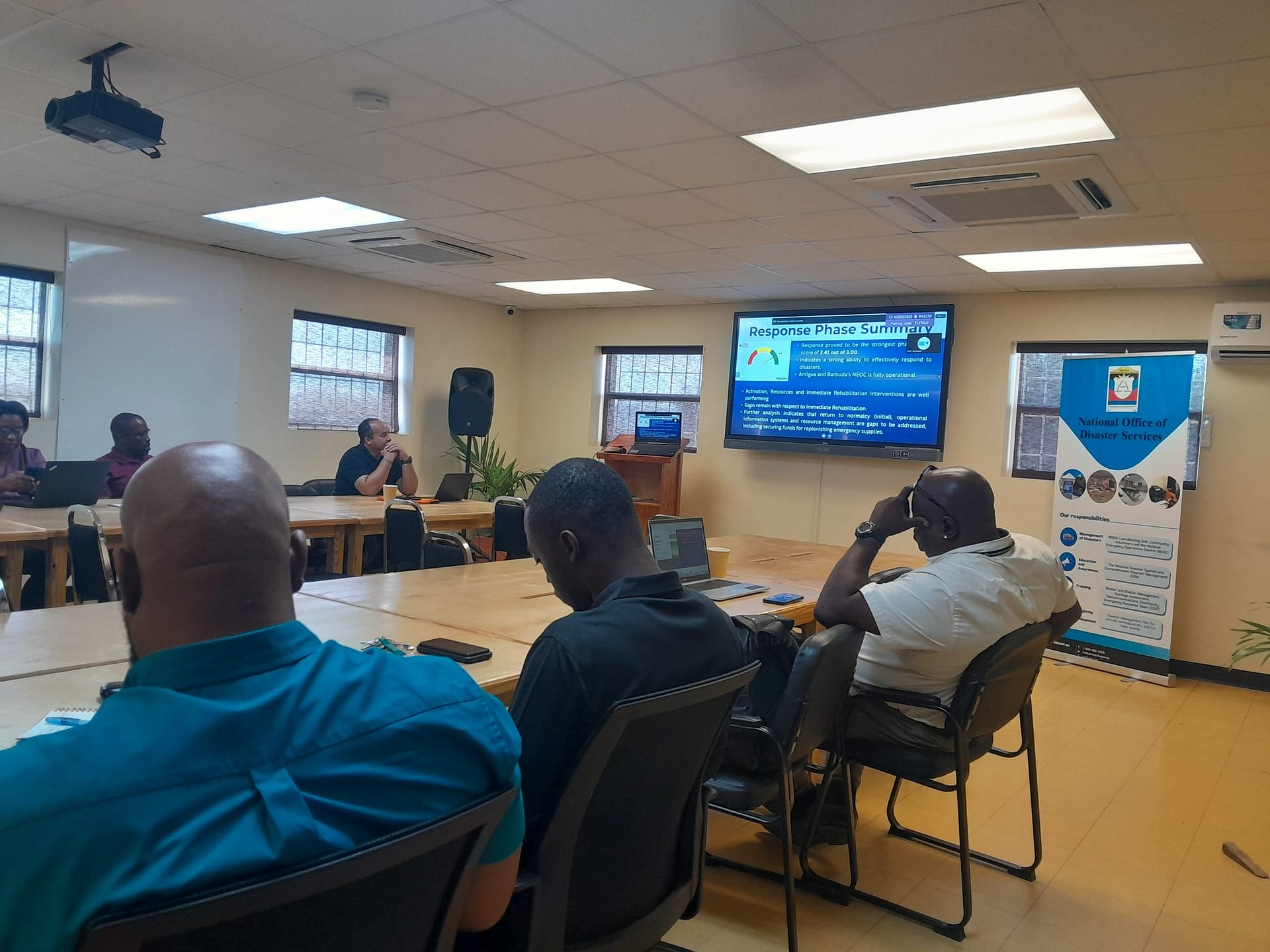
    Antigua and Barbuda has initiated a sweeping evaluation of its national disaster resilience framework. The National Office of Disaster Services (NODS), in a strategic partnership with the Caribbean Disaster Emergency Management Agency (CDEMA), has commenced a Comprehensive Disaster Management (CDM) audit. This critical, cyclical assessment represents a foundational effort to meticulously gauge the nation’s preparedness across the four essential pillars of disaster management: preparedness, response, recovery, and mitigation.

    Under the direction of NODS Director Sherrod James, the audit is designed to deliver an objective analysis of the country’s current operational standing. The initiative will pinpoint requisite resources and strategic initiatives necessary for a substantive enhancement of national disaster strategies. To facilitate this process, CDEMA, in collaboration with the University of the West Indies (UWI), has procured a local consultant to develop a specialized audit instrument—a structured questionnaire deployed to a wide array of national stakeholders.

    The collated data from these engagements will yield a holistic and unbiased overview of existing capabilities. All compiled intelligence will be integrated into a centralized, standardized database. This repository will serve as a critical benchmark for measuring the nation’s advancements and setbacks in disaster management over recent years.

    This systematic review is expressly engineered to identify operational deficiencies, chronic challenges, and nascent threats, thereby informing a proactive and forward-looking national strategy. The ultimate objective is to utilize the audit’s findings to comprehensively upgrade NODS’s existing multi-year work program. This endeavor is poised to culminate in a significantly more robust and resilient national apparatus, capable of confronting future disaster scenarios with enhanced efficacy and coordination.

  • Israel carried out more than 2,140 attacks in the West Bank in November

    Israel carried out more than 2,140 attacks in the West Bank in November

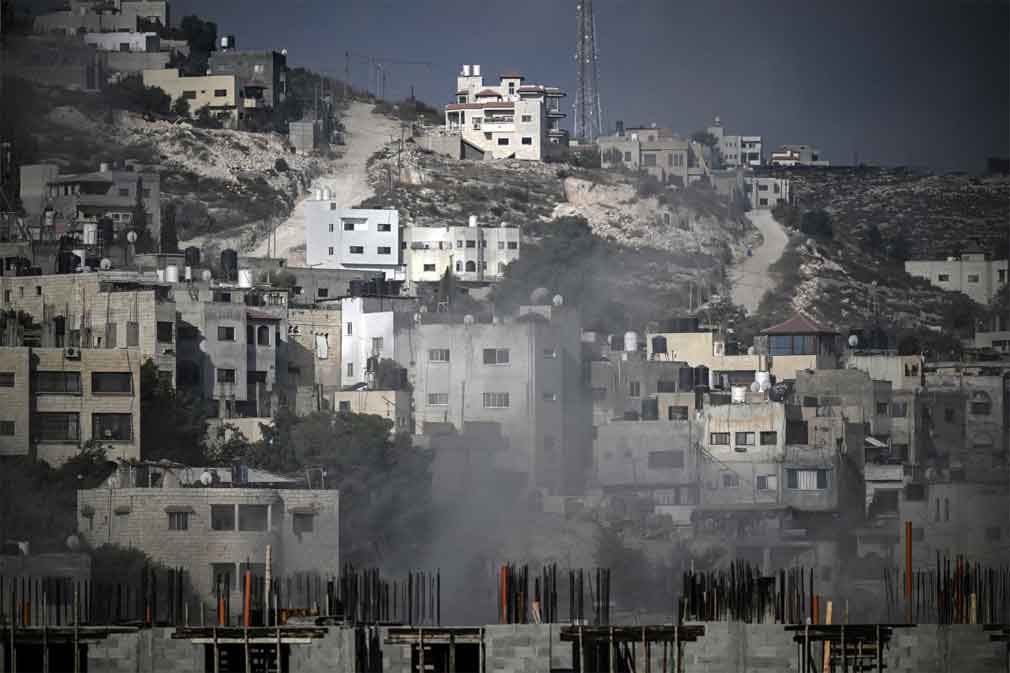
    A comprehensive monthly report from the Palestinian Commission Against the Wall and Settlements has documented an alarming escalation of Israeli military and settler activities across occupied territories. According to Commission Head Muayyad Shaaban, security forces perpetrated 1,523 distinct operations while settlers conducted additional attacks throughout the reporting period.

    The investigation reveals a systematic pattern of violations including structural demolitions, property confiscation, deliberate vandalism, movement restrictions, lethal violence, physical assaults, and widespread theft. Shaaban emphasized these actions represent not random incidents but a coordinated strategy to displace indigenous populations and establish an institutionalized system of racialized control.

    Particularly concerning is the attempted establishment of 19 unauthorized settler outposts—initial infrastructures designed to evolve into permanent Jewish settlements. The report asserts these developments occur with explicit political authorization from the highest levels of Israeli governance, intentionally fragmenting Palestinian territorial continuity and imposing demographic realities through fait accompli tactics.

    Quantitative analysis confirms the seizure of approximately 280 hectares (692 acres) of West Bank land through multiple legal mechanisms including confiscation orders, expropriation procedures, and reclassification of state land boundaries. Additionally, authorities executed 46 demolition operations affecting 76 structures while issuing 51 preliminary notices targeting additional properties for future destruction.

  • China financiert drinkwaterprojecten voor 26 dorpen in binnenland

    China financiert drinkwaterprojecten voor 26 dorpen in binnenland

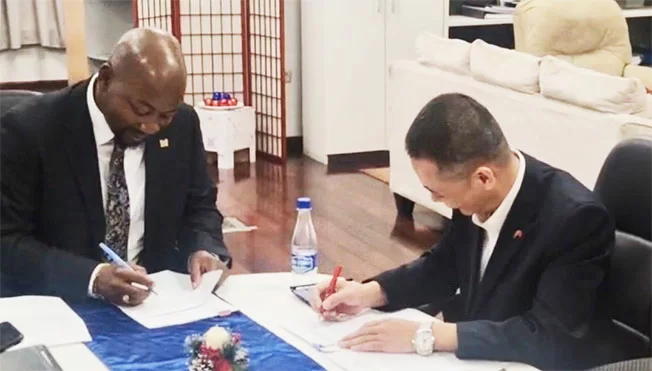
    Suriname and China have formalized a significant bilateral agreement to construct drinking water infrastructure across 26 villages in the remote interior regions of Boven-Suriname, Marowijne, and Brokopondo. The partnership was cemented through the signing of official minutes by David Abiamofo, Suriname’s Minister of Natural Resources, and Jia Jinyi, Counselor of the Chinese Embassy in Suriname.

    This development cooperation initiative focuses on installing advanced groundwater purification systems designed to provide sustainable access to safe drinking water for thousands of residents in historically underserved communities. The project represents a complete donation from the People’s Republic of China, covering all implementation costs.

    The agreement follows extensive preparatory work conducted in June by Chinese technical experts who performed comprehensive feasibility studies and meticulously assessed local conditions in each beneficiary village. Suriname’s Water Supply Service will facilitate project execution through logistical support, community communication, and capacity building programs.

    This infrastructure development marks a substantial step toward addressing structural water supply deficiencies in Suriname’s interior regions, potentially transforming public health outcomes and living standards in these communities.

  • Film Festival in Cuba, blend of cultures

    Film Festival in Cuba, blend of cultures

    The Havana Film Festival is launching a groundbreaking Latin American Film Market named Isla Abierta (Open Island) to commemorate the 80th anniversary of Mexican cinema’s iconic production company. Festival President Tania Delgado announced the initiative during an exclusive interview with Radio Rebelde, revealing the market will operate from December 7-11 through a collaborative effort between the Cuban Film Institute (ICAIC) and festival organizers.

    This strategic expansion aims to position Havana as a crucial nexus for cinematic exchange between Latin America, the Caribbean, and the Eurasian region. The festival’s official Facebook platform describes Isla Abierta as possessing “an inclusive and dynamic vision” that will facilitate content circulation, talent discovery, and innovative East-West cooperation pathways while generating unprecedented investment opportunities and strategic alliances.

    The new market will feature comprehensive industry activities including pitching sessions, expert panels, negotiation tables, location portfolio showcases, collaboration roundtables, virtual reality stations, immersive installations, and narrative video game exhibitions. These components are designed to create a holistic ecosystem for film professionals across multiple disciplines.

    Running parallel to the main festival from December 4-14—recognized as one of Latin America and the Caribbean’s most significant cinematic events—Isla Abierta will maintain the traditional participation categories while introducing these new market dimensions. The festival continues its role as a vital platform for regional cinematic expression while now expanding into international market functions that promise to reshape transcontinental film collaboration.

  • Exhibition reveals A Case for Montalbano in Cuba

    Exhibition reveals A Case for Montalbano in Cuba

    Cuba is currently hosting the 27th edition of its longest-running cultural festival, the Week of Italian Culture, which continues through December 6th with a diverse program celebrating Italy’s rich literary heritage and artistic innovations. This year’s edition pays special tribute to three iconic Italian authors—Giovanni Boccaccio, Eugenio Montale, and Andrea Camilleri—marking significant anniversaries for each literary master through workshops, original performances, and creative competitions.