作者: admin

  • Wishes from the west: Don’t cancel Christmas

    Wishes from the west: Don’t cancel Christmas

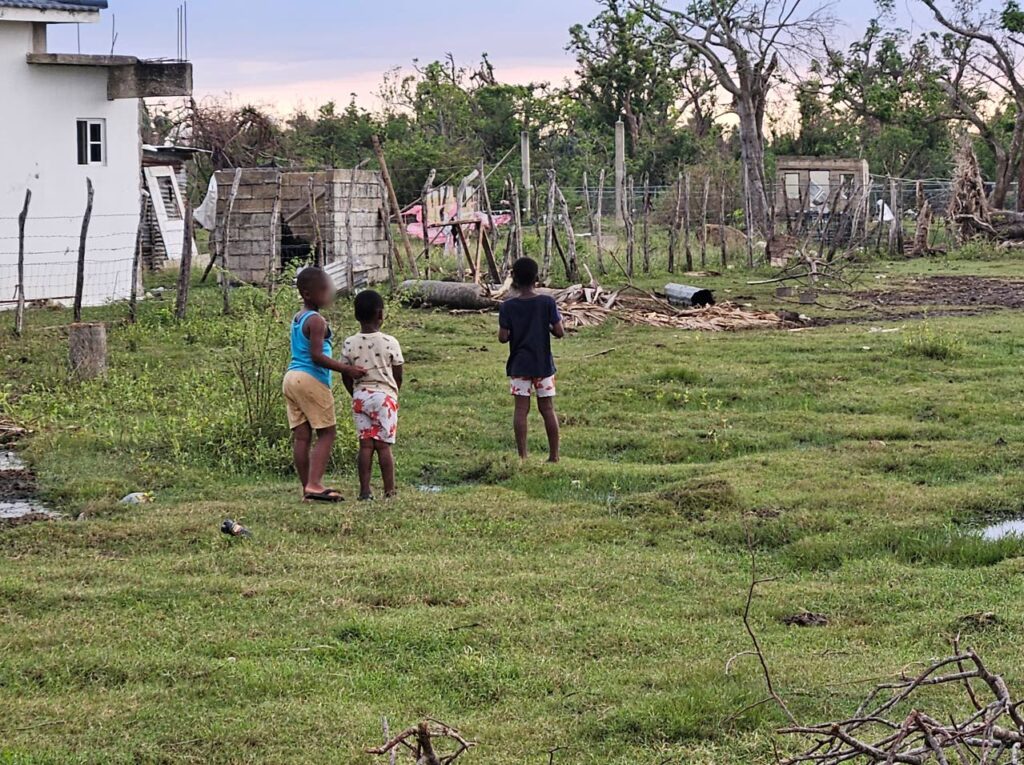
    In the storm-ravaged communities of St Elizabeth, Jamaica, residents are making an extraordinary appeal to their nation: do not scale back Christmas celebrations, but instead bring the festive spirit to those hardest hit by Hurricane Melissa. Despite facing catastrophic losses of homes and livelihoods, these communities are pleading for special focus on restoring joy for their children during the holiday season.

    Parents from Parottee and Burnt Savanna emphasize that while material possessions have been destroyed, the Christmas spirit remains unbreakable. They specifically request assistance in organizing children’s treats, family fun days, and the installation of Christmas lights to illuminate both their physical surroundings and emotional darkness. The symbolic power of holiday celebrations represents a crucial psychological lifeline for traumatized families.

    Britney Durrant, a mother of two, articulated the profound emotional need: “The children feel scared, and getting them into the Christmas spirit will at least give them a little bit of hope.” Her neighbor Raltson White echoed this sentiment, noting that while adults struggle with trauma, children deserve to experience the magic of Christmas through toys and festivities.

    Beyond seasonal celebrations, residents express more fundamental needs. Kadrija Lindo, whose home was completely destroyed, faces a January 2026 deadline to find stable housing for her two young children. Cassandra Green described her desperate situation with a leaking roof and inadequate lighting, while Getel Harriot lost both her home and small business to the hurricane.

    The community’s dual Christmas wishlist encompasses both immediate festive joy and long-term recovery assistance. Richard Thompson captured the resilient spirit, stating: “We still have to give thanks that we are alive… no matter how poor we are, we can celebrate Christmas same way.”

    The Jamaica Observer, which documented these stories, has offered to connect potential helpers with affected families, providing a direct channel for those wishing to contribute to both the Christmas celebrations and rebuilding efforts.

  • School principal counts blessings amid disaster

    School principal counts blessings amid disaster

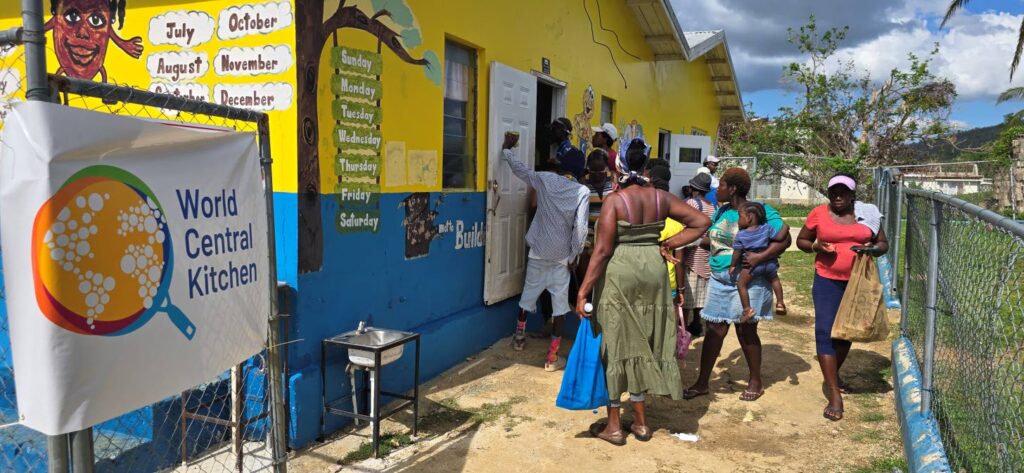
    Six weeks after Hurricane Melissa’s devastating passage, the Burnt Savannah Early Childhood Institution in St. Elizabeth continues operating without a roof—yet radiates remarkable resilience through powerful community solidarity. Despite classrooms remaining exposed to the elements, the institution has become both a recipient and distributor of hope in the aftermath of the Category 5 storm.

    Principal Elaine Williamson Smith detailed the extensive damage: “Our zinc roofing completely disappeared during the storm, and unfortunately, some community members took the remaining materials.” Yet the devastation triggered an extraordinary response. Former student Claston Bernard mobilized US Navy personnel and Mexican workers to install protective tarpaulins, while numerous organizations and individuals contributed rebuilding materials.

    The school’s transformation into a community hub represents perhaps the most remarkable development. Partnering with World Central Kitchen, the institution now serves as a strategic distribution center for meals reaching hurricane-affected residents across multiple communities. “We’ve sent meals to Burnt Savannah Primary School, Knoxville Basic School, and Slipe,” Williamson Smith explained, emphasizing their careful scheduling of distributions to avoid disrupting classroom activities.

    Educational challenges remain significant. Currently operating without electricity or internet, the school has shortened daily sessions to avoid afternoon rainfall. Attendance stands at approximately 50% of the pre-hurricane 105 students, with many families temporarily relocated or struggling with recovery. “Some households simply cannot send children to school yet,” the principal acknowledged, though she remains optimistic about gradual improvement.

    The collective response has overwhelmed school administrators. Food For the Poor has committed building materials and care packages, while education ministry officials and the Early Childhood Commission have pledged reconstruction support. “God has sent persons to our help and our rescue,” Williamson Smith stated, reflecting the community’s profound gratitude amid ongoing challenges.

    Despite the progress, complete recovery remains a distant goal. The principal’s ultimate vision includes fully restored operations for the entire educational and medical complex—the primary school, health center, and early childhood institution—enabling all students to resume regular face-to-face learning without environmental limitations.

  • Bird flu caution

    Bird flu caution

    A prominent Jamaican biologist has issued an urgent call for public vigilance following the confirmed avian influenza outbreak in the Cayman Islands, which authorities believe was introduced through migratory birds. Damion Whyte, an assistant lecturer at The University of the West Indies’ Department of Life Sciences and wildlife expert, is urging Jamaicans to report any sightings of ill or behaving unusually birds to prevent potential spread.

    Whyte emphasized proper protocols in a social media video: ‘If you see a sick bird, put on gloves if you have to move it, and get that information to the authorities.’ He specifically mentioned contacting Jamaica’s Ministry of Agriculture’s Veterinary Division, the National Environment and Planning Agency (NEPA), Bird Life Jamaica, or directly messaging him through his social media platform @roostersworldja.

    The Cayman Islands outbreak, first detected on November 28 at a West Bay farm on Cemetery Road, has resulted in the culling of 69 birds after the virus was identified in chickens, quail, farmed ducks, a wild whistling duck, and a goose. According to the Cayman Compass newspaper, Senior Veterinary Officer Dr. Tiffany Chisholm confirmed that genetic tracing conducted with UK support matched the strain to the H5N1 variant currently circulating in North America.

    ‘We are fairly confident that it was either brought in by the migratory birds or it was transmitted via chickens that had been exposed to them,’ Dr. Chisholm stated during a virtual meeting with farmers. ‘The reality around the world is that migratory birds have played one of the biggest roles in introducing this virus to most countries.’

    Whyte, a former president and current executive member of Bird Life Jamaica, explained that migratory birds typically arrive in the Caribbean from North America between September and May. These birds, often called ‘Christmas birds’ locally, can carry avian influenza without showing symptoms and transmit the virus through water, saliva, feathers, or when infected carcasses are consumed by predators.

    Jamaican health authorities have confirmed they are monitoring the situation and maintaining existing surveillance systems. The Veterinary Division continues animal surveillance while simultaneously conducting testing for flu-like illnesses in humans.

    Whyte additionally recommended that chicken farmers secure their coops to prevent wild birds from entering and sharing water or feed sources. He also addressed increased bird injuries following Hurricane Melissa on October 28 but believes those are storm-related rather than disease-connected.

    The Cayman Islands government is preparing targeted culling operations for feral birds as the affected farm remains under quarantine for at least three to four weeks. Health professionals note that avian influenza can sometimes transmit to humans, causing mild to severe respiratory symptoms and pink eye, particularly affecting those who work with poultry, waterfowl, and dairy cows.

  • SRPs vs TTPS?

    SRPs vs TTPS?

    A contentious meeting between Special Reserve Police (SRP) officers and Trinidad and Tobago Police Service (TTPS) management has exposed significant challenges in implementing Homeland Security Minister Roger Alexander’s directive to integrate 800 reserve officers into the regular force.

    The December 3 gathering descended into chaos when senior TTPS officials cut microphone access following controversial comments from an SRP representative. The tension escalated particularly around the requirement for incoming officers to possess a CSEC pass in English Language, revealing deep divisions between the groups.

    Assistant Commissioner of Police Curt Simon attempted to restore order, emphatically stating that “The TTPS is not a market or a parlour,” emphasizing that selection for regular service constitutes a privilege rather than an entitlement. This declaration prompted several SRP members to exit the meeting in protest.

    This confrontation represents the latest development in a long-standing struggle for improved status among reserve officers. Only in July, following a judicial ruling by Justice Frank Seepersad, were SRPs and municipal police granted voting rights in police association elections.

    The current integration initiative, designed to address a staffing shortfall of 1,154 officers, marks the most substantial proposed change in SRP status since 2019. That year, authorities targeted integrating 500 reserve officers into full police roles.

    Deputy Commissioner Junior Benjamin subsequently assured media outlets of the service’s commitment to fulfilling the cabinet directive. However, this assurance comes with the recognition that elevating potentially unqualified or unprepared officers to full TTPS duty could significantly impact both police operations and public safety.

    The resistance to basic academic requirements suggests that SRP recruitment standards may have been considerably more flexible than those applied to regular officers. While Minister Alexander may personally know qualified SRPs who could transition effectively, identifying 800 such candidates presents a considerable challenge.

    Police leadership appropriately maintains that any integration process must include rigorous, transparent assessment protocols alongside provisions for remedial training where necessary. Experts suggest that reserve officers indicating interest in regular service should receive preparation from their initial deployment, ensuring they meet the functional standards required of all officers performing full police duties.

  • Esperance Soroptimists launches Cedros Mural Activism Project

    Esperance Soroptimists launches Cedros Mural Activism Project

    In a vibrant display of activism, Soroptimist International Esperance has launched the Cedros Mural Activism Project, marking the commencement of the global 16 Days of Activism Against Gender-Based Violence. The initiative, situated near Beaulieu Recreation Grounds and Cedros Secondary School, directly aligns with this year’s UN Women theme combating digital violence against women and girls.

    The striking orange mural serves as both artistic statement and practical resource, featuring six bilingual messages that address various dimensions of gender-based violence. These messages highlight non-physical abuse patterns, confront human trafficking realities, warn about online predators, advocate for victim support, and provide essential contact information for assistance services. This project extends the club’s previous efforts, including the installation of awareness benches addressing human trafficking in July.

    The launch event garnered significant governmental support, with Minister of People Social Development and Family Services Vandana Mohit declaring the initiative “a national symbol of resistance against abuse, exploitation and digital violence.” Minister Mohit emphasized national responsibility in breaking digital gender-based violence walls through policy measures, counseling services, grant support, and community interventions.

    Notably, the Soroptimists’ ‘Think Before You Click’ initiative previously received the Delegates Choice Best Practice Award at the Soroptimist International of Great Britain and Ireland Conference. The program, developed in partnership with the UN Office on Drugs and Crime (UNODC), educates secondary school girls about cybercrime protection and gender-based violence prevention.

    Director of The Counter Trafficking Unit Allan Meiguel endorsed the campaign while highlighting the urgent need for a dedicated service office in the vulnerable coastal community of Cedros. This sentiment was reinforced by Energy Minister and local MP Ernesto Kesar, who emphasized that gender-based violence constitutes a societal issue requiring collective condemnation and action.

    The event culminated in a powerful appeal urging legislative action against digital violence, increased investment in women’s organizations, and community commitment to challenging harmful online norms while supporting survivors.

  • The Parang Lab brings story time to schools

    The Parang Lab brings story time to schools

    A groundbreaking educational initiative is revolutionizing how young generations experience traditional parang music in Trinidad and Tobago. Led by vocalist, composer, and cultural researcher Curtra Skeete of Arima, The Parang Lab employs an innovative methodology that merges musical performance with literary storytelling and interactive learning.

    Established earlier this year, the project takes a scientific approach to cultural preservation, with Skeete and fellow musicians presenting themselves as ‘parrangologists’ – doctors specializing in the art form. Through bilingual storytelling sessions that incorporate live musical accompaniment, children gain both educational and interactive exposure to traditional parang, experiencing what Skeete describes as ‘the organic side of the art form.’

    The initiative’s unique methodology includes the development of a children’s book series targeting ages five to eight. Three manuscripts are currently under review, including ‘Maria Primera Parranda’ (chronicling a child’s inaugural parang experience), ‘John Boy and the Golden Cuatro’ (about self-taught musical mastery), and a tribute to legendary parang queen Clarita Rivas. Skeete incorporates these narratives into live sessions, with plans to expand the series to six volumes incorporating magical realism and cultural iconography.

    Skeete’s childhood experiences in Santa Rosa Heights, accompanying relatives to traditional house-to-house parang performances, profoundly influenced her artistic path. She later competed as a vocalist in secondary school parang competitions and has co-composed songs with her brother, Curt Skeete of Soñadores the Band.

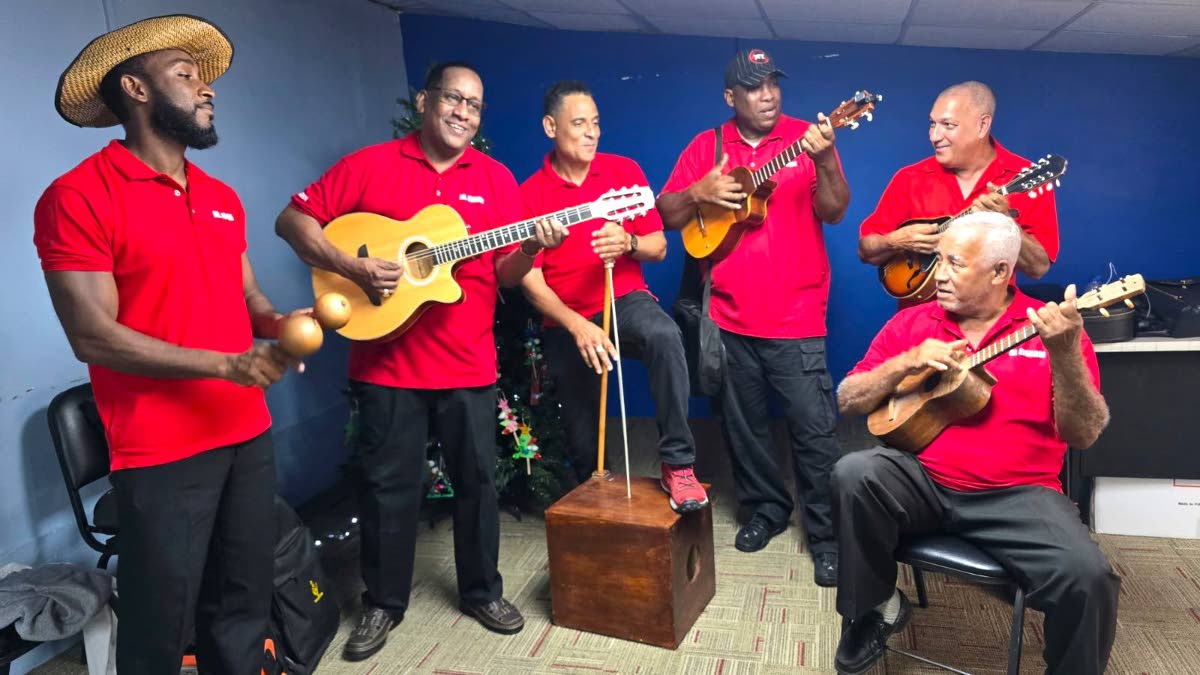
    The Parang Lab has already conducted sessions at numerous educational institutions including Ashley B’ Learning Academy, St Michael’s Anglican Primary, and Arima Presbyterian. Sessions typically feature traditional instruments like box bass, guitar, cuatro, toc-toc, and maracas, deliberately maintaining authentic musical roots despite the genre’s evolution toward concert-style performances.

    Participating musicians include Dr. David Subero, Sebastian Subero, Ryan Wiseman, and several other accomplished performers. The program operates on an invitation-only basis, offered free of charge to schools, typically scheduling visits on Fridays. Skeete, who holds a degree in Latin American Studies and Spanish from the University of the West Indies, also serves as a program facilitator with NGO Vision on Mission, bringing professional expertise to this cultural preservation effort.

  • Salvation Army’s Kettle initiative: Ringing the bells of hope

    Salvation Army’s Kettle initiative: Ringing the bells of hope

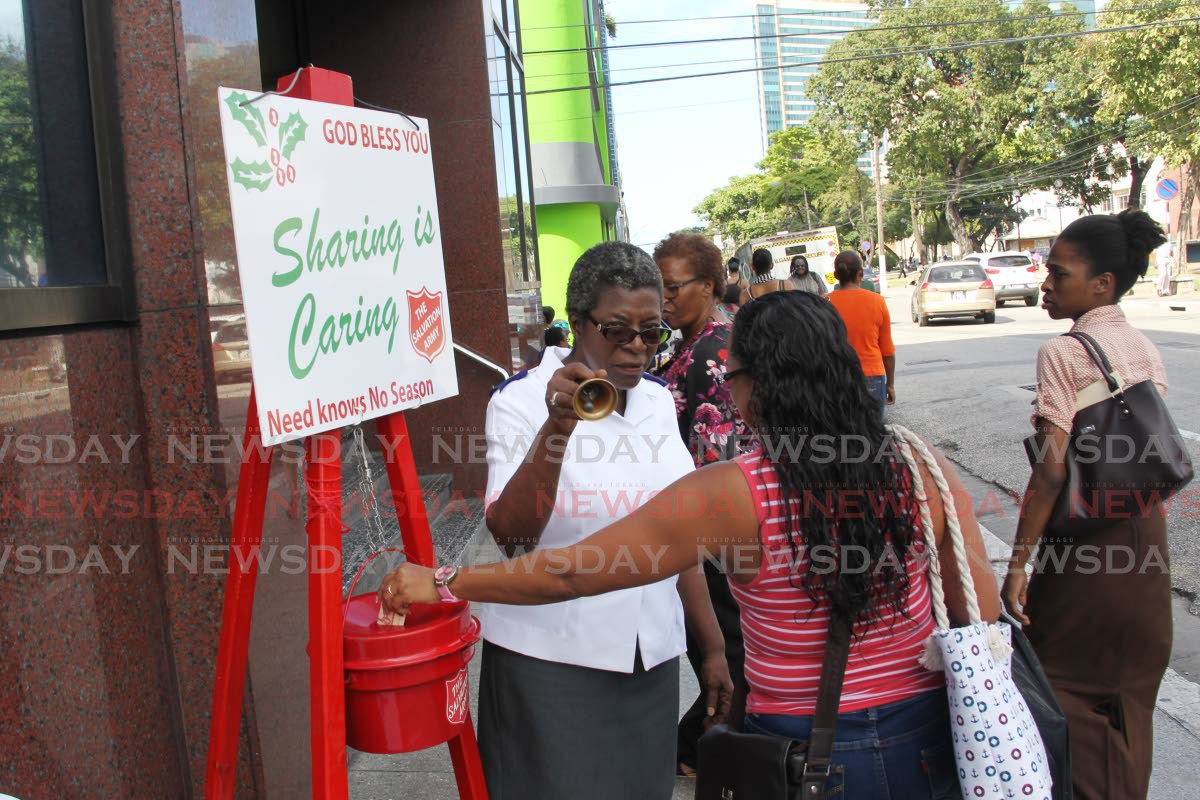
    Across Trinidad and Tobago’s bustling shopping centers and public spaces, the familiar sight of bright red kettles and ringing bells heralds the arrival of the Christmas season—and a 124-year tradition of compassionate giving. The Salvation Army’s iconic fundraising campaign, launched locally in the early 1900s, continues to serve as a critical support system for vulnerable communities despite evolving challenges.

    Major Chris Matthias, divisional commander overseeing operations in TT, St. Vincent, and Grenada, reveals this year’s ambitious target: $600,000 TT through the Christmas Kettle Appeal. The campaign, running from November 7 to December 31, deploys 28 collection points nationwide (26 in Trinidad, 2 in Tobago), though volunteer availability remains a persistent constraint.

    The initiative’s origins trace back to 1891 San Francisco, where Salvation Army Captain Joseph McFee adapted a Scottish maritime charity tradition. Recalling Fishermen’s Wharf’s donation pot for families of lost sailors, McFee employed an iron crab pot to fund hot meals for the impoverished. This grassroots effort rapidly expanded across the Bay Area, evolving into the recognizable red-kettle phenomenon that eventually inspired the classic Christmas ballad Silver Bells.

    In Trinidad and Tobago, where The Salvation Army formally incorporated in 1915, the kettle program serves multiple humanitarian functions. Funds enhance Christmas food hampers beyond regular distributions, support children’s holiday parties, and provide personal care packages during institutional visits to five major medical facilities—including the traditional Christmas morning visit to Port of Spain General Hospital.

    Matthias emphasizes the program’s transformative impact, recounting how one recipient eventually secured employment and housing before returning to express gratitude. This exemplifies the organization’s philosophy of providing ‘hand-ups’ rather than mere handouts.

    Despite maintaining robust transparency through independently audited reports mandated by the Street Collections (Control) Act, the organization faces growing challenges. Donor bases have contracted at both individual and corporate levels, while demand has surged—particularly among single-parent households affected by recent nationwide layoffs.

    Safety protocols ensure volunteers receive training in public interaction, donation handling, and site security, with donors encouraged to place contributions directly into kettles. The organization continues seeking business partnerships similar to international models where corporations staff kettle locations as part of CSR initiatives—though such collaborations remain elusive locally.

    Matthias concludes with a poignant reminder: Need knows no season. While kettle donations peak during holidays, public support through food contributions remains vital year-round. The ultimate gift, he reflects, extends beyond material assistance—offering hope, joy, and love through practical compassion that transforms lives during the festive season and beyond.

  • Heartbreak in Peru as Trinidad and Tobago cricketers take double silver

    Heartbreak in Peru as Trinidad and Tobago cricketers take double silver

    In a groundbreaking moment for continental sports, cricket made its historic debut at the Bolivarian Games in Peru, culminating in dramatic finals that saw both Trinidad and Tobago teams securing silver medals after hard-fought battles against Caribbean rivals.

    The men’s team endured a heartbreaking 11-run defeat against Barbados in a tension-filled championship match at Lima Polo Club. Barbados set a competitive target of 138 runs, anchored by Shian Brathwaite’s pivotal 55-run innings and supported by Tennyson Roach’s aggressive 42 off 33 deliveries. Despite early breakthroughs from TT skipper Vikash Mohan and Mikkel Govia, Barbados built momentum through a damaging 65-run partnership.

    TT’s chase began cautiously but soon stumbled to 47 for four within nine overs. A mid-innings resurgence emerged through Crystian Thurton’s promising 31 and Teshawn Castro’s explosive late cameo of 22 runs. The match reached its climax with TT requiring 50 runs from the final 4.4 overs. Castro’s two massive sixes and Damion Joachim’s boundary brought the equation down to 12 needed from two deliveries. However, Castro’s dismissal by Shaquille Cberbatch sealed Barbados’ victory, leaving TT with silver.

    The women’s final witnessed Jamaica’s clinical six-wicket triumph chasing TT’s modest total of 94 for eight. Veteran off-spinner Anisa Mohammed provided the most resistance with a gritty 24 off 22 balls, but TT’s batting lineup failed to convert starts into substantial contributions. Jamaica’s bowling attack, led by Kate Wilmott’s impressive three for 14 and Chedean Nation’s two for 21, effectively contained the TT batters.

    Defending their total, TT’s experienced bowling duo of Mohammed and Karishma Ramharack initially maintained pressure, but Jamaica’s Chadean Nation delivered a match-winning unbeaten 35 off 44 balls, guiding her team to victory with 18 overs completed. Nation’s composed innings earned Jamaica the historic gold in cricket’s Bolivarian Games debut.

    This tournament marked cricket’s inaugural appearance in the 87-year history of the Bolivarian Games, signaling the sport’s growing prominence in multisport events. The success in Peru sets the stage for cricket’s upcoming debut at the 2027 Pan American Games and its highly anticipated return to the Olympic program at Los Angeles 2028, marking its first Olympic appearance since 1900.

  • Dr Kishore Shallow to step aside as Cricket West Indies president in 2028

    Dr Kishore Shallow to step aside as Cricket West Indies president in 2028

    In a significant development for Caribbean cricket governance, Dr. Kishore Shallow has officially declared his intention to maintain his presidency of Cricket West Indies (CWI) while simultaneously serving as Minister of Tourism and Maritime Affairs for St. Vincent and the Grenadines. The 41-year-old administrator, who secured his parliamentary seat on November 27 and assumed ministerial duties on December 3, addressed mounting speculation regarding potential resignation from his cricket leadership role.

    Following extensive deliberation, Shallow communicated his definitive decision through radio station Isports95.5FM on December 4, later elaborating on December 7 that he had contemplated the matter thoroughly. “My conviction is that the work ahead requires steady leadership and a commitment to completing the reforms already set in motion,” Shallow stated, confirming he would complete his current three-year term but would not seek reelection.

    The CWI president acknowledged the unusual nature of holding both positions concurrently within the Caribbean context but emphasized precedent within international cricket governance. He revealed that several colleagues at the International Cricket Council (ICC) currently or previously held governmental or parliamentary positions, normalizing such dual responsibilities in sports administration.

    Addressing potential concerns, Shallow detailed that CWI conducted comprehensive due diligence to ensure full compliance with legal and ethical standards. While acknowledging no conflict of interest exists, he confronted the practical question of effective portfolio management. “Having consulted widely with our board and leadership, I can assure you that I can and will,” he asserted.

    Shallow positioned his unique situation as potentially beneficial for regional collaboration, noting: “Governments in our region have been calling for greater engagement with CWI. This very well may be an avenue for collaboration without being invasive.” He further clarified that his presidential role is strategic rather than administrative, emphasizing that operational control rests with CEO Chris Dehring and over 50 full-time staff based in Antigua.

    The unpaid nature of the CWI presidency distinguishes it from traditional employment, allowing Shallow to focus on chairing the board while ministerial duties occupy his professional focus. He stressed that decision-making at CWI remains collective, asserting: “West Indies Cricket has never been a one-man operation, and it should never be.”

    Looking forward, Shallow committed to completing his administration’s reform agenda and implementing the organization’s Strategic Plan through 2027. He issued a call for unity, warning against divisive voices during this critical period for regional cricket.

    Earlier in his address, Shallow congratulated the West Indies team for their fighting draw in the first Test against New Zealand, specifically praising Justin Greaves’ double century and Kemar Roach’s determination. While commending Shai Hope’s pivotal 140-run innings, he expressed overall dissatisfaction with team performance and reiterated the need for financial restructuring within CWI.

  • Kamla slams ‘malicious’ PNM over Couva Hospital —  $100m in equipmentnow useless

    Kamla slams ‘malicious’ PNM over Couva Hospital — $100m in equipmentnow useless

    Prime Minister Kamla Persad-Bissessar has publicly condemned the former PNM administration for what she characterized as “malicious neglect” regarding the Couva Children’s Hospital. Speaking at a re-dedication ceremony on Sunday, the Prime Minister revealed that the previous government maintained the state-of-the-art facility shuttered for an entire decade while allowing approximately $100 million worth of medical equipment to deteriorate into obsolescence.

    According to an initial assessment conducted after her administration assumed office, the squandered resources included 217 unused medical devices valued at over $20.68 million still confined to their original packaging. Additionally, ten major radiology systems—featuring advanced 3T MRI and 64-slice CT scanning technology—worth more than $33.5 million had expired beyond functionality. The inventory of losses further encompassed 45 medical items valued at $14.2 million that became obsolete and 225 critical diagnostic and sterilization systems valued at $31.9 million rendered non-functional.

    “This represents not mere bureaucratic delay but deliberate malicious neglect,” Persad-Bissessar asserted. “These resources, funded by taxpayers, could have provided life-saving treatment to countless children throughout these lost years.”

    The legacy of this neglect continues to burden the nation financially. A recent Urban Development Corporation (Udecott) assessment estimates that taxpayers must now allocate $78.2 million to repair and replace the compromised medical equipment and address structural deficiencies identified in a September 17 report. The facility requires comprehensive mechanical, plumbing, electrical, architectural, and structural remediation.

    Despite these challenges, the government has initiated partial operations at the 230-bed hospital. Since November 28, surgical teams from all four regional health authorities have performed 86 same-day procedures, including fistula repairs, varicose vein ablations, breast mass removals, lump extractions, and complex hernia repairs. These initial interventions begin addressing waiting lists that exceed 11,300 cases, including more than 4,600 delayed ophthalmology procedures.

    The hospital has also launched Paediatric Specialist Clinics since December 1, providing care to 16 children who otherwise would have required overseas treatment in specialties including neurology, rheumatology, neonatal care, endocrinology, and cardiology.

    In a significant regional development, Persad-Bissessar announced a partnership with Guyana’s government during the ceremony attended by Keoma Griffith, Guyana’s Minister of Labour and Manpower Planning. This collaboration will facilitate the recruitment of approximately 50 Trinidadian doctors to address staffing needs in Guyana’s expanding healthcare system.

    The South West Regional Health Authority has commenced recruiting 40 additional nurses specifically for the Couva facility. The government plans to gradually introduce full MRI and CT imaging services, cataract and ophthalmology surgeries, and expanded endoscopies in coming months while continuing specialist staff recruitment.

    The re-dedication ceremony also featured acknowledgments of corporate and individual donors, including Trinclean Ltd’s contribution of 60 wheelchairs and Inovaar Marketing Consultancy Agency Limited’s donation of 58,000 medical-grade masks with an additional 8,000 pledged.

    This development occurs against the backdrop of recent revelations before a parliamentary committee that $80 million worth of pharmaceutical drugs expired at Nipdec’s central stores over the past decade, further highlighting systemic issues in the nation’s healthcare infrastructure management.