作者: admin

  • Dominica Hotel and Tourism Association lends its voice to the Deaux Branche mining issues as well as ‘northern marina discharge’

    Dominica Hotel and Tourism Association lends its voice to the Deaux Branche mining issues as well as ‘northern marina discharge’

    The Dominica Hotel & Tourism Association (DHTA) has issued a stark warning about two critical environmental issues jeopardizing the island’s natural wonders, tourism viability, and sustainable future. In an official statement, the association highlighted problematic practices associated with ongoing development projects and their detrimental ecological consequences.

    Specifically, the DHTA identified concerning mining operations in the Deux Branches area and continuous sediment discharge from the northern marina development into coastal waters. These activities are reportedly affecting renowned dive sites and threatening fragile coral ecosystems that form the foundation of Dominica’s tourism economy.

    According to the association, Dominica’s natural environment represents the fundamental pillar supporting its thriving tourism sector, local community livelihoods, and national identity. The degradation of water quality, damage to coral reefs, or compromise of natural habitats could trigger extensive economic and social repercussions.

    Regarding Deux Branches mining operations, the DHTA cited community reports indicating potential sedimentation increases, waterway contamination, and ecosystem destabilization. Particular concern was raised about impacts on the Kalinago community’s lands and resources. Although mining activities appear temporarily suspended, the association urges authorities to conduct transparent, science-based environmental impact evaluations with enforced protective measures.

    The sediment discharge from the northern marina development presents equally troubling circumstances. Sediment-laden water has reduced underwater visibility and deposited material on nearby reefs. Dive operators and marine experts have observed adverse effects at prominent sites including One Finger, Five Fingers, Nadine, and Rose Garden.

    These reefs represent some of Dominica’s most resilient marine ecosystems, having survived bleaching events, coral disease, and rising temperatures. They serve as cornerstones for dive tourism, support employment in Portsmouth and surrounding areas, and contribute significantly to Dominica’s ‘Nature Island’ branding.

    Sedimentation poses severe threats to coral reefs by smothering corals and sponges, blocking sunlight, and reducing biodiversity. The association emphasized that even brief periods of stress can cause lasting ecological damage, underscoring the urgent need for effective sediment control throughout construction phases.

    Under Dominica’s Physical Planning Act, such projects require prior approval and Environmental Impact Assessments (EIAs) where applicable. These assessments serve as essential tools for responsible development by identifying risks and recommending mitigation strategies. The DHTA advocates for strict compliance with these processes to ensure community well-being and sustainable development success.

    The association calls for authorities to prioritize transparent communication with affected communities, enforce consistent environmental standards across public and private projects, and implement timely mitigation measures to prevent further damage to marine ecosystems.

    Collaboration among environmental organizations, marine biologists, dive professionals, and local residents is crucial for effectively safeguarding the island’s natural assets. Adherence to existing planning protocols—including development permissions and EIAs—promotes transparency, early issue detection, and science-based decision making that ultimately protects both environment and industry.

    ‘Dominica cannot afford to compromise its core natural assets,’ asserted Kitwani Ferreira, President of the DHTA. ‘Our rivers, reefs, and ecosystems are not only environmental treasures—they are economic lifelines. Responsible development and environmental protection must go hand in hand.’

    As sustainable tourism advocates, the DHTA expressed commitment to collaborating with government, developers, and local communities to promote growth that preserves the island’s natural heritage, ensuring progress doesn’t undermine Dominica’s unique ecological identity.

  • U.S. Seizes Giant Oil Tanker Off Venezuela

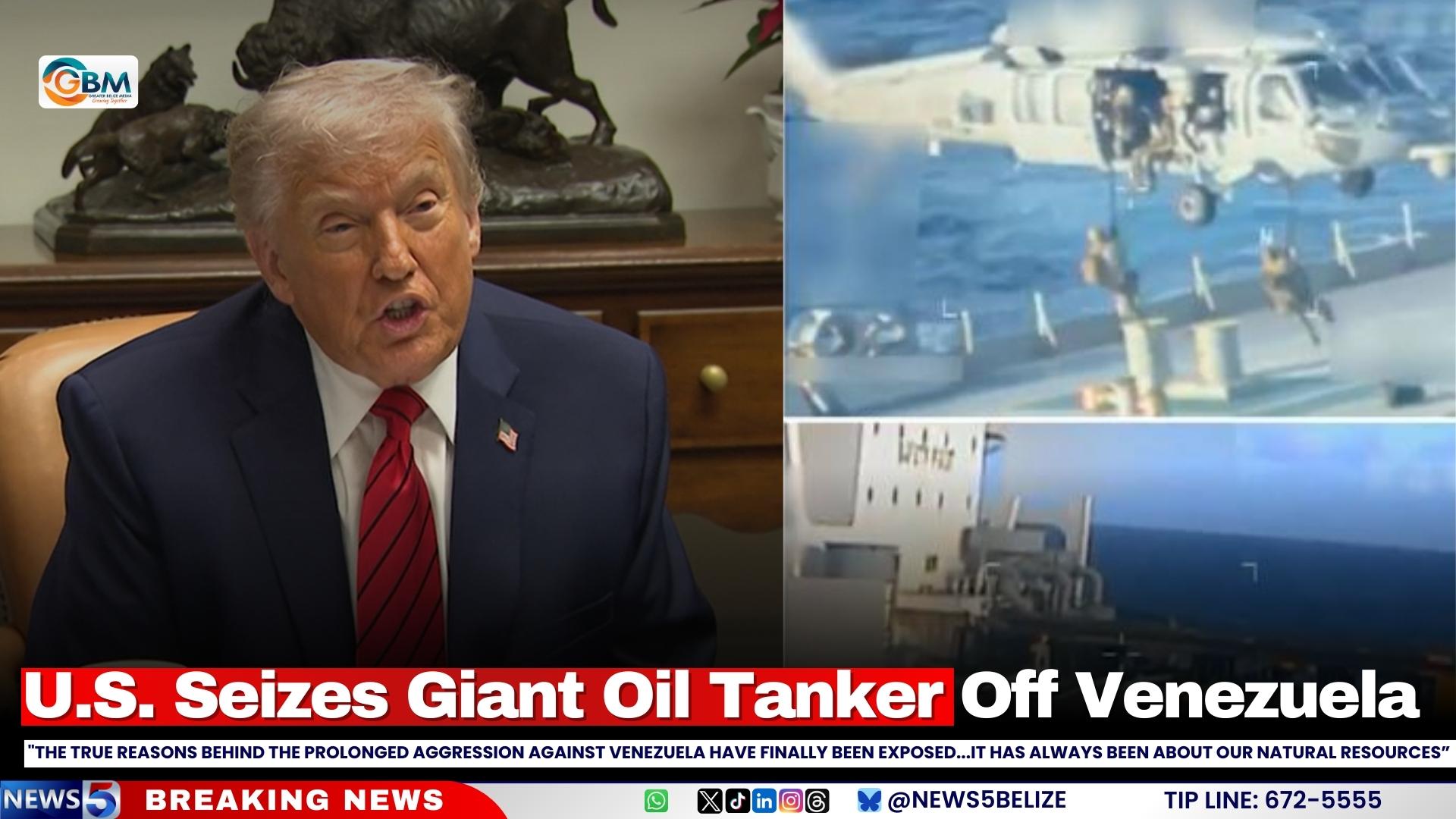
    U.S. Seizes Giant Oil Tanker Off Venezuela

    In a dramatic maritime operation, United States forces have intercepted and seized a massive oil tanker in international waters off the Venezuelan coast. Recently released footage depicts special operations troops rapidly descending onto the vessel’s deck via helicopter in a precisely coordinated maneuver.

    U.S. Attorney General Pam Bondi provided official justification for the seizure, identifying the vessel as the ‘Skipper’ and confirming it had been under prolonged sanctions for its role in an illicit oil-shipping network. Federal authorities allege the operation has been funneling substantial financial resources to designated foreign terrorist organizations.

    The Venezuelan government issued an immediate and vehement condemnation, characterizing the interception as ‘blatant international piracy.’ An official statement from Caracas accused Washington of ulterior motives, asserting that ‘the true rationale behind sustained aggression against Venezuela has been conclusively revealed—not migration, narcotics, or democratic principles, but rather control over our natural resources, petroleum, and energy reserves.’

    Military sources revealed to CBS News that the operation was launched from the USS Gerald Ford, the world’s largest aircraft carrier currently deployed in the Caribbean region. This seizure occurs amid a noticeable escalation of U.S. naval presence in Caribbean waters, with American forces having conducted over twenty interdiction operations against vessels allegedly involved in narcotics trafficking in recent months.

    When questioned about the disposition of the confiscated crude oil, former President Donald Trump offered a succinct response: ‘We retain custody, presumably.’

  • Hungary boycotts meeting on possible Ukrainian accession to the EU

    Hungary boycotts meeting on possible Ukrainian accession to the EU

    Hungary has reinforced its diplomatic isolation within the European Union by formally boycotting a crucial ministerial meeting on Ukraine’s membership bid. A senior Hungarian official characterized the gathering in Lviv as a “political spectacle” and unequivocally restated Budapest’s dual-pronged opposition: refusing to endorse Ukraine’s EU accession process and blocking all financial mechanisms to transfer funds to Kiev.

    The informal council meeting, convened in western Ukraine this Thursday, was designed to reinvigorate membership negotiations that have remained paralyzed since the beginning of 2024. This deadlock is exclusively attributable to Hungary’s persistent veto power, which it has wielded to stall collective EU decision-making.

    Political analysts within the region view Budapest’s latest move not as an isolated incident but as a deliberate escalation—a hardening of its veto strategy that exacerbates existing fractures in European Union unity. This development signals a deepening institutional crisis, highlighting the challenges of achieving consensus within the bloc on matters of enlargement and foreign policy.

    The European Commission had initially recommended formalizing accession talks with Ukraine earlier this year. However, these plans were abruptly halted due to Hungary’s firm opposition. Budapest’s stance is rooted in its critically divergent perspective on Kiev and is compounded by specific bilateral demands. Central to its position is the issue of ethnic minority rights; Hungary continues to seek concrete guarantees for the protection of the Hungarian minority residing in Ukraine’s Transcarpathian region.

    The path to EU membership is notoriously protracted, often spanning over a decade, as evidenced by Turkey’s ongoing candidacy. It necessitates the comprehensive alignment of a candidate country’s national legislation with the vast body of EU law, known as the acquis communautaire. Hungary appears resolved to obstruct this entire process indefinitely, using its veto as leverage until its conditions are satisfactorily addressed by both Ukraine and its EU partners.

  • Russian air defense repels massive drone attack on Moscow

    Russian air defense repels massive drone attack on Moscow

    Russian air defense systems successfully intercepted and destroyed a significant aerial assault from Ukrainian forces, with official reports confirming the elimination of 287 unmanned aerial vehicles (UAVs) within a 24-hour period. The coordinated defensive operation spanned multiple southwestern regions of Russia, marking one of the most extensive drone engagements since the conflict’s inception.

    Moscow Mayor Sergey Sobyanin initially reported through his official Max channel that approximately 30 Ukrainian UAVs were neutralized while approaching the capital. According to his statement, debris from one destroyed drone landed within a public park area, prompting immediate deployment of emergency response teams to the site.

    The Russian Defense Ministry provided comprehensive data on the aerial engagements, detailing regional breakdowns of drone interceptions: 118 UAVs destroyed over Bryansk Oblast, 40 each over Kaluga and Moscow regions, 27 over Tula, 19 above Novgorod, 11 above Yaroslavl, 10 over Lipetsk, six above Smolensk, five each over Kursk and Oryol, four above Voronezh, and two over Ryazan.

    In response to the sustained aerial threat, Rosaviatsia (the Federal Air Transport Agency) implemented temporary flight restrictions at multiple aviation hubs. These safety measures affected Moscow’s four major international airports—Vnukovo, Sheremetyevo, Zhukovsky, and Ramenskoye—along with air terminals in Vladikavkaz, Grozny, Magas, and Makhachkala.

    The military engagement occurs within the context of what Russian leadership describes as a “special military operation” initiated in February 2022. President Vladimir Putin has consistently framed the ongoing conflict as necessary protection against what he characterizes as genocidal policies by the Kyiv government and essential for addressing national security concerns.

  • UN Tourism considers debates in Cuba relevant

    UN Tourism considers debates in Cuba relevant

    HAVANA – Legal scholars and tourism policymakers from 23 nations gathered this week at the Iberostar Parque Central Hotel for the III International Seminar on Tourism Law (December 9-11), marking a significant step toward redefining global travel regulations with sustainability at their core.

    A key participant expressed fervent enthusiasm to Prensa Latina this Thursday regarding the high-level debates among nearly 100 international experts. The seminar’s primary objective, from a legal standpoint, is to modernize tourism guidelines across Latin America and the Caribbean by embedding sustainable development principles into national legislation.

    This gathering represents a pivotal opportunity for foundational dialogue, equipping participating nations with actionable ideas, policy recommendations, and proven best practices. The discussions aim to translate theoretical legal frameworks on sustainability into tangible, practical applications within the tourism sector.

    The current seminar continues the work initiated in previous meetings. The inaugural event focused on the International Code for the Protection of Tourists—a Spanish initiative endorsed by Cuba—which addressed critical traveler protection issues emerging from the COVID-19 pandemic. The subsequent seminar in Argentina placed a stronger emphasis on sustainability, successfully integrating the dual themes of sustainability and accessibility into the agenda of the United Nations’ Right to Tourism program.

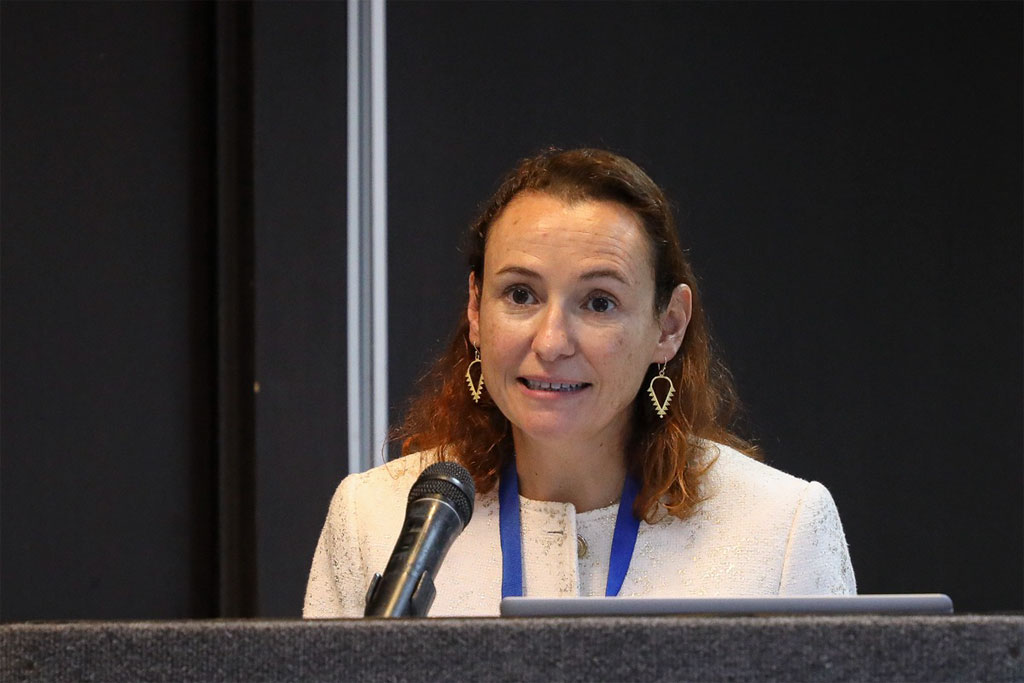
    The expert highlighted Cuba’s proactive role within UN Tourism, noting the country’s close collaborative relationship with the global body. She expressed particular satisfaction that Cuba is currently developing new tourism legislation that incorporates these core sustainability principles. Consequently, Cuba is actively participating in a dedicated working group established by UN Tourism specifically for this legislative modernization initiative.

  • Mexico Hits China With Tariffs Up to 50%

    Mexico Hits China With Tariffs Up to 50%

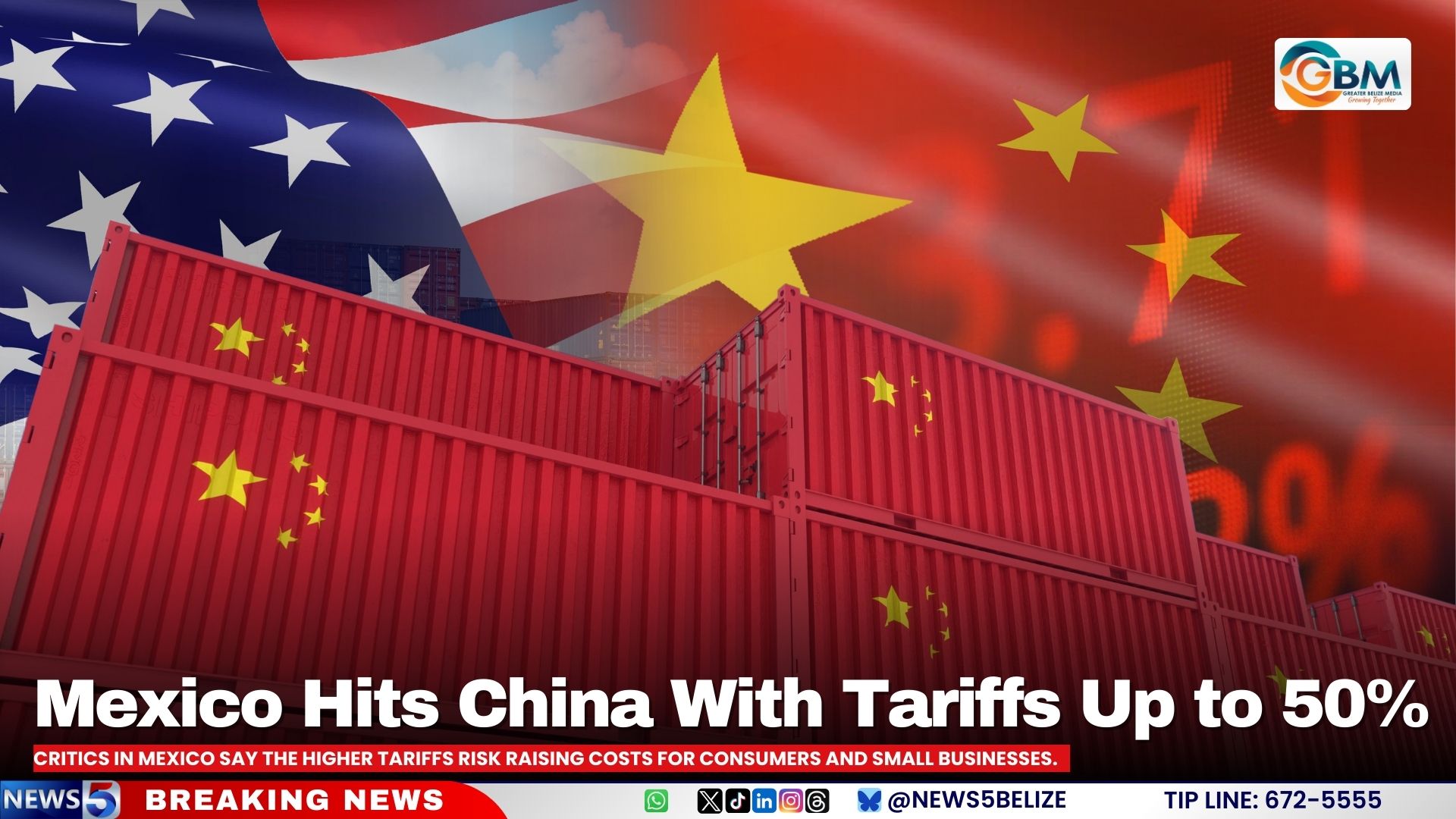
    In a significant trade policy shift, Mexico’s Senate has authorized comprehensive tariff increases exceeding 50% on imports from China and numerous non-free-trade-agreement nations, scheduled for implementation on January 1, 2026. The protective measures encompass approximately 1,400 product categories including industrial metals, automotive vehicles, textile apparel, and household appliances.

    Government officials assert these tariffs align with World Trade Organization regulations and are designed to bolster domestic manufacturing capabilities. Senator Claudia Selene Ávira emphasized the policy’s objective to “safeguard commodities that Mexican industrial sectors possess adequate production capacity to manufacture locally.”

    The automotive sector faces particularly stringent barriers, with Chinese-manufactured vehicles subject to the maximum 50% duty rate. This development occurs amid rapid market expansion by Chinese automotive giants BYD and MG within the Mexican marketplace.

    The Mexican Auto Industry Association has enthusiastically endorsed the protectionist measures. Association President Rogelio Garza characterized the policy as “exceptionally favorable for entities investing in Mexican industrial development and employment generation.”

    This strategic trade action coincides with ongoing negotiations between Mexican and United States trade representatives following former President Donald Trump’s allegations that Mexico serves as a transshipment conduit for Chinese commodities. Trump has previously threatened imposing substantial tariffs on Mexican steel, aluminum, and agricultural exports.

    Despite governmental assurances, economic analysts within Mexico caution that these protective tariffs may inadvertently elevate consumer prices and operational expenses for small-to-medium enterprises reliant on imported components.

  • Venezuela-Cuba Friendship Movement condemns attack on ship

    Venezuela-Cuba Friendship Movement condemns attack on ship

    A prominent international solidarity organization has issued a forceful condemnation of what it describes as a systematic campaign of resource plunder, characterizing recent actions against strategic energy assets as a blatant breach of international legal standards and national sovereignty. In an official communiqué, the group asserted that such aggression transcends isolated incidents, representing instead a coordinated strategy to undermine the autonomy of independent nations through economic coercion and military intimidation.

    The organization, identified as The Movement, framed these developments as ‘modern piracy’ that directly threatens regional energy security and geopolitical stability. It has formally brought these concerns before the global community, demanding an immediate halt to all military operations and coercive measures that compromise the fundamental right to self-determination.

    In response to these challenges, the coalition reaffirmed its dedication to strengthening alliances between Venezuela, Cuba, and other nations across the Americas. It emphasized that mutual solidarity and bilateral cooperation represent the most effective pathway for resisting external pressure and safeguarding hard-won sovereignty. The group’s statement concluded with a renewed commitment to fostering fraternal ties, protecting national independence, and advancing the cause of peace through collective action.

  • UN warns of crisis in Afghanistan

    UN warns of crisis in Afghanistan

    The United Nations has issued a grave assessment of Afghanistan’s deteriorating conditions through an official statement, highlighting multiple converging crises threatening the nation’s stability and population.

    The international organization expressed profound concern over mass displacement trends, severe economic decline, and diminishing humanitarian aid delivery to vulnerable communities. Projections indicate nearly half of Afghanistan’s population will require protection and life-saving assistance by 2026.

    A particularly alarming trend noted in the report involves the systematic exclusion of women from public participation, with female representation virtually eliminated across civic, economic, and social spheres. The educational sector faces deliberate restrictions, creating what experts warn could become a ‘lost generation’ of professionals essential to the country’s future development.

    Press freedom has dramatically constricted according to the UN assessment, with journalists operating under constant threat of intimidation, arbitrary detention, and overt censorship. This repression has severely diminished public discourse and civic engagement opportunities.

    The humanitarian situation approaches catastrophic levels with approximately 17.4 million Afghans experiencing acute food insecurity. The collapse of nutritional support systems has been exacerbated by the closure of over 300 nutrition centers, directly impacting millions of children.

    Healthcare infrastructure continues to disintegrate, with 422 medical facilities shuttering operations in the past year alone. This breakdown in medical services has deprived an estimated three million people of essential healthcare access, creating preventable public health emergencies.

  • US recognizes European mistake in breaking with Russia, Hungary says

    US recognizes European mistake in breaking with Russia, Hungary says

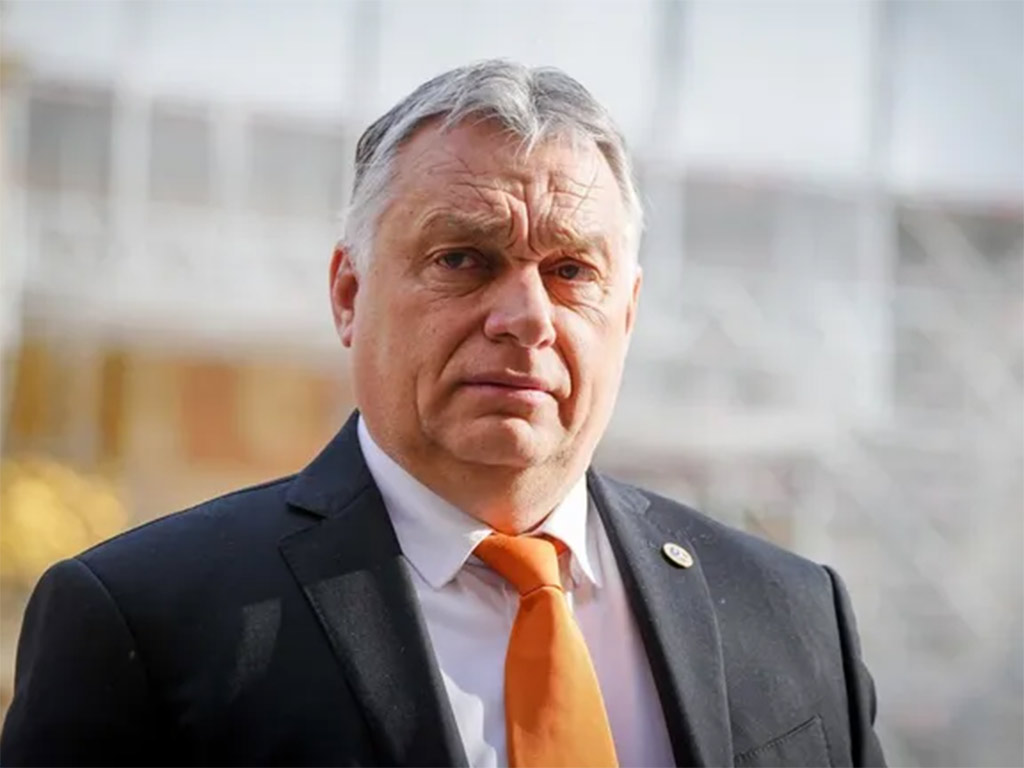
    Hungarian Prime Minister Viktor Orbán has asserted through his political aide that American policymakers recognize the necessity of rebuilding strategic ties between Russia and Europe, according to statements posted on social media platform X. Balázs Kovács, writing on behalf of the Hungarian leader, contended that European liberals had previously dismantled the foundational bridges connecting Russia and Europe—a move characterized as a significant diplomatic miscalculation.

    The Hungarian administration maintains that U.S. officials strategically acknowledge Europe’s deepening economic stagnation and perceive this crisis as creating an imperative for renewed engagement with Moscow. This perspective appears aligned with concerns outlined in the current U.S. National Security Strategy, which projects a potentially transformed European continent within two decades should current EU policies continue unchanged.

    Foreign policy analysts interpret these statements as serving dual purposes: legitimizing Budapest’s controversial diplomatic maneuvers while highlighting substantial divisions within Western alliances. Judy Dempsey of Carnegie Europe Foundation observed that Orbán is leveraging intra-alliance tensions to critique European elites and rationalize his government’s overtures toward Moscow, despite Washington’s official position remaining considerably more nuanced than Hungary’s characterization.

    Adding complexity to the geopolitical landscape, Russian Foreign Ministry spokesperson Maria Zakharova previously noted that the U.S. strategy contains contradictory elements while simultaneously creating space for dialogue on strategic stability matters. This acknowledgment suggests potential openings for diplomatic engagement despite ongoing tensions between Moscow and Western powers.

  • Chile: Candidate closes campaign in Puente Alto

    Chile: Candidate closes campaign in Puente Alto

    In a pivotal pre-election address, Chilean leftist coalition candidate Jeannette Jara issued a stark warning to voters, framing the upcoming runoff as a critical juncture for the nation’s social progress. Representing a coalition of progressive and Christian Democratic parties, Jara emphasized that core achievements—including scheduled pension increases set for January, the recently enacted 40-hour workweek law, and accountability mechanisms for human rights violators—now face potential reversal.

    Directly addressing the platform of her far-right opponent, José Antonio Kast of the Republican Party, Jara declared, “There cannot be a setback for our country. Chile needs certainty, it needs a future, it needs hope.” She positioned the election as a choice between continuing social reforms or embracing a conservative agenda that questions fundamental aspects of Chile’s developmental trajectory.

    Outlining her immediate governance priorities, Jara committed to launching extensive neighborhood security interventions within her first 100 days in office. This comprehensive plan targets the dismantling of drug distribution networks, weapon confiscation initiatives, and the recovery of illegally occupied properties across communities.

    With recent polls indicating a competitive runoff despite Jara’s initial lead in the November 16 first round, the candidate made a final appeal to supporters. She urged them to actively engage undecided voters in the closing days before Sunday’s decisive election, highlighting the profound policy implications at stake.