作者: admin

  • New lighting installed at Bolans Playing Field to improve safety and community use

    New lighting installed at Bolans Playing Field to improve safety and community use

    The Bolans Playing Field has undergone a significant transformation with the installation of state-of-the-art lighting infrastructure, marking a pivotal advancement for community welfare and youth engagement in the region. Municipal authorities have confirmed the completion of this project, which strategically positions high-performance LED units on numerous poles encircling the recreational area.

    This infrastructural enhancement directly addresses longstanding concerns regarding safety and accessibility. The powerful illumination eliminates the limitations imposed by sunset, effectively extending the operational hours of the field well into the evening. Consequently, the community gains a prolonged and secure environment conducive to a diverse range of nighttime activities, including organized sports, casual recreation, and public gatherings.

    Local official George emphasized the multifaceted value of this development, framing it as a crucial investment in social capital rather than mere physical upgrade. He articulated that providing a well-lit, safe venue is intrinsically linked to fostering youth development and overall communal well-being. The initiative is perceived as a foundational step towards cultivating a more dynamic and cohesive community fabric.

    This project at Bolans Playing Field is not an isolated effort but a component of a broader, ongoing campaign across St. Mary’s South dedicated to revitalizing public spaces. The overarching goal is to build what officials describe as a stronger, brighter, and more vibrant community by systematically upgrading essential infrastructure that serves the public interest.

  • ICJ Admits Guatemala into Sapodilla Cayes Sovereignty Dispute

    ICJ Admits Guatemala into Sapodilla Cayes Sovereignty Dispute

    In a landmark procedural ruling with significant geopolitical implications, the International Court of Justice (ICJ) has unanimously granted Guatemala intervenor status in the ongoing territorial dispute between Belize and Honduras over the strategic Sapodilla Cayes archipelago. The March 19, 2026 decision transforms what was previously a bilateral confrontation into a triangular legal battle concerning sovereignty over these contested Caribbean islands.

    The ruling, delivered at the Peace Palace in The Hague, does not address the fundamental question of territorial ownership but substantially alters the procedural landscape of the case. Guatemala will now participate as a non-party intervener specifically to safeguard its legal interests and formally present the nature and scope of its competing sovereignty claim to the judicial panel.

    The Sapodilla Cayes—a cluster of predominantly uninhabited coral islands situated at the convergence point of Belizean, Guatemalan, and Honduran maritime boundaries in the Gulf of Honduras—possess strategic and legal importance vastly disproportionate to their physical size. While administratively controlled by Belize since its independence, all three nations assert historical claims rooted in colonial succession narratives.

    Belize grounds its sovereignty argument on continuous peaceful administration inherited from British colonial authority, supplemented by allegations of Honduran acquiescence. Honduras, referring to the territory as Cayos Zapotillos, bases its claim on succession from Spanish colonial title and assertions of continuous administrative control. Guatemala’s parallel claim similarly derives from alleged succession to Spanish sovereignty, currently being litigated in a separate ICJ case against Belize encompassing broader territorial and maritime disputes.

    Guatemala’s December 2023 intervention application, filed under Article 62 of the ICJ Statute, sought limited participation to ensure the Belize-Honduras proceedings wouldn’t prejudicially affect its separate legal battle with Belize. While Belize raised no objections, Honduras vehemently opposed Guatemala’s intervention, arguing it failed to demonstrate precise legal interests, constituted procedural redundancy, and represented an abuse of court mechanisms.

    The ICJ comprehensively rejected Honduras’s objections, determining Guatemala satisfied all four requisite conditions under Article 62 of the Statute and Article 81 of the Rules of Court. The court characterized Guatemala’s claim as a “real and concrete” legal interest rather than merely political or strategic, noting that any sovereignty determination would inevitably impact Guatemala’s parallel litigation against Belize.

  • Urgent blood donation appeal issued for hospitalised man in Antigua

    Urgent blood donation appeal issued for hospitalised man in Antigua

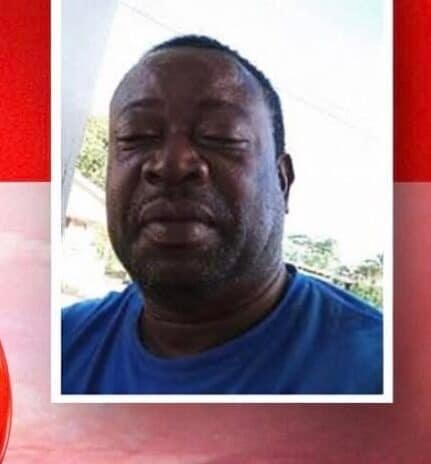
    Health authorities in Antigua have launched an urgent community-wide appeal for blood donations to support critically ill patient Joseph Anthony, who requires immediate medical intervention at Sir Lester Bird Medical Centre. The hospital has announced that all blood types are urgently needed, emphasizing that any compatible donation could prove lifesaving for the hospitalized individual.

    The public appeal, circulated through official channels, specifically requests that potential donors proceed directly to the medical facility to contribute. Health officials have underscored the critical nature of timely response, noting that emergency medical situations often depend on readily available blood supplies for successful treatment outcomes.

    Beyond individual donations, the appeal encourages community-wide participation through information sharing and rapid response. “Let’s come together ASAP and support this family in their time of need,” the public statement emphasized, highlighting the collective responsibility in addressing medical emergencies.

    The incident underscores the ongoing dependency of healthcare systems on voluntary blood donations, particularly in emergency scenarios where immediate transfusions become necessary. Antigua’s health infrastructure, like many Caribbean nations, maintains a constant need for blood reserves to address both scheduled procedures and unexpected medical crises.

    Medical professionals note that blood donation remains one of the most direct forms of community medical support, with each contribution potentially serving multiple patients through separated blood components. The current emergency appeal demonstrates the critical intersection between community participation and functional healthcare delivery systems.

  • Barbados to have flyovers by 2028

    Barbados to have flyovers by 2028

    Barbadian Prime Minister Mia Mottley has declared an aggressive infrastructure modernization initiative, confirming that long-delayed flyover construction will begin within this calendar year with an 18-month completion target. The announcement, delivered during a parliamentary session, positions the transportation network overhaul as a critical national priority directly tied to economic productivity.

    Mottley characterized traffic congestion as a severe economic impediment, stating, “Excessive time spent navigating roadways directly undermines efficient time utilization and national economic performance.” The planned overpasses represent infrastructure the Prime Minister believes should have been constructed two decades ago.

    This transportation strategy expands upon earlier indications from Finance Minister Ryan Straughn, who recently identified flyovers as components of a comprehensive traffic management framework. While economic analysts have questioned the government’s capacity to execute these ambitious projects amid global economic uncertainty, Mottley’s administration appears committed to their implementation.

    The infrastructure initiative extends beyond flyover construction to include significant highway expansions. Mottley specifically referenced plans to address chronic congestion along Highway 2 from Graeme Hall to Newton, with potential solutions including road widening or additional overpasses, particularly targeting the problematic Kooyman junction at Kendal Hill.

    The government is pursuing a multi-faceted transportation approach that includes expanded park-and-ride facilities. A new facility near Waterford will serve high-traffic destinations including the Botanical Gardens, National Stadium, CARIFESTA House, and Geriatric Hospital. Similar transportation hubs are planned for Graeme Hall, Oistins, and western coastal regions.

    Concurrently, the administration continues to explore alternative transportation solutions. Mottley reaffirmed commitment to water taxi systems, encouraging private sector collaboration in developing jetty infrastructure along southern and western coastlines. Looking toward future possibilities, the Prime Minister noted that reduced global tunneling costs might make underground transportation between key corridors like Holetown-Bridgetown and Oistins-Bridgetown feasible within the next decade.

  • AG urges crackdown on farm theft as cane farmers suffer

    AG urges crackdown on farm theft as cane farmers suffer

    Barbados Attorney General Wilfred Abrahams has issued a stark warning that systemic agricultural theft, legally termed praedial larceny, is escalating into a national crisis that jeopardizes food security and undermines law enforcement. During Wednesday’s Budget debate in the House of Assembly, Abrahams demanded immediate and serious action against what he described as organized rural crime rather than minor pilfering.

    Abrahams challenged the perception of praedial larceny as a pretty-sounding, victimless crime, stating bluntly: “Praedial larceny is thieving.” He emphasized that the romanticization of this offense through euphemistic language masks its devastating impact on farmers and agricultural sustainability.

    The Attorney General revealed he recently forwarded a detailed complaint from a sugarcane farmer to Prime Minister Mia Mottley, Agriculture Minister Indar Weir, and Justice Minister Dale Marshall. The complaint documented organized theft operations occurring daily at the Bussa Roundabout, where individuals openly sell “trays piled high with cane neatly packaged” in what appears to be coordinated criminal activity.

    While acknowledging economic disparities, Abrahams presented a compelling moral dilemma: “If one poor Black man robs somebody else systematically, day in, day out… and that person closes down their business so that 100 poor Black people don’t have a job, who has won?”

    Abrahams warned that unchecked agricultural theft creates a dangerous precedent that erodes respect for property laws generally. “You don’t go and rape acres of somebody’s cane field… because it doesn’t stop there,” he stated, noting that such crimes often expand beyond crops to other goods.

    The Attorney General connected the issue directly to national security concerns, arguing that failure to prosecute praedial larceny discourages agricultural investment precisely when Barbados needs greater food self-sufficiency. “When we are trying to get people to grow our crops, become food secure, we cannot be disincentivising farmers by not prosecuting people for praedial larceny,” he concluded.

  • 60 greatest rocksteady personalities (30 – 16)

    60 greatest rocksteady personalities (30 – 16)

    As Jamaica prepares to commemorate the 60th anniversary of rocksteady music in 2026, the Jamaica Observer has embarked on an ambitious project to honor the genre’s most influential figures. While often overshadowed by ska and reggae in mainstream recognition, rocksteady remains arguably the most cherished Jamaican musical form among connoisseurs.

    The publication has assembled a distinguished team including contract writers Howard Campbell and Claude Mills, with guidance from renowned broadcaster and rocksteady authority Michael Barnett, to curate the definitive list of ’60 Greatest Rocksteady Personalities.’ The selection criteria prioritize artistic impact and historical significance, with a forthcoming Top 20 Most Influential ranking to complete this comprehensive tribute.

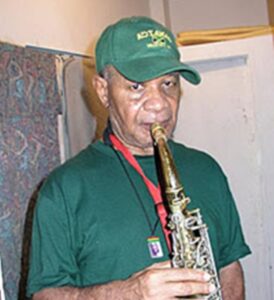
    Among the recently revealed honorees (positions 30-16) emerges a tapestry of vocalists, instrumentalists, producers, and innovators who shaped the genre’s distinctive sound. The list includes saxophonist Headley Bennett (30), whose memorable solos graced classics like Delroy Wilson’s ‘Dancing Mood’ and early Bob Marley recordings. Engineer Sid Bucknor (29) possessed the Midas touch behind the console, producing seminal tracks including Hopeton Lewis’s ‘Take It Easy’—considered by many as the first rocksteady song.

    The theatrical Roy Shirley (28), known as ‘The High Priest’ for his flamboyant stage presence, contributed what some historians identify as the genre’s inaugural track with ‘Hold Them.’ Drumming virtuoso Joe Isaacs (27) played a crucial role in the rhythmic transition from ska to rocksteady, while vocalist Ernest Wilson (26) of The Clarendonians achieved success both as group member and solo artist.

    Groundbreaking producer Sonia Pottinger (25) shattered gender barriers as Jamaica’s first female music producer, releasing hits through her Tip Top label including Marcia Griffiths’ ‘Dreamland.’ Joe Gibbs (24) built his early reputation with rocksteady hits before becoming a reggae powerhouse in the 1970s with artists like Dennis Brown and Culture.

    International success came to Desmond Dekker and The Aces (23) with crossover hits ‘007 (Shantytown)’ and ‘Israelites,’ while guitarist Lynford ‘Hux’ Brown (22) contributed his distinctive playing to countless classics across genres. The emotionally charged vocals of Slim Smith (21), whether with The Techniques or The Uniques, left an indelible mark despite his tragically short career.

    The higher rankings feature cultural architect U-Roy (20), who pioneered deejay artistry over rocksteady rhythms, and Hopeton Lewis (19), widely credited with recording the genre’s foundational track ‘Take It Easy’ in 1966. Derrick Harriott (18) excelled as both performer and producer with his Crystal label, while The Gaylads (17) delivered impeccable harmonies on classics like ‘Joy in The Morning.’ Songwriting genius Bob Andy (16) completed this segment of honorees, having created some of Jamaican music’s most enduring compositions including ‘I’ve Got to Go Back Home.’

    This celebration not only honors individual achievements but contextualizes rocksteady’s vital role in Jamaica’s musical evolution, demonstrating how these artists created a lasting cultural legacy that continues to influence global music.

  • Jury signals tech titans on hook for social media addiction

    Jury signals tech titans on hook for social media addiction

    LOS ANGELES – A pivotal moment unfolded in a groundbreaking social media addiction trial on Friday as jurors signaled potential liability for Meta and YouTube regarding a young woman’s childhood addiction to their platforms. The jury’s inquiry to the presiding judge about damage calculations suggests the panel may be moving toward holding the tech giants financially accountable.

    The case, closely watched as a bellwether for thousands of similar lawsuits across the United States, centers on allegations that YouTube and Meta’s Instagram platform employed negligently designed algorithms that contributed to severe mental health issues in a vulnerable user.

    Plaintiff Kaley G.M., now 20, testified during the trial about developing an obsession with social media beginning at age six, initially through YouTube videos before progressing to Instagram. She detailed how these platforms exacerbated her depression and suicidal ideation during childhood.

    However, defense attorneys highlighted complicating factors during cross-examination, including Kaley’s testimony about experiencing familial neglect and emotional turmoil unrelated to social media use. This has created a central tension in the deliberation process: determining whether platform design or real-world trauma primarily caused the plaintiff’s mental health struggles.

    Jurors received verdict forms asking them to decide whether Meta or YouTube should have recognized their services posed dangers to children, whether their designs were negligent, and if so, whether these platforms served as “substantial factors” in causing Kaley’s psychological distress.

    Legal observers note the case represents a significant challenge to the traditional shield protecting tech companies: Section 230 of the US Communications Decency Act, which typically immunizes platforms from liability regarding user-posted content. The plaintiffs have strategically argued instead that the companies created defective products with business models intentionally designed to maximize engagement through harmful content.

    University of Pittsburgh marketing professor Vanitha Swaminathan told AFP the trial highlights “an important tension” between social media platforms and vulnerable young users, noting that “platforms have to address the concerns of this important segment.”

    The jury will resume deliberations on Monday, with their eventual verdict expected to establish critical precedent for resolving the hundreds of pending lawsuits alleging social media platforms contribute to mental health epidemics among youth.

  • TPDCo to host ‘Craft with a Difference’ pop-up market at Devon House

    TPDCo to host ‘Craft with a Difference’ pop-up market at Devon House

    KINGSTON, Jamaica — The Tourism Product Development Company (TPDCo) is set to unveil an exclusive exhibition of authentic Jamaican craftsmanship through its ‘Craft with a Difference’ pop-up market. Scheduled for March 29 at Devon House in Kingston from 11:00 am to 6:00 pm, this event will feature nearly 20 local artisans presenting diverse handmade products including jewelry, handbags, decorative items, fashion accessories, home décor, and paintings.

    According to Kameel Bryan-Russell, Product Quality Manager at TPDCo’s Ocho Rios office, the event serves as both a business platform and cultural showcase. “We are providing our artisans with a vital opportunity to display their work, engage directly with customers, and generate immediate income,” she explained. “This initiative also enhances their visibility and creates pathways for future commercial opportunities.”

    The strategic timing ahead of the Easter holiday period aims to introduce visitors to Jamaica’s rich cultural heritage through its craft traditions. “Craft embodies the narrative of Jamaica’s culture,” Bryan-Russell emphasized. “We want island visitors to experience authentic representations of our craft products and cultural legacy.”

    Beyond immediate commercial benefits, the event supports broader economic and cultural objectives. The participation is expected to include representatives from hotels, non-hotel attractions, and various tourism stakeholders, further expanding market access for artisans. Bryan-Russell highlighted the event’s role in “supporting artisan livelihoods, strengthening the creative economy, and preserving traditional skills and artistic expressions for future generations.”

    Admission-free to the public, the event will offer live entertainment, local cuisine, special discounts, and a family-friendly atmosphere. “Visitors can explore exquisite handmade products, enjoy vibrant music, and discover special surprises,” Bryan-Russell added. “This represents an exceptional opportunity to celebrate and support Jamaican creativity.”

    The pop-up market functions as a preview for a larger Craft with a Difference showcase planned later this year, offering patrons an early glimpse into Jamaica’s evolving craft and cultural tourism offerings.

  • Uganda’s ‘cricket grannies’ fight lifestyle diseases with sport

    Uganda’s ‘cricket grannies’ fight lifestyle diseases with sport

    In the rural landscapes of eastern Uganda, an extraordinary sporting movement is transforming the lives of elderly women. The so-called ‘cricket grannies’ of Jinja district have embraced an unlikely passion for cricket, turning their weekly gatherings into both physical therapy and social sanctuary.

    Approximately 80 kilometers from Kampala, women aged 50 to 90 assemble weekly at a local playground, their floor-length dresses swishing as they swing cricket bats barefoot. What began as a modest initiative in 2025 with just ten participants from Kivumbuka village has expanded dramatically, now engaging over one hundred grandmothers in regular athletic activity.

    The program originated from cricket coach Aaron Kusasira’s innovative approach to community engagement. Initially focused on children’s coaching, the 26-year-old recognized that elderly caregivers’ unfamiliarity with cricket often prevented youth participation. His solution: involve the grandmothers first, creating a supportive environment for all generations.

    Medical benefits have proven significant for participants. Jennifer Waibi Nanyonga, a 72-year-old grandmother of 29, reports remarkable improvements: ‘My legs used to hurt, but they no longer do. I spent the whole of last year without seeing a doctor for my back, yet it had previously been paining me.’

    The sessions combine jogging, stretching, and cricket fundamentals, creating what Kusasira describes as ‘unintentional exercise’ through friendly competition. This addresses a critical health concern identified by the World Health Organization—physical inactivity among elderly women globally represents a leading risk factor for noncommunicable diseases. Sedentary lifestyles currently cost public health systems approximately $27 billion annually, a figure projected to rise without intervention.

    Beyond physical health, the cricket gatherings provide profound psychological benefits. Participants describe the program as antidote to isolation and depressive thoughts. ‘When at home, you have no company and spend your time buried in your thoughts,’ noted Patriciah, who preferred to give only her first name. The weekly meetings offer catharsis through shared counseling and problem-solving among peers.

    For Coach Kusasira, the program’s success transcends athletic achievement. ‘From the kids to the elders, provided I see the smiles… it’s enough. I know that is a day well spent,’ he reflects, highlighting the intergenerational harmony that has become the program’s most significant accomplishment.

  • US jury finds Elon Musk misled Twitter shareholders

    US jury finds Elon Musk misled Twitter shareholders

    A federal jury in California delivered a landmark verdict on Friday, concluding that billionaire entrepreneur Elon Musk deliberately misled Twitter investors through a series of false statements that artificially depressed the company’s stock value. The decision came in response to a class-action securities lawsuit representing shareholders who sold Twitter stock between May and October 2022, during Musk’s tumultuous $44 billion acquisition attempt.

    The litigation, initiated by plaintiff Giuseppe Pampena, centered on allegations that Musk violated federal securities regulations by making materially misleading claims about Twitter’s bot account prevalence. Evidence presented during trial demonstrated how Musk’s public declaration that the acquisition was “temporarily on hold” pending verification of fake account statistics created artificial market volatility that harmed selling shareholders.

    Jurors determined that Musk’s actions constituted a strategic effort to gain negotiating leverage—either to substantially reduce the purchase price or to abandon the acquisition entirely. This verdict exposes the world’s wealthiest individual to potential damages exceeding $2.6 billion, based on financial calculations submitted during proceedings.

    The legal confrontation reached its climax when Twitter’s management pursued legal action to enforce the original merger agreement, ultimately compelling Musk to complete the acquisition in late 2022. Since finalizing the purchase, Musk has implemented radical transformations—rebranding the platform as X and integrating it with his artificial intelligence venture xAI and aerospace manufacturer SpaceX.

    This ruling represents one of the most significant securities fraud judgments in recent history, establishing substantial legal precedent regarding corporate executives’ communication responsibilities during merger negotiations.