作者: admin

  • Official launch of the first Haiti’s National Investment Forum (video X2)

    Official launch of the first Haiti’s National Investment Forum (video X2)

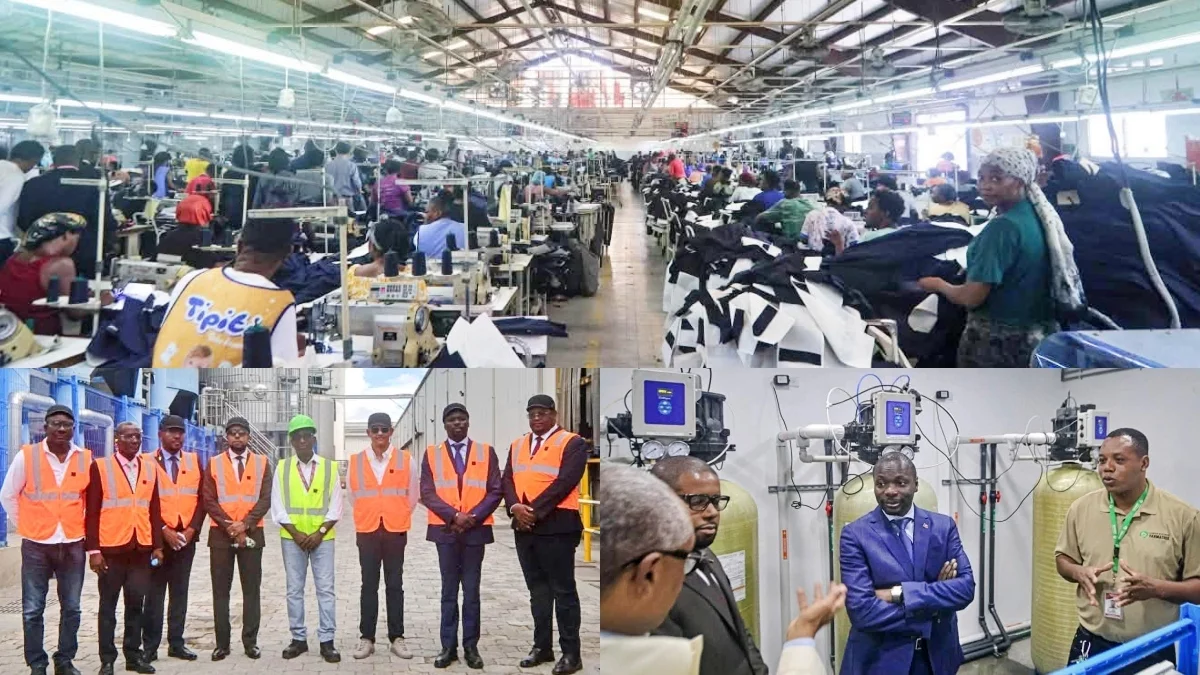
    On June 29, 2026, Haiti marked a historic turning point in its quest for economic revitalization with the official launch of its first-ever National Investment Forum, branded Global Gateway Haiti 2026. The high-profile event, convened under the leadership of the European Union, drew a diverse cross-section of key stakeholders: top Haitian political leaders, major international donors from the European Union, France and Spain, leading European financial institutions, and representatives from Haiti’s domestic private sector. All attendees gathered around a unified core goal: to mobilize long-term sustainable capital that will drive inclusive, lasting transformation across the Caribbean nation.

    In her opening remarks to the forum, European Union Ambassador Hélène Roos framed the event as a tangible extension of the bloc’s Global Gateway strategy. She emphasized that the initiative is designed to back Haiti’s domestic efforts to build a more secure, stable, and prosperous future by deploying targeted, transformative investments across three critical foundational pillars: governance reform, public security enhancement, and core infrastructure development.

    Across the day’s productive discussions, participants reached a striking consensus on the three highest-priority sectors for investment that will unlock Haiti’s long-term economic potential.

    The first and most foundational priority identified is reliable energy and electricity access. Attendees universally agreed that consistent, affordable power is non-negotiable for boosting industrial competitiveness across every major sector, from value-added agri-food processing to emerging digital services. Discussions centered on scaling up accessible renewable energy solutions, expanding community-focused mini-grids, and building out robust energy storage infrastructure to end chronic power shortages.

    Second, participants prioritized investment in connectivity and transport infrastructure. Plans call for modernizing Haiti’s existing ports, airports, and key logistics corridors to open up economically isolated regions, reconnect Haiti to global trade networks, and help the country integrate meaningfully into regional and global supply chains.

    Third, the forum highlighted untapped potential in agriculture and agribusiness. Haiti boasts abundant natural production capacity in high-value export commodities including cocoa, coffee, mangoes, and vetiver, but has long lacked the infrastructure to convert this potential into shared national wealth. Investment priorities here include building out cold chain storage networks, developing centralized logistics platforms, and rolling out international product certification mechanisms to help Haitian goods access premium global markets.

    In his keynote address, Haitian Prime Minister Alix Didier Fils-Aimé reaffirmed his administration’s unwavering commitment to addressing the country’s most pressing security and economic hurdles to create a welcoming, stable environment for both domestic and international investment. He outlined the government’s core development priorities, which align closely with the forum’s focus areas: expanding infrastructure, modernizing ports and airports, upgrading logistics networks, and transforming the agriculture and agribusiness sectors. The overarching goal of these efforts, he noted, is to sustainably reconnect Haiti to both Caribbean regional and global international markets.

    “The time has come to invest in Haiti’s resilience. The time has come to invest in its youth. The time has come to invest in its productive capacity,” the Prime Minister stated, praising the widespread mobilization of private sector stakeholders that has already laid groundwork for progress. He emphasized that the forum is not a one-off event, but rather the official starting point for an ongoing, structured process to build a transparent, actionable pipeline of investable projects across the country. The Prime Minister reiterated that restoring widespread public security remains an absolute prerequisite for economic recovery and democratic consolidation, while also reaffirming the government’s commitment to putting in place the conditions needed to hold upcoming national elections.

    Serving as guest of honor for the forum’s closing session alongside Ambassador Roos, Haiti’s Minister of Public Works, engineer Joseph Almathe Pierre Louis, delivered a clear, confident address rooted in a sense of national responsibility. He laid out a straightforward vision for the path forward: “Waiting for perfect conditions cannot constitute a development strategy.”

  • Destiny Wagner Talks Miss Universe: Is Belize Ready?

    Destiny Wagner Talks Miss Universe: Is Belize Ready?

    As the 75th Miss Universe global competition draws near this November in Puerto Rico, Belize’s national pageant franchise has entered a transformative new era, with ownership officially transferred to El Salvador-based production firm Americas Events. In a major announcement this month, the new ownership named Destiny Wagner – Belize’s groundbreaking first Miss Earth winner – as the franchise’s National Director, tasking her with overhauling the national pageant system and grooming Belize’s next contestant for the international stage. With applications already open for aspiring contestants and the national coronation slated for mid-August, local outlet News Five’s reporter Britney Gordon sat down with Wagner to unpack the transition and her vision for the program.

    Wagner, who previously founded Belize Pilates, shared that the leadership appointment came as a complete shock. The deal unfolded rapidly: just one day before her public introduction as National Director, she signed her contract after a last-minute meeting with the new franchise owners in Belize. “I initially thought they wanted me to sign on Belize Pilates as the pageant’s official fitness partner – which we are still doing, and that would have been incredible on its own,” Wagner explained. “When they asked me to step into the National Director role, I was hesitant at first. But after reviewing their full proposal, which included extensive research into Belize’s culture, people, and pageant history, I was convinced this was the right move.”

    Americas Events, the new franchise owner, is headquartered in El Salvador with additional offices across the United States and Central America. The foreign ownership structure has drawn some quiet questions locally, but Wagner pushed back on concerns that outside investment would undermine Belizean interests. “Foreign investment in local pageantry is not a bad thing – it brings valuable resources that young Belizean competitors simply would not have access to otherwise,” she noted. “It is very common for international pageant franchises like Miss Universe and Miss Earth to be owned by entities based outside the country they represent. I am the local face of this initiative, and I would never accept a role that would hurt our delegates or damage my country’s reputation. Belize’s best interests are at the core of every decision I will make, always.”

    With just five months between now and the November Miss Universe competition, the timeline to crown and prepare Belize’s representative is tight. But Wagner, who personally pulled together her own Miss Earth preparation in just two weeks, says the compressed schedule is far from an insurmountable barrier. She has opened casting to all eligible Belizean women, urging candidates to focus on their purpose rather than the logistical challenges of preparation. “The ‘why’ behind joining has to be bigger than the question of ‘how’ you will get it all done,” she said. “I promise every contender, and the eventual winner, will get full support and all the tools they need to succeed on the global stage.”

    Wagner framed her leadership approach as rooted in radical collaboration, rather than top-down management. “This is not something I can build alone, and it’s not something Belize can accomplish in isolation,” she explained. “We are inviting every person and organization that wants to collaborate to join us. Our goal is to give our eventual delegate every possible opportunity and every resource she needs – whether that support comes from local partners or international connections. When we work together, we can turn our representative into a force to be reckoned with at Miss Universe.”

    The first public casting call is scheduled for July 4 at Belize Pilates, with the national Miss Universe Belize coronation set to follow in mid-August.

  • Super Nationals Kicks Off And Defenders Take Finals Game 1

    Super Nationals Kicks Off And Defenders Take Finals Game 1

    On June 29, 2026, Belize made a landmark leap in domestic youth sports with the kickoff of its first-ever Super Nationals Tournament, a landmark event bringing together more than 600 of the nation’s top teen athletes to compete at the Belize City Civic Center. Spearheaded by the National Sports Council, the tournament was opened by Devin Daly, Minister of State for Tourism, Youth and Sports, who led the opening parade of young competitors. A former student-athlete himself who rose to political office from a humble neighborhood background, Daly emphasized the core mission of the new event: nurturing young athletic talent, investing in Belize’s future, and building sustainable support for the next generation of national team competitors.

    The opening ceremony blended athletic celebration with Belizean cultural heritage, featuring traditional folk dance performances and historic exhibits showcasing the nation’s sporting legacy. Unlike traditional school-based competitions, Super Nationals unites athletes from across intra-district rival communities under a single regional banner, giving rising young competitors the rare opportunity to showcase their raw talent in front of the country’s top sports decision-makers. Daly noted that the government aims to secure long-term cross-ministerial commitments and dedicated annual budgets for the tournament in coming years, framing it as a pipeline to identify and support elite young athletes who will go on to represent Belize on national teams. “This is our future, so we’re investing in them,” Daly said, referencing his own career trajectory that was made possible by early support for his athletic participation.

    Following the opening celebration, the broadcast recapped top sporting results from across Belize and international competition over the past weekend. In game one of the National Elite Basketball League (NEBL) Finals held Saturday, the Belize City Defenders secured a hard-fought 71-57 victory over the Orange Walk Rebels, led by an MVP-caliber performance from guard Nigel “Hoop Kid” Jones. While the final score reflects a double-digit win, the match remained tight throughout, setting the stage for what fans expect to be a tightly contested championship series.

    In the Unified Belize District Softball fastpitch tournament, both matchups held Friday in Sandhill ended with dramatic walk-off wins in their final at-bats. The Belize Bank Lady Bulldogs overcame a 5-1 deficit and a late-game error to clinch a comeback walk-off victory in the women’s matchup. For the men’s division, the Wolfpack rallied from a 4-1 disadvantage to force extra innings and secure a 6-5 come-from-behind win. Six additional matches held across Sandhill and Lords Bank over the weekend were non-competitive exhibition games.

    To close the weekly Sports Monday broadcast, produced by the National Sports Council of Belize, host Shane Williams congratulated Belizean cyclist Derrick Chavarria on his standout performance at the Baker City Cycling Classic in the United States. Chavarria claimed a third-place finish in the 78-mile opening stage road race, followed by a first-place win in the stage three criterium, earning a spot on the podium across two stages of the competition. Fellow Belizean rider Jaylen Briceno also turned in strong results at the event, with the final 101-mile stage still pending at the time of broadcast. Williams noted that the pair’s success points to a rapidly brightening future for competitive cycling in Belize. Signing off, Williams reminded audiences that friendly competition unites communities, and encouraged Belizeans to keep pursuing their passion for sport.

  • Plan to pilot year-round revamp of Cheapside Market

    Plan to pilot year-round revamp of Cheapside Market

    Barbados’ Ministry of Agriculture has unveiled an ambitious pilot initiative to reimagine Cheapside Market, transforming the popular local trading hub into a streamlined, year-round destination that blends fresh local produce, cultural entertainment, and agricultural engagement for both younger locals and international visitors. The plan was publicly introduced by Markets Manager Sherlock King during the ministry’s “Looking Forward: Agriculture 2030” colloquium held this Monday, where it was framed as a core practical component of the government’s broader agricultural sector modernization agenda.

    Earlier in the policy forum, Minister of Agriculture Dr. Shantal Munro-Knight laid out the government’s overarching vision to modernize the ministry and upgrade public service delivery, with market transformation highlighted as a top strategic priority. The initiative aims to deliver three key outcomes: improved market access for small-scale local farmers, stronger retail partnerships between producers and vendors, and integrated linkages between agriculture and the country’s booming tourism sector. King’s presentation was featured as part of the event’s “Transformation in Action” panel, a segment dedicated to showcasing on-the-ground projects being rolled out across the ministry’s departments and agencies to advance the sector’s long-term modernization goals.

    King emphasized that public markets across the country cannot remain static; they must adapt to shifting consumer shopping habits while retaining their core mission of supporting local farmers and small-scale vendors. Beyond improving vendor outcomes, he noted that the overhaul also has an urban renewal goal: leveraging the cultural draw of public markets to draw more visitors and activity back to Bridgetown, the capital city where Cheapside Market is located.

    Under the pilot plan, the market’s current disorganized layout will be restructured to create a more intuitive navigation experience for shoppers, with clear zoning separating produce vendors, seasoning suppliers, and other retail businesses. King explained that the current mixed layout creates unnecessary friction for customers, who often spend extended periods searching for specific vendors amid the scattered arrangement of stalls. “As it currently stands, markets can be difficult to navigate, because the shops are spread through the market, especially [since] vendors are mixed with produce vendors and seasonings and so on, and customers are spending unnecessary time searching,” King said. “What we want to do is create a more organised system in the public markets where persons who come to the market can have a better experience.”

    The plan also addresses a longstanding vendor preference for outdoor stall placement, which many operators prioritize because they believe it leads to higher foot traffic and sales. King’s initiative seeks to clarify the unique value of both indoor and outdoor vending spaces, helping vendors understand that indoor areas can deliver equally strong benefits by offering sheltered, immersive visitor experiences.

    One of the plan’s most notable goals is to replicate the vibrant, high-traffic atmosphere that Cheapside Market currently only sees on Fridays and Saturdays across the entire week. King pointed out that for most of the week, the market sees very low visitor volumes, leaving vendors with limited sales opportunities. The overhaul will position the market as a consistent tourist attraction, welcoming guests and local shoppers any day of the week to access fresh local produce and cultural experiences.

    To build this year-round appeal, the proposal calls for adding regular public programming including live local music, interactive cooking demonstrations led by local chefs, and food tastings that highlight the fresh local ingredients sold by market vendors. “We want to have some chefs come into the market system, use the products that are there in the market, produce samples… so that people can have that experience with fresh produce and they can see how to prepare these things in new and different ways,” King explained.

    A key targeted outcome of the initiative is also rebuilding connection between younger generations of Barbadians and the iconic public market culture. By adapting the market experience to align with changing consumer preferences, project leaders hope to encourage young people to return to public markets, recognize their cultural and historical value, interact directly with local vendors, and embrace the market’s role as a dynamic melting pot of Barbados’ diverse cultural heritage.

    Finally, King noted that boosting consistent foot traffic through the overhaul will directly strengthen the livelihoods of the hundreds of vendors who currently operate out of Cheapside Market. Shopping at the market supports local workers and families, he emphasized, and public markets play a critical role in supporting national employment by buffering economic uncertainty and creating flexible income opportunities for Barbadians.

  • Derde helft WK 2026: Voetbalreus Duitsland uitgeschakeld na zenuwslopende strafschoppenserie

    Derde helft WK 2026: Voetbalreus Duitsland uitgeschakeld na zenuwslopende strafschoppenserie

    The 2026 FIFA World Cup has already delivered one of its most stunning upsets, as underdog Paraguay ousted four-time tournament champion Germany from the Round of 32 on Monday evening, securing a historic 4-3 penalty shootout win after 120 minutes of play ended in a 1-1 draw. The result sends the unheralded South American side through to the quarter-finals, while bringing an unexpectedly early tournament exit for one of men’s football’s most decorated powerhouses. Long after the final whistle, Paraguayan star Julio César Enciso, a player celebrated for his tireless work ethic, could not contain his tears of joy, a raw, unfiltered reaction to the achievement that will go down in World Cup folklore. This upset is exactly why the World Cup remains widely regarded as the most captivating sports tournament on the planet. Every four years, smaller footballing nations earn the chance to test themselves against the sport’s established heavyweights. On paper, Germany boasts far more individual quality, deeper squad depth, and a far richer footballing legacy than Paraguay. But 90 minutes, or in this case 120 minutes of regulation and extra time, does not care for historical prestige, budget size or established reputation. Out on the pitch, only effort, tactical discipline, collective belief, and a willingness to fight for every inch of grass count – and that is exactly what Paraguay demonstrated from the final whistle. From the opening kickoff, Paraguay made clear they had not traveled to Boston to simply make up the numbers. With a tightly organized defensive structure, relentless aggression in duels, and dangerous counter-attacking transitions, they grabbed a surprising 1-0 lead before halftime. Germany, which entered the knockout stage as Group E winners, struggled from the start to break down Paraguay’s compact defensive block. After halftime, Germany ramped up the pressure, keeping the ball almost exclusively on Paraguay’s half of the pitch for long stretches, and eventually earned an equalizer that leveled the score. The four-time champions sensed momentum and looked poised to turn the match around in their favor, but Paraguay held firm. The two sides remained deadlocked even after extra time, with the match hanging on a knife edge through both additional 15-minute halves. In the first period of extra time, Germany thought it had netted the go-ahead 2-1 goal, but their celebration was cut short when VAR intervened to disallow the strike. The decision kept Paraguay in the match, and the underdog drew new confidence from the call. After the first five penalty kicks for each side failed to produce a winner, with both teams converting three and missing two, the shootout moved to sudden death. It was there that fortune turned against Germany. A German player missed from the spot, and Paraguay’s next taker kept his cool to slot home the decisive penalty. At that moment, wild celebrations erupted for the Paraguayan camp, while the German players collapsed on the pitch, stunned by their early exit. For Paraguay, this victory means far more than just a spot in the next round. It once again proves that nations not traditionally counted among the global elite can defeat the biggest footballing powerhouses when they play as a cohesive unit, stick to their game plan, and refuse to quit. The World Cup remains the ultimate stage where underdog dreams can become reality, and the line between favorite and outsider can be surprisingly thin. For Germany, however, the early exit brings profound disappointment. The side fought back to level the match in the second half, and even had what looked like a winning goal in extra time before the VAR call, but ultimately saw a campaign that began with sky-high expectations end in heartbreak during a tense penalty shootout. Paraguay now prepares for its historic quarter-final, while Germany is left with the painful realization that even the most decorated football powerhouses are not immune to the magic of the underdog at a World Cup.

  • Eight Antiguans Rescued After Boat Begins Sinking Off Antigua

    Eight Antiguans Rescued After Boat Begins Sinking Off Antigua

    A maritime emergency off the coast of the Eastern Caribbean ended in a successful rescue Monday morning, when eight Antiguan travelers were pulled to safety after their vessel began sinking mid-voyage. The group was returning to their home country of Antigua from the neighboring island of St. Kitts when the boat began to take on water and lose buoyancy.

    When the distress call went out, the passengers were positioned roughly 19 miles from the coast of Antigua, far enough from shore to put their lives at serious risk. The owner of local tourism operation Aventure Antigua, Eli Fuller, was among the first to receive the emergency alert and mobilized his team to launch an immediate rescue response.

    By the time Fuller and his crew reached the scene of the incident, the eight passengers were already attempting to clamber aboard a separate nearby vessel in a desperate bid to escape the sinking craft. Fuller’s team quickly intervened, bringing all eight travelers safely aboard their own boat before beginning the trip back to Antigua’s shore.

    The joint rescue effort was reinforced by two official national bodies: the Antigua and Barbuda Search and Rescue (ABSAR) team and the Antigua and Barbuda Defence Force Coast Guard, both of which provided additional support to coordinate the operation and ensure no one was left behind.

    In the aftermath of the harrowing experience, all eight passengers have been confirmed to be in good condition. While they were understandably shaken by the life-threatening incident, none suffered any physical injuries during the sinking or the subsequent rescue.

  • $272m pipeline targets infrastructure, technology, growth

    $272m pipeline targets infrastructure, technology, growth

    Barbados’ newly appointed Minister of Agriculture Dr. Shantal Munro-Knight has laid out an ambitious, long-term strategic roadmap to reposition the agriculture sector from a overlooked production activity to a foundational pillar of national stability, backed by sweeping systemic reforms, expanded technical capabilities and an estimated $272 million in prioritized public investment. The plan, officially branded Agriculture 2030, was presented to industry stakeholders during a breakfast colloquium hosted by the Ministry of Agriculture and Food and Nutritional Security at the Lloyd Erskine Sandiford Centre this Monday.

    Dr. Munro-Knight, who assumed the agriculture portfolio after the February 11 general election, told attendees that national dialogue around agriculture has long been unnecessarily narrow, limited to just open-field crop production, which has shrunk the sector’s perceived and actual role in national life. Instead, she emphasized that agriculture is inextricably tied to three critical national priorities: long-term resilience, public health, and national security. “It’s not just about growing food,” she explained to gathered stakeholders. “It’s a national resilience conversation. It’s a health conversation. It’s a national security conversation.”

    After taking office, the minister opted to delay quick, reactive policy changes to instead spend months consulting directly with farmers, ministry staff, and other interest groups to identify root causes of persistent sector challenges. She noted that while she faced pressure to roll out immediate changes, rushed action would only address surface-level issues without fixing deep-seated systemic problems. “When I came into the ministry, I was inundated with calls about what people wanted to see, what we needed to immediately… but I wanted to make sure that I resisted that notion of responding immediately because what happens at a systems level is you end up putting out fires, but you don’t deal with the root,” she said. Persistent problems including crop and livestock theft, destructive foraging by wild monkeys, declining soil fertility, and widespread pest damage are all examples of long-standing issues that demand coordinated, sustained action rather than short-term fixes, she added.

    The Agriculture 2030 transformation strategy is built on four core pillars, starting with internal restructuring of the Ministry of Agriculture itself. “My first pillar… my starting point is I need to get my house right,” Dr. Munro-Knight stated. Internal reviews of existing projects and programs are already underway, with efforts focused on upgrading outdated internal processes via digital transformation, realigning human resource allocations, and making the ministry more responsive to the needs of farmers and industry participants. Several ongoing digital initiatives were highlighted during the colloquium, including a new centralized agricultural portal, expanded online services, and data-driven decision support tools that boost service delivery and open new market access for small producers. The newly launched Agridata platform was a key showcase: the tool centralizes market price data, production contract opportunities, harvest forecasts, and national agricultural statistics in a single accessible hub for all farmers.

    While Dr. Munro-Knight praised the existing ministry staff for their commitment and subject-matter expertise, she emphasized that the current technical capacity is insufficient to support scaled growth. Currently, only 18 extension officers serve the entire island’s farming community. “We’re just not enough,” she said. “If I’m asking again for delivery at scale, I need to make sure that the ministry has the technical resources.”

    The strategy’s second pillar centers on reconnecting ordinary Barbadians to agriculture, shifting public perception to recognize the sector’s full value. “I don’t believe that the average Barbadian has really connected with the value of agriculture,” the minister explained. “So part of that hearts and minds concept is about how do we reconnect Barbadians with the notion of agriculture and what we grow and the value of it.” To build this public connection, the ministry is developing youth outreach initiatives including tertiary-level agricultural internships, summer immersive programs that introduce young people to farming and agribusiness, and partnerships with primary and secondary schools to expand agricultural education and youth entrepreneurship training.

    A third core pillar focuses on building industry-wide capacity through expanded technical support, broader adoption of agricultural technology, upgraded staff training, and strengthened quality assurance and regulatory frameworks to boost farmer support and overall sector competitiveness. Dr. Munro-Knight revealed that updated draft legislation regulating pesticide use, alongside new animal health and welfare laws, are already being prepared to modernize the country’s outdated regulatory system. The ministry will also prioritize risk management, with new targeted initiatives to crack down on persistent praedial larceny set to be announced in the near future. New governance and accountability measures will also be integrated into all programs to improve strategic planning and ensure public investment delivers transparent, measurable outcomes.

    The final pillar of the roadmap is a major infrastructure investment and innovation agenda designed to modernize aging agricultural infrastructure and lay the groundwork for long-term, sustainable growth. The Barbadian government has already earmarked approximately $272 million (US$136 million) for high-priority infrastructure projects, including cold-chain storage networks, an export-certified produce packhouse, expanded agricultural laboratory services, revival of domestic cotton production, expansion of the Black Belly sheep industry, and other initiatives targeted at boosting sector productivity and global competitiveness. “All of these things are actively being worked on. All of these things are part of the flight path and on the way to be delivered,” the minister confirmed.

    Despite the government’s aggressive investment and reform plan, Dr. Munro-Knight stressed that successful transformation of the sector will require collective action beyond the ministry. “Agriculture, food security, resilience, health – those are not just a ministry’s effort to deliver,” she said. “It has to be a holistic frame for delivery.”

  • DOE: Shilling Wata Ban Not Off the Table, But Consultation Comes First

    DOE: Shilling Wata Ban Not Off the Table, But Consultation Comes First

    As public pressure mounts to address Belize’s persistent plastic pollution crisis, the nation’s Department of the Environment (DOE) has offered a measured response to widespread calls for a ban on single-use plastic water pouches, emphasizing that stakeholder consultation will precede any final policy decision rather than an immediate outright ban. The proposal for a national ban has been pushed forward by a coalition of more than 40 environmental and community organizations, which identify the small, lightweight water pouches as one of the most pervasive and intractable forms of plastic waste plaguing the country. Single-use water pouches were notably omitted from Belize’s 2022 national plastic ban, which targeted other common single-use plastic items including drinking cups, straws, disposable plates, and multiple categories of plastic shopping bags, leaving the pouch industry unregulated for years. Chief Environmental Officer Anthony Mai, in an interview with local outlet News 5, outlined that the DOE cannot unilaterally implement such a far-reaching policy change, as top-down decision-making would lack the transparency required for fair and effective regulation. Under the department’s planned process, officials will hold one-on-one consultations with all 36 companies that currently import single-use water pouches into Belize, along with any domestic manufacturers operating in the sector. During these meetings, the DOE will lay out its proposal for policy change, solicit direct feedback from business leaders, and assess how a potential ban or phase-out would impact each company’s operations, supply chains, and financial standing. Once all input has been collected and analyzed, the department will move forward with a final determination on whether to implement a ban. Mai also confirmed that the DOE is already enforcing existing plastic product regulations, which require all plastic goods sold in Belize to contain a minimum of 50% biodegradable material. To give manufacturers and importers time to make the necessary capital investments to meet this standard, the DOE has set a final compliance deadline of December 2026, a timeline that agency officials view as reasonable and manageable for industry stakeholders. For environmental advocates pushing for immediate action to cut plastic pollution, the DOE’s response represents a incremental but potentially meaningful step toward addressing a major waste management challenge that has impacted Belize’s ecosystems, coastlines, and communities.

  • Hurricane shelter readiness ‘strengthened’ ahead of 2026 season

    Hurricane shelter readiness ‘strengthened’ ahead of 2026 season

    As the Atlantic hurricane season approaches, Barbados has wrapped up extensive upgrades to its nationwide network of emergency hurricane shelters, putting contingency plans in place to preserve response capacity even with limited temporary facility closures, according to Home Affairs and Information Minister Gregory Nicholls. In an exclusive interview with Barbados TODAY, Nicholls outlined the full scope of pre-season preparedness work, confirming that the island’s shelter system has seen substantial improvements over recent months.

    Much of the renovation and readiness work was led by the Ministry of Education Transformation, Nicholls said, crediting the department for delivering on key infrastructure targets ahead of the season. The upgrades have allowed the government to reopen the majority of former Category 1 shelters that were previously offline, bringing much needed additional capacity to the island’s emergency response network. Only one to two shelters remain out of service this season, as they undergo structural retrofitting and long-term renovations that cannot be completed before the first storm threats emerge. To offset this small reduction in available space, government agencies have already secured vetted alternative locations that maintain the island’s total emergency shelter capacity at required levels.

    Beyond just opening available spaces, authorities have completed full inspections and preparations of all critical life-support infrastructure at active shelters. Every designated facility has topped up potable water storage tanks, and all backup diesel generators have been tested, fueled, and confirmed to be fully operational, Nicholls added. Officials have also ticked every item off an extensive preparedness checklist developed for the season, a milestone the minister attributed to coordinated work across multiple government departments.

    While infrastructure preparations are largely complete, Nicholls highlighted one ongoing priority that requires broader community buy-in: expanding the pool of volunteer emergency responders across all of Barbados’ local districts. Community volunteers form the backbone of local disaster coordination and response, but the current workforce faces gaps that put response efforts at risk. “If those existing volunteers are incapacitated in an emergency, then who fills the gap?” Nicholls asked, emphasizing the urgent need to recruit and train new volunteers at the community level to strengthen disaster planning operations.

    The government is also working on long-term improvements to its core disaster response frameworks, alongside deepening cooperation with regional emergency management bodies. “Logistical planning can also always be improved, and that is what we’re working on to refine those plans, modernise our systems, and make sure that we are able and ready to respond,” Nicholls explained. Fresh from attending the Caribbean Disaster Emergency Management Agency (CDEMA) Council of Ministers meeting in Trinidad, he noted that Barbados continues to receive critical technical and operational support from the regional agency, strengthening the country’s own preparedness efforts.

    In closing, Nicholls stressed that government preparedness alone is not enough to keep Barbadians safe during hurricane season, calling for individual action from all residents to reduce collective risk. “We’re working hard to make sure that all these things are done to keep Barbadians safe… but at the end of the day it’s going to require individual participation, individual vigilance,” he said. The minister urged local communities and households to complete basic pre-season risk reduction measures, including clearing drainage pathways, trimming overgrown tree branches, and removing accumulated debris from gullies. These simple steps cut the risk of dangerous flying projectiles during high winds and reduce widespread flooding during severe storm events, he added.

  • Family, friends celebrate centenarian Ruby Nicholas

    Family, friends celebrate centenarian Ruby Nicholas

    Over the last weekend of June 2026, the Caribbean island nation of Saint Lucia gathered to honor one of its newest centenarians, Ruby Nicholas, who marked her 100th birthday on June 26 with two days of joyful celebrations surrounded by loved ones and community leaders.

    Born in the rural community of Choiseul to parents Flo and George Nicholas, Ruby grew up helping work her family’s farm while attending Riviere Doree Combined School. One of 12 siblings, she raised nine children of her own: three born in her hometown Choiseul, with the remaining six arriving after her move to the capital city of Castries, where she spent most of her adult life. Two of her children, Alma Mathurin, Keith Nicholas and Randy Nicholas, have predeceased her.

    After relocating to Castries, Ruby began her working life as a domestic helper before building a reputation as a skilled seamstress across neighborhoods including Bishop’s Gap, Marchand and Water Works. Her final formal position was with the James family at La Toc. To supplement her income and support her large family, she also ran a small side business selling frozen treats and soft drinks to local customers. Beyond raising her own children, Ruby frequently opened her home and her heart to care for other children in the community, often offering her time for free out of pure generosity.

    A lifelong devout member of Holy Trinity Anglican Church, Ruby’s centenary celebrations kicked off with a special service at the church on her actual birthday. Archdeacon Christian Glasgow centered his remarks on Ruby’s unwavering faith, drawing from the Gospel verse Matthew 6:33, which calls believers to seek God’s kingdom first. He noted that Ruby has lived this principle throughout her life, and the blessing of reaching 100 years is a reflection of that commitment. Officials from Saint Lucia’s Department of Equity and Elderly Affairs also attended the service, presenting Ruby with a commemorative plaque and a bouquet of flowers to honor her milestone.

    The following day, a larger public celebration was held at the St Joseph’s Convent auditorium, drawing guests from across Saint Lucia and abroad, including Prime Minister Philip J. Pierre, who grew up in Water Works and has known Ruby since childhood.

    Speaking on behalf of the family at the celebration, Ruby’s son Tony Nicholas shared insights into his mother’s character and long life. He highlighted her constant generosity, deep kindness, and consistent habit of putting faith first. Even in her 90s, before the COVID-19 pandemic, Ruby walked to Castries Market every Saturday and attended church services every Sunday without fail. She raised her children to prioritize prayer, avoid envy, and practice love for both neighbors and themselves, while intentionally never forcing her views on religion or politics onto any of her children.

    Tony also shared small, beloved details of his mother’s life: she remains an avid reader of both books and her Bible, listens to radio daily, loves local Saint Lucian dishes including sweet potatoes, macambo, pigeon peas, pork and saltfish, and enjoys a small capful of Stone’s Ginger wine each night before bed – a routine many guests joked could be her secret to healthy aging.

    When asked by a reporter from Radio 100 how she felt marking her 100th birthday, Ruby expressed pure joy at being surrounded by so many loved ones, including some she had not seen in many years. She shared her simple, timeless advice for a long and fulfilling life: choose early to live well, work hard, hold fast to your faith, and make time to enjoy life. Recalling her own youth, she noted that even as a working teenager, she made time to go to community dances and embrace joy.

    Prime Minister Pierre offered his warm congratulations to the centenarian, joking that he was eager to learn her “recipe” for good health so he could match her vitality when he reaches 100. He wished Ruby many more happy, healthy years ahead. The Saturday celebration featured joyful Gospel performances from local artists including Brandon and Cindy from Streams of Power Ministry, Sally Elwin, TC Brown and the Silver Shadow Dancers.

    In the days following the celebration, Ruby has continued to receive dozens of congratulatory messages from across the island, and has extended her thanks to everyone who took part in marking her milestone, from event organizers to attending guests and those who called or sent well wishes from afar.