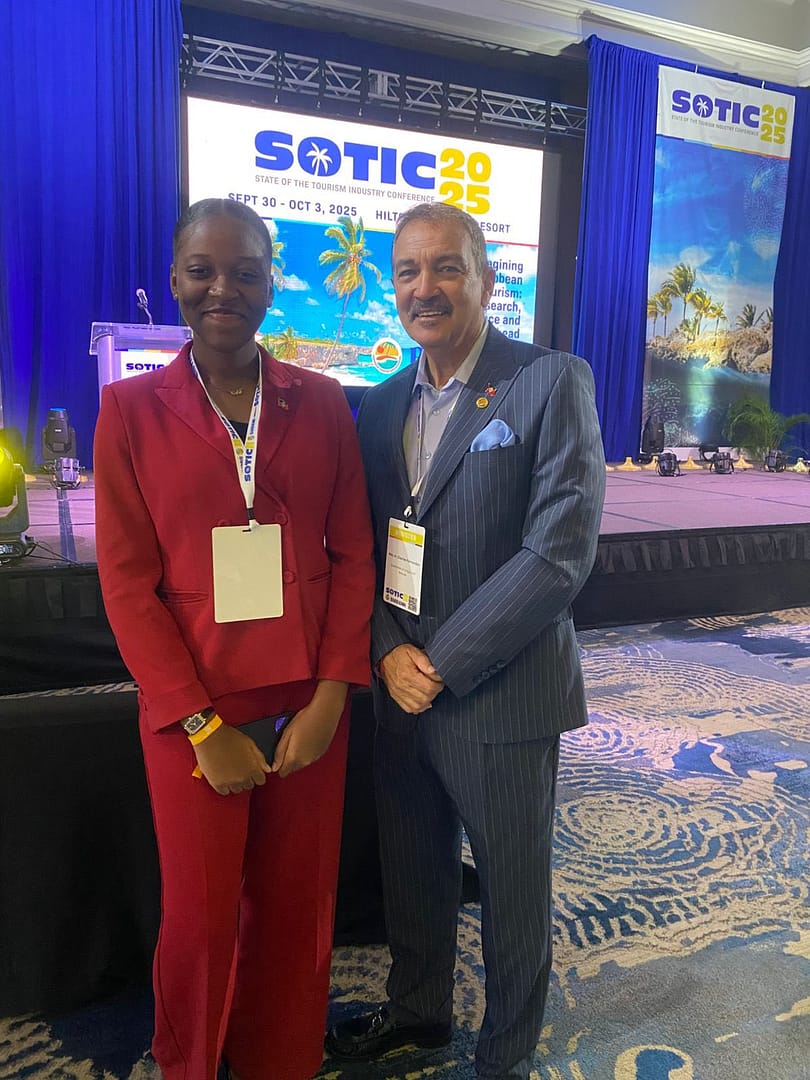
Antigua and Barbuda’s Junior Tourism Minister, 16-year-old Kiara Kwenga, is poised to represent her nation at the Caribbean Tourism Organization’s (CTO) Regional Youth Congress on October 2, 2025. The event, a highlight of the State of the Industry Conference (SOTIC) in Barbados, will bring together young leaders from across the Caribbean to discuss the future of tourism in the region. Kiara, a fifth-form student at Christ The King High School, will showcase her innovative ideas on sustainable tourism, digital innovation, and cultural preservation. The Youth Congress, known for its lively debate-style format, challenges participants to address real-world issues facing Caribbean tourism, from enhancing visitor experiences to fostering community development. Kiara’s participation underscores the creativity and resilience of Antigua and Barbuda’s youth, as she competes for the title of CTO Youth Ambassador. The winner will take on the prestigious role of promoting Caribbean tourism globally and inspiring the next generation of industry leaders. The event is a testament to the CTO’s commitment to empowering young voices in shaping the future of tourism.
作者: admin
-
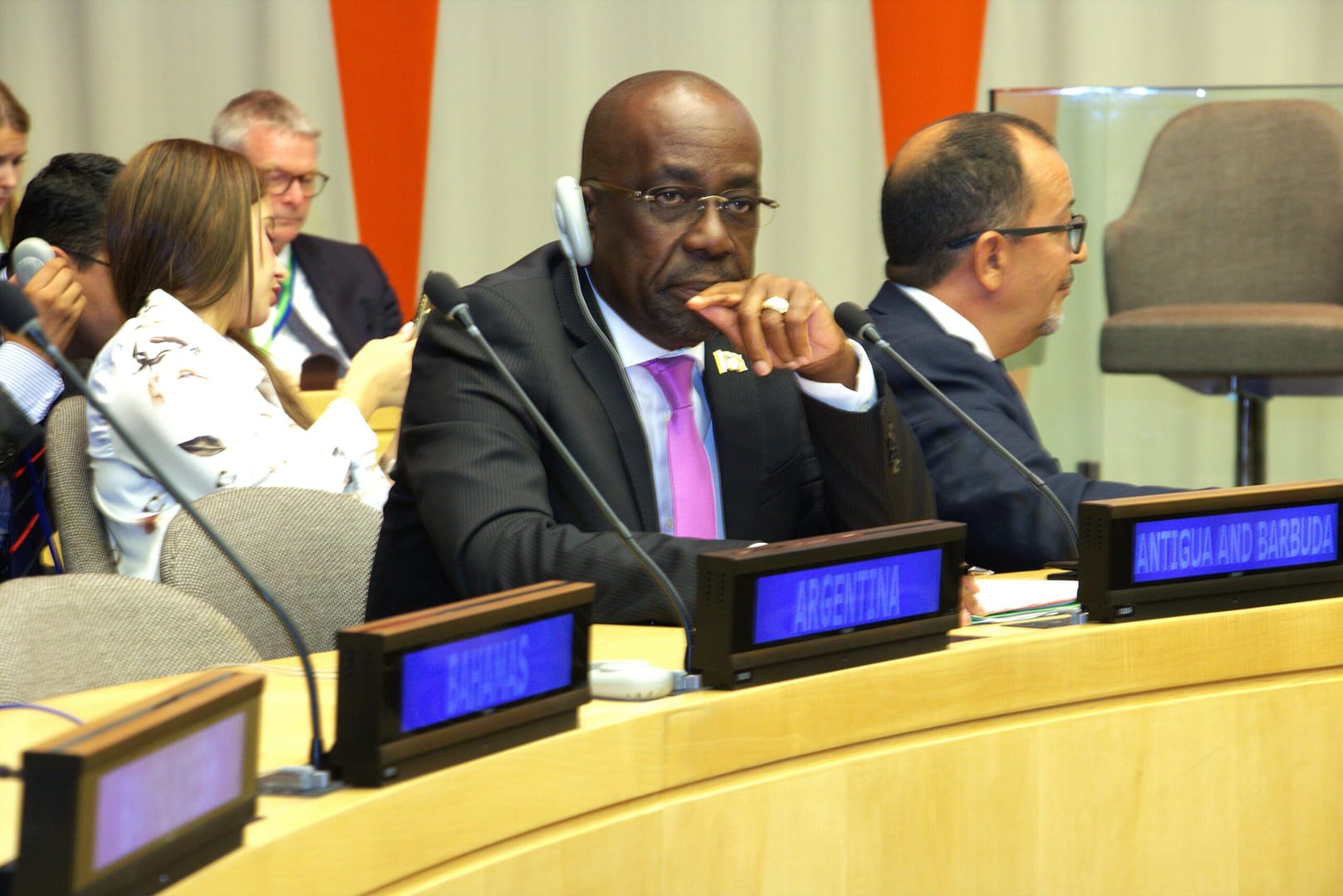
Greene Urges Healthy Living as St. Paul’s Marks Health Month
St. Paul’s annual Health Month has officially commenced, with Parliamentary Representative E.P. Chet Greene urging residents to take proactive steps toward improving their well-being. Running from October 1 to 31 under the theme “Healthy Lifestyle …things we can change,” the initiative aims to foster healthier habits through a series of activities, including health screenings, public lectures, radio programs, and outreach efforts to homes and schools. Greene emphasized that the campaign is not just about individual health but also about strengthening community engagement and collective responsibility. In his Health Month message, Greene highlighted the importance of mindful consumption, advising residents to “eat and drink wisely” and track their daily water intake. He encouraged active participation in the month’s events, framing the observance as both a personal challenge and a commitment to families, the community, and the nation. “Stay healthy for yourselves, your families, our community, and our country,” Greene stated, underscoring the broader societal impact of individual health choices. The initiative seeks to empower residents to make sustainable lifestyle changes while fostering a culture of health awareness across St. Paul.
-
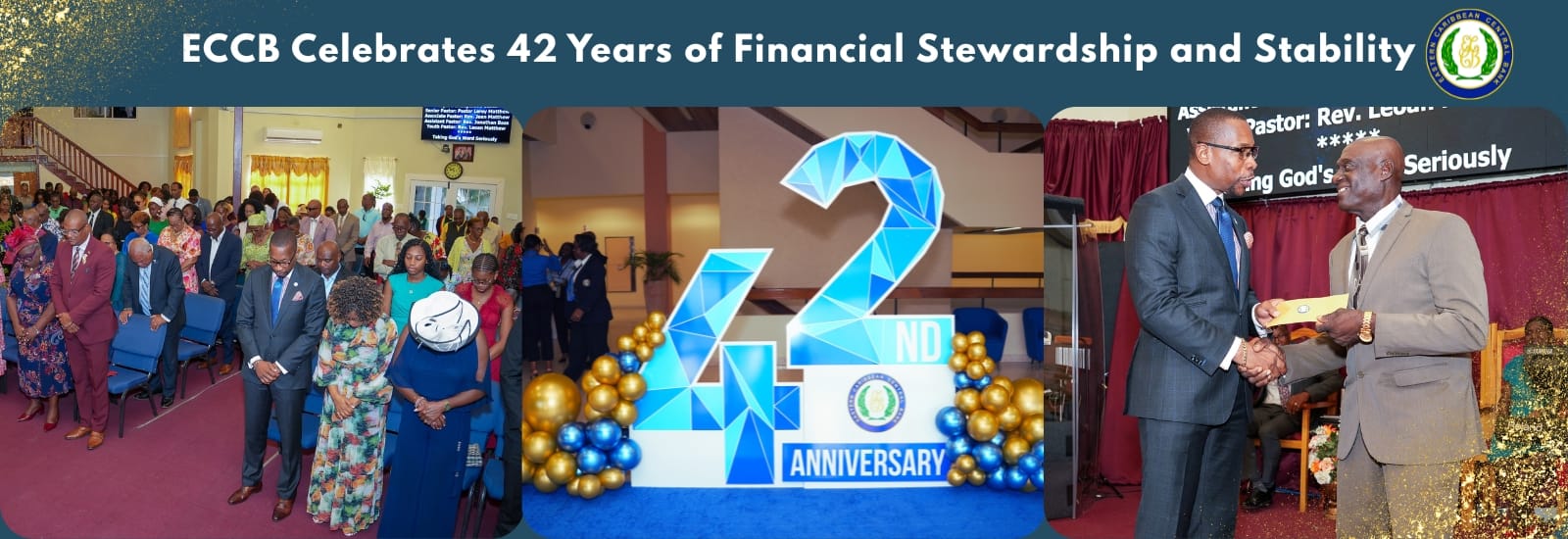
Central Bank Celebrates 42 Years of Financial Stewardship and Stability
The Eastern Caribbean Central Bank (ECCB) commemorated its 42nd anniversary on Wednesday, 1 October, marking over four decades of unwavering service to the Eastern Caribbean Currency Union (ECCU). The milestone was celebrated with a special worship service on Sunday, 28 September, attended by ECCB management, staff, retirees, stakeholders, and community members. The event, led by Pastor Leroy Matthew of the People’s Evangelistic Centre, was a heartfelt expression of gratitude for the Bank’s enduring contributions to regional financial stability. Pastor Matthew praised the steadfastness of the Eastern Caribbean (EC) dollar, which has been pegged to the U.S. dollar at EC$2.70=US$1.00 since 1976, highlighting its role in fostering economic confidence. ECCB Governor Timothy N.J. Antoine, in his address, thanked God for the Bank’s journey and reaffirmed the strength of the EC dollar, backed by nearly 99.0% foreign reserves. He emphasized the ECCB’s commitment to maintaining financial stability across its eight member countries. Governor Antoine also honored the Bank’s pioneers, including Dr. Sir Kennedy Simmonds, Sir Cecil Jacobs, Sir K Dwight Venner, and Sir Errol Allen, while acknowledging the collective efforts of past and present contributors. In a poignant moment, he addressed the younger generation, explaining the ECCB’s critical role in regulating financial institutions, issuing currency, and safeguarding deposits. He urged both children and adults to value the Bank’s work and to pray for its continued success. The anniversary coincided with the Financial Information Month (FIM) Festival, a regional initiative promoting financial literacy under the theme ‘Financial Empowerment Through Education.’ The event underscored the ECCB’s legacy of leadership and its ongoing mission to empower the people of the Eastern Caribbean.
-
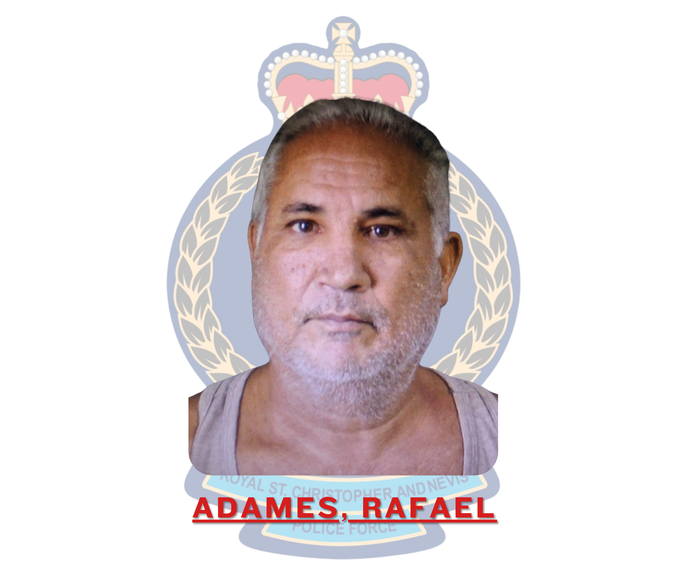
Adames Sentenced to Prison for Indecent Assault
In a significant legal development, Rafael Adames has been sentenced to five years in prison for the crime of indecent assault. The ruling was issued by His Lordship Justice Iain Morley, KC, at the Basseterre Circuit Court on September 25, 2025. The incident, which occurred on June 8, 2024, led to Adames pleading guilty to one count of indecent assault on July 8, 2025. His sentencing was postponed until September 2025. Notably, the court has deducted the 10 months and 27 days Adames spent on remand from his total sentence. Under current legal provisions, Adames is required to serve two-thirds of his sentence, contingent upon good behaviour. This case underscores the judicial system’s commitment to addressing serious offences and ensuring justice for victims.
-
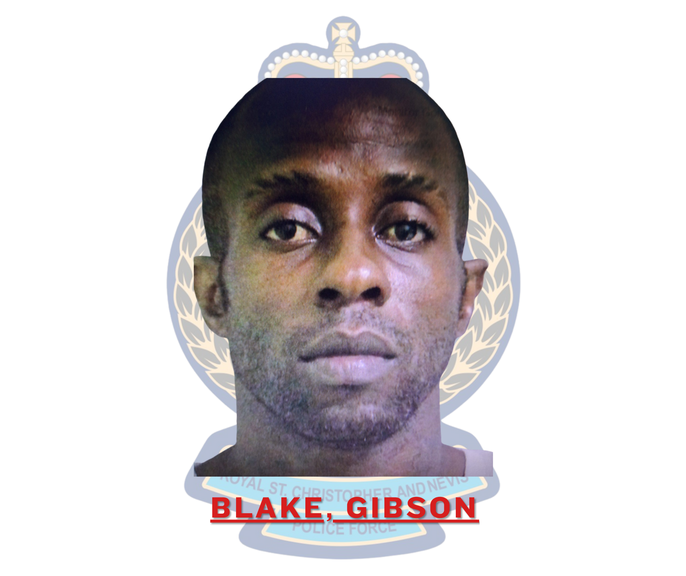
Blake Sentenced to Four Years for House Breaking and Larceny
In a significant legal development, Gibson Blake from Conaree, St. Kitts, has been sentenced to four years in His Majesty’s Prison for charges of House Breaking and Larceny. The incident, which took place in January 2025, culminated in Blake’s appearance before Justice Iain Morley KC at the Basseterre Circuit Court on September 26, 2025, where the verdict was pronounced. Blake, who had been in custody since his arrest, will have the time already served—one year, eight months, and 21 days—deducted from his total sentence after remission is applied. This case underscores the judicial system’s commitment to addressing property crimes and ensuring justice for affected parties.
-

Sosúa Council orders removal of underwater Atabey Statue
The Sosúa City Council in Puerto Plata has unanimously decided to dismantle the Atabey statue, a 16-foot underwater sculpture installed in March 2023. The statue, created by the Maguá Foundation and Global Coralition, was intended to serve as both a tourist attraction and a project to restore coral reefs. It represented Atabey, the Taíno mother of water deity, and aimed to promote art, culture, and environmental conservation. However, the decision to remove it was made during a session led by Council President Fausto Santos, following a proposal by Catholic priest Johnny Espinal Castillo and pastor Sebero Cordero Capellán, head of the Federation of Pastors. Since its installation in Sosúa Bay, the sculpture has been a source of controversy. Supporters praised its cultural and ecological significance, while critics, particularly religious groups, labeled it as promoting idolatry. The municipal ordinance has reignited debates on social media, with opinions divided between viewing the statue as a valuable cultural and environmental initiative or as an unwelcome foreign element.
-
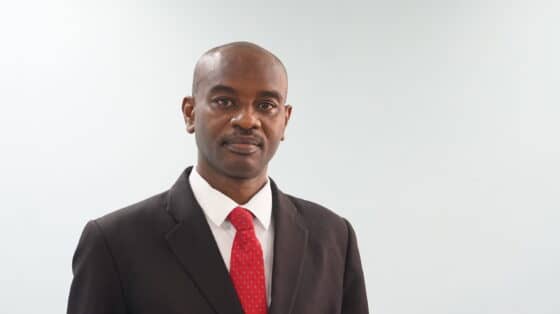
OP-ED- Last Stand: Trinidad And Tobago Races Against Time To Save Caribbean’s Final Investment Grade Rating
Trinidad and Tobago, the Caribbean’s last remaining investment-grade sovereign, is teetering on the edge of a financial precipice. Last week, Standard & Poor’s (S&P) downgraded the country’s economic outlook from ‘stable’ to ‘negative,’ signaling a one-in-three chance of a full credit rating downgrade within the next 6 to 24 months. This warning has profound implications for the nation’s 1.4 million citizens, who could face skyrocketing borrowing costs, reduced public services, and heightened economic hardship. The twin-island nation currently holds a BBB- rating, the lowest tier of investment-grade status. A further downgrade to BB+ would plunge the country into ‘junk’ territory, forcing institutional investors to divest and significantly increasing the cost of government borrowing. The stakes are high: Trinidad and Tobago’s potential fall would leave the entire English-speaking Caribbean without a single investment-grade sovereign. The root causes of this crisis are deeply entrenched. The country’s over-reliance on its declining oil and gas sector, chronic fiscal deficits, and stagnant economic growth have created a perfect storm. Oil and gas still account for over 25% of GDP, nearly 80% of exports, and the bulk of government revenues. However, production has been declining for years, and new projects require costly deep-water drilling. Meanwhile, the government’s debt burden has reached 81.3% of GDP, and the Heritage and Stabilisation Fund, built from past oil booms, continues to shrink. S&P has issued an ultimatum: implement fundamental structural reforms within the next two years or face junk status. These reforms include diversifying the economy beyond oil and gas, improving fiscal discipline, addressing chronic USD shortages, and strengthening institutions. While the challenges are daunting, Trinidad and Tobago retains some advantages, including political stability, substantial liquid assets, and sound monetary management. The country’s strategic location as a regional energy hub and gateway to South America also offers opportunities for diversification. The government’s response to this crisis will determine whether Trinidad and Tobago can avoid the fate of its Caribbean neighbors, such as Barbados and The Bahamas, which have struggled with high borrowing costs and austerity measures after losing their investment-grade status. The clock is ticking, and the stakes extend far beyond credit ratings. Success could position Trinidad and Tobago as a model for small island developing states navigating the transition to post-petroleum prosperity. Failure, however, would burden citizens with higher costs and eliminate the Caribbean’s last beacon of investment-grade credibility.
-
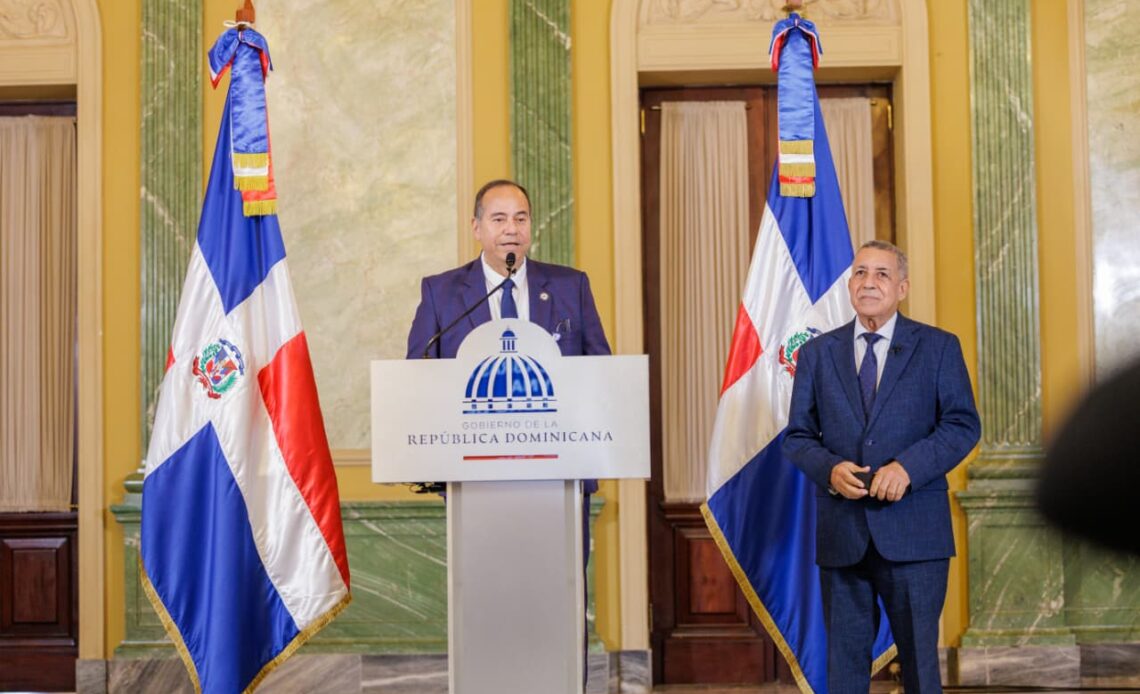
Dominican government presents five-year achievements
The Dominican government has released its comprehensive report titled ‘Government Management Achievements August 2020 – August 2025,’ detailing significant advancements across multiple sectors. Presented by journalist Félix Reyna, Director of Government Strategy and Communication (Diecom), during a press conference at the National Palace in Santo Domingo, the report highlights progress in health, security, education, housing, and the economy.
Key health indicators show remarkable improvements: life expectancy at birth increased from 73.5 years in 2016 to 75.1 years in 2024, while infant mortality rates dropped by 30.8%. Social security coverage more than doubled, ensuring greater protection for citizens. In the realm of security, the homicide rate fell to 8.3 per 100,000 inhabitants, and femicides decreased to 1.16, attributed to the Comprehensive Citizen Security Strategy, enhanced police recruitment, and operations like ‘Guarantee of Peace.’
Housing initiatives saw the construction of over 15,000 new homes and improvements to nearly 52,000 existing ones, with more than 532,000 individuals receiving property titles, bolstering legal and economic security. Economically, nearly 900,000 people emerged from poverty, GDP per capita grew by over 34% since 2019, and foreign direct investment exceeded US$4.5 billion. Record-breaking exports in agriculture and manufacturing further underscored economic resilience.
Education coverage expanded to over 4.5 million children and youth, with innovative programs in robotics, advanced English, and technical training. Renewable energy capacity tripled to 1,994 MW, while advancements in water access, electrification, and housing enhanced climate resilience. Transparency measures also contributed to a 22.3% increase in the government effectiveness index.
Looking forward, the administration has set ambitious goals for 2028, including raising life expectancy to 77 years, maintaining homicide rates below 8 per 100,000 inhabitants, expanding educational coverage, and ensuring the middle class represents 50% of the population. Additionally, the government aims to increase households with low climate vulnerability to 75%, reinforcing its commitment to sustainable development, resilience, and social equity.
-

Public trust fund proposed to tackle energy losses
The Energy Institute at the Autonomous University of Santo Domingo (UASD) has unveiled a groundbreaking proposal to address the persistent issue of energy losses plaguing the Dominican Republic’s distribution company, Edeeste. The initiative, introduced during the panel discussion ‘Energy Loss Management in the Dominican Republic’ hosted by the Faculty of Engineering and Architecture, advocates for the establishment of a public trust fund. This fund aims to mitigate the financial strain caused by electricity fraud and non-payment, which have led to a structural deficit currently subsidized by the state. Dean Omar Segura Alcántara emphasized that reducing these losses is crucial for developing a sustainable, competitive, and socially equitable electricity system. The proposed trust fund would ensure transparency, continuity across political transitions, and access to international financing. Additionally, it would introduce pay-for-results contracts to drive efficiency improvements. The initial implementation is planned for the Eastern region, excluding Edenorte and Edesur. José Luis Moreno San Juan, another representative from the UASD Energy Institute, highlighted that a significant portion of revenues—73%—is allocated to generators, leaving distributors with limited resources to manage operations effectively.
-

BARP at 30: ‘See ageing population as opportunity, not burden’
The Barbados Association of Retired Persons (BARP) has called on Barbadians to shift their perspective on the country’s ageing population, viewing it not as a crisis but as a unique opportunity to leverage the strengths of older citizens. Speaking at a church service at Hawthorn Methodist Church in Christ Church to commemorate BARP’s 30th anniversary and the International Day of Older Persons, BARP President Marilyn Rice-Bowen highlighted a significant demographic shift. By 2050, half of Barbados’ population is projected to be 65 years or older. ‘Some might see this as a challenge or a burden, but BARP sees it as an extraordinary opportunity,’ she stated. ‘An opportunity to harness the wisdom, experience, and perspective of a mature population.’ Rice-Bowen emphasized the need to redefine ageing in the 21st century and integrate older citizens into national development, social transformation, and digital progress. ‘We must build a society where older people are central to our national development, cultural preservation, and social progress,’ she added. Her remarks come amid a broader national dialogue on preparing for an ageing society, with officials urging proactive measures to address this demographic shift. BARP, which boasts over 23,000 members, including 16,569 aged 60 and above, is dedicated to empowering seniors to thrive in the digital age. The association provides programmes to enhance digital literacy, foster social connections, and safeguard against cyber threats. ‘We are equipping our members to navigate the digital world with confidence, reduce isolation through online connections, and protect their personal information,’ Rice-Bowen explained. This year’s International Day of Older Persons, themed ‘Older Persons Driving Local and Global Action: Our Aspirations, Our Well-Being, Our Rights,’ aligns with BARP’s mission of advocacy and inclusion. Rice-Bowen praised BARP’s founders for their foresight in establishing the organisation 30 years ago, when the needs of older people were often overlooked. She pledged to continue their legacy by ensuring older Barbadians are not only seen and heard but empowered to lead. ‘BARP will remain the champion of these aspirations, the guardian of this well-being, and the defender of these rights,’ she concluded.