作者: admin

  • Dominican Republic to regularize land titles of national monuments and cultural heritage sites

    Dominican Republic to regularize land titles of national monuments and cultural heritage sites

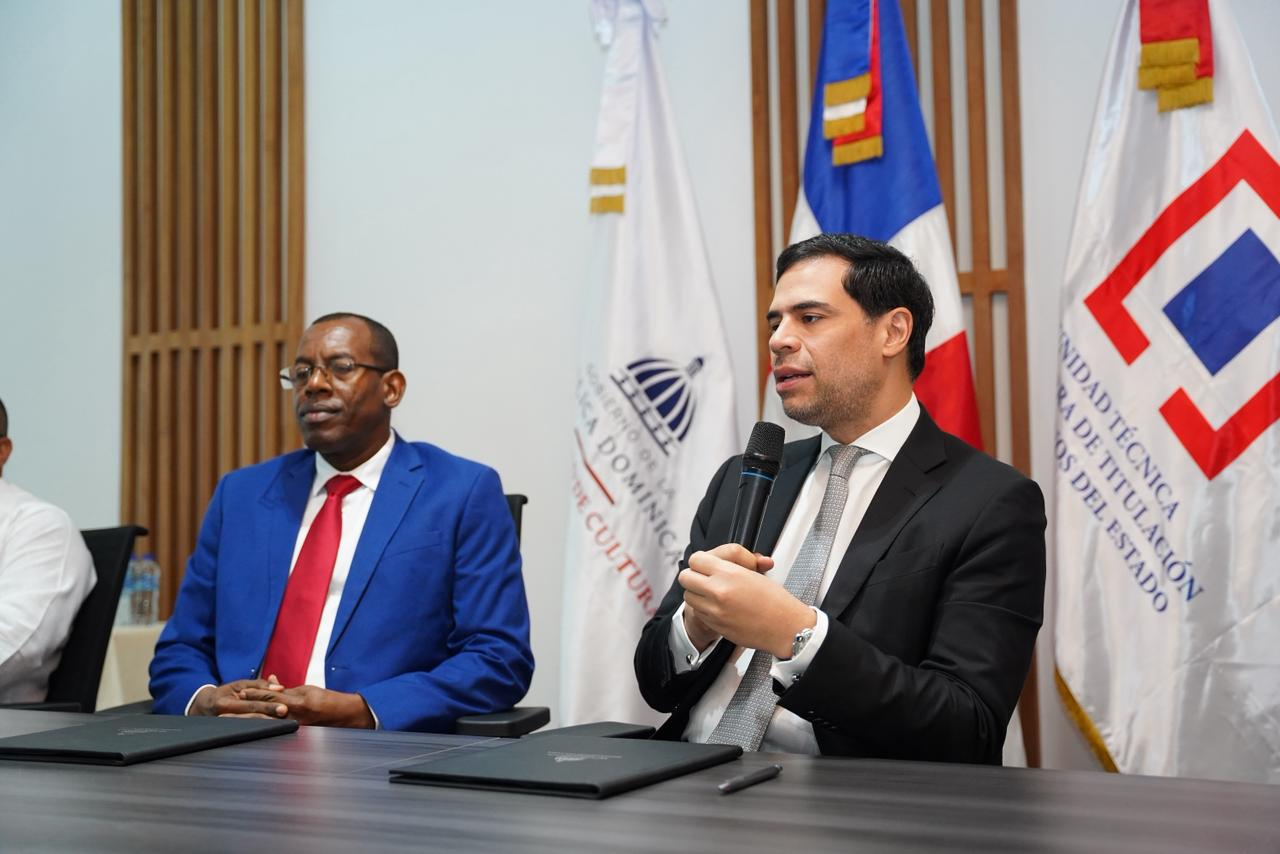
    Santo Domingo has witnessed a landmark institutional collaboration between cultural authorities and land regularization experts to secure the nation’s historical patrimony. The Dominican Ministry of Culture and the State Land Titling Technical Unit (UTECT) have formally established a three-year cooperative framework dedicated to the legal regularization of state-owned cultural properties.

    This strategic partnership, ceremonially endorsed by Culture Minister Roberto Ángel Salcedo and UTECT Executive Director Duarte Méndez Peña, directly addresses the critical need for establishing definitive legal ownership over lands containing national monuments, archaeological zones, and heritage structures. The initiative operates under the legal provisions of Law 108-05 on Real Estate Registration, forming a core component of President Luis Abinader’s broader vision for institutional strengthening and cultural preservation.

    The operational mechanics of the agreement designate clear responsibilities for each institution. UTECT will deploy its technical expertise, providing comprehensive cadastral and registry support. This involves conducting precise land surveys, executing field investigations, and managing the intricate legal procedures required for title regularization. Concurrently, the Ministry of Culture will undertake the crucial role of furnishing all necessary documentation, actively participating in field operations to identify pertinent properties, and assuming financial responsibility for all associated costs.

    A significant outcome of this alliance is the formation of a joint monitoring committee, tasked with overseeing the agreement’s implementation throughout its validity period. Officials from both institutions have emphasized that this endeavor transcends mere administrative procedure; it is a vital measure for ensuring permanent legal protection, reinforcing territorial sovereignty, and safeguarding the Dominican Republic’s tangible and intangible cultural heritage for future generations.
  • Dominican merchants criticize new Solid Waste Law 98-25 over business fees

    Dominican merchants criticize new Solid Waste Law 98-25 over business fees

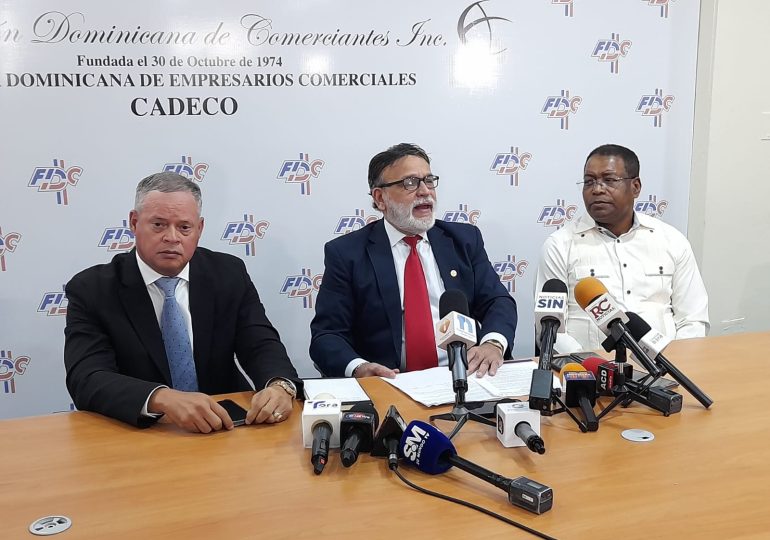
    SANTO DOMINGO – A contentious new environmental law has sparked significant backlash from the Dominican Republic’s business community, with merchant federations warning of disproportionate economic impacts on smaller enterprises. Law No. 98-25, which modifies the country’s Comprehensive Management and Co-processing of Solid Waste framework, was unexpectedly promulgated by President Luis Abinader this week, immediately drawing criticism from commercial representatives.

    Iván García, President of the Dominican Federation of Merchants (FDC), emerged as the foremost critic of the legislation, characterizing its implementation as abrupt and ill-considered. The core contention centers on the law’s uniform fee structure that imposes identical financial obligations on businesses regardless of scale or revenue. “This legislation creates an absurd scenario where a corporation declaring over RD$10 billion pays precisely the same as an enterprise selling RD$100 million,” García stated, emphasizing the regressive nature of the fee system.

    The legislation, confirmed by Executive Branch legal advisor Antoliano Peralta Romero, represents the Dominican government’s ambitious attempt to modernize waste management protocols and advance environmental sustainability objectives. The updated legal framework significantly expands the regulatory purview of the Ministry of Environment and Natural Resources while introducing stricter controls on waste disposal operations and landfill management.

    Key environmental provisions include progressive measures targeting pollution reduction, particularly through phased prohibitions on single-use plastics and foam containers commencing in 2026. Exemptions will apply only to products incorporating certified biodegradable additives, reflecting the government’s commitment to transitioning toward a circular economy model.

    While acknowledging the environmental merits of the legislation, business advocates argue that the current formulation fails to account for fundamental economic realities. Merchant groups contend that without structural revisions incorporating graduated fees based on enterprise size and capacity, the law could inadvertently stifle commercial activity and place undue burdens on small and medium-sized businesses—the backbone of the Dominican economy.

    The unfolding situation presents a complex policy challenge pitting environmental imperatives against economic equity concerns, with stakeholders urging dialogue to develop more nuanced implementation frameworks.

  • Cuba wins the war on drugs and shows zero tolerance

    Cuba wins the war on drugs and shows zero tolerance

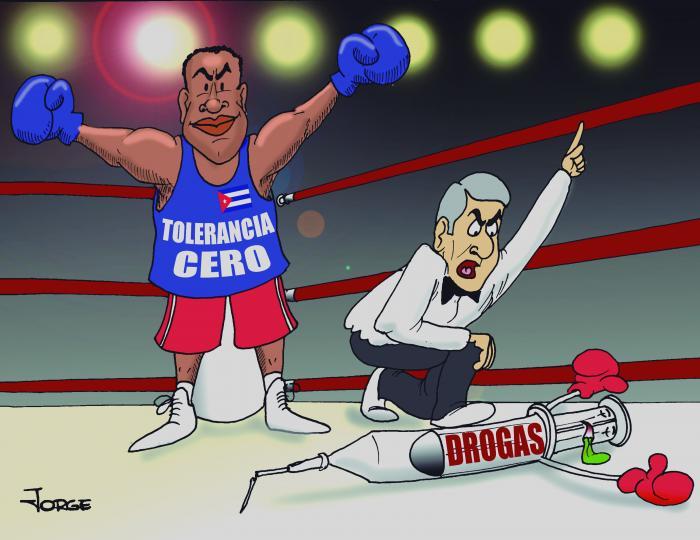
    Cuban authorities have revealed compelling data demonstrating their nation’s effectiveness in combating drug trafficking while exposing a significant cooperation imbalance with United States agencies. At a recent press conference attended by Justice Minister and Interior Ministry officials, evidence presented shows Cuba has been the primary contributor to bilateral anti-narcotics efforts despite the US serving as the main source of drug trafficking operations targeting the island.

    Between 1990 and November 2025, Cuban Border Guard Troops provided US Coast Guard officials with 1,547 intelligence reports while receiving only 468 in return—a nearly 3:1 ratio that underscores the unilateral nature of cooperation. Deputy Foreign Minister Josefina Vidal Ferreiro emphasized that US agencies have firsthand knowledge of Cuba’s effectiveness in combating drug trafficking, having benefited directly from this cooperation until Secretary of State Marco Rubio instructed unilateral termination of dialogue on migration and law enforcement matters.

    Cuba’s anti-drug operations have yielded substantial results despite these challenges. Recent statistics indicate the interception of 14 speedboats and capture of 39 drug traffickers with 4,487.47 kg of narcotics in recent years. These seizures represent just a fraction of the more than 40 tons of drugs Cuba has confiscated over the past 14 years—all ultimately destined for US markets.

    The Caribbean nation maintains robust regional cooperation networks, exchanging real-time intelligence with counterparts throughout the region regarding vessel characteristics, maneuvering patterns, and large-scale landing warnings. This collaboration occurs within a framework of respect, professionalism, and transparency that has proven effective in combating transnational crime.

    Between 2024 and 2025 alone, Cuban authorities thwarted 72 drug operations originating from 11 countries, with the United States identified as the primary source. These operations involved cocaine, methamphetamines, and synthetic cannabinoids transported via air routes using passengers, cargo, and postal shipments despite a 2016 cooperation agreement that has never been fully implemented by US counterparts.

    Cuba maintains an extensive international cooperation network with 37 anti-drug contact points and through Interpol’s National Central Bureau in Havana, which currently files 58 Cuban and two foreign nationals for illicit drug trafficking crimes. The country’s comprehensive anti-drug strategy prioritizes prevention through education, culture, health, sports, and recreation while maintaining rigorous enforcement measures supported by population-wide participation through organizations like the Committees for the Defense of the Revolution.

  • Advancing housing recovery is imperative after Hurricane Melissa

    Advancing housing recovery is imperative after Hurricane Melissa

    Cuban President Miguel Díaz-Canel has spearheaded a comprehensive evaluation of national recovery initiatives in response to Hurricane Melissa’s devastation and recent catastrophic flooding in Villa Clara municipalities. The assessment revealed substantial progress across multiple sectors while highlighting ongoing challenges.

    In Las Tunas province, Governor Yelenis Tornet Menéndez reported that restoration efforts are predominantly concentrated on revitalizing food production systems. Regarding housing infrastructure, 411 out of 538 damaged residences have been successfully restored, demonstrating significant reconstruction achievement.

    The healthcare sector has witnessed remarkable rehabilitation progress according to Health Minister Dr. José Angel Portal Miranda. Of 710 medical facilities affected across five eastern provinces, 185 have been completely restored, including 27 facilities rehabilitated within the past week. Patient services have been substantially normalized, with only 16 services remaining relocated compared to 23 immediately post-hurricane. Workforce recovery shows 73.4% of affected medical personnel (4,200+ out of 5,700) have returned to duty.

    Epidemiological surveillance has been intensified through enhanced population screening, particularly targeting vulnerable groups. Anti-vector measures and outbreak containment protocols have been strengthened to prevent post-disaster health crises.

    Water resource management has seen coordinated action, with National Institute of Water Resources President Antonio Rodríguez Rodríguez confirming all provinces have identified damaged pumping stations and restoration requirements. Prioritization has been given to agricultural water systems, with 22 of 97 damaged pumping stations already repaired.

    Agricultural recovery efforts have achieved the rehabilitation of 183,000 hectares, with land preparation and replanting operations constituting the sector’s primary focus, according to Agriculture Minister Ydael Pérez Brito.

    Electrical infrastructure restoration nears completion in eastern regions, with Santiago de Cuba—the most severely affected area—achieving 99% grid restoration.

    The assessment simultaneously addressed emergency flooding in Villa Clara province, where unprecedented rainfall exceeding 253 millimeters within hours triggered severe flooding in Sagua la Grande and Cifuentes municipalities. The disaster necessitated evacuation of 753 residents, most relocating to relatives’ or neighbors’ residences. Provincial authorities expressed confidence in addressing the compounded damage effectively.

  • 17 individuals convicted in Operation Discovery 2.0 fraud scheme targeting elderly Americans

    17 individuals convicted in Operation Discovery 2.0 fraud scheme targeting elderly Americans

    In a significant victory against transnational organized crime, Dominican authorities have secured convictions against 17 individuals and two corporate entities for operating an elaborate cyber fraud scheme that systematically targeted elderly American retirees. The verdict concludes Operation Discovery 2.0, an extensive multinational investigation initiated in 2023 that exposed a sophisticated network specializing in identity theft, large-scale fraud, and international money laundering.

    The judicial outcome, delivered by the First Court following a two-year investigation led by the General Directorate of Prosecution and Santiago Prosecutor’s Office, resulted in substantial prison terms ranging from four to seven years for primary offenders. The court additionally ordered the compulsory dissolution of two front companies instrumental to the operation and mandated comprehensive asset forfeiture, transferring all confiscated illicit proceeds to the Dominican State.

    According to Prosecutor Warlyn Alberto Tavares Reyes, the criminal enterprise operated through clandestine call centers masquerading as legitimate service providers. Utilizing advanced technological infrastructure, the network executed coordinated cyber fraud campaigns that specifically targeted vulnerable elderly populations in the United States, systematically draining victims’ lifetime savings.

    The investigation exemplified international law enforcement collaboration, with Dominican authorities working closely with the U.S. Federal Bureau of Investigation (FBI) and the Special Division for Transnational Crime Investigation (DEDIDET). Investigators compiled an extensive evidentiary portfolio exceeding 450 items, including judicially authorized wiretap recordings, documentary evidence, electronic devices, and critical witness testimonies that substantiated charges of criminal conspiracy, aggravated fraud, identity theft, and money laundering. This cooperation facilitated the extradition and prosecution of additional suspects located in United States territory.

    The judicial dissolution targeted two corporations central to the criminal infrastructure: Agnes Travel SRL and Urtarte’s Paradise Call Center SRL. Law enforcement seizures included approximately RD$2 million and US$84,000 in cash, multiple vehicles, firearms, sophisticated electronic equipment, jewelry, and real estate properties acquired with illicit funds.

    Miguel Ángel Camilo Pérez (alias Camilo/Milo), identified as a principal network leader, received the maximum sentence of seven years imprisonment. Other key figures including Freddy William Urtarte (Metra), Juan Armando Vásquez Ramírez (Peligro), and several co-conspirators were sentenced to four-year prison terms, while multiple secondary defendants received suspended sentences of equivalent duration.

  • SZF-verzekerden voortaan verlost van bijbetalingen operaties en medicijnen

    SZF-verzekerden voortaan verlost van bijbetalingen operaties en medicijnen

    In a landmark healthcare reform, Suriname’s Minister of Public Health, André Misiekaba, has announced the complete elimination of co-payments for surgeries and medications covered under the state insurance scheme. The policy shift, declared on December 13th during the opening of the Medhulp General Practitioners Emergency Post, aims to provide immediate financial relief to thousands of citizens.

    The minister revealed that since assuming office, he has been confronted with numerous complaints from patients who faced exorbitant out-of-pocket expenses despite being insured with the State Health Fund (SZF). Particularly at the Academic Hospital, these supplemental payments reached staggering amounts—up to SRD 60,000 per surgery—rendering essential medical care unaffordable for many.

    A recent SZF directive now prohibits hospitals, physicians, and pharmacies from directly billing patients for treatments and medicines included in the SZF formulary. Instead, all invoices must be submitted directly to SZF for processing. When necessary, SZF will collaborate with health insurer SOSAVO to determine cost coverage parameters, ensuring patients are shielded from unexpected financial burdens.

    “If you are insured with SZF and require surgery, you will no longer receive a bill. It goes directly to SZF. Citizens need not worry about co-payments anymore,” Minister Misiekaba stated emphatically.

    Additionally, the ministry will conduct a comprehensive evaluation and update of the national drug formulary in January. Frequently prescribed medications for oncology and diabetes patients—increasingly used in recent years—will be incorporated into the formulary to guarantee their structural availability at SZF pharmacies.

    The minister emphasized that healthcare providers must strictly adhere to their contractual agreements with SZF. For medicines within the formulary, no supplemental payments may be requested. Only when a physician consciously prescribes an alternative treatment outside the formulary might a limited co-payment apply.

    These measures represent a significant stride toward more accessible and affordable healthcare in Suriname. Further improvements will be implemented phasedly, with citizens expected to experience tangible relief in their daily healthcare interactions.

  • QEH to get second cancer treatment machine in major expansion

    QEH to get second cancer treatment machine in major expansion

    Barbados is embarking on a transformative healthcare enhancement initiative with a $313.6 million expansion of Queen Elizabeth Hospital, predominantly funded through Chinese financial support. Senator Shantal Munro-Knight disclosed that China Sinopharm International Cooperation will provide 80% of the financing for this substantial infrastructure project.

    The comprehensive development plan includes construction of two new medical facilities featuring an advanced oncology center, specialized patient clinics, expanded ward capacity, a dedicated burns treatment unit, and modernized laboratory infrastructure. A cornerstone of this medical upgrade involves acquiring a second linear accelerator for precision cancer treatment, complementing the first unit recently installed and already operational.

    Linear accelerator technology represents cutting-edge radiation therapy, employing high-energy beams to target malignant tumors while minimizing damage to surrounding healthy tissue. Senator Munro-Knight emphasized the critical importance of this investment, noting Barbados’ growing need for enhanced cancer care capabilities that will allow more patients to receive treatment locally.

    Concurrently, the Senate approved additional borrowing arrangements totaling $100 million from the OPEC Fund for International Development. Unlike the project-specific China Sinopharm loan, these funds are designated as policy-based financing, offering flexibility for allocation across various social sector initiatives according to identified national priorities.

    Senator Munro-Knight defended the government’s strategic borrowing approach, characterizing it as essential for small developing nations like Barbados. She highlighted that such investments transcend physical infrastructure, encompassing fundamental citizen needs including healthcare accessibility, educational resources, and food security. The minister pointed to tangible outcomes from previous responsible borrowing, including transportation upgrades and polyclinic improvements, while cautioning that the current hospital loan, though significant, doesn’t represent a complete solution to all healthcare challenges.

  • Frost hits Valle Nuevo for second day as temperatures drop below zero

    Frost hits Valle Nuevo for second day as temperatures drop below zero

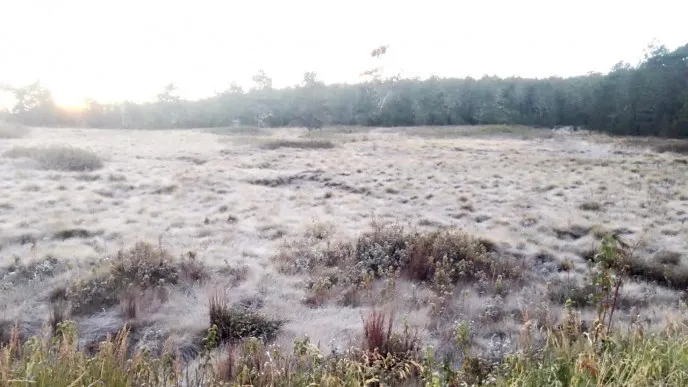
    The Dominican Republic’s elevated regions are experiencing an extraordinary meteorological event as a severe cold spell grips the mountainous zone of Constanza. For two consecutive days, the Las Pirámides sector within Valle Nuevo has recorded sub-zero temperatures, marking the beginning of what forecasters predict could be an extended period of exceptionally cold conditions potentially lasting through mid-2026.

    Meteorological expert Jean Suriel documented the dramatic temperature plunge, with readings dropping to 0.2°C on Monday followed by a concerning descent to -0.5°C in Tuesday’s early hours. The situation was further exacerbated by wind chill factors driving the perceived temperature down to approximately -2°C. These extreme conditions have triggered two distinct cryospheric phenomena: the freezing of moisture on vegetation creating widespread frost, and the formation of hoarfrost from frozen fog—a rare occurrence typically reserved for high-altitude environments with severe cold exposure.

    The meteorological explanation points to a convergence of two significant weather systems. The unusual cold pattern originates from the advancement of frontal system number 14 across the northern Caribbean basin, which has merged with an invading polar air mass. This combination is being propelled by cold Atlantic winds that are channeling Arctic air deep into the Caribbean nation. The geographical configuration of the Dominican Republic’s highland areas, particularly those exceeding 2,000 meters in elevation, makes them exceptionally vulnerable to these intensified cold air incursions, creating microclimates that mirror temperate zone winter conditions rather than typical Caribbean weather patterns.

  • Coryn, Williams take home Junior Calypso crowns

    Coryn, Williams take home Junior Calypso crowns

    BASSETERRE, St. Kitts — The 2025/2026 Republic Bank Junior Calypso Monarch competition has concluded with remarkable success, generating renewed confidence in the art form’s capacity to cultivate young musical talent. The Sunday evening event (December 14) at Marriott Plaza featured fourteen aspiring calypsonians from primary and secondary schools, culminating in victories for Coryn Clarke and Edward Williams in their respective divisions.

    Clement ‘Monarch’ O’Garro, Director of Carnival, expressed enthusiasm about the program’s expansion in comments to SKNVibes News. “The artform is developing at a rapid pace,” O’Garro stated, highlighting the substantial increase in participation from merely five or six contestants several years ago to nearly sixteen in recent competitions.

    This growth trajectory indicates that many early participants are now preparing to advance to senior competitions as soon as next year—a development that has greatly encouraged the National Carnival Committee. Interest in Junior Calypso continues to strengthen across both St. Kitts and Nevis, reflecting the program’s broadening appeal.

    Despite the competition’s success, O’Garro acknowledged ongoing challenges regarding sustained visibility for young artists beyond the Carnival season. Currently, promotional efforts predominantly focus on competition winners, leaving other talented participants with limited exposure opportunities.

    “Everything involves money, and yes, it’s something that we are concerned about,” O’Garro admitted, emphasizing that this issue affects all Carnival aspects, not just Junior Calypso. He suggested the need for year-round programming rather than seasonal activities, noting that discussions with the Department of the Creative Economy are underway to explore innovative approaches for showcasing young calypsonians throughout the year.

  • PAHO presenteert routekaart tegen ‘stille moordenaar’ hoge bloeddruk

    PAHO presenteert routekaart tegen ‘stille moordenaar’ hoge bloeddruk

    The Pan American Health Organization (PAHO) has launched a transformative roadmap to revolutionize hypertension and cardiovascular disease management across the Americas. Published in The Lancet Regional Health – Americas, the innovative Hearts Quality Framework provides nations with an immediately actionable blueprint for preventing heart attacks and strokes through primary care systems.

    Cardiovascular diseases claim over 2.2 million lives annually throughout the region, frequently affecting individuals during their most productive years. Hypertension, affecting nearly 40% of adults and dubbed the ‘silent killer,’ represents the primary risk factor. Despite the availability of affordable and effective medications, only one in three patients currently maintains controlled blood pressure levels.

    PAHO Director Jarbas Barbosa emphasized that hypertension represents “the deadliest yet most manageable health challenge worldwide.” The framework transcends theoretical policy documents, serving as a practical implementation guide already saving lives in thousands of healthcare facilities.

    The comprehensive framework consolidates evidence-based practices and addresses critical barriers including inaccurate blood pressure measurements, limited access to essential medications, suboptimal treatment protocols, and unnecessary monthly consultations. Key interventions mandate the use of validated automated blood pressure monitors, implement pooled procurement mechanisms for affordable medications, extend prescription durations, and expand nurses’ roles in medication adjustment.

    Currently operational across 33 nations, the Hearts initiative reaches approximately 10,000 primary care facilities and serves over six million patients. Regions implementing the program fully demonstrate remarkable success, with nearly 60% of patients achieving blood pressure control—almost double the regional average.

    The framework supports the ambitious 80-80-80 targets: diagnosing 80% of hypertensive individuals, treating 80% of diagnosed patients, and achieving controlled blood pressure in 80% of those treated. PAHO’s Pedro Orduñez projects that meeting these objectives could prevent over 400,000 deaths and 2.4 million hospitalizations by 2030.

    Significant improvements in blood pressure control are already evident in pioneering nations including Cuba, Chile, El Salvador, and Mexico. PAHO urgently calls upon governments and healthcare providers to adopt this life-saving model to strengthen primary healthcare infrastructure and preserve millions of lives across the Americas.