作者: admin

  • CARICOM Mission: Saint Lucian electors voted transparently

    CARICOM Mission: Saint Lucian electors voted transparently

    An independent observer mission from the Caribbean Community (CARICOM) has formally declared Saint Lucia’s recent general election a successful democratic exercise, characterized by peace, order, and transparency. The 11-member delegation, which monitored the electoral proceedings, released its preliminary assessment on December 5th.

    The mission’s official statement highlighted several commendable aspects of the voting process. Polling stations opened punctually across the nation, and electoral staff executed their duties with notable efficiency and professionalism, ensuring a smooth experience for voters. The delegation also confirmed that it neither witnessed nor received any reports of election-related violence, underscoring the civil atmosphere that prevailed.

    While the overall electoral process was praised, the CARICOM observers did note the presence of a highly charged campaign season. The statement acknowledged that personal attacks and accusations emerged between political factions, which it interpreted as a reflection of the high stakes and the nation’s dynamically evolving political landscape.

    In its concluding remarks, the mission extended congratulations to the Saint Lucia Electoral Commission for its proficient administration of the entire electoral process. It also commended all political parties, their agents, and supporters for the peaceful conduct demonstrated on Election Day. A comprehensive final report, containing detailed observations and constructive recommendations, is scheduled to be presented to the CARICOM Secretary-General in the coming weeks.

  • Reopening of 2-lane traffic: Old Fort Main Road

    Reopening of 2-lane traffic: Old Fort Main Road

    The Royal Grenada Police Force (RGPF) Traffic Department has officially announced the full reopening of Old Fort Main Road in St. George to two-way vehicular traffic. The restoration, which became effective Friday, December 5, 2025, marks the conclusion of previously undisclosed infrastructure work that had necessitated a partial closure.

    In a public communiqué, the RGPF extended its gratitude to citizens and motorists for their demonstrated patience and cooperative spirit during the period of traffic disruption. The police force emphasized that public understanding was instrumental in facilitating the project’s completion.

    The announcement, disseminated through the Office of the Commissioner of Police, serves as a formal notification to the commuting public to resume standard travel patterns on the route. Local authorities have confirmed that all necessary safety checks and assessments have been conducted to ensure the road’s integrity for public use.

  • India and Russia adopt joint development program until 2030

    India and Russia adopt joint development program until 2030

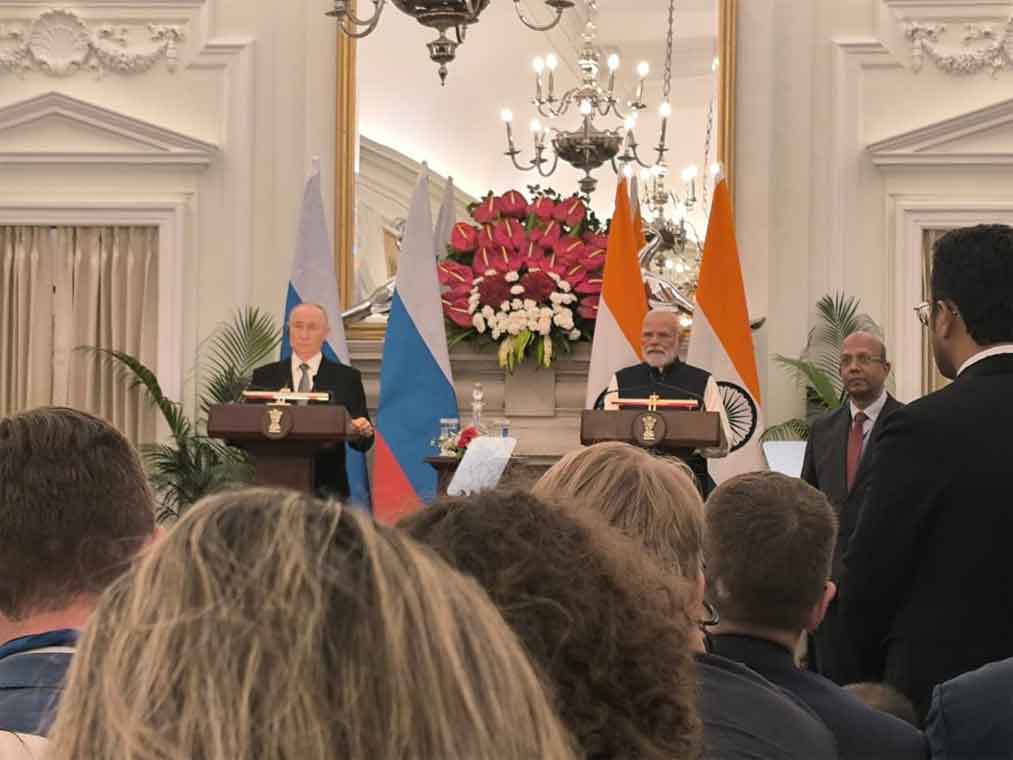
    In a significant diplomatic advancement, India and Russia have established a robust framework to substantially enhance their strategic and privileged partnership. The cornerstone of this strengthened alliance is an ambitious target to achieve $100 billion in bilateral trade over the next five years, a goal that underscores a mutual commitment to deepening economic integration.

    The partnership was formally advanced through the exchange of 16 distinct cooperation mechanisms covering a diverse array of sectors. A key agreement focuses on regulating the mobility of skilled Indian professionals to Russia, establishing clear pathways for legal employment while implementing measures to combat irregular migration, thereby addressing a critical issue of mutual concern.

    Collaboration extends into the realms of public health and education, with new pacts designed to foster joint initiatives in medical research, healthcare, and academic exchange in science. In a specialized move, the nations agreed to facilitate the training of Indian maritime specialists for operations in challenging polar waters, signaling India’s growing interest in Arctic logistics and Russia’s expertise in this domain.

    Economic cooperation received a significant boost with agreements to create a joint regulatory framework for a major urea manufacturing venture in Russia, led by Indian companies. This initiative aims to secure a stable supply of fertilizers for India’s vast agricultural sector. Further streamlining trade, both countries committed to implementing systems for the pre-arrival exchange of customs data for goods and vehicles, a measure expected to drastically reduce border clearance times.

    Recognizing the digital economy’s potential, the partners pledged to strengthen cross-border postal services and actively support the growth of e-commerce, with a special focus on empowering small and medium-sized enterprises (SMEs) from both nations to access each other’s markets. The breadth of the partnership is further evidenced by new mechanisms for scientific and academic exchanges, specialized industrial training programs, and enhanced media cooperation to foster greater public understanding and people-to-people ties.

  • Cuba denounces discredit campaing against its medical cooperation

    Cuba denounces discredit campaing against its medical cooperation

    Cuban Foreign Minister Bruno Rodríguez has publicly challenged what he characterizes as a biased Western media narrative targeting Cuba’s international medical missions. The diplomatic response was triggered by an analysis from the Cubadebate Media Observatory that exposed a recent investigation attempting to portray Cuba’s health cooperation programs as state-sponsored manipulation.

    Rodríguez highlighted the apparent hypocrisy in Western discourse, noting that while Cuba’s informational efforts are systematically labeled as ‘manipulation,’ campaigns orchestrated by Western governments and Washington-funded entities are routinely legitimized as expressions of ‘civil society.’

    The Foreign Minister further criticized the asymmetric terminology applied to online activism, pointing out that Cuban citizens sharing positive content about their country are frequently dismissed as ‘digital troops,’ while those coordinating hostile campaigns against the island are celebrated as ‘freedom activists.’

    This defense of Cuba’s medical diplomacy comes against the backdrop of substantial historical contributions. Official statistics from Cuba’s Ministry of Public Health reveal that over the past six decades, more than 605,000 healthcare professionals have served missions across 165 nations.

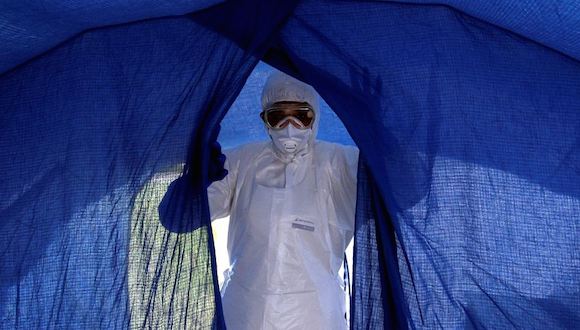
    Notable achievements include Cuba’s pivotal role in combating Ebola in Africa, eliminating blindness across Latin America and the Caribbean, addressing cholera in Haiti, and the global deployment of medical brigades during the COVID-19 pandemic. These efforts represent one of the world’s most extensive humanitarian medical cooperation programs, demonstrating Cuba’s commitment to global health solidarity despite limited economic resources.

  • Infrastructure Ministry will terminate contracts that violate agreements

    Infrastructure Ministry will terminate contracts that violate agreements

    Prime Minister Dickon Mitchell, serving simultaneously as Grenada’s Infrastructure Minister, delivered a stern warning to local government contractors during parliamentary debates on December 1st regarding the 2026 Budget. He declared an end to leniency regarding contractual non-compliance, emphasizing that henceforth, all contract terms—including termination clauses and delayed payment penalties—will be strictly enforced.

    Mitchell expressed particular frustration with contractors who secure projects only to subsequently attempt redesigns that cause significant delays. “You cannot bid for a project, have the designs, have the plans, get the contracts, and then you decide you want to re-engineer and redesign to delay the work,” he stated, reminding attendees that taxpayer funds finance Grenada’s infrastructure development.

    The Prime Minister revealed that despite his advocacy for local contractors over the past three and a half years, many have responded with substandard work, delays, and a lack of accountability. This has prompted a shift in his approach: “I now intend to fight on behalf of the citizens of Grenada,” he declared, demanding contractors immediately deploy adequate resources to project sites.

    A critical issue highlighted was the reluctance of local contractors to collaborate, which Mitchell identified as a primary factor hindering their growth and necessitating foreign work permits. This lack of cooperation prevents them from qualifying for larger projects under Caribbean Development Bank procurement guidelines, ultimately allowing non-Grenadian contractors to increasingly dominate the construction industry.

    With millions in infrastructure contracts awarded annually—many of which have experienced significant timeline overruns—the government’s new stance signals a major policy shift toward accountability and quality assurance in public projects.

  • Two Hondurans Charged for Illegal Fishing in Sapodilla Cayes

    Two Hondurans Charged for Illegal Fishing in Sapodilla Cayes

    Belizean authorities have apprehended and charged two Honduran nationals for engaging in unlawful fishing activities within the ecologically sensitive Sapodilla Cayes Marine Reserve. The incident, which occurred on December 2, 2025, represents a significant enforcement action against illegal fishing operations in the region.

    The coordinated operation was conducted through a collaborative effort between the Toledo Institute for Development and Environment (TIDE), the Belize Coast Guard, and the Fisheries Department. According to Florencio Coc, Project Manager for TIDE, the enforcement action followed the alarming discovery of an extensive three-mile fishing line on December 1 that had already caused substantial marine casualties, including the death of a hammerhead shark and multiple reef sharks.

    “When our team retrieved the landline, these marine creatures were already deceased, eliminating any possibility of returning them to their natural habitat,” Coc stated, highlighting the irreversible environmental damage caused by such illegal practices.

    The subsequent patrol resulted in the interception of the two Honduran fishermen who were found in possession of 37 bonefish—a species specifically protected within the reserve boundaries. Both individuals were formally charged and arraigned before the judicial system, receiving fines of $6,000 BZD each for utilizing prohibited gill nets and possessing illegally caught marine life.

    Coc acknowledged the persistent challenges in monitoring the vast 300,000-acre reserve with limited enforcement resources. Local fishing communities have previously expressed concerns about inadequate patrol presence, but Coc emphasized that enforcement capabilities have significantly improved since TIDE assumed co-management responsibilities of the protected area.

    “We recognize that patrols and enforcement were limited prior to our management takeover,” Coc explained. “The current administration has implemented a renewed focus and increased patrol presence to better protect this critical marine ecosystem.”

  • Russian FM to discuss Ukrainian crisis with foreign ambassadors

    Russian FM to discuss Ukrainian crisis with foreign ambassadors

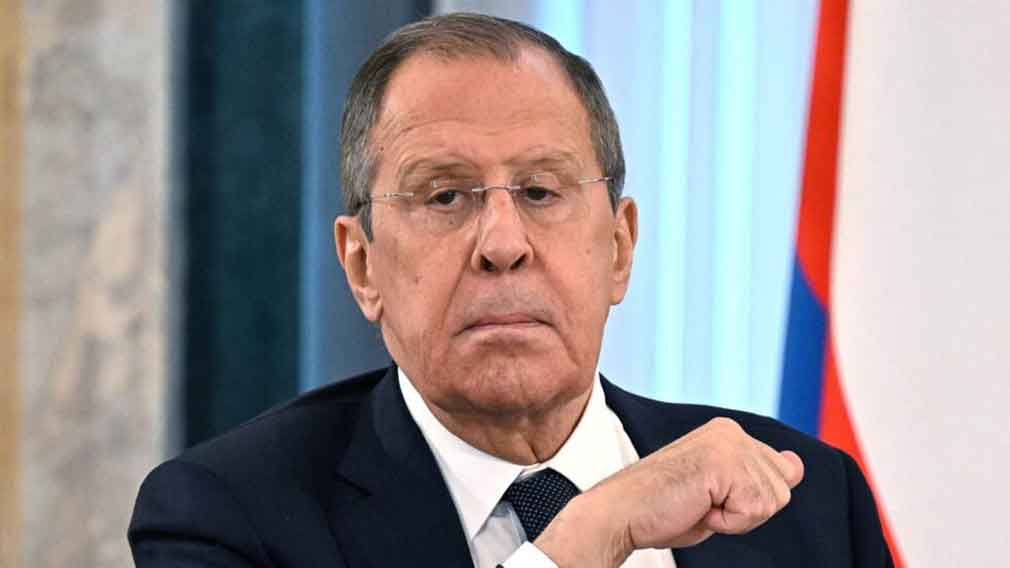
    The Russian Foreign Ministry has announced the convening of its tenth diplomatic roundtable, scheduled for December 11th, which will bring together over 100 ambassadors and international organization representatives accredited in Moscow. Foreign Ministry spokeswoman Maria Zakharova confirmed that the high-level gathering will focus specifically on “The Ukrainian Crisis: Diplomacy and Prospects for Settlement” as its central agenda item.

    Russian Foreign Minister Sergey Lavrov will traditionally inaugurate the proceedings with a keynote address outlining Moscow’s ongoing efforts toward achieving a peaceful resolution to the conflict. Minister Lavrov is expected to provide a comprehensive assessment of the current situation while detailing Russia’s diplomatic initiatives aimed at de-escalation.

    The roundtable format, now in its tenth iteration, represents a continued effort by Moscow to maintain open channels with the international diplomatic community. Zakharova emphasized the Russian government’s expectation that the meeting will foster “confidential and constructive dialogue” with representatives from across the global community regarding pressing international issues, particularly the ongoing situation in Ukraine.

    This gathering occurs amid continued international attention on Eastern European security dynamics and represents Russia’s latest effort to position itself as engaged in diplomatic solutions to the ongoing crisis.

  • Israel arrests 570 Palestinians in the West Bank in November

    Israel arrests 570 Palestinians in the West Bank in November

    New data reveals a significant escalation in Israeli detention practices within the West Bank following the outbreak of regional hostilities in October 2023. According to a recent institutional statement, Israeli forces have apprehended more than 21,000 Palestinians in this period.

    The demographic breakdown of these detentions includes 610 women and approximately 1,600 minors, figures that human rights organizations find particularly alarming. This number is in addition to thousands of previously released prisoners who have been detained again.

    A particularly contentious aspect of this crackdown involves the expanded application of administrative detention laws. This controversial legal mechanism enables authorities to incarcerate individuals for renewable three to six month periods based on secret evidence that remains undisclosed even to defense attorneys.

    The implementation of this practice has triggered widespread protests among detainees, with many initiating indefinite hunger strikes as their only available means to contest their detention and pressure Israeli officials for release.

    Palestinian representatives and international human rights organizations consistently condemn administrative detention as a fundamental violation of due process rights. They argue the practice effectively creates a legal limbo where prisoners face extended imprisonment without formal charges, legal proceedings, or convictions, thereby circumventing international legal standards.

  • Syria: Authorities discover new mass graves of war victims

    Syria: Authorities discover new mass graves of war victims

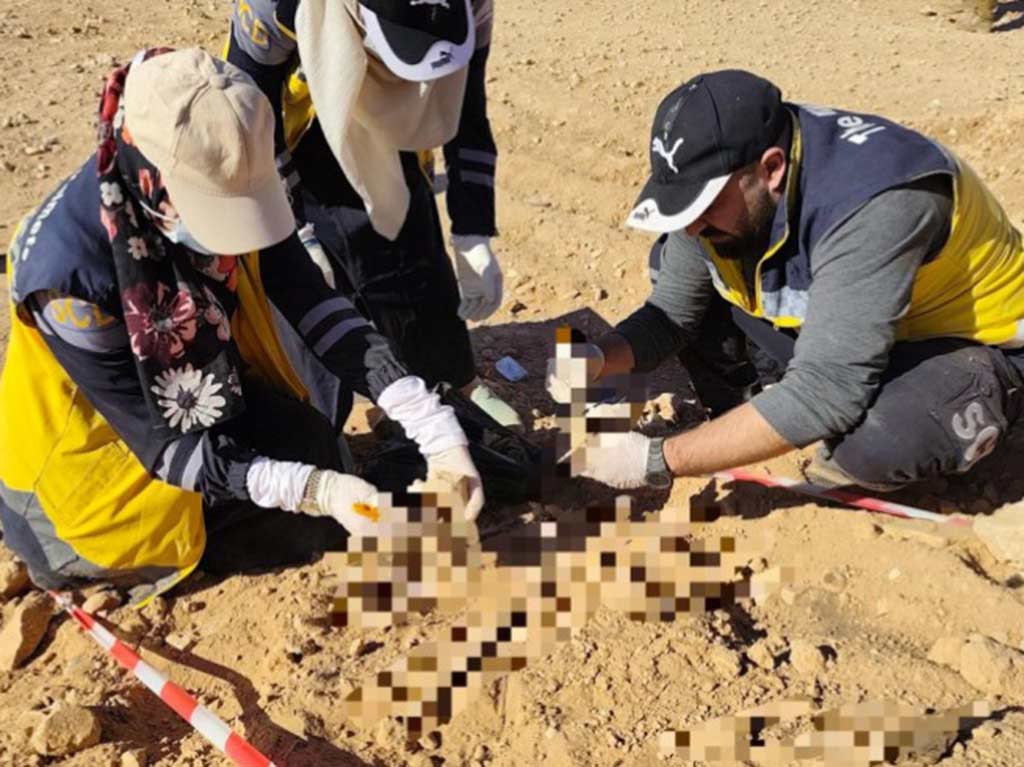
    A new mass grave has been discovered in Syria’s northern Aleppo province, with state broadcaster Syria TV reporting that the exhumation was conducted under stringent security protocols. While the human remains have not been formally identified, preliminary assessments suggest the victims likely suffered torture or summary execution. Forensic experts are now meticulously working to establish the identities of the deceased and to piece together the precise events that led to their deaths. This grim finding is not isolated; it adds to a growing list of similar discoveries in the region. In a coordinated effort last November, the Syrian Civil Defense—also known as the White Helmets—and the National Commission for Missing Persons reported uncovering human remains in a well located in the rural area of Aziza, also within Aleppo. Since government forces reasserted control over various territories, numerous mass graves have been reported by local residents. Disturbing testimonies from communities indicate that many of these sites could contain the bodies of individuals who were victims of rape and other severe atrocities perpetrated during the nation’s prolonged and devastating armed conflict.

  • Mexican Senate approves General Water Law

    Mexican Senate approves General Water Law

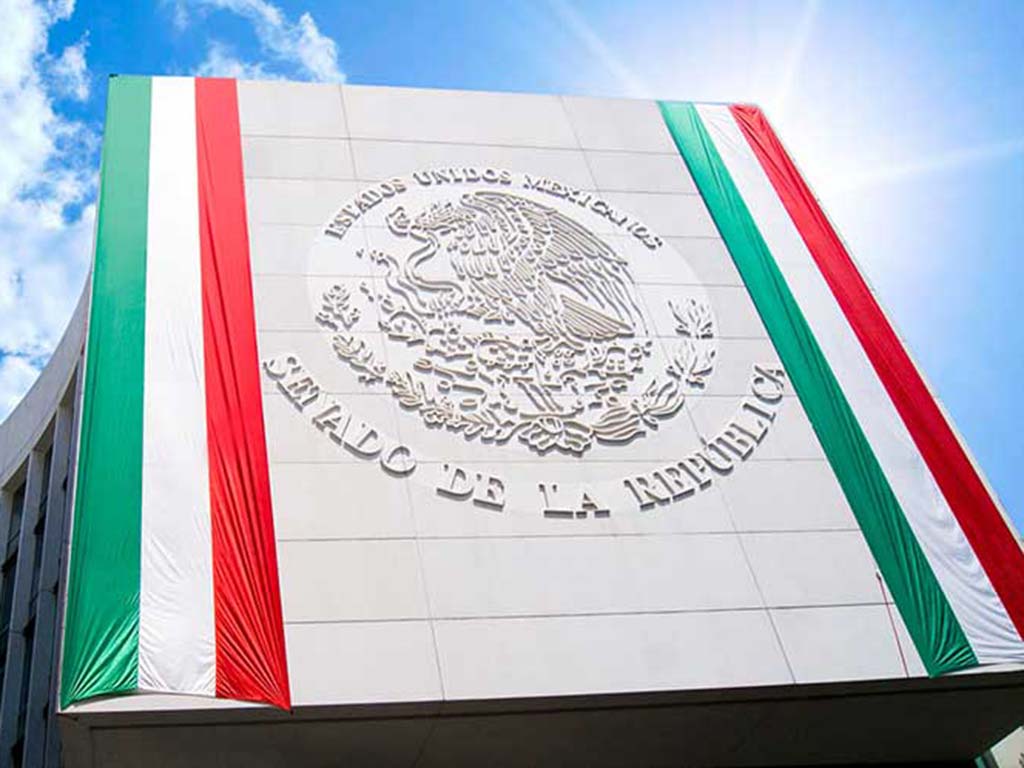
    The Mexican Senate has overwhelmingly approved a transformative constitutional amendment that fundamentally redefines water from a market commodity to a legally protected human right. The landmark legislation passed with substantial support, receiving 85 votes in favor against 36 opposed, including particularly strong backing from 82 parliamentarians with only 34 dissenters.

    Originating from an initiative by President Claudia Sheinbaum and previously advanced by the Chamber of Deputies, the bill represents a comprehensive response to critical water management challenges. The legislation specifically targets systemic issues including water misuse, illegal extraction operations, and black market water trafficking that have plagued Mexico’s water security.

    According to Senate documentation, the newly approved framework establishes foundational principles, support mechanisms, and procedural guidelines for ensuring equitable and sustainable access to water resources. The legislation explicitly recognizes the interdependence between water access and other fundamental human rights protected under Mexican law.

    The constitutional reform mandates that the state must promote, respect, protect, and guarantee the right to water for personal and domestic consumption, including access, disposal, and sanitation services. These protections align with both Mexico’s constitutional provisions and international treaties to which the nation is a signatory, creating a robust legal framework for water justice.

    This legislative achievement marks a significant shift in Mexico’s approach to water governance, prioritizing human dignity over commercial interests in one of the Western Hemisphere’s most substantial water policy reforms in recent years.