作者: admin

  • Wanted man captured in Dominica and sent back home to face justice

    Wanted man captured in Dominica and sent back home to face justice

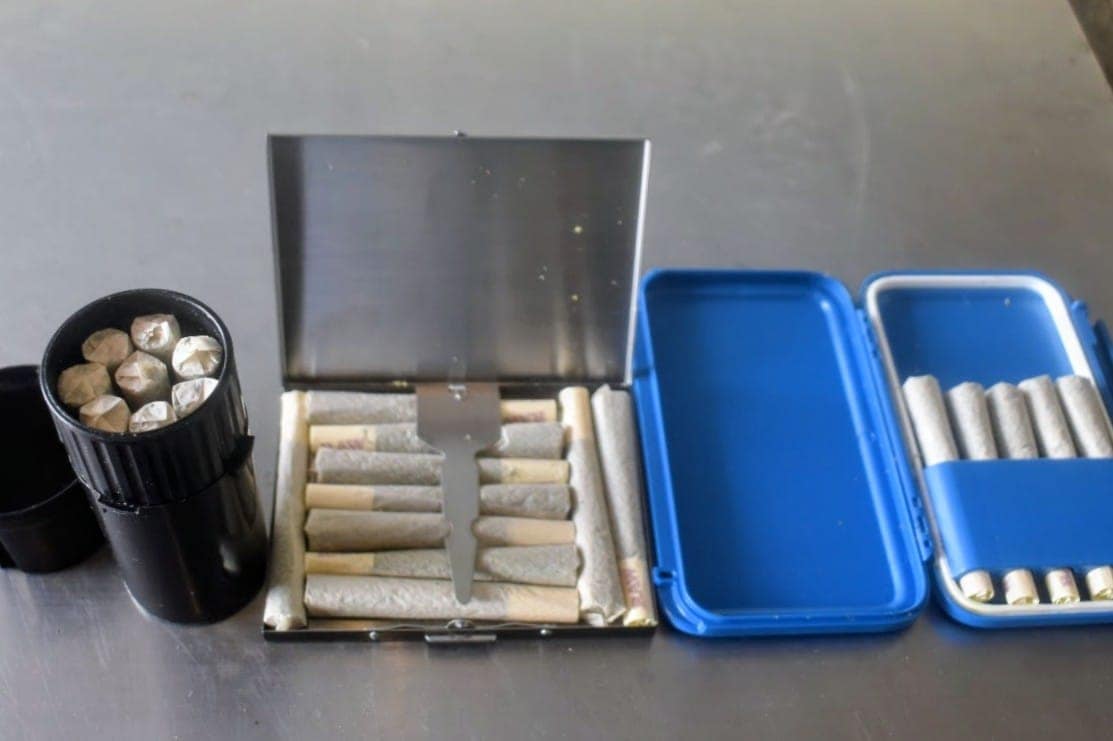
    In a significant demonstration of regional law enforcement cooperation, Dominican authorities have successfully repatriated a fugitive from Saint Lucia who was apprehended during a routine narcotics operation. Merkyle Cooper, a Saint Lucian national, was initially detained in October during ‘Operation Clean Street’ on cannabis possession charges and promptly paid a $1,100 fine.

    During subsequent investigations, the Commonwealth of Dominica Police Force (CDPF) uncovered Cooper’s status as a wanted individual in Saint Lucia for serious criminal offenses. This discovery triggered immediate custodial measures while extradition procedures were coordinated between the two nations.

    The collaborative effort culminated on January 22, 2026, when Cooper was formally transferred to Saint Lucian law enforcement officials to answer for his alleged crimes. The CDPF emphasized that this operation underscores their commitment to regional security partnerships and inter-jurisdictional justice.

    In a strongly worded statement, Dominican police issued a clear warning to international criminal elements: “Dominica is not a hiding place. Anyone who commits crimes in other countries and believes they can come here to hide or evade justice will be tracked, arrested, and returned to face the law. There is no safe haven for criminals in Dominica.”

    While officials have not disclosed the specific nature of Cooper’s alleged crimes in Saint Lucia, the case represents a successful implementation of regional security protocols between Caribbean Commonwealth nations.

  • Brazilian agricultural research chief highlights role of regional institute in speeding up innovation

    Brazilian agricultural research chief highlights role of regional institute in speeding up innovation

    Brazil’s top agricultural research official has emphasized the pivotal role of the Inter-American Institute for Cooperation on Agriculture (IICA) in bridging the technological gap for rural producers throughout the Western Hemisphere. Silvia Massruhá, President of Brazil’s Agricultural Research Corporation (Embrapa), articulated this vision during the inauguration ceremony of agronomist Muhammad Ibrahim as IICA’s new Director General in San José.

    Addressing senior agricultural officials from over 30 countries and international organization representatives, Massruhá highlighted Ibrahim’s exceptional qualifications for his 2026–2030 term. With more than 35 years of professional experience, the newly appointed director brings strategic expertise in streamlining the transfer of research-based technologies to agricultural communities.

    Massruhá identified the persistent challenge research institutions face in ensuring rapid technology adoption among farmers. ‘We frequently develop technologies that need to be rolled out more rapidly,’ she noted, expressing confidence that Ibrahim’s background in research and innovation would effectively address this implementation gap.

    The Embrapa president underscored the critical importance of digital technologies in navigating global agriculture’s transformation toward sustainable production, enhanced nutrition, and increased food system transparency. She specifically cited blockchain technology as a transformative tool for improving traceability and building trust throughout agricultural supply chains.

    Emphasizing the need for greater socio-economic and digital inclusion, Massruhá pointed to the particular challenges faced by small- and medium-scale producers who encounter significant investment barriers. She positioned IICA as essential in supporting institutions through technology adoption initiatives, specialized training programs, and the development of innovative business models for rural associations and cooperatives.

    Brazil committed to strengthening its collaboration with IICA to facilitate international sharing of agricultural technologies developed over the past five decades—advancements that have transformed the nation into a global agricultural powerhouse and major food exporter. Massruhá concluded with strong expectations for enhanced cooperation under Ibrahim’s leadership.

  • Ministry of Works & Forestry Division Collaborate to Replant Trees at Hall Estate

    Ministry of Works & Forestry Division Collaborate to Replant Trees at Hall Estate

    In an unexpected environmental incident during standard infrastructure maintenance, a mature tree was accidentally removed by a private contractor on Valley Road North near Hall Estate. The error was promptly detected by the Project Implementation Management Unit (PIMU), which immediately consulted with the Forestry Division to develop a remediation strategy.

    Demonstrating rapid environmental accountability, PIMU organized a replanting initiative that resulted in two Cassia fistula trees being installed at the original location on January 23rd, 2026. This compensatory action aims to maintain ecological equilibrium, enhance regional biodiversity, and establish natural shading for future generations.

    The ceremonial planting was executed by a collaborative team including Mr. Adrian Hall, Manager of Hall Estate; Mr. Trevor Thomas, PIMU Driver; Mr. Sherwin Harding, Deputy Community Liaison Officer at PIMU; and Mr. Winston Whyte, PIMU Project Coordinator.

    Officials expressed gratitude to the Forestry Division for their expert guidance, reaffirming their dual commitment to progressive infrastructure development and conscientious environmental protection. The incident has highlighted the importance of careful oversight in public works projects and the value of swift corrective measures when errors occur.

  • LETTER TO THE EDITOR: ‘Deux Branches’ another betrayal of the public’s trust!

    LETTER TO THE EDITOR: ‘Deux Branches’ another betrayal of the public’s trust!

    Dominica confronts a severe crisis of public confidence as government inaction regarding illegal mining operations at Deux Branches exposes fundamental failures in governance. The situation has escalated dramatically since a foreign entity initiated unauthorized extraction activities despite a court-issued stop order that officials have conspicuously failed to enforce.

    The core issue transcends environmental concerns, striking at the heart of Dominica’s social contract. Public trust—particularly in the Ministries of Health, National Security, and Finance—has deteriorated to critically low levels. This distrust now threatens to spread to the departments of Planning, Environment, Lands & Surveys as officials demonstrate alarming indifference to both legal mandates and citizen concerns.

    What makes this case particularly troubling is the administration’s refusal to provide scientific data and factual information to concerned citizens who have themselves presented evidence-based arguments. This ‘No law, No constitution’ approach to governance has created a dangerous precedent that undermines democratic foundations.

    The ecological implications are equally grave. Deux Branches represents not just an environmental treasure but a litmus test for governmental accountability. The failure to protect this landscape could precipitate both ecological disaster and further erosion of public trust, potentially poisoning governance structures, impoverishing society, and destroying civil spirit.

    Dr. Irving ‘Eipigh’ Pascal, the author raising these concerns, maintains cautious optimism that transparent and professional management of this crisis could still reverse the damage. He emphasizes that prevention remains superior to cure, and that protecting Dominica’s natural heritage is fundamental to ensuring a just, prosperous future for the Nature Isle.

    The situation demands immediate attention as it represents a critical juncture in Dominica’s development. How authorities handle this illegal mining debacle will determine whether trust can be restored or whether collective insecurity will deepen in an increasingly challenging global landscape.

  • Antigua Cruise Port Invites Local Entrepreneurs to Join Upland Development Project

    Antigua Cruise Port Invites Local Entrepreneurs to Join Upland Development Project

    Antigua Cruise Port has launched a strategic initiative to integrate local business talent into the next stage of its Upland Development Project. The port management is formally soliciting Expressions of Interest (EOIs) from entrepreneurs and artisans to establish retail outlets and immersive visitor experiences within the terminal’s new development zone.

    This ambitious project is fundamentally designed to celebrate the distinct cultural identity of Antigua and Barbuda. The curation process will prioritize enterprises that highlight locally manufactured goods, authentic artisan brands, and unique experiences deeply rooted in national heritage. The envisioned commercial space will feature a dynamic blend of traditional bazaar-style kiosks and modern, purpose-built retail areas, all engineered to significantly enrich the cruise tourist’s journey.

    Antigua Cruise Port’s selection criteria will emphasize businesses that champion local craftsmanship, fashion innovation, and creative expression. Additional preference will be accorded to ventures that demonstrate a strong commitment to sustainable practices, wellness-oriented services, and active community involvement.

    Successful applicants will gain a formidable business advantage: direct access to a continuous stream of international visitors within a high-traffic cruise terminal environment. The port offers a professionally managed retail ecosystem, providing entrepreneurs with unparalleled opportunities for brand exposure and direct customer engagement with a global clientele arriving via sea voyages.

    In an official communiqué, the port operator framed this call for EOIs as a cornerstone of a broader vision focused on inclusive economic growth and collaborative partnership. This initiative encourages local businesses to actively participate in scripting the future narrative of the nation’s evolving cruise tourism sector. The submission deadline for interested parties is set for January 31, 2026.

  • Cabo Rojo’s $673M Compliance Trap: How Ley 47‑25 Forces Dominican Innovation

    Cabo Rojo’s $673M Compliance Trap: How Ley 47‑25 Forces Dominican Innovation

    The Dominican Republic’s entrepreneurial landscape faces a transformative inflection point with the implementation of Ley 47‑25, the new Public Procurement Law effective January 2026. This legislative overhaul replaces the previous Law 340‑06, moving beyond procedural adjustments to mandate that 30% of all government contracts—amounting to approximately $673 million from the $2.245 billion Pro-Pedernales Trust—must be allocated to micro, small, and medium enterprises (MIPYMEs).

    While superficially appearing as a compliance requirement, this mandate represents a fundamental structural shift with severe operational implications. The southern region, particularly Cabo Rojo, stands at a critical crossroads where this policy could either catalyze economic innovation or trigger a coordination crisis. The law imposes stringent penalties for non-compliance, including fines ranging from 500 to 5,000 monthly public sector minimum wages and potential permanent closure of establishments for severe violations. Notably, Article 20 criminalizes collusion with prison sentences of 2–5 years, effectively eliminating shell company schemes and overlapping consortiums previously used to secure contracts.

    The successful implementation hinges on developing execution architecture capable of rapidly scaling hundreds of SMEs to meet contracting modalities such as the Asociación para la Innovación partnership model. This creates both unprecedented opportunity and substantial risk—without proper operational frameworks, projects face delays, quality compromises, and reputational damage.

    Strategic analysts emphasize that Cabo Rojo must evolve beyond traditional tourism development to become an exportable intellectual property engine, leveraging the global Dominican diaspora and digital nomad talent pool. Dominican FinTech, CleanTech, SaaS, and IP ventures now have a historic opportunity to demonstrate operational readiness and transform regulatory mandates into market advantages. The ultimate success of this initiative will depend on converting policy requirements into predictable, scalable outcomes that position the Dominican Republic as a competitive player in global innovation markets.

  • LETTER TO THE EDITOR: Fact Check- Anthony Astaphan’s political defense of CBI and the reality of U.S. risk

    LETTER TO THE EDITOR: Fact Check- Anthony Astaphan’s political defense of CBI and the reality of U.S. risk

    A critical examination of recent U.S. visa restrictions on Caribbean Citizenship by Investment (CBI) programs reveals a fundamental disconnect between legislative compliance and operational credibility. While Senior Counsel Anthony Astaphan accurately notes that Eastern Caribbean governments have engaged in diplomatic dialogues and enacted statutory reforms, his legalistic perspective fails to address Washington’s core security concerns.

    The United States approaches risk assessment through a practical lens rather than a legislative checklist. From this vantage point, several unresolved issues persist: historical approvals under weaker due diligence regimes remain active liabilities, enforcement consistency shows significant variation, and information-sharing reliability with international partners continues to raise questions. Additionally, concerns regarding political influence over CBI administration and broader transparency issues, including the Cuban medical brigade situation, contribute to ongoing apprehension.

    Timing emerges as a crucial factor in understanding the current impasse. Contrary to Astaphan’s portrayal of proactive governance, the implemented reforms largely constituted reactive measures following intensified U.S. visa scrutiny, prior EU warnings, and already-eroded international confidence. The December visa restrictions represent a risk management posture rather than moral condemnation, essentially communicating: “Improvement acknowledged, but reliability not yet established.”

    Particularly telling is the divergence in perspectives regarding residency requirements. Where Astaphan points to legislative changes as evidence of compliance, U.S. officials evaluate substantive residence indicators—actual physical presence, meaningful jurisdictional ties, and integration sufficient for identity verification. Many CBI residency stipulations continue to be perceived as symbolic rather than substantive, undermining confidence in identity vetting processes.

    This situation ultimately reflects contrasting professional frameworks: Astaphan argues as defense counsel by emphasizing technical compliance and minimizing structural risks, while U.S. authorities operate as risk managers who discount promises in favor of demonstrable system resilience. The path forward requires Caribbean states to complement legal reforms with verifiable compliance measures, transparent data sharing, and sustained cooperation that convinces security professionals—not just diplomats—that international standards are consistently met.

  • Detour in Place as Drainage Works Continue at Hodges Bay

    Detour in Place as Drainage Works Continue at Hodges Bay

    Commuters navigating the Hodges Bay area are encountering significant traffic modifications as municipal authorities advance critical drainage infrastructure enhancements. The ongoing construction focuses on establishing a swale drain adjacent to Matthias Drive, situated south of the Breeze Pointe Apartments complex. This essential public works initiative has necessitated the partial closure of certain roadways, resulting in considerable transit delays during peak travel periods.

    Transportation officials have formally issued recommendations for motorists to employ alternative pathways to circumvent the construction zone. Suggested detours include utilizing Matthias Drive as a primary bypass or identifying supplementary access routes to reach destinations within the affected vicinity. The infrastructure development team has extended apologies for any inconveniences caused by the necessary construction activities, simultaneously expressing gratitude to both daily commuters and local residents for their demonstrated patience and cooperation.

    This drainage improvement endeavor represents a strategic component within a broader, comprehensive initiative aimed at reinforcing and modernizing the nation’s transportation infrastructure network. The swale drain installation specifically targets enhanced stormwater management capabilities, intended to mitigate flooding risks and improve road safety during severe weather events. Project coordinators confirm that construction timelines remain on schedule, with anticipated completion expected to conclude within the forthcoming weeks, pending favorable meteorological conditions.

  • Antigua and Barbuda seeks nominations to spotlight female philanthropists ahead of International Women’s Day

    Antigua and Barbuda seeks nominations to spotlight female philanthropists ahead of International Women’s Day

    The Directorate of Gender Affairs in Antigua and Barbuda has officially commenced the nomination period for its 2026 International Women’s Day Spotlight Series, a distinctive program dedicated to celebrating female philanthropists whose modest yet impactful contributions have substantially fortified community foundations nationwide.

    Under the resonant theme ‘Give to Gain,’ this year’s initiative deliberately shifts focus towards women whose altruistic endeavors, though frequently operating beneath the public radar, have generated measurable improvements in supporting vulnerable populations, advancing youth development, and enhancing overall community welfare. The Directorate emphasizes that the program’s core mission is to illuminate these selfless individuals who dedicate themselves to uplifting others and fostering sustainable positive transformation, thereby reaffirming women’s indispensable role as catalysts for societal advancement.

    Citizens are actively encouraged to participate by nominating women who exemplify extraordinary community service, demonstrate compassionate leadership, and exhibit an unwavering commitment to empowering their fellow citizens. Program officials clarify that eligibility extends beyond prominent financial contributors to include those whose generosity manifests through persistent, behind-the-scenes actions and grassroots activism.

    Prospective nominees must be submitted by the deadline of 18 February 2026, with all residents of Antigua and Barbuda eligible to participate in the nomination process. Submissions are accepted through multiple channels including physical delivery to the Directorate’s offices at Lower Nevis Street, postal mail, or electronic communication via telephone.

    This Spotlight Series constitutes an integral component of the nation’s broader International Women’s Day observances, scheduled for annual commemoration on March 8th. The campaign reinforces a fundamental societal message: women’s philanthropic contributions, whether through material resources or dedicated service, generate profound and far-reaching benefits for the entire social fabric.

  • K-9 Roni joins Royal Saint Lucia Police Force

    K-9 Roni joins Royal Saint Lucia Police Force

    The Royal Saint Lucia Police Force (RSLPF) has significantly bolstered its operational capabilities with the acquisition of K-9 Roni, a specially trained police dog generously donated by the French government. The canine specialist arrived on the island earlier this week accompanied by his handler, with formal training sessions scheduled to commence imminently with local K-9 unit officers.

    Police Public Relations Officer Zane Romulus confirmed that Roni’s integration into the force will substantially enhance the unit’s effectiveness in security operations. Concurrently, the RSLPF is developing comprehensive management protocols for its K-9 division, featuring ambitious infrastructure plans including state-of-the-art kennel facilities, specialized transportation systems for canine safety, and meticulously structured veterinary care programs.

    An official handover ceremony is being organized for the coming weeks to formally recognize this international security collaboration. This development follows high-level discussions between RSLPF delegates and French security counterparts during a January 19th visit to Martinique, where meetings were conducted with both the Gendarmerie and French Navy authorities.

    These diplomatic engagements, stemming from the ninth Franco-Saint Lucia Joint Security Meeting held in October 2025, have additionally paved the way for expanded training opportunities across multiple RSLPF units. The forthcoming programs will emphasize capacity building and strengthened cross-border cooperation mechanisms to effectively address regional security challenges.