作者: admin

  • Black River begins to breath again

    Black River begins to breath again

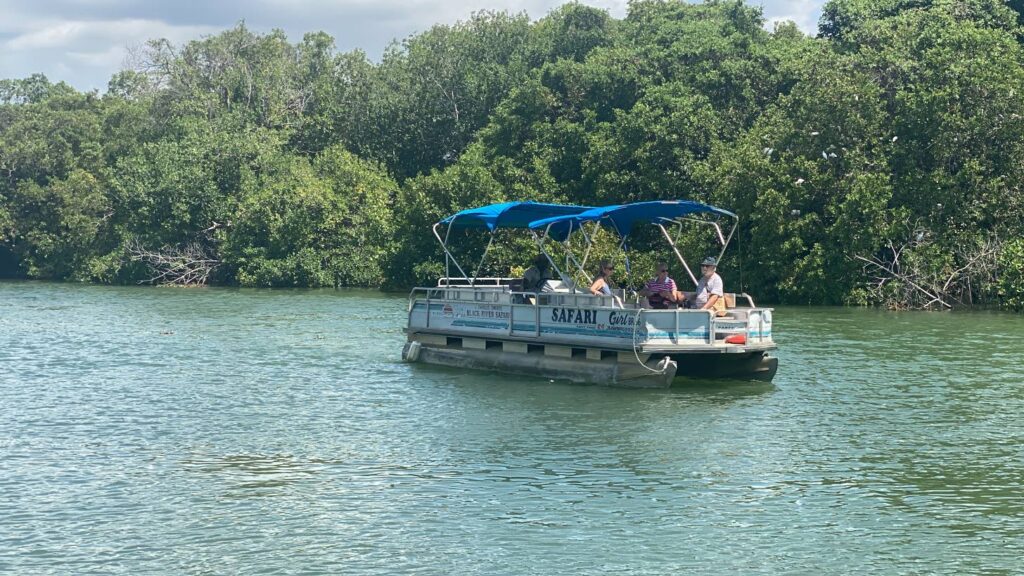
    BLACK RIVER, St Elizabeth — In a significant milestone for hurricane recovery efforts, Black River Safari Tours prepares to reopen today despite sustaining extensive damage from Hurricane Melissa’s devastating passage in late October. The Category 5 storm brought catastrophic winds, torrential rains, and unprecedented storm surges that crippled infrastructure throughout this heritage-rich Jamaican town.

    Managing Director Joseph Ryan Swaby, a second-generation safari operator, confirmed the partial reopening while acknowledging the substantial challenges that remain. His operation symbolizes the determined spirit of local businesses fighting to restore normalcy after the natural disaster. “The rebirth of Black River will mainly be driven by the reopening of businesses,” Swaby emphasized, noting that meaningful employment remains crucial for community recovery beyond external aid.

    The safari will operate at reduced capacity with only two of its six tour boats currently operational after extensive cleanup and rebuilding efforts. Significant flooding damage has temporarily closed the crocodile nursery facility, though wildlife monitoring indicates displaced crocodiles are gradually returning to their natural habitats along the Black River and its tributaries.

    Staffing reductions reflect the scaled-back operations, with employment dropping from 13 to approximately 6-8 employees, many of whom suffered personal property damage during the storm. Remarkably, no staff members sustained injuries despite several complete home losses.

    Meanwhile, on the opposite riverbank, St Elizabeth Safari Crocodile Tour remains closed indefinitely after losing six of seven boats to the hurricane’s 13-foot storm surge. Proprietor Dr. Donovan Bennett described the challenging recovery process, with damaged vessels scattered throughout wetlands requiring specialized equipment for retrieval. Bennett estimates replacement costs for engines alone could reach $20 million Jamaican dollars.

    Both operators acknowledge January as a potential timeline for fuller restoration, with Bennett advocating for government-led redevelopment that reimagines Black River’s infrastructure with improved resilience and visitor amenities. “In every disaster there is an opportunity,” Bennett noted, expressing hope that reconstruction would create “a town that is more attractive than it has been, that will be friendlier to visitors.”

  • Rush to get fishers back to the sea

    Rush to get fishers back to the sea

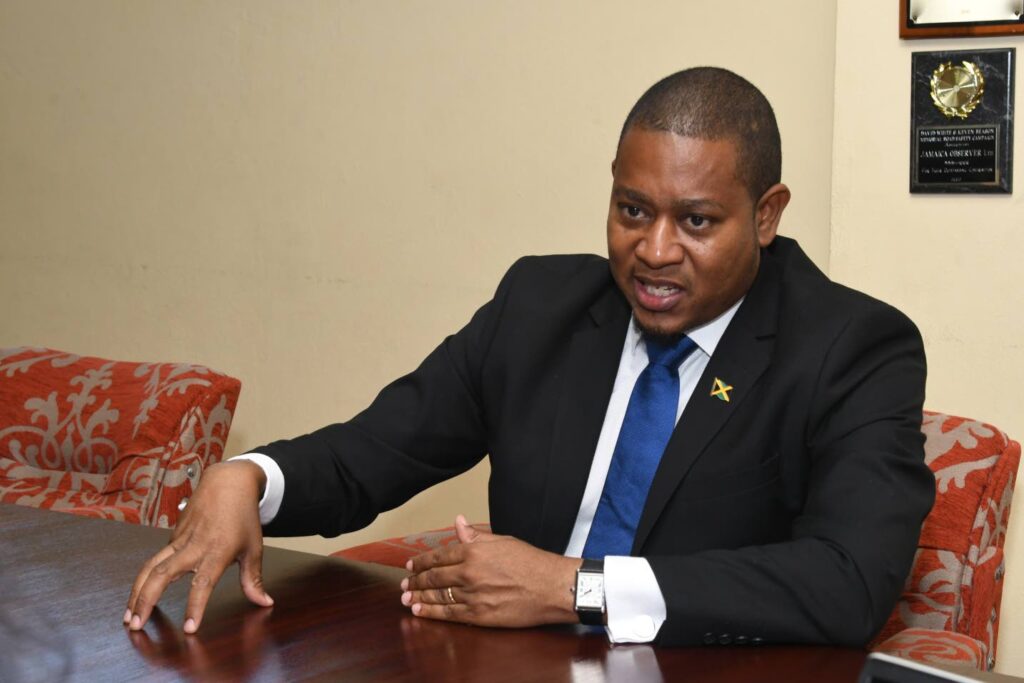
    The Jamaican government has initiated a comprehensive rehabilitation strategy for its hurricane-battered fisheries sector, combining immediate emergency aid with strategic long-term investments. Agriculture and Fisheries Minister Floyd Green unveiled the multi-faceted approach during a Jamaica Observer Press Club meeting, detailing both current relief distributions and future reconstruction plans.

    Immediate response efforts have already delivered critical supplies to fishing communities across multiple parishes including Portland, St Mary, and St Thomas. The government has allocated approximately $30 million Jamaican dollars worth of wiring materials to repair damaged fishing equipment alongside providing generators to fuel stations, enabling fishers to resume operations more quickly.

    The catastrophic impact of Hurricane Melissa, which struck the island on October 28, has been quantified through preliminary assessments by the National Fisheries Authority (NFA). CEO Dr. Gavin Bellamy reported billions of dollars in losses across fishing communities, aquaculture enterprises, and essential infrastructure. Particularly devastating was the damage in southwestern regions, where some communities experienced complete destruction of fishing vessels alongside severe losses of engines, gear storage facilities, and processing sites.

    Minister Green emphasized the priority of redistributing boats and engines, particularly through a youth-focused program targeting fishers under 35 years old. The existing boat and engine program, which began before the hurricane, will continue with approximately 14 additional boats scheduled for distribution alongside engine replacement grants.

    The recovery strategy extends beyond equipment replacement to include significant infrastructure rebuilding. Green announced plans for beach reconstruction and the development of enhanced regional hubs, citing Black River in St. Elizabeth as one location where destroyed fuel stations and offices will be rebuilt to higher standards.

    Collaboration with the Ministry of Environment and Climate Change is underway to direct loss and damage funds specifically toward fisheries recovery. The minister highlighted the importance of maintaining strategic reserves of emergency supplies for future crises, noting that rapid response capability is crucial for the fishing and farming sectors where operational delays directly translate to financial losses.

    The government’s approach prioritizes building back with improved resilience rather than implementing temporary fixes, aiming to create a more robust foundation for Jamaica’s fishing communities whose livelihoods were severely disrupted by the natural disaster.

  • Legal light at last!

    Legal light at last!

    In a landmark development for urban infrastructure, the Riverton Meadows community in St Andrew Western witnessed a transformative conclusion to its electricity regularization project on Thursday. The Jamaica Public Service Company (JPS), in collaboration with the Jamaica Social Investment Fund (JSIF), successfully integrated over 200 households into the formal power grid through the Riverton Meadows Electricity Access Project.

    The $150-million initiative targeted rampant electricity theft that had plagued the community for decades, causing significant revenue losses and safety hazards. JPS reported experiencing approximately 90% revenue loss in the area prior to intervention, according to Marilyn McDonald, manager of JPS’s Community Renewal Department.

    Resident Rushelle Dubidad expressed profound relief, describing how illegal connections previously destroyed appliances and created financial burdens. “We lost televisions, fridges, you name it. As soon as somebody boosted the power, everything in your house would chip out,” she recounted, noting residents previously paid approximately $30,000 for unauthorized repairs.

    The comprehensive project involved substantial infrastructure upgrades including pole installations, transformer enhancements, and service line improvements totaling $58 million. An additional $37 million was allocated for social intervention programs, while the JPS Foundation contributed $55 million, bringing total investment to $153 million.

    Beyond technical improvements, the initiative included community education on electricity safety, energy conservation, and payment practices. Through partnership with JSIF and the Government of Jamaica, new prepaid customers received over $4,000 monthly electricity credits for six months, totaling $4.8 million in support.

    Anthony Hylton, Member of Parliament for St Andrew Western, acknowledged the extensive lobbying required to demonstrate the community’s need. Pia Baker, JPS senior vice-president of customer and commercial services, emphasized that electricity access represents “opportunity” – enabling children to study safely, preserving food and medicines, and supporting legitimate small businesses.

    The closing ceremony at Riverton Meadows Baptist Church, which included a Christmas treat for children, marked a new chapter of legal connectivity and economic integration for the community.

  • On the right PATH

    On the right PATH

    In a significant response to Hurricane Melissa’s devastation, the Jamaican Government has reaffirmed its commitment to maintaining uninterrupted social welfare payments while deploying enhanced financial support for the nation’s most vulnerable populations. The Programme of Advancement Through Health and Education (PATH), Jamaica’s flagship social protection initiative, continues its December disbursements without disruption despite widespread infrastructure damage from the October 28 storm.

    The Ministry of Labour and Social Security, in partnership with UNICEF, is deploying an additional J$187.2 million in targeted assistance ahead of the Christmas season. This emergency allocation includes J$151 million dedicated to 40,000 children enrolled in PATH and substantial support for 1,500 children with disabilities—providing critical relief to families grappling with the hurricane’s aftermath.

    Portfolio Minister Pearnel Charles Jr., addressing the Jamaica Observer Press Club on Thursday, emphasized the deliberate measures implemented to ensure continuity of payments. “Melissa did not determine its path based on your vulnerability. Everybody gets hit,” Charles Jr. noted, explaining that the ministry recognized how the disaster amplified existing challenges for PATH beneficiaries.

    The government has implemented innovative solutions to overcome access barriers created by damaged infrastructure. Where traditional payment collection points became inaccessible, alternative locations were established through post offices and remittance agencies. The ministry simultaneously commenced December payments while reissuing uncollected cheques from October and November.

    Audrey Deer-Williams, Chief Technical Director for the Social Security Division, confirmed temporary waivers of program compliance requirements. Beneficiaries unable to meet school attendance or other conditions due to hurricane-related disruptions will still receive full entitlements—a compassionate adjustment acknowledging extraordinary circumstances.

    Beyond financial assistance, the ministry’s comprehensive response includes material support and psychosocial care. Social workers have distributed emergency packages, mattresses, and other essentials to pensioners, persons with disabilities, and PATH beneficiaries who suffered property or livelihood losses. Minister Charles Jr. highlighted the psychological dimension of recovery, explaining that assessments intentionally accommodate trauma processing: “People need us not just to provide them with a package, but as a sort of conduit for them to release and ventilate a lot of the trauma.”

    The multilayered approach demonstrates Jamaica’s commitment to both immediate relief and sustainable recovery, ensuring that social protection systems remain resilient during natural disasters while addressing both physical and emotional needs of affected communities.

  • Hawkish hold

    Hawkish hold

    In a decisive move reflecting heightened economic uncertainty, the Bank of Jamaica (BOJ) maintained its key policy rate at 5.75 percent during its December monetary policy meetings. This decision comes as the Caribbean nation grapples with severe economic disruptions following the catastrophic impact of Hurricane Melissa, which made landfall on October 28.

    The central bank’s Monetary Policy Committee unanimously agreed to retain the rate offered to deposit-taking institutions, signaling what financial analysts characterize as a ‘hawkish hold’ – maintaining current rates while explicitly preparing markets for potential future tightening. This approach underscores the delicate balancing act facing policymakers: supporting an economy devastated by natural disaster while containing mounting inflationary pressures.

    Revised damage assessments reveal the hurricane’s economic impact has exceeded initial projections, with infrastructure losses now estimated at over 40 percent of GDP, substantially higher than the previously estimated 30 percent. The agricultural sector suffered particularly severe damage, losing approximately half of its projected 2024 output value.

    These physical devastations have triggered immediate price escalations, with annual headline inflation accelerating to 4.4 percent in November 2025 from October’s 2.9 percent. The BOJ anticipates further sharp increases in coming months, expecting inflation to exceed its target range of 4-6 percent by early 2026.

    More concerning to policymakers is the upward trajectory of core inflation, which excludes volatile food and energy prices, reaching 4.3 percent in November. This indicates broadening price pressures beyond temporary hurricane-related disruptions. The central bank specifically warned of ‘second-round effects’ where initial price increases in essentials could propagate across the broader economy through heightened inflation expectations.

    The BOJ’s stance appears particularly assertive given the context of expansionary fiscal measures, with Parliament suspending fiscal rules to facilitate increased recovery spending. This fiscal stimulus, while necessary for reconstruction, potentially exacerbates inflationary risks by boosting aggregate demand.

    Economic projections remain grim, with real GDP expected to contract by 4-6 percent in the 2025/26 fiscal year due to extensive damage to productive capacity. A modest recovery is anticipated thereafter, with growth forecasts ranging between -1 percent and 1 percent for the following year.

    The MPC committed to vigilant monitoring of incoming data, particularly regarding core inflation dynamics, and pledged readiness to implement necessary policy actions should inflation risks threaten the return to target ranges. The next policy decision announcement is scheduled for February 23, 2026.

  • Lean times lead to high demand for food hampers

    Lean times lead to high demand for food hampers

    Trinidad and Tobago is experiencing an unprecedented surge in demand for essential food assistance, overwhelming charitable organizations and community initiatives during the holiday season. Multiple aid providers report exhausting their supplies within hours of distribution, highlighting a deepening socioeconomic crisis affecting vulnerable populations across the nation.

    Archbishop Charles Jason Gordon emphasized the critical importance of tangible support during these challenging times, noting that while spiritual comfort matters, practical assistance carries profound significance for struggling families. His organization distributed 750 food hampers in Beetham and Sea Lots communities on December 18, with outreach extending to remote areas including Toco and La Horquetta. The Archbishop observed that this year’s economic difficulties have created particularly severe circumstances, making traditional Christmas giving initiatives more vital than ever.

    The Salvation Army faces similar challenges, with Divisional Commander Major Chris Matthias reporting a ‘very serious uptick’ in assistance requests. The organization distributed 600 hampers from its Port of Spain office alone, with additional distributions occurring nationwide. Matthias identified recent layoffs and economic pressures as primary drivers behind the increased demand, noting that ‘need knows no season’ despite the traditional focus on holiday charity.

    Corporate donation declines have exacerbated the situation, according to Salvation Army advisory board member Paula Stowe. She appealed for continued support from both corporations and individuals, emphasizing that reduced contributions directly translate to fewer households receiving essential assistance. The organization purchases basic supplies through donations from its Red Kettle initiative, corporate partners, and mail-in exercises.

    Meanwhile, comedian Rhea-Simone ‘Simmy De Trini’ Auguste has developed an innovative approach to assistance through social media crowdsourcing. She has observed increased requests throughout the year, particularly during August back-to-school periods and the current Christmas season. Her method utilizes grocery gift cards from Bel Air Stores, providing recipients with dignity of choice while addressing practical challenges of transportation and storage. This approach also reduces waste by accommodating specific family needs, including medical requirements and dietary restrictions.

    The widespread reports from official charities and grassroots organizers alike paint a concerning picture of economic distress affecting diverse demographics across Trinidad and Tobago, suggesting systemic challenges that extend beyond seasonal assistance needs.

  • Bond for Arouca TikTok user who threatened PM

    Bond for Arouca TikTok user who threatened PM

    A Trinidadian court has placed a social media user on a three-year bond after she pleaded guilty to threatening Prime Minister Kamla Persad-Bissessar in a TikTok video. Alianna Samaroo, 30, from Arouca, received judicial leniency despite admitting to criminal charges under the Emergency Powers Regulations 2025.

    The Chaguanas Magistrates’ Court heard how Samaroo, operating under the username ‘alianna265’, directly addressed Venezuelan President Nicolás Maduro in her October 30 post, urging him to execute Prime Minister Persad-Bissessar and members of her Cabinet. The video sparked immediate police investigation and led to her arrest at a Chaguanas apartment following seven days of detention.

    Magistrate Marissa Gomez imposed a $20,000 peace bond requiring Samaroo to maintain good behavior for thirty-six months. The court stipulated that no conviction would be recorded upon successful completion of the bond period, though any violation would result in immediate sentencing proceedings.

    During proceedings, the mother of two delivered a comprehensive apology to both the Prime Minister and the court. ‘I admit that what I said was wrong,’ Samaroo stated. ‘I did not think about how serious those words were before I spoke.’ She expressed shame for her actions and emphasized that she never intended to cause harm or incite violence.

    The case has highlighted increased police monitoring of online activity. Commissioner of Police Allister Guevarro issued a stark warning that social media users making threats would face prosecution regardless of free speech claims. ‘Freedom of expression is a right,’ Guevarro stated, ‘but that freedom ends where criminal conduct begins.’

    This incident represents one of several recent cases involving online threats against public officials. Opposition Senator Dr. Amery Browne recently reported similar threats via Facebook, resulting in multiple charges against the perpetrator. Additionally, authorities arrested a Diego Martin woman in November for allegedly inciting violence against the Prime Minister in separate social media content.

    Samaroo’s legal representation, attorneys Roshni Balkaran and Shiva Boodoo, secured her release on $50,000 bail prior to sentencing. Her mother, Elizabeth Vasquez-Rosales, publicly appealed for forgiveness while expressing hope that the experience would teach her daughter respect for national institutions.

  • Trump targets Antigua, Dominica

    Trump targets Antigua, Dominica

    In a significant foreign policy development, the Trump administration has expanded its controversial travel restriction list to include two Caribbean nations—Antigua and Barbuda and Dominica. The December 16 proclamation marks these countries as requiring full or partial entry limitations due to their citizenship-by-investment programs that historically lacked residency requirements.

    The updated list now places these island nations alongside countries including Afghanistan, Congo, Eritrea, Iran, Libya, Somalia, Sudan, and Yemen. This classification has raised eyebrows among policy analysts and regional experts, given the substantial differences in security profiles between these Caribbean democracies and the other listed nations.

    Both Antigua and Dominica had recently engaged in productive dialogues with multiple U.S. departments regarding enhanced citizenship program safeguards. Antiguan Prime Minister Gaston Browne revealed ongoing discussions about strengthening investment citizenship protocols, while Dominican officials noted recent U.S. support for their legislative reviews. The abrupt announcement consequently caught both governments unprepared.

    Statistical data from U.S. Immigration and Customs Enforcement reveals minimal justification for the restrictions based on immigration concerns. As of November 2024, only 110 individuals from Antigua and Barbuda appeared on the non-citizen removal list out of 1.45 million entries, with Dominica accounting for merely 104. Overstay rates for 2024 stood at 1.3% for Antigua and 4.3% for Dominica—figures that pale in comparison to many non-restricted countries.

    The proclamation text suggests geopolitical motivations, stating restrictions are “country-specific to encourage cooperation.” Analysts speculate the administration may be leveraging travel policies to secure maritime cooperation crucial to U.S. maneuvers regarding Venezuela, or to pressure other Caribbean nations with similar citizenship programs including Grenada, St. Kitts and Nevis, and St. Lucia.

    This development reflects the continued implementation of President Trump’s distinctive approach to international relations, where immigration tools serve broader strategic objectives beyond conventional border security concerns.

  • Prices stable but consumers watch spending – Penny pinchers

    Prices stable but consumers watch spending – Penny pinchers

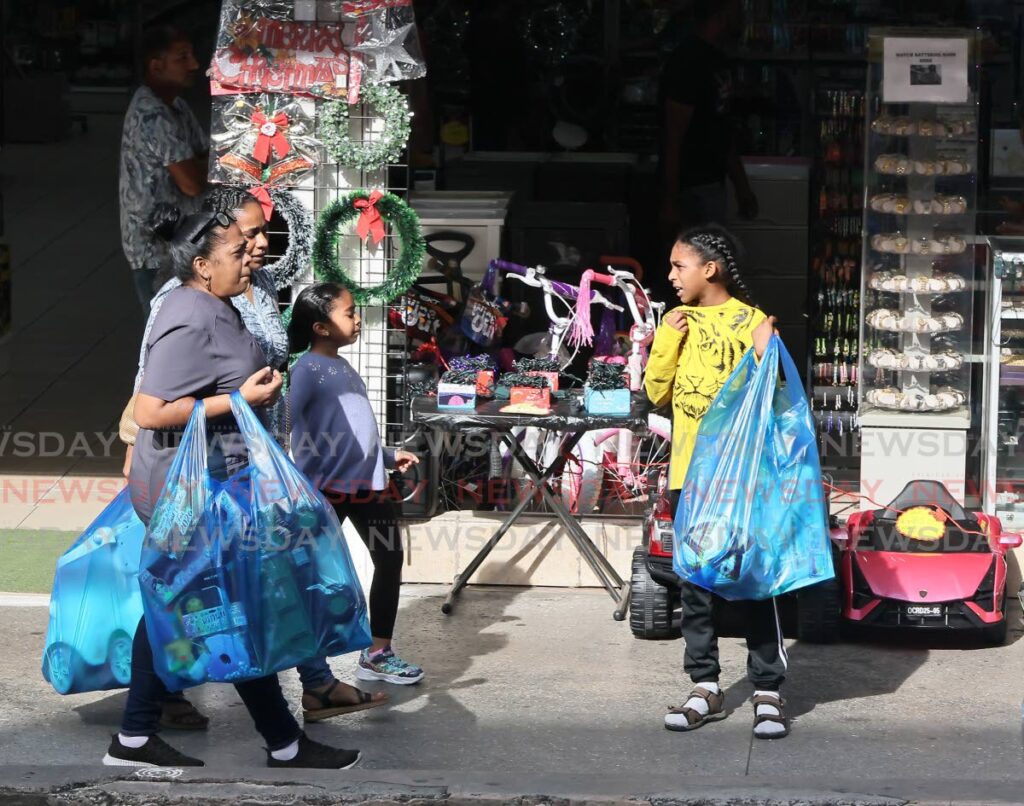
    While official statistics indicate minimal inflation growth of merely 0.1% in November, Trinidadian families are confronting severe economic challenges during the festive season. Consumers across the nation report dramatic price increases for essential food items, transforming Christmas shopping from a celebratory tradition into a source of profound financial stress.

    In detailed interviews with Newsday, numerous shoppers expressed their difficulties in affording basic necessities. Glenda, a Port of Spain resident, revealed that prices have surged dramatically, with most items now costing at least three to five dollars more than previously. As a mother of young children, she described the emotional toll of being unable to provide Christmas gifts or celebrations despite her children’s expectations.

    The economic strain extends beyond individual families. Charitable organizations report unprecedented demand for assistance, with the Salvation Army distributing 600 food hampers recently and preparing an additional 400. Recipients lined up as early as 6 am to secure these essential supplies, highlighting the severity of the situation. Both government and opposition MPs confirm that food assistance has become the primary request from constituents.

    A comprehensive price comparison study conducted by the Consumer Affairs Division between December 1-10 revealed significant price variations across supermarket chains. The survey examined over 50 items across 41 supermarkets nationwide, documenting substantial disparities. For instance, a 454g Butterball turkey ranged from $289.99 at Massy Stores to $217.95 at Tru Valu. Similar variations were observed for picnic hams, with prices fluctuating between $144.99 at Massy and $115 at John’s Supermarket.

    Minced meats showed particularly notable price differences, with chicken ranging from $31.81 per pound at Massy to $19.95 at West Bees. Regional disparities were also evident, with gala apples costing $5 at G & N supermarket in Debe compared to under $3 at other locations.

    The current price levels represent a significant increase from 2024, when Erin Farm picnic ham sold for $129.99 at Massy compared to today’s $144.99, and minced beef was priced at $31.81 per pound versus the current $38.55.

    Despite multiple attempts to obtain commentary from supermarket executives, including Supermarket Association president Biondi Bachew and Massy representatives, Newsday received no responses to inquiries about the price increases. The silence from industry leaders contrasts sharply with the financial reports showing Massy achieved $15.8 billion in revenue with over a billion in pre-tax profits for 2025, representing a 3% increase from the previous year.

  • Junk food next, Trump?

    Junk food next, Trump?

    In a controversial executive decision, President Donald Trump has designated fentanyl as a weapon of mass destruction (WMD), drawing immediate criticism and satirical commentary from observers. The declaration, which places the synthetic opioid in the same category as nuclear and chemical weapons, has been met with skepticism regarding its geopolitical motivations and factual accuracy.

    The administration’s justification characterizes fentanyl as “closer to a chemical weapon than a narcotic,” despite the drug’s primary trafficking routes originating from Mexico and China rather than Venezuela. This discrepancy has raised questions about the declaration’s relationship to current foreign policy objectives and election-cycle politics.

    Political analysts note that the WMD classification appears disconnected from Venezuela’s actual narcotics production capabilities, yet the South American nation is reportedly preparing for potential military attention from the United States. This development follows historical patterns of American intervention in Latin America under various pretexts.

    The sweeping nature of the designation has inspired satirical suggestions for other substances that cause gradual harm to populations. Commentators have ironically proposed extending WMD status to cigarettes, fast food products, and even social media platforms for their documented negative impacts on public health and psychological well-being.

    This policy move potentially expands the scope of the Patriot Act, raising concerns about civil liberties and the appropriate use of counterterrorism legislation. The declaration represents a significant escalation in the rhetorical and legal approaches to the ongoing opioid crisis, with uncertain implications for both domestic policy and international relations.