作者: admin

  • Former CIBC Building to Become New National Archives

    Former CIBC Building to Become New National Archives

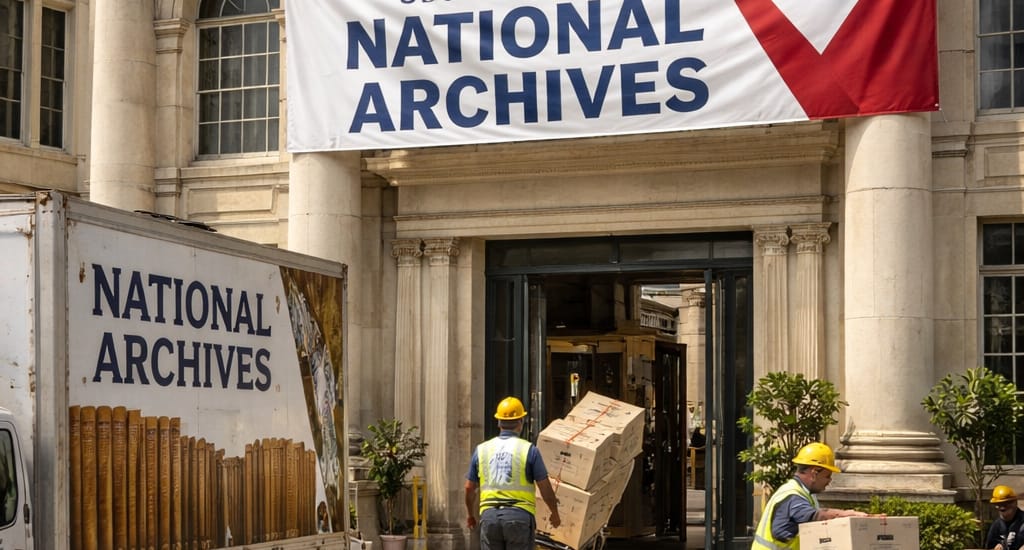
    The government of Antigua and Barbuda has formally authorized the transfer of its National Archives to a decommissioned banking facility at the intersection of High Street and Corn Alley. This strategic relocation aims to address critical preservation challenges by utilizing the former CIBC building’s specialized infrastructure.

    During the weekly post-Cabinet media briefing, Maurice Merchant, Director General of Communications in the Office of the Prime Minister, disclosed that the Ministry of Works will commence immediate retrofitting operations. The transition is projected to complete within an eight-week timeframe, potentially establishing operational capabilities at the new St. John’s location by early fall.

    The selection of the former financial institution represents a calculated preservation strategy. The building’s existing architectural features—particularly its numerous security vaults—provide ideal conditions for safeguarding historical materials. These fortified chambers maintain temperature-regulated environments essential for document conservation, addressing a crucial deficiency in the current facility.

    Merchant emphasized the urgency of relocation, citing significant structural deficiencies in the present archives building that jeopardize both personnel safety and document integrity. The move directly responds to these preservation emergencies while demonstrating the government’s commitment to heritage stewardship.

    The National Archives serves as the primary repository for the nation’s historical narrative, containing irreplaceable records spanning centuries of Antiguan and Barbudan development. This institutional transfer underscores the administration’s dedication to implementing innovative solutions for cultural conservation, ensuring future generations retain access to their historical legacy through professionally preserved artifacts.


  • Government Reaches Settlement in Long-Running Eloy De Freitas Case

    Government Reaches Settlement in Long-Running Eloy De Freitas Case

    The Government of Antigua and Barbuda has formally concluded one of the nation’s most protracted legal battles through a mutually agreed settlement with former public servant Eloy De Freitas. This resolution brings closure to a judicial matter that has persisted for nearly thirty years.

    Official confirmation emerged during the weekly post-Cabinet media briefing, where government representatives announced the amicable resolution of De Freitas vs the Permanent Secretary of the Ministry of Agriculture, Fisheries, Lands and Housing. The settlement follows extensive negotiations between both parties involved in the historic litigation.

    The origins of this legal confrontation trace back to 1990 when Mr. De Freitas, then serving as an extension officer within the Ministry of Agriculture, engaged in peaceful demonstrations highlighting allegations of governmental corruption. These protests occurred in the aftermath of a national commission of inquiry, marking a significant moment in the country’s administrative history.

    Maurice Merchant, Director General of Communications in the Office of the Prime Minister, articulated the government’s position, stating that Cabinet members unanimously approved the settlement based on principles of justice and national reconciliation. “The Cabinet announced that it has amicably resolved that long-standing legal matter involving the former public servant, Eloy De Freitas, bringing conclusion to a dispute that has spanned near three decades,” Merchant declared during the official briefing.

    The comprehensive agreement addresses all outstanding issues between the parties, including provisions for the payment of mutually accepted legal costs. While the specific financial terms remain confidential, the settlement represents a significant administrative achievement for both the government and the citizen involved.

    Merchant emphasized the broader implications of this resolution, noting that “The settlement brings finality to a matter after many years of litigation and reflects a shared commitment to fairness and respect for the rule of law.” This conclusion not only ends one of Antigua and Barbuda’s longest-running legal disputes but also demonstrates the government’s dedication to upholding judicial principles and administrative accountability.

  • Caribbean youth  advance to ‘knockout’ stage in 2026 international reparation debate competition

    Caribbean youth advance to ‘knockout’ stage in 2026 international reparation debate competition

    The 2026 International Reparation Debate Competition (IRDC), hosted by the Centre for Reparation Research at The University of the West Indies, has concluded its preliminary rounds following days of intellectually rigorous discourse. Secondary school delegations from Jamaica, Trinidad and Tobago, The Bahamas, Guyana, and the United Kingdom engaged in profound examinations of reparatory justice, addressing dimensions from economic policy and historical accountability to cultural restoration and political diplomacy.

    This academic tournament now advances to its knockout phase commencing March 16, where remaining institutions will confront increasingly complex questions regarding colonial legacies and contemporary justice. Early rounds demonstrated exceptional rhetorical skill, with Trinidad and Tobago’s Arima North Secondary successfully arguing against debt cancellation as reparations versus Jamaica’s Charlemont High. Jamaica’s Merl Grove High secured a narrow victory against Guyana’s Queen’s College debating whether Caribbean economic advancement is feasible without reparative measures.

    Notable preliminary achievements included Trinidad’s Goodwood Secondary advocating strengthened post-colonial alliances against The Bahamas’ C.V. Bethel Senior High, while San Fernando Central Secondary prevailed over Jamaica’s Knox College regarding infrastructural development as reparative action. Defending champions St Joseph’s Convent Port of Spain (Trinidad) maintained dominance alongside triumphs by Presentation College Chaguanas, Fatima College, and Herbert Morrison Technical High.

    Second-round highlights featured Trinidad’s Queen’s Royal College overcoming Jamaica’s Wolmer’s Boys’ School regarding diplomatic versus confrontational reparations advocacy. The UK’s Rawlins Academy delivered a compelling argument that reparations fundamentally concern dignity restoration beyond economic compensation, defeating Presentation College Chaguanas.

    Individual excellence was exemplified by Kennedy Valley of Fatima College achieving the highest speaker score during preliminaries. The competition provides Caribbean youth with crucial platforms for developing research, advocacy, and public speaking competencies while critically examining historical justice frameworks. With expanded international participation including returning UK institutions, all debates are streamed globally via the Centre’s YouTube channel.

  • Foreign Minister Greene Meets with India’s External Affairs Minister to Advance CHOGM 2026 Cooperation

    Foreign Minister Greene Meets with India’s External Affairs Minister to Advance CHOGM 2026 Cooperation

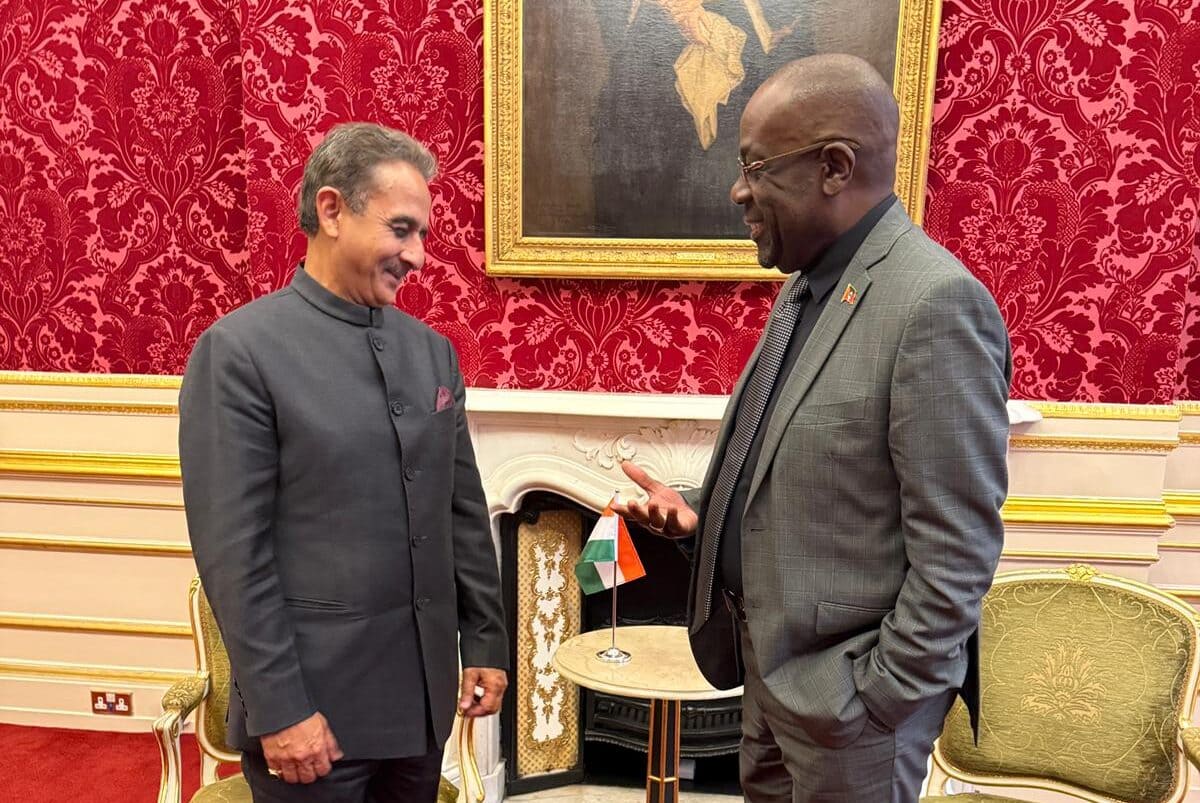
    In a significant diplomatic engagement on the sidelines of the Commonwealth Foreign Ministers Meeting in London, Antigua and Barbuda’s Foreign Minister E.P. Chet Greene held substantive talks with India’s External Affairs Minister Dr. Subrahmanyam Jaishankar. The high-level meeting centered on enhancing bilateral cooperation between the two Commonwealth nations, with particular emphasis on preparations for the upcoming Commonwealth Heads of Government Meeting scheduled for November 2026 in St. John’s.

    Minister Greene acknowledged India’s consistent partnership with Small Island Developing States and outlined Antigua and Barbuda’s specific requirements for hosting CHOGM 2026. The priority areas identified encompass maritime security collaboration, procurement of security motorcycles to improve mobility and motorcade operations, and technical assistance for audiovisual infrastructure at the primary conference facility to ensure state-of-the-art meeting accommodations for attending leaders.

    Both ministers emphasized their mutual dedication to expanding cooperation across security domains, technological exchange, and capacity development initiatives. They reached consensus on maintaining intensive technical coordination to progress the specified collaborative areas effectively.

    Minister Greene positively noted India’s ongoing active participation within the Commonwealth framework and conveyed assurance that India’s support would substantially contribute to the successful execution of CHOGM 2026. The Antiguan delegation included High Commissioner Karen-Mae Hill and Minister Counsellor Chantal Phillip, underscoring the importance placed on these bilateral discussions.

  • Transport Board experiencing phone, internet disruptions

    Transport Board experiencing phone, internet disruptions

    The national Transport Board has issued a public advisory regarding significant technical disruptions affecting its digital and telecommunication services. Operational headquarters in Weymouth and several satellite locations are currently experiencing extensive internet and telephone service outages, creating temporary barriers to public communication channels.

    In response to these technical difficulties, transportation authorities have implemented contingency measures to maintain public accessibility. Officials have directed citizens with urgent inquiries to utilize an alternative contact number—836-3250—as primary communication systems undergo restoration. Technical teams are actively engaged in diagnostic procedures and repair operations to reestablish full connectivity across all affected facilities.

    The service interruption represents one of the more substantial technical challenges faced by the transportation infrastructure this year, though officials emphasize the disruption appears limited to administrative communications rather than actual transportation services. No estimated timeframe for complete system restoration has been provided, but the Board has assured the public that resolving these connectivity issues remains their highest priority. Transportation officials apologize for any inconvenience caused and appreciate public patience during this technical recovery period.

  • Gun, ammo found in primary school classroom

    Gun, ammo found in primary school classroom

    Authorities in Guyana have launched a comprehensive investigation after a licensed 9mm pistol and eleven rounds of matching ammunition were discovered beneath a student’s desk in a Georgetown primary school. The unsettling find occurred on Monday afternoon, March 9, 2026, prompting immediate police response and raising serious security concerns within the educational institution.

    According to official statements from the Guyana Police Force, the discovery was made approximately at 1:06 PM when a teacher, alerted by reports of suspicious noises near a student’s desk, conducted a search of the area. The subsequent discovery led to school administrators contacting law enforcement immediately. Investigators from the Criminal Investigations Department (CID) subsequently visited the school, secured the firearm and ammunition, and transported them to a police station for safekeeping as the probe continues.

    Deputy Police Commissioner Wendell Blanhum, head of the CID, revealed that the weapon was legally registered to an individual who had previously reported it missing. Notably, the license holder’s child, who attends the same school, had been actively participating in family efforts to locate the firearm before its discovery in the classroom. Police have obtained statements from multiple persons connected to the incident, though specific details regarding how the weapon came to be in the classroom remain under investigation.

    The three-day gap between the discovery and the official police statement has drawn attention to protocol procedures in school security incidents. The event has sparked discussions among education officials and community leaders about enhancing security measures in educational environments to prevent similar occurrences in the future.

  • IICA assists in validation process of Costa Rica’s national bio-inputs strategy, spearheaded by the country’s Ministry of Agriculture and Livestock

    IICA assists in validation process of Costa Rica’s national bio-inputs strategy, spearheaded by the country’s Ministry of Agriculture and Livestock

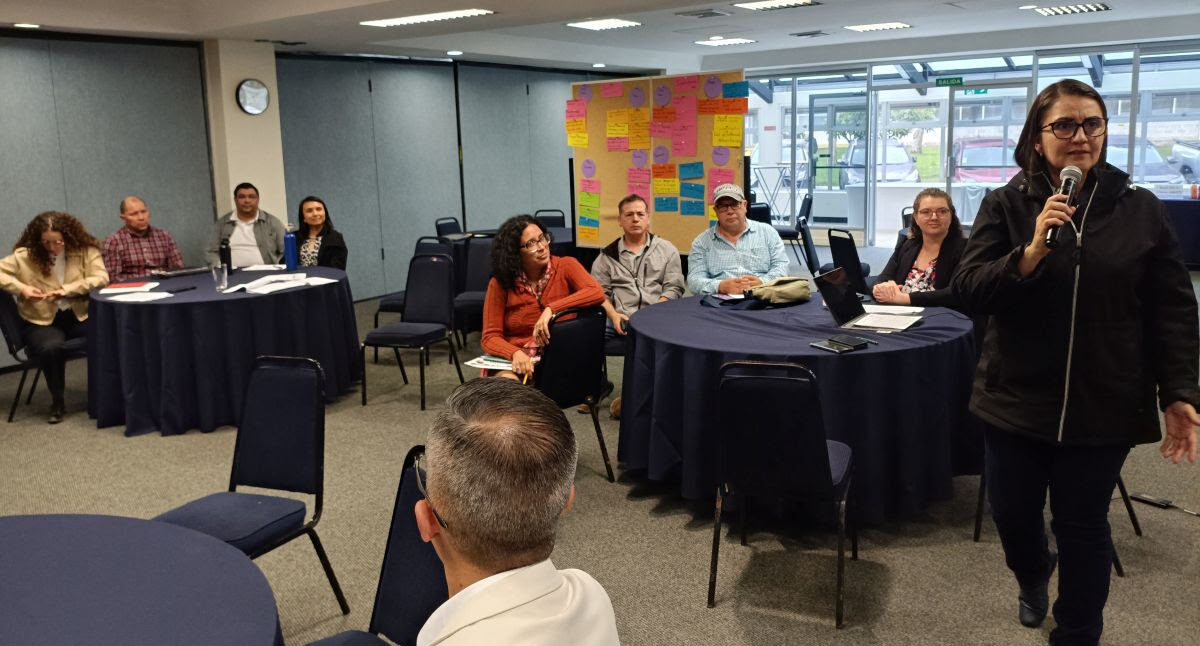
    Costa Rica is advancing toward a transformative agricultural policy with the development of its 2026–2034 National Bio-inputs Strategy, receiving comprehensive technical support from the Inter-American Institute for Cooperation on Agriculture (IICA). The initiative reached a critical validation phase during a high-level workshop convened at IICA’s Headquarters in San José, bringing together diverse stakeholders to finalize the strategic framework.

    The collaborative effort unites representatives from Costa Rica’s Ministry of Agriculture and Livestock (MAG), public institutions, academic and research centers, producer organizations, and international cooperation agencies. This multi-sectoral participation ensures the strategy’s goals and implementation mechanisms are technically robust and broadly supported.

    Central to the strategy is creating an enabling environment—spanning regulatory, scientific, technical, and financial dimensions—to facilitate large-scale adoption of biological agricultural inputs. Key objectives include reducing dependency on imported chemical products, enhancing agricultural sustainability, developing local production chains, fostering innovation and technology transfer, and establishing Costa Rica as a regional leader in sustainable agriculture.

    Marco Zapata, IICA’s Country Representative, emphasized the importance of collaborative governance: “We are aligning the public sector, academia, producers, the financial system, and international cooperation under a unified national vision.”

    International partnerships significantly bolster this initiative. German cooperation agencies, including GIZ through its ‘From Farm to Fork’ program and a dedicated bio-inputs project for Latin America, are providing expertise. The effort receives funding from FONTAGRO, a mechanism for agricultural innovation, and involves collaboration with Costa Rica’s National Institute for Agricultural Innovation and Technology Transfer (INTA).

    These collaborations are coordinated via IICA’s Hemispheric Bio-inputs Platform, which enhances the strategy’s technical foundation by facilitating regional knowledge exchange, harmonizing approaches, accelerating scientific validation, and strengthening Costa Rica’s position in the regional landscape of agricultural innovation.

  • Venezuela rejects Guyana’s “unilateral” offshore seismic survey

    Venezuela rejects Guyana’s “unilateral” offshore seismic survey

    In a significant escalation of regional tensions, the Venezuelan government issued a formal condemnation on Thursday against Guyana’s authorization of a large-scale 3D seismic survey in offshore territories claimed by both nations. The controversial exploration initiative encompasses approximately 25,000 square kilometers within Guyana’s designated Exclusive Economic Zone (EEZ), targeting potential hydrocarbon reserves.

    The Caracas administration asserted that Guyana’s unilateral actions violate fundamental principles of international law, particularly concerning undelimited maritime boundaries. While notably omitting direct reference to Venezuela’s historical claim over the Essequibo Region and adjacent Atlantic waters, the statement emphasized that no legal agreement exists between the nations regarding maritime jurisdiction.

    Venezuela’s foreign ministry demanded immediate cessation of exploration activities, warning that such measures could aggravate diplomatic relations and contravene customary international law governing coastal states. The declaration specifically cautioned that Caracas would not recognize any licenses, concessions, or resource exploitation rights derived from what it termed ‘unilateral and illegal acts’ by Guyana.

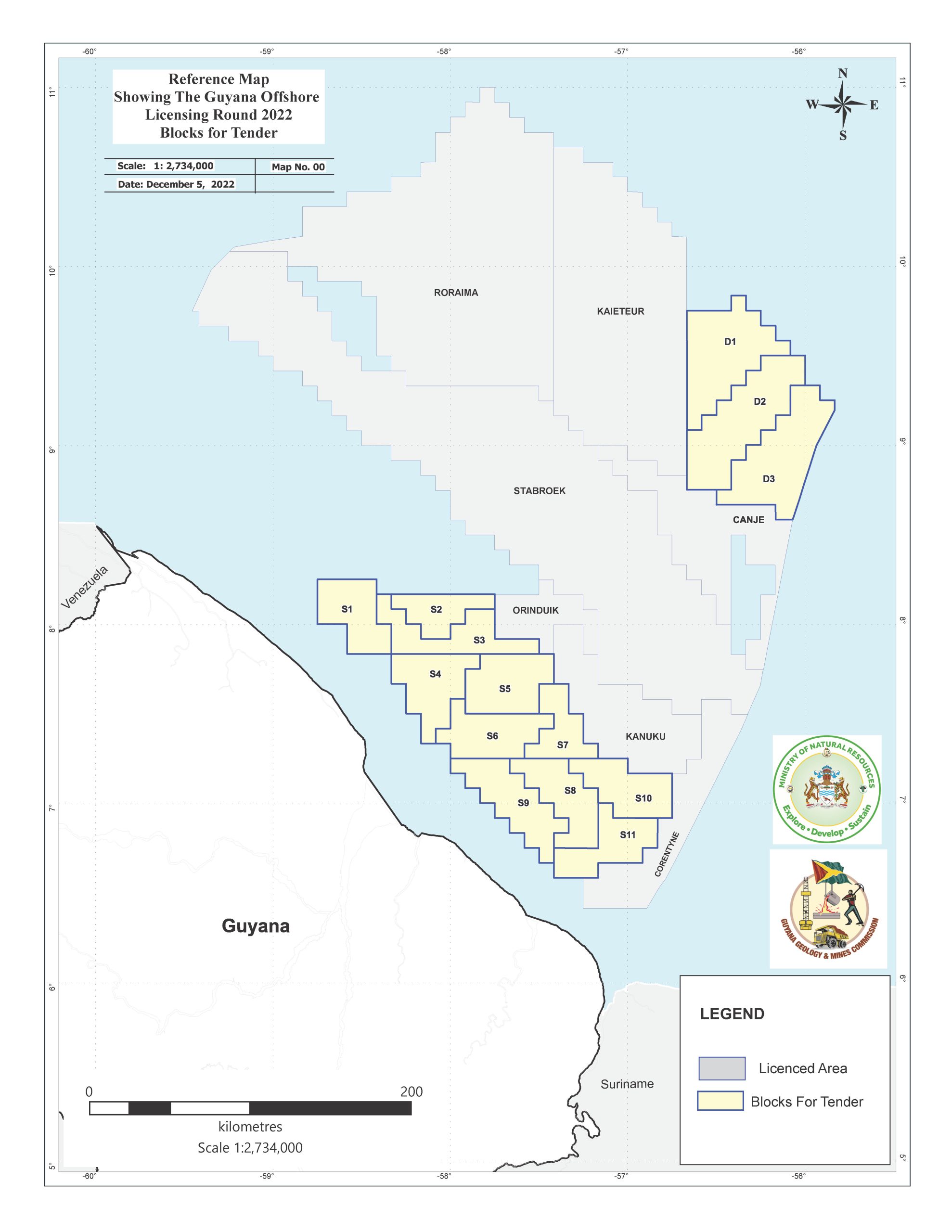
    The seismic operation would encompass eleven blocks auctioned during Guyana’s 2022 Licensing Round, situated south of the prolific Stabroek Block and extending to the maritime border with Suriname. According to technical specifications, the project includes reprocessing and integration of existing seismic datasets across three survey lots, representing a comprehensive geological assessment of the region’s hydrocarbon potential.

    This development occurs against the backdrop of longstanding territorial disputes dating to the 19th century, with recent tensions escalating since ExxonMobil’s major discoveries in Guyana’s offshore basins beginning in 2015.

  • Veteran anaesthetist Dr Olubukola Ogumbyi retires after 40 years of service

    Veteran anaesthetist Dr Olubukola Ogumbyi retires after 40 years of service

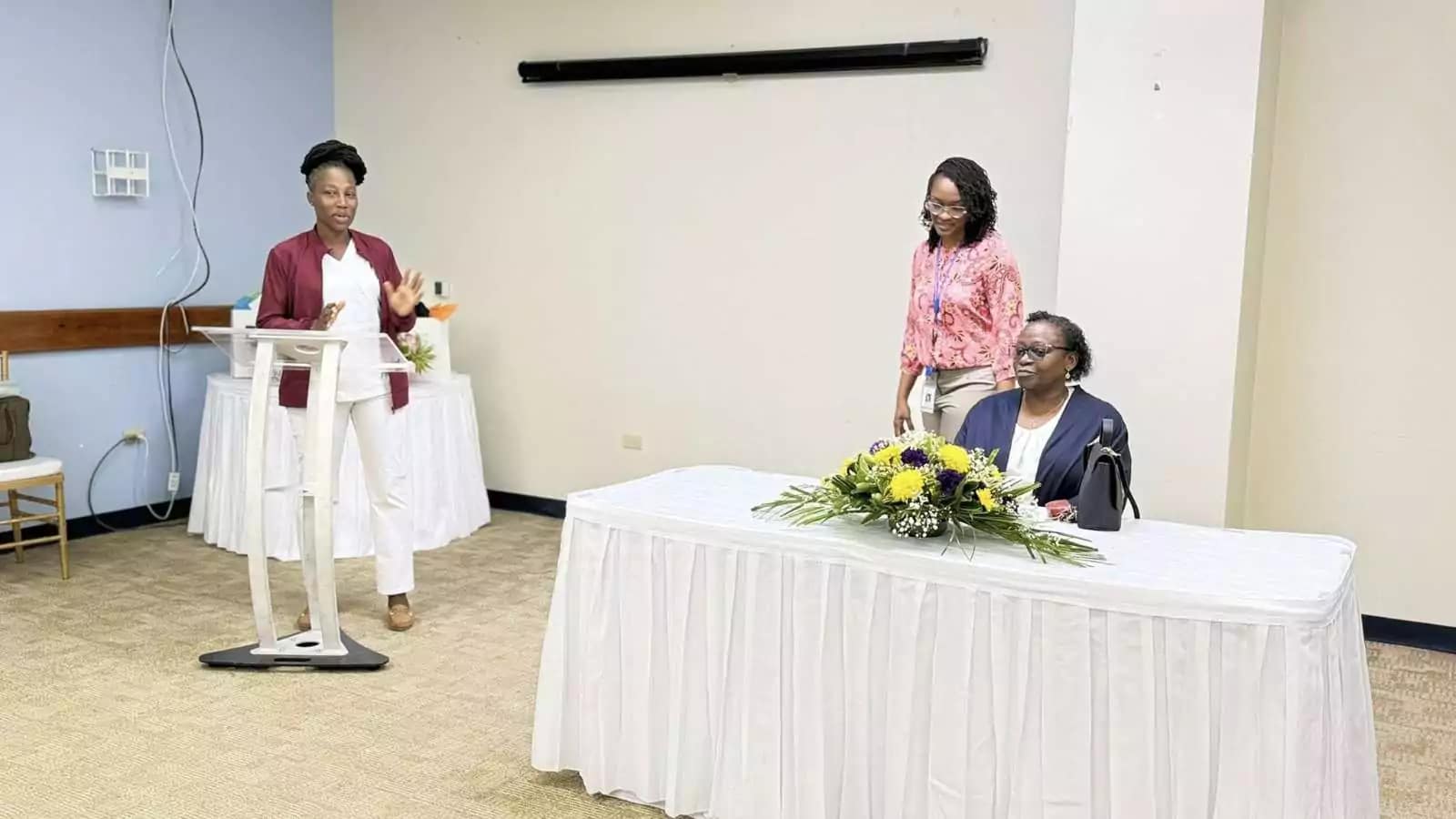
    The healthcare community in Antigua and Barbuda is honoring the remarkable career of consultant anesthesiologist Dr. Olubukola Ogumbyi, who has retired after providing over forty years of dedicated medical service. Her departure marks the conclusion of an era that profoundly influenced both patient care standards and professional development within the nation’s medical sector.

    Dr. Ogumbyi’s distinguished journey in medicine commenced at the historic Holberton Hospital, where she initially served as a paediatric house officer. Her career trajectory subsequently led her to specialize in anesthesiology, where she cultivated an exceptional reputation among surgical teams and colleagues alike. Throughout her tenure, she became widely admired for her unwavering professionalism, composed demeanor in high-pressure operating theatre environments, and deep commitment to ensuring optimal patient outcomes.

    Beyond her technical responsibilities, Dr. Ogumbyi made substantial contributions to medical education by actively mentoring emerging physicians entering the field. Her guidance has reportedly shaped multiple generations of healthcare practitioners, with numerous colleagues attributing their professional development to her insightful mentorship. Over the course of approximately 40 years, she facilitated countless surgical procedures while simultaneously fostering a culture of excellence and compassion within the medical community.

    The announcement of her retirement has prompted an outpouring of tributes from healthcare professionals who have worked alongside her. These testimonials consistently highlight her exceptional clinical knowledge, leadership qualities, and the positive example she established through her daily practice. Many have expressed profound gratitude for her influential role in their careers while acknowledging that her absence will create a significant void within the profession.

    Medical professionals throughout Antigua and Barbuda have recognized Dr. Ogumbyi’s retirement as representing the loss of an institutional pillar whose contributions extended far beyond the operating room. Her legacy is characterized by both the lives she directly impacted through patient care and the elevated standards she helped establish within the country’s healthcare system.

  • Alphonse excels ahead of international duty

    Alphonse excels ahead of international duty

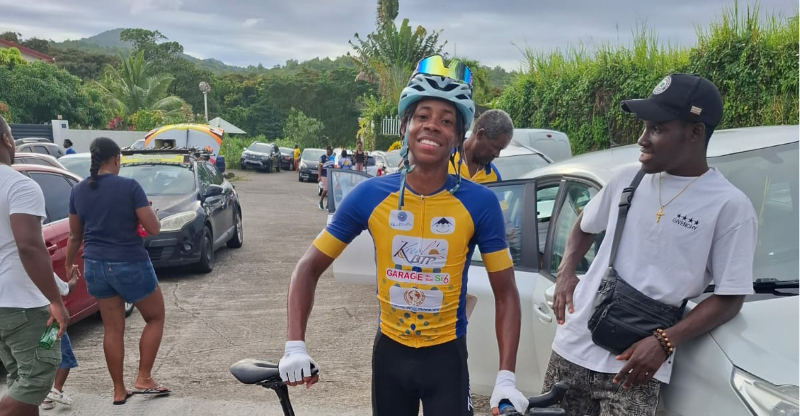
    Saint Lucian cyclist Denver Alphonse Jr. is poised for international competition following an impressive performance at the Grand Prix UCS in Martinique, which served as his final preparatory event. The 18-year-old athlete secured second place in his division and 13th overall in a competitive field of 59 riders, finishing approximately seven minutes behind repeat champion Kyllian Boscher of VC Diamantinois in the 93.9-kilometre race around Saint-Esprit.

    This performance marks Alphonse’s strongest finish this year and demonstrates significant progress in his cycling career. As the Under-23 silver medalist representing ASC Karaïbes Culture Sports, Alphonse views this result as validation of his growing capabilities against Martinique’s cycling standards.

    In an interview with St. Lucia Times, Alphonse expressed his motivation: “Last weekend’s race meant a lot to me because it’s showing that I am improving and meeting the standards of cycling in Martinique. I will continue working hard for more improvement.”

    The young athlete now turns his attention to the Road Continental Pan American Championships in Córdoba, Colombia, scheduled for March 17-22. Alphonse will compete in the Under-23 category, beginning with the 36-kilometer time trial on March 18th, followed by the demanding 160.8-kilometer road race on March 21st.

    Regarding his championship goals, Alphonse maintains a focused perspective: “With regard to Pan American Championships, my goal is to do my best, compete hard, and cross that finishing line, because I will be going up against top continental riders.” The championships will feature competition across multiple categories including Under-19, Under-23, and Elite divisions for both male and female athletes.