作者: admin

  • UN reports on complex situation in Gaza

    UN reports on complex situation in Gaza

    The World Health Organization has issued a grave warning through its official channels, expressing profound concern over the systemic collapse of healthcare infrastructure in the Palestinian territories amid continued Israeli military operations. The multilateral body urgently called for enhanced protection of its ground teams and unimpeded access to deliver critical medical assistance.

    Current WHO data reveals that approximately 10,600 critically ill patients have been medically evacuated since the escalation of hostilities, with children comprising more than half of these cases at 5,600. However, the organization emphasizes that numerous patients still require immediate transfer to facilities capable of providing comprehensive medical treatment.

    According to documentation from the Gaza Ministry of Health, a minimum of 1,092 patients perished while awaiting medical evacuation between July 2024 and late November 2025. Health authorities caution that this official figure likely represents a significant undercount of the actual mortality rate due to reporting challenges in conflict-affected areas.

    United Nations spokesperson Stéphane Dujarric recently reported that despite declared ceasefires, persistent accounts of airstrikes, artillery shelling, and small arms fire continue to cause civilian casualties and severely disrupt humanitarian operations. Dujarric further highlighted that extreme shelter shortages have forced numerous families to seek refuge in structurally compromised buildings, many of which have subsequently collapsed under precarious conditions.

    The UN has renewed its diplomatic appeal to Israeli authorities, urging the complete removal of restrictions on humanitarian aid entry, including critically needed construction materials for emergency shelter and infrastructure repair.
  • US Congressman Backs Trinidad PM as She Denounces CARICOM and Venezuela’s Maduro

    US Congressman Backs Trinidad PM as She Denounces CARICOM and Venezuela’s Maduro

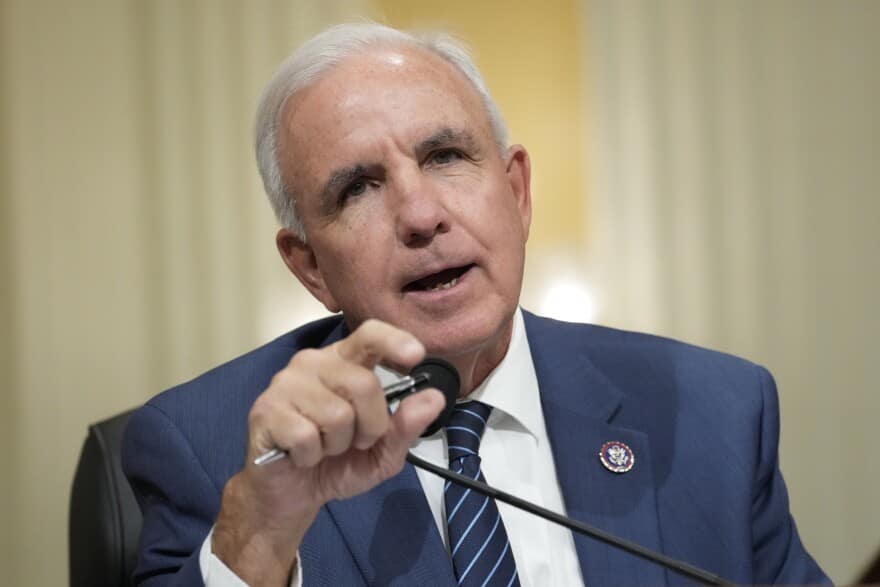
    In a significant geopolitical development, US Congressman Carlos Gimenez has thrown his weight behind Trinidad and Tobago Prime Minister Kamla Persad-Bissessar’s controversial criticism of Caribbean regional consensus and Venezuela’s leadership. The Florida representative publicly endorsed Persad-Bissessar’s alignment with Washington’s hardline approach toward Caracas through a social media post on Monday.

    Gimenez specifically commended the Prime Minister’s dismissal of CARICOM’s longstanding ‘zone of peace’ doctrine as ‘fakery’ while applauding her support for enhanced US military and maritime operations in the region. The congressman characterized Nicolás Maduro’s administration as an ‘illegitimate, narco-dictatorship,’ echoing Persad-Bissessar’s own characterization of Venezuela’s government.

    This endorsement represents a rare instance of explicit US legislative support since Persad-Bissessar began realigning her nation’s foreign policy closer to Washington’s strategic interests. The Trinidadian leader has accused the Caribbean Community of supporting what she terms a ‘narco government’ in Caracas and has withdrawn her nation’s support from CARICOM’s traditional peace-oriented stance.

    Persad-Bissessar has justified her position by citing Venezuela’s alleged threats toward Guyana and implying potential territorial claims involving Trinidad and Tobago. This strategic pivot marks a dramatic departure from Trinidad’s historical support for CARICOM’s emphasis on diplomatic dialogue and non-militarization, sparking intense regional debates about foreign policy sovereignty and security priorities in the Caribbean basin.

    The developing alliance signals potential recalibration of regional alliances and could influence broader geopolitical dynamics between Caribbean nations and external powers.

  • Mexico to state position on Venezuela at Security Council Meeting

    Mexico to state position on Venezuela at Security Council Meeting

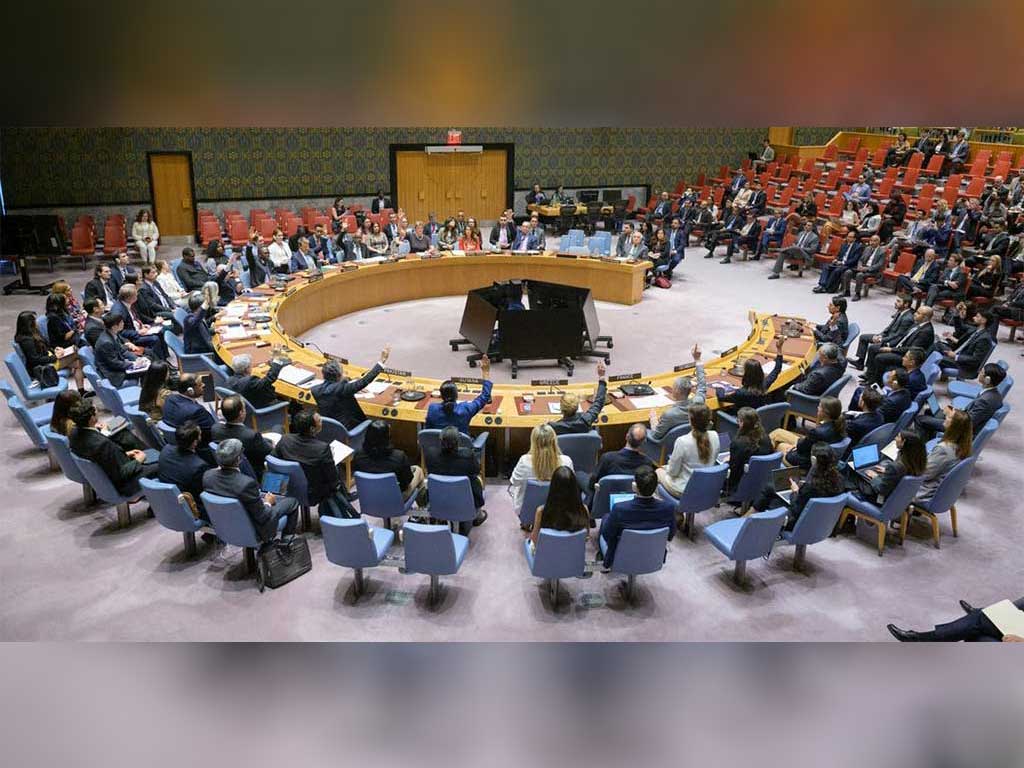
    Mexican President Claudia Sheinbaum has announced that her administration will present a strong diplomatic position at the United Nations opposing U.S. military threats against Venezuela. Ambassador Héctor Vasconcelos will represent Mexico at the UN, with Foreign Affairs lead Roberto Velasco delivering what the president described as “a very firm statement” reflecting Mexico’s longstanding foreign policy principles.

    The Mexican government reaffirmed its commitment to core diplomatic doctrines including non-intervention in sovereign states, non-interference in internal affairs, and peaceful conflict resolution. This position comes in direct response to recent announcements by U.S. President Donald Trump regarding the construction of new naval capabilities, which Mexican officials perceive as threatening to regional stability.

    President Sheinbaum referenced her November 2024 proposal at the G20 Leaders’ Summit in Brazil, advocating for global arms spending reallocation. Her initiative suggested that diverting just one percent of worldwide military expenditures to social programs like Mexico’s ‘Sembrando Vida’ (Sowing Life) initiative could support over six million participants while promoting sustainable peace.

    The diplomatic stance aligns with Venezuelan President Nicolás Maduro’s recent appeals to Latin American, Caribbean, and UN member states to form a united front against what he characterized as U.S. “military and piracy threats.” Mexico’s declaration signals a significant reinforcement of regional opposition to potential military intervention in Venezuela.

  • Happy 75th Anniversary to the Wesleyan Holiness Church of Gray’s Farm

    Happy 75th Anniversary to the Wesleyan Holiness Church of Gray’s Farm

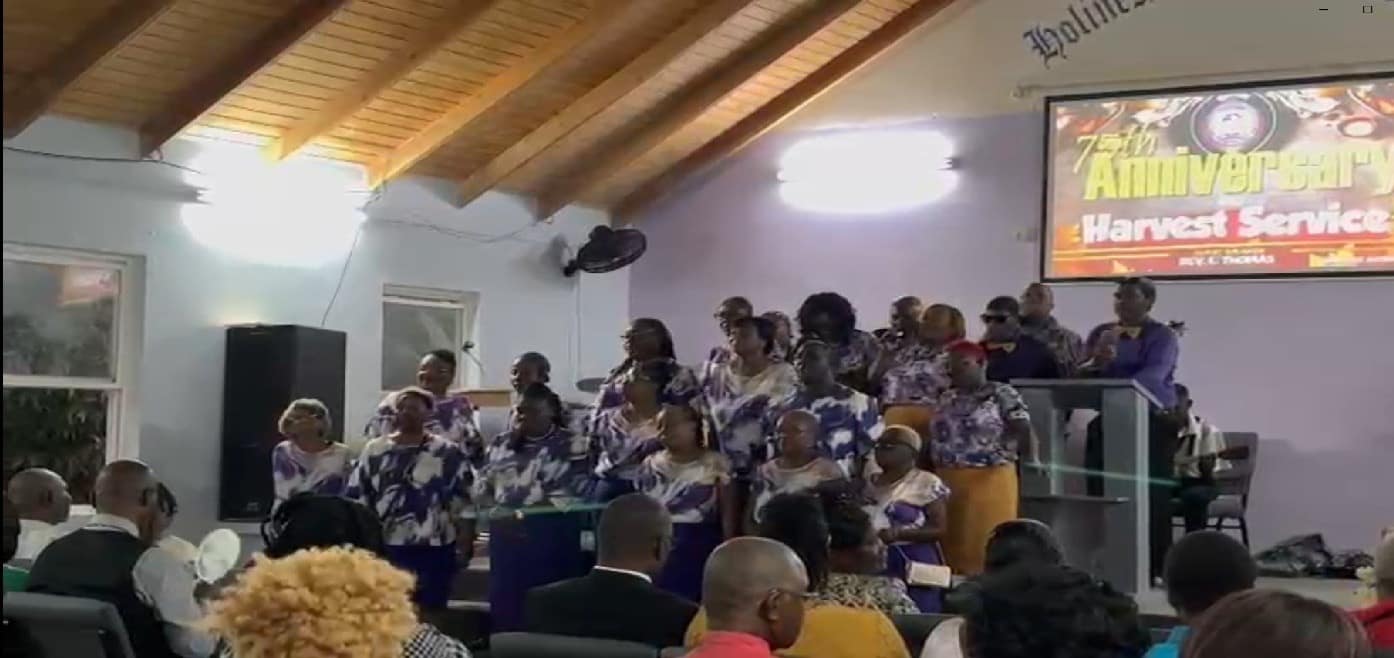
    The Wesleyan Holiness Church in Gray’s Farm marked a significant milestone last Sunday, transforming its usual Sabbath proceedings into an elaborate celebration of its 75th anniversary. The historic occasion featured a comprehensive program of worship, musical performances, and reflective presentations, all within a completely revitalized sacred space that underwent substantial renovations for this momentous event.

    The sanctuary emerged with a transformed aesthetic, featuring rebranded interior walls, new seating arrangements, plush carpeting, and contemporary furnishings that collectively established an unprecedented ambiance. Congregation members contributed to the visual harmony by donning coordinated attire that complemented the church’s new color scheme.

    Dr. Milaydis Thomas, the resident minister, commenced proceedings promptly with an invocation before introducing Christopher Stevens as Master of Ceremonies. Stevens demonstrated exceptional professionalism throughout the event, first inviting fifteen-year-old Micah Thomas to deliver a scripture reading with remarkable poise and confidence.

    Mrs. Brenda Matthews extended official welcomes, hinting at the program’s substantial offerings before Mrs. Lauren Charles-Stevens and her worship team energized the congregation with dynamic musical performances supported by the resident band. Stevens later delivered an original poetic composition recounting church history, earning thunderous applause for his eloquent delivery.

    The ceremony took an emotional turn when former youth member Cathy-Ann Burnette flew from Europe to present a biographical tribute to her spiritual grandmother, Ms. Everette Matthews—a congregant for over six decades. Matthews subsequently provided a comprehensive historical account of the church’s development, leaving no significant detail unaddressed.

    Local musician Willie Wawa captivated attendees with an exceptional trumpet performance, followed by uniformed choir members delivering a harmonically precise rendition of “We Have Come Here by Faith” to introduce guest speaker Rev. Dr. Everton Thomas from St. John’s Wesleyan Holiness Church.

    Rev. Thomas delivered a charismatic and forceful sermonette that held the congregation’s undivided attention, concluding with an inspirational charge for members to maintain faith in anticipation of greater developments. Resident minister Dr. Milaydis Thomas closed the ceremony with an enthusiastic vote of thanks before attendees departed with commemorative gifts and refreshments, all exhibiting profound satisfaction with the celebrations.

  • Nicaragua reiterates solidarity with Venezuela before of US

    Nicaragua reiterates solidarity with Venezuela before of US

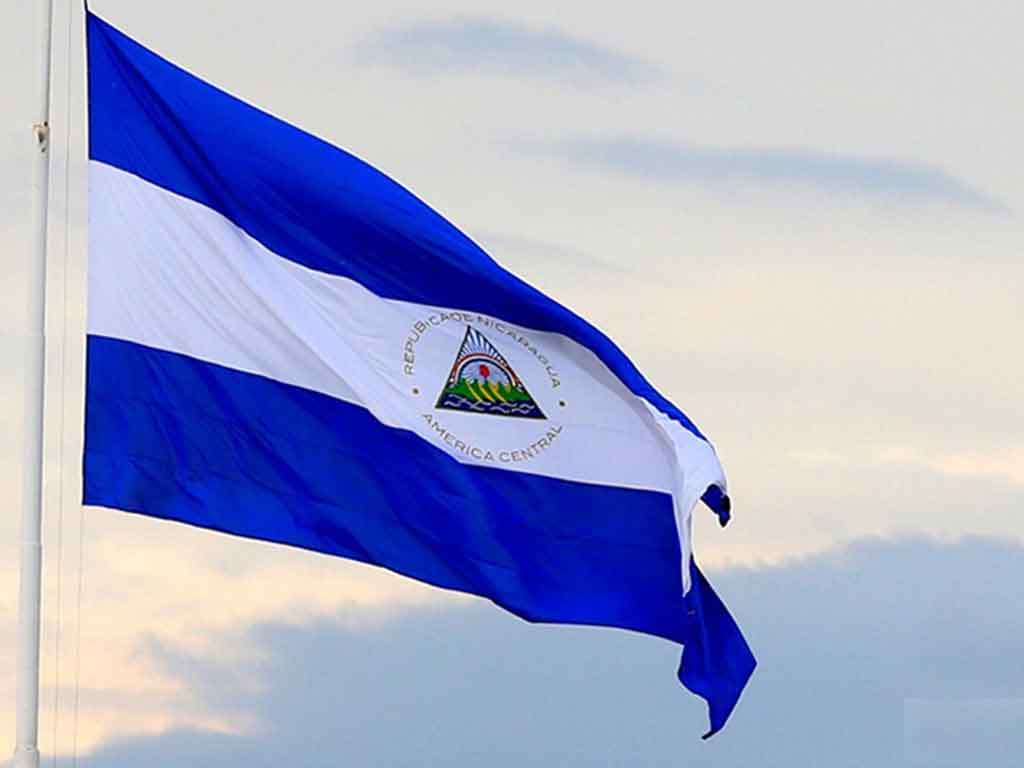
    The Nicaraguan Government of Reconciliation and National Unity has issued a forceful declaration of solidarity with Venezuela, condemning what it characterizes as imperialist aggression against the Bolivarian nation. In an official communiqué, Managua expressed profound appreciation for detailed documentation of threats and hostile actions targeting both Venezuela and the broader “Our America” region.

    Nicaragua’s executive leadership explicitly recognized the Venezuelan government’s commitment to peaceful resolution of conflicts while simultaneously pledging the “unwavering solidarity” of the Nicaraguan people with their Venezuelan counterparts. The statement invoked revolutionary symbolism by referring to the “heroic and unyielding people of Bolívar and Chávez,” connecting current struggles to historical anti-imperialist movements.

    The comprehensive condemnation specifically targeted what Nicaragua described as systematic destabilization campaigns orchestrated by imperial powers and their allies. These actions, according to the statement, fundamentally oppose peace, violate established international legal frameworks, and demonstrate disregard for national sovereignty principles.

    Nicaragua further aligned itself with Venezuela’s position regarding several specific grievances: acts of aggression against territorial integrity; economic actions characterized as “piracy, looting, and theft” of natural resources; and extrajudicial killings deemed illegal even under United States jurisprudence. The government demanded immediate cessation of all activities violating both the United Nations Charter and broader international law.

    Despite acknowledging “extraordinarily difficult times,” the statement concluded with resolute optimism, asserting certainty that Venezuela would ultimately prevail through what it described as a divinely-supported defense of rights, progress, and revolutionary achievements.

  • Cuba presents environmental protection policy

    Cuba presents environmental protection policy

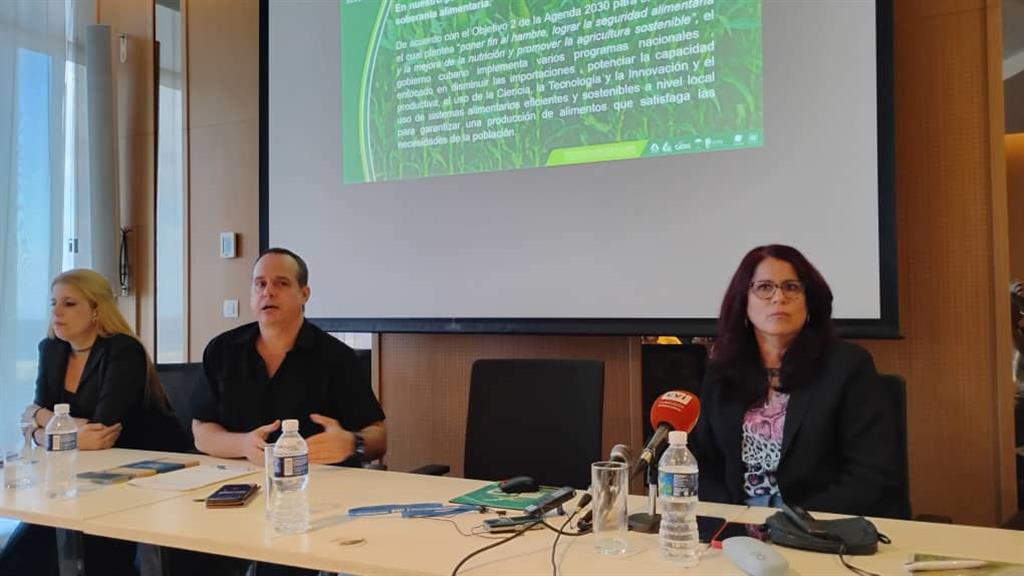
    Cuba has established a comprehensive regulatory framework for environmental protection and safety through the Office of Regulation and Environmental Safety (ORSA), which operates as the nation’s primary authority in this domain. Under the leadership of Director General Antonio Casanova, this agency functions as a critical enforcement body ensuring adherence to environmental laws and technical provisions throughout the island nation.

    ORSA’s mandate extends across multiple specialized areas including chemical, biological, nuclear, and radiological safety protocols. The agency maintains particular focus on preventing environmental pollution while simultaneously balancing Cuba’s economic and social development priorities. As an entity within the Ministry of Science, Technology and Environment (CITMA), ORSA receives institutional support and coordinates with various inspection bodies to fulfill its mission.

    The agency’s responsibilities encompass biodiversity conservation efforts, specifically protecting species of special significance to Cuba’s unique ecosystem. ORSA regulates international trade of threatened wildlife and flora under international conventions, while also overseeing genetic resources derived from biological diversity. Additional oversight extends to industrial chemicals management, hazardous waste disposal protocols, and technology transfer regulations.

    Furthermore, ORSA operates with government-delegated authority to verify Cuba’s compliance with international environmental commitments. This function positions the agency as Cuba’s primary interface for global environmental agreements, ensuring the nation meets its obligations across all areas of the agency’s competence. The integrated approach combines domestic regulatory enforcement with international treaty compliance, creating a comprehensive environmental governance system.

  • China Voices Support for Venezuela as U.S. Pursues Third Oil Tanker

    China Voices Support for Venezuela as U.S. Pursues Third Oil Tanker

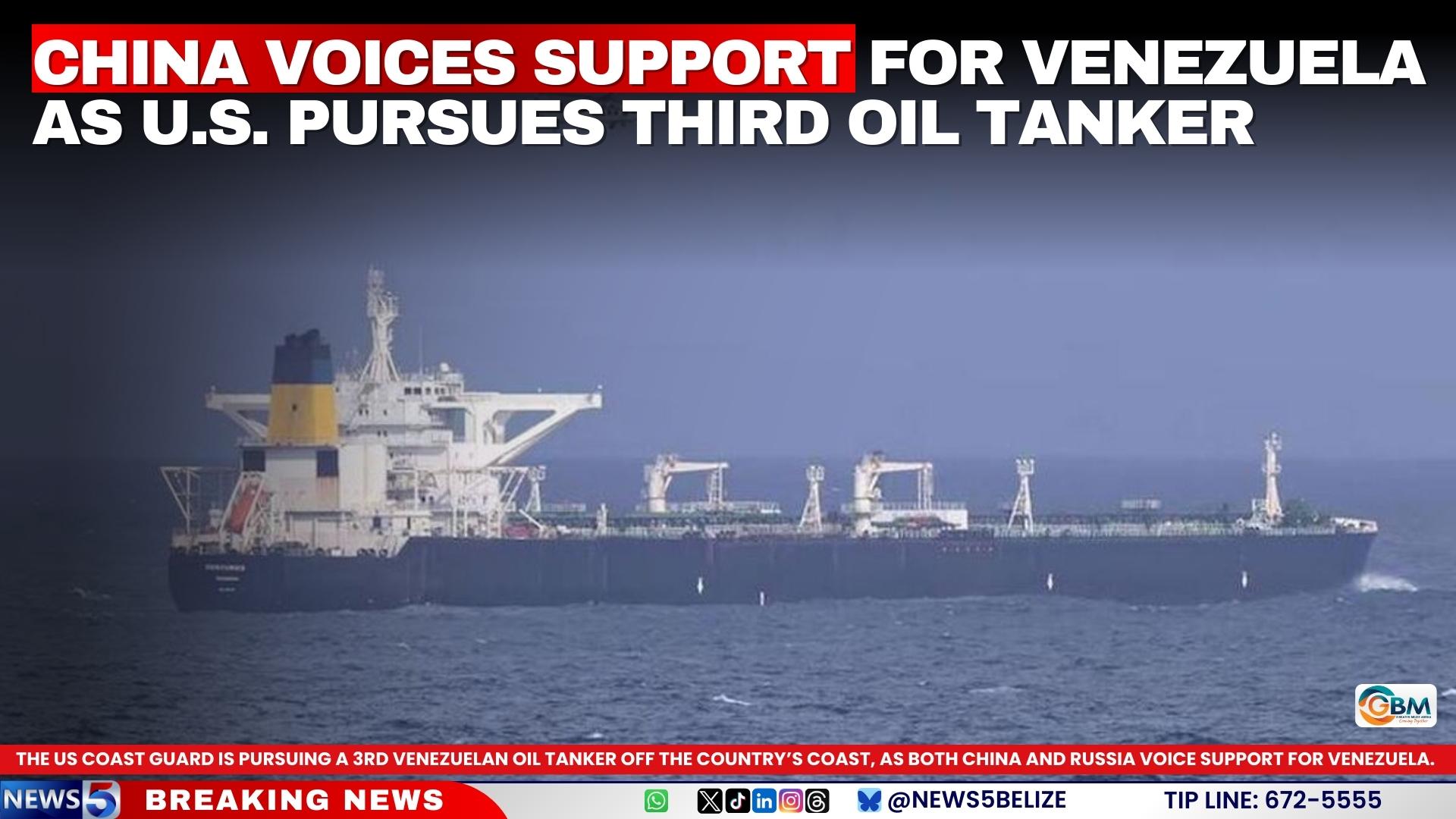
    Tensions escalated in the Caribbean Sea as the United States Coast Guard intensified its maritime operations, pursuing a third Venezuelan-flagged oil tanker in international waters. This development marks the latest chapter in an ongoing geopolitical confrontation involving global superpowers.

    The Chinese government issued a formal condemnation through Foreign Ministry spokesperson Lin Jian, characterizing Washington’s actions as a ‘flagrant breach of established international legal frameworks.’ The diplomatic statement emphasized Beijing’s firm opposition to ‘any measures that contravene the fundamental principles enshrined in the United Nations Charter or compromise the sovereign integrity and national security of independent nations.’

    China explicitly endorsed Venezuela’s entitlement to autonomous economic development and unrestricted trade relations. ‘The People’s Republic of China acknowledges and affirms Venezuela’s position in protecting its lawful rights and interests,’ Lin asserted during the press briefing.

    Concurrently, U.S. President Donald Trump provided unambiguous clarification regarding the disposition of previously confiscated petroleum from two Venezuelan vessels. The Commander-in-Chief outlined multiple potential scenarios for the appropriated resources, indicating they might be ‘marketed commercially, retained for federal use, or allocated to the strategic petroleum reserve.’ President Trump further confirmed that the detained ships would remain in U.S. custody indefinitely.

    The White House maintains that its enhanced naval deployment in the region exclusively targets narcotics interdiction efforts. Pentagon officials reference over twenty-five tactical engagements against vessels suspected of drug trafficking operations across Pacific and Caribbean maritime corridors.

    Venezuelan leadership vehemently disputes these allegations, denying any institutional involvement in narcotics distribution networks. Caracas alleges that the Trump administration’s true objective involves orchestrating the ouster of President Nicolás Maduro to commandeer Venezuela’s substantial petroleum reserves, recognized globally as the most extensive certified deposits worldwide.

  • United Nations recognizes Italy’s support for refugees

    United Nations recognizes Italy’s support for refugees

    In a significant humanitarian operation, Italy has successfully evacuated 122 refugees who arrived in Rome on December 11th, according to a statement released by the UNHCR office in Italy. The evacuees, primarily originating from conflict-ridden nations including Sudan, South Sudan, and Eritrea, represent the latest beneficiaries of Italy’s ongoing refugee resettlement initiatives.

    The statement emphasized Italy’s leadership in executing emergency evacuations from transit countries such as Libya and Niger, providing critical relief to refugees enduring extremely precarious living conditions. This operation forms part of a broader humanitarian framework established through the Humanitarian Corridors project—an initiative conceived and financed by a coalition of Italian religious organizations since 2016.

    This pioneering program specifically targets the most vulnerable refugee populations across multiple regions, facilitating their safe passage from countries including Ethiopia, Lebanon, Pakistan, Türkiye, Libya, Niger, and Iran. Unlike dangerous irregular migration routes, these government-approved corridors provide legal and protected pathways for resettlement.

    UNHCR officials highlighted the growing significance of such programs amid escalating global displacement crises. With increasing numbers of asylum seekers and migrants undertaking perilous journeys worldwide, these coordinated resettlement efforts demonstrate how alternative legal channels can offer vulnerable refugees opportunities for safety and a fresh start in host nations.

  • Israel killed 411 Palestinians and wounded 1,112 in Gaza during truce

    Israel killed 411 Palestinians and wounded 1,112 in Gaza during truce

    The Government Press Office in Gaza has issued a comprehensive report detailing what it describes as systematic violations of the ceasefire agreement by the Israeli Armed Forces. According to the official statement, military operations conducted during the truce period resulted in 875 distinct breaches of the agreed-upon peace terms.

    The documented incidents include 265 separate shooting events, 49 incursions by military vehicles into civilian residential zones, and 421 bombing operations targeting populated areas. Additionally, the report cites 150 attacks on civilian institutions and public buildings, alongside 45 cases of what it characterizes as illegal detentions.

    Officials condemned these actions as clear infringements of international legal standards and deliberate attempts to undermine both the spirit and specific provisions of the humanitarian protocol attached to the ceasefire agreement. The statement further accused Israel of failing to meet its obligations under the agreement by systematically restricting humanitarian aid shipments to Gaza.

    According to the data presented, only 17,819 aid trucks have reached Gaza over the past 73 days—representing just 41% of the 43,800 trucks that were supposed to enter under the agreement. This translates to a daily average of 244 trucks instead of the planned 600, creating critical shortages across all sectors.

    The fuel situation appears particularly dire, with only 394 fuel trucks arriving compared to the promised 3,650—a mere 11% of the committed supply. This severe shortage has paralyzed essential services including hospital operations, bakery functions, and water treatment facilities.

    The housing sector faces what officials describe as an unprecedented crisis due to the complete prohibition on entry of tents, mobile homes, caravans, and construction materials needed to address the massive destruction of buildings throughout the enclave. The statement concluded by holding Israel fully responsible for the continuing deterioration of humanitarian conditions and resulting loss of life.

  • Gaza authorities denounce Israeli blockade and warn of crisis

    Gaza authorities denounce Israeli blockade and warn of crisis

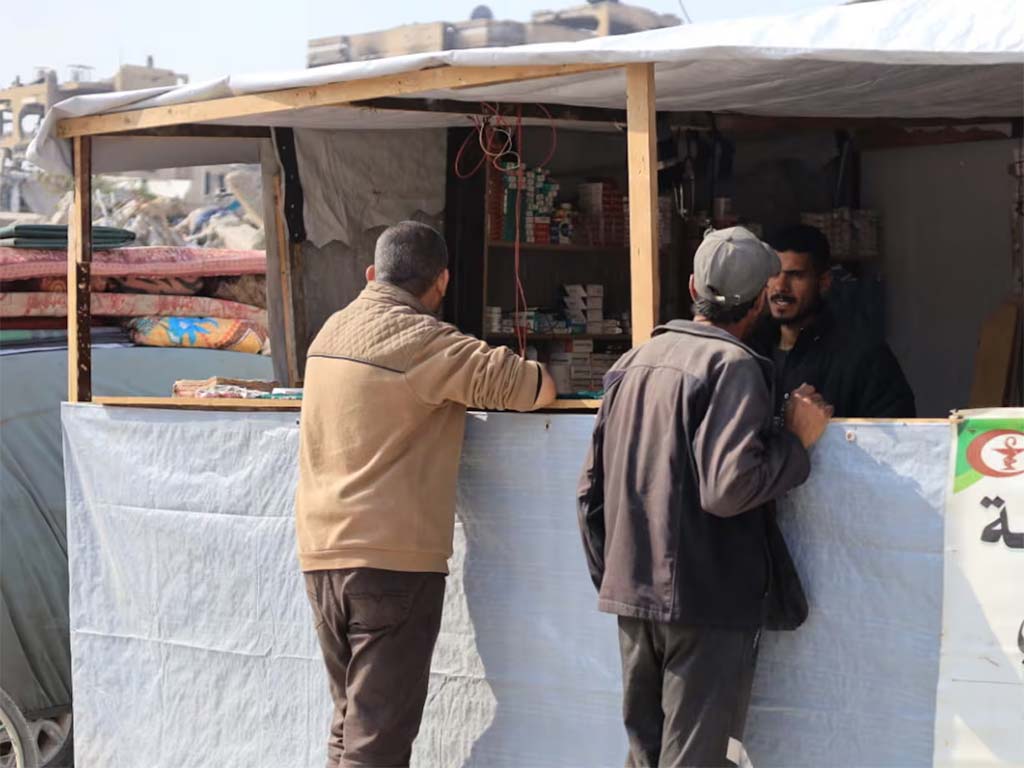
    The healthcare system in the Gaza Strip is facing catastrophic failure as critical shortages of medical supplies and medications threaten to suspend approximately 10,000 scheduled surgical procedures, according to a senior health official. Alaa Halas, Director of the Care and Pharmacy Department within the Ministry of Health, issued an urgent warning that this developing crisis represents a severe crime endangering tens of thousands of vulnerable patients.

    Speaking to the Safa news agency, Halas revealed that multiple medical facilities that survived recent military operations have already suspended both scheduled and emergency surgeries. Among affected institutions is the Kuwait Specialized Hospital, a critical healthcare provider serving thousands of wounded civilians and patients requiring specialized care.

    The official emphasized that even emergency surgical interventions will face severe limitations if supply shortages persist. Current crisis levels have reached unprecedented severity according to health authorities monitoring the situation.

    Halas attributed the medical supply crisis to insufficient aid delivery despite ceasefire agreements. Since the October 10 truce took effect, Israel has permitted only 30% of agreed-upon supplies to enter the coastal territory, creating dire shortages across healthcare infrastructure.

    Comprehensive data from the Government Press Office reveals significant aid delivery discrepancies: only 17,819 trucks have entered Gaza out of 43,800 planned deliveries, averaging merely 244 daily shipments instead of the required 600. The fuel shortage proves particularly devastating, with only 394 fuel trucks arriving versus 3,650 promised, paralyzing hospital operations, bakeries, and water treatment facilities.

    The cumulative effect threatens approximately 200,000 patients requiring ongoing medical care, including 700 monthly intensive care patients and roughly 10,000 individuals awaiting surgical intervention.