作者: admin

  • Unions hail return of teachers term leave

    Unions hail return of teachers term leave

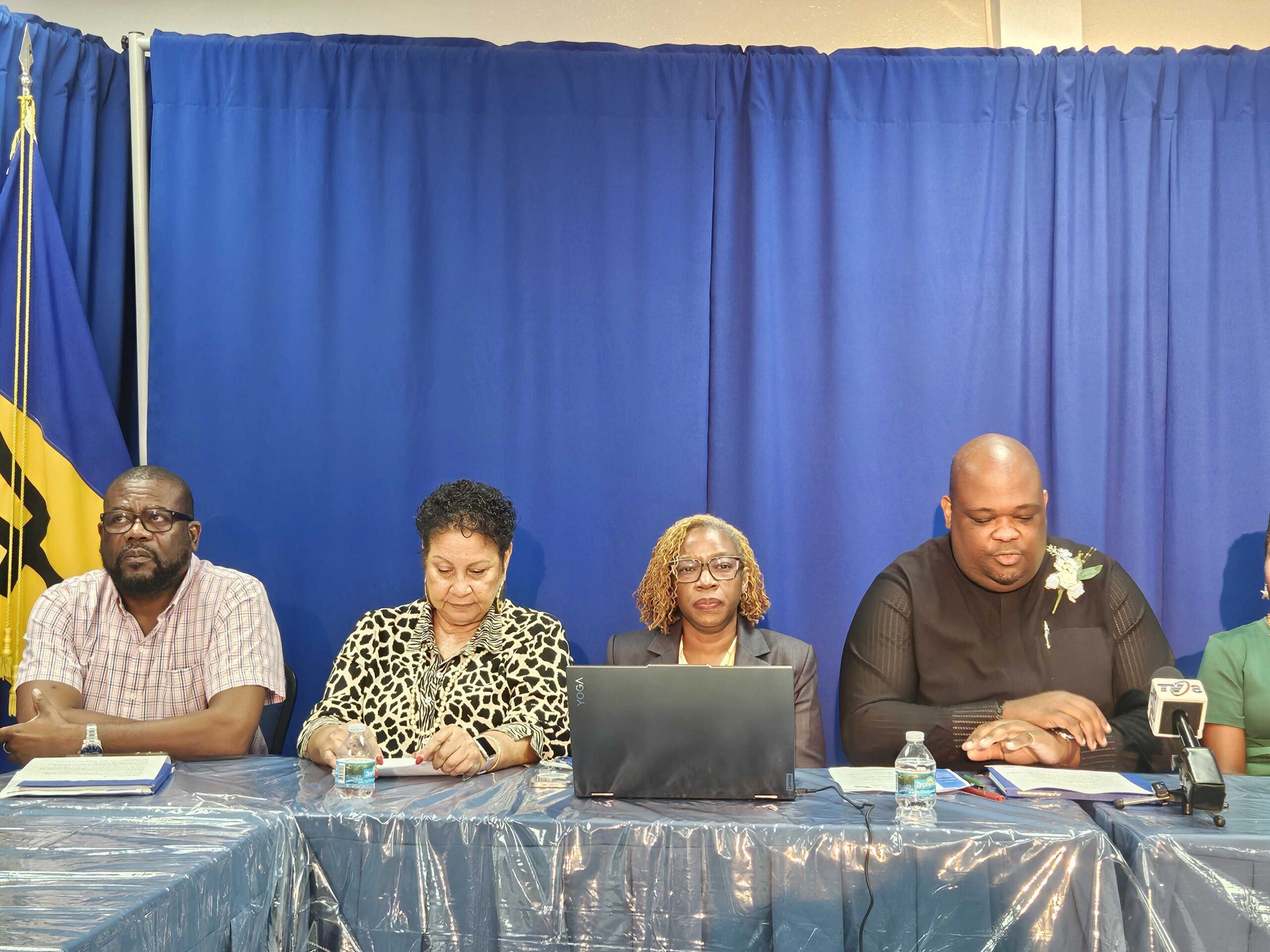
    In a landmark achievement for educator welfare, Barbadian teachers have successfully reclaimed their entitlement to term’s leave following twelve years of persistent advocacy. Union leaders celebrated this restoration as a significant triumph during a Monday press conference at the Ministry of Education Transformation headquarters.

    Gilbert Carmichael, General Secretary of the Barbados Union of Teachers (BUT), expressed profound relief at the resolution of this protracted struggle. “We’re extremely elated this afternoon,” Carmichael stated. “Twelve years certainly isn’t twelve days, and this has been a long, hard fight.” He acknowledged both governmental cooperation and membership solidarity as crucial factors in achieving this outcome.

    The reinstated benefit, eliminated in 2014 under austerity measures by the Democratic Labour Party administration, allows qualified educators to receive a full school term of paid leave after fifteen years of service, renewable every five subsequent years. Originally intended as a temporary restriction, the policy had limited access to first-time applicants and those approaching retirement.

    Mary-Ann Redman, President of the Barbados Secondary Teachers’ Union, described the development as resolving “a source of frustration, bother, hurt, anger to teachers in the system.” She emphasized the indispensable nature of term’s leave for educators’ emotional, physical, and professional well-being.

    BUT President Rudy Lovell highlighted the contemporary relevance of this benefit, noting that teaching has become “one of the most intellectually and emotionally demanding” professions due to increased workloads, expanded administrative requirements, and additional teaching periods contributing to widespread fatigue and burnout.

    The restoration followed sustained union efforts including legal action initiated in 2017 and a two-day strike by the BUT in April 2025. Ryan Phillips of the Congress of Trade Unions and Staff Associations of Barbados characterized the decision as signaling governmental commitment to worker welfare and potentially heralding improved dialogue regarding working conditions across Barbados’ public service.
  • Saint Lucia supports UN resolution on slave trade as ‘gravest crime’

    Saint Lucia supports UN resolution on slave trade as ‘gravest crime’

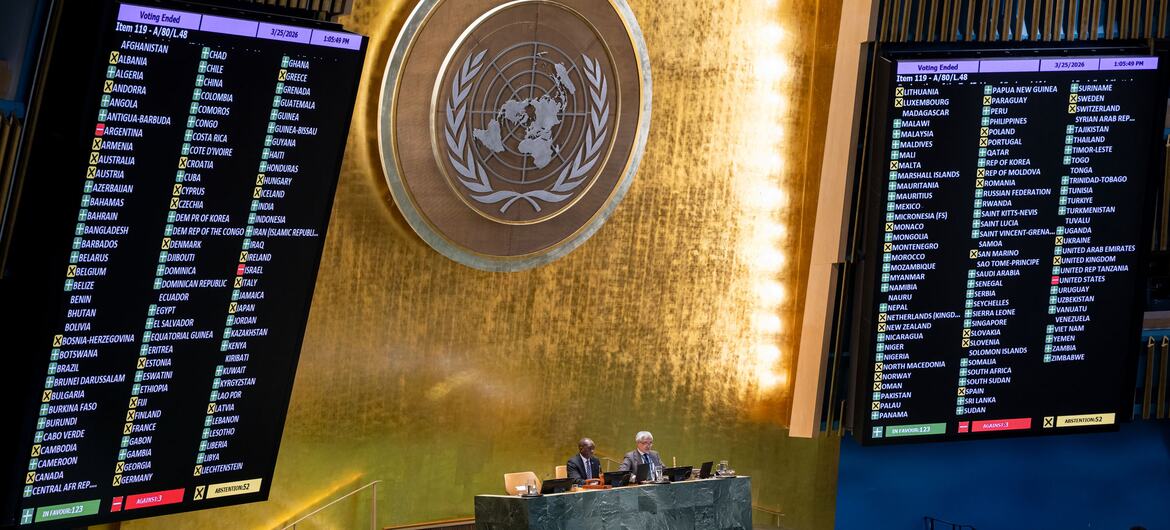
    In a landmark decision at the United Nations General Assembly, 123 nations endorsed a historic resolution formally recognizing the transatlantic slave trade as the “gravest crime against humanity.” The measure, championed by Ghana, further urged member states to consider issuing formal apologies and contributing to a reparations fund addressing the enduring legacy of historical enslavement.

    Prime Minister Philip J. Pierre of Saint Lucia, a vocal supporter, hailed the resolution as a necessary and timely acknowledgment of a painful historical chapter. He emphasized the importance of confronting this history, stating, “Some of us would prefer to forget. But… that’s part of our history… We should never forget that it happened.”

    The vote revealed significant international divisions. The United States, Israel, and Argentina cast opposing votes, while 52 nations, including the United Kingdom and several European Union members, abstained. U.S. representative Ambassador Dan Negrea articulated a stance shared by several abstaining nations, asserting that the U.S. “does not recognise a legal right to reparations for historical wrongs that were not illegal under international law at the time they occurred.” This argument posits that contemporary governments and institutions cannot be held legally accountable for actions that occurred centuries prior.

    Although General Assembly resolutions are not legally binding like Security Council mandates, they possess considerable symbolic and political influence, serving as a barometer of global consensus on critical moral and historical issues. The passage of this resolution amplifies the ongoing global discourse on historical justice, accountability, and the complex question of financial reparations for the descendants of enslaved peoples.

  • Antigua Sailing Week Expands Shoreside Experience With Riddim & Tides Beach Celebration.

    Antigua Sailing Week Expands Shoreside Experience With Riddim & Tides Beach Celebration.

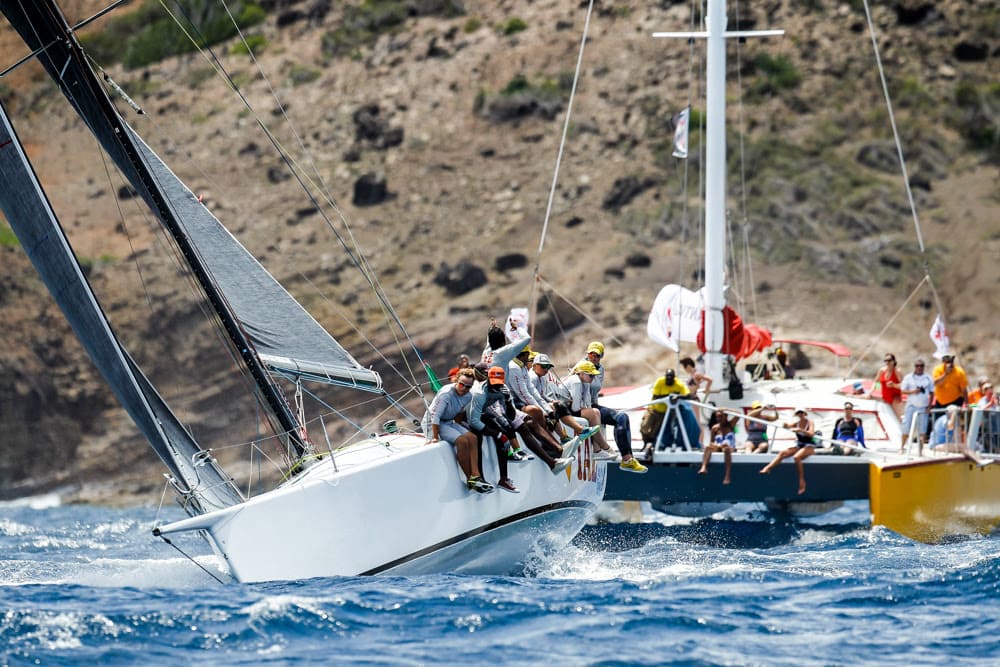
    Antigua Sailing Week, one of the Caribbean’s most prestigious regattas, is set to significantly enhance its shoreside offerings by introducing the ‘Riddim & Tides’ beach celebration. This innovative addition aims to transform the event from a purely competitive sailing spectacle into a comprehensive cultural festival, merging world-class nautical competition with the vibrant spirit of Caribbean entertainment.

    The new ‘Riddim & Tides’ experience will feature live musical performances from renowned regional and international artists, creating an immersive audio-visual backdrop against the stunning Antiguan coastline. Organizers have curated a program that includes traditional Caribbean rhythms, contemporary beats, and sunset soundscapes, providing both participants and spectators with unforgettable post-race entertainment.

    Beyond the musical elements, the celebration will showcase local culinary excellence through pop-up stalls offering authentic Antiguan cuisine and premium cocktails. This expansion represents a strategic effort to boost local tourism and provide economic opportunities for island vendors, artisans, and hospitality providers. The integration of these cultural elements is designed to attract a broader audience, including non-sailing enthusiasts who wish to experience the unique blend of sport and island culture.

    Event directors note that this expansion reflects the evolving nature of destination regattas, where the overall experience is becoming as important as the competition itself. The 2024 edition of Antigua Sailing Week, with its enhanced shoreside program, is positioned to set a new standard for maritime events in the region, offering a holistic celebration of sailing, music, and Caribbean lifestyle.

  • Commissioner Jeffers Attends RSS Chiefs of Security Meeting in St. Lucia

    Commissioner Jeffers Attends RSS Chiefs of Security Meeting in St. Lucia

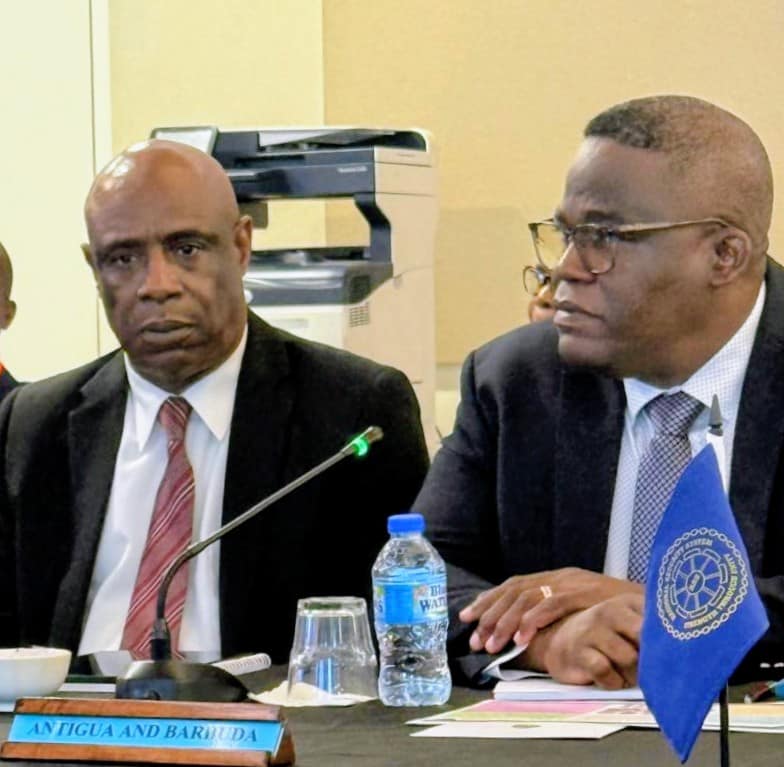
    Police Commissioner Everton Jeffers has concluded his inaugural regional diplomatic mission since appointment, returning to Antigua and Barbuda after participating in the high-level Regional Security System (RSS) Chiefs of Security Conference in St. Lucia. The strategic gathering, convened from March 25-26, 2026, brought together top security officials from across the Caribbean basin alongside international partners from the United States and United Kingdom.

    Chaired by St. Lucia’s Acting Police Commissioner Ronald Phillip, the summit facilitated comprehensive dialogues on multiple security fronts. Day one proceedings featured expert presentations from CARICOM IMPACS and the Caribbean Disaster Emergency Management Agency (CDEMA), establishing the framework for substantive policy discussions.

    Central to the agenda was the enhancement of maritime surveillance capabilities and the operational advancement of the RSS Logistics Hub through the Regional Maritime Sustainment Initiative. Participants also examined critical reforms to the Caribbean’s disaster management infrastructure, seeking to bolster regional resilience against climate emergencies and natural catastrophes.

    The conference further addressed legislative implementation strategies for the Justice Protection Act, examined artificial intelligence integration frameworks for law enforcement applications, and analyzed emerging challenges in regional energy security. RSS Directorate officials provided comprehensive briefings on current operational priorities and ongoing security initiatives.

    Commissioner Jeffers characterized the engagement as ‘instrumental in fostering collaborative security partnerships,’ emphasizing that the exchanged perspectives would significantly benefit both Antigua and Barbuda’s Royal Police Force and broader regional security architectures. The commissioner’s absence from March 24-27 saw Deputy Commissioner Louisa Benjamin-Quashie assuming acting command responsibilities during the interregnum.

  • A Tribute In Thanksgiving for the Life and Ministry of The Very Rev. James Rudolph Smithen

    A Tribute In Thanksgiving for the Life and Ministry of The Very Rev. James Rudolph Smithen

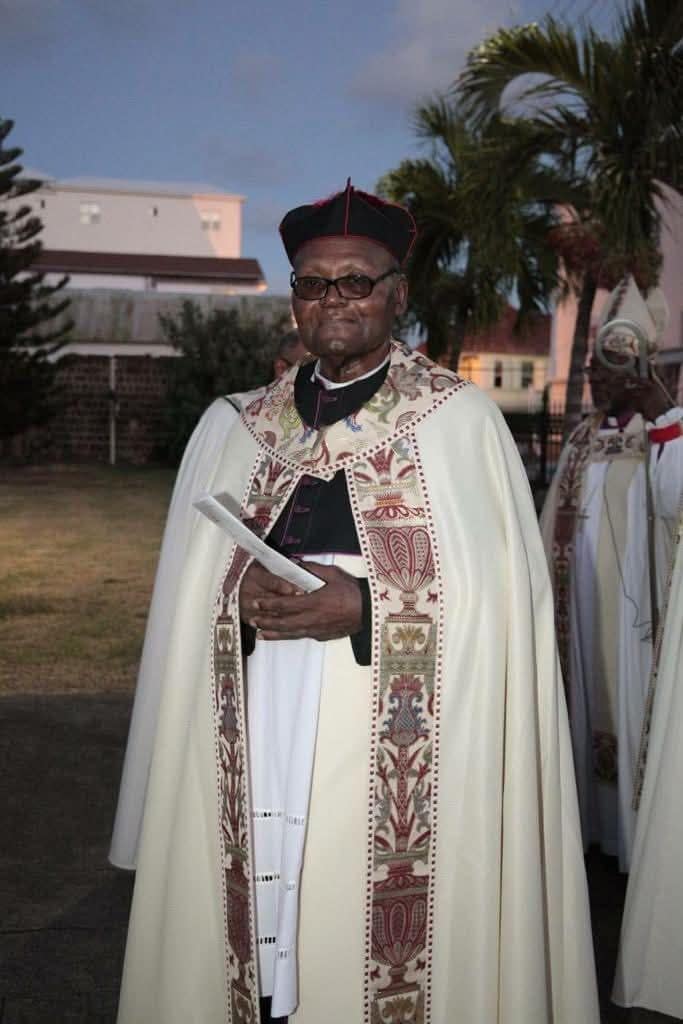
    The Anglican community across the Northeastern Caribbean and Aruba is mourning the loss of The Very Reverend James Rudolph Smithen, CSM, GCM, who passed away on March 1, 2026. Dean Emeritus Smithen’s remarkable five-decade ministry left an indelible mark on religious life throughout the region, culminating in his leadership of St. John’s Cathedral in Antigua and its district churches.

    Smithen’s theological journey began at Barbados’ Codrington College before advancing through specialized studies in Canada and England. His ecclesiastical career commenced under the mentorship of the late Very Reverend Fitzroy Elderfield Pestaina at St. John’s Cathedral, where he would eventually return as Dean and Parish Priest following his 1973 ordination.

    His early ministerial assignments included significant postings across the Caribbean archipelago. From 1973, he served as Parish Priest of St. Mary with St. Augustine and St. Andrew in Anguilla before transferring in 1978 to St. George with St. Barnabas in Basseterre, St. Kitts. His appointment there marked a historic milestone as he became the first black priest and first native spiritual leader to oversee the island’s largest Anglican congregation.

    Smithen’s profound impact on religious education manifested through his disciplined approach to confirmation classes and doctrinal instruction. His administrative capabilities earned him appointment as Archdeacon of St. Kitts in 1985, entrusting him with pastoral oversight across eight islands within the diocese.

    The pinnacle of his career arrived in 2003 with his installation as Dean of St. John’s Cathedral in Antigua. His leadership faced its greatest test during the cathedral’s extensive restoration beginning in 2010, when the historic building required closure for structural stabilization. Smithen navigated this challenging period with exceptional administrative skill, coordinating architects, engineers, and community stakeholders while maintaining parish cohesion through spiritual guidance that emphasized the enduring nature of worship beyond physical structures.

    His contributions earned national recognition from two governments: Antigua and Barbuda conferred the Grand Cross of the Most Illustrious Order of Merit (GCM) in 2014, while St. Kitts and Nevis awarded the Companion of the Star of Merit (CSM) in 2021.

    Even in retirement, Smithen continued his theological contributions, publishing his final work on Anglican Eucharist practices mere weeks before his passing. His legacy endures through generations of clergy and laypersons mentored throughout his extensive service, leaving the Caribbean Anglican community enriched by his steadfast devotion to faith and community.

  • Herinneringen aan Santokhi: Toewijding aan democratie en regionale samenwerking

    Herinneringen aan Santokhi: Toewijding aan democratie en regionale samenwerking

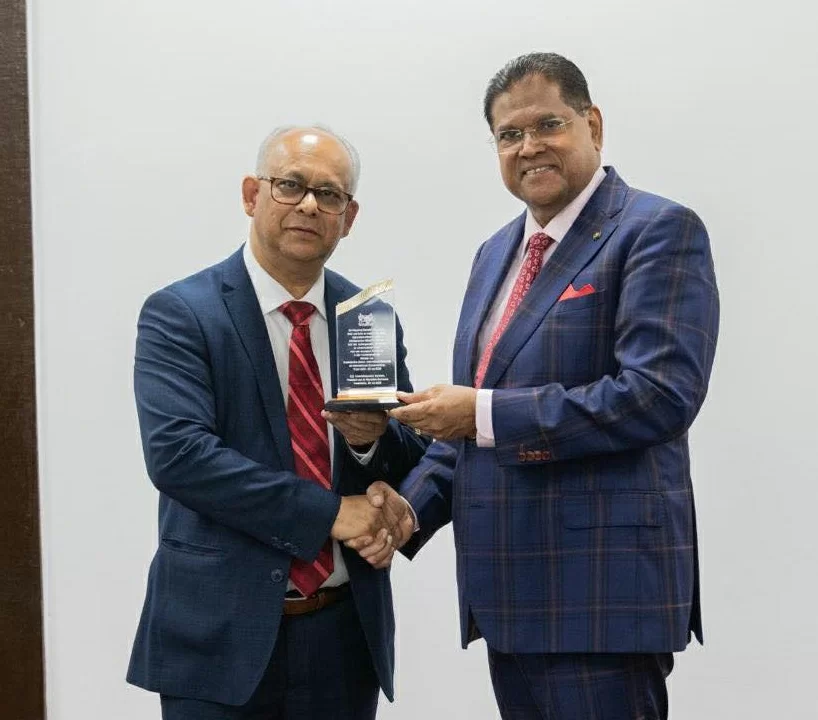
    The international community is united in grief following the sudden passing of former Surinamese President Chandrikapersad ‘Chan’ Santokhi at age 67. Leaders across the Americas and beyond are commemorating his legacy as a dedicated statesman, bridge-builder, and champion of democratic values and regional cooperation.

    Regional tributes highlight Santokhi’s profound impact on Caribbean unity. Representatives from Bonaire’s Human Rights Organization praised his “tireless advocacy for democratic governance and the dignity of his people,” noting his active engagement in CARICOM meetings demonstrated deep commitment to regional solidarity. Caribbean Community (CARICOM) officials emphasized his distinguished service as Conference Chair of CARICOM Heads of Government in 2022, where he decisively addressed critical issues including skills certification expansion, the Haiti situation, and industrial policy development.

    Barbados Prime Minister Mia Mottley recalled Santokhi’s profound understanding of regional partnerships, noting he worked “with warmth and purpose” to strengthen Caribbean community ties. She revealed his last communication was a heartfelt congratulatory message following her recent electoral victory, calling this gesture emblematic of his “courteous, attentive nature and dedication to friendship in public life.”

    Netherlands Prime Minister Rob Jetten underscored Santokhi’s role in strengthening bilateral relations, acknowledging his “unceasing efforts to enhance ties between the Netherlands and Suriname.” The Dutch Royal House recognized his contributions to democratic order and security, noting his work strengthening Netherlands-Suriname relations remains a “warm memory.”

    Indian Prime Minister Narendra Modi highlighted Santokhi’s cultural connections, noting his “affection for Indian culture” and role in strengthening India-Suriname relations. Modi observed Santokhi “won countless hearts” by taking his presidential oath in Sanskrit, calling his passing “an irreplaceable loss for the global Indian diaspora.”

    French Ambassador Nicolas de Lacoste expressed that “France has lost a friend and reliable partner” who significantly deepened bilateral relations. The U.S. Embassy in Suriname honored Santokhi as an alumnus of their International Visitor Leadership Program, recognizing his contributions to the Surinamese people and broader Caribbean region.

  • Cougars celebrate BSSAC title

    Cougars celebrate BSSAC title

    The streets of Bridgetown erupted in celebration on Monday as St Michael School paraded their athletic supremacy following a dominant victory at the Dasani BSSAC Championships. Marking their second consecutive title win, the triumphant team embarked on a jubilant motorcade that captivated local communities and showcased exceptional school spirit.

    Departing from their campus at 10 a.m., dozens of elite athletes, spirited cheerleaders, and dedicated coaching staff rode atop decorated trucks through key city areas. The procession generated enthusiastic responses from residents who lined the streets to cheer and wave at the passing champions.

    Head coach Gabriel Burnett revealed to media that the victory celebration had been strategically planned before the championships concluded, reflecting the team’s extraordinary confidence in their capabilities. “It feels tremendous,” Burnett stated. “We prioritize what our athletes desire, and annually they request this motorcade. We ensure we deliver this experience for them.”

    The coaching veteran emphasized that the repeated success stemmed from systematic preparation rather than overconfidence. “This achievement aligns completely with our expectations since last year. While some might misinterpret our assurance as arrogance, we maintained profound confidence in our developmental process and competitive execution,” Burnett explained.

    As architects of an enduring athletic legacy, St Michael School continues to reinforce its reputation as an institutional powerhouse. Burnett outlined his philosophy of shielding athletes from pressure while steering the program: “I consistently remind our competitors that all glory belongs to them while I assume all operational challenges. Having competed at Olympic level myself, I don’t perceive external pressures as overwhelming. Our sponsor Pedialyte Sport provides tremendous support without imposing expectations.”

    The victory parade progressed from Welches through Station Hill before arriving at Combermere School, which had simultaneously secured its third consecutive boys’ title. Anticipation built dramatically as students gathered at perimeter fences seeking vantage points. After tense negotiations, Combermere principal Robin Douglas granted permission for controlled interaction between the rival institutions.

    The scene transformed into an impromptu celebration as hundreds of students converged to the infectious rhythms of Machel’s 2025 hit “PARDY.” For fifteen memorable minutes, traffic slowed to a crawl as motorists, school officials, and community members joined the cross-school festivities. In a powerful display of sportsmanship, recently competing athletes linked arms in unity before the motorcade returned to Bridgetown, concluding an extraordinary celebration of youth athletic excellence.

  • High spirits, higher kites: St Leonard’s boys take to the skies

    High spirits, higher kites: St Leonard’s boys take to the skies

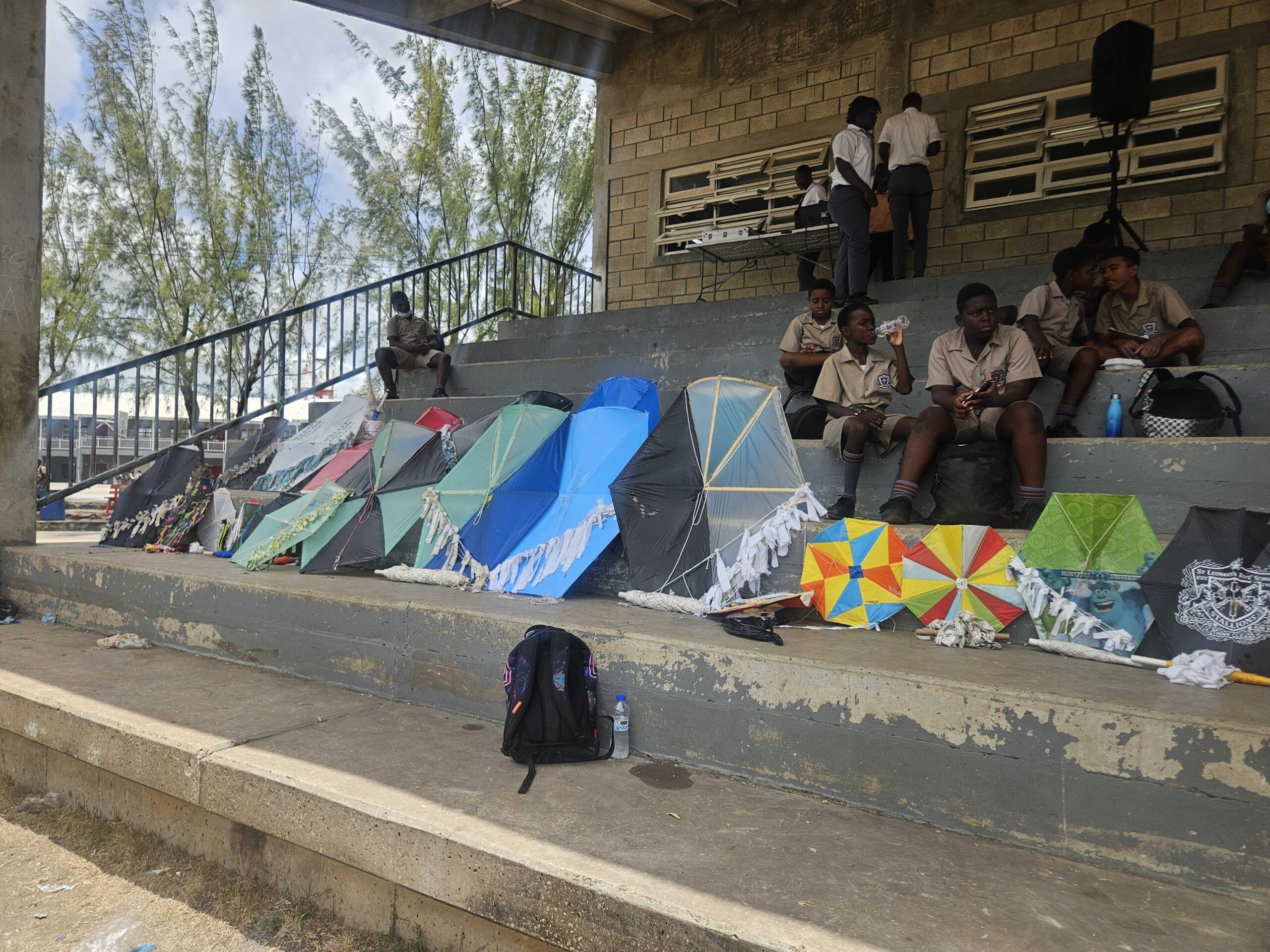
    The skies above St Leonard’s Boys’ School in St Michael came alive with a vibrant display of color and creativity as dozens of handmade kites soared in the breeze, marking a special end-of-term celebration that blended cultural preservation with educational development. The school’s pasture transformed into a dynamic cultural arena where nearly 50 first-form students showcased their craftsmanship through designing, building, and flying their own kites.

    Principal Peter Cox revealed that the initiative emerged organically from student enthusiasm rather than administrative planning. “This activity was genuinely initiated by the students themselves,” Cox explained. “Kite flying remains particularly popular in the Black Rock area throughout the year, so we simply facilitated their interests.”

    The event served dual purposes: preserving Barbados’ cultural heritage while providing hands-on learning opportunities. Cox noted the evolution of kite-making traditions, observing a shift from traditional round kites to square designs and from paper to plastic bag materials. Despite these modern adaptations, the school aims to maintain the core skills and traditions associated with kite craftsmanship.

    Beyond cultural preservation, the activity provided valuable developmental benefits. “It creates an avenue for students to express themselves creatively and engage in hands-on learning outside conventional academic settings,” Cox emphasized. “It allows them to unwind and participate in activities that resonate with their interests.”

    School staff have already begun planning to deepen the initiative’s impact. Discussions are underway to increase teacher involvement and reintroduce more traditional construction methods, including “trash bone kites” that represent historical Barbadian kite-making techniques. The goal is to transform the event into a broader family activity that strengthens community bonds.

    Competition coordinator and first-form teacher Tracie Harris challenged assumptions about declining interest in traditional crafts among younger generations. “Last week demonstrated this tradition is far from dead,” Harris stated. “We witnessed numerous students enthusiastically gathering materials, constructing kites, and discussing designs—clear evidence that kite-making remains very much alive.”

    Despite challenging wind conditions, student participation and energy exceeded expectations. The competition featured eleven categories recognizing various achievements, including:
    – Kemar Worrell: Largest Kite
    – Andre Leacock: Smallest Kite
    – Jahari Prescod: Most Colourful Kite
    – Taylor Hardin: Most Creative Design
    – Adrian Codrington: Longest Tail
    – Jordan Taylor: SLB Spirit Kite Award
    – Jathaniel Bryant-Haynes: Loudest Kite
    – Rakai Dowridge: Best Self-Made Kite
    – Alex Jones-Ifill: Longest Flying Kite
    – Malik Griffith and Aaron Howard: Judges’ Pick (shared)
    – Wykayvion Gilkes: Fan Favourite

    The successful event demonstrated how student-driven initiatives can effectively preserve cultural traditions while fostering creativity, community engagement, and practical learning experiences.

  • Magnitude 3.8 Earthquake Recorded Near Antigua

    Magnitude 3.8 Earthquake Recorded Near Antigua

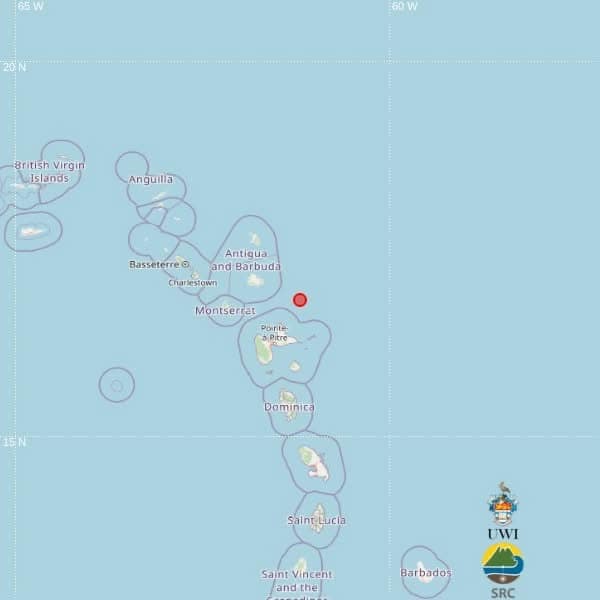
    A moderate seismic event measuring 3.8 on the Richter scale struck the Eastern Caribbean region early Tuesday morning, as confirmed by the University of the West Indies Seismic Research Centre. The tremor originated at precisely 7:33 a.m. local time, with its hypocentre positioned 17 kilometres beneath the Earth’s surface. Seismologists pinpointed the epicentre approximately 79 kilometres southeast of St John’s, the capital city of Antigua and Barbuda.

    The earthquake’s impact radiated across multiple territories, registering 73 kilometres northeast of Point-à-Pitre in Guadeloupe and 112 kilometres east of Brades, Montserrat. Despite the quake’s significant depth and moderate intensity, preliminary assessments indicate no immediate structural damage or casualties across the affected islands.

    The Seismic Research Centre issued a technical note clarifying that initial measurements were automatically generated by sophisticated monitoring systems. Scientists emphasized that these preliminary readings remain subject to potential revision as seismologists conduct comprehensive analysis of seismic waveforms and geological data. The center maintains continuous monitoring of aftershock potential, though historical patterns suggest minimal likelihood of significant follow-up activity for quakes of this magnitude.

    Regional emergency response teams reported standard post-earthquake protocols were activated, with comprehensive infrastructure checks conducted across vulnerable areas. The Caribbean Disaster Emergency Management Agency confirmed readiness to provide support if necessary, though no assistance requests were received.

  • Teachers win back term leave after 12-year fight

    Teachers win back term leave after 12-year fight

    In a landmark decision marking the culmination of a twelve-year advocacy campaign, the Barbadian government has officially reinstated the coveted paid term leave for the nation’s educators. The entitlement, suspended since 2014, will be restored effective April 1, 2026, as confirmed by Minister of Education Transformation Chad Blackman.

    The policy reinstates a critical benefit: eligible teachers are granted a full school term of paid leave after completing fifteen years of service, with subsequent leave available every five years thereafter. This reversal concludes a protracted period of industrial dispute, including strikes and legal challenges spearheaded by teachers’ unions.

    Minister Blackman characterized the announcement as a “momentous day,” publicly acknowledging the unions’ persistent advocacy and the profound relief this decision brings to educators and their families. The original suspension was enacted by the previous Democratic Labour Party administration as an austerity measure to curtail government expenditure, a move that spared educators from job cuts but ignited over a decade of contention.

    Permanent Secretary Kim Belle detailed the operational framework, which reverts to the pre-2014 system. A significant challenge will be managing a substantial backlog of eligible teachers accumulated since the suspension. To address this efficiently, the Ministry will deploy an electronic application system. However, safeguards are being implemented to ensure educational continuity; caps will limit leave approvals to 140 primary and 110 secondary teachers per term, with no more than ten percent of a school’s staff absent simultaneously.

    With approximately 3,500 teachers in the public system, the government has committed to a prioritized and fair process for reviewing applications. To mitigate disruption, an expanded pool of pre-vetted substitute teachers will be utilized to fill temporary vacancies seamlessly. Minister Blackman positioned this reinstatement as a core component of a broader commitment to valuing educators and constructing a first-class national education system.