作者: admin

  • OCOP Saint Lucia: Building Sustainable Livelihoods, One Community at a Time

    OCOP Saint Lucia: Building Sustainable Livelihoods, One Community at a Time

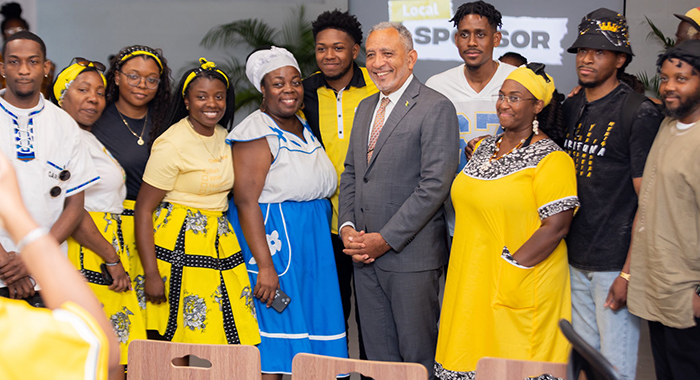
    Saint Lucia is pioneering an innovative economic development model through the One Community One Product (OCOP) initiative, adapted from Japan’s renowned One Village One Product (OVOP) framework. This transformative program demonstrates how local products and their unique heritage can generate market demand while creating sustainable livelihoods for rural communities.

    Implemented through a strategic partnership between the Japan International Cooperation Agency (JICA) and Saint Lucia’s Ministry of Agriculture, Fisheries, Food Security and Climate Change, OCOP employs a community-based value-chain methodology for local product development. The initiative focuses on enhancing skills, adding commercial value to existing agricultural products, and ensuring equitable distribution of economic and social benefits across entire communities—from farmers and processors to households and consumers.

    Following extensive preliminary engagements in Soufrière, Micoud, and Laborie communities throughout the previous year, the project has now entered its focused implementation phase. Babonneau has been selected as the pilot community due to its established tradition of household-level value addition, particularly among women who have historically processed local produce for domestic use.

    The current phase centers on the Saint Lucia Network of Rural Women Producers (Babonneau Cluster), involving approximately fourteen local women—primarily mothers—who are receiving hands-on training in value addition and agro-processing techniques. According to Kendra Payne, local consultant supporting the project implementation, this phase has been deliberately designed to build upon existing community assets: “It’s about working with what already exists in the community and shaping it into something realistic, sustainable, and meaningful for the people involved.”

    The initiative has fostered collaborative partnerships with key organizations including the Inter-American Institute for Cooperation on Agriculture (IICA), which has provided ongoing institutional support, and the Ministry of Agriculture’s Marketing Unit, which has been instrumental in supporting rollout activities. The women of the Babonneau Cluster have been particularly instrumental, sharing knowledge, mentoring new participants, and leading community engagement efforts.

    As OCOP advances in Babonneau, the accumulated insights and methodologies will inform future expansion into additional communities across Saint Lucia, ensuring that each product not only achieves market success but authentically embodies the OCOP philosophy—where every product tells a meaningful community story.

  • American woman is alive and well in Guyana

    American woman is alive and well in Guyana

    In a reassuring development, 69-year-old American retiree Mary Jones has been confirmed safe and well in Guyana, following concerns raised by her family after losing contact with her since early October 2025. The former registered nurse from New Jersey, who had been officially listed as missing by U.S. authorities, voluntarily came forward after learning about media reports concerning her disappearance.

    Ms. Jones proactively contacted the American Citizen Services at the U.S. Embassy in Guyana upon discovering she was the subject of a missing person investigation. Embassy officials facilitated her completion of necessary documentation authorizing the disclosure of her whereabouts to concerned parties. She was subsequently referred to the Guyana Police Force to formally confirm her safety status.

    The senior citizen explained her silence resulted from a personal decision to explore life in a new country. ‘I’m 69 years old and so I make decisions myself,’ Jones stated, emphasizing her autonomy in choosing to relocate to Guyana. She has resided at multiple locations since her arrival and expressed strong consideration toward permanent settlement in the South American nation.

    Her disappearance report, filed by her sister on October 28, 2025, had triggered the suspension of Social Security payments. Jones indicated these benefits would resume in February following confirmation of her wellbeing. She acknowledged informing family members that she would disclose her residence once established.

    Cross-border coordination between law enforcement agencies confirmed the resolution of this case. The Gloucester Police Department in New Jersey verified receiving official notification from the U.S. Embassy in Guyana regarding Jones’s safety. ‘The American Embassy in Guyana had already contacted our law enforcement agency, informing that the woman was fine,’ confirmed an officer from the department.

    When questioned about her motivation for choosing Guyana, Jones cited dissatisfaction with certain conditions in the United States. ‘A lot of things were happening in my country that I wasn’t too happy about,’ she explained, ‘and so I thought let me come here and try a new country.’

    The case highlights both the effectiveness of international missing person protocols and the growing phenomenon of senior citizens pursuing alternative retirement destinations abroad.

  • Caribbean youth map future for progress in education

    Caribbean youth map future for progress in education

    Young voices across the Caribbean are driving a transformative educational agenda, presenting actionable strategies to reshape learning systems region-wide. Their insights, prominently featured during the Caribbean Development Bank’s (CDB) 2025 Regional Symposium and Policy Dialogue on Transforming Education in Barbados, align with UNESCO’s 2026 International Day of Education theme emphasizing youth’s role in co-creating education.

    The youth-led proposal centers on three fundamental pillars: technological innovation, mandatory vocational training, and enhanced collaborative ecosystems. Students advocate for a comprehensive digital overhaul in classrooms, leveraging tools like tablets and Google Classroom to promote inclusivity and interactive learning. Naomi Jordan, a visually impaired student and First Vice President of the Barbados National Student Council, emphasized technology’s role in accessibility: ‘Digital tools allow me to engage with lessons interactively, correct mistakes easily, and participate fully alongside my peers.’

    Despite acknowledging technology’s benefits, students identified a significant generational divide hindering progress. Many parents and educators lack familiarity with digital learning platforms, resulting in overly restrictive policies. To address this, they propose targeted digital literacy programs for adults to foster safer and more effective technology integration.

    Beyond digital transformation, youth representatives stressed the critical need for practical skill development. They called for the compulsory inclusion of Technical and Vocational Education and Training (TVET) in national curricula, arguing that hands-on learning remains severely underrepresented. Rondelle Nedd, Operations Coordinator at Guyana’s Ministry of Legal Affairs, noted: ‘Skills are wealth, yet TVET is not widely mandatory across the Caribbean. Ensuring it is part of the curriculum would provide practical opportunities for student success.’

    The symposium also highlighted findings from a 2025 regional consultation revealing that emotional support, open communication, and community engagement form essential foundations for educational achievement. Students emphasized that consistent emotional backing builds confidence and resilience, while non-judgmental dialogue empowers learners. They further advocated for strengthened collaboration between families, schools, and communities through both physical and digital channels.

    These recommendations, initially presented under the theme ‘Student and Youth Perspectives: What Helps Us Learn, What Holds Us Back,’ now gain renewed relevance as Caribbean nations seek to implement youth-driven solutions. The CDB initiative aims to incorporate these insights into policy development, creating stronger partnerships among educators, families, and policymakers to revolutionize Caribbean education systems.

  • Saint Lucia honors Nobel Laureates at annual wreath laying ceremony

    Saint Lucia honors Nobel Laureates at annual wreath laying ceremony

    On the hallowed grounds of the Sir Arthur Lewis Community College, citizens of Saint Lucia gathered for an annual ritual of national significance. Public and private sector representatives ascended Morne Fortune on January 23rd to participate in the wreath-laying ceremony at the graves of the nation’s two Nobel Laureates—Sir William Arthur Lewis and Sir Derek Walcott.

    The date holds particular importance as it marks the shared birthday of both distinguished figures. Sir Arthur Lewis, who revolutionized development economics and became the first and only Black recipient of the Nobel Memorial Prize in Economic Sciences in 1979, rests alongside Sir Derek Walcott, the poetic visionary who claimed the Nobel Prize in Literature in 1992.

    The ceremony struck a balance between solemn reflection and celebratory recognition, honoring not just their academic and literary achievements but their enduring global impact. The legacy of these intellectual giants continues to resonate internationally, with Barbados Prime Minister Mia Mottley recently quoting Walcott’s work during an interview with Trevor Noah.

    Dr. Anthea Octave, Director of Studies at Jamaica’s Edna Manley College of the Visual and Performing Arts, delivered the keynote address. The Saint Lucian-born educator issued a powerful challenge to her compatriots, urging them to move beyond symbolic pride toward substantive emulation. She cautioned against the temptation to treat these achievements as mere national boasting points, instead advocating for their legacies to serve as inspirational standards for future generations.

    The 2026 Nobel Laureate Festival, she noted, should represent not just commemoration but a call to action—encouraging Saint Lucians to transform admiration into achievement and legacy into living inspiration.

  • Haitian social leader demands the government to dismantle gangs

    Haitian social leader demands the government to dismantle gangs

    A prominent Haitian religious authority has issued a damning indictment of government complicity in the nation’s security crisis, alleging high-level official involvement in arms trafficking to criminal gangs. Father Maisonneuve, director of the Karl Lévêque Institute, presented evidence suggesting current administration members are “heavily involved” in cross-border weapon and ammunition smuggling—a primary supply source for violent groups terrorizing the Caribbean nation.

    The allegations, broadcast by Radio Metropole Haiti, reveal a disturbing pattern of collusion between gang leaders and certain officials that explains the limited effectiveness of recent police operations. While acknowledging some government willingness to confront criminal elements, Maisonneuve characterized the lack of more comprehensive action as evidence of systemic corruption.

    This weapons pipeline has been systematically documented since 2016 by the Karl Lévêque Institute, which previously implicated numerous officials and parliamentarians in procurement networks. The religious leader emphasized that dismantling gang infrastructure requires not just police actions but rigorous border control measures, stating that “90 percent of the solution to the security problem depends on strict control of land, sea and air borders.”

    Maisonneuve called for urgent tracing of weapons suppliers to criminal organizations as an essential step toward eradicating gang terrorism, highlighting how governmental corruption perpetuates violence that has plagued Haiti for years.

  • Cuban ambassador to Mexico presents copies of style

    Cuban ambassador to Mexico presents copies of style

    In a significant diplomatic engagement, the Cuban delegation was led by its principal representative with substantial support from senior embassy officials. The mission’s deputy chief, Ambassador Johana Tablada, provided considerable diplomatic expertise alongside Counselor Nelson Ocaña, who contributed essential strategic counsel throughout the proceedings.

    This high-level composition demonstrates Cuba’s commitment to fostering international cooperation through structured diplomatic channels. The presence of multiple senior officials indicates the importance both nations place on maintaining productive bilateral relations. Such diplomatic formations typically facilitate more substantive discussions and enable comprehensive dialogue across various policy areas.

    The delegation’s structure reflects standard diplomatic protocols while simultaneously showcasing Cuba’s strategic approach to international engagement. This configuration allows for specialized attention to different aspects of bilateral relations, from economic cooperation to cultural exchanges and political dialogue. The involvement of officials with diverse diplomatic portfolios ensures that multiple dimensions of the relationship can be addressed simultaneously.

    International relations experts note that such carefully composed delegations often precede significant developments in bilateral cooperation. The combination of ambassadorial leadership and specialized diplomatic counsel typically indicates preparations for substantive negotiations or the advancement of mutual interests across multiple sectors.

  • Thorne calls for more support for Barbados’ creative sector

    Thorne calls for more support for Barbados’ creative sector

    In a significant address delivered at a wreath-laying ceremony honoring Barbados’ Father of Independence, Errol Barrow, Democratic Labour Party leader Ralph Thorne issued a powerful call for the nation to revitalize its cultural foundations. Speaking at the Garden in Checker Hall, St. Lucy, Thorne articulated deep concerns regarding the diminishing status afforded to creative professionals and athletes within Barbadian society.

    The political leader emphasized that artists serve as essential community builders who fundamentally shape national identity through their literary, musical, and artistic contributions. Thorne expressed particular dismay about the current perception of musicians as mere commercial entities rather than cultural stewards. “Too many of our creative talents are now regarded primarily through a mercenary lens, with their artistic gifts being vulgarized and exploited by those in positions of power,” he stated, clarifying that financial success for artists remains important but should not overshadow their cultural mission.

    Thorne further expanded his critique to include sports, specifically highlighting cricket’s historical significance in forging both Barbadian and West Indian identity. He noted the sport’s concerning decline throughout the region and called for thorough examination of this cultural shift. The opposition leader proposed a return to foundational institutions—church, school, and family—as the essential framework that historically nurtured artistic and athletic excellence.

    Outlining his party’s vision, Thorne committed that a future Democratic Labour Party administration would prioritize cultural restoration, community values, and moral grounding as central governance principles. “We must reinject core values into our national fabric and reintroduce our youth to the institutions that define our character and potential,” he asserted, positioning cultural renaissance as imperative for the nation’s future.

  • Magazine BuenViaje a Cuba renews its projection in Fitur

    Magazine BuenViaje a Cuba renews its projection in Fitur

    Cuba is making a significant impact at the Fitur 2024 tourism fair in Madrid with a comprehensive showcase of its diverse travel offerings. The Cuban stand, located within the Latin America and Caribbean pavilion, features regional tourism products from the island’s western, central, and eastern territories alongside premium exports including Cuban rum and tobacco.

    The exhibition is highlighted by the presence of sporting legend Mïjain López, the five-time Olympic champion in Greco-Roman wrestling, who serves as a special guest attraction. Adding to the cultural program, renowned musician Issac Delgado and his orchestra are scheduled to perform during the public access days of the fair.

    In parallel with the physical exhibition, Cuban tourism publications are undergoing significant expansion. Mara Roque, editor of the multilingual publication ‘BuenViaje a Cuba’, revealed that their first 2026 issue will extensively cover major hotel chains including Gran Caribe, Isla Azul, and Gaviota, while also addressing broader tourism dimensions such as popular camping, cultural events, beach tourism, and promotional fairs.

    A notable development is the official launch of ‘Eventis’ magazine following a successful pilot year with four editions. This specialized publication focuses exclusively on tourism-related events, covering sustainable event organization, industry trends, service providers, and potential venue spaces across Cuba. According to Roque, both publications serve dual audiences of travelers and industry professionals while facilitating visitor inflow through strategic contact networks.

  • Ministry of Tourism hosts management retreat to chart strategic direction for 2026

    Ministry of Tourism hosts management retreat to chart strategic direction for 2026

    The Ministry of Tourism, Creative Economy and Culture of Grenada has concluded its annual leadership retreat at True Blue Bay Resort, marking a significant step in preparing for the first quarter of 2026. This strategic gathering brought together divisional leaders to evaluate departmental achievements throughout 2025 while identifying areas requiring enhancement.

    The retreat program featured a specialized motivational session titled ‘Leading the Legacy, Cultivating Culture, Empowering Generations,’ conducted by leadership expert Edward Frederick. This interactive workshop challenged participants to embrace authentic and inclusive leadership methodologies, optimize multigenerational team dynamics, and foster organizational cultures emphasizing initiative, creativity, and continuous professional development.

    Minister Hon. Adrian Thomas publicly commended the management team for their exceptional performance during 2025 while setting ambitious targets for the upcoming year. He emphasized the critical importance of strategic planning, interdepartmental collaboration, and innovative approaches to advance national development objectives.

    Senior ministry officials, including Permanent Secretary Desiree Stephen and Parliamentary Secretary Senator Quinc Britton, reinforced the minister’s message by encouraging leadership teams to maintain focus, adaptability, and results-oriented approaches throughout 2026. The ministry has announced plans to conduct similar strategic review sessions quarterly to ensure continuous alignment with national priorities and operational objectives.

  • Mottley leads BLP islandwide push, gears up for February polls

    Mottley leads BLP islandwide push, gears up for February polls

    Prime Minister Mia Mottley has announced she will personally spearhead her party’s nationwide campaign efforts as Barbados approaches its February 11 general election. The political atmosphere intensified on Thursday as all 30 Barbados Labour Party candidates formally completed their nomination procedures by submitting the mandatory $250 deposits at the Treasury offices.

    Despite maintaining a reserved posture with media representatives during the administrative formalities, Mottley revealed in an exclusive interview with Barbados TODAY that her approach would blend intensive local engagement with comprehensive island-wide leadership. While contesting in St Michael North East constituency, the Prime Minister emphasized her dual role requires balancing grassroots connectivity with broader party mobilization.

    “My campaign team must handle local operations because my responsibilities demand presence across every parish—from St Lucy to St Philip, from St John to St James,” Mottley stated, expressing profound gratitude for her dedicated ground team.

    The nomination event transformed into a vibrant political spectacle as supporters clad in the BLP’s signature red gathered outside the National Housing Corporation building, generating sustained chanting and visible enthusiasm. Mottley’s physical presence alongside all party candidates underscored her hands-on leadership style and personal investment in the campaign.

    Following the completion of nominations, BLP General Secretary Jerome Walcott projected confidence in the party’s electoral prospects, citing their governance record since assuming power in 2018. “We have fulfilled the vast majority of commitments made to the Barbadian electorate despite navigating unprecedented challenges,” Walcott asserted, referencing the compound crises of hurricanes and the COVID-19 pandemic during their term.

    Framing the upcoming election as a referendum on steady leadership during global uncertainty, Walcott emphasized: “This nation requires proven, committed leadership familiar with complex issues—not experimental governance.” The Secretary confirmed the party’s formal campaign launch would commence imminently, with initial focus on meeting Electoral Boundaries Commission requirements before publicly defending their administrative record and presenting future plans.

    Amid heightened political activities, Walcott concurrently advised public health vigilance, noting increased circulation of respiratory viruses and recommending mask usage and sanitization during political gatherings and voting procedures.