作者: admin

  • Veel uitdagingen voor nieuwe rvc van de SMS

    Veel uitdagingen voor nieuwe rvc van de SMS

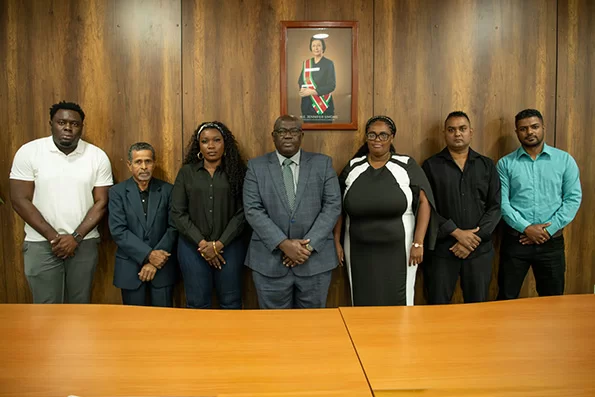
    Suriname’s state-owned Shipping Corporation (SMS) is undergoing a strategic transformation under new leadership, with Transport Minister Raymond Landveld outlining an ambitious vision for the company’s role in the nation’s emerging oil and gas sector. During the official installation of the new Board of Commissioners at the Cabinet of the President on Tuesday, Minister Landveld emphasized the corporation’s shifting focus from traditional vessel operations toward specialized services including bunkering operations for Staatsolie N.V.

    The minister highlighted significant opportunities arising from Suriname’s growing oil and gas developments, noting that maritime transport will play a crucial role in supporting extraction operations. “With increased gas and oil exploitation underway, vessels will become essential transportation assets,” Landveld stated, pointing to the sector’s potential for substantial growth.

    A key development mentioned was the November 2025 agreement between Suriname and French Guiana concerning the ferry La Gabrielle, which currently facilitates cross-border transportation with SMS personnel operating the vessel. Landveld also identified pressing needs for expanded domestic ferry services, particularly between Paramaribo and Meerzorg in Commewijne, where existing smaller ferries struggle to meet commuter demand.

    However, the minister acknowledged significant challenges in vessel acquisition and operational readiness. “Substantial investments are required for cargo transport to drilling platforms,” he noted, referencing aging vessels that demand considerable resources to become service-ready.

    The newly appointed board, led by President-Commissioner Lenie Josafath-Eduards, includes members Richenel Vrieze, Ritesh Khoesial, Charisma Bijlhout, Ajay Piarelal, Ceraïf Petres, and Geving Weeks. Their primary mandates include optimizing financial management and capitalizing on emerging opportunities within the maritime sector.
  • President Abinader receives Michel Camilo and Berklee College of Music delegation

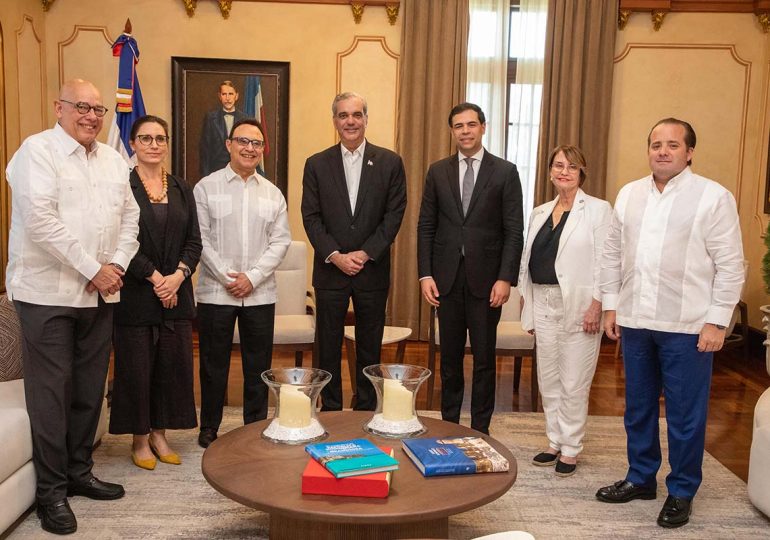
    President Abinader receives Michel Camilo and Berklee College of Music delegation

    SANTO DOMINGO – In a significant cultural development, Dominican President Luis Abinader hosted an eminent delegation at the National Palace, featuring world-renowned pianist Michel Camilo and officials from Boston’s Berklee College of Music. The high-profile gathering served to evaluate advancements within the groundbreaking ‘Berklee in Santo Domingo 2026’ initiative, a collaborative effort designed to cultivate exceptional musical talent across the Caribbean nation.

    The program represents an extraordinary educational opportunity, providing intensive training to over 200 meticulously selected students from a highly competitive applicant pool. These young musicians are receiving instruction directly from Berklee’s distinguished faculty during the January 5-10 intensive session. As a highlight of the program, Maestro Camilo will conduct an exclusive masterclass at the National Theater on January 7, offering participants invaluable insights from his illustrious international career. The most promising participant will receive the program’s pinnacle award: a comprehensive scholarship to pursue studies at Berklee’s main campus in the United States.

    This ambitious cultural-educational project operates through a strategic alliance between Berklee College and several Dominican institutions, including the Ministry of Culture, the National School of Fine Arts, and the National Conservatory of Music. The collaboration signals a substantial investment in cultural infrastructure and demonstrates the administration’s dedication to creating international pathways for Dominican artists. The initiative not only enhances artistic education but also strengthens the global cultural presence of the Dominican Republic, positioning the nation as an emerging hub for musical excellence in the Caribbean region.

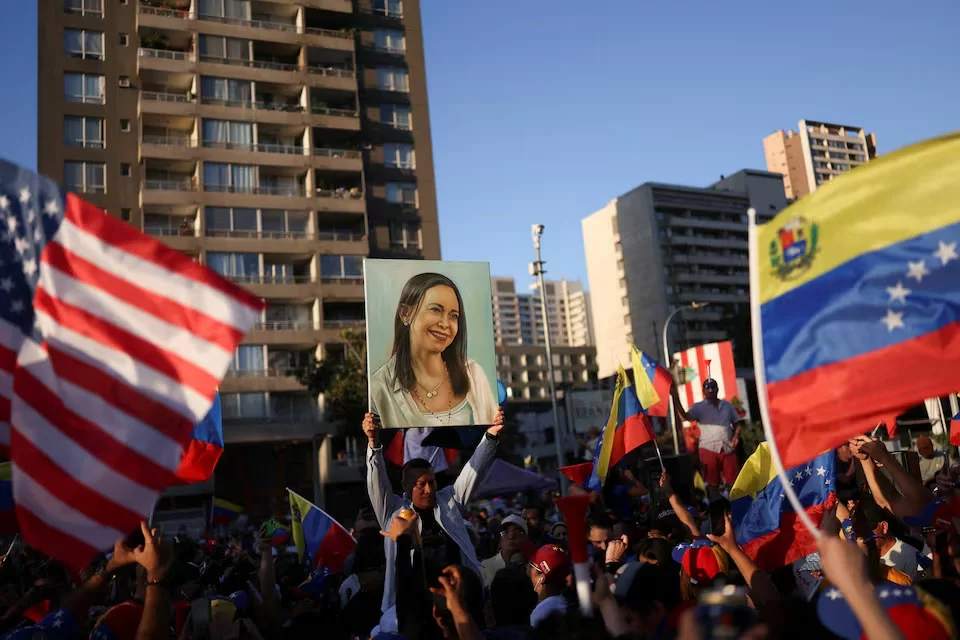
  • Machado belooft snelle terugkeer en prijst Trump na val Maduro

    Machado belooft snelle terugkeer en prijst Trump na val Maduro

    Venezuela faces a complex political transformation following the dramatic removal of President Nicolás Maduro by US forces. Opposition leader Maria Corina Machado has announced her imminent return to the country, expressing confidence in her movement’s ability to secure overwhelming electoral victory in free elections. The 58-year-old Nobel Peace Prize recipient, who fled Venezuela in October, praised President Donald Trump’s “courageous vision” in dismantling what she termed Maduro’s “narcoterrorist regime.

    Despite these developments, significant uncertainties persist. The Trump administration appears to be pursuing cooperation with interim President Delcy Rodríguez and other high-ranking officials from Maduro’s government—a strategy that has caused disappointment among opposition factions. This approach, reportedly advised by CIA officials, aims to maintain stability during the transition period.

    Machado faces ongoing legal challenges, including investigations for allegedly inciting military rebellion. She has vehemently criticized Rodríguez, accusing her of designing systems of torture, corruption, and drug trafficking while serving as Maduro’s liaison with allies Russia, China, and Iran.

    The economic dimension adds further complexity, with Venezuelan and US officials discussing resuming oil exports to American refineries. Venezuela’s oil sector, possessing the world’s largest reserves of approximately 303 billion barrels of heavy crude, has suffered years of decline due to mismanagement, underinvestment, and sanctions.

    International reactions remain divided. Russia, China, and Venezuela’s regional allies have condemned the intervention—the largest US military action in Latin America since the 1989 Panama invasion. Meanwhile, UN human rights officials warn that the operation sets a concerning precedent that powerful nations may act without international consensus.

    As Venezuelan authorities patrol streets and report military casualties from the operation, the nation stands at a crossroads between potential democratic restoration and continued political instability.

  • An immune shield for our elderly

    An immune shield for our elderly

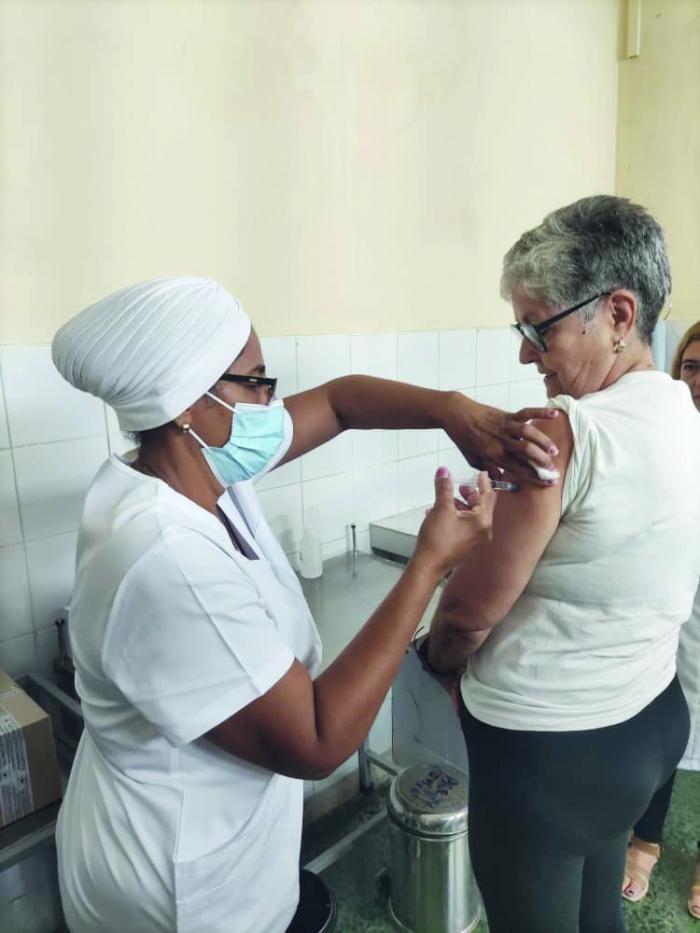
    Cuban health authorities have launched a groundbreaking medical intervention utilizing domestically developed Biomodulin-T to combat the Chikungunya virus outbreak, particularly targeting vulnerable elderly populations. The initiative, centered at Havana’s Abelardo Ramírez polyclinic, represents a scientifically rigorous approach to addressing both prevention and treatment of the virus’s debilitating inflammatory sequelae.

    The strategic focus on seniors aged 70-74 stems from their heightened vulnerability due to immunosenescence—the natural aging process of the immune system that reduces infection resistance while increasing inflammatory responses. According to Dr. Alexis Labrada Rosado, Research and Development Director at Cuba’s National Center for Biopreparations (BioCen), this physiological phenomenon necessitates specialized immunological interventions for optimal protection.

    Biomodulin-T operates through a sophisticated mechanism that enhances the body’s adaptive immune response rather than directly attacking the virus. The immunomodulator regenerates T-cells—the immune system’s memory components—effectively priming the body’s defenses to better control viral replication and mitigate disease severity. This approach potentially reduces both acute symptoms and long-term complications.

    The study employs innovative comparative methodology, pitting Biomodulin-T against its Belarusian analogue Timalin across two distinct administration regimens: an experimental short-cycle (5 days) and an established extended protocol (6 weeks) previously validated during COVID-19 pandemic response. Nearly 700 participants are enrolled in this real-world assessment, selected based on the community’s high elderly demographic density and recent arbovirus activity.

    Notably, the intervention extends beyond preventive measures to therapeutic applications for existing Chikungunya sufferers experiencing persistent joint inflammation and arthralgia. The drug’s three-decade safety record in treating pediatric thymic hypoplasia and ongoing oncology applications provides substantial confidence in its risk profile, with researchers noting minimal adverse reactions historically.

    This comprehensive strategy exemplifies Cuba’s integrated approach to public health challenges, combining preventive care with therapeutic innovation while generating valuable scientific data for future epidemiological responses. The initiative operates under strict ethical supervision and regulatory oversight, potentially establishing new protocols for arbovirus management globally.

  • Cuba: Failed state or state desired by the empire?

    Cuba: Failed state or state desired by the empire?

    The persistent characterization of Cuba as a ‘failed state’ by United States authorities presents a profound contradiction when examined against the island nation’s documented achievements across multiple sectors. Despite facing what historians describe as the longest-running economic embargo in modern history, Cuba maintains globally recognized education and healthcare systems that serve as models for developing nations.

    The Caribbean nation’s scientific capabilities were demonstrated during the COVID-19 pandemic through the rapid development of sovereign vaccines, while its cultural contributions continue through internationally acclaimed ballet companies, literary figures, and athletic achievements across more than 15 Olympic disciplines.

    This disparity between perception and reality stems from a deliberate campaign of economic warfare dating to 1961, including the failed Bay of Pigs invasion and Operation Mongoose. Declassified documents reveal extensive covert operations encompassing 32 specific tasks targeting Cuba’s economy, political stability, military infrastructure, and psychological welfare. Biological warfare tactics included introducing sugarcane rust, African swine fever, tobacco blue mold, and even hemorrhagic conjunctivitis targeting agricultural workers.

    Contemporary pressure mechanisms include comprehensive financial restrictions preventing fuel imports, inclusion on the State Sponsors of Terrorism list, and systematic obstruction of medical resources including life-saving oxygen during pandemic emergencies. Recent statements from former President Donald Trump regarding Cuba’s hypothetical collapse following Venezuelan sanctions reinforce this persistent regime change agenda.

    Despite creating severe energy shortages that impact industrial production and household welfare, Cuba maintains functional governance structures absent the power vacuum characterizing genuine failed states. Canadian political scientist Kalevi Holsti’s definition of state failure as inability to generate loyalty suggests Cuba’s resilience stems from maintained public support despite external pressure. The nation’s continued stability amidst unprecedented economic warfare represents not failure but remarkable endurance against hegemonic power.

  • Foreign Minister says U.S. planes in Dominican Republic did not join operation against Maduro

    Foreign Minister says U.S. planes in Dominican Republic did not join operation against Maduro

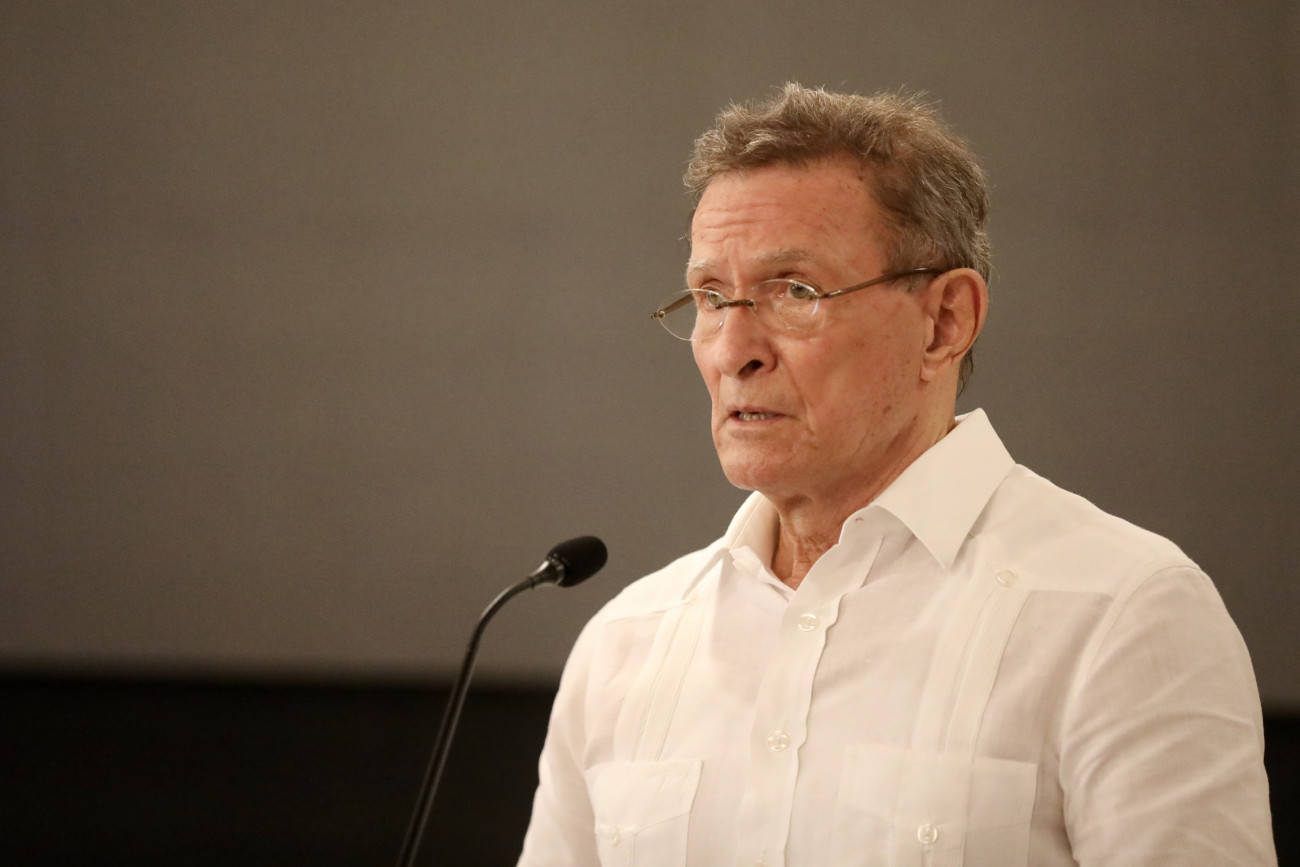
    SANTO DOMINGO – The Dominican Republic has formally denied any involvement in military operations targeting Venezuelan leadership, with Foreign Minister Roberto Álvarez providing detailed clarifications regarding U.S. aircraft operations from Dominican airports. Minister Álvarez emphasized that U.S. aircraft stationed in the country serve exclusively as refueling platforms for counter-narcotics missions throughout the Caribbean region, not as combat-ready fighter jets capable of engaging in military operations.

    In response to media inquiries, Álvarez categorically stated that ‘at no time has there been any activity other than the fight against drug trafficking’ from Dominican territory, directly refuting speculation that the nation’s airports might have facilitated military actions connected to Venezuela’s political situation. The Foreign Minister’s remarks come amid intensified regional scrutiny following recent developments involving Venezuelan leadership.

    Beyond operational clarifications, Álvarez reaffirmed the Dominican Republic’s diplomatic stance, calling for the international community to support the Venezuelan people’s pursuit of establishing a legitimate, democratic government that would earn international recognition. This position aligns with broader regional efforts to promote political stability through diplomatic channels rather than military intervention.

    The timely clarification addresses mounting concerns about potential regional escalation and demonstrates the Dominican government’s commitment to transparency amid circulating misinformation. Officials emphasized that all military cooperation with international partners remains strictly confined to counter-narcotics operations, with no deviation from this mandate throughout their collaborative efforts.

  • Rodrigues rejects WIN’s corruption allegations over Florida house purchase

    Rodrigues rejects WIN’s corruption allegations over Florida house purchase

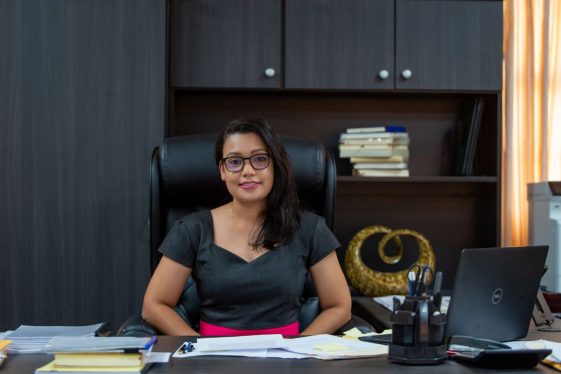
    Guyana’s Minister of Trade, Tourism, Industry and Commerce, Susan Rodrigues, has publicly refuted corruption allegations regarding her acquisition of a Florida property, asserting that the purchase was legitimately financed through mortgage arrangements and rental income. The allegations were initially raised by Azruddin Mohamed, the United States-sanctioned leader of the We Invest in Nationhood (WIN) party.

    In a detailed Facebook post on Tuesday, Rodrigues acknowledged ownership of one Florida property at 8601 NW 46th Ct. Lauderhill through a company in which she holds shares, while dismissing claims of owning three additional properties. She presented an annual tax and interest statement indicating an outstanding mortgage principal of US$378,000 as of December 31, 2024, though she did not confirm Mohamed’s claim that the property was purchased for US$540,000 in March 2024.

    The minister explained that the property was acquired with financing from AD Mortgage, a U.S. financial institution, and is currently rented out with the income servicing the mortgage obligations. Rodrigues emphasized that all her overseas assets have been properly declared to Guyana’s Integrity Commission, and she complies with enhanced banking requirements as a Politically Exposed Person.

    The political opposition, including the 12-seat APNU coalition and the 16-seat WIN party, has seized on the allegations, demanding Rodrigues’ resignation and independent investigations into ministers’ wealth accumulation. WIN specifically questioned the effectiveness of anti-money laundering laws when senior officials can acquire luxury properties without consequence.

    Rodrigues countered that Mohamed’s allegations represent a ‘desperate narrative’ and highlighted the irony of corruption accusations coming from someone facing extradition proceedings to the United States for alleged mail fraud, wire fraud, and money laundering related to gold trading activities.

    The minister also addressed additional properties mentioned by Mohamed, denying ownership of a residence at 946 Herstelling and clarifying that her partner owns the land dating to 2016. Similarly, she refuted claims of owning a Georgetown gas station, explaining that her partner operates the business on property owned by Shell Antilles and Guianas Limited since 1962.

  • OAS-topman Ramdin roept lidstaten op tot gezamenlijke actie rond Venezuela

    OAS-topman Ramdin roept lidstaten op tot gezamenlijke actie rond Venezuela

    WASHINGTON – Organization of American States (OAS) Secretary General Albert Ramdin has issued a compelling call for transformative action regarding Venezuela’s ongoing political crisis. Speaking before the OAS Permanent Council during a special session addressing recent developments in Venezuela, Ramdin emphasized that the regional body must evolve beyond mere declaratory forums into a mechanism for coordinated, principled, and sustained intervention.

    Ramdin articulated that multilateralism and inter-American cooperation have become indispensable in an increasingly complex global landscape. He underscored that the OAS Charter and inter-American legal framework constitute binding obligations rather than voluntary guidelines for member states. The Secretary General asserted that when democratic principles, human rights, and fundamental tenets of international law face erosion, the hemisphere must respond with collective action.

    Expressing profound solidarity with the Venezuelan population, Ramdin characterized support for Venezuela as both a moral imperative and strategic necessity. “A stable, democratic, and prosperous Venezuela serves the interests of all member states,” he declared, emphasizing the inalienable right of Venezuelans to determine their government and leadership through representative democratic processes.

    While advocating for robust engagement, Ramdin cautioned member states against actions that might exacerbate tensions or deepen regional divisions. He highlighted the strength of the inter-American system lies in nations’ ability to collaborate constructively despite divergent political and ideological perspectives.

    The OAS stands prepared to play an active role within its mandate, respecting principles of sovereignty and non-intervention. Ramdin positioned the organization as a potential “honest broker” capable of facilitating dialogue and mediation to reduce tensions and promote peaceful solutions – provided such assistance is requested by member states and Venezuela.

    Additionally, Ramdin confirmed the OAS will maintain its monitoring of Venezuela’s human rights situation and continue publicly identifying violations, with particular attention to political prisoners. He reiterated support for the Inter-American Commission on Human Rights’ request to conduct an on-site visit to Venezuela.

    The Secretary General outlined concrete OAS mechanisms available to support democratic restoration, including facilitating inclusive dialogue among Venezuelan stakeholders, strengthening democratic institutions and rule of law, supporting structural reforms, and assisting with electoral preparation and observation. The organization could also provide support regarding migration challenges and vulnerable populations in coordination with international partners.

    Ramdin concluded with grave concern about recent reports of repression and political persecution, stating that “repression cannot be tolerated anywhere in the hemisphere.” He urged continued collective engagement, open communication, and peaceful lawful solutions benefiting both Venezuela and regional stability.

  • When sanctions enforcement creates new risks for shipping – Splash247

    When sanctions enforcement creates new risks for shipping – Splash247

    The global shipping industry faces mounting pressure to combat illicit trade practices, placing international ship registries at the center of an escalating regulatory paradox. According to Graeme Morkel, Deputy International Registrar of Shipping and Seamen at the St Kitts and Nevis International Ship Registry, flag states are increasingly caught between enforcement obligations and operational risks.

    Sanctions evasion, flag hopping, and complex ownership structures have evolved from peripheral concerns to critical challenges threatening the integrity of the global fleet and the credibility of maritime administrations. While open registries are frequently characterized as part of the problem, many have actually become frontline enforcers in the battle against illegal shipping practices.

    A fundamental tension has emerged through recent stakeholder engagements: flag states cannot simultaneously serve as enforcement agents and bear sole responsibility for consequences. Registries are now expected to execute intelligence-driven decisions carrying significant operational and human impacts, yet the supporting frameworks surrounding these decisions remain underdeveloped.

    Progress has emerged through collaborative initiatives like the Registry Information Sharing Compact (RISC), which enables flag states to exchange intelligence regarding vessels denied registration or under sanctions investigation. This mechanism addresses the deliberate strategy of flag hopping—where operators shift registrations to avoid compliance scrutiny—rather than treating it as merely an administrative loophole.

    Modern registries maintain close cooperation with international enforcement and intelligence agencies, frequently making registration decisions based on directives from organizations specializing in sanctions enforcement and national security. However, when vessels are removed from registries following such directives, the action is often mischaracterized as abandonment, wrongly attributing responsibility to the flag state.

    This misrepresentation creates dangerous operational and reputational risks. Enforced removals conducted in support of sanctions compliance constitute legitimate regulatory actions, not abandonment. The current disconnect underscores the urgent need for clearer alignment between the United Nations, International Maritime Organization, and flag states regarding definitions and communications protocols.

    Encouragingly, international recognition of this imbalance is growing. Discussions regarding sanctions frameworks and enhanced IMO cooperation indicate increasing awareness that effective enforcement requires shared responsibility and consistent accountability. The fight against illicit maritime trade ultimately depends on trust, transparency, and cooperation—with flag states requiring consistent support when implementing difficult enforcement decisions.

  • De zaak-Maduro is geen drugszaak — het is een aanval op staatsimmuniteit

    De zaak-Maduro is geen drugszaak — het is een aanval op staatsimmuniteit

    The recent court appearance of Venezuelan President Nicolás Maduro and his wife before a federal judge in New York on January 5, 2026, has sparked profound legal and diplomatic concerns that extend far beyond a simple criminal proceeding. This case represents a pivotal moment for international legal principles governing sovereign immunity and the limits of national jurisdiction.

    At the heart of the matter lies the established doctrine of immunity ratione personae, which grants sitting heads of state, government leaders, and foreign ministers personal immunity from criminal prosecution by foreign national courts. This protection exists not to place leaders above the law, but to prevent judicial systems from becoming instruments of geopolitical retaliation. The immunity is procedural in nature—it blocks prosecution while the leader remains in office, without consideration of moral or political factors.

    The United States has attempted to circumvent this principle through a semantic maneuver centered on recognition. The argument suggests that those no longer recognized by Washington as legitimate leaders automatically forfeit their immunity. However, this approach dangerously conflates political recognition—a discretionary act—with the legal consequences of sovereignty. Immunity derives from the office itself, not from the political preferences of third-party states.

    Even accepting the US claim of jurisdiction based on extraterritorial drug laws, immunity remains an absolute barrier. Jurisdiction and admissibility are distinct concepts—the ability to apply a law does not grant carte blanche to prosecute anyone. The proper legal sequence requires addressing immunity before substance, a sequence notably ignored in this case.

    Previous US precedents involving figures like Noriega provide weak foundation for such a significant legal intervention. Unlike Noriega, Maduro exercised effective power, received international recognition from multiple states, and functioned as Venezuela’s head of state. Washington’s political attempt to redefine his status cannot override established principles of international law.

    The manner of Maduro’s appearance in US custody—whether termed capture, law enforcement operation, or abduction—carries legal significance. The domestic US doctrine that unlawful transfer does not impede prosecution holds no weight in international law regarding immunity questions. One cannot purify a proceeding by first violating the law and then asserting judicial competence.

    This case does not suggest that heads of state should never face accountability. Appropriate mechanisms exist through international courts or post-term prosecution. This distinction protects not individuals but the international legal system itself. Destroying the system to prosecute one individual normalizes a world where powerful nations can criminalize political opponents through their judicial systems.

    The potential consequences are both predictable and dangerous. If the US legitimizes this approach, it invites reciprocal actions from other nations. Today Venezuela, tomorrow another nation. National courts would become tools of geopolitical conflict, transforming international law from a protective shield into an à la carte menu selected according to political convenience.

    The inescapable conclusion remains: as long as Maduro qualifies as a sitting head of state, the US prosecution is inadmissible. This position reflects not the severity of alleged crimes but the necessary requirements of legal order. The alternative is arbitrariness—and arbitrariness marks the end of meaningful law.