作者: admin

  • Consett Bay fisherfolk upset over unannounced market repairs

    Consett Bay fisherfolk upset over unannounced market repairs

    Fishermen and vendors at Barbados’ Consett Bay Fish Market are expressing profound frustration over poorly timed facility renovations that have severely disrupted their operations just weeks before the critical Easter season. The unexpected maintenance work, initiated without prior notification, has forced seafood processors to operate outside designated areas, compromising both workflow efficiency and hygiene standards.

    According to seasoned market operators with over two decades of experience, the disruptive renovations commenced unexpectedly following a two-week fishing hiatus caused by rough sea conditions. Vendors returned to the market anticipating resumed operations, only to discover painting and improvement activities already in progress within essential processing zones, including ice storage and fish preparation areas.

    The timing of these renovations has drawn particular criticism from the fishing community. Industry representatives note that the July-October seasonal fishing closure would have presented an ideal window for conducting maintenance with minimal operational impact. Instead, the current timing coincides with the pre-Easter period when seafood demand traditionally surges, creating significant economic pressure on vendors.

    While acknowledging the necessity of market improvements, vendors emphasize the critical importance of coordinated planning. “We fully support facility enhancements,” stated one representative, “but implementation must consider our livelihood requirements. This is our daily sustenance, and disruptions during peak season directly affect our economic stability.”.

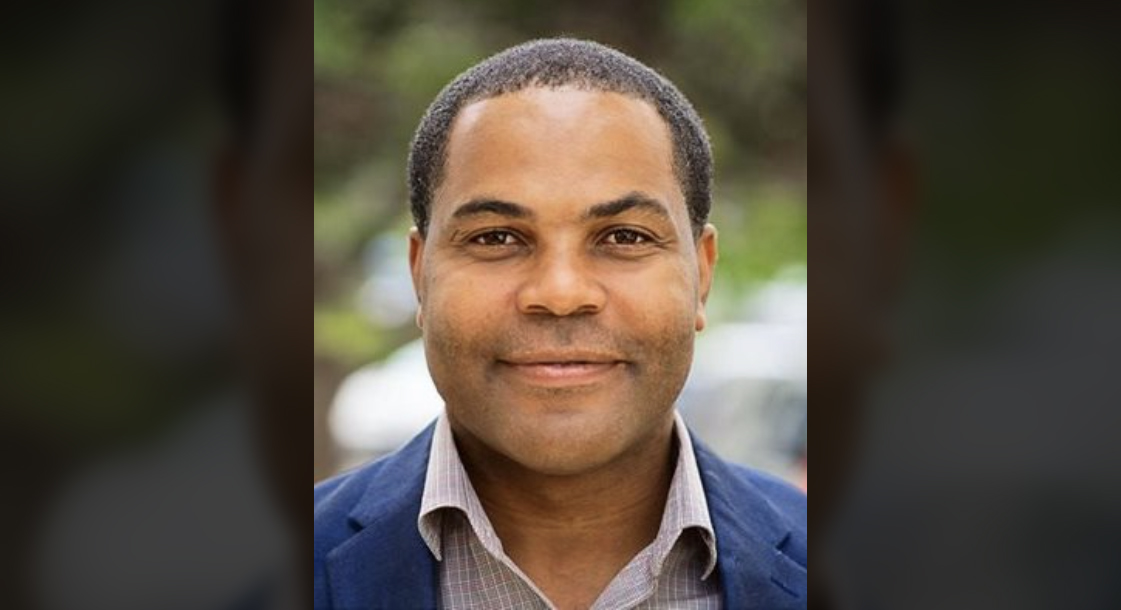
    In response to these concerns, Eric Lewis, Senior Manager of Fish Markets, provided reassurances regarding the project’s limited scope and duration. Characterizing the work as primarily cosmetic painting following recent roof repairs, Lewis emphasized that vendors would experience minimal dislocation. “This is a brief process requiring just a few days,” he stated, “with designated work areas remaining available. The improvements constitute minor enhancements rather than major structural work, ensuring no significant operational interruptions.”

    Despite these assurances, vendors remain apprehensive about potential Easter season impacts. The community continues advocating for improved communication protocols and strategic scheduling of future maintenance activities to balance infrastructure improvements with economic considerations.


  • FEDDA, ​​Omar Fernández and Listín Diario will promote “Crusade for Animals” in the National Congress

    FEDDA, ​​Omar Fernández and Listín Diario will promote “Crusade for Animals” in the National Congress

    A major legislative initiative to combat animal cruelty is gaining momentum in the Dominican Republic. The Dominican Federation for Animal Rights (FEDDA), in collaboration with Senator Omar Fernández and the newspaper Listín Diario, has officially launched the “Crusade for Animals” campaign. This national advocacy day, to be held at the National Congress, marks a concerted effort to reform and fortify Law 248-12 on Animal Protection and Responsible Ownership.

    The announcement was made during FEDDA’s third-anniversary event, which also saw the debut of a complementary national campaign, “Report Animal Abuse,” designed to encourage citizens to responsibly report cases of neglect and violence against animals. The event was spearheaded by FEDDA President Lorenny Solano, Senator Fernández, and Listín Diario Director Miguel Franjul.

    Senator Fernández provided critical context, revealing that the legislative reform process began in 2021. While there is broad consensus on its necessity, he cited bureaucratic delays as the primary reason for the prolonged timeline. He expressed optimism for approval in the current legislative session, emphasizing the public’s growing awareness and the urgent need for clear institutional mechanisms to address abuse cases. “I will be the happiest person the day that… we know exactly which authority should act,” Fernández stated.

    Miguel Franjul of Listín Diario underscored the media’s role in holding Congress accountable, asserting that societal demand for the law has reached a critical mass. “The time has come for Congress to listen to these demands and make them a reality,” he addressed the audience.

    FEDDA President Lorenny Solano clarified the organization’s strategic focus on driving structural change rather than direct rescue operations. Their mission is to influence public policy, secure state funding for animal protection, and build a more empathetic society. Solano highlighted that animal welfare has historically been a low priority for the state and pointed to specific initiatives, such as efforts to remove horse-drawn carriages from tourist areas like the Santiago Monument.

    The event also featured a virtual lecture from economist Juan Ariel Jiménez at Harvard University on building sustainable models to support rescuers. Furthermore, FEDDA unveiled its “Vision 2026–2030,” a comprehensive set of policy proposals, and announced a push for formal recognition of service animals for people with disabilities. The campaign enjoys broad institutional support from the Public Prosecutor’s Office and various civil society organizations.

  • Nieuwe lichting ambassadeurs moet internationale positie Suriname versterken

    Nieuwe lichting ambassadeurs moet internationale positie Suriname versterken

    In a significant diplomatic ceremony held at the Presidential Palace on Friday, President Jennifer Simons officially sworn in nine new ambassadors who will represent Suriname across multiple nations and international organizations. The event marks the commencement of a fresh phase in Suriname’s foreign diplomatic appointments aimed at strengthening bilateral cooperation and advancing national interests globally.

    Among the newly appointed ambassadors are Vanessa Tsin-Jie Li (Beijing, China), Pearl Aprasong-Paulus (Paris, France), Genia Lank-Corinde (Havana, Cuba), Marciano Armaketo (Brussels, Belgium), Ike Antonius (Brasília, Brazil), Hanisha Jairam (New Delhi, India), and Georgette Elias (Caracas, Venezuela). Additionally, Marlon Mohamed-Hoesein assumes the role of Ambassador to Washington D.C. and will serve as Permanent Representative to the Organization of American States (OAS), while Michel Kerpens is designated as Suriname’s representative to the United Nations in New York.

    President Simons emphasized the critical importance of professional and results-oriented diplomacy during her address. She urged the ambassadors to actively promote Suriname’s interests in international cooperation, trade, investment, and development. The head of state outlined clear expectations for the new envoys to deepen diplomatic and political relations with host countries while simultaneously contributing to investment attraction and economic diversification efforts.

    The president further highlighted the ambassadors’ role in cultural and societal representation, stating, “You are expected to keep Suriname’s potential and the ideals of our nation in mind throughout your duties.” She called for an assertive, outcome-driven approach underpinned by open communication and close collaboration with both Surinamese and foreign partners.

    Ambassador Ike Antonius, speaking on behalf of the newly appointed diplomats, expressed gratitude and acknowledged the weight of their responsibilities. “We accept this appointment not merely as a position, but as a mission to represent our country with dignity and professionalism,” he stated.

    The ceremony was attended by Vice President Gregory Rusland and Minister of Foreign Affairs, International Trade, and Cooperation Melvin Bouva, reflecting the government’s unified support for these strategic diplomatic assignments.

  • UWI economists differ on govt’s fiscal path

    UWI economists differ on govt’s fiscal path

    As Barbados’ Mia Mottley administration prepares to unveil its 2026 Financial Statement and Budgetary Proposals, prominent economists from the University of the West Indies present contrasting visions for the nation’s fiscal direction. The debate emerges alongside recognition that several measures from last year’s budget have successfully reached ordinary citizens.

    Dr. Ankie Scott-Joseph, economics lecturer at Cave Hill, advocates for prioritizing revenue generation through productive industries rather than over-relying on tourism. She emphasizes tourism’s vulnerability to geopolitical uncertainties, citing the recent departure of Trinidadian conglomerate ANSA McAL as evidence of sector instability. Dr. Scott-Joseph warns that this over-reliance will inevitably pressure value-added tax (VAT) and tourism income, necessitating accelerated investment in renewables and manufacturing to build economic resilience.

    The economist acknowledges positive trickle-down effects from the 2025 Budget, specifically highlighting workers’ empowerment initiatives that increased job opportunities and wages, thereby enhancing purchasing power for lower-income earners. She also recognizes improvements in public health infrastructure, though notes these focused more on physical facilities than disease control.

    In contrast, Dr. Antonio Alleyne identifies crime reduction as the paramount priority, arguing that without addressing security concerns, all other economic initiatives will prove ineffective. He contends that crime directly threatens tourism revenue and consequently undermines diversification efforts. While acknowledging debt management progress—with levels now below 100% of GDP—Dr. Alleyne urges authorities to exploit this favorable window for strengthening social programs and maintaining currency stability.

    The 2025 Budget introduced several significant measures including: a Resilience and Regeneration Fund replacing the Catastrophe Fund; new taxes on salted snacks alongside duty-free fruits; reduced corporation tax on residential mortgages; enhanced union fee allowances and automatic minimum wage increases; extended reduced VAT on household electricity; and cuts to regional travel charges.

  • More Gas Pains as Motorists Cry for Relief at the Pumps

    More Gas Pains as Motorists Cry for Relief at the Pumps

    Belizean motorists are confronting severe economic strain as fuel prices skyrocketed overnight by more than ten percent, exacerbating existing financial pressures from the rising cost of living. This abrupt increase directly results from escalating geopolitical tensions in the Middle East, particularly involving Israel, the United States, and Iran, which have disrupted global oil markets.

    The critical Strait of Hormuz, a maritime passage responsible for nearly twenty percent of worldwide oil shipments, faces potential closure due to ongoing conflicts. Consequently, international crude oil prices have surged between ten to thirteen percent, with U.S. gasoline prices climbing nearly twenty percent. These global developments have now directly impacted Belize’s local economy.

    Prime Minister John Briceño acknowledged the inevitability of this price hike, stating, ‘The unrest in Iran and the threat to the Strait of Hormuz created expected pressure on fuel costs. Belizeans have been anticipating this increase as international markets reacted.’

    Despite government explanations, motorists express profound frustration. Interviews reveal widespread distress among drivers, including tourism workers and dollar van operators who report operating at a loss. Many are implementing personal austerity measures—reducing routes, limiting trips, and pleading for government intervention.

    While some citizens recognize the global nature of the crisis, they simultaneously urge authorities to consider relief measures for vulnerable populations. The Prime Minister cautioned that reducing fuel taxes to alleviate pressure would consequently strain public finances, potentially affecting government services and upcoming public sector salary increases scheduled for April 1st.

    Economists warn that continued instability in oil-producing regions may trigger further price increases, potentially affecting electricity costs and broader economic sectors. Belizeans now face the challenging balance of adapting to higher expenses while hoping for stabilization in international markets.

  • JPAC Hearing Exposes Troubling Audit Pattern

    JPAC Hearing Exposes Troubling Audit Pattern

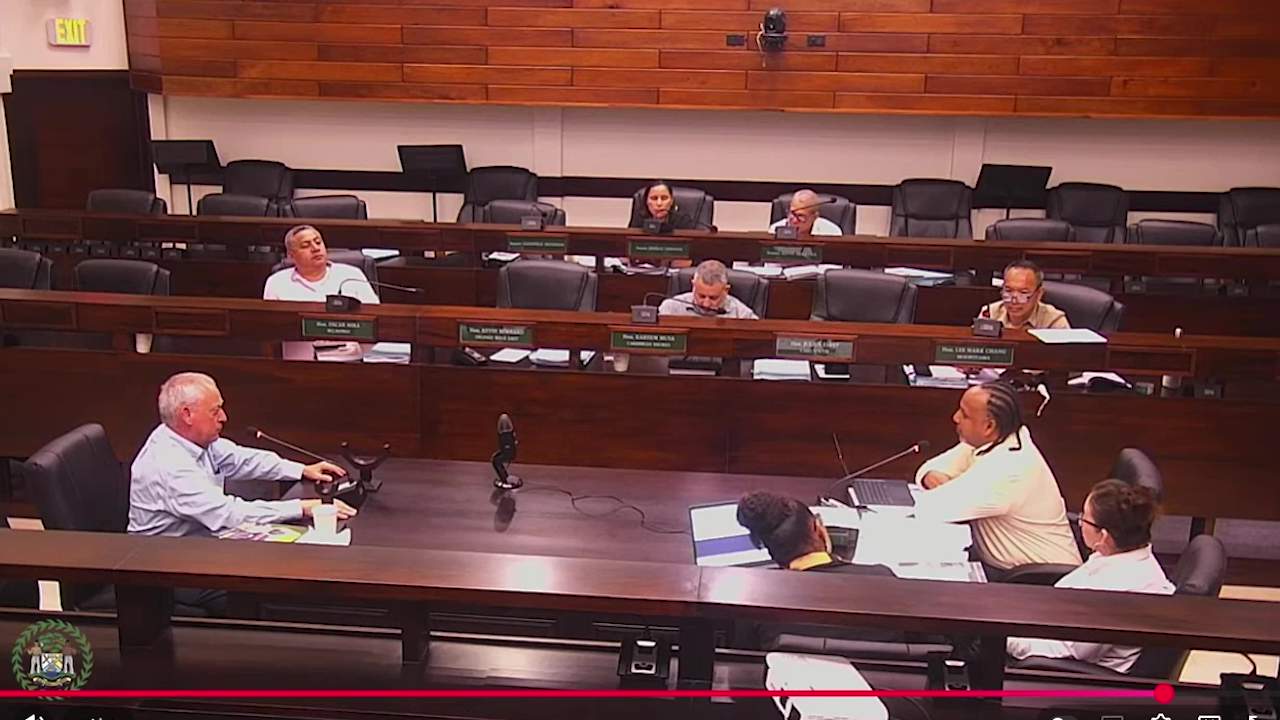
    A startling pattern of institutional obstruction against governmental oversight has been unveiled during the Joint Public Accounts Committee hearing, focusing on the Auditor General’s 2016/2017 report. Auditor General Maria Rodriguez testified that her office continues to encounter significant roadblocks when attempting to verify government expenditures, including missing documentation, uncooperative officials, and outright refusal to provide access to financial records.

    The hearing revealed that multiple government ministries failed to account for expenditures, with several CEOs failing to appear when summoned by auditors. Most alarmingly, Rodriguez confirmed these issues are not historical artifacts but persist today, creating a decade-long pattern of accountability failure.

    A specific case involved the Belize Defense Force’s Non-Public Funds, where auditors discovered a questionable 2016 transaction. The German military paid $152,000 to the BDF for training that was already funded by the Belize government. Despite triggering police and Financial Intelligence Unit investigations, no charges were ever filed.

    Even more concerning, Rodriguez revealed that her staff faced physical obstruction when attempting to audit taxpayer-funded agencies. Both the Belize Agricultural Health Authority and Border Management Authority denied auditors access to their financial accounts, prompting intervention from Financial Secretary Joseph Waight.

    Waight emphasized that all government officers bear responsibility for records on their desks, regardless of when transactions occurred. The committee chair expressed sharp criticism regarding the blocked audit attempts, while legal confirmation established that all parastatal organizations fall within the Auditor General’s jurisdiction.

    The hearing underscores a critical breakdown in Belize’s financial oversight mechanisms, with the Auditor General urging Cabinet intervention to ensure senior officials comply with accountability requirements.

  • Belize Advances Labor Reform with New Standards

    Belize Advances Labor Reform with New Standards

    The Central American nation of Belize has garnered significant international acclaim following its successful implementation of comprehensive labor reforms. The International Labor Organization (ILO) has formally commended Belize for fulfilling its constitutional obligations regarding workers’ rights, marking a milestone achievement in the country’s labor governance framework.

    In a significant administrative accomplishment, Belize’s Labor Department has successfully submitted a complete portfolio of international labor standards to the National Assembly. This extensive submission, completed in September 2025, encompassed 43 distinct labor Conventions, Recommendations, and Protocols dating back to 1990, effectively addressing years of pending international commitments.

    The reform initiative gained further momentum on March 10, 2026, when Labor Minister Kareem Musa presented three additional contemporary labor standards to the legislative body. These included the groundbreaking Safe and Healthy Working Environment Convention and the forward-looking Quality Apprenticeships Recommendation, both established in 2023.

    Minister Musa emphasized the government’s unwavering dedication to its ILO commitments, characterizing the international recognition as a testament to Belize’s progress in transparency, governance excellence, and enhanced worker protections. The ILO Committee of Experts confirmed this assessment, specifically acknowledging Belize’s complete compliance with Article 19 of the ILO Constitution.

    With these comprehensive submissions, Belize has now satisfied all outstanding international labor standard requirements. The Ministry of Labor has committed to maintaining this trajectory by continuing to advocate for dignified employment opportunities, strengthened labor governance mechanisms, and legislative frameworks that remain synchronized with evolving global standards.

  • Flowers Killing Reclassified as Self‑Defense

    Flowers Killing Reclassified as Self‑Defense

    In a stunning legal development, the Directorate of Public Prosecutions (DPP) has officially reclassified the fatal stabbing of Belize Defence Force (BDF) soldier Raheed Flowers as an act of self-defense. The ruling dramatically alters the course of a case that initially sent shockwaves through the community when reported as a violent homicide.

    The incident occurred on Gladden Street following a heated confrontation that turned physical. Initial police reports characterized the altercation as a fight that escalated tragically, resulting in Flowers sustaining multiple stab wounds. The individual responsible subsequently surrendered to authorities, anticipating murder charges.

    However, after examining substantial evidence and witness testimonies, the DPP concluded that the use of lethal force was justified under self-defense provisions. This determination means the suspect will face significantly reduced charges compared to the original murder accusation.

    Flowers, aged 29, served as a full-time musician with the BDF Band and had performed earlier on the day of his death. His unexpected passing has profoundly impacted his military colleagues, described by the Force as both sudden and deeply painful.

    The legal reversal has sparked renewed scrutiny regarding the precise sequence of events that transpired during the altercation, with investigators now working to reconstruct the circumstances that led to the self-defense determination.

  • ID Battle at the Center of Nah Triple‑Murder Trial

    ID Battle at the Center of Nah Triple‑Murder Trial

    The capital murder trial of former law enforcement officer Elmer Nah reached a critical evidentiary phase Thursday as prosecution and defense counsel presented diametrically opposed interpretations of forensic evidence before Justice Nigel Pilgrim. The 40-year-old defendant stands accused of executing three members of the Ramnarace family during a New Year’s Eve confrontation in Belmopan six years prior.

    Defense attorney Dr. Lynden Jones launched a meticulously constructed challenge against the prosecution’s evidentiary foundation, condensing voluminous case documents into a targeted sixteen-minute address. Jones contended that while acknowledging the horrific nature of the crimes, the prosecution had failed to establish Nah’s direct involvement through credible evidence. The defense’s central argument focused on disputing the reliability of eyewitness identification provided by surviving victim Vivian Ramnarace, who provided her initial account while receiving medical treatment.

    Jones asserted that Ramnarace’s identification stemmed from media exposure rather than firsthand recognition, noting the witness had no prior personal acquaintance with the accused. The defense further minimized the significance of circumstantial evidence including automotive components and footwear, maintaining these elements failed to establish definitive crime scene connection.

    Special Prosecutor Terrence Williams, appearing via remote connection, presented counterarguments emphasizing the integration of multiple evidence streams. Williams maintained that surveillance footage corroborated Ramnarace’s detailed account of the assailant’s physical characteristics, movement patterns, and weapon handling. The prosecution cited adherence to Turnbull guidelines regarding identification reliability and highlighted alleged inconsistencies in Nah’s accounts of his whereabouts during the critical timeframe.

    Williams concluded by asserting the prosecution’s evidence remained compelling even without exclusive reliance on eyewitness testimony, stating the collective evidentiary picture unequivocally identified Nah as the perpetrator.

  • Belize’s Long‑Time Medical Partnership with Cuba at Crossroads

    Belize’s Long‑Time Medical Partnership with Cuba at Crossroads

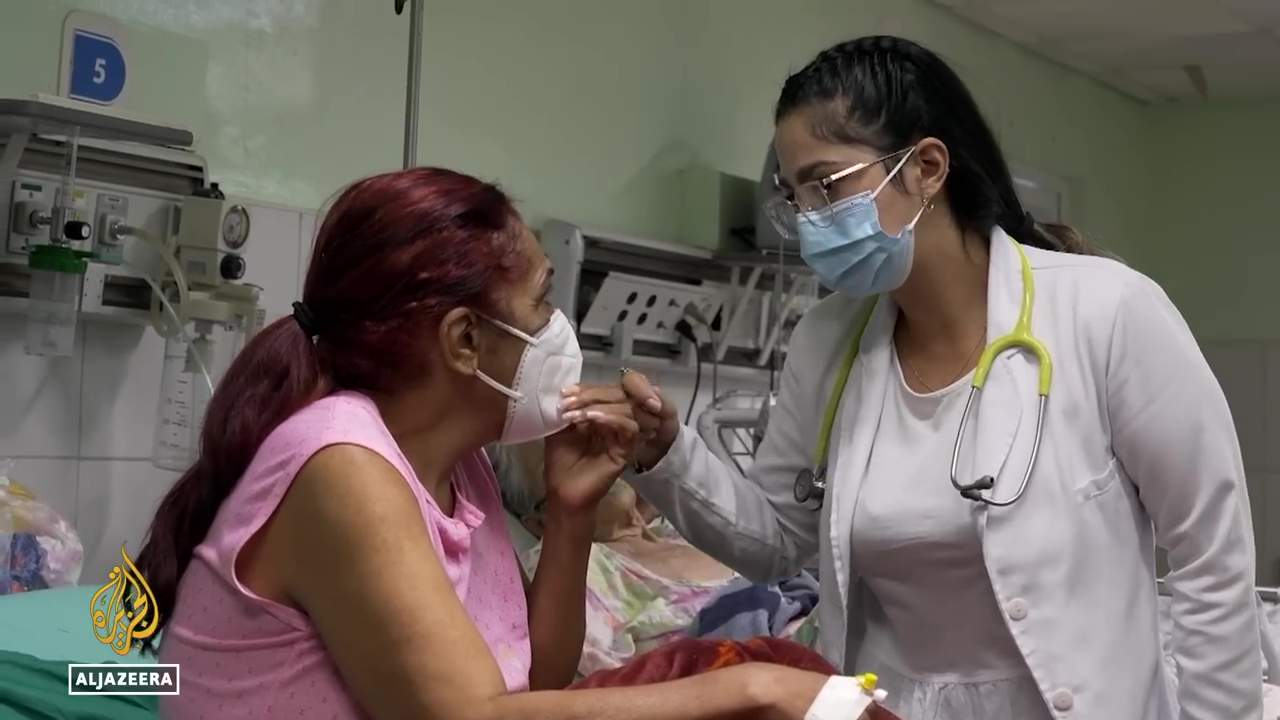
    The future of Belize’s vital healthcare collaboration with Cuba hangs in the balance as confidential diplomatic discussions unfold amid growing regional pressures. For decades, the Cuban Medical Brigade has served as a cornerstone of Belize’s healthcare system, but this longstanding partnership now faces unprecedented uncertainty.

    Prime Minister John Briceño has confirmed that “delicate negotiations” are currently underway regarding the medical program, though he declined to specify which parties are involved or what potential changes might be implemented. This unusual silence from government officials coincides with broader regional trends, as multiple Latin American nations reduce their reliance on Cuban medical personnel—a strategic shift widely interpreted as responding to intensified diplomatic pressure from the United States.

    The timing of these negotiations proves particularly consequential given Cuba’s escalating humanitarian crisis, which adds complex dimensions to the ongoing discussions. The Caribbean nation’s domestic challenges potentially impact its capacity to maintain international medical missions while addressing internal healthcare needs.

    Belizean citizens and healthcare professionals await clarity regarding whether these confidential talks will fundamentally alter the country’s medical infrastructure. The potential restructuring of this decades-old partnership could necessitate significant adjustments to Belize’s national healthcare strategy, potentially creating staffing gaps in remote and underserved communities that have historically depended on Cuban medical expertise.