作者: admin

  • Health Ministry the biggest ‘roadblock’ to NDP’s reinstatement policy — Boucher

    Health Ministry the biggest ‘roadblock’ to NDP’s reinstatement policy — Boucher

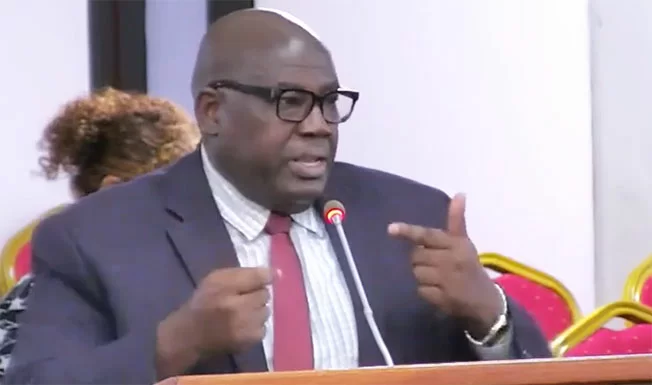
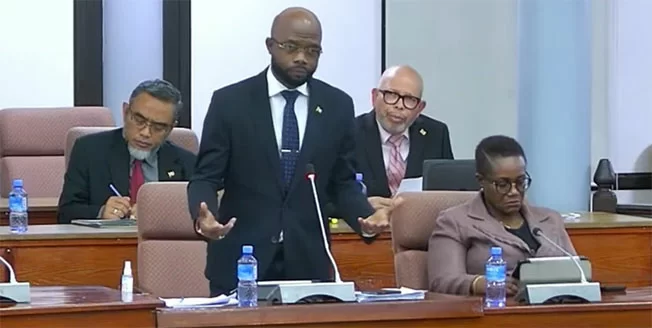
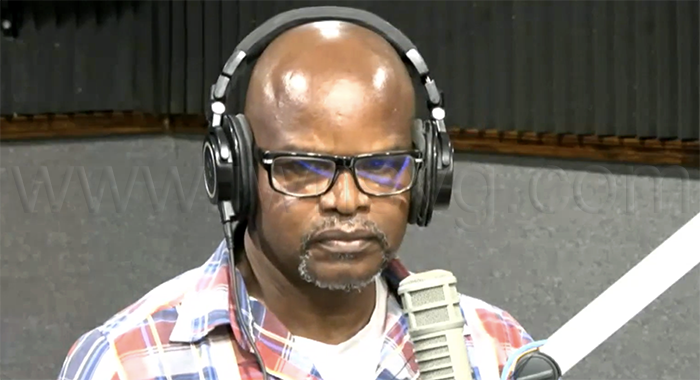
    A significant discrepancy has emerged between the St. Vincent government and the Public Service Union (PSU) regarding the reinstatement of public sector workers dismissed for non-compliance with the COVID-19 vaccine mandate. While Attorney General Louise Mitchell announced that nearly all of the 100 workers who resumed duties by the January 31 deadline have been placed, PSU President Elroy Boucher contends that 44 healthcare workers from the Ministry of Health remain in professional limbo, unable to return to their posts.

    The contentious issue stems from the November 2021 termination of hundreds of public workers under the previous Unity Labour Party (ULP) administration. The current New Democratic Party (NDP) government, elected on November 27, implemented a reinstatement policy with a January 31 deadline, resulting in 100 workers returning for reinstatement.

    Attorney General Mitchell stated that 92 of these 100 workers have already been placed in positions equivalent to those they held before dismissal, with official letters of resumption issued. However, Boucher’s investigation reveals a different reality within the healthcare sector, where 44 professionals—including three doctors, 11 staff nurses, multiple midwives, and various technical staff—face bureaucratic obstacles preventing their return.

    The union leader expressed particular frustration with the Ministry of Health’s handling of the reinstatements, noting that other sectors including education and police services experienced smooth transitions. Boucher described encountering “deliberate roadblocks” including outdated forms from the previous administration and concerns about legal implications raised by the Chief Medical Officer regarding positions not formally released by the Ministry of Finance.

    A special committee chaired by Mitchell and including union representatives has been established to address implementation issues. Despite consensus reached during the committee’s January 9 meeting and subsequent Cabinet approval of recommendations, healthcare workers continue to face reinstatement challenges. Boucher characterized the situation as “beyond ridiculous” and suggested deliberate efforts to frustrate the new administration’s policy implementation within the health ministry.

  • Abiamofo: situatie bij Zijin/Rosebel onaanvaardbaar – schade geschat op US$ 12,5 miljoen

    Abiamofo: situatie bij Zijin/Rosebel onaanvaardbaar – schade geschat op US$ 12,5 miljoen

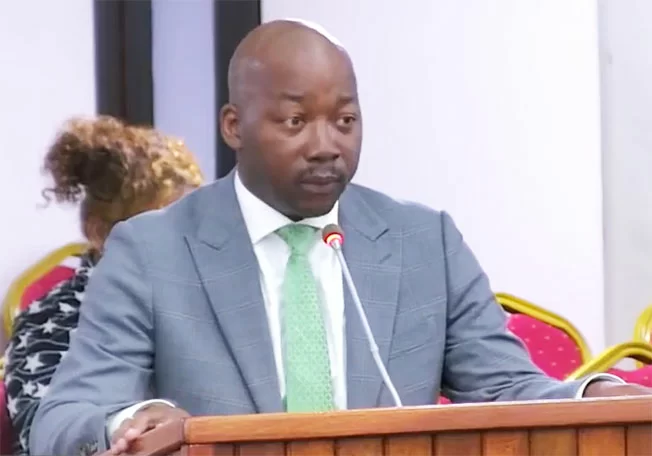
    Suriname’s Minister of Natural Resources David Abiamofo delivered a grave assessment before the National Assembly regarding the deteriorating security situation at Zijin/Rosebel Gold Mines, following a recent fatal incident that has exposed systemic vulnerabilities in the nation’s mining sector.

    The minister characterized the event as ‘unacceptable and extremely serious,’ revealing that trespassing incidents continue unabated with 30-40 unauthorized individuals detected on site as recently as Tuesday afternoon. Preliminary damage assessments indicate approximately $12.5 million in destruction, prompting considerations for a comprehensive ‘clean sweep’ operation to restore order.

    This crisis carries profound implications for both the Chinese-owned mining operation and the Surinamese government, which holds a minority stake in the venture. With gold production suspended indefinitely, the nation faces mounting revenue losses compounded each day operations remain halted.

    A high-level government delegation comprising ministers of Natural Resources, Defense, and Justice will travel to Brokopondo on Thursday for emergency consultations with company officials and local stakeholders. This intervention seeks to address security failures that Abiamofo noted stem from structural problems dating to the 1990s mining rights allocation.

    ‘The combination of extensive concession areas with embedded village communities created a recipe for problems from the outset,’ the minister acknowledged, referencing the decades-long struggle against illegal mining activities.

    Despite existing agreements with the New Koffiekamp village community that permit regulated artisanal mining under strict supervision, recent violations involve individuals operating completely outside these frameworks. Minister Abiamofo highlighted the extreme dangers of unauthorized personnel penetrating active mining zones, with some trespassers descending nearly 200 meters underground while heavy machinery remains operational.

    The economic stakes are substantial: approximately 1,600 Surinamese citizens work directly for the mine, while supporting industries and service providers account for an additional 3,000 jobs. Under mineral agreements, the state bears constitutional responsibility for maintaining security and order within concession areas.

    Assembly members unanimously endorsed urgent action, emphasizing that safety for both employees and local residents remains non-negotiable. The government has committed to providing comprehensive updates following this week’s fact-finding mission, with further security measures expected to be implemented imminently.

  • Man jailed for 8 months for stealing tyre shine

    Man jailed for 8 months for stealing tyre shine

    In a stern judicial ruling from St. Vincent and the Grenadines, Senior Magistrate Tamika McKenzie has sentenced 58-year-old carpenter Peter Dasouza to eight months and six days imprisonment for retail theft. The defendant appeared before the Kingstown court on Tuesday, just one day after committing the offense.

    Dasouza pleaded guilty to stealing two containers of HS Ultra Gloss Tire Shine valued at EC$69.99 from a Kingstown establishment. The Campden Park resident admitted to the charges without contestation during court proceedings.

    Beyond the custodial sentence, Magistrate McKenzie issued a restitution order mandating the return of the stolen automotive products to the retail store. The swift judicial processing—with sentencing occurring merely 24 hours after the crime—demonstrates the efficiency of the local justice system in handling straightforward criminal cases.

    The case highlights the judicial system’s approach to property crimes, particularly those involving admission of guilt. While the stolen items’ value might appear modest, the sentence reflects the court’s consistent methodology in applying penalties for theft offenses regardless of the merchandise’s monetary worth.

  • Families of Trini men killed at sea sues US gov’t

    Families of Trini men killed at sea sues US gov’t

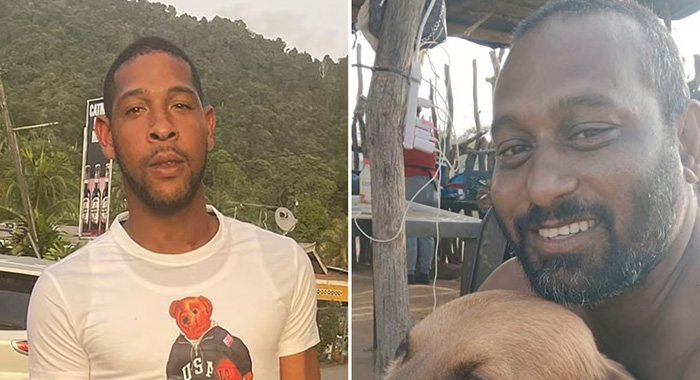
    In an unprecedented legal challenge against the Trump administration, the families of two Trinidadian nationals killed in a U.S. military operation have filed a wrongful death lawsuit in federal court. The case targets the October 14 missile strike that resulted in six fatalities aboard a vessel in Caribbean waters.

    Lenore Burnley, mother of 26-year-old Chad Joseph, and Sallycar Korasingh, sister of 41-year-old Rishi Samaroo, are pursuing justice through the Death on the High Seas Act and the Alien Tort Statute. These legal frameworks provide avenues for seeking redress for maritime fatalities and human rights violations committed against foreign nationals.

    The lawsuit fundamentally challenges the administration’s characterization of the incident. While President Trump described the casualties as ‘six male narcoterrorists’ allegedly transporting drugs from Venezuela, the plaintiffs maintain both victims were unaffiliated with drug cartels and merely seeking transportation home after working in fishing and agriculture.

    This legal action emerges amid a broader pattern of U.S. military engagements in Caribbean and eastern Pacific waters that have claimed at least 125 lives since September. The Trump administration has justified these operations by declaring a ‘non-international armed conflict’ with drug cartels, thereby applying wartime rules to drug interdiction efforts.

    Represented by the American Civil Liberties Union and the Center for Constitutional Rights, the families seek punitive damages and legal accountability for what they describe as ‘lawless killings in cold blood.’ The case represents a critical test of the administration’s expanded authority to use lethal force in anti-narcotics operations beyond traditional battlefields.

  • Company and owner receive RD$60 million penalty for environmental damage in Loma Redonda

    Company and owner receive RD$60 million penalty for environmental damage in Loma Redonda

    In a landmark environmental ruling, the Collegiate Court of San José de Ocoa has imposed substantial penalties against Agroforestal MACAPI, S.A. and its proprietor, agribusiness executive Manuel Castillo Pimentel, for severe ecological damage inflicted in the Loma Redonda region. The judicial decision mandates combined fines and compensation reaching 60 million Dominican pesos (approximately $1 million USD), alongside a two-year suspended prison term for Castillo Pimentel.

    Presiding Judge Alfis Brandeli Castillo Castillo delivered the verdict, which was formally communicated to the Public Ministry in December 2025 via the Specialized Prosecutor’s Office for Environmental and Natural Resources Defense (Proedemaren). The court found conclusive evidence of systematic violations of national environmental and forestry regulations, resulting in a 50 million peso fine payable to the Dominican State and an additional 10 million pesos allocated as civil compensation for moral damages. The suspended incarceration sentence operates under provisions outlined in the Criminal Procedure Code.

    Beyond financial penalties, the judicial order requires comprehensive ecological restoration of approximately 100 tareas (15.7 acres) of degraded land through a scientifically-grounded reforestation initiative using indigenous species. This rehabilitation effort will be conducted under strict supervision by the Ministry of Environment to ensure compliance. Prosecutorial evidence demonstrated that the defendants engaged in extensive deforestation activities, caused significant biodiversity loss, damaged critical water resources, and erected illegal infrastructure without authorization. This case establishes a powerful precedent for environmental accountability, highlighting the Dominican government’s strengthened resolve to prosecute ecological crimes with maximum judicial rigor.

  • DNA over luchtverkeer: geen garanties, grote zorgen over veiligheid en imago

    DNA over luchtverkeer: geen garanties, grote zorgen over veiligheid en imago

    A severe aviation crisis at Suriname’s Johan Adolf Pengel International Airport has triggered intense parliamentary debate, exposing critical vulnerabilities in the nation’s air traffic control system. Transport Minister Raymond Landveld acknowledged profound staffing shortages during Tuesday’s heated National Assembly session, revealing that the country operates with merely 26 air traffic controllers against a required minimum of 80 for normal operations.

    The emergency parliamentary discussion was prompted by recent flight diversions and significant delays occurring after multiple air traffic controllers reported sick simultaneously. While the SATCA union denies organizing coordinated action, Minister Landveld conceded the practical effect remains identical to a strike operation. “When personnel abandon control towers forcing aircraft diversions, this severely damages Suriname’s international reputation,” Landveld stated during the contentious hearing.

    Opposition leaders delivered scathing critiques of the government’s handling of the situation. NPS faction leader Jerrel Pawiroredjo and NDP representatives Rabin Parmessar and Raymond Sapoen emphasized the complete absence of travel certainty for passengers. “Individuals depart their homes uncertain whether they can land or return safely. This constitutes a grave security emergency,” multiple assembly members declared. The parliamentarians further highlighted the contradiction between tourism’s designation as an economic priority and the current aviation breakdown.

    Minister Landveld outlined a comprehensive modernization package including newly signed contracts for advanced radar equipment and an Instrument Landing System scheduled to become operational within six to seven months. Training programs for new controllers have commenced, with additional cohorts beginning in February. The minister acknowledged that developing fully qualified controllers requires approximately four years of training, though assistant controllers can achieve partial operational capacity within nine months. Student allowances have been doubled from SRD 5,000 to SRD 10,000, though Landveld admitted this remains insufficient.

    The National Assembly has demanded immediate resolution, scheduling a follow-up meeting for Thursday where the government must present concrete short-term solutions and safety guarantees. The unified parliamentary message emphasized that while negotiation understanding exists, the collapse of vital national infrastructure remains completely unacceptable. The government is expected to provide detailed contingency plans and emergency measures during the upcoming session.

  • Ministry of Culture announces first Cibao Regional Book and Culture Fair

    Ministry of Culture announces first Cibao Regional Book and Culture Fair

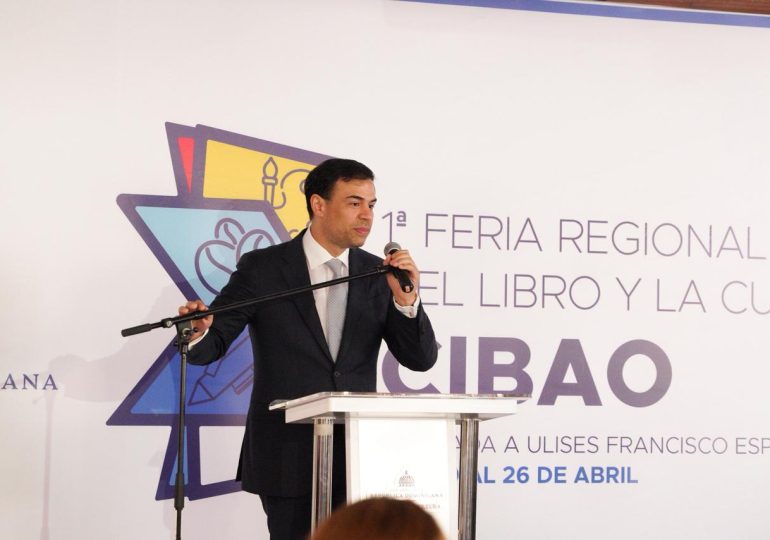
    SANTIAGO DE LOS CABALLEROS, DOMINICAN REPUBLIC – In a significant cultural development, the Dominican Ministry of Culture has unveiled comprehensive plans for the inaugural Cibao Regional Book and Culture Fair, scheduled to take place in April 2026. The landmark event was formally announced at the Gran Teatro del Cibao this Wednesday, marking a coordinated effort to promote literary engagement and showcase the diverse cultural tapestry of the nation’s northern region.

    Culture Minister Roberto Ángel Salcedo spearheaded the announcement alongside provincial governors, municipal leaders, legislators, and prominent cultural figures from across the participating provinces. Minister Salcedo characterized the fair as a profoundly democratic initiative designed to ensure equal participation from all 14 provinces comprising the Cibao region. The programming will emphasize regional traditions, cultural heritage, and intellectual discourse, with operational support provided by Vice President Raquel Peña’s office.

    The festival’s official inauguration is set for April 19, 2026, with extensive activities unfolding from April 20-26 across multiple cultural venues in Santiago. Key locations include the Gran Teatro del Cibao, Centro León, Banreservas Cultural Center, and Ercilia Pepín Cultural Center. The ambitious program will feature over 100 distinct events, a central exhibition pavilion representing all participating provinces, and daily dedications honoring two provinces in rotation.

    The 2026 edition will pay special tribute to Ulises Francisco Espaillat, commemorating the bicentennial of his birth. This historic fair represents the first centralized effort to celebrate Cibao’s unique cultural identity through coordinated programming that combines literary promotion with heritage preservation. Organizers anticipate substantial regional participation and international attention for this unprecedented cultural initiative.

  • RD Vial expands solar road lighting on key highways in the South

    RD Vial expands solar road lighting on key highways in the South

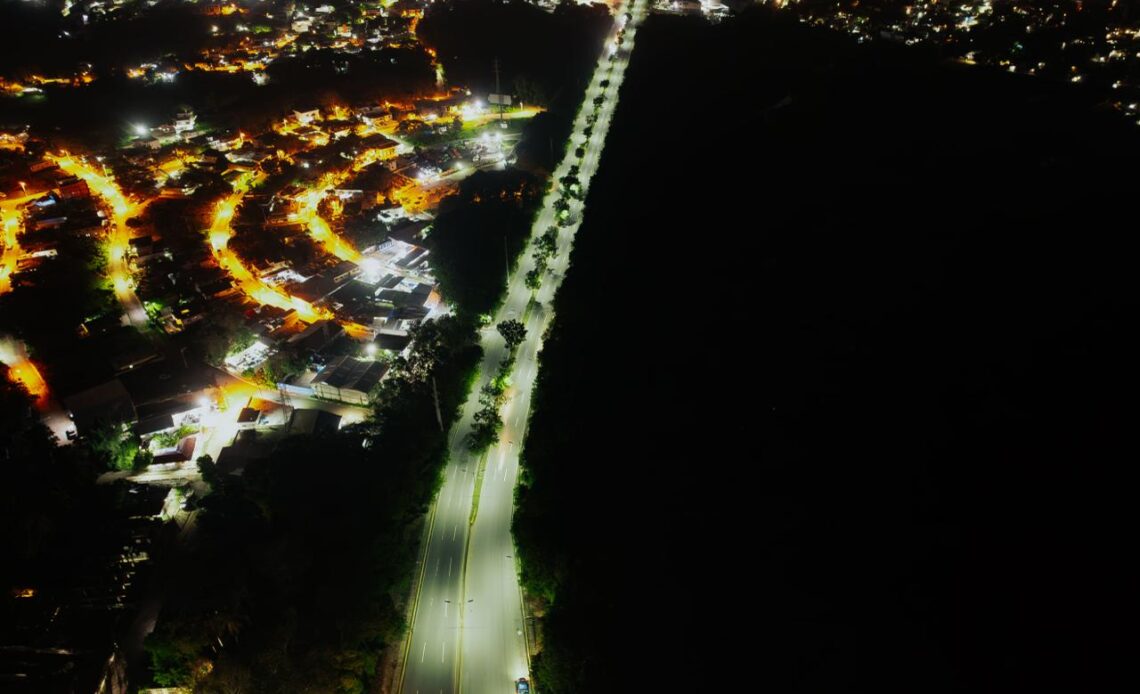
    Santo Domingo – In a significant infrastructure upgrade, the Dominican Republic is deploying state-of-the-art solar LED technology to illuminate critical highways in its southern region. This initiative, a core component of the National Road Lighting Plan administered by the RD Vial Trust, targets high-risk corridors historically plagued by poor visibility. The primary objectives are to drastically reduce nighttime traffic accidents and create safer, more efficient driving conditions on these vital national routes.

    Crews are currently executing the ambitious project across multiple segments of Highway 6 de Noviembre, a principal southern access route. The first phase (Section I) encompasses a 12-kilometer stretch from the Abanico de Herrera Bridge to Najayo, with lighting installed for both travel directions. The subsequent phase (Section II) adds another 14 kilometers of fully illuminated roadway. Upon completion, this effort will have outfitted 26 kilometers of highway with an estimated 680 solar-powered LED lamps, marking a transformative improvement in visibility and safety.

    Furthermore, the lighting plan extends to the recently inaugurated Baní Ring Road, a corridor of strategic importance. Here, approximately 360 solar LED lamps will be installed along 13 kilometers. Combined, these interventions in the southern region will illuminate more than 39 kilometers of road infrastructure with over 1,000 sustainable light units. This large-scale project underscores RD Vial’s dedication to implementing eco-friendly, energy-efficient solutions that bolster public safety and promote efficient nationwide mobility.

  • Misiekaba waarschuwt: Staatsgezag onder druk in binnenland

    Misiekaba waarschuwt: Staatsgezag onder druk in binnenland

    Suriname’s government has issued a grave warning about the rapidly deteriorating security situation in the country’s interior regions, with two senior ministers expressing alarm over the potential complete loss of state authority in these areas. During a tense session of the National Assembly on Tuesday, Justice and Police Minister Harish Monorath and Government Coordinator Minister André Misiekaba delivered stark assessments of the escalating criminal threats.

    Minister Misiekaba delivered the most dire prognosis, stating unequivocally that ‘we risk losing control in the interior’ if immediate action isn’t taken. He described widespread lawlessness throughout gold mining regions where state presence has become virtually nonexistent. The minister further revealed the concerning presence of feared foreign criminal elements operating within Suriname’s forests, though he refrained from identifying their countries of origin.

    Minister Monorath provided context to the crisis, explaining that security services currently maintain limited presence in interior regions, with police operations concentrated primarily in the eastern Lawa area and southern Saramacca region. He revealed that Suriname had received warnings seven years ago predicting that interior criminality would evolve into organized operations and eventually spread toward the capital, Paramaribo, without timely intervention. ‘These warnings are now manifesting,’ Monorath acknowledged.

    The justice minister outlined structural challenges hampering effective response, citing inadequate infrastructure and severe capacity constraints. With the Suriname Police Corps comprising approximately 2,773 officers, Monorath questioned how five detachments of twelve personnel each could possibly address problems in regions where thousands of illegal weapons circulate within completely lawless environments.

    The severity of the situation prompted rare unity within the National Assembly, with Assembly Chairman Ashwin Adhin suspending the session for consultations. Parliamentarians agreed to convene emergency discussions, tasking the Standing Committee for Justice and Police to collaborate with relevant ministries in developing immediate proposals. These may include thematic meetings or committee-general sessions to comprehensively address the security crisis.

  • Inflatie in december 2025 op 11,4%, prijzen blijven stijgen

    Inflatie in december 2025 op 11,4%, prijzen blijven stijgen

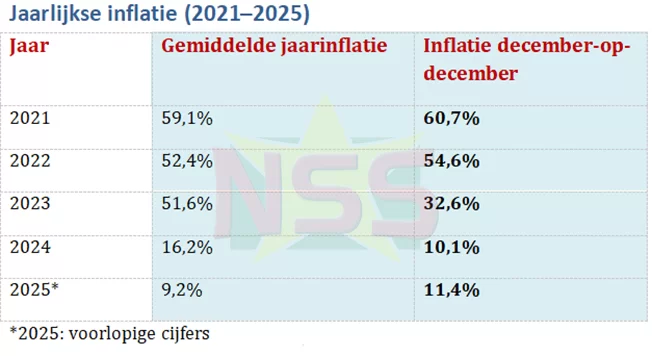
    Suriname’s annual inflation rate reached 11.4% in December 2025, according to preliminary data released by the General Bureau of Statistics Foundation (ABS). The latest figures indicate a modest 0.4% month-over-month increase in consumer prices compared to November 2025. While representing a significant improvement from the peak inflation years of 2021-2023, the current price levels continue to exert substantial pressure on household purchasing power across the South American nation.

    Critical analysis of the inflation components reveals that food, housing utilities, and healthcare services remain the primary drivers of price escalation. Healthcare costs have demonstrated particularly dramatic annual increases, with additional significant contributions from restaurant dining expenses and alcoholic beverages alongside tobacco products. Conversely, certain product categories including fruits and vegetables experienced mild price reductions during December, though these isolated decreases do not indicate structural relief as other essential goods maintain elevated pricing.

    The ABS emphasized that reported inflation figures represent weighted averages that may not accurately reflect individual consumer experiences. December 2025 witnessed extraordinary price volatility across specific products, ranging from -49% to +600% monthly variations. Even more strikingly, the period from January 2024 through December 2025 recorded price fluctuations spanning -67% to +600%, explaining why many households perceive living costs as substantially higher than official statistics suggest, particularly regarding daily necessities and fixed expenses.

    Economists note that while inflation has clearly decelerated compared to previous years, this moderation does not automatically translate to purchasing power recovery. Prices continue their upward trajectory—albeit at a reduced pace—while wages and incomes for large population segments fail to keep pace with the persistent cost increases, creating ongoing economic strain for Surinamese families.