作者: admin

  • BEL Heads to Court Over Severance Fight

    BEL Heads to Court Over Severance Fight

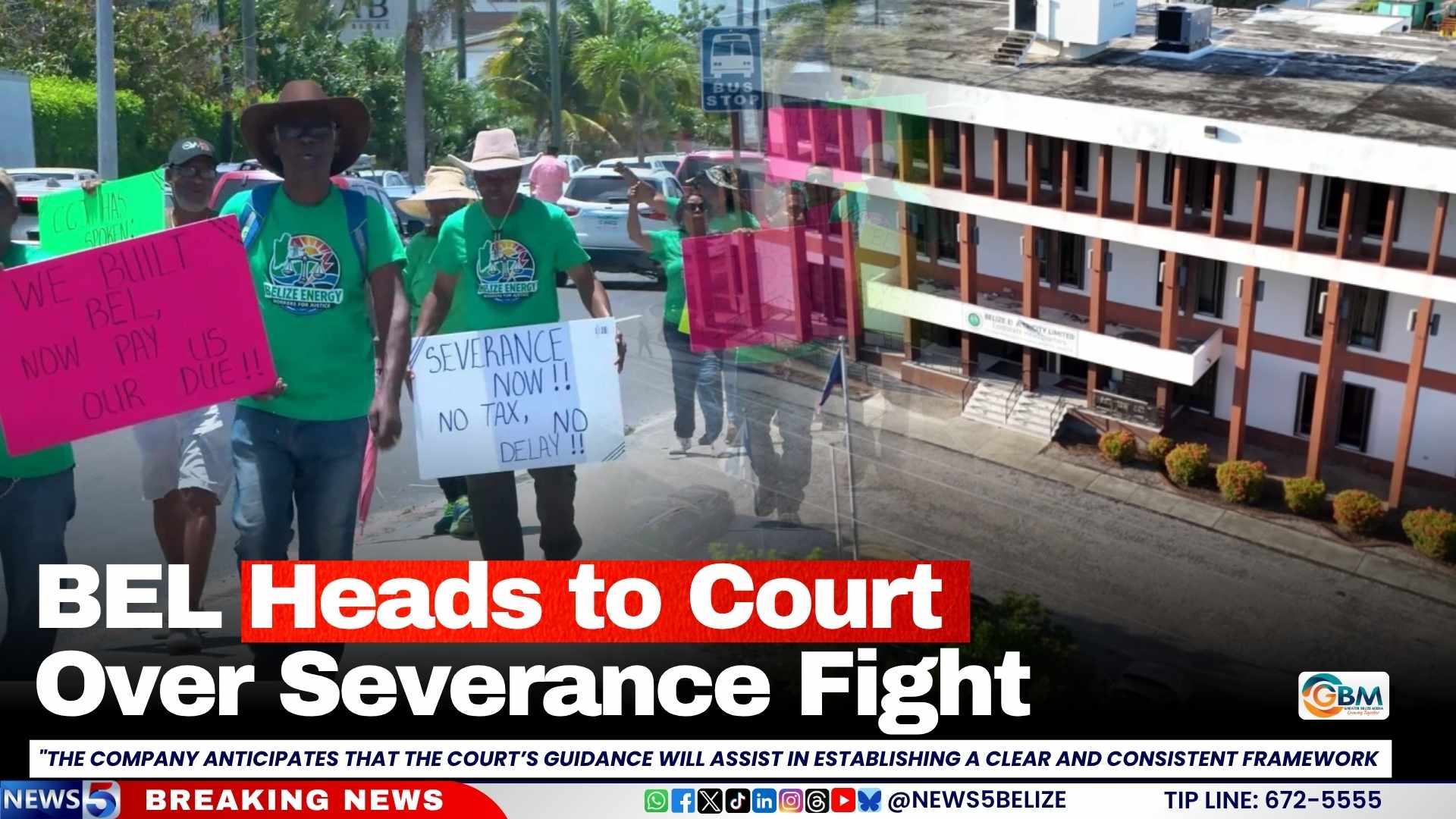
    A contentious conflict over unequal severance payout practices at Belize Electricity Limited (BEL) is set for a judicial resolution, after the state-linked utility confirmed this week it will ask the nation’s High Court to clarify binding legal standards for its severance obligations.

    In an official public statement released April 24, 2026, BEL announced it had initiated legal proceedings to seek declaratory relief from the court, alongside formal guidance on how recent unrelated labor rulings should be interpreted and applied to the company’s ongoing severance disputes. The utility emphasized that its decision to turn to the judiciary is rooted in a commitment to upholding legal compliance, transparent process, and equitable outcomes for all parties involved.

    “By obtaining clear direction from the court, we aim to build a consistent, predictable framework that will resolve current claims and guide how we address all future severance requests,” the statement read.

    The legal action caps weeks of growing tension between BEL and its former workforce, which escalated sharply last week when internal documents were leaked to the public. The released records revealed that senior company executives received substantial exit packages when they left the firm, while rank-and-file former workers were granted far smaller payouts or denied severance entirely in some cases.

    This revelation amplified long-simmering criticism from labor advocates and former employees, who have repeatedly raised alarms about unequal treatment and inconsistent application of severance policies across different employee tiers at BEL. What began as scattered individual claims has now evolved into a high-profile dispute that tests the company’s commitment to workplace fairness, and will ultimately set a legal precedent for severance practices across Belize’s utility sector.

  • UPP Shows Contempt for the People by Failing to Produce a Manifesto, says ABLP

    UPP Shows Contempt for the People by Failing to Produce a Manifesto, says ABLP

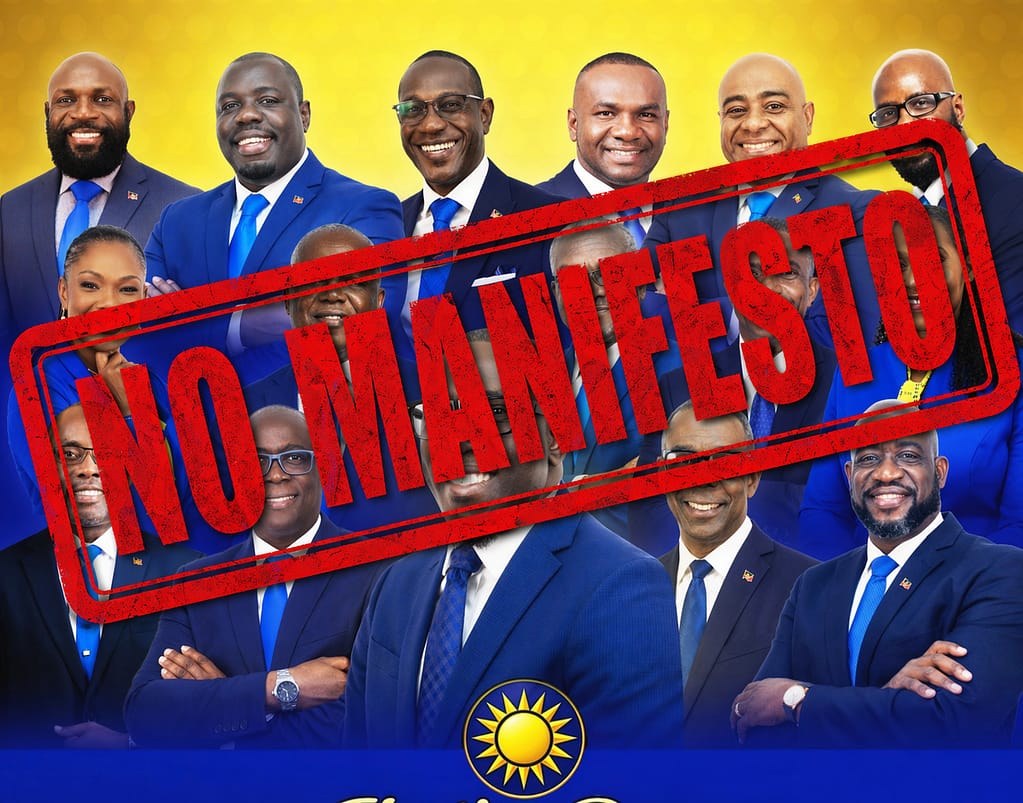
    As Antigua and Barbuda prepares to head to the polls for its upcoming general election, the ruling Antigua and Barbuda Labour Party (ABLP) has launched sharp criticism of the opposition United Progressive Party (UPP), accusing the challenger of blatant disrespect for voters by refusing to release an official policy manifesto ahead of the vote.

    With voting days fast approaching, the UPP has failed to put forward any actionable policy proposals, structured governing programs, detailed cost breakdowns for its pledges, or any formal commitment that would allow the electorate to evaluate the party’s agenda or hold its leaders accountable after the election, according to ABLP’s statement. Despite having produced no formal policy platform of its own, the opposition has nonetheless moved to criticize the ABLP’s recently released manifesto – attacks that ABLP describes as baseless, lacking in specific evidence, and completely disconnected from any meaningful alternative vision for the country.

    The ABLP argues that this lack of action and hollow criticism amounts to nothing more than distracting political noise, not the serious, purpose-driven leadership that the country requires. For any political party seeking to govern, a published manifesto serves as the fundamental foundation for earning public trust: it is the document that lays out what a party intends to do if elected, giving voters a clear standard to judge candidates against. The UPP is actively asking Antigua and Barbudans for their electoral support, yet it has refused to share any concrete details about what it would deliver if given power, the ABLP says.

    In contrast to the opposition’s inaction, the ABLP highlights that it has released a comprehensive, detailed manifesto that has been widely distributed across the country and made available in multiple accessible formats for all voters. The document lays out the ABLP’s verifiable track record of responsible governance during its current term, paired with a clear, actionable five-year plan to advance the country moving forward.

    The ABLP emphasizes that the choice before voters is unambiguous: they can select a leadership team with a proven track record of delivery and a detailed plan for the future, or opt for an opposition that offers nothing more than unfounded criticism and no governing agenda. The party adds that the UPP’s failure to release a manifesto is far from a simple administrative oversight. Instead, it is a deliberate choice that reflects a fundamental lack of seriousness about governing, a rejection of the basic accountability that all political parties owe voters, and an intentional act of contempt for the people of Antigua and Barbuda whose support the UPP is currently courting.

  • Taylor promoted to ICC panel

    Taylor promoted to ICC panel

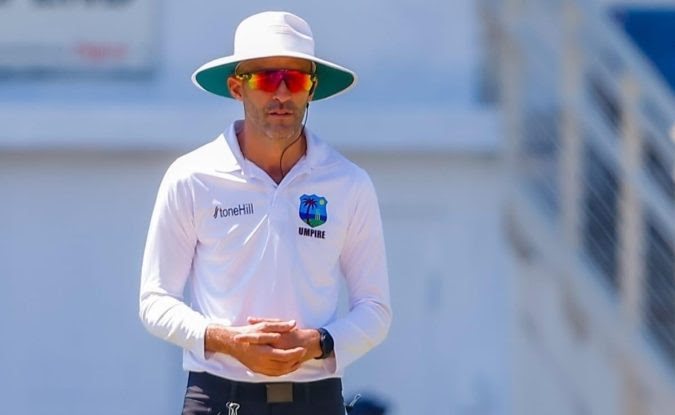
    A new milestone for West Indies cricket officiating has been announced, as Jamaican umpire Christopher Taylor will step onto the global stage with his appointment to the International Cricket Council’s (ICC) International Panel of Umpires. The appointment is set to take effect on April 1, 2026, capping off decades of dedicated service and rigorous training for the 45-year-old official.

    Taylor earned his promotion after becoming the latest Cricket West Indies (CWI) representative to successfully complete the ICC’s stringent umpire accreditation process. His path to the international panel received a major boost earlier this year, when he gained high-stakes international match experience through the ICC Umpire Exchange Programme. During that placement, he officiated matches in Pakistan’s prestigious President’s Trophy Grade 1 competition, where match officials and organizers graded his on-field performance as outstanding.

    In reflecting on his decades-long journey to the international panel, Taylor shared that he feels both humbled and honored by the achievement. His officiating career first began in 2006, when he took his initial local umpiring certification alongside Jacqueline Williams, who has since become one of the most respected international women’s cricket umpires globally. Back when he started, Taylor was still working full-time in the corporate sector, and was introduced to officiating by former first-class umpire Maurice Chung. What started as a side interest quickly grew into a passion.

    “It’s been a long and tough journey,” Taylor noted, pointing out that he has served on the West Indies regional second-tier umpiring panel since 2011. “Those tough times prepare you for what’s to come. So, I’m excited about it and looking forward to experiencing new things and putting all the work into practice.”

    Beyond celebrating his own achievement, Taylor used the moment to shine a light on a career path that is often overlooked by young cricket enthusiasts. Most people who grow up around cricket only consider careers as players, leaving officiating underpromoted as a viable professional option. “Umpiring might not be seen as a glorious position because when persons are exposed to a sport it’s usually in the capacity of a player and not an official. In any sport officiating is always tough… but that builds character,” he explained.

    Taylor emphasized that modern umpiring offers a full, sustainable career path for young people, and he is encouraging aspiring officials across the Caribbean to consider the profession far earlier than he did. “There is opportunity in umpiring. It’s now a full career that you can dedicate yourself to, and I’d love to see younger persons getting into it, not only when they get into their 30s and 40s but even thinking of it as an option when they’re 18 or 20 years old or coming out of university,” he said.

    CWI Chief Executive Officer Chris Dehring also offered his praise for Taylor’s achievement, calling the appointment a point of national and regional pride. “Chris’ appointment reflects not only his personal commitment and professionalism, but also the strength of our officiating pathway,” Dehring said. “His recent international exposure and consistent performances have prepared him well for this step, and we are confident he will represent West Indies cricket with distinction.”

    Taylor will kick off the next chapter of his officiating career during the upcoming West Indies international home season, where he will make his first on-field appearance as an ICC international panel umpire.

  • Saturday showdown in BFA Premier League

    Saturday showdown in BFA Premier League

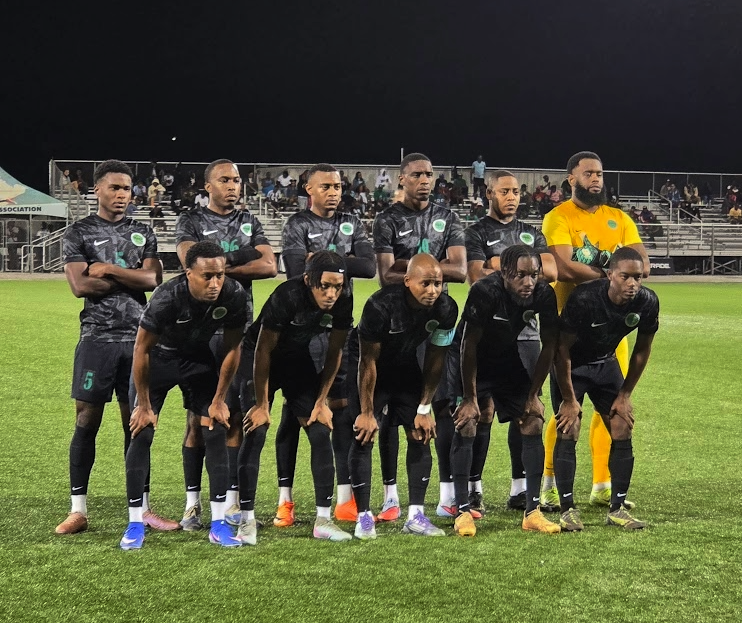
    The tightest title race in recent memory of the Barbados Football Association Premier League is set to reach a new climax this Saturday, when a pivotal doubleheader at the Wildey Technical Centre could reshape the league standings and install a new table-topper ahead of the season’s final stretch.

    Going into the two back-to-back matches, which get underway at 7 p.m. local time, the current hierarchy has defending champions Weymouth Wales holding a narrow one-point advantage at the top of the table with 28 total points. Just one point adrift in second place sits Paradise, while last season’s league runners-up Brittons Hill has climbed to third place with 26 points. That upward shift came on the back of a convincing 2-0 clean sheet win over Bagatelle earlier this week.

    Fourth place belongs to Kickstart Rush with 24 points, while Ellerton rounds out the top five with 23 points. All standings point to a conclusion that will go down to the wire: league officials do not expect a champion to be confirmed before the final matchday of the campaign, leaving multiple teams still in contention for the top prize.

    The first match of Saturday’s night of action pits second-place Paradise against sixth-ranked Bagatelle, a fixture that could see Paradise immediately overtake Weymouth Wales to retake the top spot if they secure all three points. Coached by Mario Harte, the Dover-based Paradise side has turned in one of its most consistent campaigns in years this season, putting them as the clear favorite heading into the matchup against Bagatelle. The current sixth-place side, which finished as runners-up in Division One last season after earning promotion, enters the clash with 14 points to its name.

    The nightcap, kicking off at 9 p.m., will bring one of the most high-stakes matches of the entire season: table-leading Weymouth Wales will go head-to-head with third-ranked Brittons Hill in a clash that carries massive implications for the title race. For Weymouth Wales, a win guarantees they will hold onto their position atop the standings as the league enters its final few rounds. If Brittons Hill claims victory and Paradise drops points against Bagatelle, the side will jump straight into first place. Even if Paradise wins their opening fixture, a Brittons Hill victory over the current leaders would still lift them into second place, keeping their title hopes very much alive.

  • Caribbean think-tank to brainstorm major regional, global issues

    Caribbean think-tank to brainstorm major regional, global issues

    As the global order continues to shift rapidly, bringing overlapping challenges to small and medium-sized states across the Americas, a leading Guyanese research institution is preparing to bring together cross-border experts to unpack pressing regional and international concerns.

    The Centre for International and Border Studies (CIBS), a Georgetown-headquartered think tank focused on cross-border and global policy issues, will host its flagship two-day conference on May 14 and 15 this year, held at the Herdmanston Lodge in the nation’s capital. Designed to accommodate a wide range of attendees regardless of geographic barriers, the gathering will operate as a hybrid event, welcoming both in-person guests and remote participants joining via digital platforms.

    Organized under the overarching theme “Navigating The Future: Guyana, the Caribbean and Latin America in a Changing Global Environment”, the conference will create space for rigorous critical discussion of four core priority areas: deepening regional integration progress, advancing inclusive sustainable development across the hemisphere, unpacking the evolving geopolitical landscape of the Americas, and addressing other emergent pressing international issues shaping the region’s trajectory.

    The lineup of presenters and panelists draws top expertise from across the Americas and beyond. Attendees will hear from U.S. academic Dr. Scott McDonald, former United Nations official Dr. Bertrand Ramcharan who also serves as Chancellor of the University of Guyana, and multiple lecturers from the University of the West Indies: Dr. Kai-Ann Skeete, Dr. Marlon Anatol, and Dr. Jacqueline LaGuardia Martinez. Two prominent Brazilian scholars, Paulo Correa of the Federal University of Amapa and Ambere Freitas of Brazil’s Roraima Federal Institute, will also contribute analysis, alongside a roster of seasoned regional experts including Carl Greenidge, Dr. Ulric Trotz, Dr. Clement Henry, Neville Bissember, and CIBS’ current director Dr. Mark Kirton.

    Founded as a collaborative transnational network, CIBS counts a diverse global membership of academics, policy professionals, and practitioners hailing from across Latin America and the Caribbean, as well as the United States, Asia, and Africa. The upcoming conference marks a key effort to bridge cross-regional expertise and generate actionable insight for navigating the uncertain global shifts facing the Western Hemisphere in the coming years.

  • Caribbean Fisheries Forum hosts 24th regular session ahead of ministerial meeting

    Caribbean Fisheries Forum hosts 24th regular session ahead of ministerial meeting

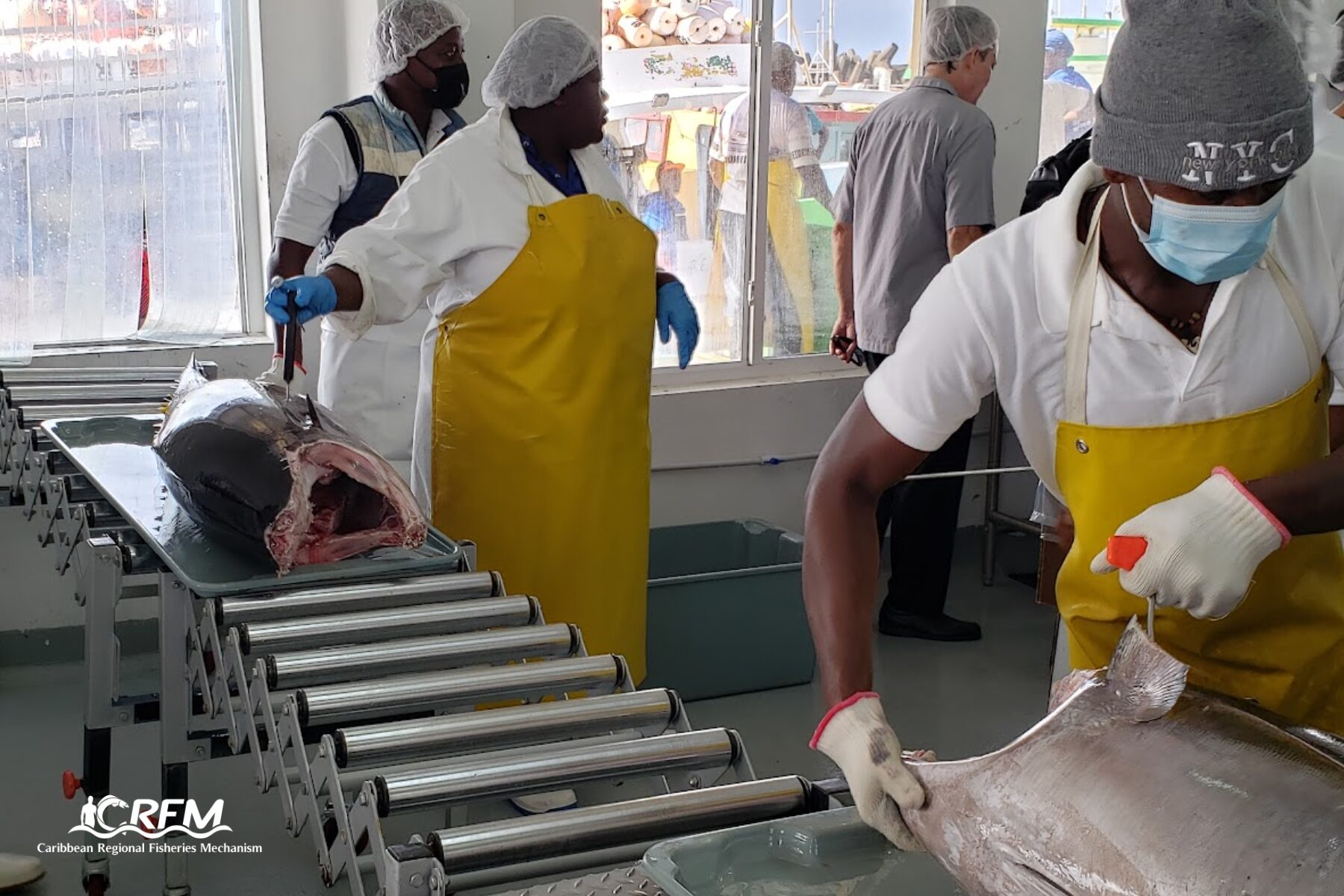
    Leaders of fisheries management agencies from 17 Caribbean Community (CARICOM) member jurisdictions have gathered this week for the 24th Regular Meeting of the Caribbean Fisheries Forum, a key regional body that delivers expert technical guidance to the Caribbean Regional Fisheries Mechanism (CRFM). The two-day gathering kicked off on Thursday, April 23, with opening deliberations centered on the CRFM’s upcoming Seventh Biennial Work Plan, covering the 2026–2027 period. This strategic document lays out a comprehensive framework to drive inclusive, sustainable growth of fisheries and aquaculture sectors across the entire Caribbean region. On the meeting’s second and final day, agenda items are focused on assessing evolving regional and global industry shifts, as well as analyzing current status and emerging trends in Caribbean fisheries and aquaculture.

    In opening remarks, Dr. Marc Williams, Executive Director of the CRFM, underlined that cross-border collaboration is non-negotiable for Caribbean fisheries management, given that most commercial fish stocks span multiple national jurisdictions. Williams explained that the forum fills a critical regional need by creating a centralized platform for member states to share standardized fisheries data, coordinate collective responses to shared threats, and align policy frameworks that balance marine resource protection with the economic stability of fishing-dependent communities. Key challenges being addressed through this cooperative framework include illegal, unreported, and unregulated (IUU) fishing, the accelerating impacts of climate change on marine ecosystems, widespread habitat degradation, and chronic overexploitation of vulnerable fish populations. He added that the forum also works to strengthen cross-stakeholder partnerships between national governments, local fisherfolk associations, academic research institutions, and environmental non-governmental organizations, with goals of harmonizing national management plans, boosting regulatory enforcement capacity, and securing international donor funding for collaborative regional projects.

    On the first day of the meeting, members held leadership elections to select new officers for the forum. Mr. Ian Horsford, Chief Fisheries Officer of Antigua and Barbuda, secured election to the position of Forum Chair. He succeeds outgoing Chair Mr. Remone Johnson of the Turks and Caicos Islands, who completed his term ahead of the 2024 gathering. In his first remarks following the election, Horsford reaffirmed the CRFM’s central role in advancing multilateral cooperation to build a more sustainable Caribbean fisheries sector and grow the region’s blue economy.

    Across the two-day meeting, participating delegates are focusing discussion on a range of priority topics tied to long-term sustainable management of fisheries and aquaculture. Key themes under deliberation include climate change adaptation strategies for fishing communities, the adoption of innovative new technologies to improve management and production, and the integration of renewable energy solutions into regional seafood supply chains. Delegates are also exchanging approaches to strengthening the fight against IUU fishing and transnational fisheries-related crime, as well as advancing gender mainstreaming initiatives to ensure more inclusive participation of women in the fisheries sector.

    A core part of the forum’s mandate at this meeting is delivering technical guidance for two new regulatory protocols being rolled out under the CARICOM Common Fisheries Policy: one focused on establishing standardized regional marine spatial planning, and a second covering full traceability for aquatic food products moving across regional borders. Delegates are also reviewing alignment of regional policies with major global agreements, including the World Trade Organization Fisheries Subsidies Agreement, the Biodiversity Beyond National Jurisdiction (BBNJ) Agreement signed under the United Nations Convention on the Law of the Sea, and the new International Legally Binding Instrument on plastic pollution.

    This week’s Caribbean Fisheries Forum meeting serves as a technical preparatory gathering ahead of the 20th Regular Meeting of the CRFM Ministerial Council, an upcoming high-level summit that will bring together cabinet-level fisheries ministers from all CRFM member states to set strategic political direction for the regional body.

  • Young man shot dead in Vieux Fort

    Young man shot dead in Vieux Fort

    A fatal shooting has shaken the coastal community of Vieux Fort in St. Lucia, after a 23-year-old man was killed in an early morning attack on Thursday. The incident took place at the Westhall Group neighborhood, a local area widely known by its nickname “The Mang”.

    First responders and law enforcement arrived at the scene after the victim’s body was located, partially concealed in a mound of construction rubble. Multiple sources familiar with the case have confirmed the identity of the deceased as Mershan Sumra, a man who was not a permanent resident of the Westhall Group area, according to accounts from long-term local residents.

    Visual footage captured at the crime site shows uniformed police officers systematically processing the area, collecting forensic evidence and interviewing witnesses as the official investigation into the shooting moves into its early stages. As is standard in active homicide probes, many details surrounding the motive, potential suspects, and sequence of events remain undisclosed to the public at this time.

    Local news outlet St Lucia Times, which first broke details of the incident, has confirmed it will continue monitoring developments in the case and release additional updates to the public as new, verified information becomes available.

  • Leegstaande gebouwen en brandgevaar: tijd voor structureel beleid

    Leegstaande gebouwen en brandgevaar: tijd voor structureel beleid

    On Wednesday, a large blaze broke out once again in central Paramaribo, consuming the long-vacant former headquarters of insurance provider Clico on Klipstenenstraat. For years, this derelict structure has been informally occupied by vulnerable people, and local residents have raised repeated concerns about safety risks in the area – yet no action has ever been taken to address the issue. This is not an isolated event: just months earlier, a similarly devastating fire broke out at an abandoned property on the corner of Henck Arronstraat and Jessurunstraat, putting the entire historic inner city at risk of explosions and widespread destruction.

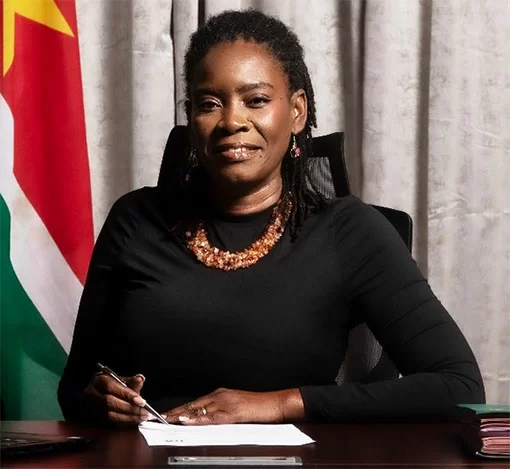
    What we are seeing now is not a string of random accidents, but a dangerous, repeating pattern that threatens lives, destroys private and public property, and erodes the character of Suriname’s capital city, says Danielle van Windt, Deputy Minister of Social Affairs and Housing of Suriname, in a policy opinion piece calling for urgent systemic change. Anyone walking through greater Paramaribo can see the scale of the problem: dozens of properties lie empty, left to decay after decades of economic decline that has left owners unable or unwilling to maintain their buildings. But vacant, unmaintained property is never a neutral issue: it attracts unhoused people and people struggling with addiction, and creates fire hazards that put the entire surrounding community at imminent risk.

    The Clico building is just one high-profile example of a widespread crisis. How many other unmonitored, unmaintained properties across the city are owned by absentee owners who refuse to take responsibility for their assets?

    Van Windt emphasizes that the societal costs of this crisis go far beyond the immediate risk of fire. When unregulated occupation of derelict buildings becomes common, it creates a toxic mix of dangers: fire hazards, explosion risks, increased criminal activity, and a degraded urban landscape that directly contradicts Suriname’s national ambition to build a prosperous, attractive capital. Paramaribo aims to position itself as a modern, welcoming city that draws foreign investment and provides safe, livable communities for local families. But that goal is impossible to achieve as long as the inner city is allowed to decay into a zone of neglect and danger.

    To address this systemic crisis, Van Windt has proposed the creation of a national registry of “high-risk” neglected buildings. Every vacant, abandoned property would need to be formally registered, and owners would be legally required to complete mandatory maintenance to bring structures up to safety standards. If owners fail to meet this obligation, the government would take over maintenance responsibilities, and gain the legal authority to repurpose the property for public use. Options include converting the buildings into affordable housing for people waiting on social housing waitlists, or renovating them through public works programs to provide market-aligned social rental housing.

    This is not an unnecessary, luxury policy – it is an urgent necessity given Suriname’s ongoing severe housing shortage, Van Windt argues. While thousands of Surinamese families are desperately seeking stable, safe housing, dozens of viable buildings sit empty, derelict and dangerous across Paramaribo. Allowing this pattern of vacancy and neglect to continue is indefensible in the face of a national housing crisis. Every abandoned property should be repurposed for public good: it can be used for social rental housing, temporary shelter for unhoused people, or community-led projects. The status quo, where property owners evade their responsibilities and the broader public pays the price for their neglect, can no longer stand.

    What strikes me most about this crisis is that local residents have been sounding the alarm for years, Van Windt says. Neighbors see the risks every day, live with constant fear of disaster, and have long dealt with the smoke, debris and uncertainty that come with nearby derelict buildings. For far too long, their voices have been ignored by policymakers. We acknowledge this failure, and we are now ready to take the first step toward systemic, structural change to fix this crisis. This is not about shifting blame – it is about taking responsibility and changing course to build a safer capital.

    Suriname is ready to move forward. We want to be a nation that can be proud of its capital city. But that cannot happen as long as we allow the inner city to burn, both literally and metaphorically.

    Addressing the crisis of homelessness must also be a core part of this new policy framework, Van Windt notes. We need targeted social policy to support this vulnerable group, going beyond purely punitive measures to provide shelter, supportive care, and pathways to stable long-term housing. At the same time, we must take a firm stance on neglected vacancy, because unregulated vacancy is not a private issue for owners – it is a public crisis that affects the entire community.

    It is past time for policymakers to step up and take responsibility. It is time for the government to show it can learn from past mistakes. It is time to stop putting out individual fires and start building the structural policy we need to prevent disasters from happening in the first place. A registry of high-risk buildings, mandatory maintenance requirements for owners, and a formal repurposing framework for neglected properties – these are not radical ideas. They are common-sense steps for a city that takes the safety and well-being of its residents seriously.

    The latest fire on Klipstenenstraat is a clear wake-up call, just as the fire on Henck Arronstraat was before it. How many more warnings do we need before we act? Paramaribo deserves better. Suriname deserves better. And the residents who live every day with the fear of the next major blaze deserve better. It is time for action. It is time for meaningful policy change. It is time to repurpose vacant buildings and return our capital city to the people who call it home.
  • World Trade Centre Georgetown says US must return to CBERA’s duty free regime

    World Trade Centre Georgetown says US must return to CBERA’s duty free regime

    As the 56th annual Global Business Forum and General Assembly of the World Trade Centers Association convenes in Philadelphia this week, trade representatives from small and developing economies are pressing for a reversal of recent US tariff policies that have disproportionately harmed export-reliant regions across the Caribbean and Africa. At the center of this advocacy is the World Trade Centre Georgetown (WTCG), which is leading a regional push to reinstate the full duty-free provisions of the Caribbean Basin Economic Recovery Act (CBERA), the longstanding trade framework that governed CARICOM-US trade relations before the current US administration introduced new import tariffs.

  • Coaches laud move by CWI to establish High-Performance Campus

    Coaches laud move by CWI to establish High-Performance Campus

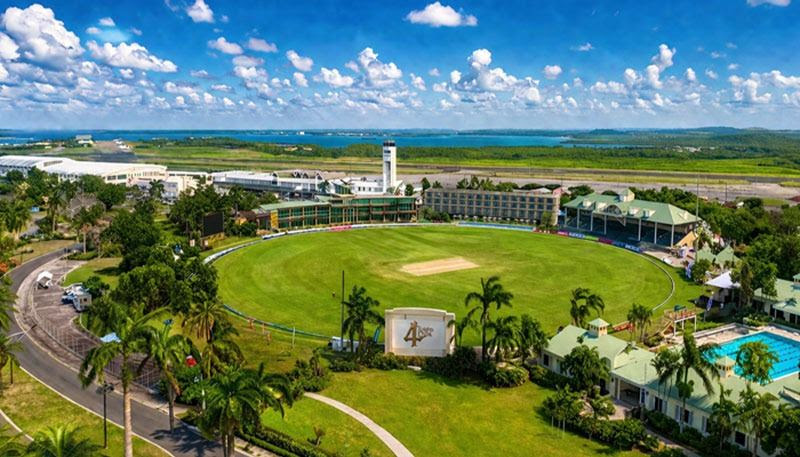
    West Indies cricket is set to receive a transformative boost to its grassroots and elite development pipelines, after top regional coaches threw their unanimous backing behind Cricket West Indies’ (CWI) landmark plan to build a state-of-the-art High-Performance Campus at Antigua’s Coolidge Cricket Ground. The green light for the multi-million dollar project was recently given by the government of Antigua and Barbuda, clearing the way for phased construction and redevelopment that will run from 2026 through 2030 across the 20-acre site.

    When complete, the campus will function as a fully integrated hub that unites elite player development, cutting-edge sports science research, specialized athletic education, and commercial operations all in one centralized location — a resource that regional cricket leaders have identified as a long-missing pillar for competitive success at the international level.

    The plan has won widespread acclaim from senior coaches currently leading teams in the ongoing West Indies Championship, who argue the facility is non-negotiable for securing a strong future for the region’s cricket. Robert Haynes, former West Indies national selector and current head coach of the Jamaica Scorpions, emphasized that the project has been a decades-long priority for cricket development leaders. “I think it’s a magnificent idea. When I was a selector, it was always spoken about in terms of having something dedicated for the youngsters. I think it’s a magnificent effort by the Antiguan government and Cricket West Indies to get this going because we desperately need it,” Haynes explained. “With the limited number of first-class games our young players get, you need a consistent development system you can depend on. In international cricket today, every top competing nation already has a High-Performance Centre.”

    Keon Peters, head coach of the Windward Volcanoes, echoed Haynes’ assessment, noting that the Caribbean’s longstanding challenge in international cricket has never been a lack of natural talent — rather, it has been the absence of structured infrastructure to help that talent reach its full potential. “With the amount of talent that we have, for us to compete against the other elite international teams we must have this in place. We know resources have been difficult for us historically, and I think it’s a fantastic initiative by Cricket West Indies. It’s never too late to start,” Peters said.

    Rayad Emrit, head coach of the Trinidad and Tobago Red Force, expanded on that point, highlighting a critical gap in the region’s current development pathway that the new campus will address. “I honestly think there’s a lot of incredible talent coming through from the Under-19 level across the Caribbean, but after Under-19, a lot of them fade away, and we don’t get those core senior players coming through the system consistently,” Emrit said. “We have no shortage of players with natural talent, and one of the main reasons we haven’t produced the volume of elite players we expect is the lack of high-quality facilities.”

    Steve Liburd, head coach of the Leeward Islands Hurricanes, added that immersive access to a specialized high-performance environment will be transformative for emerging players. “All around the world, top cricketing nations operate these High Performance Centres, and they deliver long-term benefits for developing young players over time,” Liburd noted. “Having such a centre will be beneficial for West Indies cricket as a whole. Players will get exposure to modern training technology, access to dedicated spaces for professional development like media training, and a permanent home to hone their skills.”

    Ryan Hercules, head coach of the Guyana Harpy Eagles, described the initiative as a long-overdue step that will mark a turning point for West Indies cricket. “This is something that’s been overdue for a long time, but whenever it arrives, it’s a welcome change,” Hercules said. “Once this gets off the ground, we will almost certainly start seeing a positive shift in the trajectory of West Indies cricket.”

    Even with widespread praise for the campus project, some coaches called for broader investment across the region to build a truly robust development ecosystem. Vasbert Drakes, former West Indies fast bowler and current head coach of Barbados Pride, argued that while the Antigua campus is a major step forward, the ultimate goal should be to upgrade infrastructure and development systems across all Caribbean territories. “I think it would be great if all the franchises in the Caribbean would be in a position where they can have their own high-performance systems, because we have tremendous talent and we want a better, more connected pathway system for them,” Drakes said. “It is good to see that the West Indies is moving in that direction, but I would also encourage all of the territorial boards to find a way, through government support and local sponsorship, to make expanded development infrastructure work across the region.”