作者: admin

  • US seizes sanctioned tanker in Caribbean crackdown

    US seizes sanctioned tanker in Caribbean crackdown

    In a significant maritime enforcement operation, US military forces successfully boarded and seized the oil tanker Veronica in Caribbean waters on January 16th. The coordinated mission involved tactical teams from US Southern Command and the US Coast Guard, with additional support provided by marines and sailors deployed from the aircraft carrier USS Gerald R. Ford.

    Authorities confirmed the operation concluded without incident, with released footage showing special forces fast-roping onto the tanker’s deck. The vessel, which had last transmitted its automated position on January 3rd while anchored off Aruba, was carrying a partial load of crude oil at the time of interception.

    Homeland Security Secretary Kristi Noem publicly announced the action through social media channels, characterizing the seizure as part of an intensified campaign to enforce international sanctions against Venezuela’s petroleum exports. US officials emphasized their commitment to denying safe passage to vessels transporting Venezuelan crude in violation of restrictions.

    The Veronica represents at least the sixth interdiction of sanctioned or suspect tankers since December 2025, according to US officials and public records. Legal authorities have assumed custody of both the vessel and its crew, with warnings that seized personnel could face prosecution. Specific criminal charges and final dispositions regarding the cargo and crew remain undisclosed at this time.

    Maritime registry data reveals inconsistent flag and identity documentation for vessels operating in this trade network, with the Veronica’s flag status itself being disputed in public accounts. This operation follows separate US enforcement actions earlier in January that removed the Aframax tanker Olina from service—a vessel appearing in maritime records under previous names and different flags.

    The enforcement measures are producing immediate commercial consequences within the shadow fleet operations. Industry monitors report a measurable deterrent effect on Venezuelan oil shipments, manifested through reduced visible loadings and more circuitous tanker routing. This increased opacity elevates transaction risks for buyers and shippers, subsequently driving higher insurance premiums, charter rates, and costs associated with clandestine transfers.

    Geopolitically, the enforcement campaign unfolds against a complex backdrop. US officials maintain these measures aim to compel lawful commercial access to Venezuela’s petroleum reserves while disrupting sanctions evasion channels. Russia has previously criticized such interdictions as violations of maritime norms, and broader diplomatic tensions potentially complicate cooperative enforcement efforts at sea.

    Long-term implications suggest sustained interdictions could accelerate existing trends in the tanker market, including increased use of flags of convenience, frequent vessel renamings, and growth of intermediary trading hubs. These adaptations may ultimately constrain buyers of Venezuelan crude, reduce realized prices, and potentially depress government revenue in Caracas. While the immediate supply impact on global markets remains limited given Venezuela’s current production levels, persistent enforcement adds new volatility layers to an already complex oil market.
  • DRC government organizes humanitarian aid and operations in Uvira

    DRC government organizes humanitarian aid and operations in Uvira

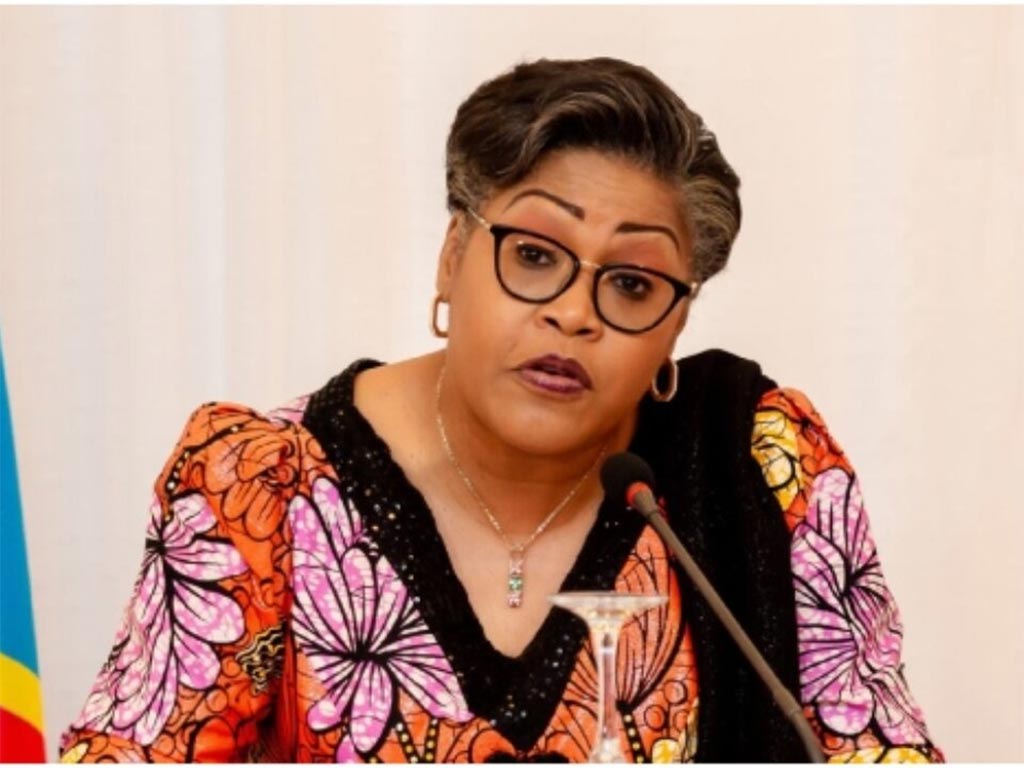
    In response to the recent withdrawal of the Congo River Alliance-March 23 Movement (AFC/M23), Prime Minister Judith Suminwa Tuluka has convened an emergency cabinet meeting to address the humanitarian crisis. The meeting, attended by senior security officials and government ministers, focused on developing a comprehensive response to the extensive displacement caused by the nearly two-month occupation.

    The Prime Minister revealed that the rebel occupation has resulted in the displacement of approximately 267,000 individuals, including a particularly vulnerable group of 12,000 unaccompanied minors. Addressing this mass displacement, Suminwa Tuluka identified facilitating the safe return of these populations as the government’s immediate priority.

    However, the Prime Minister established strict protocols for repatriation efforts, mandating that no return operations be authorized without thorough preliminary assessments of residential conditions. This cautious approach aims to prevent further vulnerability among returning populations. The Ministry of Social Affairs and the General Directorate of Migration (DGM) have been tasked with implementing these assessment protocols and managing the return process.

    Government Spokesperson Patrick Muyaya further elaborated that the administration faces significant challenges in restoring public services in Uvira, where suspected AFC/M23 elements may still operate. The effective reestablishment of governmental authority and public services in these areas remains a critical component of the stabilization strategy.

  • Djibouti hosts International Forum on Adaptation to Climate Change

    Djibouti hosts International Forum on Adaptation to Climate Change

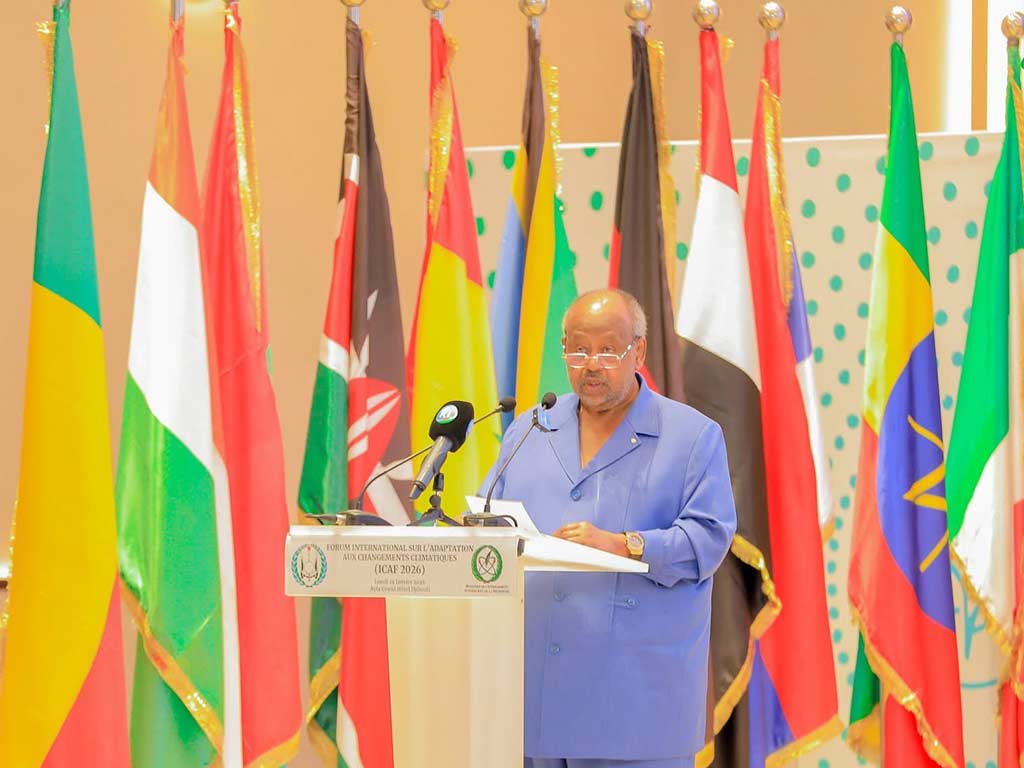
    Under the high patronage of Djiboutian President Ismail Omar Guelleh, a landmark international conference convened from January 19-21, assembling a distinguished cohort of scientists, political leaders, climate specialists, and representatives from global organizations. This pivotal gathering focused on developing innovative solutions to the escalating climate crisis affecting the Horn of Africa and beyond.

    Dr. Jalludin Mohamed, Director General of Djibouti’s Center for Research Studies, set the tone with an urgent call to action, emphasizing the immediate threats posed by climate change to regional stability and ecosystems. His address highlighted the critical window for implementing effective mitigation strategies.

    Professor Daniel Olago, Director of the Institute for Climate Change and Adaptation at the University of Nairobi, presented a forward-looking vision for climate research. He advocated for equipping emerging scientists with cutting-edge technological tools, specifically highlighting the transformative potential of artificial intelligence and machine learning in analyzing complex climate data and predicting environmental trends.

    Djibouti’s Minister of Higher Education and Research, Nabil Mohamed Ahmed, reinforced the nation’s strategic commitment to positioning scientific innovation and international collaboration as central pillars of its climate adaptation framework. This declaration signals Djibouti’s ambition to become a regional hub for climate research excellence.

    The summit featured an extensive program of thematic sessions, technical workshops, and scientific presentations specifically designed to translate theoretical discussions into practical, actionable recommendations. Participants worked to develop concrete initiatives that combine traditional knowledge with modern technological approaches to create sustainable climate resilience models.

  • Vietnam underscores historic responsibility of CPV’s 14th Congress

    Vietnam underscores historic responsibility of CPV’s 14th Congress

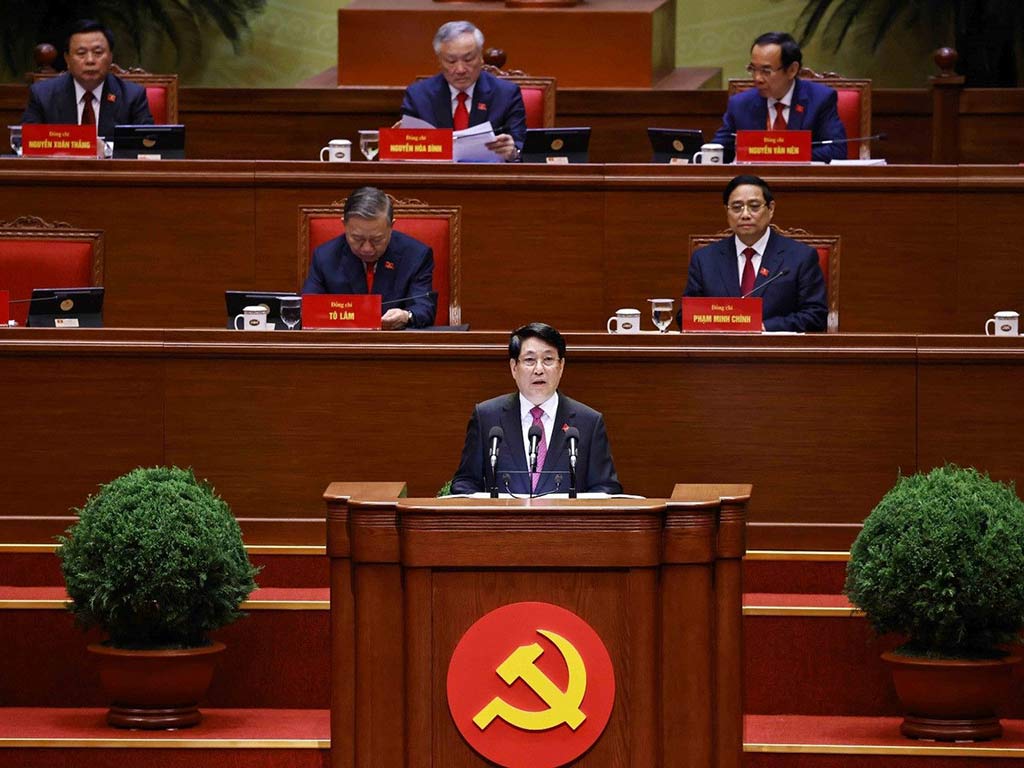
    In a landmark address opening Vietnam’s 14th National Party Congress, State leader Cuong outlined an ambitious strategic framework that will guide the nation’s trajectory through 2030 and beyond. The gathering, comprising 1,586 delegates representing over five million party members, constitutes a pivotal moment for determining Vietnam’s future direction and national destiny.

    Cuong emphasized that the congress transcends mere objective-setting for the 2026-2030 period, representing instead a comprehensive blueprint for decades to come. The conclave seeks to galvanize national development aspirations while fostering pride and resilience across Vietnamese society. A central focus involves mobilizing all available resources and growth engines to strengthen national unity and harness contemporary opportunities.

    The comprehensive agenda addresses synchronized advancement across multiple domains: renewal initiatives, construction projects, development processes, and homeland defense. These efforts align with President Ho Chi Minh’s vision of establishing Vietnam as a nation comparable to global powers, fulfilling the aspirations of both the revered leader and the Vietnamese populace.

    Characterizing the 14th Congress as inaugurating a new developmental epoch, Cuong highlighted its embodiment of resolute political determination and collective national solidarity. The overarching vision pursues a Vietnam distinguished by peace, independence, democracy, prosperity, civilization, and happiness—steadily progressing toward socialist ideals through coordinated implementation of these strategic priorities.

  • Financial agencies and entrepreneurs on Noboa’s agenda in Switzerland

    Financial agencies and entrepreneurs on Noboa’s agenda in Switzerland

    Ecuadorian President Daniel Noboa is embarking on a significant diplomatic mission to the World Economic Forum in Davos, Switzerland, scheduled from January 20-24. The president’s agenda features high-level meetings with three of the world’s most influential financial leaders: IMF Managing Director Kristalina Georgieva, Inter-American Development Bank President Ilan Goldfajn, and World Bank President Ajay S. Banga.

    Beyond economic discussions, President Noboa will strengthen bilateral relations through scheduled dialogues with multiple heads of state, including Panamanian President José Raúl Mulino, Israeli President Isaac Herzog, and Singaporean President Tharman Shanmugaratnam. These meetings represent strategic efforts to expand Ecuador’s international partnerships across diverse regions.

    The president’s itinerary also includes substantive engagements with global business leaders and entrepreneurs, highlighting his administration’s commitment to attracting foreign investment and stimulating economic growth. As part of the official forum programming, Noboa will contribute to two key discussions: ‘Rebuilding Trust in Latin America’ and ‘Transforming Latin America’s Investment Frontier,’ where he will articulate his vision for regional development and stability.

    This diplomatic initiative occurs amid Ecuador’s ongoing economic challenges and reflects the government’s proactive approach to securing international support and investment opportunities.

  • Brazil agriculture minister says country is ready to increase collaboration with IICA and member states

    Brazil agriculture minister says country is ready to increase collaboration with IICA and member states

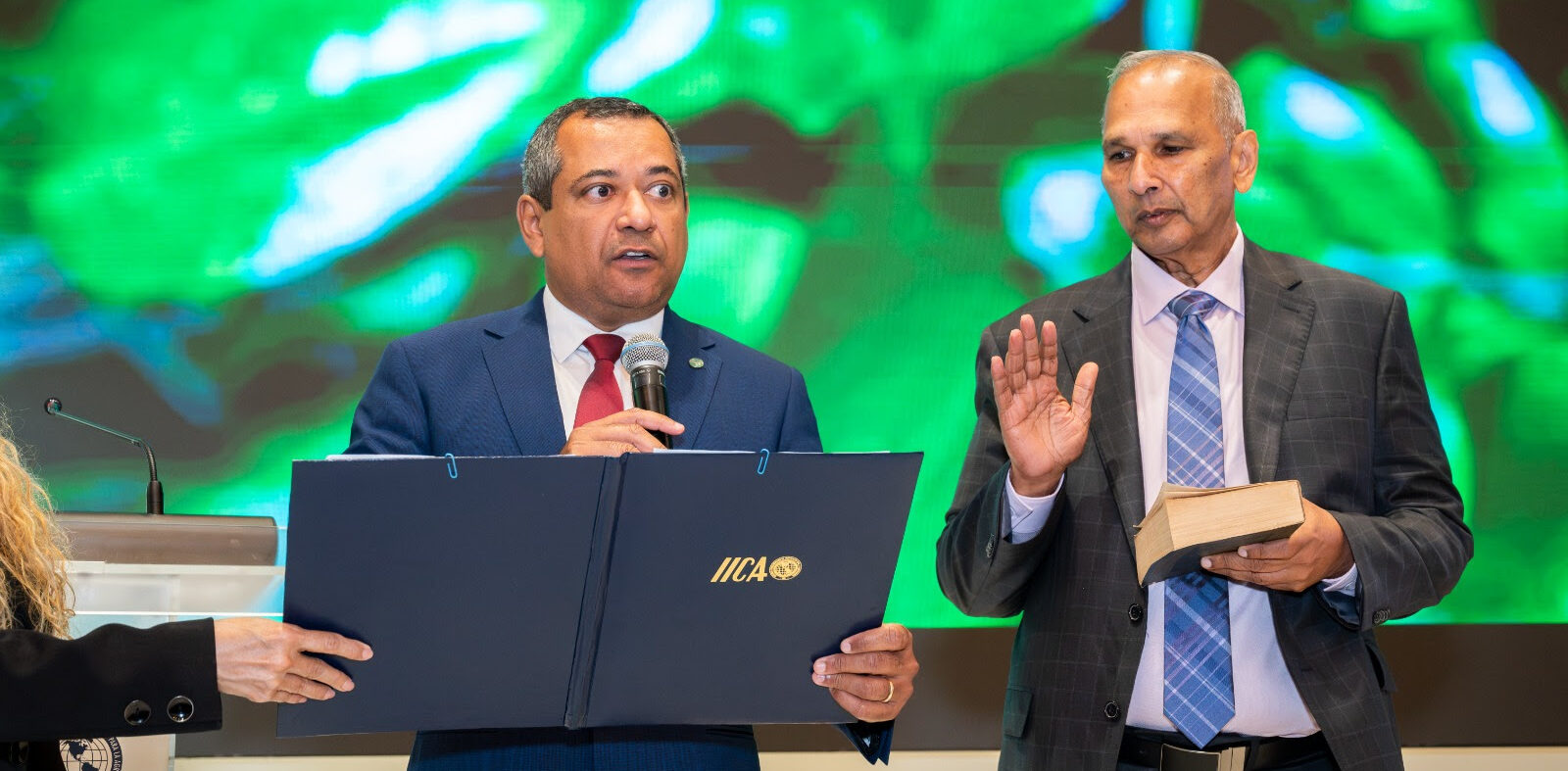
    Brazil has expressed strong confidence in Muhammad Ibrahim’s new leadership role at the Inter-American Institute for Cooperation on Agriculture (IICA), highlighting his extensive expertise in agricultural management and innovation-driven competitiveness. The endorsement came during Ibrahim’s swearing-in ceremony in San José, Costa Rica, where he officially began his four-year term as Director General.

    Cleber Soares, Brazil’s Deputy Minister of Agriculture and Livestock, represented Minister Carlos Fávaro at the ceremony and emphasized Ibrahim’s comprehensive understanding of both opportunities and challenges facing agricultural systems across the Americas. Soares confirmed Brazil’s commitment to collaborative efforts with IICA member states under Ibrahim’s guidance.

    The newly appointed Director General, a distinguished Guyanese agronomist, was elected by the continent’s agriculture ministers in November, succeeding Argentina’s Manuel Otero who completed two terms. Soares revealed that preliminary discussions with Ibrahim are already underway to facilitate knowledge sharing, particularly regarding Brazil’s advancements in tropical agriculture.

    Brazil’s remarkable agricultural transformation serves as a model for technological progress in the sector. Once a major food importer, the nation has emerged as a global agricultural powerhouse through research-driven innovations that significantly boosted productivity and sustainability.

    Looking forward, Soares identified IICA’s critical mission: strengthening partnerships between major food-exporting nations like Brazil and import-dependent countries, especially in Central America and the Caribbean. A key challenge involves integrating small-scale farmers into modern agricultural systems through sustainable technologies and value-added approaches.

    ‘Our objective extends beyond production techniques,’ Soares explained. ‘Producers require comprehensive support in farm management, marketing strategies, distribution networks, input procurement, and climate adaptation. Additionally, we must address the resurgence of plant and animal diseases that transcend national borders—an area where IICA’s coordination role becomes essential.’

    The deputy minister also emphasized two fundamental pillars for continental agricultural sustainability: accessible credit and agricultural insurance. He noted that without credit facilities, many smallholders cannot sustain their operations, while insurance protection remains particularly crucial in tropical regions vulnerable to production losses.

  • Brazil’s MST discusses its political strategy

    Brazil’s MST discusses its political strategy

    SALVADOR, BAHIA – The Landless Workers Movement (MST) launched its National Meeting on Monday at the Agricultural Exhibition Park, marking its first major national gathering since 2009. With approximately 3,000 activists from across Brazil in attendance, the five-day forum represents a significant mobilization effort to advance the movement’s strategic objectives of land redistribution, Popular Agrarian Reform, and progression toward socialist principles.

    The comprehensive agenda addresses critical issues including the dominance of capital in Brazilian agriculture, the nation’s current economic and political climate, and the MST’s organizational development. The movement is conducting thorough evaluations of its initiatives in education, agroecology, cooperative farming, and agro-industrialization practices.

    The opening session featured a panel discussion on global geopolitics and the contemporary international landscape. Journalist Breno Altman and Stephanie Weatherbee, an activist with the International Articulation of Peoples, provided analysis that highlighted the declining hegemony of U.S. imperialism in global affairs.

    This gathering surpasses the participation of the previous National Meeting held in Sarandi, Rio Grande do Sul, which commemorated the MST’s 25th anniversary with 1,500 rural workers. The current forum demonstrates the movement’s expanded reach and renewed commitment to transforming Brazil’s agricultural landscape through systemic change.

  • Prosecutor’s Office probes Peruvian president for secret meetings

    Prosecutor’s Office probes Peruvian president for secret meetings

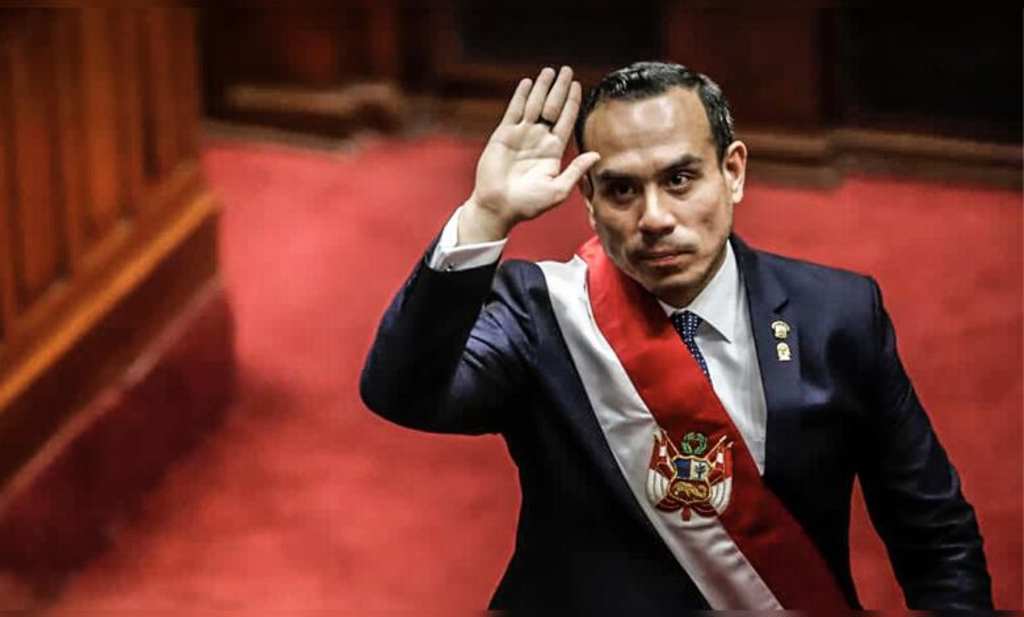
    Peru’s Public Prosecutor’s Office has formally announced the suspension of its criminal investigation into President Pedro Pablo Kuczynski until the conclusion of his presidential term in July 2018. The judicial inquiry, initiated on January 15 under special procedures reserved for sitting presidents, has involved multiple preliminary investigations and two rounds of direct questioning of the head of state.

    Attorney General Tomás Vásquez, the lead prosecutor handling the sensitive case, emphasized that the current charges represent merely a preliminary framework. The investigation aims to establish specific responsibilities and determine the complete scope of events under scrutiny once constitutional immunity limitations no longer apply.

    In a parallel development, Peru’s anti-corruption prosecutors will pursue a separate investigation targeting Chinese entrepreneur Zhi Hua Yang, who manages several companies providing services and products to various sectors. This investigation will proceed without the constitutional restrictions that apply to the sitting president. The case gained national attention after photographic evidence emerged on October 11 showing President Kuczynski wearing a hood and dark glasses while heading to a late-night meeting with Yang near midnight. The president subsequently provided conflicting explanations about the nature and purpose of these clandestine meetings.

  • Na jaren wachten: verpleegkundigen en leerkrachten krijgen grondpapieren

    Na jaren wachten: verpleegkundigen en leerkrachten krijgen grondpapieren

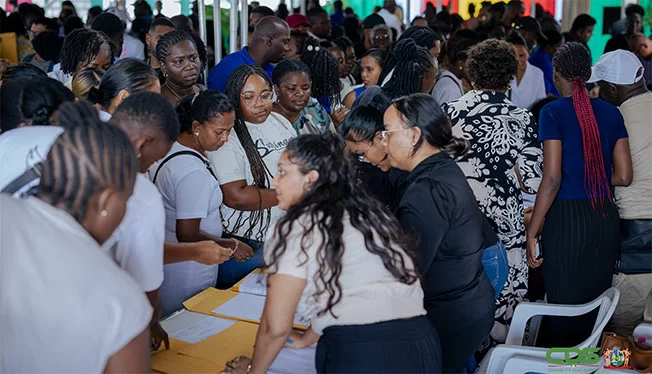
    After enduring prolonged periods of uncertainty, Surinamese nurses and teachers have finally received concrete assurances regarding housing security. On Monday, the Ministry of Land Policy and Forest Management (GBB) distributed 410 land allocation documents, providing these essential professionals with prospects for homeownership and dignified living conditions.

    The allocation comprises 200 land parcels for nurses in Commewijne district and 210 for educators in Para region. President Jennifer Simons, present during the ceremonial distribution, emphasized citizens’ constitutional right to adequate housing according to the Suriname Communication Service. The head of state declared the government’s zero-tolerance policy toward careless or inequitable implementation of land distribution programs.

    Simons highlighted the recent reactivation of the National Housing Construction Fund in December, which received an initial deposit of SRD 20 million. Through coordination with the Minister of Finance and Planning, the administration plans to issue 800-1,000 mortgages from this fund within the year. This initiative enables citizens to construct homes through low-interest financing arrangements. The president urged beneficiaries to closely monitor fund-related updates and complete necessary documentation promptly.

    Collaboration with Minister Stephen Tsang of Public Works and Spatial Planning will ensure allocated lands become construction-ready with proper infrastructure access. GBB Minister Stanley Soeropawiro clarified that recipients need only register their parcels with the Management Institute for Land Registration and Land Information System (MI-GLIS). The minister articulated land’s fundamental role in human existence, stating: “One cannot build a life without land security,” while noting this stability enables active contribution to national development.

    Soeropawiro emphasized his ministry’s commitment to transparent and equitable land administration, with digitalization processes allowing online application tracking. The system directly identifies approved and pending allocations, preventing procedural irregularities. Priority allocation targets first-time land applicants, with the minister advising patience regarding pending requests while warning against unauthorized facilitation payments. Officials expect designated lands to be utilized strictly for their intended purposes.

    Parliamentarians Bronto Somohardjo (Chairman of the Permanent Committee on Land Affairs) and Silvana Afonsoewa attended the event. Afonsoewa has championed nursing staff housing projects in Jagtlust since 2017.

  • STATEMENT: Ministry of Foreign Affairs on allegations referencing U.S. national on remand

    STATEMENT: Ministry of Foreign Affairs on allegations referencing U.S. national on remand

    ROSEAU, DOMINICA – The Dominican Ministry of Foreign Affairs, International Business, Trade and Energy has issued an official statement countering what it describes as malicious social media speculation regarding the detention of American national Jonathan Scott Lehrer. The Ministry emphasized that while it typically refrains from addressing unfounded rumors, it felt compelled to correct misinformation being circulated by political opposition groups.

    The Ministry confirmed that Lehrer is one of two U.S. citizens currently held on remand at Dominica State Prison. Contrary to suggestions of irregular proceedings, authorities detailed the established consular protocols that have been consistently followed since November 2024.

    In accordance with the Vienna Convention on Consular Relations, the U.S. Embassy in Bridgetown formally requested and received permission for consular access to both detained nationals. The Ministry clarified that such consular assistance represents standard diplomatic practice when citizens are detained overseas, subject to the host nation’s procedures.

    The request was processed through proper channels: received by the Foreign Ministry via diplomatic note, confirmed by the Ministry of National Security, and subsequently approved to the U.S. Embassy. The most recent virtual meeting occurred on January 14, 2026, with an in-person meeting scheduled for February 2026, pending final confirmation from security officials.

    The Dominican government asserted its commitment to maintaining the highest standards of integrity, fairness, and respect in handling all detainees. The statement strongly rejected characterizations that consular access negotiations represented any form of special arrangement with U.S. authorities, labeling such suggestions as deliberately misleading.

    The Ministry concluded by urging the public to allow the judicial process to proceed without interference and refrain from making statements that could potentially prejudice ongoing legal proceedings.