作者: admin

  • Trump zet bondgenoten onder druk om oliedoorgang te beveiligen

    Trump zet bondgenoten onder druk om oliedoorgang te beveiligen

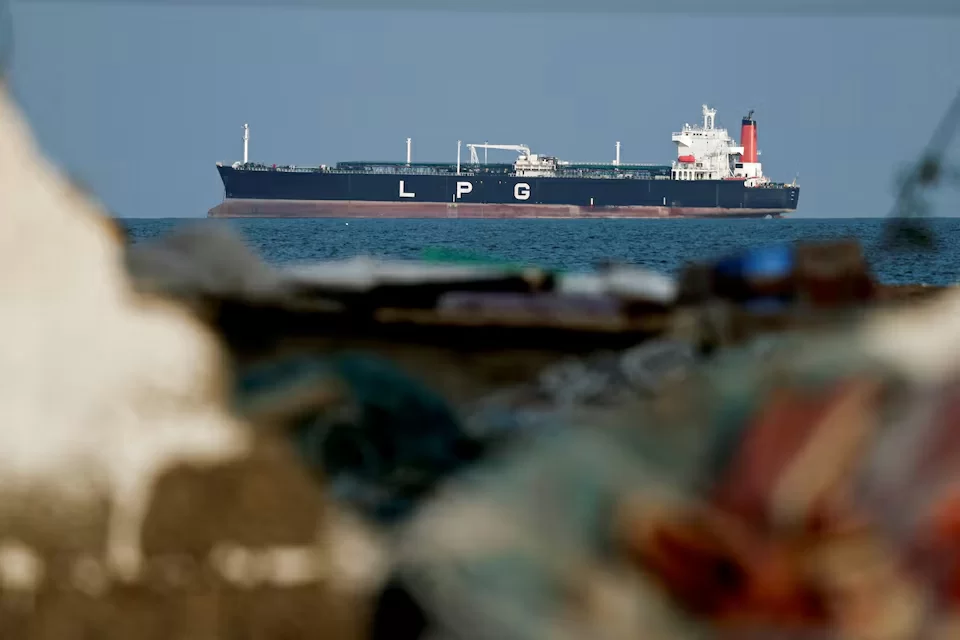
    The strategic Strait of Hormuz remains effectively closed to global shipping as the U.S.-Israel conflict with Iran enters its third week, creating unprecedented disruption to world energy markets. President Donald Trump has escalated rhetoric by threatening additional strikes on Kharg Island, Iran’s primary oil export terminal, while dismissing prospects for a near-term diplomatic resolution.

    Speaking to NBC News on Saturday, Trump stated that U.S. attacks had already ‘completely devastated’ significant portions of Kharg Island and suggested further bombings ‘just for fun.’ This represents a marked escalation from previous claims that U.S. operations targeted only military installations on the island.

    The conflict has claimed over 2,000 lives, predominantly in Iran and Lebanon, while spreading instability across the Middle East. Washington has reportedly sidelined mediation attempts by regional allies, according to three sources familiar with the discussions.

    Iran’s Revolutionary Guard announced Sunday it had launched additional rocket attacks against Israeli targets and three U.S. bases in the region. The organization pledged further retaliation for workers killed in Iranian industrial zones after airstrikes hit a refrigerator and heater factory in Isfahan, killing at least 15 people.

    Supreme Leader Mojtaba Khamenei, who succeeded his father following the elder Khamenei’s death on the first day of attacks, has maintained that the Strait of Hormuz must remain closed. The waterway typically handles approximately one-fifth of global oil and gas production.

    The International Energy Agency reported last week that the closure has created the largest disruption in global oil market history, potentially reducing worldwide oil inventories by approximately 8% in March. Brent crude prices have surpassed $100 per barrel with expectations of further increases.

    Trump has called upon China, France, Japan, South Korea, Britain and other nations to deploy warships to secure the strategic passageway, stating that ‘countries receiving oil through the Strait of Hormuz should secure that passage.’ However, no nation has committed to direct action while combat operations continue.

    French officials indicated they are attempting to form a coalition to secure the strait once the security situation stabilizes, while Britain is discussing various options with allies to ensure shipping safety. Iranian Foreign Minister Abbas Araqchi warned counterparts that nations should refrain from any actions that might escalate the conflict.

  • Gov’t to launch consumer protection guide amid safety concerns

    Gov’t to launch consumer protection guide amid safety concerns

    The Consumer Affairs Division of Kingstown is set to initiate a comprehensive public education campaign addressing mounting concerns over consumer rights violations and the proliferation of substandard goods in Saint Vincent and the Grenadines. The campaign will formally commence on Monday with the release of a consumer protection guide designed to empower citizens.

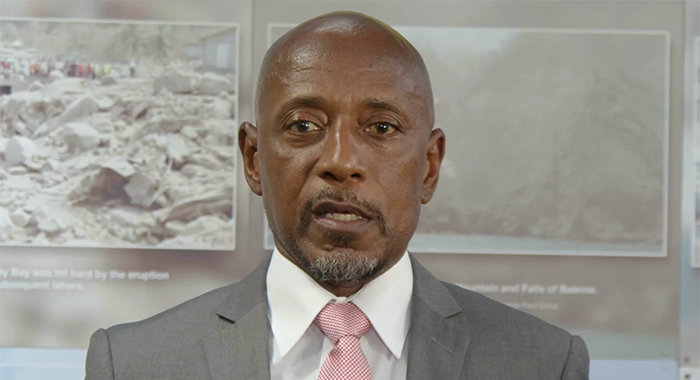
    Foreign Affairs and Foreign Trade Minister Dwight Fitzgerald Bramble articulated these concerns during his national address marking World Consumer Rights Day on Sunday, a globally recognized United Nations-supported observance. Minister Bramble revealed that his department’s investigations across communities from Fancy to Union Island consistently uncovered issues regarding product quality and safety.

    The newly developed guide translates complex legal terminology into accessible language, enabling consumers to recognize violations such as illegal ‘no-refund’ signs. This initiative culminates a week of activities commemorating World Consumer Rights Day, which will conclude with a solidarity march at the Ministerial Building car park on March 16.

    Minister Bramble emphasized the particular vulnerability of small island developing states, noting that while developed nations debate high-end consumer technologies, Vincentians grapple with fundamental concerns about flour prices, imported product safety, and appliance reliability. He acknowledged that global disruptions including COVID-19, the La Soufrière volcanic eruptions, Hurricane Beryl, climate change, and the Ukraine conflict have exacerbated these challenges through inflationary pressures and supply chain vulnerabilities.

    The Consumer Protection Act No. 12 of 2020 serves as the legislative foundation for these efforts, establishing comprehensive frameworks for supplier obligations, violation identification, and protection against unfair trade practices. Bramble characterized the legislation as ‘a shield for every citizen’ against those who view the Caribbean as a dumping ground for inferior or nearly expired goods.

    Looking forward, the Consumer Affairs Department will implement an extensive national education program featuring town hall meetings and various outreach activities throughout the year, aiming to bridge the gap between legal provisions and practical consumer experiences in both physical and digital marketplaces.

  • Car Barbados launches new electric and hybrid models amid rising fuel costs

    Car Barbados launches new electric and hybrid models amid rising fuel costs

    In response to escalating fuel prices exacerbated by geopolitical tensions in Iran, Caribbean automotive retailer Car Barbados is accelerating the transition to electric mobility with the introduction of two new KGM vehicles. The dealership’s strategic expansion features the Acteon hybrid SUV and a fully electric iteration of the Musso pickup truck, marking what company executives term a ‘transformative leap’ toward sustainable transportation infrastructure on the island.

    General Manager Chris Haywood unveiled these models during a Saturday launch event, addressing potential concerns regarding vehicle adaptability to Barbados’ topography. ‘These automotive platforms are engineered for Australia’s rigorous environments,’ Haywood assured attendees, ‘which translates to seamless compatibility with Barbados’ driving conditions and durability expectations.’

    The economic rationale for electrification appears compelling, with operational data revealing substantial cost advantages. Haywood quantified the savings: ‘Operational expenditure for full-electric vehicles demonstrates approximately 75% reduction compared to conventional internal combustion engine alternatives.’ This financial benefit, coupled with inclusive five-year service packages, positions electrification as both economically and environmentally strategic.

    Haywood attributed the dealership’s market penetration to its customer-centric philosophy, noting, ‘Our operational ethos blends technical excellence with familial hospitality—we’ve built our reputation through experiential satisfaction and organic advocacy.’ This dual approach of technological innovation and relational commerce underscores Barbados’ evolving energy landscape as global fuel dynamics continue shifting.

  • Men’s health in focus at holistic engagement day

    Men’s health in focus at holistic engagement day

    Barbados confronted its escalating non-communicable disease rates and mental health challenges with a pioneering Men’s Health and Engagement Day this Saturday. Hosted at The University of the West Indies, Cave Hill campus, the event created a vital sanctuary for men to focus on holistic well-being and rebuild community ties. The initiative, a collaboration between the Roots Wellness Movement and the Ministry of Health and Wellness, offered a multifaceted approach to health that extended beyond traditional medical screenings.

    Attendees received comprehensive health assessments, including checks for blood pressure, diabetes, cholesterol levels, and colon health. However, the program notably integrated these clinical services with social and physical activities to foster a supportive environment. Men participated in various sports such as cricket, football, basketball, and road tennis, while jiu-jitsu demonstrations provided both entertainment and education about physical discipline.

    The event further addressed practical barriers to wellness through complimentary personal care services including haircuts and therapeutic massages. Nutritionists conducted live cooking demonstrations aimed at dismantling the pervasive misconception that healthy eating is inherently costly or complicated, providing attendees with affordable nutritional strategies.

    Shereen Haines, co-founder of Roots Wellness Movement, highlighted the profound mental health implications of modern digital culture. She identified unrealistic social media expectations as a primary driver of anxiety, depression, and chronic stress among males of all ages. “People encounter curated digital narratives and mistakenly gauge their self-worth against these artificial standards, leading to feelings of inadequacy,” Haines explained. She noted these psychological pressures are manifesting in increasingly younger demographics, with children as young as five exhibiting body image issues.

    Haines described how this psychological distress, when combined with cultural tendencies toward instant gratification and widespread consumption of processed foods, has created a ‘perfect storm’ fueling Barbados’s current health pandemic. The event served as a proactive countermeasure to these trends by emphasizing authentic community connection, practical health education, and accessible wellness resources.

  • Belangrijke stap in digitale ontwikkeling van Brownsweg

    Belangrijke stap in digitale ontwikkeling van Brownsweg

    The Surinamese Ministry of Transport, Communication, and Tourism (TCT) has officially inaugurated construction of a new ICT center in Brownsweg, Brokopondo district, marking a significant advancement in the nation’s digital inclusion strategy. This initiative represents a crucial component of the broader Project for Digital Accessibility in the Interior, which envisions establishing nine such facilities across Brokopondo, Marowijne, Sipaliwini, and Para districts.

    These centers are designed to provide local communities with comprehensive access to computing resources, advanced ICT infrastructure, reliable internet connectivity, and hands-on digital literacy training programs. The project aims to bridge the persistent digital divide while simultaneously enhancing educational opportunities, knowledge development, and economic prospects in Suriname’s interior regions.

    After experiencing a period of inactivity, the project has been revitalized, demonstrating the ministry’s renewed commitment to promoting digitalization and making technology accessible to all citizens regardless of geographical location. The initiative aligns with the government’s comprehensive policy framework aimed at stimulating technological adoption and ensuring equitable access to digital resources nationwide.

    Under the leadership of acting Communication Director Louis Alfaisie and acting Deputy Director Inez Niamat, the TCT’s Directorate of Communication is overseeing project implementation. Ministry officials have identified the ICT centers as top priorities in creating a modern, digitally accessible society that includes all of Suriname’s diverse districts.

    The Brownsweg groundbreaking ceremony signifies a tangible step toward realizing a future where technology, knowledge, and economic opportunities become universally accessible throughout Suriname, particularly in historically underserved interior communities.

  • ‘Gas’ wanted by police

    ‘Gas’ wanted by police

    Barbados law enforcement authorities have escalated their search for Ramone Jamar Dacosta Jordan, a 32-year-old fugitive known by the alias “Gas,” who is wanted for interrogation regarding serious criminal investigations. The Barbados Police Service (TBPS) has classified Jordan as armed and potentially dangerous, issuing stern warnings to the public against any attempts to approach him.

    Jordan’s last documented residence was in the Wiltshire Avenue area of Bayfield, St Philip. The suspect possesses distinctive physical characteristics that may aid in his identification: standing approximately six feet two inches tall with a slender build, brown complexion, and long dreadlock-style hair. Notable identifying features include elaborate tattoos on his left arm depicting a wall structure with the word “GAS” prominently displayed at the top, accompanied by additional inkwork featuring the terms ‘Honor,’ ‘Yolo,’ and ‘Loyalty’ arranged in a strategic pattern.

    Law enforcement officials have formally advised Jordan to surrender voluntarily to the Criminal Investigations Department (South) located at the Oistins Police Station in Christ Church. The police emphasize that he should be accompanied by legal representation of his choosing during this process.

    The TBPS has established multiple channels for information regarding Jordan’s whereabouts, urging citizens to contact the Criminal Investigations Department (Oistins) at 418-2608 or 418-2612, Police Emergency services at 211, Crime Stoppers at 1-800-8477, or their nearest police station. Authorities have reiterated that providing shelter or assistance to wanted individuals constitutes a serious criminal offense subject to prosecution, reminding the public of their legal obligations in such matters.

  • MP urges update to 60-year-old NISS law

    MP urges update to 60-year-old NISS law

    Barbados Parliamentarian Toni Moore has initiated a groundbreaking legislative proposal to comprehensively modernize the island nation’s nearly six-decade-old National Insurance and Social Security (NISS) Act. The government MP and Barbados Workers’ Union General Secretary presented a resolution before the House of Assembly advocating for a transformative national portable benefits system that would anchor social protection to individual workers rather than specific employment arrangements.

    Moore articulated that Barbados’ current social security framework has failed to adapt to the dramatic evolution of modern employment patterns. She highlighted the proliferation of non-traditional work arrangements including short-term contracts, subcontracting, digital platform engagements, and gig economy positions that have fundamentally reshaped the Barbadian labor landscape.

    “These workers contribute substantial labor value and productivity to Barbados’ development yet remain vulnerable to insecurity because social protection is erroneously treated as attaching to job classifications rather than to the worker as a human being,” Moore stated during her parliamentary address.

    The proposed portable benefits framework operates on the foundational principle that “Social Security must follow the worker, not the job” – a concept Moore characterized as essential for ensuring fairness, economic resilience, and national social stability. Under this revolutionary system, all employers, digital platforms, and agencies would be mandated to contribute to workers’ social security regardless of engagement duration or contractual form.

    Moore emphasized the particular urgency of protecting gig workers, construction laborers, domestic staff, and creative/digital economy participants who frequently rely on multiple income streams. She warned that without reform, many workers risk reaching retirement age only to discover their years of labor haven’t translated into adequate contributions for dignified retirement.

    The proposed overhaul would simultaneously strengthen the National Insurance Social Security Service by expanding participation, enhancing compliance, and closing longstanding regulatory loopholes that have fostered accountability gaps. Moore acknowledged implementation would require significant administrative modernization, including digital systems for payment processing, contribution tracking, and financial reconciliation.

    Additional components include strengthened inspection regimes, monitoring mechanisms, enforcement protocols, and proportionate penalties for non-compliance. The proposal also mandates comprehensive public education campaigns to ensure both workers and engagers fully understand their respective rights, duties, and responsibilities within the reformed system.

  • Community Bulk Waste Clean-Up Held in St. Mary’s South

    Community Bulk Waste Clean-Up Held in St. Mary’s South

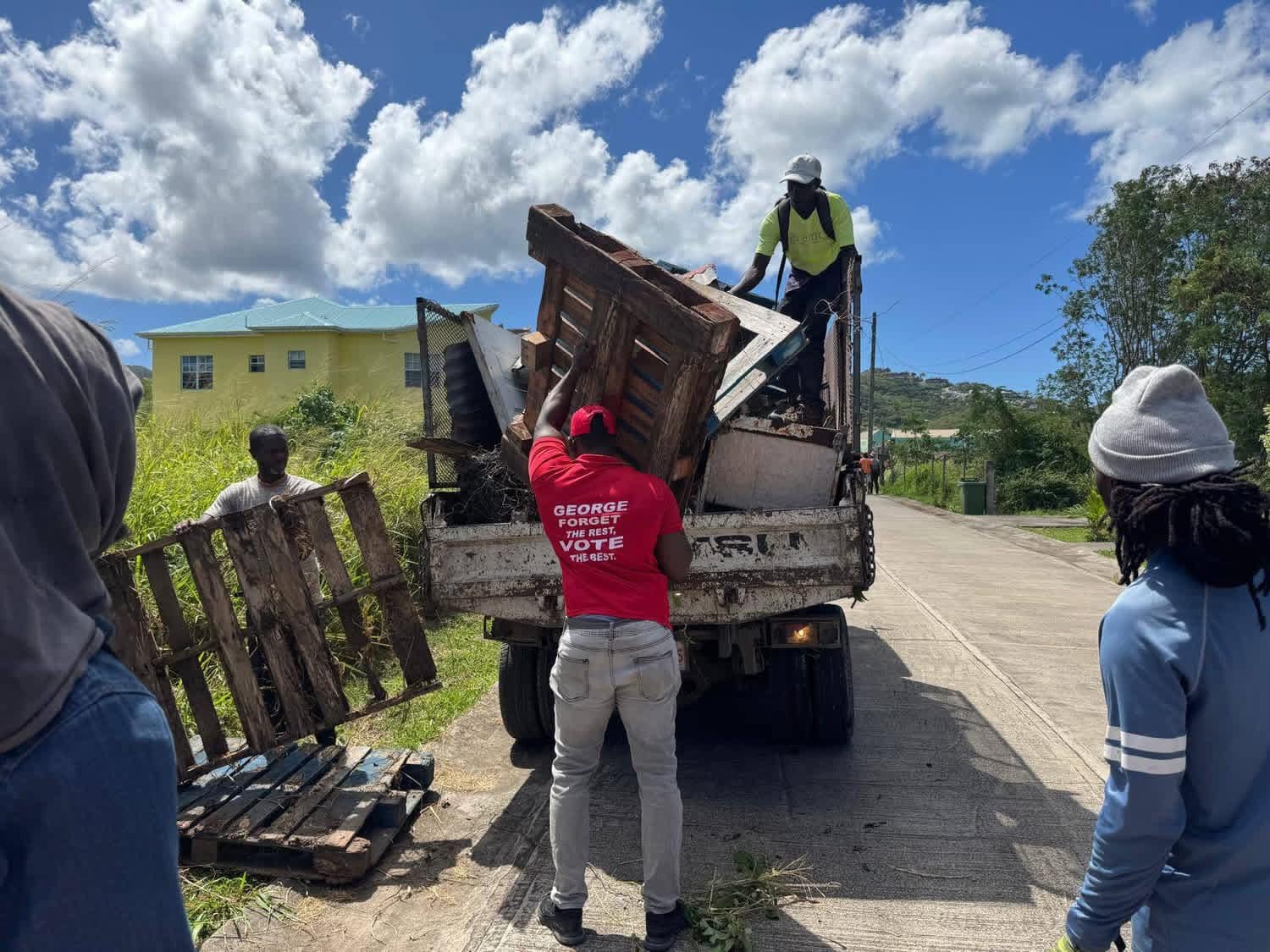
    The constituency of St. Mary’s South witnessed its second major bulk waste removal operation on Saturday, marking another milestone in community-led environmental efforts. Spearheaded by Senator Dwayne George, the initiative saw collaborative action between the National Solid Waste Management Authority and the Bolans Beautification Team.

    Operating under the community campaign theme ‘Clean Where You Live,’ the program focused on removing large discarded items while simultaneously promoting responsible waste disposal practices among residents. Volunteers and community members mobilized across multiple neighborhoods to collect bulky waste that typically falls outside regular garbage collection services.

    Senator George emphasized the initiative’s significance in preserving both the aesthetic appeal and sanitary conditions of communities within his constituency. He characterized the event as notably successful, attributing its achievements to the remarkable cooperation between residents and volunteer participants.

    The senator particularly highlighted the demonstrated sense of unity and collective community pride displayed throughout the clean-up effort. He noted the encouraging sight of community members working collaboratively toward a common environmental goal. According to George, such initiatives powerfully demonstrate how coordinated community action can effectively contribute to creating cleaner, healthier living environments for all residents.

    The event represents an ongoing commitment to environmental stewardship and community improvement, building on previous successes while establishing a framework for future clean-up operations throughout the constituency.

  • Sir Rodney and Lady Williams hold talks with Royal Drawing School

    Sir Rodney and Lady Williams hold talks with Royal Drawing School

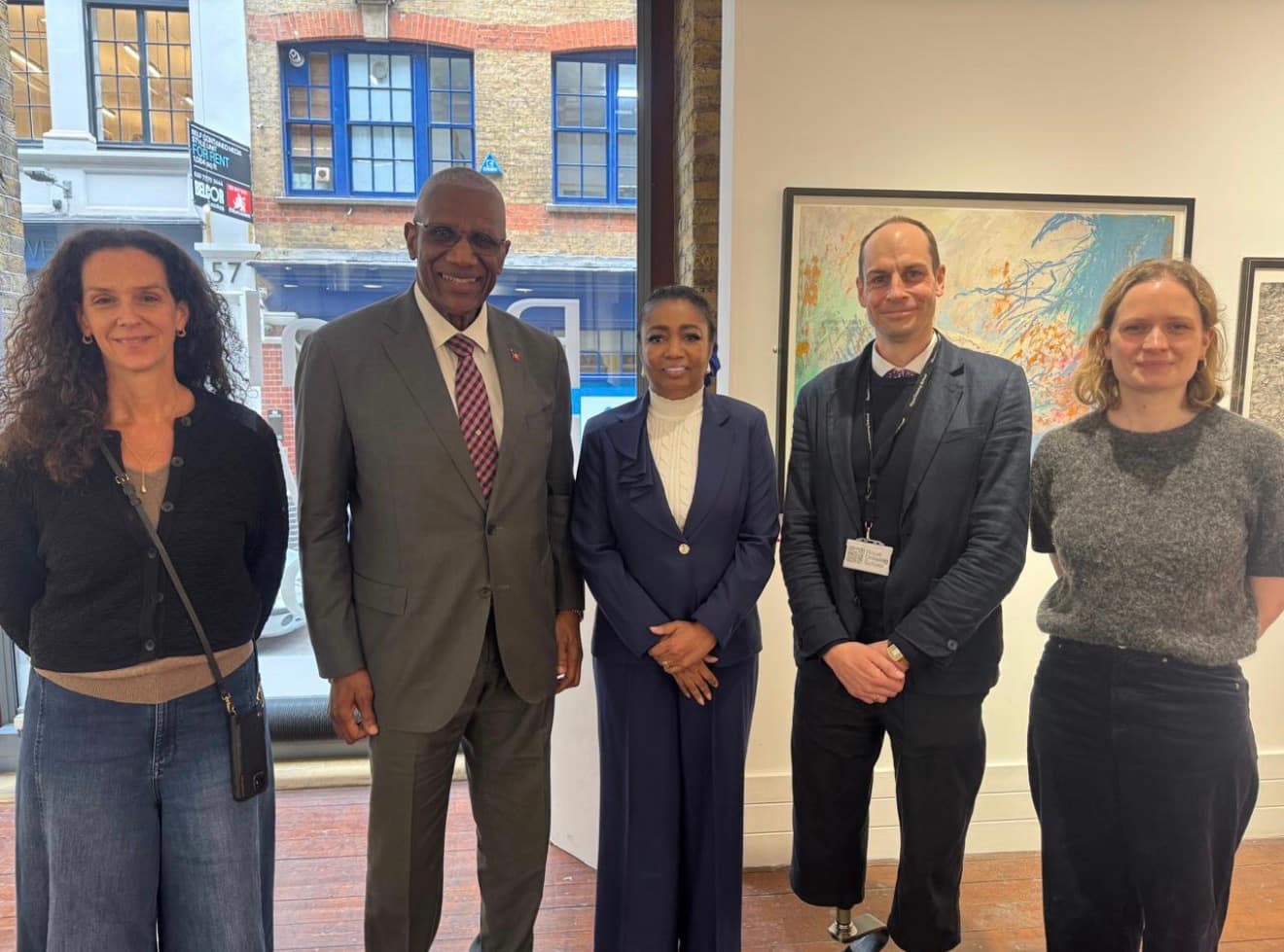
    In a significant development for Caribbean arts education, Their Excellencies Sir Rodney and Lady Williams, the Governor General of Antigua and Barbuda and the President of the Holy Foundation, have concluded strategic talks with London’s prestigious Royal Drawing School (RDS). The high-level meeting, held in the British capital, has resulted in a major expansion of the school’s teaching residency program.

    Traditionally limited to primary, secondary, and tertiary students, the residency will now be opened to a broader demographic, encompassing all citizens with a demonstrated interest and involvement in the visual arts. This policy shift aims to foster a more inclusive and widespread engagement with artistic practices across Antigua and Barbuda.

    The discussions, which included RDS Director Harry Parker and Partnerships Consultant Fiona Fox, also advanced planning for potential public exhibitions to be staged during the upcoming Commonwealth Heads of Government Meeting (CHOGM). These exhibitions are envisioned to showcase both local Antiguan and Barbudan talent and the fruits of the expanded residency program on a global stage. Furthermore, the parties outlined a series of collaborative initiatives targeting both short and medium-term implementation, signaling a sustained commitment to strengthening cultural ties and arts education in the region.

    The engagement underscores a growing recognition of the arts as a vital component of societal development and international diplomacy.

  • Nieuwe spanningen tussen Guyana en Venezuela over Essequibo

    Nieuwe spanningen tussen Guyana en Venezuela over Essequibo

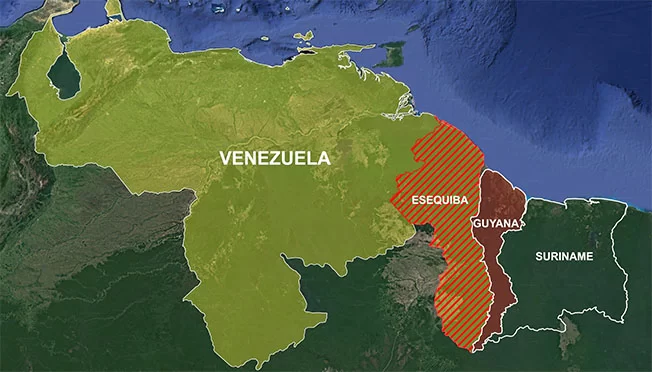
    Diplomatic tensions between Guyana and Venezuela have intensified significantly following a contentious dispute over planned hydrocarbon activities in maritime zones adjacent to the historically contested Essequibo region. The Venezuelan government in Caracas has issued strong objections to Guyana’s announced seismic research program, denouncing it as “unilateral and illegitimate actions” within waters that Venezuela claims remain subject to unresolved maritime boundaries.

    Georgetown has firmly rebuffed these criticisms, asserting that Venezuela holds no legal jurisdiction over the coastal waters off Essequibo and maintaining that the exploratory activities fall entirely within Guyana’s exclusive economic zone. The controversial program includes comprehensive 3D seismic surveys covering approximately 25,000 square kilometers of offshore territory, aimed at identifying new petroleum reserves beneath the ocean floor.

    This latest escalation is intrinsically linked to Guyana’s rapid emergence as a global energy player. Since discovering substantial offshore oil deposits, the nation has transformed into one of the world’s fastest-growing economies, with exploration concentrated in the resource-rich Guyana-Suriname Basin that has attracted significant international energy investment.

    Venezuela perceives these developments as direct challenges to its historical territorial claims. The Caracas administration has repeatedly warned that natural resource exploitation in the disputed zone cannot proceed without mutual agreement between the neighboring nations.

    The Essequibo conflict traces its origins to the colonial era, centering on a vast 160,000-square-kilometer territory that constitutes approximately two-thirds of Guyana’s landmass. Guyana bases its sovereignty on an 1899 international arbitration award that established boundaries favoring what was then British Guiana. Venezuela has consistently rejected this ruling, maintaining the territory has historically belonged to its domain.

    The longstanding dispute now rests with the International Court of Justice in The Hague. While Guyana seeks judicial confirmation of the 1899 arbitration validity, Venezuela has historically contested the Court’s jurisdiction in this matter.

    Regional observers throughout the Caribbean and South America are monitoring the situation closely, particularly given the strategic importance of the newly discovered petroleum reserves. Diplomatic sources indicate concerns that tensions could further escalate pending the international court’s definitive ruling on the border determination.

    The stakes are exceptionally high for Guyana, where the oil industry has become the primary engine of economic expansion. Conversely, Venezuela considers the Essequibo matter a historically sensitive political issue that frequently triggers diplomatic confrontations between the nations.

    International analysts anticipate continued friction around the Essequibo controversy until the International Court of Justice delivers a final and binding decision regarding the disputed border demarcation.