
Grenada has marked a critical milestone in the evolution of its national consumer protection infrastructure with the official launch of the long-awaited Consumer Affairs Tribunal, a specialized independent body tasked with adjudicating consumer-related conflicts across the country. The five-person panel, which brings together cross-sector professional expertise to ensure balanced, informed decision-making, officially began its regulatory and adjudicatory functions on Wednesday, September 16, 2026. Leading the tribunal is Magistrate Nevlyn John, who will work alongside fellow panel members Egbert Felix, a retired public servant, Caryn Adams, a practicing attorney-at-law, Randy Cadet, Deputy Comptroller of Grenada’s Inland Revenue Division, and Nicole Forsyth-Garraway, a professional economist. The collective background of the tribunal’s membership spans core fields relevant to consumer advocacy and dispute resolution, including public administration, legal practice, taxation, economics, business strategy, and accounting, creating a foundation for well-rounded, thoughtful consideration of every case brought before the body. Senator Claudette Joseph, Grenada’s Minister responsible for Consumer Affairs, framed the tribunal’s launch as a transformative leap forward for the country’s consumer protection regime. In her remarks marking the occasion, Joseph emphasized that the new body fills a long-standing gap in access to justice for consumers, strengthening systemic accountability and creating a formal, accessible avenue for residents to seek redress when conflicts arise with businesses or service providers. “This step does more than improve our regulatory framework,” Joseph noted. “It builds greater public trust in Grenada’s marketplace, and reaffirms our government’s unwavering commitment to upholding and protecting the fundamental rights of consumers across all sectors.” Merlyn Horsford-Williams, Director of Grenada’s Consumer Affairs Office, echoed Joseph’s optimism, highlighting that the operational tribunal will amplify the office’s core mission to serve public interests. Horsford-Williams explained that the new adjudicatory body complements the existing work of the Consumer Affairs Office, expanding the range of formal resolution options available to consumers and strengthening the institution’s capacity to address public concerns through a transparent, rule-bound process. For tribunal chair Nevlyn John, the opportunity to lead the new body comes with significant responsibility that the panel is prepared to uphold. “It is an honour to be entrusted with this role, and our entire panel recognizes the gravity of the work ahead of us,” John said. “We are committed to approaching every case that comes before us with fairness, impartiality, and uncompromising integrity, and we will carry out our duties professionally to strengthen public confidence in this new dispute resolution system.” With the tribunal now fully operational, the Consumer Affairs Office is urging Grenadian residents to continue reporting consumer-related concerns and take advantage of the expanded formal services now available to them. The launch brings Grenada’s national consumer protection framework one step closer to full functionality, equipping the system to hear and resolve eligible consumer disputes in line with established, transparent legal and regulatory procedures.
作者: admin
-
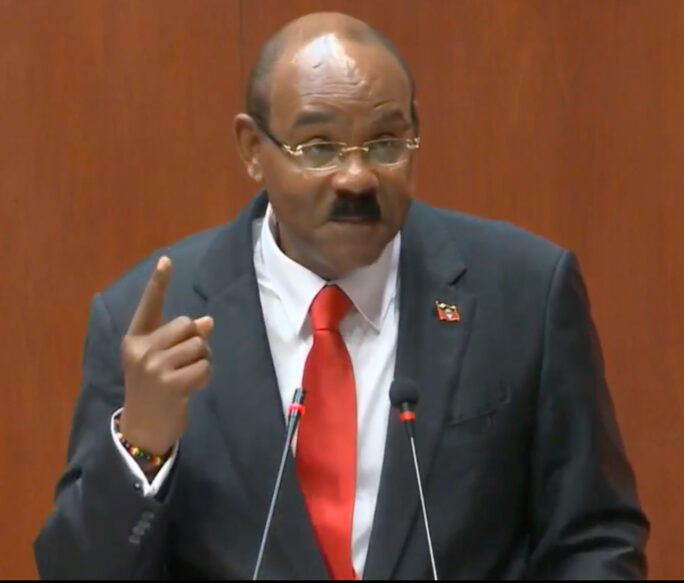
Gaston Browne Fires Back at Attorney Over Chemical Castration Criticism
A fiery public exchange has erupted over a radical criminal justice proposal in Antigua and Barbuda, with Prime Minister Gaston Browne doubling down on his call for legal chemical castration as an optional sentencing option for repeat child sexual offenders, while launching a scathing rebuke of his outspoken critic, attorney Edwin.
Browne hit back hard after Edwin labeled his proposal as irresponsible, attacking the prime minister in personal terms. In a forceful response, Browne rejected the characterization of his plan as a political gimmick, emphasizing that it was born out of a growing public anger over persistent soft sentencing for heinous crimes against children.
The prime minister pointed to a longstanding gap between law and practice in the Caribbean nation: while Antigua and Barbuda currently carries a maximum sentence of life imprisonment for statutory rape, lenient sentencing norms in the country’s courts have resulted in repeat offenders walking free after serving just two or three years behind bars for repeated rapes of underage girls. He argued that such disproportionately short punishments fail to deliver any meaningful justice to the young victims who have endured traumatic, repeated abuse.
Turning his criticism directly to Edwin, Browne accused the defense attorney of prioritizing his own professional income and client protection over the rights and well-being of violated children. He claimed that attorneys who represent these perpetrators often lack any empathy for the young survivors who face lifelong harm from sexual exploitation, stressing that criminal offenders are not the only group entitled to legal protections. Short multi-year sentences for repeated child rape can never amount to justice, Browne insisted.
Compared to harsher alternatives such as the death penalty or 30-year prison terms that critics have referenced, Browne framed court-supervised, legally grounded chemical castration as a pragmatic, viable alternative sentencing option that would address the failure of current sentencing practices.
With general elections scheduled to take place in Antigua in 2031, Browne made clear he would not backtrack on his statement. He called on Edwin to end personal attacks, show respect for differing views, and confront the systemic failure that enables lenient sentencing for child sex offenders. Closing his response, Browne challenged Edwin: while the prime minister says he is fighting to secure justice for vulnerable young people targeted by abuse, the attorney is only fighting to protect his own income stream that comes from defending convicted criminals. Browne repeatedly pressed Edwin to answer where his empathy is for the girls and boys who have endured repeated violation at the hands of pedophiles.
-
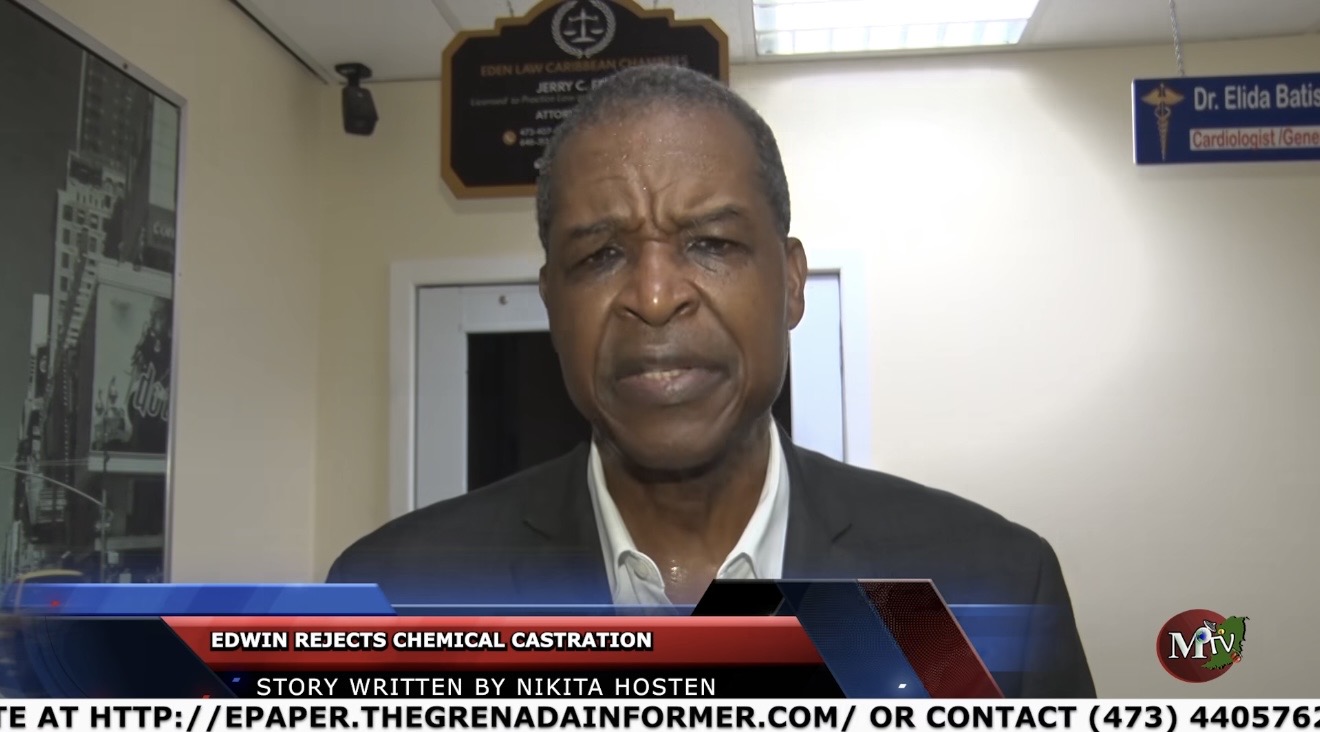
Grenada Attorney Calls Browne’s Chemical Castration Proposal ‘Barbaric’
A sharp public debate has erupted in Antigua and Barbuda over a controversial policy proposal from Prime Minister Gaston Browne, after top criminal defence attorney Gerry Edwin launched a scathing attack labeling the plan to consider chemical castration for repeat child sex offenders both barbaric and a calculated political gimmick.
While Edwin acknowledged that sexual violence against children demands the gravest legal response, he pushed back against Browne’s proposal, arguing that all criminal punishment must adhere to established legal principles, due process, and universal fundamental human rights standards.
“In the 21st century, what could possibly prompt a national leader to put forward one of the most inhumane punishments known today?” Edwin said in his public remarks.
The controversy stems from Browne’s recent announcement that his administration is advancing a package of harsher penalties for sexual offenses and firearms-related crimes. At the core of the proposal is a plan to explore chemical castration — a non-surgical medical procedure that uses medication to suppress sex hormones and reduce libido — as an additional punishment for adults who repeatedly commit sexual offenses against minors.
Edwin argued that Antigua and Barbuda’s existing legal system already provides robust tools to address these heinous crimes, noting that courts already have the authority to hand down decades-long prison sentences for severe sexual offenses. He pointed out that Antigua and Barbuda is unique among Organization of Eastern Caribbean States (OECS) members in operating a dedicated specialized sex offenses court, which has clear sentencing guidelines and a track record of imposing lengthy custodial terms on convicted offenders.
Beyond legal concerns, Edwin openly questioned the prime minister’s motivation for bringing the proposal forward now, arguing that the policy is rooted in political gain rather than public safety. “It appears to me that the prime minister has dragged the standards of political leadership into the gutter, because this is nothing more than a political stunt,” he said, adding that the timing of the proposal strongly suggests an upcoming general election is driving the conversation.
Browne has defended his plan, pushing back against critics by arguing that existing lengthy prison terms are not enough to protect children from serial offenders. The government’s upcoming legislative amendments will also introduce tougher mandatory minimum sentences for rape, statutory rape, and firearms offenses, as part of a broader crackdown on violent crime.
Edwin closed his remarks with a warning to political leaders, urging them to weigh the long-term legal and human rights consequences of pushing harsh, populist punishment proposals at a moment when public outrage over child sexual abuse runs high. He posed a provocative question to the public and leadership alike: “What kind of people would we become if we embrace such measures?” He noted that public demands for extreme punishment often shift when the offender is a family member or personal acquaintance, highlighting the danger of letting populist anger override established legal rights.
-

Spanish-Speaking Students Get New Learning Devices at Golden Grove Primary
In a significant development for inclusive education in Antigua and Barbuda, the Ministry of Education, Science and Technology’s English as a Second Language (ESL) Pilot Programme based at Golden Grove Primary School took delivery of a diverse suite of instructional materials and digital devices on Friday, 11 September 2026. These resources are intended to directly elevate both classroom instruction and student engagement for learners building English proficiency.
-
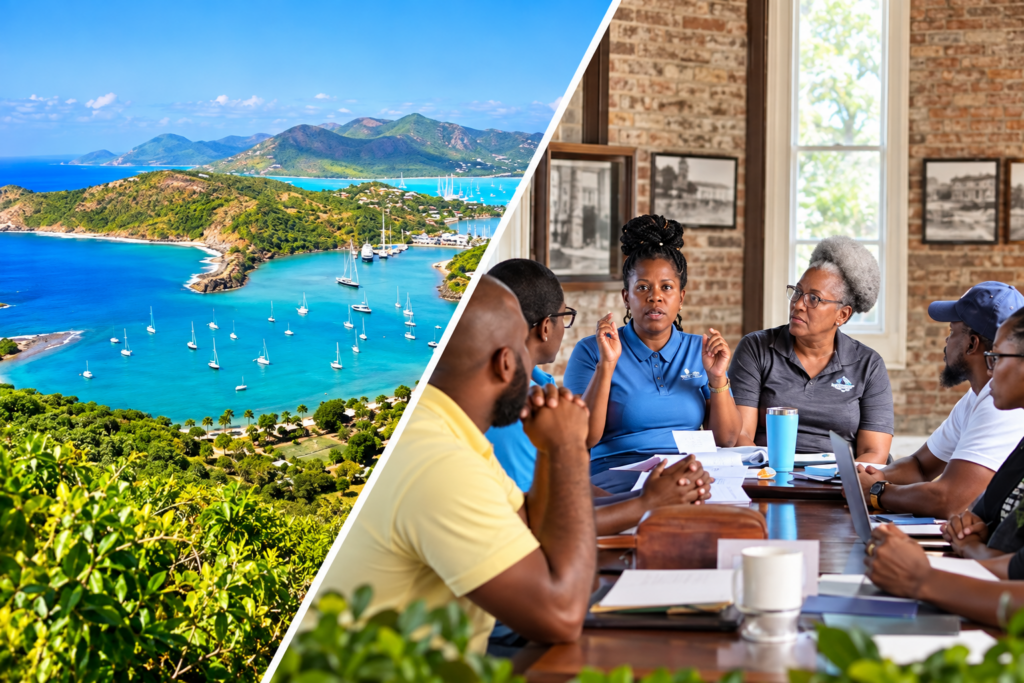
Final Workshop Set for Nelson’s Dockyard Marine and Natural Resources Plans
Stakeholder engagement for the future governance of Nelson’s Dockyard National Park’s fragile coastal and marine ecosystems is set to enter a critical stage next week, with a final validation workshop for two landmark management plans scheduled to take place on September 24. The event, organized jointly by Integrated Health Outreach and the National Parks Authority, will run from 5:30 p.m. to 8:30 p.m. at the Long Hall Events Center located in the historic Officers’ Quarters of Nelson’s Dockyard.
This workshop marks a key milestone in the multi-stage planning process for the park’s proposed Marine Spatial Plan and Natural Resources Management Plan, two comprehensive frameworks designed to guide sustainable use and protection of the region’s natural assets for years to come. Attendees will have the opportunity to review the full draft proposals, sign off on finalized provisions, and raise any outstanding questions before the plans move toward formal implementation.
Key agenda topics for the interactive session reflect the most pressing challenges and priorities facing the park’s diverse ecosystems. Participants will tackle critical issues including pollution mitigation and solid waste management, the official demarcation of different marine zones, and the identification of areas allocated strictly for conservation, sustainable commercial fishing, and other permitted marine economic activities. Beyond marine-focused provisions, the workshop will also explore core management priorities for interconnected land, coastal and marine habitats, as well as refine the institutional governance framework that will oversee the rollout and enforcement of the two plans once approved.
In line with a commitment to inclusive, community-centered decision-making, organizers have extended invitations to a broad cross-section of groups with a stake in the park’s future. Local residents, representatives from civil society organizations, private sector stakeholders, small-scale farmers, and artisanal fisherfolk are all encouraged to attend. The event also specifically targets leaders and operators in the region’s marine, commercial fisheries, and tourism sectors, which rely heavily on the long-term health of the national park’s natural resources.
Following the conclusion of the September 24 workshop, the planning team will open an additional two-week window for post-validation public comment, running from September 25 through October 9. This extended feedback period ensures that stakeholders who are unable to attend the in-person workshop, or who wish to submit additional input after reviewing the discussions from the event, still have the opportunity to shape the final versions of the plans. All feedback can be submitted to the Cobe Team based at The University of the West Indies Five Islands Campus. Full details and registration information for the September 24 workshop are published on the official event flyer, available to interested participants.
-

Breaking: Guyana Amazon Warriors Women win maiden WCPL title
At Bridgetown’s iconic Kensington Oval on Thursday, 17 September 2026, the Guyana Amazon Warriors Women etched their name in Women’s Caribbean Premier League (WCPL) history, claiming their first-ever league title with a heart-stopping two-wicket win over defending contenders Trinbago Knight Riders Women.
Deandra Dottin, captain of the Trinbago Knight Riders (TKR), won the toss on a sun-bathed afternoon and opted to set a target, a decision that looked to have paid off for most of the match. TKR’s innings was anchored by debutant Sushma Verma, who top-scored with a steady 39 runs to build a solid platform for the batting side. Late-order contributions from Marizanne Kapp and Shikha Pandey injected momentum in the final overs, lifting TKR to a competitive total of 145 for 6 at the close of their innings. For the Amazon Warriors, seamer Shabnim Ismail claimed two key wickets, while Shamilia Connell delivered a disciplined, economical spell of four overs that restricted the run rate, finishing with 1 for 18. Dottin, off-spinner Karishma Ramharack, and Pandey each picked up two wickets for TKR in their turn to defend, putting the Guyana side under intense pressure early in the chase.
The Amazon Warriors’ run chase started disastrously, with their top order collapsing against TKR’s sharp bowling attack by the 10-over mark. Star batter Tazmin Brits made just 22, while Shemaine Campbelle added only 9, both falling among the first five wickets to leave the side reeling. By the 13th over, the situation looked all but hopeless: Guyana was 71 for 6, still requiring a daunting 74 runs from just 46 deliveries to claim the title.
That was when Cheddean Nation, batting at number eight and only taking the crease for the second time all season, produced one of the most remarkable comeback knocks in WCPL final history. Joined by captain Chloe Tryon, the pair launched a ferocious counterattack that turned the tide of the match completely. They piled on 40 runs from only 23 deliveries, swinging momentum firmly back to the Guyana side before Tryon was bowled by Laura Harris for 32 in the 17th over. When Sheneta Grimmond fell for 10 in the 19th over, TKR reclaimed the upper hand, leaving the Warriors needing 16 runs from the final nine balls.
Nation remained unflappable, taking on both Pandey and Ramharack to pick off the remaining required runs. She finished unbeaten on a sensational 39 off just 21 deliveries, including four towering sixes, to guide the Warriors across the finish line at 149 for 8 with three full balls to spare. The win marks Guyana Amazon Warriors Women’s first WCPL title, after the side fell just short in final appearances in both 2023 and 2025, turning their years of near-misses into a historic championship win.
-

Guyana schroeft verwachte olie-inkomsten fors op naar US$ 6,5 miljard
South American nation Guyana has drastically upgraded its 2026 petroleum revenue projection, now expecting to draw in nearly $6.5 billion from oil and gas operations this year — a figure far higher than its initial budget estimate, according to the country’s 2026 Mid-Year Report. The sharp upward revision comes on the back of three key drivers: rapidly rising crude output, higher global benchmark oil prices, and an increased share of profit oil allocated to the Guyanese government. The updated forecast puts total annual petroleum receipts at $6.4976 billion, marking a 136.8% jump from the revenue assumption built into the country’s original 2026 national budget. Of the projected total, approximately $5.97 billion will come from sales of the government’s share of profit oil, with another $508.1 million generated from royalty payments.
The rapid expansion of Guyana’s oil sector is already evident in the country’s first-half trade and production data. Between January and June 2026, Guyana exported $15.05 billion worth of crude oil, an 82.1% year-on-year increase from the same period in 2025. Overall national export earnings rose 76.4% year-on-year to hit $16.2 billion in the first half, underscoring the outsized impact of oil growth on the country’s trade balance.
Production volumes have grown sharply as new floating production storage and offloading (FPSO) units come online at the Stabroek Block, Guyana’s core offshore oil development. In the first six months of 2026, total crude output reached 163.3 million barrels, up from 115.7 million barrels in the first half of 2025. That growth pushed average daily production from roughly 639,000 barrels per day (bpd) to more than 902,000 bpd. Export volumes climbed 40% year-on-year over the period, while the average realized oil price rose 28.9% compared to the first half of 2025, combining to drive explosive revenue gains.
Most of the production growth traces back to full operations of four FPSOs operating simultaneously across the Stabroek Block for the entire first half of 2026. The One Guyana FPSO, which began production in August 2025, is still ramping up output, and a fifth FPSO — the Errea Wittu — is on track to produce its first crude in the final quarter of 2026, laying the groundwork for further output expansion in coming quarters.
Another key factor behind the higher revenue forecast is a sharp increase in the number of profit oil cargoes the government expects to collect this year. Initial budget projections assumed 309 total oil cargoes from the Stabroek Block, of which just 40 would go to the Guyanese government. The updated estimate puts total cargoes at 326 for the full year, with the government now set to receive 84 of those cargoes, directly boosting revenue inflows.
As of the end of June, Guyana has already deposited roughly $2 billion in petroleum revenue into its sovereign Natural Resource Fund (NRF) in the first half of 2026. After $1.02 billion in withdrawals from the fund over the first six months, the NRF’s closing balance stood at $4.29 billion at the end of June.
The ongoing boom in Guyana’s oil sector continues to act as the primary engine driving the country’s extraordinary economic expansion. Real gross domestic product (GDP) grew an estimated 33.3% year-on-year in the first half of 2026, with even non-oil sectors posting robust double-digit growth of 10.1%. For the full year 2026, the country now projects overall economic growth of 20.8%, cementing its position as one of the fastest-growing economies in the world.
-
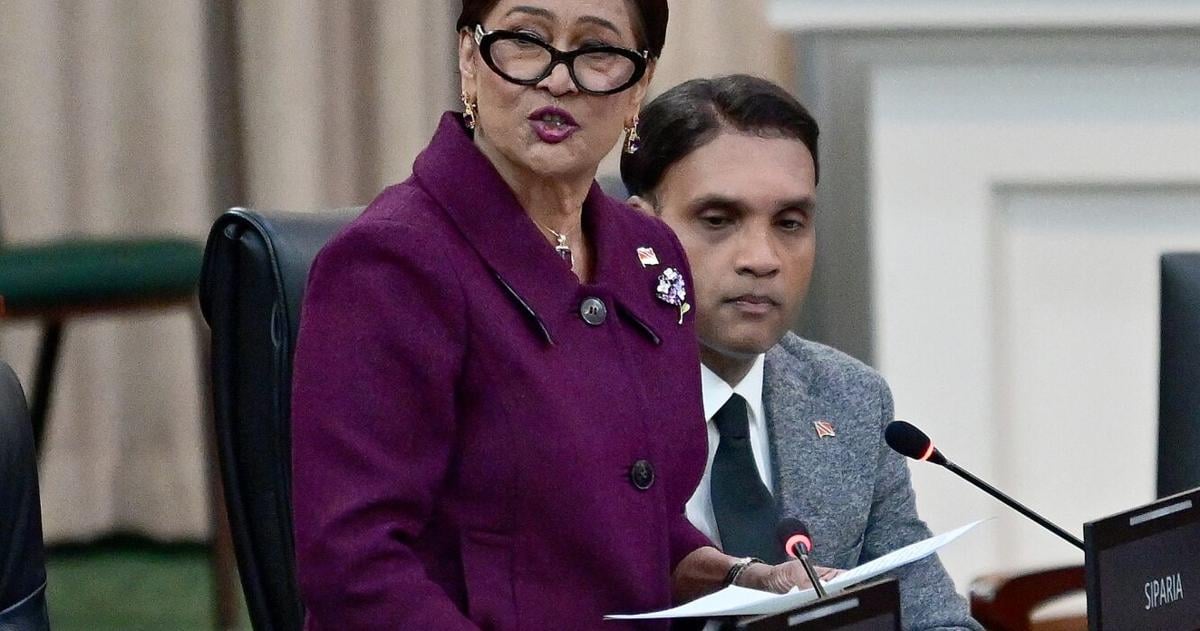
The State is coming for you
With just hours remaining before a nationwide state of emergency (SoE) was set to expire, Trinidad and Tobago Prime Minister Kamla Persad-Bissessar introduced a sweeping new anti-crime bill to parliament on Wednesday, locking in a permanent framework for targeted crackdowns on gangs, illegal firearms, and drug trafficking networks.
Unveiled as the Special Operations Bill (SOB) 2026, the new legislation draws core goals from the earlier Zones of Special Operations (ZOSO) Bill, but includes critical structural changes that ease its path to passage. Unlike the ZOSO Bill, which required a three-fifths supermajority vote to approve, the SOB can pass into law with the governing party’s simple majority, eliminating the need for cross-aisle support to advance the government’s crime-fighting agenda.
In a forceful address to lawmakers gathered at Port of Spain’s Red House, Persad-Bissessar emphasized that the end of the current state of emergency would not mark a retreat in the government’s war on violent organized crime. She warned criminal actors, their financial backers, and enabling associates that “there will be no sanctuary” for them as the transition to the new permanent framework takes effect. “The full lawful power of the State is coming for you,” she declared, drawing thunderous desk-thumping support from governing party legislators.
The core purpose of the SOB is to preserve the security gains made under the outgoing state of emergency without extending the broad temporary emergency powers. Under the legislation, designated policing districts will be established to enable sustained, targeted special operations, backed by the Trinidad and Tobago Defence Force when necessary. The Commissioner of Police will appoint a special operations lead for each district, while the Chief of Defence Staff will assign a military liaison for any deployments.
In districts where violent gang activity, illicit weapons trafficking, and widespread drug trade create threats that exceed the capacity of standard policing, authorities will be authorized to temporarily cordon off areas, impose curfews, regulate entry and exit, and exercise enhanced search, seizure, arrest, and detention powers – all of which will remain subject to judicial oversight, the Prime Minister clarified. She stressed that these measures are tailored to target criminal networks, not penalize law-abiding residents: “When gangs impose illegal curfews, extort businesses, recruit children, and drive families from their homes, they attempt to replace the authority of the State with the authority of the criminal gun. This bill gives protective services the lawful power to break that control, restore public safety, and return these areas to the people who live there.”
To counter criticism of uneven application of justice that plagued previous administrations, Persad-Bissessar explicitly rejected what she called a “two-tiered justice system” that allowed well-connected criminals to avoid accountability under the former People’s National Movement (PNM) government. “Criminals operating from upscale Westmoorings, St Clair or Federation Park will be treated in the same manner as those operating from Laventille, Arima or Siparia, or from anywhere else,” she said. “Money will no longer buy immunity, status will not prevent investigation, and political connections will not provide protection.”
The Prime Minister also moved to address longstanding civil society concerns over excessive use of force and abuse of power by embedding strict human rights safeguards into the text of the bill. All officers deployed to special operations, including military personnel, are required to complete training in human rights, lawful use of force, community engagement, and conflict de-escalation. Within cordoned operation areas, all officers must use body-worn cameras, register all deployed weapons, and formally document all resident complaints. Detainees will be guaranteed access to medical care and visitation rights, and all enhanced law enforcement powers remain subject to ongoing judicial review. The bill also mandates formal joint cooperation protocols between police and defence forces, as well as independent standard operating procedures for each service.
To ensure parliamentary transparency, the legislation requires monthly operational reports to be submitted to the Prime Minister and the relevant cabinet ministers overseeing police and national security. An annual public report must also be tabled before the full parliament, creating a formal mechanism for legislative oversight of ongoing special operations. Persad-Bissessar noted that these accountability measures directly address criticisms raised against earlier anti-crime legislation, balancing robust operational power for security services with clear protections for civilian rights.
She also issued a direct challenge to the opposition PNM, saying the party can no longer hide behind procedural objections that derailed the earlier ZOSO Bill. The new legislation, she argued, centers the rights of law-abiding communities that have borne the brunt of gang violence: grieving parents who have lost children to violent crime, families terrorized in their own homes, small business owners facing daily extortion demands, and young people targeted for gang recruitment.
As the current state of expiration came to an end on Thursday, Persad-Bissessar closed her address by repeating her stark warning to criminal networks: the expiration of temporary emergency powers is not a signal of weakened resolve. “The State of Emergency may end, but there will be no sanctuary for you,” she said. “We will find you, dismantle your networks, seize your drugs, guns and criminal proceeds, and bring you before the courts. Your money, status and political connections will not save you. The full lawful power of the State is coming for you.”
Parliament is scheduled to open debate on the Special Operations Bill 2026 tomorrow.
-

NCRHA launches 2 golf carts for easier access at Mt Hope
In a patient-centric upgrade aimed at easing navigation across the sprawling Eric Williams Medical Sciences Complex (EWMSC) in Mt Hope, the North Central Regional Health Authority (NCRHA) launched two new eight-seater golf carts yesterday to offer complimentary mobility assistance to patients and their families.
According to an official press release from the regional health governing body, the shuttles will be permanently stationed at key high-traffic locations: the complex’s main entrance and its cluster of outpatient clinic areas. Their core function will be to transport users between the facility’s public car park and clinical zones, eliminating the need for visitors to walk long distances across the large campus.
The initiative was designed to target vulnerable groups that face the greatest challenges navigating the extensive medical compound. Officials noted that elderly patients, individuals with permanent or temporary limited mobility, people living with mobility impairments, and any other members of the public who struggle with long walks will benefit most from the new service.
Currently, the shuttle service is scheduled to operate daily from 6 a.m. to 10 p.m., covering the majority of the complex’s operating hours for outpatient appointments, inpatient visits, and other public access periods.
NCRHA Chairman Dr Tim Gopeesingh lauded the new project during the launch, emphasizing that high-quality patient care extends far beyond clinical treatments and procedures. “For us, patient care is not only about the clinical services we provide. It also means ensuring that patients and their families are comfortable and able to move around our facilities with ease,” he explained, framing the shuttle service as a small but meaningful investment in improving the overall patient experience at one of Trinidad and Tobago’s major public medical facilities.
Health system observers note that investments in patient comfort infrastructure like this often address longstanding unmet needs at large medical campuses, where mobility barriers can add unnecessary stress to already vulnerable patients and their caregivers ahead of appointments or medical visits.
-
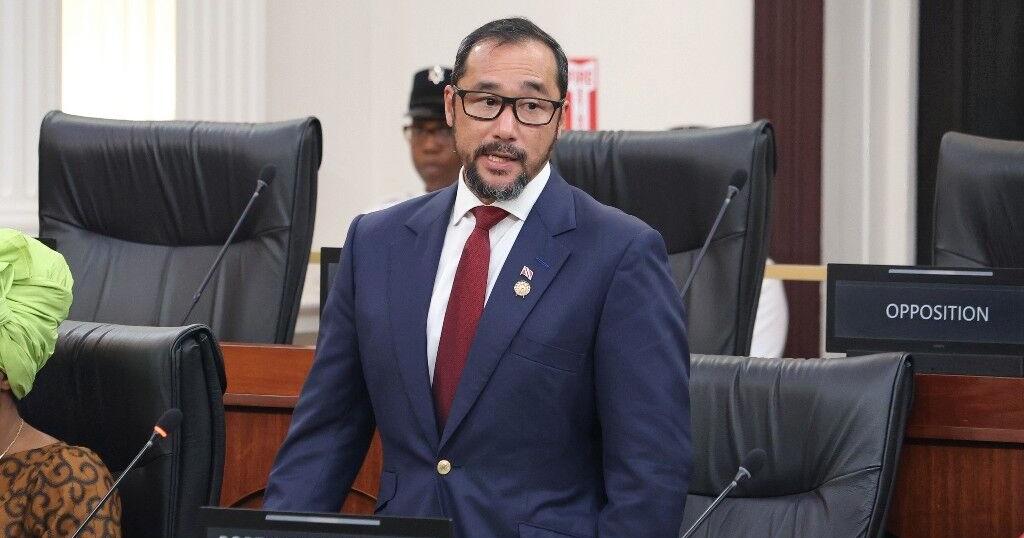
PM, Moonilal won’t be allowed to ‘rewrite history’
A bitter public political clash has broken out in Trinidad and Tobago over the history of bilateral relations with neighboring Venezuela, as the current national administration works to mend ties fractured by months of rising tensions tied to United States military operations in the Caribbean. Former prime minister and energy minister Stuart Young, a senior figure from the previous People’s National Movement (PNM) government, has publicly pushed back against claims from current officeholders, asserting that Prime Minister Kamla Persad-Bissessar and Energy Minister Dr. Roodal Moonilal will not be permitted to “rewrite history” on the Caribbean nation’s diplomatic track record.
The controversy began earlier this week, when Moonilal spoke at a public event in La Brea and praised current Foreign and Caricom Affairs Minister Sean Sobers for his work repairing what he described as damage to Trinidad and Tobago-Venezuela relations inflicted by the former PNM administration. Moonilal’s comments came after months of escalating diplomatic friction between the two countries, sparked by a large-scale United States military buildup in Caribbean waters and a series of maritime strike operations that preceded the ouster of longtime Venezuelan President Nicolas Maduro in early January.
Young, who made 13 trips to Caracas during the PNM’s tenure in office and negotiated the high-profile Dragon and Manakin-Cocuina natural gas deals with Venezuelan acting president Delcy Rodriguez, took to Facebook on Wednesday to challenge Moonilal’s narrative. He pointed out that it was Persad-Bissessar and Moonilal who spent years attacking Rodriguez and even called for sanctions against him and former PNM prime minister Keith Rowley as the previous administration carefully managed ties with Trinidad and Tobago’s closest northern neighbor.
“Under the past PNM administration, the bilateral relationship between Trinidad and Tobago and Venezuela was always strong, stable and respectful, with no declarations of any politician being labeled ‘Persona non Grata,’” Young wrote in his social media post. He added that despite his reluctance to publicly call out a sitting minister, he deemed it his public duty to correct the historical record and hold Moonilal accountable. “No one will be allowed to rewrite history, or pretend that the current prime minister and her government bear no responsibility for the deterioration of state-to-state relations between our two nations,” Young emphasized. In a sharp personal jab, he also suggested that Moonilal should undergo cognitive and mental health testing ahead of an expected cabinet reshuffle.
The roots of the current diplomatic rift stretch back to last September, when the United States launched its military buildup and maritime strike campaign targeting alleged drug trafficking networks operating in the region. From the start of the campaign, Persad-Bissessar has repeatedly voiced unwavering support for U.S. operations, even going so far as to suggest that all drug traffickers should be killed violently. She rejected longstanding regional calls for the Caribbean to remain a “Zone of Peace”, even as the U.S. carried out 69 lethal airstrikes and sea strikes against vessels it claims were linked to “narco-terrorist” groups transiting Caribbean and Eastern Pacific shipping lanes.
Earlier in the escalation of tensions, Persad-Bissessar also pledged unfiltered access to Trinidad and Tobago’s territory and infrastructure for U.S. forces in the event of a Venezuelan attack on neighboring Guyana, a move that drew sharp condemnation from the Maduro administration. In response, top Maduro regime loyalists including Rodriguez issued multiple public warnings and criticisms of the Persad-Bissessar government.
When two Trinidadian fishermen were reported killed by relatives during the fifth U.S. strike in October, Rodriguez labeled Persad-Bissessar’s pro-intervention statements a “self-fulfilling prophecy.” She also publicly pushed back against an outrageous claim from Trinidadian housing minister Phillip Edward Alexander, who claimed India would launch a nuclear strike on Venezuela to defend Trinidad and Tobago. “A nuclear bomb has already exploded in the brain of his government,” Rodriguez responded at the time. She added, “Trinidad and Tobago must think of its own people before it considers attacking Venezuela and renounce its vassalage to the U.S. government, which seeks to steal our vast energy resources. Our people are fully committed to defending our freedom and self-determination through our peaceful diplomacy, and they will never succeed in undermining our sovereignty.”
After Trinidad and Tobago hosted the U.S. Navy destroyer USS Gravely in Port of Spain last year, the Venezuelan National Assembly declared Persad-Bissessar persona non grata. Now, following Maduro’s ouster in January, the Persad-Bissessar government has launched new efforts to repair the fractured bilateral relationship, with Foreign Minister Sobers recently traveling to Caracas for talks with new Venezuelan interim government officials. It remains unclear whether the persona non grata designation for Persad-Bissessar is still in effect under the new administration. Just days ago, the Trinidadian prime minister publicly stated she holds “love” for Rodriguez and hopes to meet with her in the near future, though no meeting has yet been scheduled.