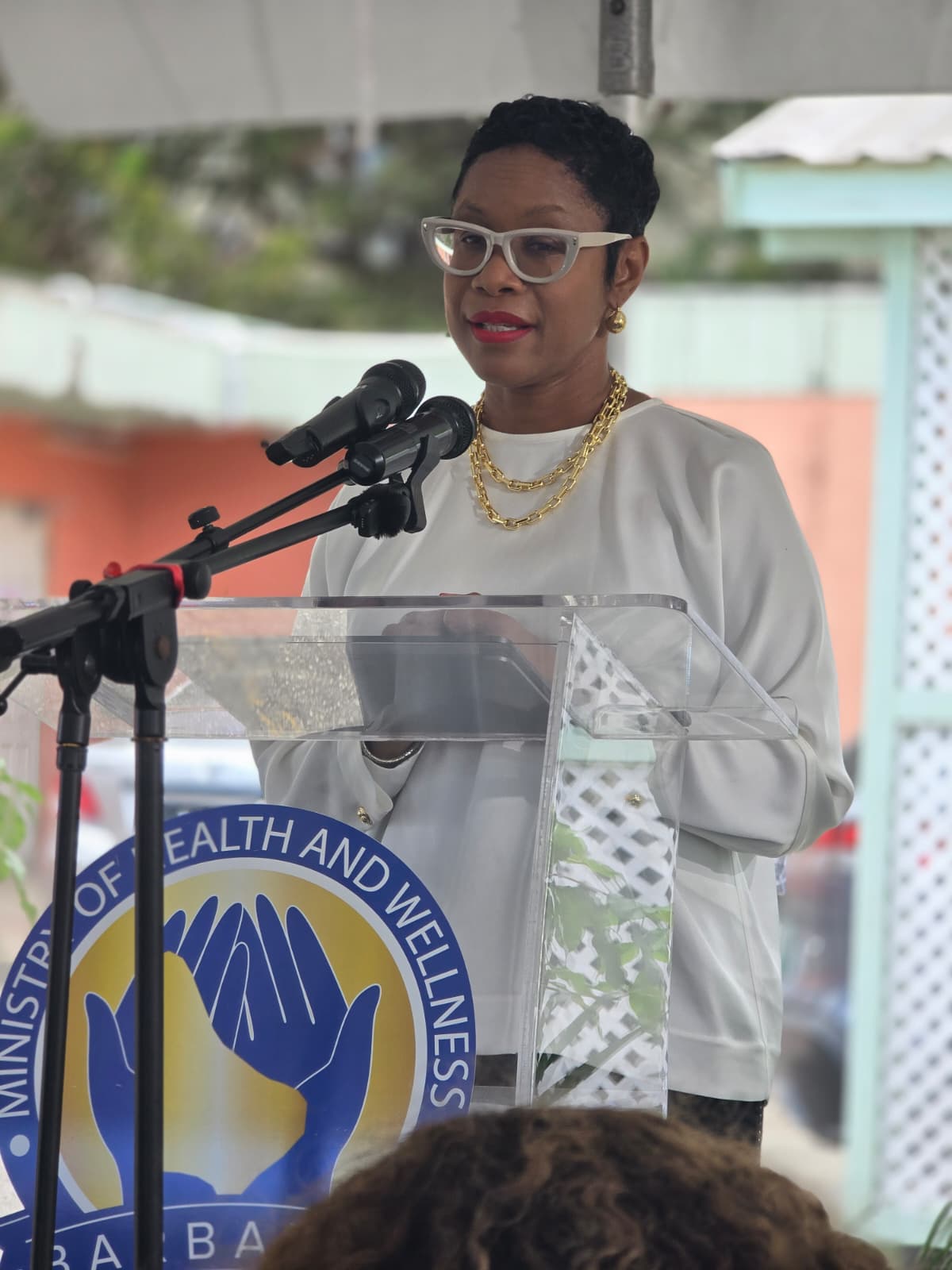
Against the backdrop of lingering post-COVID-19 disruptions to routine public health programming, Barbados’ national health authorities have launched an intensified national immunization campaign, bringing critical vaccination services directly into local communities through a schedule of targeted polyclinic open days. The push comes amid official warnings that current vaccination coverage remains far below the threshold required to block outbreaks of dangerous, vaccine-preventable diseases.
Barbados Minister of Health Lisa Cummins recently shared key data confirming that national inoculation rates have not yet rebounded to the pre-pandemic benchmarks that once kept the island’s population protected. “Coverage for the first dose of measles, mumps, and rubella increased to 89 per cent, and the second dose rose to 86 per cent. That is meaningful progress, but we have to be able to reach that threshold of 95 per cent coverage to secure herd immunity,” Cummins explained.
This expanded immunization initiative is a core component of the 24th annual Vaccination Week in the Americas, a regional public health campaign that runs from April 25 to May 2 under the unifying theme “Your Decision Makes a Difference. Immunisation for All”. On Monday, local health officials and international public health partners convened a special community-focused open day at the Edgar Cochrane Polyclinic, centered on expanding prevention outreach, improving public health education, and removing barriers to vaccine access.
Addressing one of the biggest barriers to progress – widespread vaccine hesitancy fueled by rampant online misinformation – Cummins noted that the COVID-19 pandemic created a unique public health challenge: virtually anyone with a smartphone could now position themselves as a self-styled medical expert, spreading unvetted, misleading claims that have eroded public confidence in routine vaccination across local communities.
Cummins also emphasized that the risk of falling short of the 95% coverage target is not hypothetical. “These vaccines are protecting us from diseases that are one single flight away from our shores. If we don’t reach the 95 per cent threshold, then our communities are at real risk of a large-scale outbreak,” she warned.
While the minister highlighted Barbados’ long, successful history of robust immunization programming that has protected generations of island residents – including the elimination of polio through sustained, coordinated public health efforts – she cautioned against complacency in the post-pandemic era. “Vaccines have always been and remain to this day the most effective tool we have to protect our communities. When enough of us are protected, we create what we call herd immunity. It is a collective shield that protects every member of our society, including those who cannot be vaccinated for medical reasons,” Cummins said.
To reassure the public about the safety of nationally administered vaccines, Cummins added that all vaccines used in Barbados undergo rigorous, repeated international testing and meet the highest global safety standards set by leading global health bodies. She also clarified that frontline healthcare workers are not focused on pressuring hesitant parents to vaccinate their children; instead, their role is to listen to concerns, answer questions, and provide evidence-based guidance to help families make informed decisions.
Amalia Del Riego, the Pan American Health Organization/World Health Organization (PAHO/WHO) Representative for Barbados, reinforced the urgency of closing immunization coverage gaps across the region, noting that decades of steady progress in preventing vaccine-preventable diseases is now under growing threat. “In 50 years in the region of the Americas, we have prevented 15 million deaths and 1.1 billion cases of disability through immunization,” Del Riego said. But she warned that the public health landscape has shifted dramatically in recent years, with measles transmission becoming re-established in the region and confirmed cases tripling compared to 2023.
Del Riego stressed that immediate collective action is needed to reverse these troubling trends. “Without a decision and engagement from communities, we are losing if we are not very careful. We need to be a little bit more assertive. It is really the time to act now,” she said.
Senior Health Sister Hazel Forde, who helped organize the polyclinic open day events, underscored the core mission of the campaign, aligning with the Vaccination Week theme. “Today is centered on one simple but powerful idea: Your decision makes a difference. We are not here only to provide services, but to promote and provide advocacy, to support you, to educate you, and to empower you as you take charge of your own health,” Forde explained.
She added that the campaign extends far beyond routine childhood immunization, offering a full spectrum of community health services to address a wide range of public health needs. “Whether you are accessing vaccinations, learning about non-communicable diseases, or taking advantage of our confidential STI testing, you are making a meaningful investment in your well-being,” Forde said, echoing the WHO’s definition of health as a complete state of physical, mental, and social well-being, not just the absence of disease. “It is about prevention. It’s about awareness, and it’s about community,” she noted.
Forde also emphasized that Vaccination Week is more than a one-off public health campaign; it is part of a broader, sustained movement to embed shared responsibility for public health across Barbadian society. “Health is a shared responsibility. And that by working together we can protect generations from preventable disease,” she said.
Cummins added that the vast majority of Barbadian parents already support routine childhood vaccination, but everyday life challenges often prevent families from keeping scheduled vaccination appointments. “Life happens, people get busy. Some parents sometimes forget appointments. It’s okay to have questions, and that’s what our medical health professionals are here for,” she said.
The ongoing polyclinic open days offer a broad range of integrated services beyond immunization, including general health screenings and evidence-based public health education sessions. Organizers say the goal of the community-focused model is to close persistent coverage gaps and ensure that underserved populations across the country have equal access to life-saving vaccination services.