作者: admin

  • Cuban President appears before the media

    Cuban President appears before the media

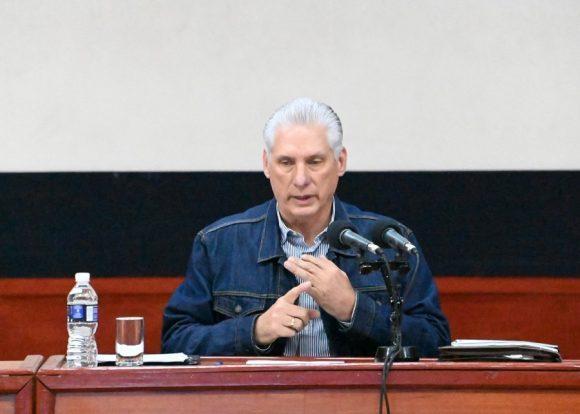
    In a nationally televised address, Cuban President Miguel Díaz-Canel delivered a comprehensive response to mounting pressures from the United States, addressing critical questions about Cuba’s international relations, energy security, and national survival strategies. The presentation, broadcast across state media platforms, came amid heightened tensions following US military actions against Venezuela and intensified economic measures against Cuba.

    Díaz-Canel categorically rejected US characterizations of Cuba as a ‘failed state,’ asserting instead that Cuba represents a resilient nation successfully resisting ‘maximum pressure from the world’s leading power.’ He framed current difficulties as the result of prolonged economic warfare rather than systemic failure, emphasizing that ‘most current generations of Cubans were born under the US economic blockade.’

    Regarding Cuba-Venezuela relations, the president dismissed notions of dependency, describing the partnership as one of ‘comprehensive cooperation’ spanning energy, education, healthcare, and cultural exchange. He detailed how the relationship evolved from bilateral cooperation into regional initiatives like ALBA-TCP and Petrocaribe, while acknowledging that recent US sanctions have significantly impacted fuel shipments from Venezuela.

    The Cuban leader revealed receiving substantial international support, mentioning specific backing from Russia and China alongside solidarity from ‘governments, institutions, and companies’ worldwide. He noted that many support mechanisms remain confidential due to active US efforts to block assistance channels.

    Díaz-Canel characterized US actions as part of a broader ‘ideological, cultural, and media war’ against sovereign nations, urging Global South countries to strengthen multilateral cooperation through blocs like BRICS, the Eurasian Union, and the Non-Aligned Movement. He drew historical parallels to fascist tactics, stating US actions resemble ‘Hitler’s hordes when they attack a country.’

    On US-Cuba relations, the president reaffirmed Cuba’s historical openness to dialogue ‘without preconditions and on equal terms.’ He identified multiple potential cooperation areas including migration, security, environmental protection, and scientific exchange, while insisting that dialogue must occur without pressure and with respect for Cuban sovereignty.

    The address concluded with a call for national unity and ‘creative resistance,’ emphasizing that Cuba would overcome current challenges through collective effort and international solidarity despite unprecedented economic pressure.
  • Expired passport? Emergency renewals now available at Dominican airports

    Expired passport? Emergency renewals now available at Dominican airports

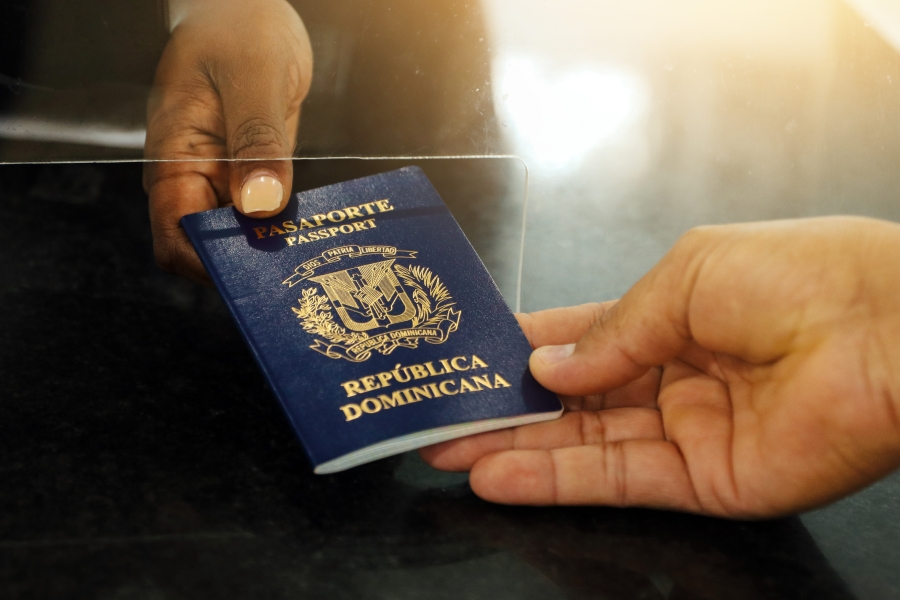
    The Dominican Republic has implemented a groundbreaking emergency passport renewal service at major international airports, providing a safety net for travelers facing documentation crises. According to the General Directorate of Passports, this specialized service will operate exclusively at selected airports including Las Américas International Airport Dr. José Francisco Peña Gómez (AILA), Punta Cana, Santiago, and Puerto Plata airports.

    Director General Lorenzo Ramírez emphasized that the emergency service is strictly reserved for passengers who discover passport expiration issues immediately before travel and already possess confirmed flight tickets. The program will not function as a regular passport office and will only accommodate individuals with demonstrable travel emergencies requiring immediate resolution.

    In a significant nationwide improvement, standard passport processing times have been dramatically reduced from five days to between 24 and 48 hours. Ramírez announced this acceleration during his appearance at the Corripio Communications Group Luncheon, noting that conventional services will now prioritize efficiency over premium options.

    Edgar Díaz, Deputy Director of Passport Issuance and Renewal, clarified the emergency protocol requirements: ‘Travelers must present concrete evidence of their imminent departure through confirmed flight documentation. This service is specifically designed for those facing immediate travel deadlines, not for general passport applications.’

    Concurrently, authorities unveiled details regarding the rollout of the new electronic passport system. The advanced document will require appointments scheduled at least 15 days in advance, with the application process formally commencing on February 19. The initial phase will operate exclusively by appointment in Santo Domingo before expanding to other high-demand provinces across the country.

  • Supervisor of Elections to Lead CARICOM Election Observation Mission to Barbados

    Supervisor of Elections to Lead CARICOM Election Observation Mission to Barbados

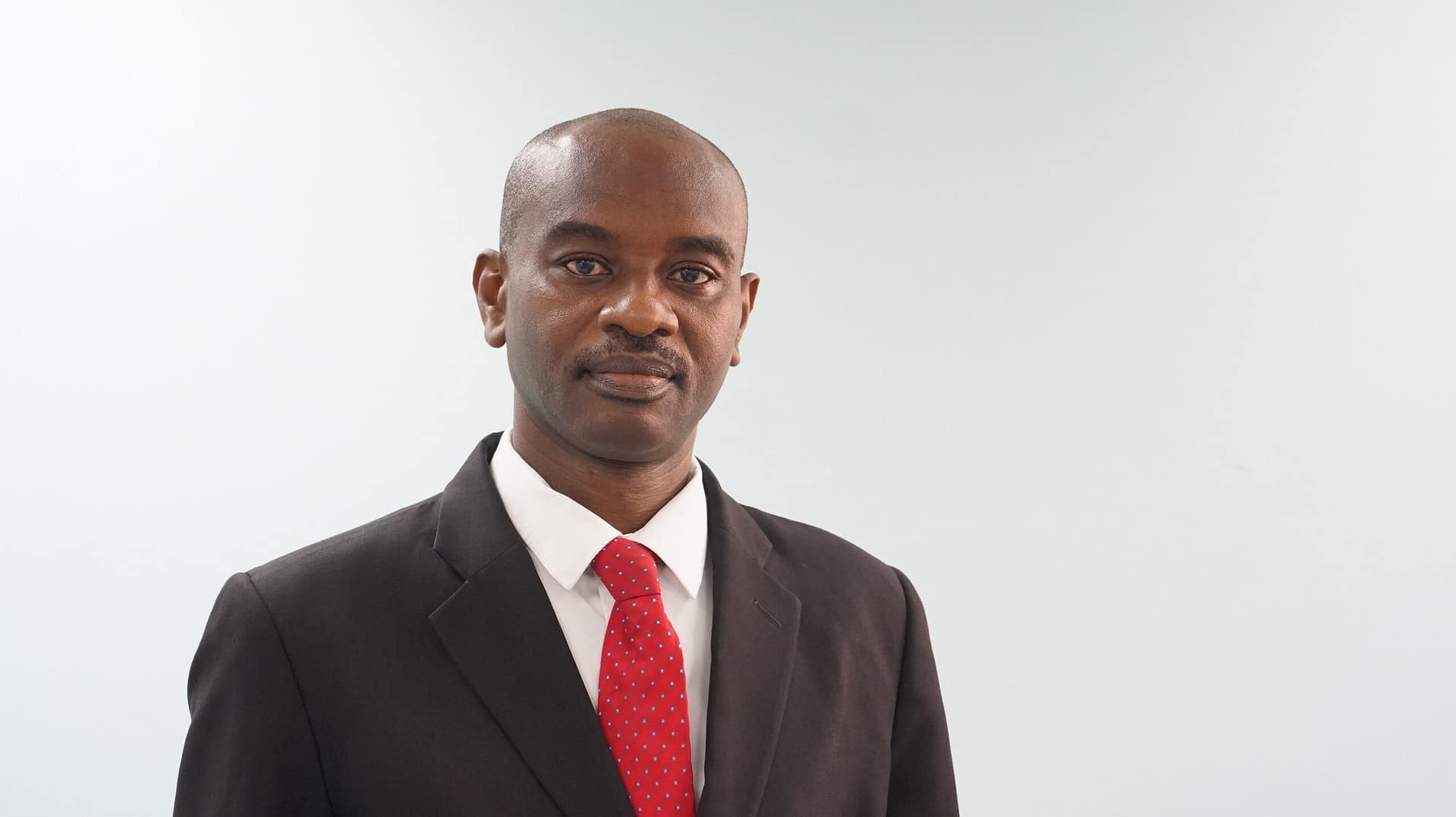
    The Caribbean Community (CARICOM) has formally appointed a three-member regional delegation to oversee Barbados’s forthcoming General Elections scheduled for February 11, 2026. Leading the mission as Chief Observer will be Mr. Ian S. Hughes, the Supervisor of Elections, who will head the team in an independent contractor capacity.

    Mr. Hughes will be supported by two seasoned electoral officials: Mr. Andrew Smith, Regional Manager at the Electoral Commission of Jamaica (EOJ), and Ms. Josephine Tamai, Chief Election Officer of Belize. The observation mission is set to be stationed in Barbados from February 5 to February 13, 2026, encompassing the pre-election, election-day, and immediate post-election periods.

    In accordance with the Mission’s established Terms of Reference, Mr. Hughes will provide strategic leadership and operational guidance to ensure a comprehensive assessment of the electoral process. His responsibilities include overseeing the team’s efforts to monitor, evaluate, and report on the fairness, transparency, and credibility of the proceedings.

    Expressing his commitment to the role, Mr. Hughes acknowledged CARICOM for entrusting him with this critical responsibility. He emphasized his dedication to capturing the full context and subtleties of the electoral environment, ensuring the mission’s reporting is both accurate and insightful.

  • UASD launches virtual diploma programs for Dominicans living abroad

    UASD launches virtual diploma programs for Dominicans living abroad

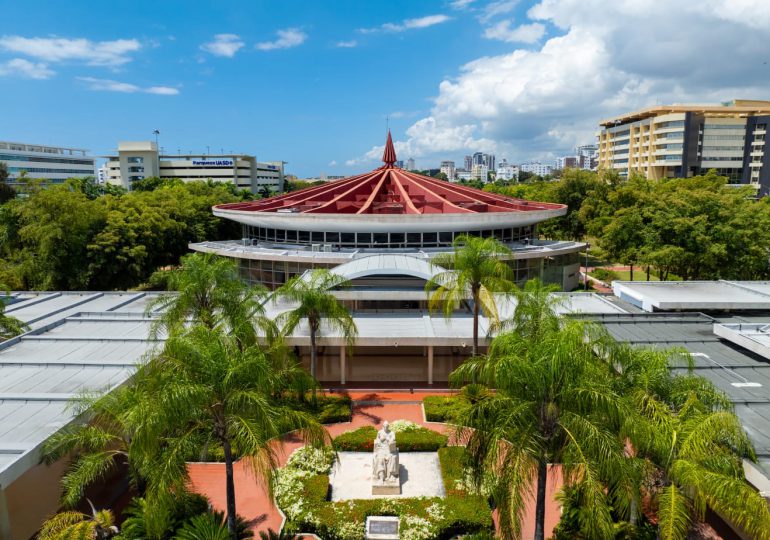
    The Autonomous University of Santo Domingo (UASD), recognized as the oldest university in the Americas, has unveiled an innovative initiative to deliver fully virtual diploma programs specifically tailored for Dominicans residing overseas. This groundbreaking educational expansion will be administered through the university’s New York office in partnership with the Faculty of Economic and Social Sciences’ Continuing Education Unit.

    The strategic program aims to fortify academic connections with the extensive Dominican diaspora while addressing critical professional development needs among expatriate communities across the United States, Europe, and other international regions. Professor Ileana Ramírez Portorreal emphasized the institution’s deepened commitment to supporting global Dominican professionals through these offerings, highlighting their practical curriculum designed for immediate application in contemporary business environments.

    Three specialized diploma programs comprise the initial launch: A comprehensive 80-hour Diploma in Foreign Trade and Customs Operations conducted Sundays from 9:00 a.m. to 5:00 p.m.; a 64-hour Diploma in Senior Management held during identical Sunday hours; and a 60-hour Diploma in Business Strategies and Digital Marketing offered Saturdays from 2:00 p.m. to 6:00 p.m.

    The curriculum has been meticulously developed by subject matter experts to align with the unique professional challenges faced by Dominicans abroad. All instruction will be delivered through live virtual sessions, facilitating real-time interaction with instructors, access to continuously updated materials, and sustained academic support throughout each program.

    Successful participants will receive formal certification endorsed by UASD, with intentionally limited enrollment capacities to maintain educational quality and personalized attention. Prospective students may obtain additional information or complete registration via WhatsApp at 908-395-5608 or email at uasdnewyork@uasd.edu.do.

  • SLBMC Marks World Cancer Day, Urges Early Detection and Patient-Centered Care

    SLBMC Marks World Cancer Day, Urges Early Detection and Patient-Centered Care

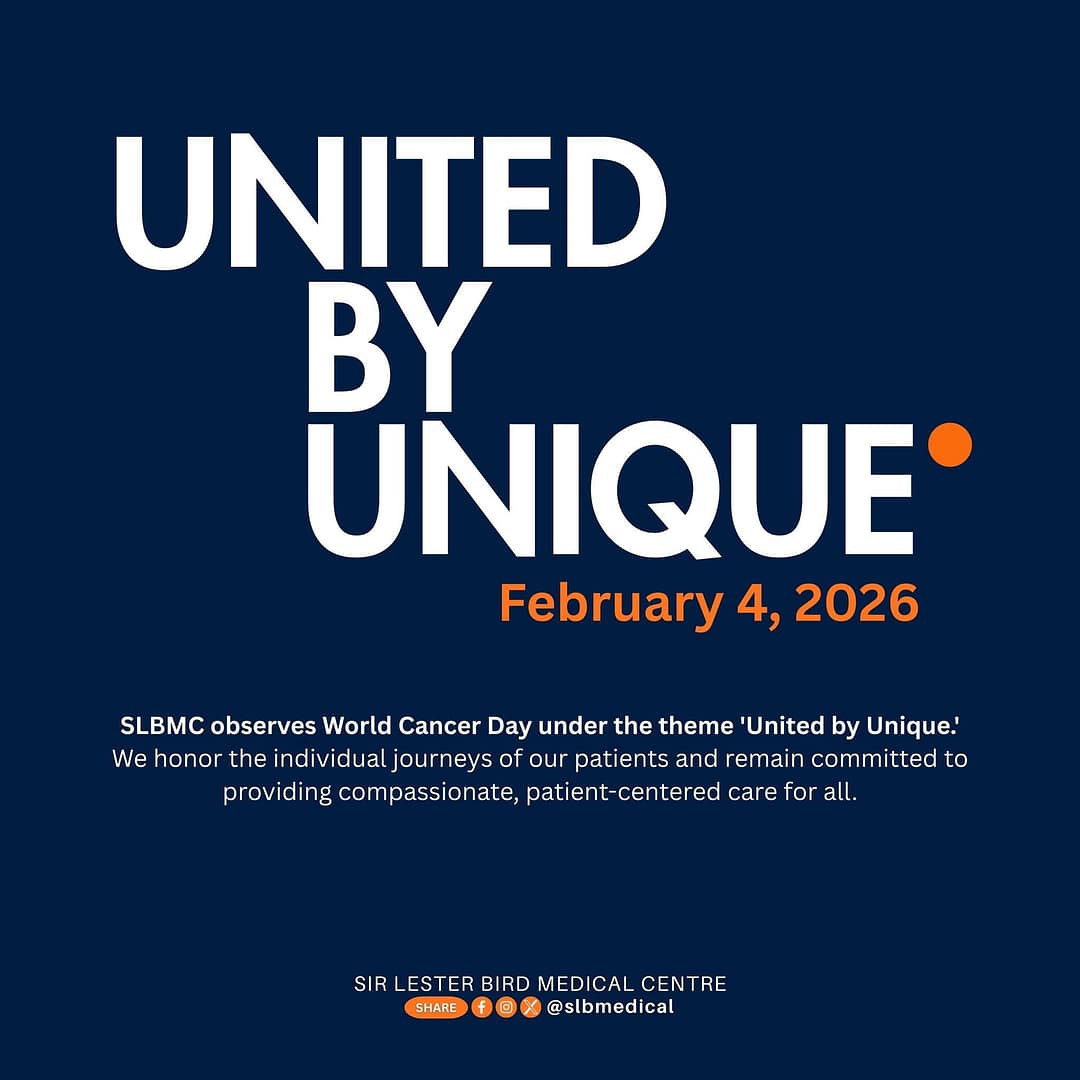
    In a significant observance of World Cancer Day, the Sir Lester Bird Medical Centre (SLBMC) has embraced the global theme “United by Unique” to emphasize the distinctive nature of each cancer journey while advocating for collective action against the disease. As Antigua and Barbuda’s premier national referral hospital, SLBMC is leveraging this international platform to reinforce its commitment to personalized oncology care that integrates clinical excellence with profound compassion.

    The hospital’s leadership underscores that while every patient’s experience with cancer is inherently unique, there exists a powerful unity among patients, families, and healthcare professionals in combating this health challenge. This unified approach forms the cornerstone of SLBMC’s patient-centered philosophy, which prioritizes individualized treatment plans and respects the specific needs and dignity of each person under their care.

    Central to SLBMC’s World Cancer Day message is the critical importance of early detection and preventive health practices. Medical authorities at the institution identify awareness and timely intervention as the most effective weapons in the cancer fight. The public is strongly encouraged to adhere to recommended screening schedules, seek prompt medical consultation for concerning symptoms, and maintain transparent dialogue with healthcare providers.

    The occasion also serves as an opportunity for SLBMC to recognize the extraordinary dedication of its oncology team—including clinicians, nursing staff, and support personnel—whose relentless efforts ensure comprehensive patient support throughout treatment journeys. Their work embodies the institution’s commitment to both medical excellence and human connection.

    Looking forward, SLBMC reaffirms its strategic mission to enhance cancer care services through continued collaboration with national and international partners. This commitment aims to ensure all patients receive treatment that reflects both their personal experience and the highest standards of medical quality, advancing toward improved outcomes for everyone affected by cancer.

  • OP-ED: The Oldest Story in the Book

    OP-ED: The Oldest Story in the Book

    In a powerful address originally delivered to church congregations, Professor C. Justin Robinson draws striking parallels between biblical narratives of oppressed peoples and the contemporary Caribbean condition. The analysis reveals how ancient stories of survival under empire rule mirror modern regional challenges, offering both sobering reflections and hopeful pathways forward.

    The biblical journey from Genesis to Revelation consistently portrays small nations navigating domination by powerful empires—from Abraham’s departure from Mesopotamia to Jesus’s execution under Roman authority. This framework provides a compelling lens through which to examine Caribbean history and current realities. The region’s economic structures echo Pharaoh’s Egypt, where enslaved populations built infrastructure for their own oppression. Similarly, Caribbean nations historically produced commodities for foreign consumers under arrangements dictated from distant capitals, creating economic dependencies that persist today.

    Professor Robinson identifies tourism dependence, food importation despite fertile lands, and brain drain masked as development strategy as modern manifestations of this colonial legacy. The post-war international order that once provided protective walls for small nations is now being dismantled by the very powers that established it, leaving Caribbean countries vulnerable in an increasingly volatile global landscape.

    The analysis turns to biblical wisdom for guidance in navigating contemporary challenges. Jesus’s instruction to “render unto Caesar what is Caesar’s” provides a framework for engaging with powerful nations without surrendering cultural identity or sovereignty. The prophet Jeremiah’s counsel to build houses and plant gardens during Babylonian exile offers a blueprint for self-reliance—investing in local institutions, developing agricultural sovereignty, and creating sustainable communities rather than waiting for external rescue.

    Caribbean strengths are reframed as modern-day David’s stones against Goliath: climate expertise, digital potential, energy sovereignty capabilities, proven models of regional integration through the OECS, and the power of unified voice. The parable of the Good Samaritan underscores the necessity of regional cooperation, questioning why successful integration models for smaller populations cannot scale across CARICOM.

    The address concludes with an urgent call to action, invoking Esther’s courage and Isaiah’s willingness to serve. The most liberating realization, according to Professor Robinson, is recognizing that no external savior will emerge—true freedom requires Caribbean people to build economies their citizens choose rather than endure, embracing self-determination as both practical necessity and moral imperative.

  • Liberty Caribbean Links Connectivity to Jobs, Innovation

    Liberty Caribbean Links Connectivity to Jobs, Innovation

    At the CANTO Connect 2026 conference, Liberty Caribbean—operating Flow, Liberty Business, and BTC—used its Diamond Sponsor platform to champion an ambitious agenda for converting digital connectivity into tangible economic benefits across the Caribbean region. The company emphasized the critical need to transform infrastructure into job creation, enhanced public services, and export-ready innovation.

    Neda Brown, Senior Director of Regulatory & Government Affairs at Liberty Caribbean, delivered a keynote address at the conference’s opening reception, calling for strategic alignment between policy frameworks, investment mechanisms, and operational delivery. She specifically urged governments and regulatory bodies to harmonize data governance policies and establish regulatory sandboxes. These controlled environments would allow innovators to test and refine new technologies without undue restrictions, thereby accelerating responsible scaling.

    “Intelligent policy is now synonymous with digital infrastructure,” Brown stated. “By harmonizing data governance and creating well-designed regulatory sandboxes, we provide innovators the space to evaluate, learn, and scale responsibly. This approach not only safeguards citizens but also attracts investment, enabling innovative ideas to progress from pilot stages to genuine economic impact throughout the Caribbean.”

    CANTO, the premier regional organization dedicated to advancing the Caribbean’s digital ecosystem, serves as a collaborative platform for telecommunications operators, ICT providers, regulators, governments, and industry partners. This year’s conference theme, ‘Elevate the Caribbean – From Connectivity to Global Competitiveness,’ set the stage for discussions on regional digital transformation.

    Brown further advocated for multilateral and development finance institutions to create blended financial instruments that link funding to achievable social and economic outcomes. “Connectivity forms the foundation, but converting it into widespread prosperity demands clarity, courage, and collaboration,” she emphasized. “When policy, capital, and capability converge around measurable milestones, investment follows and impact accelerates. Liberty Caribbean is committed to convening stakeholders, investing strategically, and forming impactful partnerships.”

    The company signaled its intent to move beyond dialogue into concrete action, focusing on partnerships with governments, regulators, and development organizations. These collaborations aim to scale innovation, strengthen policy frameworks, and expand digital opportunities across the region.

  • U.S. pressures St. Lucia to ban students studying in Cuba

    U.S. pressures St. Lucia to ban students studying in Cuba

    The Trump administration has escalated diplomatic pressure on Caribbean nations, specifically targeting educational cooperation programs with Cuba. Recent developments reveal that Washington has issued directives to Saint Lucia demanding the cessation of medical student exchanges with Cuban institutions—a move that threatens to destabilize healthcare systems across the region.

    Prime Minister Philip Pierre of Saint Lucia publicly acknowledged receiving this mandate during an international health conference, characterizing the situation as a ‘major problem’ for his nation’s healthcare infrastructure. Historically, Cuban-trained physicians have formed the backbone of Saint Lucia’s medical workforce, with educational exchanges dating back to the 1970s.

    This pressure campaign extends beyond educational ties. The administration has simultaneously implemented visa suspensions for citizens of Dominica and Saint Vincent, included most Caribbean Community (CARICOM) nations on immigration ban lists, and demanded acceptance of third-country deportees. Additionally, the U.S. has sought military concessions, including radar station installations in Grenada—the same nation it invaded in 1983.

    Secretary of State Marco Rubio has spearheaded the effort, threatening visa revocations for officials involved with Cuban medical programs. The administration alleges exploitation in payment structures where professionals retain less than 20% of their salaries, though Caribbean leaders uniformly deny these claims.

    The confrontation is set to dominate the upcoming CARICOM summit in Saint Kitts, chaired by Prime Minister Terrance Drew—a Cuban-trained physician himself. Drew recently defended the programs, stating: ‘Cuban healthcare professionals have saved lives. They’ve become pillars of our society. Our federation values relations with both Cuba and the U.S., but these accusations contradict our laws and values.’

    Multiple governments, including The Bahamas, Guyana, and Antigua, have already complied with U.S. demands to avoid sanctions, though many warn their healthcare systems would collapse without Cuban support. The summit may determine whether CARICOM can maintain unified resistance against what leaders perceive as unwarranted superpower aggression.

  • Column: Duurzaamheid clubvoetbal

    Column: Duurzaamheid clubvoetbal

    Suriname’s football landscape reveals a paradoxical reality where undeniable talent coexists with systemic limitations. While the nation has produced exceptional players since the Caribbean Cup-winning generation decades ago, the sporadic emergence of standout performers has failed to translate into consistent regional success.

    The historical achievements of Transvaal in the 1970s and more recently Robinhood’s 2019 CONCACAF Caribbean Club Shield victory and 2023 Caribbean Cup triumph demonstrate Suriname’s potential. Remarkably, these accomplishments were achieved while maintaining amateur status—a testament to the players’ dedication but also highlighting structural constraints.

    Despite these flashes of brilliance, neither club has sustained their peak performance levels. Robinhood’s disappointing follow-up to their magnificent 2022-2023 season raises serious questions about the sustainability of current approaches within Surinamese football.

    The core issue lies in the semi-professional reality masked by professional labels. Suriname Major League clubs are officially professional organizations but operate as amateur entities in practice. Players juggle full-time jobs with limited training schedules—typically a few afternoon hours several days weekly—creating an impossible competitive disadvantage against genuine professional opponents.

    This structural deficiency directly impacts national team prospects. Selection for international duty requires players to maintain professional standards: full football dedication without external employment, multiple daily training sessions, and complete athletic focus. Without meeting these fundamental conditions, local players remain ineligible for national team consideration.

    The solution requires transformative change. Clubs must grant genuine professional status through living wages that support families, eliminating players’ need for secondary employment. Where financial constraints exist, strategic partnerships could provide necessary funding infrastructure. Such modernization would simultaneously advance regional competitive goals and enable international careers for Surinamese athletes.

  • Dominican Republic to host World Governments Summit Regional Dialogue for Latin America in 2026

    Dominican Republic to host World Governments Summit Regional Dialogue for Latin America in 2026

    DUBAI – A significant milestone in international governance cooperation was achieved at the conclusion of the World Governments Summit (WGS) in Dubai with the signing of a Letter of Intent that designates the Dominican Republic as host nation for the World Governments Summit Regional Dialogue for Latin America in late 2026. This strategic agreement substantially enhances the Caribbean nation’s positioning as a crucial diplomatic and economic bridge connecting the Middle East with Latin American markets.

    The forthcoming regional dialogue represents the return of the World Governments Summit to Dominican soil with an expanded agenda and broader strategic scope. The event is specifically designed to strengthen bilateral relations between Latin America and the Middle East, facilitate substantial investment flows from the United Arab Emirates, and foster high-level dialogue among senior government officials, private sector executives, and international policymakers.

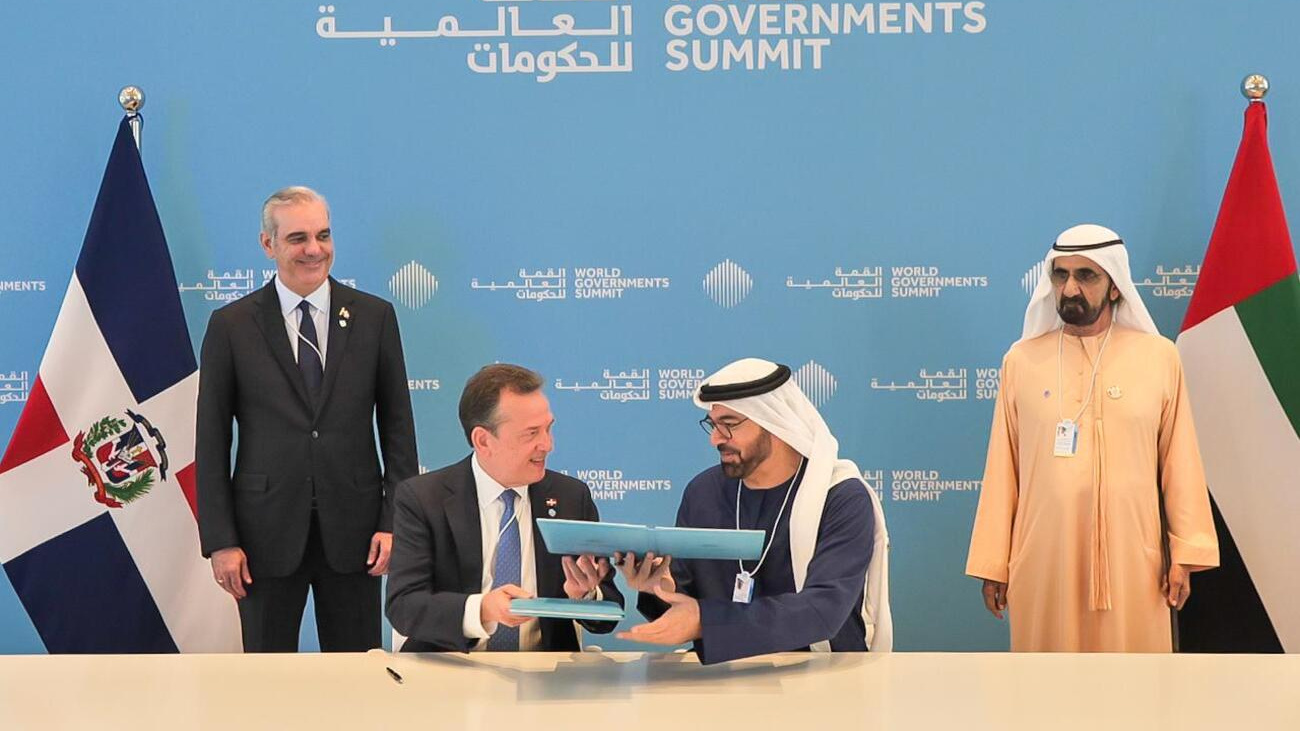
    The formal announcement ceremony in Dubai featured the signing by His Excellency Mohammad Abdullah Al Gergawi, Minister of Cabinet Affairs and Chairman of the World Governments Summit Organization, and Minister Víctor ‘Ito’ Bisonó of the Dominican Republic. The signing was witnessed by His Highness Sheikh Mohammed bin Rashid Al Maktoum, Vice President and Prime Minister of the UAE and Ruler of Dubai, alongside Dominican President Luis Abinader Corona. The document formalizes the joint commitment to establish an annual World Governments Summit Regional Dialogue for Latin America beginning in 2026.

    This initiative aligns perfectly with President Abinader’s comprehensive strategy to establish the Dominican Republic as a regional center for diplomatic engagement, foreign investment, and international cooperation. The nation’s institutional stability, economically liberal policies, and advantageous geographic location provide ideal conditions for such high-profile international gatherings.

    The partnership originated in 2025 when the Dominican Republic made history by hosting the first World Governments Summit regional dialogue outside the United Arab Emirates, marking the first occasion any Latin American nation had hosted an event of this caliber. That pioneering effort was formalized through a Memorandum of Understanding between the World Governments Summit and the Center for Analysis for Public Policies (CAPP), creating an institutional cooperation framework focused on policy analysis, international engagement, and high-level dialogue initiatives.

    Under this established agreement, the 2026 Regional Dialogue will be coordinated in collaboration with CAPP, significantly enhancing the event’s technical, academic, and public policy dimensions. This announcement confirms both the continuity and expansion of the vision initiated in 2025, envisioning a larger-scale gathering with a reinforced strategic agenda and clear commitment to regional impact.

    The Latin America Summit – World Governments Summit 2026 aims to solidify the Dominican Republic’s role as a natural connector between the Middle East and Latin America by convening government leaders, corporate executives, investors, international organizations, and global experts. The summit will facilitate strategic cooperation, accelerate investment flows from the UAE to Latin America, exchange best practices in public policy, and address critical challenges and opportunities related to development, governance, and the global economy.

    Through this prestigious undertaking, the Dominican Republic reaffirms its growing importance as a platform for global dialogue and regional coordination, substantially strengthening its international profile and leadership in building sustainable bridges between world regions.