作者: admin

  • Police charge Anguillan man with Cannabis-Related Offences

    Police charge Anguillan man with Cannabis-Related Offences

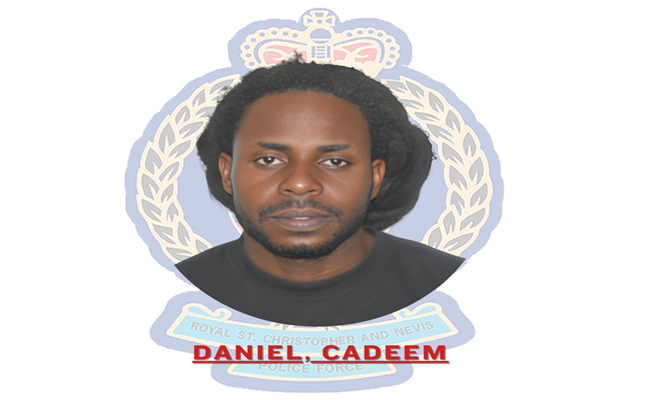
    In a recent development, Cadeem Daniel, an Anguillan national, has been charged with five cannabis-related offences after authorities discovered suspected contraband during a routine vessel inspection. The incident occurred on September 2, 2025, when officers from the St. Kitts and Nevis Customs and Excise Department conducted a standard search of a motor vessel docked at the Charlestown Pier in Nevis.

    During the inspection, officers reportedly found three plastic bags containing a vegetable substance suspected to be cannabis in Daniel’s luggage. The discovery was promptly reported to the Royal St. Christopher and Nevis Police Force (RSCNPF), Division “C.” Authorities seized the suspected contraband and took Daniel into custody. Subsequent laboratory tests confirmed the substance to be cannabis.

    On September 3, 2025, Daniel was formally charged by both the RSCNPF and the Customs and Excise Department. The charges include Possession of Cannabis with Intent to Supply, Importation of Cannabis, Importation of Restricted Goods, Importation of Goods Packed in a Manner to Deceive Customs Officers, and Counterfeiting Documents.

    This case highlights the ongoing efforts by law enforcement to curb the illegal importation of cannabis into the Federation. Daniel’s arrest is part of a broader trend, as an increasing number of individuals have recently faced similar charges.
  • Caribbean Airlines suspends Venezuela flights for September

    Caribbean Airlines suspends Venezuela flights for September

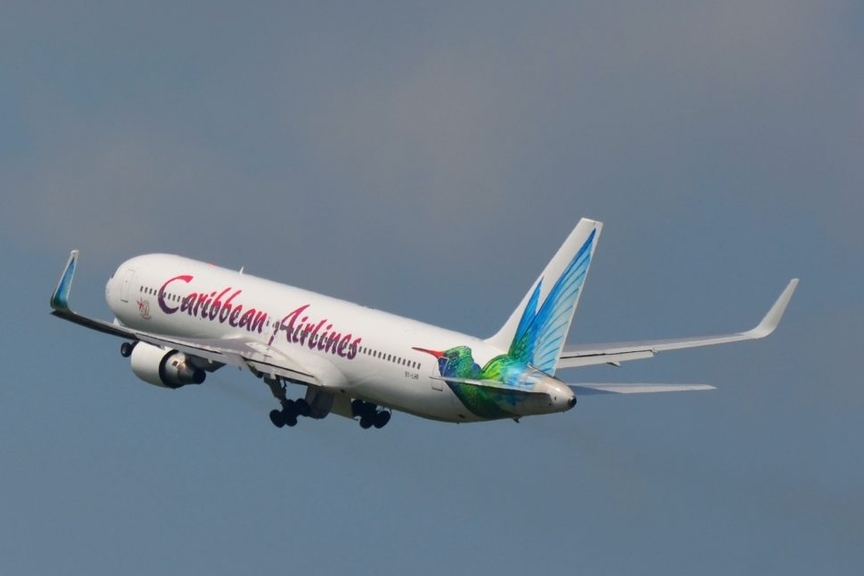
    Caribbean Airlines has announced the immediate suspension of all flights to Venezuela for the remainder of September, citing operational adjustments. The decision primarily impacts its Port of Spain–Caracas route, with affected flights including BW 300 and BW 301 on September 6, 13, 20, and 27. The airline has assured customers of fee-free rebooking options, provided tickets remain in the same cabin class, and encouraged affected travelers to contact its reservations or customer service centers for further assistance.

    The suspension coincides with escalating regional tensions following a recent U.S. airstrike on a Venezuelan vessel, which reportedly resulted in 11 fatalities. U.S. President Donald Trump and Secretary of State Marco Rubio defended the strike, alleging the vessel was involved in drug trafficking. Trinidad and Tobago Prime Minister Kamla Persad-Bissessar publicly supported the U.S. action, stating, ‘The pain and suffering the cartels have inflicted on our nation is immense. I have no sympathy for traffickers; the U.S. military should kill them all violently,’ as reported by CNN.

    Venezuela has long been identified as a key transit point for narcotics moving through the Caribbean to the United States. The Trump administration has ramped up pressure on Venezuelan President Nicolás Maduro, even offering a $50 million bounty for his arrest. While Caribbean Airlines did not explicitly link the flight suspension to the geopolitical situation, the timing suggests a possible connection to the heightened regional instability.

  • PM Drew calls for stronger Africa-Caribbean Trade

    PM Drew calls for stronger Africa-Caribbean Trade

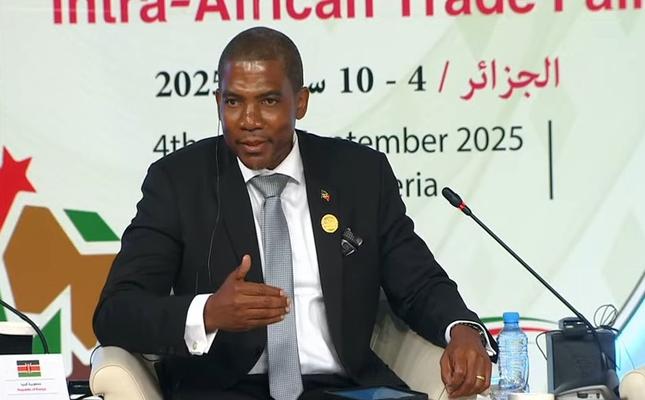
    In a significant push to bolster economic and educational ties, Prime Minister Dr. Terrance Drew of St. Kitts and Nevis has called for stronger trade relations between Africa and the Caribbean. Speaking at the African Continental Free Trade Area (AfCFTA) Trade and Investment Conference in Algiers, Algeria, Dr. Drew emphasized the need to bridge the gap between the two regions, which currently accounts for a mere one to three percent of total trade. He described this as a ‘Transatlantic Bridge of Hope,’ aiming to reconnect the Caribbean and Africa for mutual benefit. Dr. Drew highlighted key sectors such as technology, agriculture, and renewable energy as potential areas for investment and collaboration. He also underscored the importance of educational partnerships, citing initiatives with universities in Tanzania, Kenya, and Ghana. Despite challenges like limited air connectivity, Dr. Drew expressed optimism about growth opportunities in tourism and the creative industry. The Afreximbank is playing a pivotal role in supporting these efforts, providing economic opportunities for investment and growth between the two regions.

  • Nevis Welcomes OCTET Productions as Island’s Film Sector Expands

    Nevis Welcomes OCTET Productions as Island’s Film Sector Expands

    Nevis is making significant strides in establishing itself as a premier destination for the film industry, with the recent completion of an international romance feature film produced by OCTET Productions. The project, which wrapped up filming on the island, highlights Nevis’ scenic beauty and growing local talent pool. Premier Mark Brantley, the Minister of Tourism, emphasized the island’s commitment to fostering a thriving film sector during a press conference. He expressed pride in the active participation of local actors and crew members, who have contributed to the authentic portrayal of Nevisian culture. The film, titled ‘St. Kissed,’ showcases iconic locations such as Chrishi Beach, the Four Seasons Resort, and the historic Hamilton Estate ruins. Premier Brantley thanked OCTET Productions’ co-founders, Chuck and Bree West, for choosing Nevis and expressed optimism about future collaborations. The Wests, based in Washington, DC, praised the island’s welcoming community and stunning landscapes, which played a key role in their decision to film there. This initiative is part of Nevis’ broader strategy to diversify its economy and position itself as a hub for creative industries, building on previous successes with international productions like MSR Media’s nine films and appearances in ‘The Real Housewives of Potomac.’

  • Resilience in Action: NEMA & NDMD Equipped with CDEMA’s Advanced Logistics System

    Resilience in Action: NEMA & NDMD Equipped with CDEMA’s Advanced Logistics System

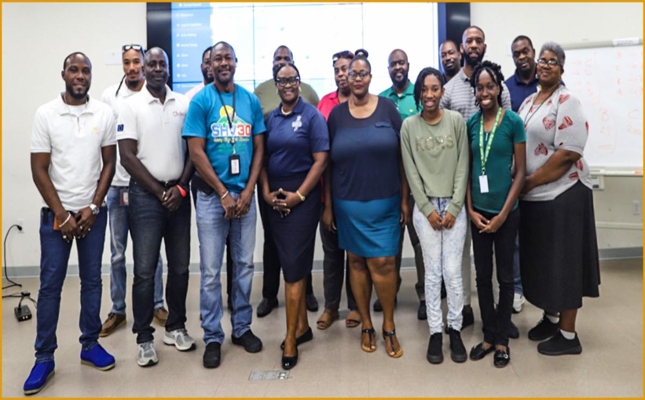
    Charlestown, Nevis – September 4, 2025 – In a significant step toward bolstering disaster preparedness, the National Emergency Management Agency (NEMA) and the Nevis Disaster Management Department (NDMD), in partnership with the Caribbean Disaster Emergency Management Agency (CDEMA) and the US Government, successfully concluded a Comprehensive Logistics Systems (CLS) workshop. Held from August 26 to 29, 2025, the event marked a pivotal moment in regional disaster management efforts. The CLS, a state-of-the-art digital platform, was developed jointly by the World Food Programme (WFP) and CDEMA to address critical gaps in logistics, inventory, and warehouse management exposed by recent hurricanes and natural disasters in the Caribbean. Cayle Francis-Thornhill, a Logistics Specialist at CDEMA, emphasized the system’s role in enhancing regional disaster response mechanisms, stating, ‘The CLS ensures that logistics, warehousing, and inventory management are fully integrated, enabling quicker and more effective responses.’ The week-long training program combined theoretical instruction with hands-on exercises, equipping Disaster Management Officers and stakeholders with the skills needed for live operational use. Mr. Francis-Thornhill highlighted the initiative’s broader goal of strengthening logistics capacity at both national and regional levels, particularly for Saint Kitts and Nevis. This initiative aligns with the Comprehensive Disaster Management (CDM) framework, reinforcing the Regional Response Mechanism (RRM) to ensure Caribbean nations are better prepared for multi-hazard events and resilient in the face of emergencies.

  • Dr Douglas express concern over potential escalation following US strike on Venezuelan drug ship

    Dr Douglas express concern over potential escalation following US strike on Venezuelan drug ship

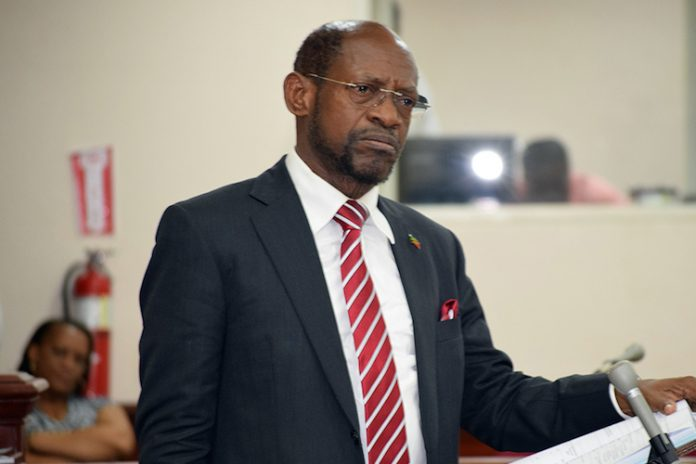
    The Caribbean Community (CARICOM) has raised alarms over the recent US military strike on a Venezuelan drug vessel, warning of potential regional tensions. Dr. Denzil Douglas, Chair of the CARICOM Council for Foreign and Community Relations (COFCOR), emphasized the Caribbean’s commitment to maintaining peace amidst escalating military activities. Speaking to Freedom FM’s News Desk, Dr. Douglas disclosed that CARICOM foreign ministers convened last week to address the increased US military presence in Caribbean waters, a move tied to Washington’s broader strategy against terrorism and ‘narco-terrorism.’ The strike, which resulted in 11 fatalities, has drawn mixed reactions across the region. While Trinidad and Tobago’s Prime Minister Kamla Persad-Bissessar openly supported the operation, Guyana’s stance remains less explicit. Dr. Douglas stressed the Caribbean’s shared concern over illegal arms trafficking and its impact on regional stability. The US Southern Command’s deployment underscores Washington’s focus on curbing drug trafficking, a long-standing issue in the Caribbean. CARICOM plans to reassess the situation soon to evaluate its broader implications for the region.

  • Half a century delivering teachers to the Homeland

    Half a century delivering teachers to the Homeland

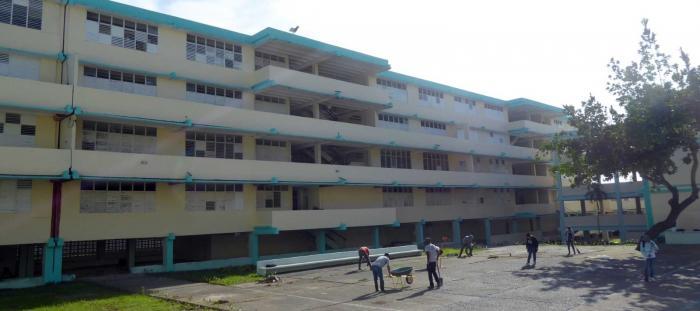
    This Monday marks a significant milestone as the Tania la Guerrillera Pedagogical School in Pinar del Río celebrates its 50th anniversary. The institution, inaugurated by Fidel Castro in 1975, has undergone extensive renovations to restore its former glory. The school, which has trained over 15,000 teachers, is set to reopen with a completely renovated image by September 1, coinciding with the start of the new academic year.

    The school’s director, Jorge Alejandro González, expressed his pride in leading the institution where he was once a student. ‘Taking over the direction of this school is both an honor and a challenge,’ he said. González, who has been with the school since he was 15, emphasized the enduring values of academic rigor and the commitment to shaping future educators.

    The school’s legacy extends beyond Pinar del Río, as it has played a crucial role in the educational revolution of the 1970s. Evelio Herrera Padrón, Provincial Director of Education, highlighted the institution’s contribution to the region’s stable educational outcomes. ‘Thousands of teachers have graduated from this school, and their impact is immeasurable,’ he noted.

    Fidel Castro’s vision for the school was ambitious. During the inauguration, he emphasized the need for teachers capable of working in both urban and rural settings. ‘We aspire to a type of teacher who can teach not only in the city but also in the countryside,’ he said. This vision has been realized over the decades, with the school expanding its curriculum to include 15 specialties, ranging from early childhood education to secondary-level sciences and humanities.

    The recent renovations were necessitated by the passage of time and the impact of hurricanes, including Hurricane Ian. The rehabilitation efforts have focused on restoring the school’s infrastructure, including student residences, sports fields, and specialized classrooms. ‘We have worked tirelessly to ensure the school is ready for the new academic year,’ González said.

    As the school prepares to welcome 779 students, including 236 first-year students, it continues to uphold its mission of training dedicated educators. ‘I hope that our graduates remain in the sector, motivated and passionate about their profession,’ González added. The school’s 50th anniversary is a testament to its enduring commitment to education and its role in shaping the future of Pinar del Río.

  • How are cases of trafficking and possession of “chemicals” judged in Cuba?

    How are cases of trafficking and possession of “chemicals” judged in Cuba?

    In the first half of 2025, Cuba’s judicial system demonstrated its stringent approach to drug-related crimes, with 98% of individuals tried for such offenses being convicted. This high conviction rate underscores the country’s rigorous enforcement of laws against illicit substances, particularly synthetic cannabinoids, which have become a growing concern in the capital. The Supreme People’s Court recently approved Ruling 476, which provides detailed guidelines for prosecuting cases involving these potent and harmful substances. The ruling emphasizes the need to consider the high toxicity, addiction potential, and health risks associated with synthetic cannabinoids when determining penalties. It also establishes specific criteria for classifying aggravated trafficking offenses, regardless of the quantity seized. Penalties for possession or trafficking of these substances range from one to 30 years of imprisonment, with life imprisonment and even the death penalty as possible outcomes. The ruling also highlights the importance of expert testimony from Criminalistics and Toxicology laboratories to assess the substance’s harmful effects and potential impact on public health. Additionally, the court noted that 84% of those convicted were sentenced to imprisonment, with 92% of those sentences being enforced. The low rate of release benefits for drug offenders reflects Cuba’s strict penal and penitentiary policies, aimed at safeguarding public health, social order, and national security.

  • On September 1st, more than 1,530,000 students will return to the classroom

    On September 1st, more than 1,530,000 students will return to the classroom

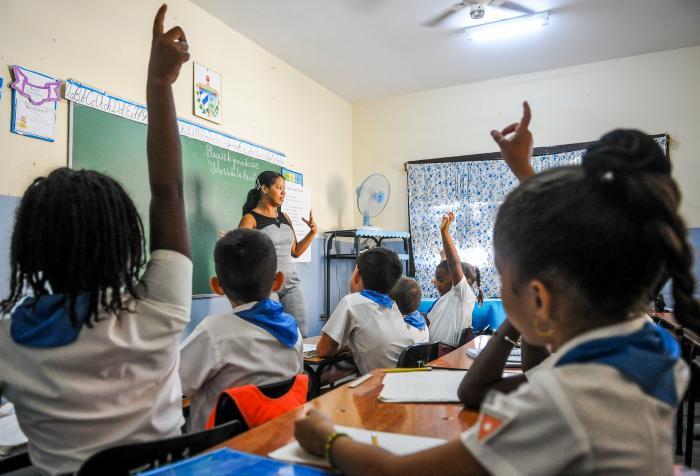
    Naima Trujillo Barreto, Cuba’s Minister of Education, has announced that the 2025-2026 academic year will mark a pivotal moment in the nation’s educational reform efforts. Speaking at a press conference, she revealed that over 1.53 million students across various levels of general education will commence the new school year on September 1st. This year is particularly significant as it introduces a comprehensive curricular transformation for the final grades of the III Perfectioning of the Education System.

  • What should we do on Fidel’s centenary?

    What should we do on Fidel’s centenary?

    As the centennial of Fidel Castro’s birth approaches on August 13, 2026, it is imperative to reflect on his profound impact on Cuba and the world. Castro, a towering figure in revolutionary history, reshaped the destiny of a small island nation just 90 miles from the United States, defying the stigmas often associated with Third World countries. His life, work, and humanist thought form an inexhaustible reservoir of knowledge and wisdom, offering lessons that transcend time and geography.