作者: admin

  • Pakistaanse leger: 216 strijders gedood in Balochistan

    Pakistaanse leger: 216 strijders gedood in Balochistan

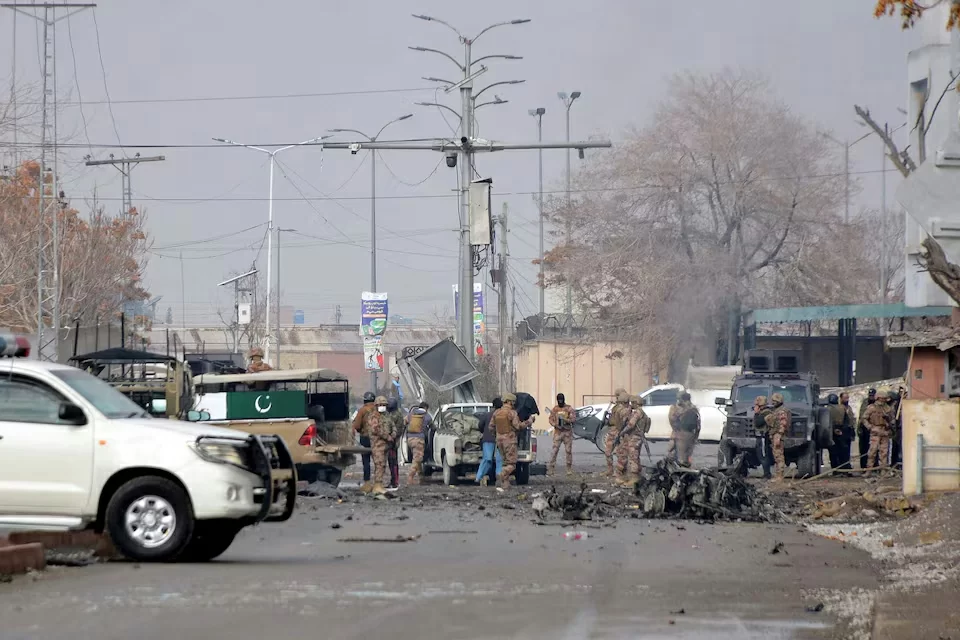
    Pakistan’s military has successfully concluded a week-long comprehensive security operation in the restive southwestern province of Balochistan, announcing the elimination of 216 militants during targeted offensives. The operation, codenamed Radd-ul-Fitna-1 (Elimination of Chaos), was launched on January 29th in response to coordinated attacks by the separatist Balochistan Liberation Army (BLA) that targeted educational institutions, banking facilities, public markets, and military installations across the province.

    According to an official military statement released Thursday, the carefully planned operation utilized actionable intelligence to dismantle terrorist sleeper cells through sustained search and clearance missions. Security forces conducted precision strikes based on meticulous planning, significantly degrading the leadership hierarchy, command structures, and operational capabilities of terrorist networks in the region.

    The military reported seizing substantial quantities of foreign-origin weapons, ammunition, explosives, and military equipment during the operations. Preliminary analysis indicates the militants benefited from systematic external facilitation and logistical support, though the military did not specify the sources of this assistance.

    Tragically, the conflict resulted in significant collateral damage, with 36 civilian casualties including women and children, alongside 22 fallen members of security forces and police personnel.

    Balochistan has endured decades of separatist insurgency, with escalating violence in recent years as armed groups protest against perceived exploitation of the province’s abundant natural resources. The region possesses substantial deposits of coal, gold, copper, and natural gas, generating considerable revenue for the federal government.

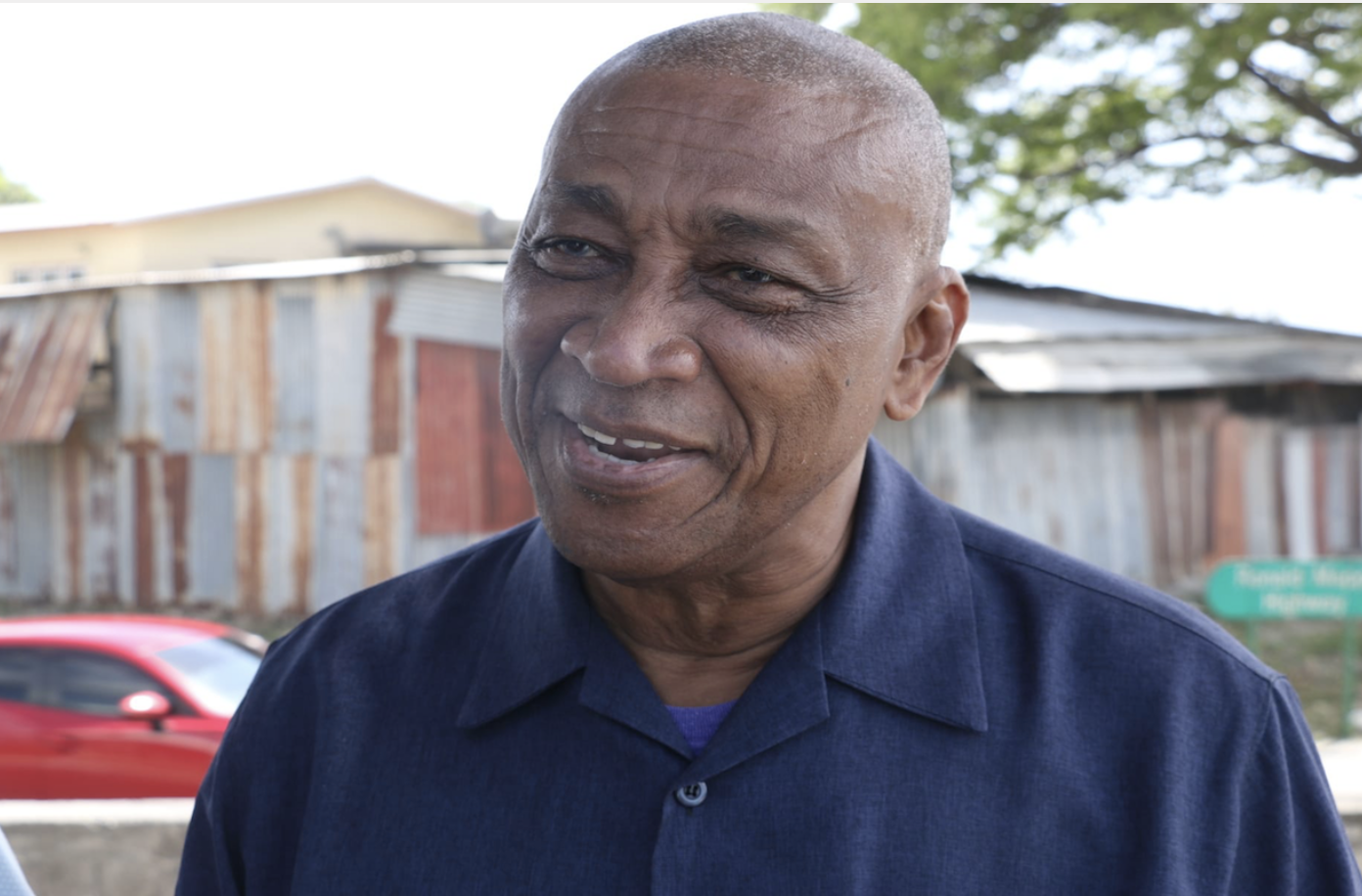
    Prime Minister of Balochistan Sarfraz Bugti revealed to journalists on Sunday that security forces have eliminated over 700 terrorists in the province during the past twelve months, with approximately 70 neutralized in the preceding 48 hours alone. He emphatically stated that these attacks would not weaken the government’s counterterrorism resolve.

    The provincial leader further accused neighboring nations India and Afghanistan of providing support to the militants—allegations consistently denied by both governments. The operation represents the latest chapter in Pakistan’s ongoing struggle to maintain stability in its strategically important but volatile southwestern region.

  • LETTER: Focus My People

    LETTER: Focus My People

    In a rigorous examination of contemporary political dynamics, a compelling critique emerges regarding the fundamental role and performance of opposition parties within democratic systems. The analysis identifies a pervasive pattern where opposition groups prioritize theatrical complaints over substantive policy alternatives, revealing a critical failure in their core democratic function of providing credible governance options.

    The central thesis maintains that genuine political opposition requires far more than identifying governmental shortcomings. It demands comprehensive policy frameworks, detailed funding mechanisms, and sustainable implementation strategies—elements conspicuously absent from most contemporary opposition rhetoric. Rather than engaging in the intellectually rigorous work of solution-building, many opposition parties default to emotional reactions and superficial criticism without corresponding actionable plans.

    This deficiency becomes particularly evident when examining concrete governance challenges. On infrastructure matters such as road maintenance and water management, opposition voices typically identify obvious problems but fail to present specific repair schedules, funding models, or maintenance strategies. Similarly, on complex economic issues including debt management and revenue stabilization, critics offer condemnation without substantive alternatives regarding taxation policies, expenditure priorities, or diversification approaches.

    The analysis further highlights the concerning tendency of some opposition elements to undermine national interests through excessive partisanship. By consistently framing international engagements as embarrassments and diplomatic achievements as suspicious, these groups potentially damage the country’s standing among global partners who assess political stability and institutional credibility.

    Crucially, the examination questions the opposition’s readiness to assume governance responsibilities. It scrutinizes whether prominent figures possess the technical expertise required for critical portfolios such as Finance, where complex responsibilities include fiscal policy management, debt negotiation, and economic steering through uncertainty. The assessment concludes that passion and visibility cannot substitute for the depth of knowledge and disciplined thinking essential for actual governance.

    The fundamental argument posits that true political leadership is demonstrated not through vocal criticism but through substantive policy development and strategic foresight. Until opposition parties transition from reactive complaining to proactive solution-building, they risk remaining merely entertaining distractions rather than credible alternatives for national development.

  • Antigua and Barbuda Among Six CARICOM States Now Classified as High-Income

    Antigua and Barbuda Among Six CARICOM States Now Classified as High-Income

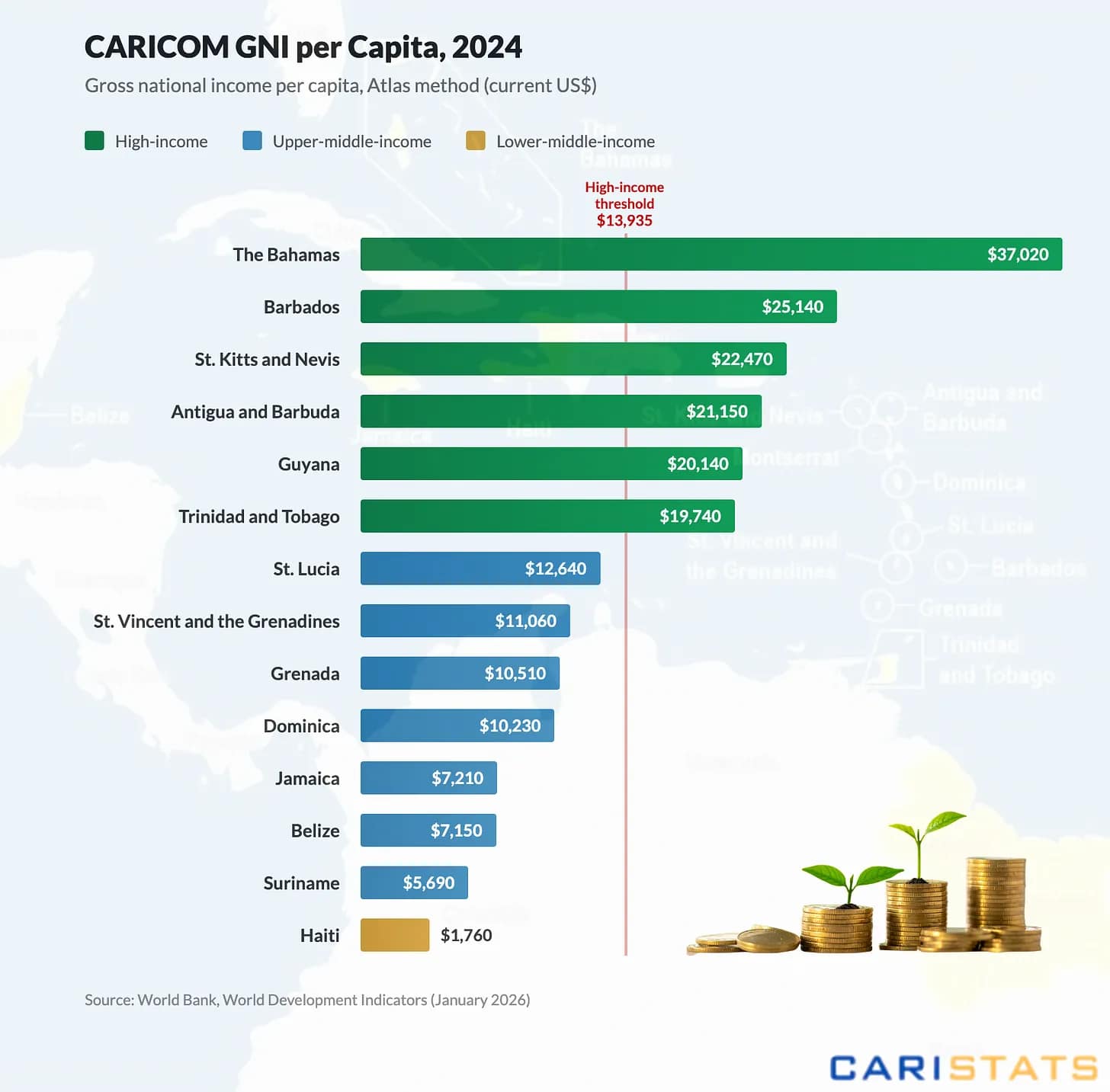
    A recent analysis of economic data reveals profound income disparities across the Caribbean Community (CARICOM), with per capita GDP figures painting a picture of regional economic diversity. According to the World Bank’s World Development Indicators (January 2026), The Bahamas emerges as the regional economic leader with a substantial per capita GDP of $37,020, significantly surpassing the World Bank’s high-income threshold of $13,935.

    The economic landscape shows Barbados maintaining a strong position at $25,140, followed closely by the dual-island nation of St. Kitts and Nevis at $22,470. Antigua and Barbuda recorded $21,150, while Guyana’s rapidly growing economy reached $20,140, and Trinidad and Tobago registered $19,740. These six nations collectively represent the Caribbean’s high-income economies.

    Seven CARICOM members fall within the upper-middle-income category, with St. Lucia’s $12,640 positioning it nearest to crossing into high-income status. Suriname anchors the lower end of this group at $5,690, while Jamaica ($7,210) and Belize ($7,150) occupy the middle range of this economic tier.

    The most striking contrast emerges with Haiti, which stands as the region’s sole lower-middle-income economy at just $1,760 per capita—the only CARICOM member state below the $5,000 mark. This vast economic chasm between The Bahamas and Haiti, representing a ratio of approximately 21:1, underscores the dramatic economic diversity within the regional bloc. The disparity highlights the varying economic foundations across the Caribbean, which encompass tourism-dependent island nations, hydrocarbon-exporting economies, and one of the Western Hemisphere’s most impoverished nations.

  • Constitutional reform committee begins work, Cabinet says

    Constitutional reform committee begins work, Cabinet says

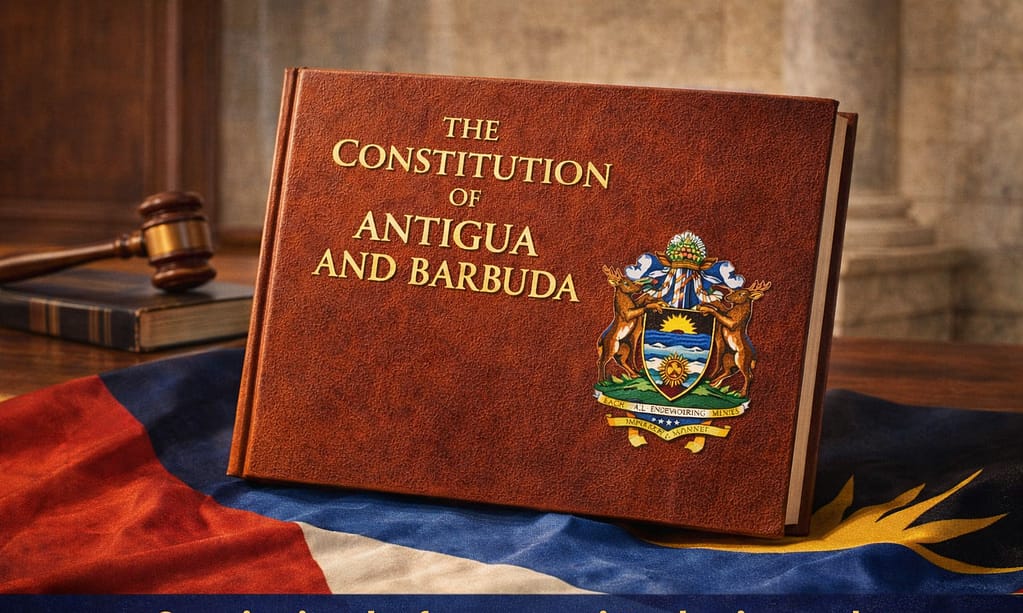
    A landmark constitutional reform initiative has officially commenced operations with its inaugural meeting, as confirmed by Director General of Communications Maurice Merchant during Thursday’s post-Cabinet media briefing. The newly established committee features unprecedented cross-sectoral representation, incorporating delegates from all political parties alongside significant civil society stakeholders, including religious institutions.

    The committee’s inaugural session, held this past week, marked the beginning of what is anticipated to be a comprehensive constitutional review process. Merchant emphasized the diverse composition of the body, noting that ‘wide cross-representation’ characterized the initial gathering with participation spanning the political spectrum and extending to ecclesiastical representatives.

    Among the preliminary issues identified for examination is the constitutional provision currently prohibiting clergy members from engaging in elective politics. This longstanding restriction has been flagged as a primary subject for potential reform during the committee’s deliberations.

    The committee is scheduled to reconvene in March to establish a detailed operational framework and public communication strategy. Merchant indicated that this subsequent meeting will focus on developing a concrete plan of action, including methodologies for public engagement and the presentation of recommendations. The coming months are expected to yield clearer indications of the committee’s prioritized agenda and procedural approach to constitutional modernization.

  • FLOW Supports Student Communication and Digital Engagement at ABCAS

    FLOW Supports Student Communication and Digital Engagement at ABCAS

    In a significant move to bolster educational infrastructure, telecommunications provider Flow has donated a state-of-the-art Samsung S25 cellular device to The Antigua and Barbuda College of Advanced Studies (ABCAS). This strategic contribution forms part of Flow’s comprehensive corporate social responsibility program focused on empowering academic institutions through technological enhancements.

    The advanced communication device will serve as a critical tool for modernizing the college’s information dissemination systems. This technological upgrade will facilitate more efficient outreach to current students, prospective applicants, and key stakeholders throughout the Antiguan and Barbudan community. The implementation of cutting-edge communication technology represents a substantial step toward educational digitalization on the islands.

    Wayne Hull, Country Manager at Flow Antigua and Barbuda, emphasized the company’s dedication to educational advancement: “Our support for initiatives that strengthen educational communication and student awareness remains unwavering. This practical contribution will significantly enhance ABCAS’s community engagement capabilities and informational outreach across our nation.”

    College administrators expressed profound gratitude for Flow’s ongoing partnership, noting that the demonstration of corporate social responsibility through tangible technological support creates meaningful impact beyond symbolic gestures. The collaboration between the telecommunications leader and educational institution highlights how private sector partnerships can effectively address digital infrastructure needs in academic environments.

  • Voter apathy cause for concern, says Atherley

    Voter apathy cause for concern, says Atherley

    With Barbados approaching its February 11 general election, former Opposition Leader Bishop Joseph Atherley has identified escalating voter apathy as the most pressing threat to democratic integrity. In an exclusive interview with Barbados TODAY, Atherley revealed that diminishing public engagement with the political process represents a fundamental challenge to the nation’s democratic foundations.

    Atherley’s concerns are substantiated by both empirical polling data and firsthand observations from his nationwide tour of political gatherings. He emphasized that true democracy requires not merely the mechanical holding of elections, but active citizen participation driven by informed understanding of socio-political realities.

    Historical context reveals this trend isn’t entirely novel—voter turnout has demonstrated consistent decline across multiple election cycles. However, Atherley contends the situation has reached critical severity, with citizens increasingly disconnecting from traditional political participation. The phenomenon manifests through both refusal to disclose voting intentions and outright abandonment of electoral involvement.

    Social media platforms have emerged as both symptom and catalyst of this disengagement. While digital spaces host vigorous political discourse, Atherley observes they often substitute for physical participation and facilitate the unchecked spread of unverified claims that erode institutional trust.

    The roots of this apathy extend beyond digital transformation. Atherley identifies profound public disappointment with political outcomes as a primary driver, noting many citizens believe electoral results yield negligible impact on their daily lives. This sentiment combines with evolving societal priorities and increased distractions in modern Barbadian life.

    Crucially, Atherley reframes the issue as non-partisan, stating: ‘People believe that both parties have done well and both parties have done ill.’ This nuanced perspective suggests systemic rather than party-specific challenges. The fundamental task now becomes revitalizing civic engagement to ensure citizens remain invested in making informed electoral decisions.

  • Commonwealth, CARICOM observers due to arrive soon to oversee general election

    Commonwealth, CARICOM observers due to arrive soon to oversee general election

    Barbados is poised to make electoral history this week as it welcomes international observer missions from the Commonwealth and CARICOM to monitor its general election—marking the first time the island nation has subjected its democratic process to formal overseas scrutiny. The landmark initiative follows a formal invitation extended by Prime Minister Mia Mottley, who characterized the move as a testament to the nation’s dedication to democratic principles, governmental transparency, and the rule of law.

    The Commonwealth delegation, under the leadership of former Saint Lucia House of Assembly Speaker Sarah Flood-Beaubrun, includes six observers recruited from various Commonwealth nations, supported by administrative staff from the organization’s secretariat. Simultaneously, a separate contingent from the Caribbean Community (CARICOM) is scheduled to arrive, collectively forming a robust multinational monitoring presence.

    Throughout their mission, the observer teams will conduct comprehensive assessments of multiple electoral dimensions. Their mandate encompasses evaluating the pre-election climate, campaign activities, and administrative readiness. On election day, the groups will monitor the operational procedures at polling stations—from their opening through the voting process—and continue through the critical phases of vote counting and result tabulation. Additionally, the missions plan to engage with essential stakeholders, including the Electoral and Boundaries Commission, representatives from competing political parties, media organizations, and civil society groups.

    Upon conclusion of the electoral process, both missions will release preliminary statements detailing their initial findings, to be followed by comprehensive final reports. Prime Minister Mottley has vigorously defended the decision to invite international oversight, emphasizing that it enables citizens to independently verify electoral integrity. “The presence of independent electoral observers allows the public to judge the conduct of our elections for themselves,” Mottley stated. “There is no need to rely solely on claims from political figures; let the independent observers cast their judgment.”

    This unprecedented move toward electoral transparency occurs against a backdrop of opposition criticism regarding the election’s timing and allegations of discrepancies within the voter registry. Democratic Labour Party leader Ralph Thorne has formally requested a postponement, citing alleged irregularities that require corrective measures. However, Prime Minister Mottley has asserted that constitutional provisions under Section 18 of the Representation of the People Act prevent any alteration of the election date, ensuring the process proceeds as scheduled under international observation.

  • Regional emergency managers meet, test response readiness

    Regional emergency managers meet, test response readiness

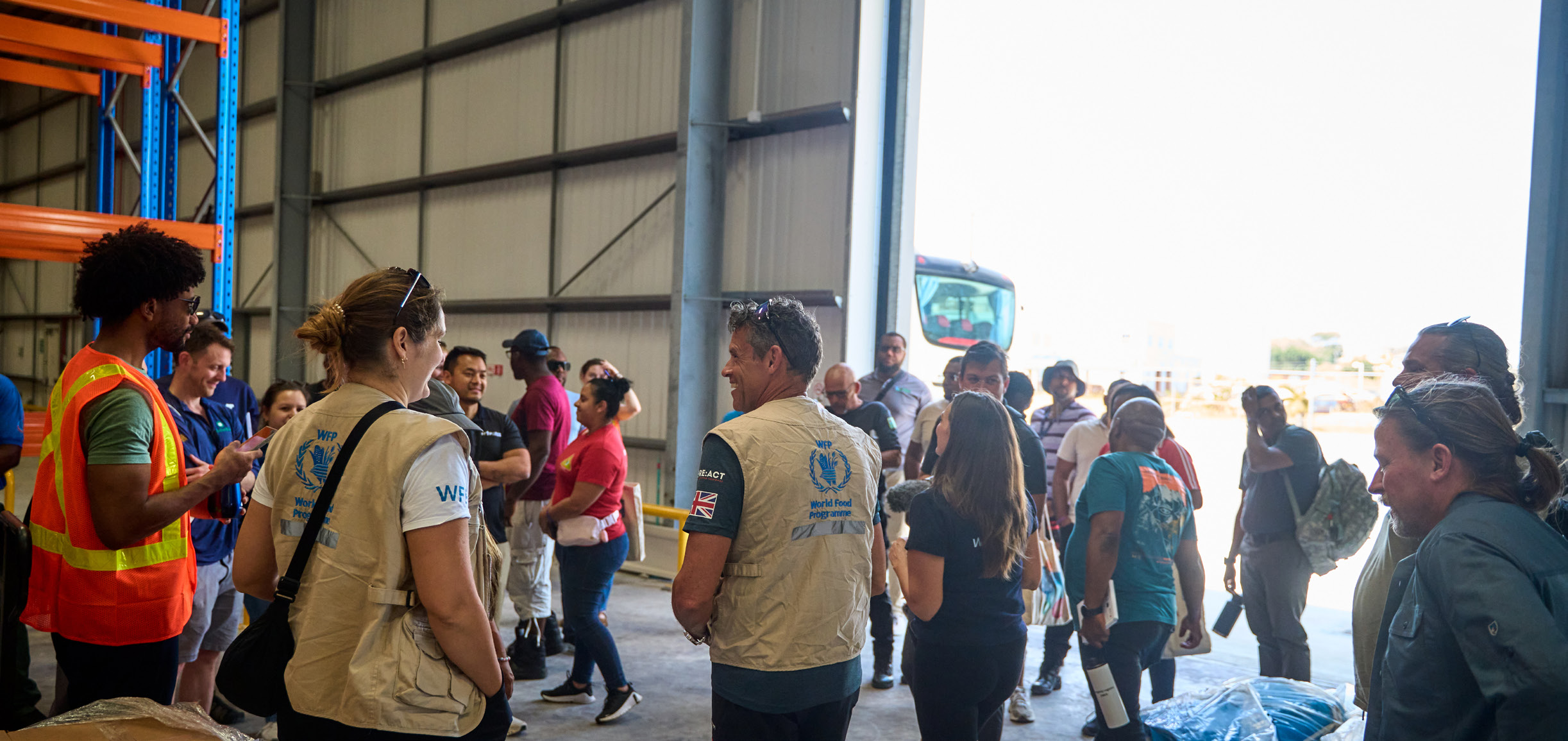
    Barbados has become the epicenter of a groundbreaking regional preparedness initiative as disaster management specialists and humanitarian organizations from across the Caribbean converge for an unprecedented emergency logistics coordination exercise. This landmark simulation, hosted at the Caribbean Regional Logistics Hub, represents the first comprehensive effort to enhance collective readiness for the anticipated challenges of the 2026 Atlantic hurricane season.

    The collaborative drill brings together emergency response coordinators from 12 Caribbean nations alongside 14 regional humanitarian partners, creating an integrated network of expertise. Participants are engaging in a meticulously designed scenario-based exercise set in a fictional Caribbean nation struck by a major hurricane, enabling agencies to practice real-time problem-solving and coordination under simulated emergency conditions.

    Brian Bogart, Representative and Country Director for the UN World Food Programme’s Caribbean Multi-Country Office, emphasized the critical importance of such preparatory measures. “Through these simulations, we create a controlled environment where response teams can confront operational challenges without the devastating human cost of actual disasters,” Bogart explained. The exercise specifically focuses on improving coordination mechanisms, information sharing protocols, and collective decision-making processes during large-scale emergencies.

    The simulation’s design incorporates dynamic elements that mirror the complexity and unpredictability of real disaster scenarios, requiring participants to adapt rapidly to evolving circumstances. This approach allows response organizations to identify potential gaps in their emergency frameworks and develop practical solutions before actual hurricanes materialize.

    Bogart further highlighted the equitable training benefits of such exercises: “While some organizations gain experience through actual emergency response, not all nations or agencies have equal exposure to major disasters. These simulations ensure that all regional partners can develop essential response capabilities through structured, realistic training.”

    The initiative represents a proactive shift in regional disaster preparedness strategy, moving from theoretical planning to practical, hands-on training that enhances collective response capabilities well in advance of each hurricane season.

  • At Global Summit, Browne Outlines High-Value Tourism Strategy for Antigua

    At Global Summit, Browne Outlines High-Value Tourism Strategy for Antigua

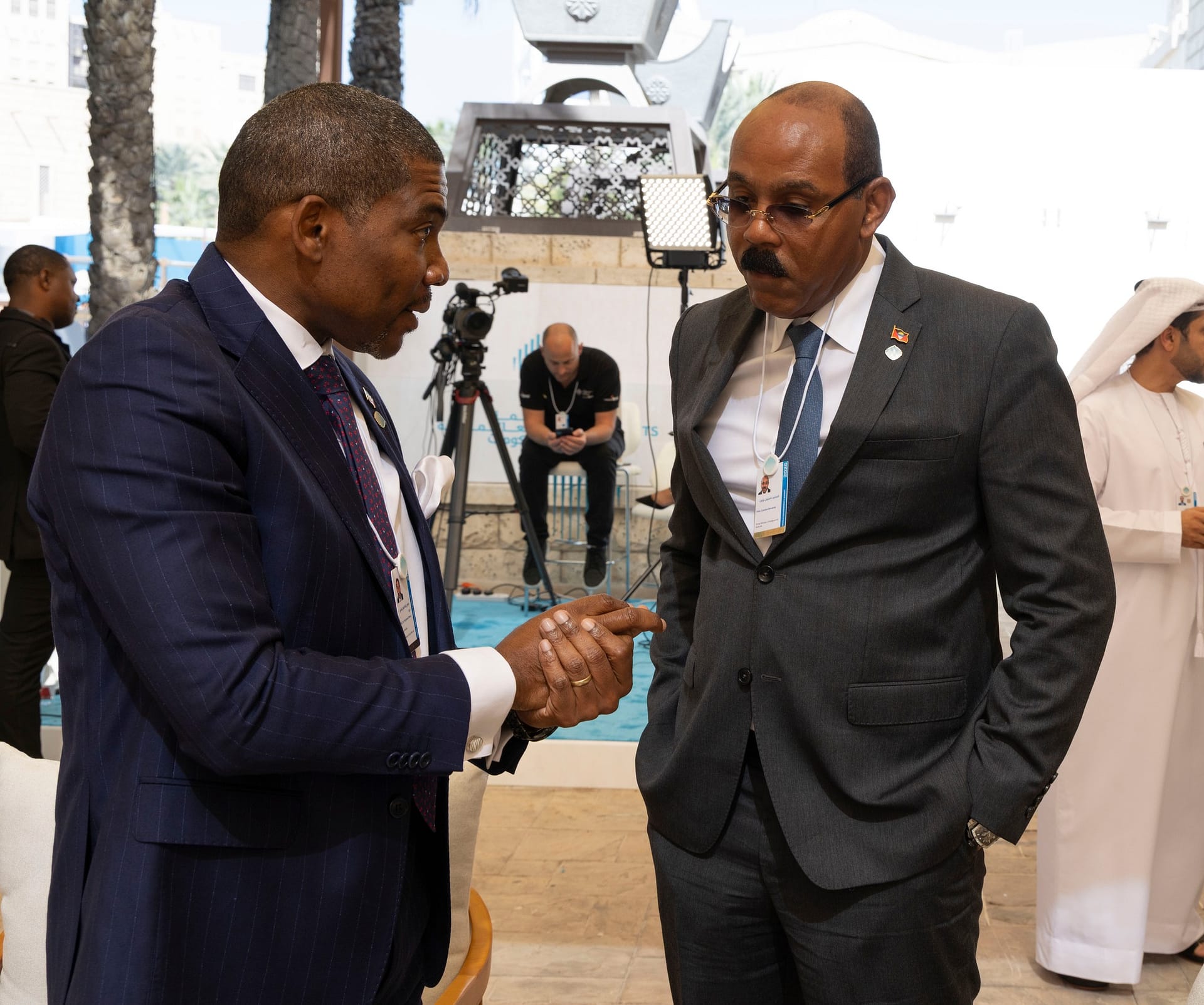
    In a significant policy address at the World Government Summit in Dubai, Prime Minister Gaston Browne unveiled a transformative national strategy to fundamentally reposition Antigua and Barbuda’s tourism industry. Moving beyond traditional metrics of success, the government is implementing a comprehensive overhaul designed to convert tourism into a powerful engine for inclusive economic development.

    Browne critically assessed the historical shortcomings of the tourism sector, describing it as operating too long as an ‘enclave industry’—successful in generating visitor arrivals and revenue but remaining critically disconnected from the broader national economy. This approach, while profitable for some, failed to deliver widespread benefits to the population.

    The new vision centers on creating a high-value tourism model with intentional linkages across multiple economic sectors. Strategic connections to construction, agriculture, creative industries, transportation, financial services, and small business development form the cornerstone of this initiative. This integrated approach aims to ensure that more Antiguans and Barbudans can participate meaningfully and benefit substantially from the tourism economy.

    Success indicators will be radically redefined under this new framework. Rather than focusing primarily on arrival numbers, the government will prioritize outcomes including increased domestic ownership, expanded entrepreneurship opportunities, livable wages for workers, higher visitor spending patterns, enhanced foreign exchange earnings, and more equitable tax revenue distribution.

    As part of this strategic pivot, the administration is actively courting luxury tourism investments while simultaneously encouraging existing all-inclusive properties to upgrade their offerings. This dual approach seeks to establish Antigua and Barbuda as a premier high-end destination while elevating standards across the entire industry.

    Browne emphasized that these transformative benefits will not materialize automatically. They require what he termed a ‘national reset’ of the tourism sector, supported by deliberate policy choices, targeted infrastructure investment, and comprehensive human capital development programs. The Prime Minister framed tourism not merely as an economic activity but as an overarching national development strategy touching all aspects of society—from physical infrastructure and cultural preservation to environmental stewardship and skills development.

    This strategic repositioning addresses what Browne identified as the central challenge facing small island states: designing tourism-driven economies capable of delivering resilient growth, shared prosperity, and long-term sustainability amid ongoing global economic, environmental, and technological changes.

  • Hetmyer to join West Indies for World Cup

    Hetmyer to join West Indies for World Cup

    West Indies cricketer Shimron Hetmyer is scheduled to reunite with his national squad in India on Thursday, February 5th, following the resolution of significant visa complications that threatened his participation in the ICC Men’s T20 World Cup. The 29-year-old Guyanese batsman’s arrival comes just two days before the team’s opening match against Scotland.

    The travel disruption originated from Hetmyer’s use of a newly issued Guyanese passport during the recent South African T20I series. According to renowned international commentator Dr. Joseph Reds Perreira, who spoke exclusively with St. Lucia Times, the batsman traveled to South Africa without carrying his previous passport containing the essential Indian visa. Since Guyanese citizens enjoy visa-free entry to South Africa, the omission went unnoticed until his scheduled departure to India.

    Perreira revealed that high-ranking West Indies Cricket Board officials expected the matter to be resolved imminently, with Hetmyer projected to depart South Africa within hours and reach India by Thursday afternoon Eastern Caribbean time.

    This incident echoes previous travel challenges for the talented left-hander, who ranks fourth in run accumulation (1,345 runs) among current squad members. In 2022, Hetmyer faced exclusion from the T20 World Cup squad after missing two rescheduled flights to Australia due to personal reasons.

    His potential absence would have represented a substantial setback for the Men in Maroon, given his impressive recent form. Hetmyer has compiled 233 runs this year at an average of 46.60, including a remarkable 171 runs across just three innings against South Africa.

    While acknowledging Hetmyer’s personal responsibility, Perreira suggested broader accountability within team management. He questioned whether team manager Rawl Lewis had adequately communicated the specific documentation requirements before players departed their Caribbean homes.

    The visa issue caused Hetmyer to miss Wednesday’s warmup encounter against Afghanistan as well as the official ICC tournament photoshoot, though his anticipated timely arrival preserves West Indies’ batting strength for their crucial opening fixture.