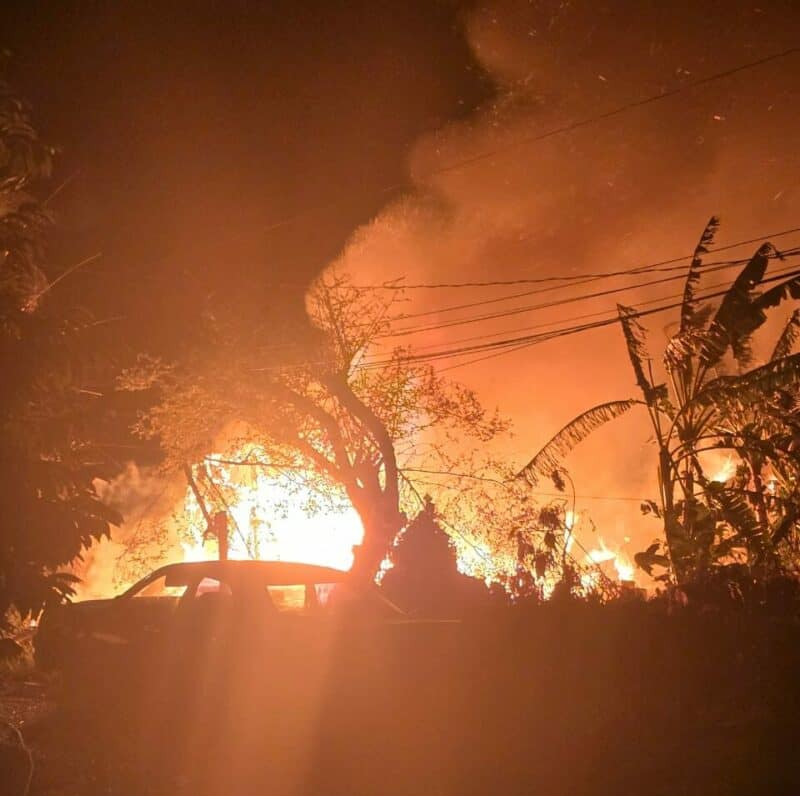
Meteorological authorities in Antigua and Barbuda have issued a significant wildfire alert, projecting heightened fire vulnerability throughout the first half of 2026 due to anticipated precipitation deficits. The national meteorological service indicates that substantially below-average rainfall patterns from February through early spring will likely create tinderbox conditions across the islands’ vegetation. This warning follows concerning December metrics where Antigua documented substantially reduced rainfall and Barbuda endured a severe 21-day arid period without measurable precipitation. The cumulative effect has left grassy and brush-covered landscapes increasingly combustible as the traditional dry season progresses. While daytime temperatures are projected to remain within seasonal norms, meteorologists highlight another concerning factor: above-average nighttime temperatures that inhibit moisture recovery through accelerated evaporation rates. The service further warns that short-term drought conditions will likely materialize by February’s conclusion, potentially escalating to moderate or severe drought classification by April if current rainfall patterns persist. Particularly concerning is the forecast that arid conditions may extend into the early wet season, dramatically amplifying fire risks in bush and grassland regions. Experts clarify that while these conditions don’t guarantee fire incidents, they create a high-risk environment especially during episodes of intensified winds, reduced humidity, or human activities including agricultural burning and land clearance operations. Government officials are urging sustained public vigilance and extreme caution with open flames, debris burning, and all potential ignition sources throughout the prolonged dry period.
作者: admin
-
VS breidt hulp aan Cuba uit ondanks olieblokkade
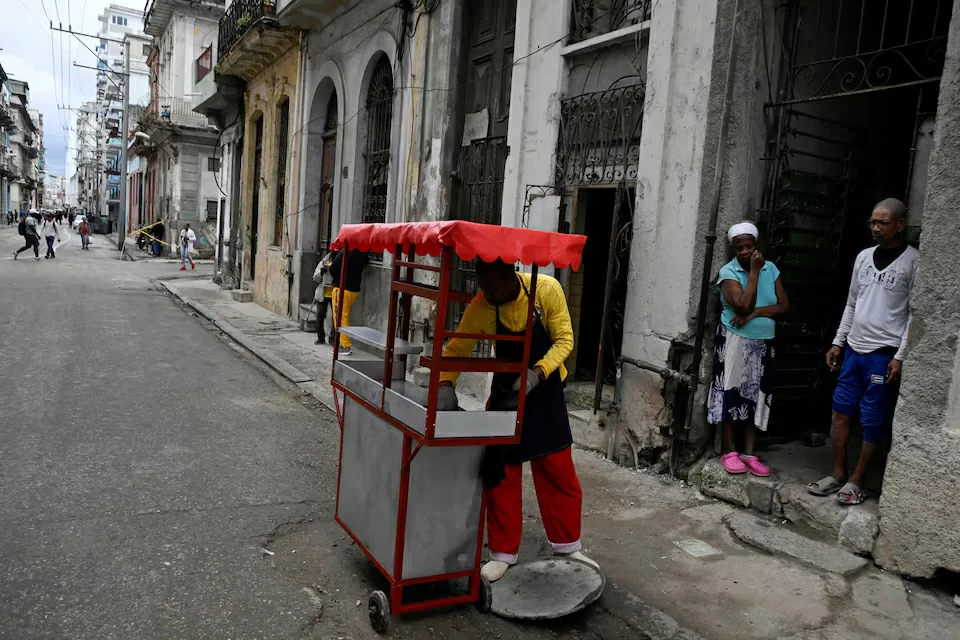
The United States has announced a significant expansion of humanitarian assistance to Cuba while simultaneously tightening restrictions on the island nation’s fuel supplies. Jeremy Lewin, a high-ranking official at the U.S. State Department, revealed on Thursday that Washington would provide an additional $6 million in aid, bringing total humanitarian support to $9 million since Hurricane Melissa struck in October.
This assistance is being channeled directly to the Cuban population through the Catholic Church, with Lewin confirming that the Cuban government has not impeded the distribution process. The humanitarian initiative aims to address critical shortages that have left state stores completely empty and unable to supply basic necessities to citizens.
Concurrently, the Trump administration has escalated efforts to block Cuba’s access to petroleum resources. President Trump has declared that Cuba will no longer receive oil shipments from Venezuela following last month’s operation that resulted in the arrest of Venezuelan President Nicolás Maduro. The U.S. has further threatened tariffs against other nations, including Mexico, that continue to provide fuel to Cuba.
In response to the growing crisis, Cuban President Miguel Díaz-Canel announced temporary measures to address fuel shortages and accompanying power outages affecting multiple provinces. Díaz-Canel characterized the situation as “extremely challenging” and called for national solidarity during this period of hardship.
Despite providing humanitarian aid, the U.S. government places partial responsibility for the crisis on Cuban leadership. Lewin stated, “The fundamental issue is the government’s failure to stock store shelves. State stores are completely empty and unsupplied. What we’re witnessing is a humanitarian disaster.”
The ongoing fuel shortage continues to severely disrupt essential services and supply chains across Cuba, creating a precarious situation for the population. The dual approach of providing humanitarian assistance while maintaining economic pressure highlights the complex dynamics in U.S.-Cuba relations as ordinary citizens bear the consequences of this geopolitical tension.
-
Youth development get largest share of ministry’s budget
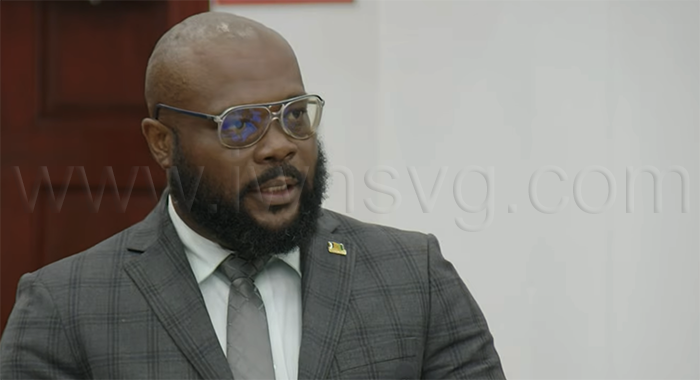
The New Democratic Party (NDP) administration in St. Vincent and the Grenadines is implementing its campaign pledge to prioritize youth advancement through substantial budgetary allocations and strategic ministerial restructuring. Under the leadership of Youth Minister Kaschaka Cupid, the government has designated approximately 55% of its 2026 budget—equivalent to EC$7.08 million—specifically for youth development programs.
Minister Cupid articulated the administration’s vision during parliamentary debates on the 2026 Estimates of Revenue and Expenditure, emphasizing a strategic reorientation toward what he termed the ‘orange economy’—encompassing cultural and creative industries. The ministry itself has been transformed from its previous incarnation as the Ministry of Housing, Informal Human Settlement, Youth and Sports to the newly branded Ministry of Youth, Sports, Culture and Creative Industries.
Financial analysis reveals significant shifts in budgetary priorities: while policy planning and administration experienced a 19% reduction (decreasing from EC$808,000 to EC$652,889), youth development funding increased by 2.68% compared to 2005 allocations. The sports sector received a modest 0.65% boost to EC$2,031,915, while culture and creative industries saw a more substantial 3.8% increase, now standing at EC$2,550,308.
The ministry’s overall recurrent expenditure demonstrates considerable growth, rising by 26.2% from EC$10.2 million in 2025 to EC$12.9 million in 2026. Minister Cupid outlined specific percentage allocations across divisions: 54.9% for youth development, 15.76% for physical education and sports, 20.4% for culture and creative industries, and 3.8% dedicated to the Windward Island School Games.
A cornerstone of the new cultural initiative includes establishing a national cultural calendar and preserving cultural heritage to enhance community engagement. The minister articulated the ministry’s comprehensive mission: to implement progressive policies empowering youth, harness sports for national unity, celebrate cultural heritage, and expand creative industries as pathways to innovation, employment, and global competitiveness—all contributing to sustainable national development.
-
WIN’s Primus roasts govt on lack of policy at Culture, Youth and Sport Ministry
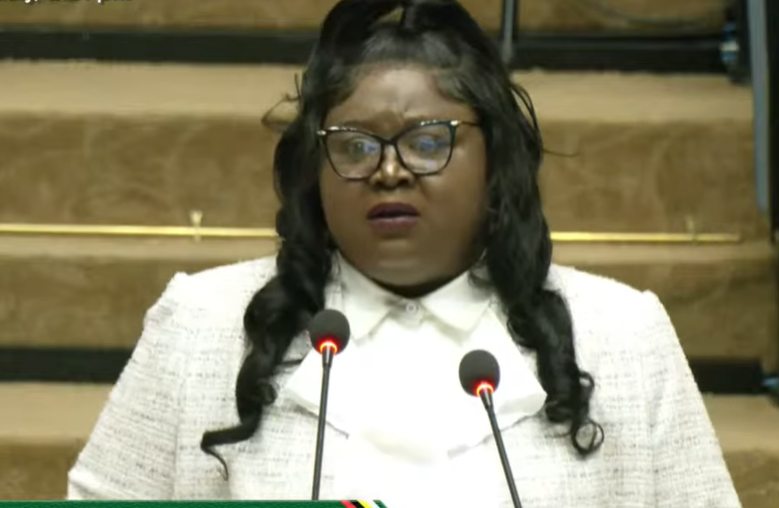
In a dramatic parliamentary session examining Guyana’s $1.558 trillion budget, opposition leader Odessa Primus delivered a scathing critique of the Ministry of Culture, Youth and Sport’s fundamental policy deficiencies. The We Invest in Nationhood (WIN) General Secretary condemned the ministry’s absence of coherent policies across all three sectors under its purview during Thursday’s National Assembly proceedings.
Primus, herself an accomplished stage performer, highlighted the critical lack of modern copyright legislation protecting artists’ intellectual property. “How could you have a ministry and have not one single policy?” she questioned, emphasizing that this void prevents proper evaluation of ministerial accountability. She cited the tragic cases of late cultural icons Henry Rodney and Habeeb Khan who died in poverty despite their significant contributions to Guyanese culture.
The criticism extended to sports development, where Primus noted that coaches remain inadequately compensated and high-performing athletes receive insufficient incentives. She particularly lamented the government’s failure to utilize the National Museum to honor cultural legends, mentioning numerous living treasures including Desiree Edghill, Vivienne Daniels, and Eddy Grant who deserve formal recognition.
Culture Minister Charles Ramson defended his administration’s record, highlighting several accomplishments including the completion of a draft sports policy awaiting Cabinet approval, passage of the Horse Racing Act, and planned National Trust Act legislation before 2030. He detailed infrastructure developments including 145 illuminated sports grounds, a national sports academy, and modernization of the National Sports Hall.
Ramson pointed to cultural achievements including nine acclaimed plays funded through the revived Guyana Prize for Literature program, accreditation of the Institute of Creative Arts, and successful international participations in CARIFESTA and World Expos. “Persons involved in our programs are doing better now than they have ever done before,” he asserted, noting participants are purchasing homes and vehicles through improved earnings.
The debate revealed bipartisan agreement on copyright reform, with APNU parliamentarian Nima Flue-Bess having already tabled a motion for a bipartisan committee to review existing legislation. Both major parties had campaigned on replacing the outdated 1956 British Copyright Act during last year’s elections.
Primus offered constructive recommendations including integrating cultural development with tourism initiatives, specialized swimming training for Indigenous communities, establishing youth rehabilitation centers instead of expanding prisons, and implementing educational programs on Guyanese history and folklore. She also proposed grants for creative projects and tax incentives for artists to foster sustainable cultural development.
-
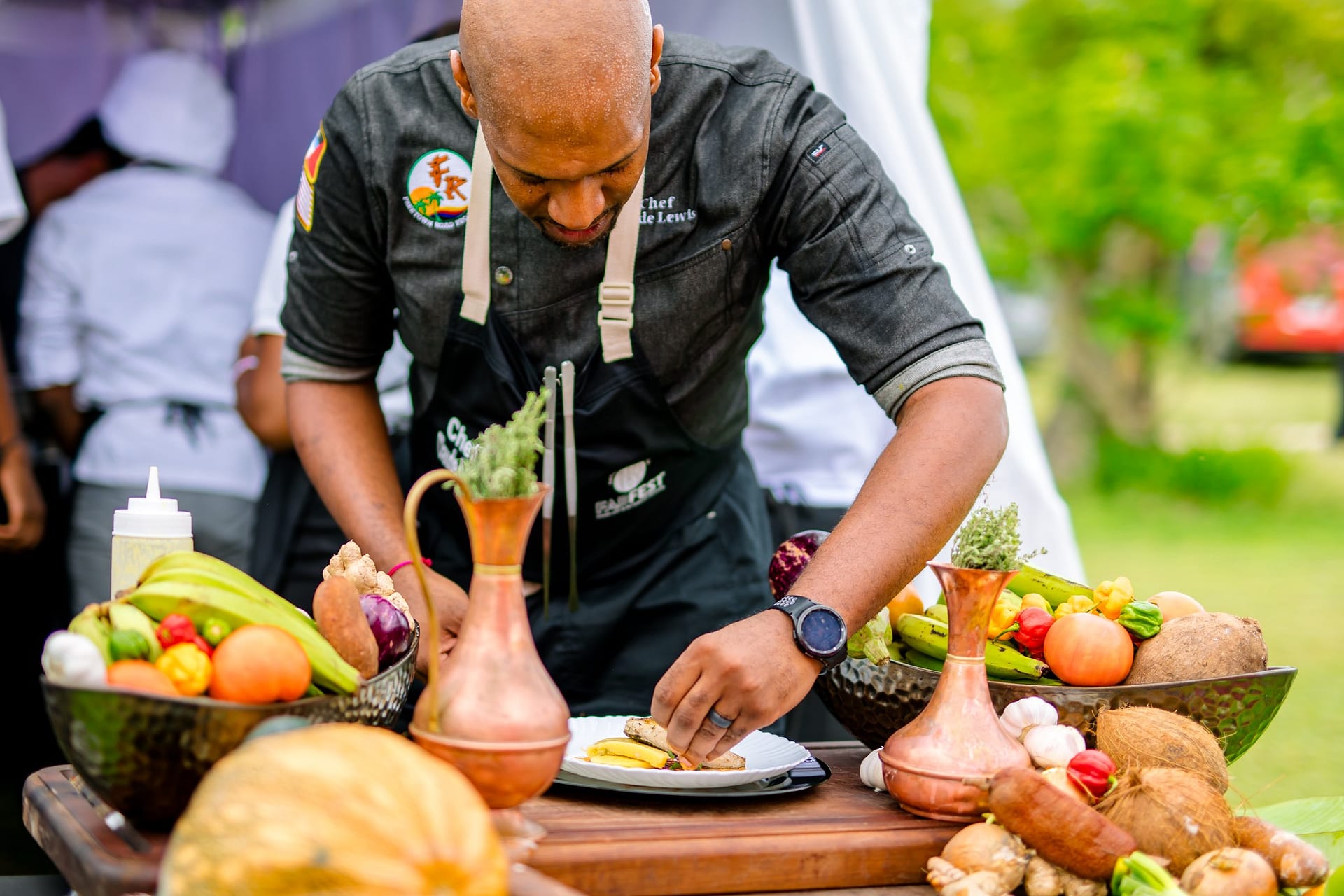
Antigua and Barbuda Culinary Month Returns with Exciting Lineup of Events Throughout May 2026
The Antigua and Barbuda Tourism Authority has unveiled ambitious plans for its flagship culinary event, the Antigua and Barbuda Culinary Month, scheduled for May 2026. This monthlong gastronomic celebration marks a significant expansion following the nation’s recent recognition as the Caribbean’s Best Emerging Culinary City Destination 2025 by the World Culinary Awards.
The culinary festival will feature an impressive roster of internationally acclaimed chefs of Caribbean heritage, including British TV personality Andi Oliver, James Beard Award winner Nina Compton, and Top Chef Season 22 champion Tristen Epps-Long. The event lineup encompasses multiple culinary experiences designed to showcase the islands’ rich gastronomic heritage.
Key components include Restaurant Week (May 3-17), where over 50 local establishments will offer prix fixe menus at various price points. The Caribbean Food Forum on May 21 will bring together hospitality professionals and food systems experts for a hybrid conference. The signature FAB (Food, Art & Beverage) Fest on May 23 will transform Cedar Valley Golf Course into an immersive food and art village with demonstrations, local vendors, and performances.
Additional highlights include collaboration dinners featuring guest chefs from the UK, US, and Canada, a Puerto Rican-inspired BBQ event, a fundraising dinner celebrating Caribbean women chefs, and a finale beach party cookout. Minister of Tourism Charles Fernandez emphasized that the event aims to elevate Caribbean cuisine on the global stage while providing unique cultural experiences for international visitors.
The 2026 edition represents a substantial scaling of the event, which launched in 2023 with the goal of highlighting Antigua and Barbuda’s diverse food culture. Major sponsors include ACB Caribbean, Red Stripe Beer, and Siboney Beach Club as official host hotel sponsor.
-
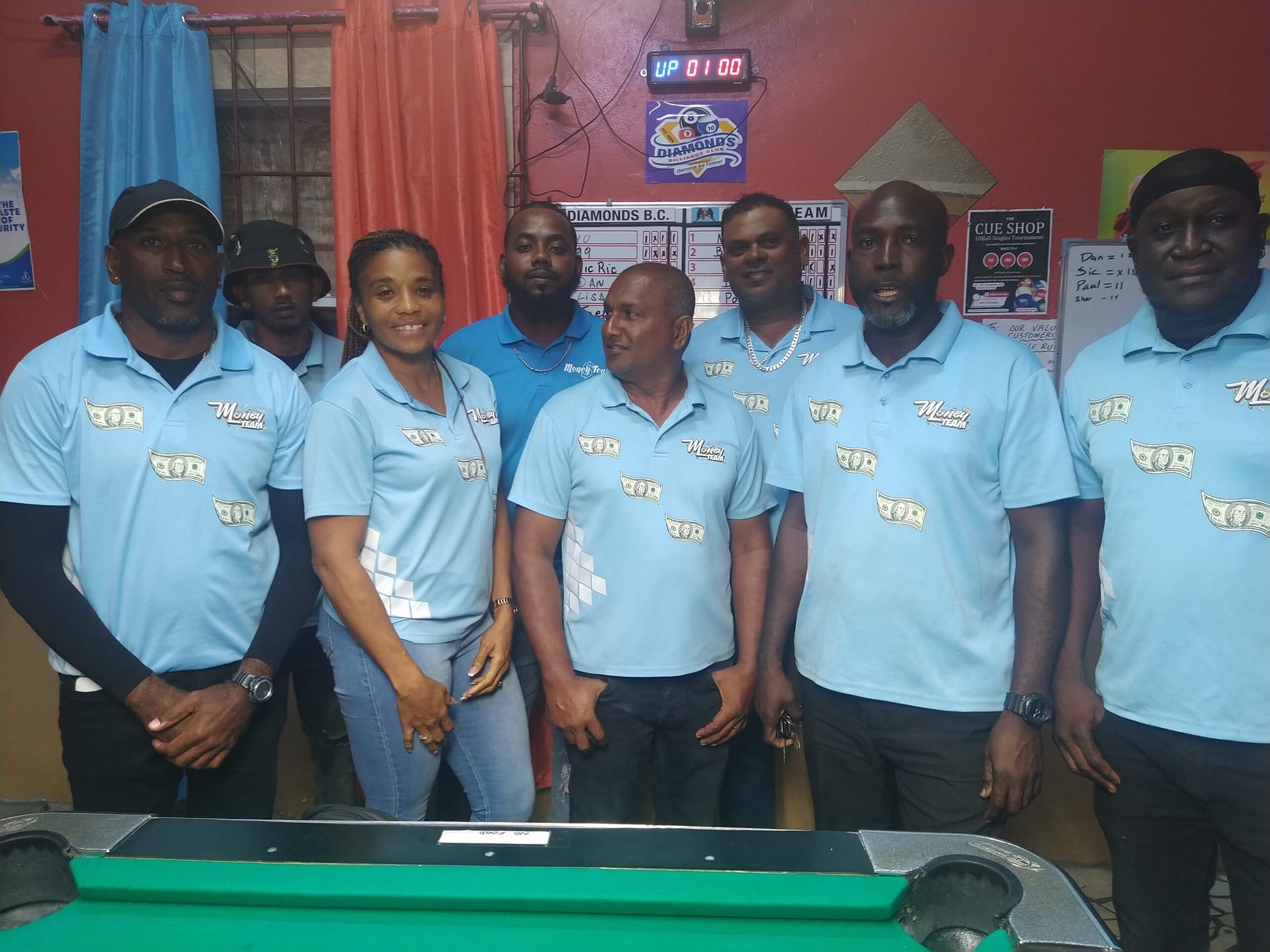
Week One Closes in Style at the NPPA Elric Pat Beazer 8-Ball Team Tournament
The inaugural week of the NPPA Elric Pat Beazer 8-Ball Team Tournament concluded with high-stakes drama, mirroring its opening moments through a series of clinical finishes and comeback victories. The week’s competition demonstrated that no lead remains secure in this year’s tournament, establishing an immediate tone of intense competitiveness.
The week commenced with Ballbreakers staging a remarkable comeback against Sharpshooters, last season’s runners-up. Despite trailing 4-2, Ballbreakers captured the final three sets to secure a 5-4 victory. Tuesday featured Billiard Kings delivering a dominant performance against Paradise Ballers, achieving a decisive 5-1 rout despite competitive moments from their opponents.
Wednesday’s matchup between Cue Action and Obsidian provided one of the week’s most entertaining contests. Obsidian’s Feelinz, one of the league’s female competitors, opened with a strong victory, but Cue Action ultimately prevailed in a back-and-forth battle between teams from the lower half of last season’s standings.
The week culminated with Thursday’s showdown between Diamonds Billiard Club and Money Team, the 2025 third-place finishers. The match featured multiple momentum shifts, including a standout performance from Lisa (owner of Lisa’s Bar and Diamonds’ sole female player), who pushed Money Team’s seasoned captain Pooran to his limits before narrowly losing the deciding game.
The evening concluded with Money Team’s Antonio delivering a perfect symbolic finish—responding to a dry break and missed opportunity from opponent Paul by calmly running all seven balls followed by the eight-ball, securing both the match victory and week-one conclusion with authoritative precision.
-
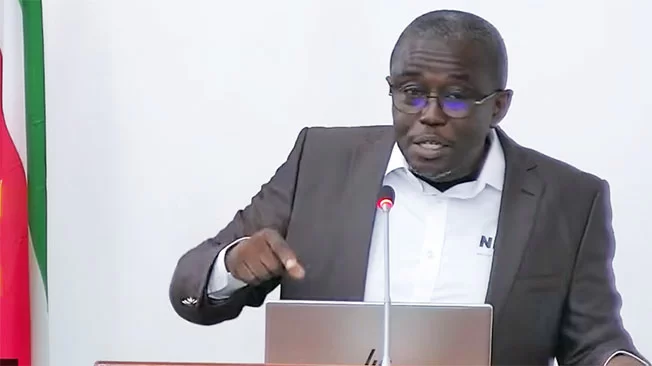
Betterson waarschuwt: geen emotionele wetgeving rechterlijke macht en meerdere pg’s
ABOP Assembly Member Stanley Betterson has issued a compelling appeal for restraint in Suriname’s judicial reform process, cautioning against legislation driven by emotional reactions rather than factual analysis. During Thursday’s session of the National Assembly, Betterson emphasized that legal amendments must be grounded in thorough research and demonstrable necessity rather than temporary outrage or political anger.
The seasoned parliamentarian pointed to Suriname’s historical pattern of enacting legislation prompted by indignation, citing the Recall Law, Amnesty Law, and establishment of the Constitutional Court as examples of reactive laws that failed to achieve their intended purposes. “When emotions take precedence, we often miss the fundamental objective of legislation,” Betterson asserted.
Addressing specific proposals to reform the Public Prosecutor’s Office and expand the number of attorneys general, Betterson expressed skepticism. He challenged the assumption that appointing multiple prosecutors-general would automatically improve the institution’s performance. Instead, he called for objective and systematic investigation into complaints about prosecution policies and conduct before considering structural changes.
Betterson highlighted that the Public Prosecutor’s Office already possesses extensive powers, including through the opportunity principle, but noted these authorities carry inherent risks. This reality makes it essential, in his view, to first identify whether potential problems lie in existing laws, organizational structure, management practices, or implementation processes.
While acknowledging potential needs for strengthening the rule of law, Betterson underscored that any reform must be evidence-based rather than politically pressured. He committed to supporting legislative proposals if research demonstrates changes would genuinely contribute to improved administration of justice.
The ABOP representative urged government officials and initiative proponents to set aside emotional responses and adopt a rational, mature approach to judicial reform. Only through this methodical process, he concluded, can Suriname avoid creating laws that merely shift problems rather than resolve them.
-
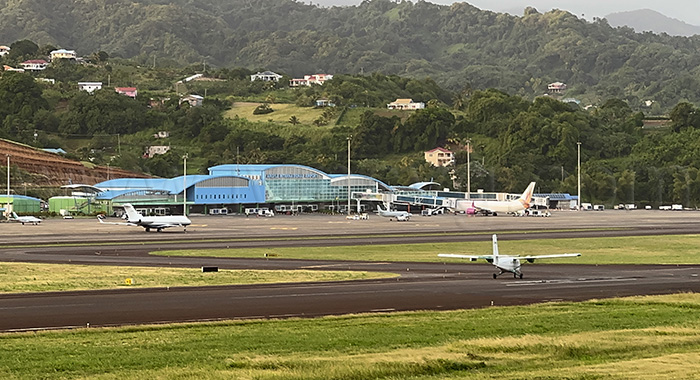
$32m budgeted for AIA’s recurring runway problem
The Vincentian government has announced an emergency allocation of EC$32 million to address severe and persistent structural deficiencies plaguing the runway at Argyle International Airport (AIA). Prime Minister Godwin Friday disclosed the critical funding requirement during parliamentary debates on the 2026 Estimates of Revenue and Expenditure, characterizing the tarmac’s condition as “very poor” and acknowledging the substantial financial burden it represents.
The airport, which stands as the nation’s most ambitious capital project with initial development costs of EC$700 million financed through loans, grants, and in-kind contributions, has experienced recurring pavement failures since its 2017 inauguration. Prime Minister Friday emphasized the particular vulnerability of one runway section that requires near-constant maintenance whenever aircraft land, noting this problem has persisted for years regardless of which administration held power.
The urgency of repairs has intensified during peak tourist season, as authorities cannot suspend flight operations for comprehensive rehabilitation. The government has immediately committed EC$12 million in the current budget cycle toward initial repairs, with total projected costs reaching the EC$32 million figure.
This infrastructure crisis recently forced temporary operational downgrades by aviation authorities after surface defects caused significant flight disruptions. Approximately two months ago, the appearance of holes on the runway prompted the U.S. Federal Aviation Administration to issue a Notice to Airmen restricting operations to aircraft with maximum take-off weights below 225,000 pounds. These restrictions resulted in canceled flights, including an American Airlines Boeing 737-823 that aborted takeoff after crew identified runway damage, and a Virgin Atlantic service between London and St. Vincent via Barbados.
Local media documentation has captured maintenance crews performing emergency patchwork on the runway surface, with potholes reportedly reappearing as quickly as they are repaired. The situation has created operational challenges for multiple carriers serving the Eastern Caribbean destination, highlighting the critical need for permanent structural solutions.
-

Flow Supports Princess Margaret School Awards Ceremony
In a significant corporate social responsibility initiative, telecommunications provider Flow Antigua and Barbuda has contributed technological resources to support educational excellence. Country Manager Wayne Hull formally presented two state-of-the-art laptops and a smart television to Princess Margaret School during the institution’s annual awards ceremony.
The donation ceremony formed a highlight of the school’s event recognizing both past and present educators who have demonstrated exceptional commitment to teaching. Ms. Dana James, representing Princess Margaret School, accepted the equipment on behalf of the educational institution.
This contribution aims to enhance the school’s technological infrastructure, providing both students and faculty with improved digital tools for learning and instruction. The donation reflects Flow’s ongoing commitment to supporting educational development within Antigua and Barbuda through tangible technological investments.
The annual awards ceremony serves as a platform to honor teaching excellence and dedication within the education sector, making the technology donation particularly timely and meaningful. Such public-private partnerships demonstrate how corporate entities can play a vital role in strengthening educational resources within local communities.
-
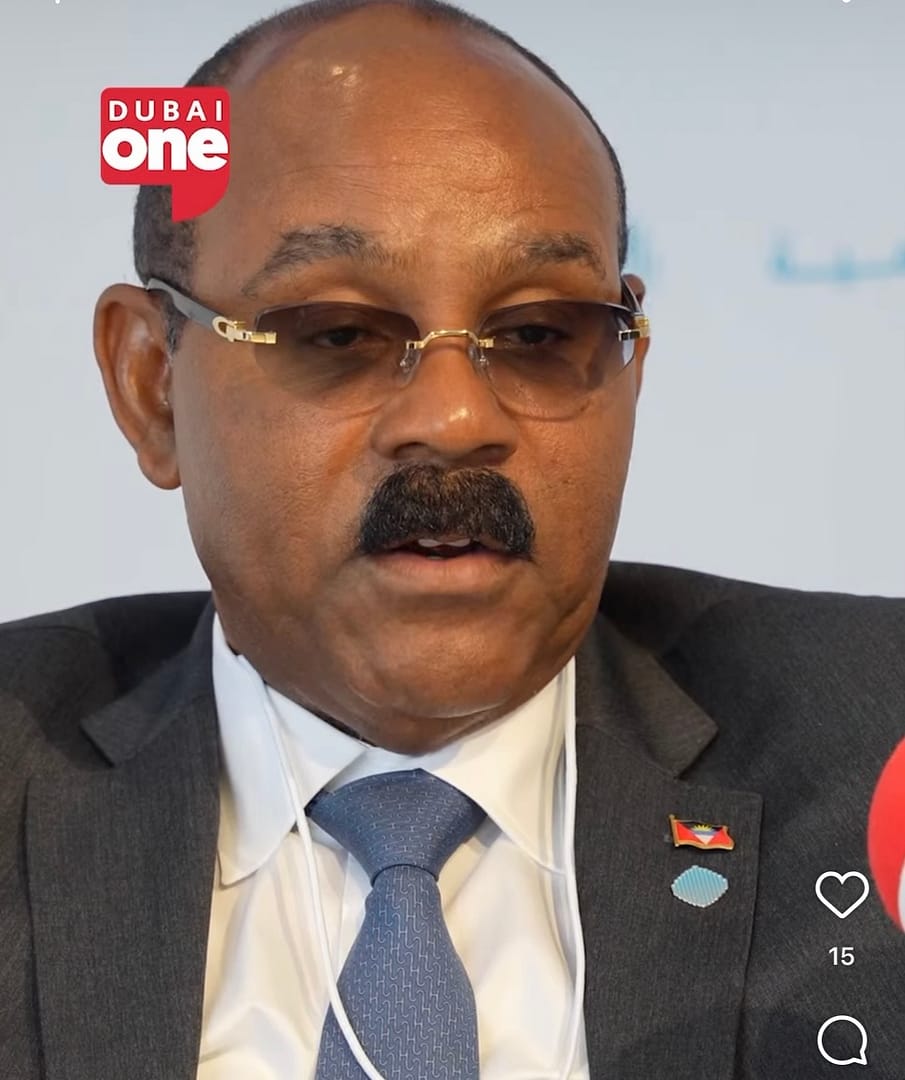
Crime Reduction Central to Tourism Competitiveness, Browne Tells Global Summit
In a strategic address at the World Government Summit in Dubai, Prime Minister Gaston Browne of Antigua and Barbuda articulated a groundbreaking national policy framework that inextricably links national security with tourism competitiveness. The Prime Minister asserted that crime reduction constitutes a fundamental pillar of the nation’s tourism development strategy, establishing public safety as an absolute prerequisite for cultivating and sustaining high-value tourism markets.
Browne elaborated that destinations aspiring to compete within the global luxury tourism sector must guarantee a comprehensively secure environment for both international visitors and local residents. “These efforts are being supported by strident investments in containing crime and violence, thereby providing a safe and secured environment for our guests and locals alike,” he stated during his summit presentation.
The Prime Minister’s discourse reframed conventional approaches to law enforcement by integrating crime containment directly into tourism policy and broader national development objectives. He contended that a premium tourism product cannot flourish in climates characterized by social disorder, public fear, or political instability. According to this paradigm, public safety serves as the critical foundation underpinning visitor confidence, investment decisions, and the overall credibility of a destination brand.
Browne further detailed that the government’s comprehensive tourism reform initiative encompasses parallel investments in urban development, environmental management, and public order enhancement. This holistic approach ensures that Antigua and Barbuda’s tourism offerings align with evolving global expectations, particularly as modern travelers increasingly prioritize destinations that deliver not only luxury and authenticity but also demonstrable safety and stability.
“Tourism is a national development strategy,” Browne emphasized, noting that the visitor experience is equally shaped by safety and social order as by physical amenities such as hotels, beaches, and attractions. The administration remains committed to fostering an environment where both residents and visitors can live, work, and travel without restrictions, thereby reinforcing the nation’s positioning as a competitive, high-value tourism destination on the world stage.