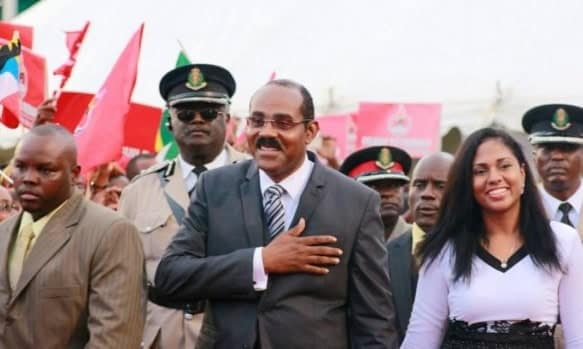
In the midst of heightened political discourse in Antigua and Barbuda, the Gaston Browne Administration stands as a testament to resilience, progress, and effective leadership. Recent weeks have seen a surge in political commentary, ranging from passionate debates to speculative narratives. While democratic engagement is essential, some voices have veered into exaggerated claims of national decline, often driven by personal ambition rather than factual analysis. It is crucial to restore balance and reaffirm the tangible achievements under Prime Minister Gaston Browne’s stewardship. The administration has spearheaded one of the Caribbean’s fastest post-COVID economic recoveries, expanded social housing, and made strategic investments in infrastructure, benefiting thousands of citizens. These accomplishments reflect stable governance and disciplined economic management, rather than political theatrics. Amid global challenges such as inflation, energy shocks, and climate impacts, Antigua and Barbuda has demonstrated remarkable resilience. The administration has confronted these issues with competence and creativity, fostering national confidence and progress. The people of Antigua and Barbuda recognize that stability, progress, and leadership are not accidental but the result of dedicated governance. As the nation continues its transformative journey, it is imperative for all citizens to unite in confidence, leaving behind divisive narratives and embracing a shared vision for a brighter future under Prime Minister Gaston Browne’s leadership.
作者: admin
-
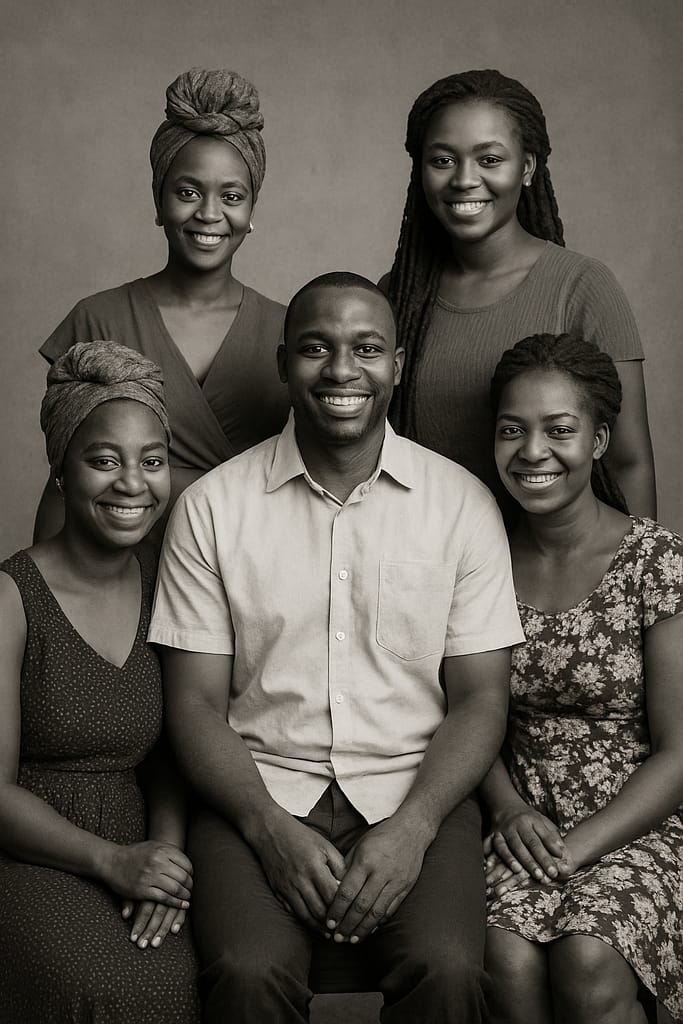
LETTER: It’s Time to Abolish Antigua & Barbuda’s Outdated Bigamy Law
In a bold and impassioned letter to the editor, a concerned citizen of Antigua and Barbuda has called for the immediate abolition of the country’s archaic bigamy law, labeling it as outdated, hypocritical, and out of touch with modern societal values. The writer, who identifies as an ordinary citizen rather than a legal or political expert, argues that the law unjustly intrudes into the private lives of consenting adults under the guise of protecting morality. The recent high-profile bigamy case has reignited public debate, highlighting the law’s irrelevance in a society where diverse relationship structures are increasingly common. The author emphasizes that a free society should respect individual choices, provided they are consensual and do not harm others. They criticize the law as a colonial relic rooted in a singular religious perspective on marriage, which no longer aligns with the cultural diversity and progressive ideals of Antigua and Barbuda. The letter also points out the absurdity of diverting limited police resources to investigate consensual relationships while more pressing issues like domestic violence, financial crimes, and missing children remain under-addressed. The writer concludes with a powerful plea for the government to demonstrate its commitment to modernization, freedom, and human dignity by repealing the bigamy law and allowing adults to build their lives without fear of criminalization.
-

Barbados wins Destination of the Year at the 2025 Balearica (Africa) Awards
Barbados has achieved a significant milestone in its tourism strategy, securing the prestigious ‘Destination of the Year: African Diaspora’ award at the Balearica (Africa) Tourism Awards. This accolade, presented on November 2 at the Hilton London, Canary Wharf, highlights Barbados’ growing appeal among African travelers and its efforts to strengthen cultural and historical ties with the African continent. The award underscores the island’s commitment to promoting its vibrant heritage and re-energizing initiatives to attract visitors from Africa’s burgeoning travel market. Kyle Gittens, Director of Emerging Markets at Barbados Tourism Marketing Inc. (BTMI), emphasized the award’s importance in positioning Barbados as a top choice for African travelers, celebrating the shared cultural connections between the regions. The Balearica Awards, known for recognizing excellence in African tourism, awarded Barbados the golden Balearica Statuette, symbolizing immortality and inspired by the crowned crane, a revered symbol in ancient Egyptian culture. This recognition precedes the 2025 GUBA Awards, held for the first time in Barbados under the theme ‘Reclaiming Our Atlantic Destiny: Build. Connect. Renew.’ The island also welcomed His Majesty Otumfuo Osei Tutu II, the King of Ashanti, marking a historic moment as the first visit by the occupant of the Golden Stool to the Caribbean. His Majesty’s address to students at the University of the West Indies and a chartered SmartWings flight from Ghana to Barbados further symbolized the strengthening of ties between Africa and the Caribbean. Barbados’ Prime Minister Mia Mottley expressed confidence in achieving direct airlift between the continent and the island, reinforcing Barbados’ role as a bridge uniting communities across the Atlantic.
-

I AM youth conference focuses on empowerment, entrepreneurship, mental health
The third annual I AM Conference kicked off at the Hilton Barbados on Wednesday, uniting young Barbadians, students, and budding entrepreneurs for a four-day event focused on business innovation, mental health, and community empowerment. Organized by the Ministry of Youth, the conference aims to inspire and guide participants toward shaping their futures. Permanent Secretary Joy Adamson emphasized that the agenda was shaped by direct feedback from young people, ensuring relevance and impact. The conference features diverse sessions on entrepreneurship, sports, education, and mental health, with a special focus on practical skills and opportunities. Highlights include a youth pitch tank competition, where participants can present business ideas for a chance to win funding, and a showcase of Barbados’ indigenous sport, road tennis. Health and wellness are also prioritized, with sessions dedicated to improving physical and mental well-being. Practical support for career readiness, such as the ‘Dress for Success’ workshop, equips attendees with skills for job interviews and professional development. The Minister of Youth urged participants to fully engage, absorb knowledge, and share insights with peers, underscoring the conference’s role in fostering future leaders. Over the next three days, discussions will expand to include housing, robotics, financial literacy, and career planning, offering a comprehensive roadmap for youth empowerment in Barbados.
-

Children urged to speak up on World Children’s Day
On the occasion of World Children’s Day, UNICEF has called upon young Barbadians to amplify their voices and actively advocate for their rights. Speaking at the national child rights ambassadors graduation ceremony held at the Lloyd Erskine Sandiford Centre (LESC), UNICEF monitoring and evaluation specialist Patrice Bosso emphasized the importance of ensuring that children’s voices are central to national discourse. He urged the newly appointed ambassadors and their peers across Barbados to reflect on their aspirations and take proactive steps to secure their futures. Bosso highlighted the transformative impact of the child rights ambassador programme, launched a year ago in collaboration with the Ministry of People’s Empowerment. The inaugural group of 19 ambassadors has been instrumental in promoting children’s rights through various creative and advocacy-driven initiatives within their schools and communities. This year’s World Children’s Day theme, “My Day, My Rights,” underscores the need to prioritize children’s lived experiences and ensure their rights are actively pursued. Bosso also acknowledged Barbados’ longstanding dedication to child rights, referencing the country’s ratification of the United Nations Convention on the Rights of the Child 35 years ago. He stressed that safeguarding children’s rights requires consistent action and investment, describing them as a “living promise” rather than mere rhetoric. UNICEF remains committed to empowering young people and integrating their perspectives into policymaking and development efforts to build resilient communities.
-

Dominica Bar Association announces newly elected Executive
The Dominica Bar Association has unveiled its newly appointed Executive Committee following a seamless election process at its Annual General Meeting on October 14, 2025. All candidates were elected unopposed, marking a harmonious transition of leadership within the organization. The newly elected team comprises Noelize Knight Didier as President, Mary A. Roberts as Vice-President, Gina Abraham-Thomas as Treasurer, Shanice Henry as Secretary, Carlita Benjamin as Assistant Treasurer, Chelsea Frampton as Assistant Secretary, and Jodie Luke as Committee Member. In an official statement, the Association expressed heartfelt gratitude to the outgoing Executive members for their unwavering dedication and significant contributions during their tenure. Simultaneously, it extended warm congratulations to the incoming and returning officers as they embark on their new roles. The Association emphasized its renewed commitment to advancing the legal profession and ensuring the effective administration of justice in Dominica. The press release concluded with optimism, highlighting the Executive Committee’s readiness to uphold the Association’s mission with vigor and purpose.
-
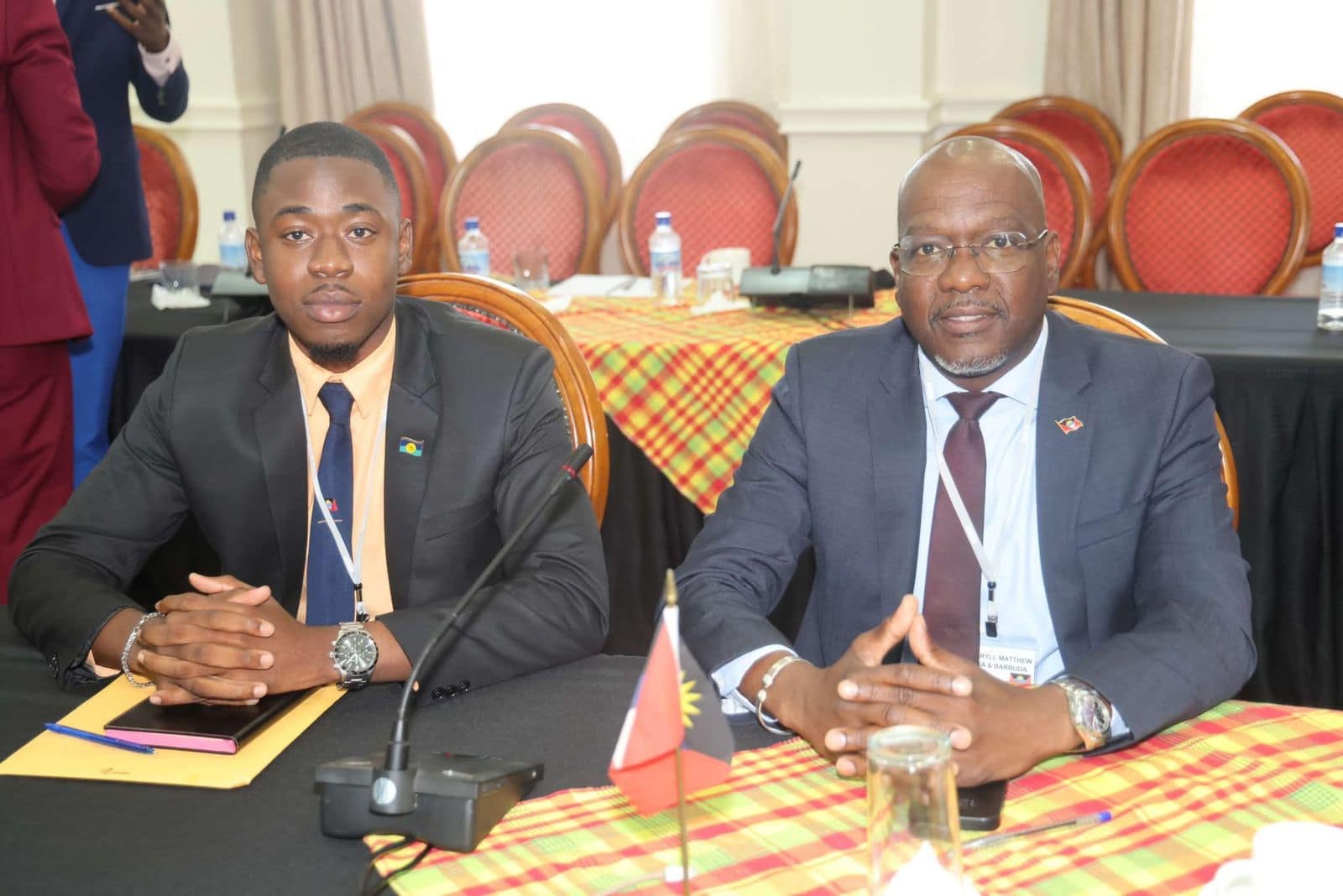
Hon. Daryll Matthew Represents Antigua and Barbuda at OECS Education Ministers’ Meeting
The Organisation of Eastern Caribbean States (OECS) successfully concluded its Tenth Meeting of the Council of Ministers: Education (COM: Edu) in the Commonwealth of Dominica on September 25-26, 2025. Held at the State House Conference Centre under the theme “Empowered Teaching for Resilient and Inclusive Digital Education,” the event brought together Ministers of Education, Permanent Secretaries, Directors from Ministries of Education, development partners, and education experts. Youth representatives were also included to ensure their voices were integrated into discussions, reflecting the OECS’s commitment to youth engagement through its Youth Empowerment Strategy.
The meeting focused on advancing regional education policies, fostering collaboration among education leaders, and aligning national efforts with the OECS Education Sector Strategy. Key discussions centered on accelerating the adoption of the OECS Digital Learning Ecosystem, enhancing teacher training, and promoting inclusive education for the twenty-first century. The event commenced with an opening ceremony celebrating Dominica’s cultural heritage, featuring remarks from Honourable Dr. Geoffrey Hanley, Deputy Prime Minister of Saint Kitts and Nevis and outgoing Chair of the Council, and His Excellency Dr. Didacus Jules, OECS Director General.
Dr. Jules emphasized the need for holistic education reform, stating, “Education is not transformed by technology alone, nor by policies written on paper. Real change requires moving beyond disconnected initiatives.” Honourable Octavia Alfred, Dominica’s Minister of Education and incoming Chair, highlighted the resilience of education systems in the face of challenges such as natural disasters, pandemics, and cultural shifts.
Over two days, participants engaged in robust discussions on priority areas, including the implementation of the OECS Education Sector Strategy (2011–2026), the development of the OECS Digital Learning Ecosystem, and initiatives like microcredentials, EMIS policy, and regional education technology policy. The Council also reviewed findings from the OECS Student Census Micropilot, a groundbreaking initiative to elevate student voices in educational reform.
Key outcomes included endorsing the establishment of national and regional teaching councils, advancing teacher professionalization, and adopting the Roseau Declaration for OECS Digital Education, which addresses data management, pedagogy, and artificial intelligence. The Council also commissioned a refreshed OECS Education Sector Strategy for 2027–2037, ensuring continued progress in transforming education across the region.
-

Saamaka-gemeenschappen eisen directe klimaatfinanciering
At the 30th United Nations Climate Change Conference (COP30) in Belém, the Association of Saamaka Communities (VSG) delivered a compelling message. Represented by a delegation of twenty members, the VSG called for direct funding, recognition of traditional knowledge, and a central role for the Saamaka people in combating climate change. The organization emphasized that sustainable forest management is impossible without the involvement of those who have protected the forests for centuries. In plenary sessions and thematic meetings, the VSG highlighted the severe impact of climate change on the Saamaka communities, whose identity, culture, and livelihoods are deeply intertwined with the forest. Hugo Jabini, Director of the VSG Foundation Bureau, stressed, ‘The time for talking is over. We are the guardians of the forest, yet we bear the heaviest burdens.’ He urged the international community to transition to direct, community-managed funding, as only a small fraction of current funds through NGOs reaches the villages. The VSG proposed several concrete measures: recognition of Community Conserved Areas (CCAs) as the foundation of sustainable forest management, accessible climate financing for local communities, sustainable partnerships between governments, regional and international organizations, and local communities, and knowledge sharing and capacity building to train and support youth and women in sustainable forest management. A key message from the VSG was the importance of traditional Saamaka knowledge, shaped by generations of living in harmony with the forest, offering valuable insights into resilient and sustainable management. The VSG called on policymakers and international partners to integrate this knowledge into national and global climate strategies to develop innovative, future-proof models. The VSG’s participation was further amplified by a cultural performance by the Seketie group in the green zone of COP30. The songs, dances, and colorful pangi’s of Saamaka women and Basia Paul Wooje of Guyaba were a moving tribute to the forest, describing the beauty, value, and spiritual significance of the Amazon. The VSG’s prominent presence at COP30 underscored the crucial role of the Saamaka communities in protecting Suriname’s forests and the global climate. The VSG demands genuine recognition, direct resources, and meaningful involvement to enable the guardians of the forest to continue their essential role in a time when the planet needs this protection more than ever.
-

Health & Wellness Fair highlights urgent need for more open conversations about prostate cancer among men
The Bureau of Gender Affairs and the Ministry of People Empowerment and Elder Affairs marked this year’s International Men’s Day with a Health and Wellness Fair, focusing on a pressing yet often overlooked issue in Barbados: the importance of open dialogue about prostate cancer. Held at the Warrens Office Complex’s northern car park, the event attracted a record turnout, with men from across the island availing themselves of free health screenings. Despite the growing participation, health officials emphasized that prostate cancer remains a sensitive topic, underscoring the need for broader national discourse.
At the Barbados Cancer Society tent, Registered Nurse Sarah Stennett highlighted the challenges of early detection due to men’s reluctance to discuss the disease. “Prostate cancer is the most prevalent cancer in Barbados, particularly aggressive among Black men,” she explained. “Screening, which involves a simple annual blood test starting at age 40, is crucial, but conversations remain limited. Men are more open to discussing it if they have a family history of the disease.”
Despite the silence, progress was evident, with over 90 men undergoing PSA blood tests, nearing the day’s target of 100. “The conversations are happening, albeit slowly,” Stennett noted. “We need these discussions to permeate communities nationwide.”
William Warner, Director of the Bureau of Gender Affairs, reported a steady increase in participation, with 90 screenings conducted this year compared to 60 last year. He attributed this growth to the Bureau’s strategy of bringing healthcare services directly to men, addressing their historical reluctance to seek formal medical care. “Men don’t typically access healthcare, so we’re meeting them where they are,” Warner explained.
Event coordinator Natalie Nichols, a Research Officer at the Bureau, observed that the surge in attendance reflects men’s preference for community-based, outdoor health initiatives over clinical settings. “This year, we offered 100 free prostate screenings, and the response has been overwhelming,” she said. Nichols added that the fair’s annual growth, with more partners and participants, signals a shift in attitudes toward once-taboo health issues.
One attendee encouraged others to overcome their hesitation. “Get over the shyness,” he urged. “Many of us are here doing the same thing. Talk about it. Get tested.”
The fair featured a diverse range of health and wellness providers, including the National HIV/AIDS Commission, the Caribbean Colon Cancer Initiative, and the Diabetes and Hypertension Association. Additional services, such as nutrition guidance, massages, and grooming, were offered by partners like the National Nutrition Centre and Nikita School of Cosmetology, ensuring the event was inclusive and accessible.
Warner emphasized the importance of persistence in driving change. “It’s a gradual process, but consistent messaging will encourage more men to get tested and know their status,” he said. “Over time, we believe the message will resonate.”
-

Canada backs Agrihub program to promote Women’s role in sustainable Agriculture in Dominica
In a significant move to bolster climate-smart agriculture and women’s empowerment, Her Excellency Brenda Wills, the High Commissioner of Canada to Barbados and the Eastern Caribbean, recently visited Castle Bruce, Dominica. The visit focused on engaging with Ms. Tamisha Darroux, a budding farmer participating in Agrihub’s SheHarvest initiative, which emphasizes gender-sensitive business strategies for climate-resilient farming. The initiative is part of the Canada Fund for Local Initiatives (CFLI), a program dedicated to supporting community-led projects that advance women’s economic rights, leadership, and environmental resilience. Accompanied by Political Counsellor Ms. Stephanie Sprott, High Commissioner Wills toured Ms. Darroux’s farm, discussing her agricultural journey and the transformative impact of the SheHarvest program. The initiative has provided 30 women farmers in Dominica with business planning, financial literacy, and practical training in climate-smart techniques. Currently, six participants, including Ms. Darroux, are piloting their business plans in a 12-week phase aimed at enhancing productivity, resilience, and income. High Commissioner Wills emphasized the importance of empowering women farmers, stating, ‘Empowering women farmers is a key component to building resilience and strengthening food security in the region.’ She highlighted how initiatives like SheHarvest are creating opportunities for trade, innovation, and sustainable growth in agriculture. Ms. Darroux, who began farming just a year ago, exemplifies the new generation of women adopting innovative practices to strengthen Dominica’s food systems and rural economy. Ms. Abigail Shillingford, Executive Director of Agrihub, praised the resilience and ambition of women like Ms. Darroux, noting that SheHarvest is helping women view agriculture as a pathway to sustainable business and leadership. This visit underscores Canada’s ongoing commitment to partnering with Dominica in fostering locally driven initiatives that empower women, promote inclusive economic development, and enhance climate resilience.