作者: admin

  • With limited local support, Anatole crowdfunds next short film

    With limited local support, Anatole crowdfunds next short film

    Independent filmmaker Elijah Anatole, founder of Artlas Studios in Saint Lucia, has initiated a crowdfunding initiative through Greenlit to secure $15,000 in production funding for his upcoming short film ‘Letters From Ava.’ This move comes as his recently acclaimed project ‘Omyra’ continues to receive international recognition through film festival circuits.

    Anatole’s decision to pursue community-funded financing stems from what he describes as systemic lack of support for cinematic arts within Saint Lucia. Despite approaching numerous corporate entities and government agencies, the filmmaker reported that 99% of potential sponsors declined to provide assistance for distribution and festival participation costs.

    ‘There isn’t any substantial support mechanism for filmmakers in Saint Lucia,’ Anatole revealed to St. Lucia Times, highlighting that previous projects including ‘Me’ and the feature-length ‘Heartfall’ were primarily self-funded despite some collaborative partnerships.

    The new project, ‘Letters From Ava,’ will explore deeply human themes of familial bonds, mortality, and the grieving process through the intimate story of two sisters. Anatole emphasizes that the film remains intrinsically connected to Saint Lucian cultural context while addressing universal emotional experiences.

    Through the Greenlit campaign page, Anatole positions the funding drive as more than financial support: ‘You’re contributing to storytelling that values emotional honesty and reflection over spectacle. You’re supporting independent filmmaking from Saint Lucia and helping ensure Caribbean stories reach global audiences.’

    The filmmaker intends to leverage the international film festival circuit to showcase Caribbean narratives worldwide, viewing the project as an opportunity to strengthen the region’s presence in global cinematic discourse.
  • Sargassum Task Force on Alert as Placencia Braces for Weekend Arrival

    Sargassum Task Force on Alert as Placencia Braces for Weekend Arrival

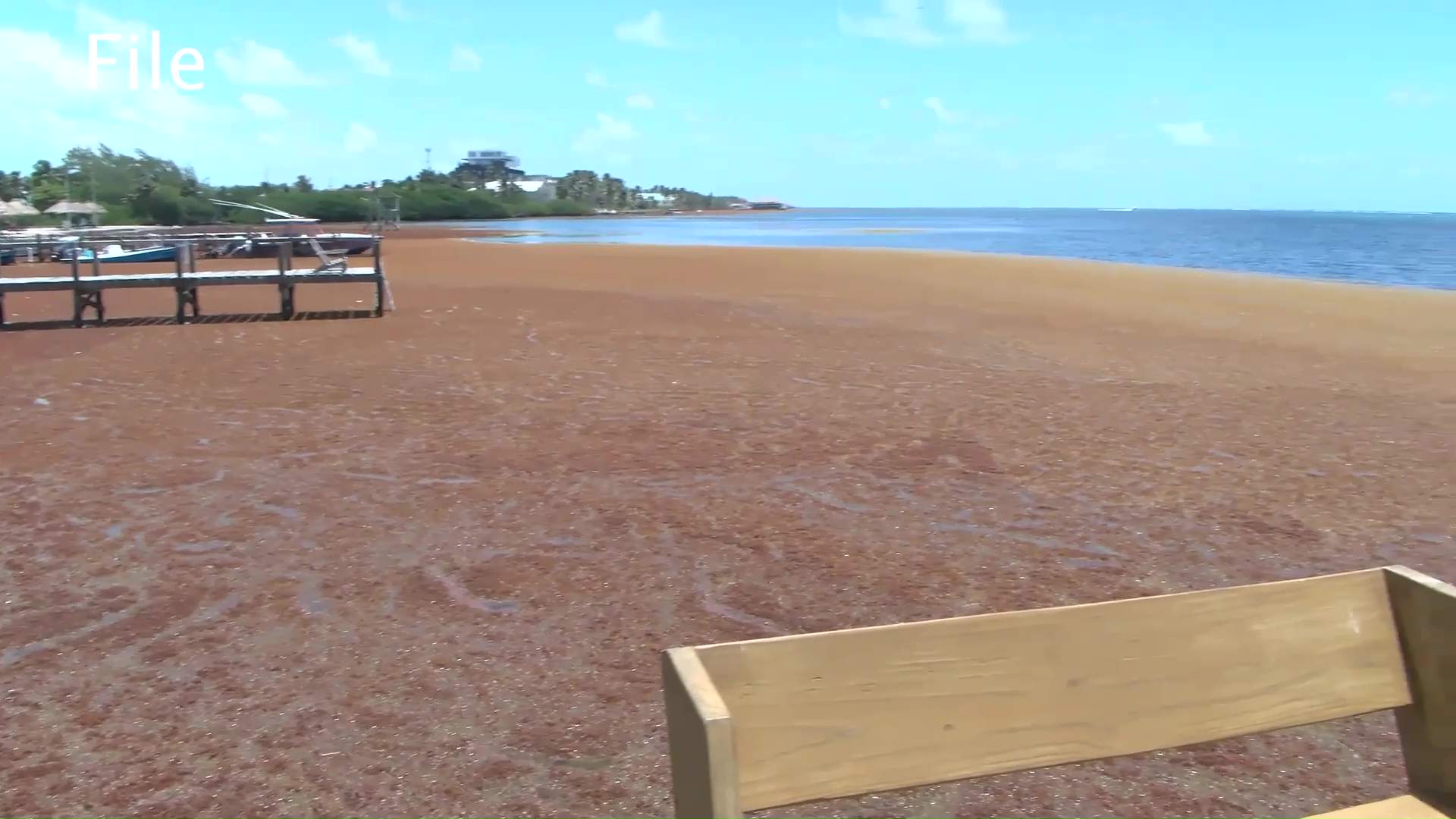
    The Belizean government has activated its specialized Sargassum Task Force in preparation for the anticipated seasonal influx of seaweed along the nation’s coastline. Coastal communities, including the popular tourist destination of Placencia, have been alerted to expect initial arrivals of sargassum mats as early as this weekend.

    Andre Perez, Minister of Blue Economy and Civil Aviation, confirmed the task force’s proactive measures during a recent briefing. “The sargassum task force is very active—we are making the plans,” Minister Perez stated. “At this point in San Pedro, the barriers are about to be installed. The sargassum machines are being prepared and getting ready.”

    The comprehensive response strategy includes both physical barriers and specialized harvesting equipment to manage the seaweed accumulation. Minister Perez emphasized the ongoing nature of the challenge, noting that “it is going to be a constant battle, but we are preparing for it.” The task force is simultaneously working to secure additional funding for innovative containment solutions, including testing the effectiveness of containment booms.

    The seasonal sargassum phenomenon has become an increasing concern for Caribbean nations, affecting marine ecosystems, tourism industries, and coastal communities. Belize’s coordinated approach represents a structured effort to mitigate the environmental and economic impacts of the seaweed invasion through preemptive planning and resource allocation.

  • Foreign Ministry confirms diplomatic efforts in case of detained Dominican pilot

    Foreign Ministry confirms diplomatic efforts in case of detained Dominican pilot

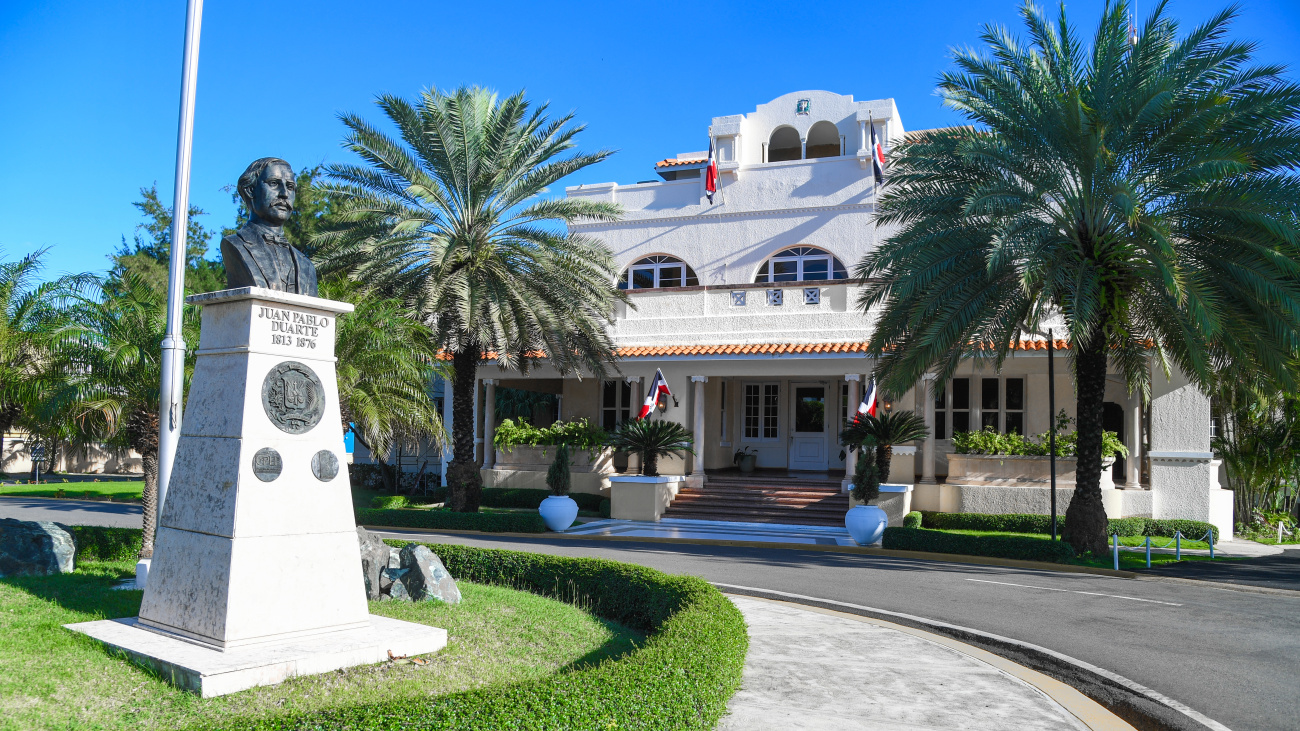
    SANTO DOMINGO – The Dominican Republic’s Ministry of Foreign Affairs has initiated a sustained diplomatic campaign to address the detention of a Dominican-American pilot in the Republic of Guinea. Official communications, confirmed to have been ongoing since the beginning of January, are being channeled through the nation’s bilateral and multilateral missions.

    The primary objectives of this diplomatic engagement are threefold: to compile comprehensive details regarding the pilot’s situation, to ensure the provision of all necessary consular support, and to formally advocate for the strict adherence to due process and the inviolability of his fundamental human rights.

    Coordination is being managed through the Dominican Embassy in Morocco, which serves as the operational hub for communications. This diplomatic post has established a direct line of contact with the detained pilot and his legal counsel in Guinea. Concurrently, the Ministry’s Directorate for the Protection of Nationals Abroad is maintaining regular contact with the pilot’s family residing in the Dominican Republic, providing them with ongoing updates and support.

  • Defending popular participation and control based on the country’s priorities

    Defending popular participation and control based on the country’s priorities

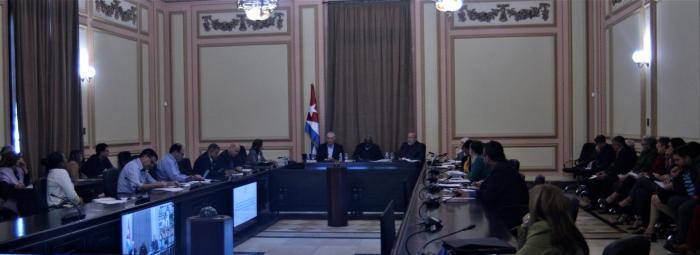
    In a significant governmental session held on February 11, Cuban President Miguel Díaz-Canel Bermúdez participated in a Council of State meeting focused on evaluating the nation’s economic reform agenda. The session, presided over by Council President Esteban Lazo Hernández and attended by Prime Minister Manuel Marrero Cruz, centered on thorough assessments of the Government Program designed to address economic distortions and stimulate growth.

    The gathering revealed substantial public engagement with the reform process, with officials reporting that approximately 76,172 community meetings had been conducted nationwide, generating an impressive 140,348 citizen proposals. This extensive consultation process demonstrates the government’s commitment to incorporating grassroots input into policy formulation.

    Prime Minister Marrero Cruz provided detailed insights into the implementation of parliamentary agreements concerning the Economic Plan and State Budget. Notably, he disclosed the development of Government Directives to combat severe fuel shortages that have challenged the Caribbean nation. The administration’s strategy emphasizes maintaining national vitality without compromising development objectives, while simultaneously minimizing population impact through endogenous resource utilization and foreign exchange diversification.

    President Díaz-Canel emphasized the critical importance of strengthening community engagement mechanisms and enhancing popular oversight at neighborhood levels. He advocated for intensified social program implementation and collaborative problem-solving approaches that leverage collective contributions from all societal sectors.

    Additionally, the Council evaluated the operational effectiveness of the National Assembly’s permanent working commissions and reviewed performance metrics from the Population Attention services at Auxiliary Offices, indicating a comprehensive governance review extending beyond economic matters.

  • Orientation Programme for Ghanaian Nurses Continues with Ministry-Level Engagement

    Orientation Programme for Ghanaian Nurses Continues with Ministry-Level Engagement

    A significant phase in the comprehensive orientation program for Ghanaian nursing professionals has commenced with high-level engagements at the ministerial level. This strategic initiative represents a critical component of Ghana’s broader healthcare workforce development strategy, designed to enhance professional competencies and align nursing practices with national health priorities.

    The ministry-level engagement provides participating nurses with unprecedented access to policy makers, health sector leaders, and government officials. Through structured dialogues, policy briefings, and strategic discussions, nurses gain vital insights into the national healthcare framework, regulatory expectations, and the government’s vision for healthcare delivery improvement across Ghana.

    This elevated orientation phase focuses on multiple dimensions of professional development, including healthcare policy interpretation, ethical standards in medical practice, patient safety protocols, and quality assurance mechanisms. Participants receive comprehensive briefings on Ghana’s current public health challenges, resource allocation strategies, and the evolving role of nursing professionals within the national healthcare ecosystem.

    The program emphasizes the government’s commitment to strengthening Ghana’s healthcare system through strategic investments in human capital development. By facilitating direct interaction between frontline nursing professionals and health policy architects, the initiative creates pathways for practical implementation of healthcare policies and fosters a deeper understanding of systemic challenges and opportunities.

    Health officials highlight that this engagement transcends conventional orientation programs by establishing continuous feedback mechanisms between policy makers and healthcare implementers. The initiative aims to enhance service delivery, improve patient outcomes, and elevate professional standards across Ghana’s healthcare institutions while addressing specific regional healthcare disparities through targeted workforce development.

  • US Radiologist donates mammogram equipment to General Hospital

    US Radiologist donates mammogram equipment to General Hospital

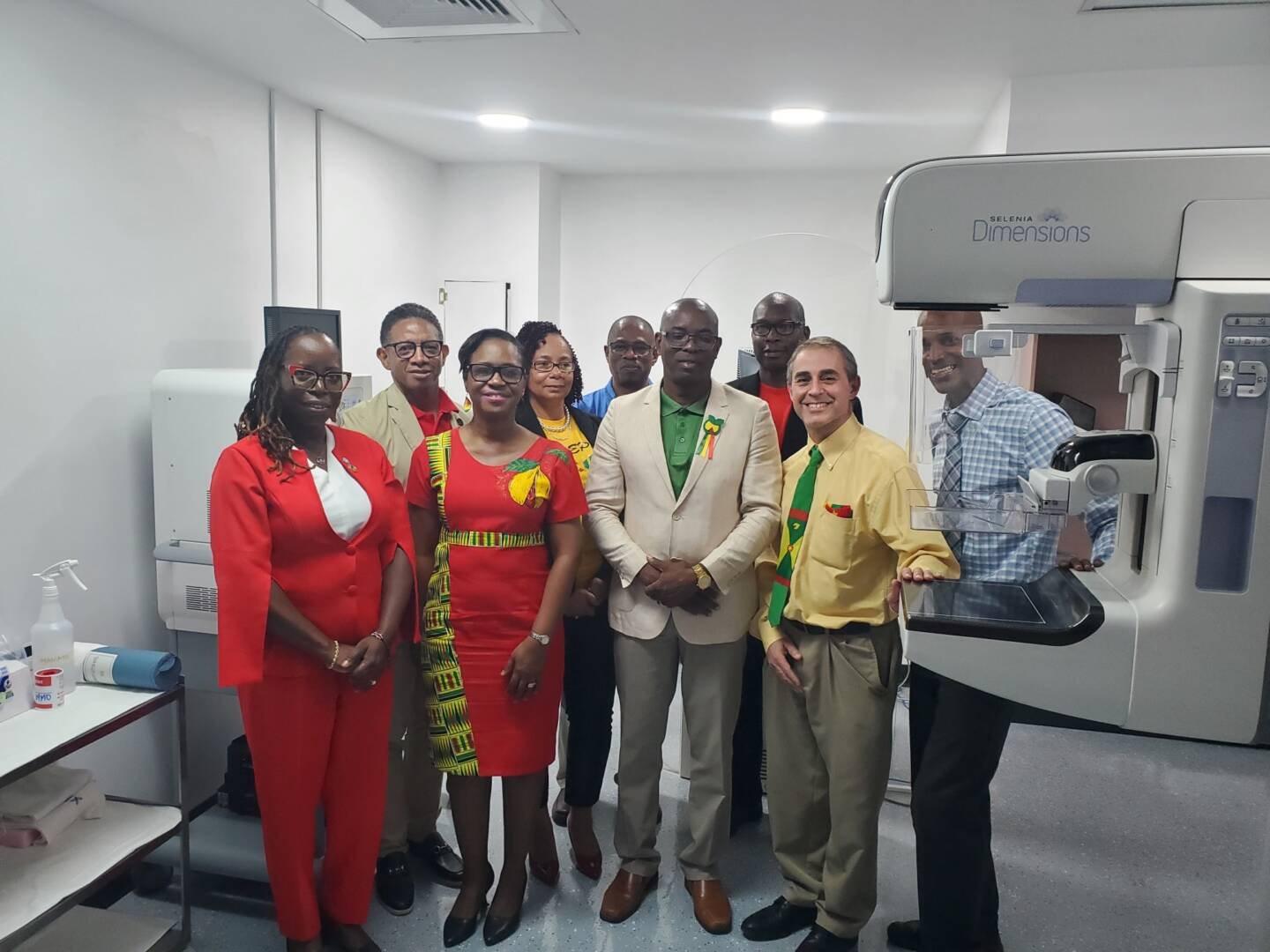
    In a transformative development for women’s healthcare, Grenada has achieved a medical milestone with the installation of its first mammogram equipment featuring integrated biopsy capability at the General Hospital. This advanced diagnostic technology was formally donated by prominent US radiologist Dr. Randy Becker, marking a significant upgrade to the nation’s public healthcare infrastructure.

    The donation addresses a critical health priority in Grenada, where breast cancer represents the predominant cause of cancer-related mortality among women. The sophisticated machinery promises to revolutionize early detection capabilities, enabling radiologists to conduct comprehensive breast examinations with real-time precision and manage complex diagnostic procedures more effectively.

    During the handover ceremony last Friday, Health Minister Hon. Philip Telesford characterized the acquisition as an historic achievement in the nation’s healthcare evolution. Minister Telesford emphasized the government’s unwavering commitment to rebuilding Grenada’s medical landscape with technology that directly addresses citizens’ most pressing health needs, noting this equipment exemplifies their vision for transformative healthcare delivery.

    Dr. Becker explained the clinical significance of the technology, highlighting its capacity to enhance diagnostic accuracy and streamline patient management. The initiative substantially improves accessibility to essential women’s health screening services, representing a major advancement in preventive healthcare for Grenadian women.

    The Ministry of Health has endorsed this development as a cornerstone in its ongoing efforts to modernize medical services and reduce breast cancer mortality through early intervention and state-of-the-art diagnostic capabilities.

  • Morne-Casse : Anti-Gang Training Center dedicated to specialized units

    Morne-Casse : Anti-Gang Training Center dedicated to specialized units

    A major security infrastructure project is approaching its final stages in Morne-Casse, Haiti, with the imminent completion of a high-capacity police training facility funded by the Canadian government and implemented through the Organization of American States (OAS). This strategic installation represents a significant advancement in Haiti’s ongoing battle against gang violence and organized crime.

    On February 10, 2026, a high-level delegation from the Haitian National Police (PNH) conducted an extensive inspection of the facility. The delegation was led by Acting PNH Chief Vladimir Paraison and included senior officials from various police departments, demonstrating the institution’s commitment to this security initiative.

    The specialized training center, constructed on a sprawling six-hectare site, has been specifically designed to enhance the operational capabilities of specialized police units confronting gang-related threats. With capacity to simultaneously train up to 200 officers, the facility boasts comprehensive training infrastructure including modern classrooms, residential dormitories, dining facilities, and recreational areas.

    The center’s advanced tactical training features include a 100-meter shooting range, international-standard moving target ranges, and specialized tactical courses. Notably, the facility operates with energy independence through a hybrid power system combining solar energy with generator backup.

    The training program will commence with an intensive three-week instructor certification course scheduled for late February. These newly trained instructors will subsequently disseminate specialized techniques and tactical knowledge throughout Haiti’s operational police units, aiming to standardize and elevate intervention capabilities nationwide.

    This Morne-Casse facility is envisioned as the cornerstone of an expanded national training network. Future development plans include establishing at least four additional similar centers across Haiti, particularly in the southern regions, complementing the existing Port-au-Prince facility. This decentralized approach aims to ensure comprehensive geographic coverage and tailored responses to diverse security challenges throughout the country.

  • Dominica increases lab capacity under the Pandemic Preparedness Initiative

    Dominica increases lab capacity under the Pandemic Preparedness Initiative

    In a significant boost to regional health security, six Eastern Caribbean nations have received state-of-the-art laboratory equipment valued at approximately $85,000 through a multi-organizational partnership. The donation, formally handed over to Dominica’s National Laboratory, represents a critical component of the regional initiative “Strengthening Prevention, Preparedness and Response to Emerging Health Threats in the Eastern Caribbean.”

    The collaborative effort involves Antigua and Barbuda, Dominica, Grenada, Saint Lucia, St. Kitts and Nevis, and St. Vincent and the Grenadines, with support from the Pan American Health Organization/World Health Organization (PAHO/WHO), the Food and Agriculture Organization (FAO), and the World Bank. Funding was provided through the Pandemic Fund, established in 2022 specifically to enhance pandemic preparedness in low- and middle-income countries, with additional backing from the Fleming Fund.

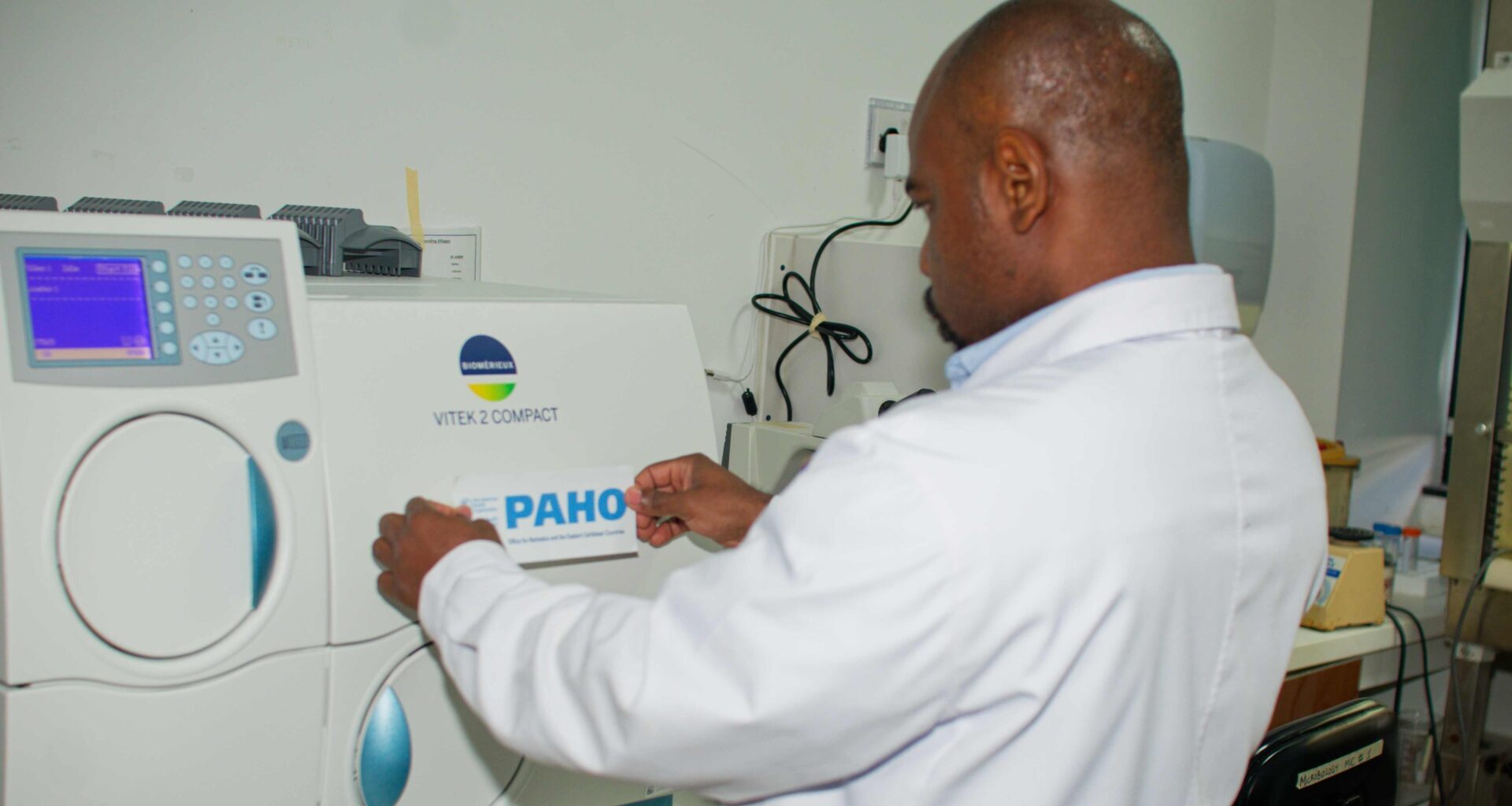
    At the heart of the donation is the VITEK 2 compact system—a sophisticated microbiological instrument described by Senior Laboratory Technologist Craig Henry as a “nuclear weapon” in the fight against antimicrobial resistance (AMR). The comprehensive equipment package also includes a vertical freezer, PCR consumables, pipette kits, a microcentrifuge, and various specialized laboratory supplies designed to significantly elevate diagnostic capabilities across the region.

    Henry emphasized the transformative impact of the new technology: “The laboratory can now routinely identify organisms to species level, and for the first time, fungal susceptibility is done routinely. This means clinicians can receive antibiotic treatment options more quickly, greatly enhancing patient outcomes.”

    The equipment’s integrated patient data management system and ability to generate antibiograms will further strengthen antimicrobial stewardship efforts at the Dominica China Friendship Hospital and nationwide. The timing coincides with high-level discussions under the Pandemic Fund, including a recent February 5 meeting between PAHO/WHO, health ministry officials, and development partners.

    Dr. Amalia Del Riego, PAHO/WHO Representative for Barbados and the Eastern Caribbean, highlighted the strategic importance of the initiative: “This launch marks a major milestone for the Eastern Caribbean region. By embracing a One Health approach and reinforcing our systems together, we are building a future where countries can detect, respond to, and prevent emerging threats more effectively.”

    The project adopts the One Health framework, recognizing the interconnectedness of human, animal, and environmental health. For Dominica and its regional partners, this equipment donation represents a substantial advancement in national health security infrastructure, better positioning the region to prevent, detect, and respond swiftly to future public health emergencies.

  • 172 Caye Caulker Students to Get Free Tuition

    172 Caye Caulker Students to Get Free Tuition

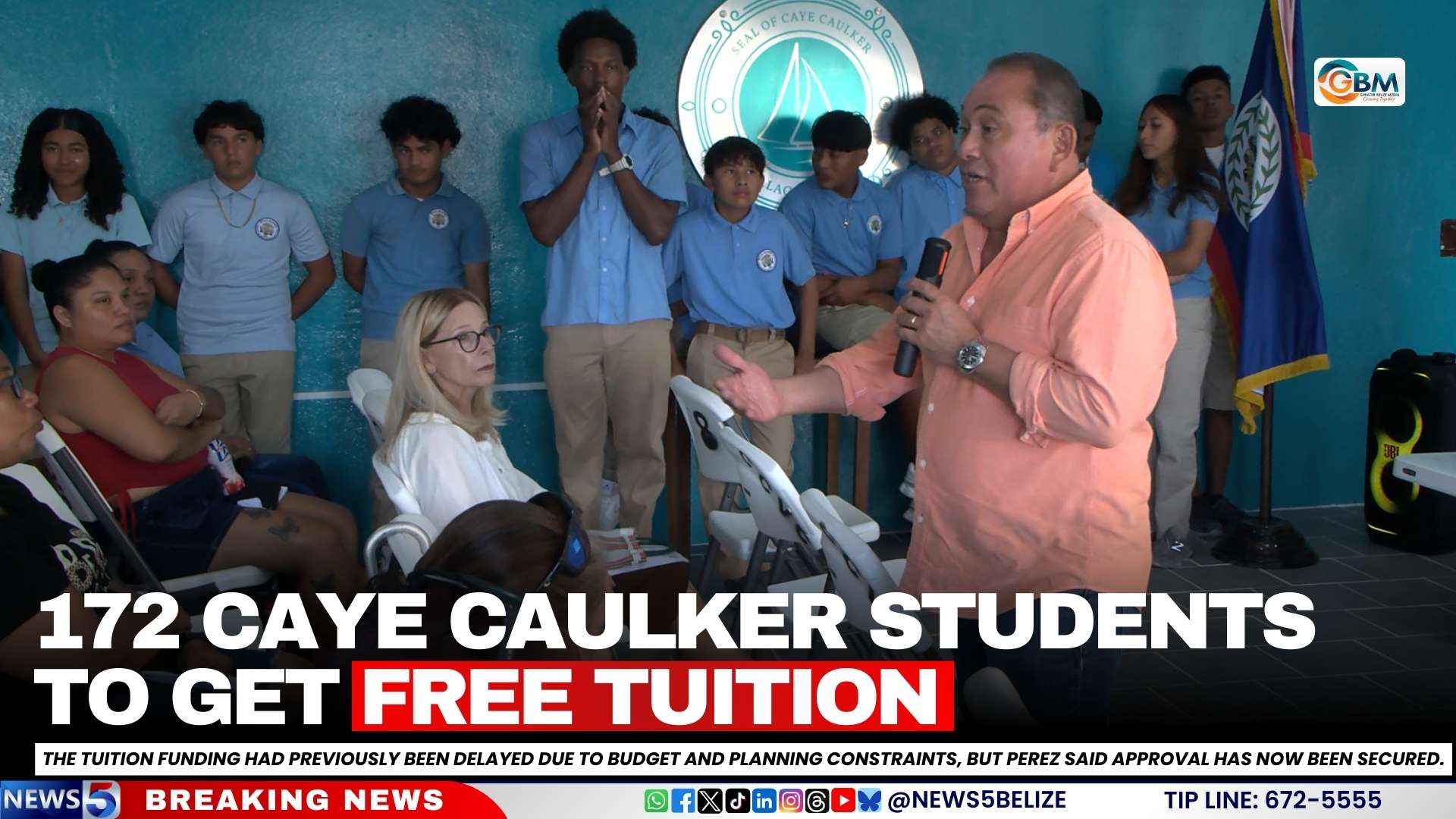
    The island community of Caye Caulker is poised for a significant educational transformation with dual announcements of infrastructure development and financial support for students. Following the closure of Ocean Academy’s campus last year, which left the island without a physical high school, construction of a permanent educational facility is scheduled to commence by July 2026.

    Area Representative André Perez confirmed that officials from the Ministry of Education will conduct a site assessment next week to finalize development plans. To address immediate educational needs, temporary classroom structures meeting proper standards will be installed in the interim. Perez emphasized that these temporary facilities would include essential infrastructure such as electricity, water, and sanitation to ensure they serve both immediate and long-term purposes.

    In a parallel development, the government has confirmed comprehensive tuition coverage for 172 Caye Caulker students beginning next fiscal year. This initiative aligns the island with tuition-free arrangements already established at other public high schools across the nation. Perez highlighted that the funding, previously delayed due to budgetary constraints, has now received formal approval from Education Minister Francis Fonseca.

    The combined infrastructure and financial support measures represent a comprehensive approach to educational accessibility, potentially easing financial burdens for families and encouraging higher secondary school retention rates within the island community.

  • CARICOM Invests $50M into Belize’s Sugar Sector

    CARICOM Invests $50M into Belize’s Sugar Sector

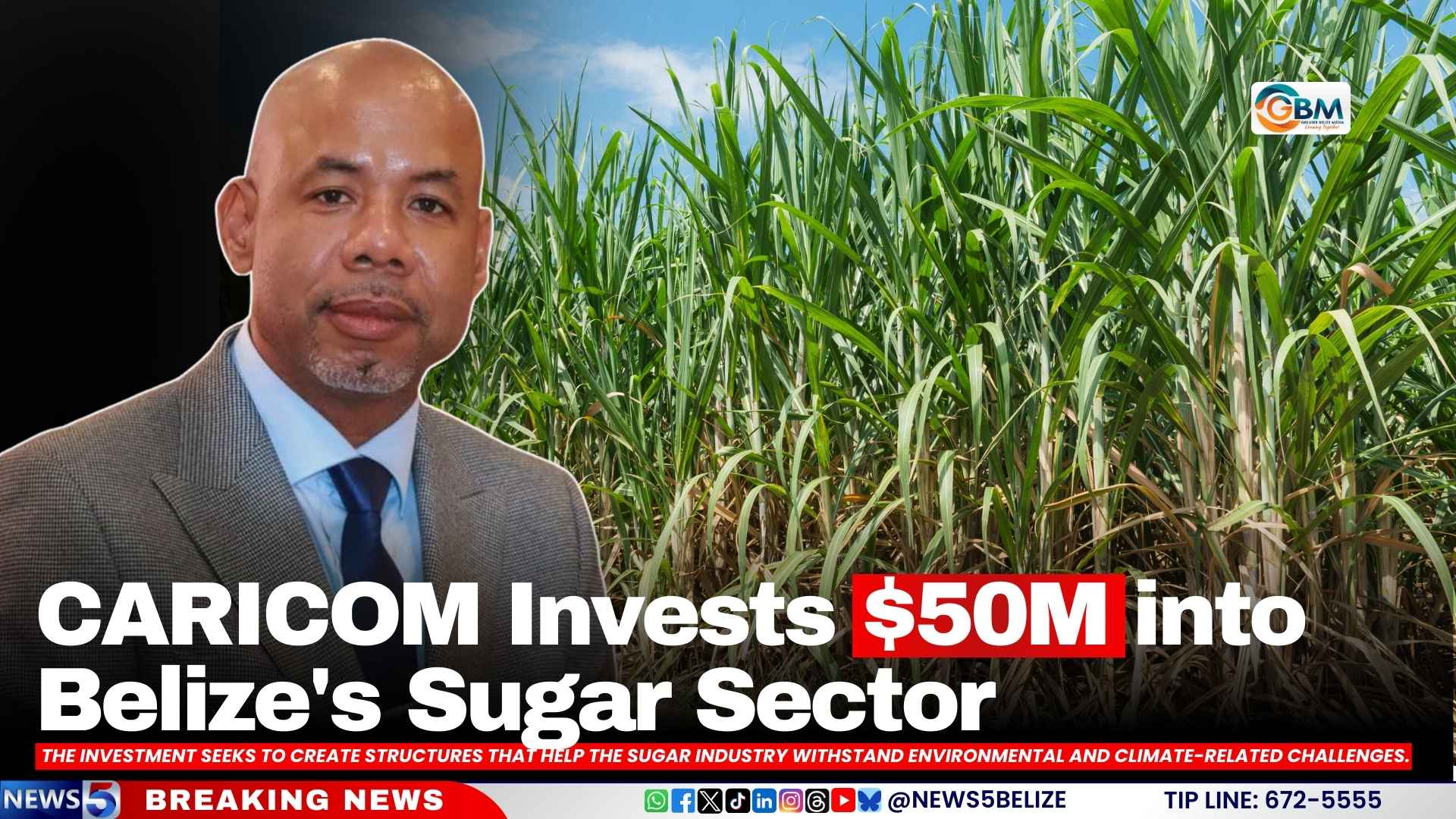
    Belize’s critically important sugar sector, which has faced severe challenges from prolonged droughts, erratic precipitation patterns, and devastating crop diseases, has secured a substantial $50 million investment from the CARICOM Climate Change Centre. This strategic funding, sourced through the international Green Climate Fund, aims to fortify the agricultural resilience of more than 5,000 sugarcane cultivators operating in Belize’s northern regions.

    Dr. Colin Young, Executive Director of the CARICOM Climate Change Centre, provided detailed insight into the comprehensive assistance package. “Our intervention encompasses multiple critical areas,” Young explained. “We will be implementing advanced land management methodologies, supplying high-quality seed cane for field rehabilitation, conducting extensive capacity-building programs, and offering conditional grants to incentivize adoption of sustainable farming practices.”

    The investment represents a strategic approach to constructing durable infrastructure and systems capable of withstanding environmental pressures and climate-induced disruptions. This initiative aligns with broader regional efforts to enhance agricultural sustainability across Caribbean Community member states.

    Osmond Martinez, Belize’s Minister of State for Economic Transformation, emphasized the transformative potential of this funding. Beyond immediate relief, the program will accelerate mechanization processes and expand irrigation capabilities, enabling farmers to transition from labor-intensive traditional harvesting methods to more efficient, climate-resilient approaches. Minister Martinez characterized the successful fund acquisition as “demonstrating Belize’s growing institutional capacity to mobilize international climate finance effectively.”

    The comprehensive program will introduce climate-smart agricultural techniques, distribute improved seed varieties with enhanced drought resistance, and provide direct financial support mechanisms. These coordinated interventions are designed to help agricultural producers adapt to increasingly severe weather conditions while ensuring the long-term viability and production continuity of Belize’s strategically vital sugar industry.