作者: admin

  • Ella-Rose Charles wins National Tourism Youth Congress 2026

    Ella-Rose Charles wins National Tourism Youth Congress 2026

    A 14-year-old student from St Joseph’s Convent St George’s has stepped into the national spotlight as Grenada’s newest Junior Minister for Tourism, after claiming top honors in the final round of the National Tourism Youth Congress.

    Organized by Grenada’s Ministry of Tourism, the Creative Economy and Culture, this annual initiative serves a dual purpose: it engages young people in discussions about the country’s core tourism industry, and selects the national delegate that will represent Grenada at the Caribbean Tourism Organisation Regional Tourism Youth Congress, scheduled to take place in Guyana this coming October.

    In this year’s final competition round, 15-year-old Leah Charles of Happy Hill Secondary School secured the runner-up position, while 15-year-old Micah Purcell-Munroe, also a student from St Joseph’s Convent St George’s, finished in third place.

    Speaking to gathered delegates at the Kirani James Athletics Stadium last Friday, Tourism Minister Hon. Adrian Thomas framed the youth congress as far more than a simple contest, calling it “a national investment in young minds.” He pushed participating students to reframe their relationship to Grenada’s tourism sector, urging them to see themselves not just as casual beneficiaries of the industry’s success, but as its future leaders and creative innovators. “Tourism can open doors for you to become entrepreneurs, managers, chefs, tour guides, event planners, content creators, marine experts, cultural ambassadors, hospitality professionals, policy advisers and even tourism ministers,” Thomas told the assembled students.

    Permanent Secretary Desiree Stephen echoed this framing, choosing to reject the label of “competition” for the event entirely. “It is more of a coming together of great young minds to discuss and present suggestions and recommendations on issues that are critical to the development, enhancement and sustainability of our tourism sector,” she explained. Stephen also commended all students from the four participating secondary schools — St Joseph’s Convent St George’s, Happy Hill Secondary School, Wesley College, and St Andrew’s Anglican Secondary School — for stepping up to the challenge, noting their standout creativity and sharp insight into tourism sector challenges.

    Beyond the title of Junior Minister, winner Ella-Rose Charles will take home a range of additional rewards, including cash prizes, other recognition gifts, and ongoing mentorship opportunities through the Ministry of Tourism, the Grenada Tourism Authority and the Grenada Hotel and Tourism Association. Second and third place finalists also received cash prizes and other awards, while every participating competitor left with a certificate of recognition and branded merchandise, donated by the Ministry of Tourism and the Grenada Tourism Authority. St Joseph’s Convent St George’s, as the winning school, was also awarded a custom commemorative plaque.

    Other competitors that took part in this year’s final round included Makaylah Ramsey and Dwight Thomas — the competition’s only male contestant — both from St Andrew’s Anglican Secondary School, Kitalia Modeste of Wesley College, and Mia Clovey and Anaiah Phillip of St Joseph’s Convent St George’s.

    This year’s event marks the second consecutive year the Ministry of Tourism has hosted the National Tourism Youth Congress, after the initiative was put on a six-year hiatus. The first qualifying round of this year’s competition was held back in April, and Friday’s final proceedings were chaired by Kealah Baptiste, Grenada’s 2025 Junior Minister for Tourism, who closed the event by encouraging all participants to continue pushing for growth and engagement in the tourism sector.
  • UNDP Report Says Caribbean Democracies Under Pressure Despite Development Gains

    UNDP Report Says Caribbean Democracies Under Pressure Despite Development Gains

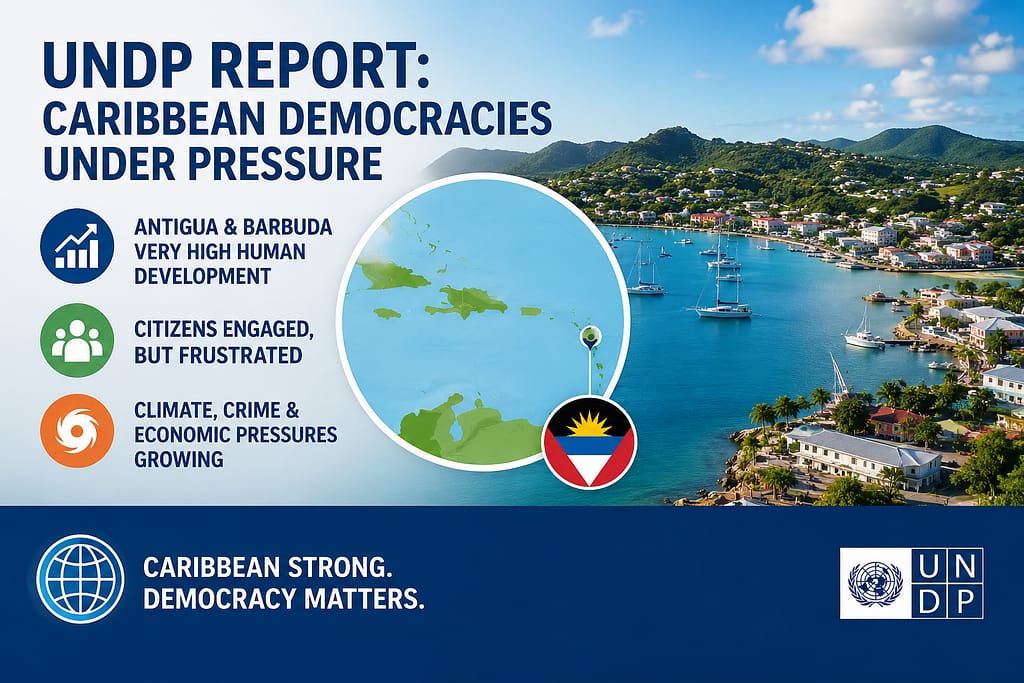
    The United Nations Development Programme (UNDP) has published its latest Democracy and Development Report 2026, delivering a mixed assessment of progress and challenges across Latin America and the Caribbean. In a bright spot for the region, the report places Antigua and Barbuda among the group of Caribbean nations earning a “Very High Human Development” classification, with a 2026 Human Development Index (HDI) score of 0.851. The analysis covers 14 CARICOM member states, including major Caribbean economies and island nations such as Barbados, Jamaica, Trinidad and Tobago, and St. Lucia.

    While the report affirms that the Caribbean region has retained its longstanding track record of generally stable democratic systems, it issues a clear warning that these governing institutions are facing mounting, multi-faceted strain that tests their capacity to deliver for citizens. Four core stressors are identified: rising criminal activity, accelerating climate change impacts, persistent economic vulnerability, and eroding public confidence in government.

    One of the most stark inequities highlighted in the document centers on climate change. As the report emphasizes, Caribbean nations collectively contribute less than 1% of global greenhouse gas emissions, yet they bear some of the most severe and frequent consequences of global environmental degradation. Recurring climate-fueled natural disasters have repeatedly driven up national debt levels across the region, erasing years of incremental development progress and straining public budgets that could otherwise be allocated to social services and infrastructure.

    Transnational security threats also pose a major challenge to regional stability. The report notes that organized criminal networks and illicit arms trafficking, most of which originate from outside the Caribbean, have permeated local communities, driving up violent crime rates, worsening public insecurity, and diverting state resources from development to law enforcement.

    Despite these accumulating pressures, the report finds that democratic engagement remains robust in much of the region. Antigua and Barbuda, for example, recorded relatively healthy parliamentary voter turnout in recent cycles, reflecting continued public interest in formal electoral processes. That said, growing public frustration is evident across multiple domains: citizens increasingly express discontent over perceived corruption, lackluster economic growth, underperforming public services, and the failure of governments to address pressing priorities in a timely way. As trust in traditional political institutions wanes, more citizens are channeling their engagement through independent civil society groups and grassroots advocacy movements instead of established political parties and state structures.

    Importantly, the report pushes back against narratives that Caribbean democracies are on the brink of collapse. Instead, it frames the current moment as a critical juncture that demands targeted reform: governments must prioritize improving governance accountability, strengthening weak institutional capacity, and aligning policy more closely with the needs and expectations of their populations. The report also highlights encouraging ongoing work through the Caribbean Community (CARICOM), which has launched regional initiatives to shore up democratic resilience, including programs advancing gender parity, youth economic and political empowerment, community-led crime prevention, and expanded social protection systems.

    In closing, the UNDP stresses that long-term preservation of democratic stability and equitable sustainable development across the Caribbean will depend on two key pillars: the expansion of national social safety nets to buffer vulnerable communities from economic and climate shocks, and sustained, targeted collaboration between regional governments and multilateral international organizations to address shared transnational challenges.

  • Wie is schuldig aan wateroverlast?

    Wie is schuldig aan wateroverlast?

    Recent days of heavy downpour have laid bare once again the profound vulnerability of the nation to catastrophic urban flooding. Neighborhood streets have turned into rushing, unmanageable rivers, residential properties have been submerged, schools have suspended classes, working adults are trapped inside their homes, and local business owners face catastrophic threats to both their property and their regular income streams. Motorists who were forced to navigate submerged roadways are now left covering costly repair bills for water-damaged vehicles. Across affected areas, widespread frustration, anger, and a sense of powerlessness have taken hold. But as a society, we must confront one simple, unflinching question: who bears responsibility for this repeated water crisis?

    The answer is far from straightforward, because the unvarnished truth is that this is a collective failure of the entire society. There is no doubt that government holds significant responsibility for the current crisis, but ordinary citizens must also be willing to examine their own behavior honestly. We cannot continually point fingers at the national government when some among us brazenly dump discarded refrigerators, freezers, mattresses and other bulk waste in drainage ditches and storm sewers. We cannot reasonably complain about clogged drainage canals when members of our community casually toss empty bottles, plastic cups and other litter onto streets from car windows as if this careless behavior is socially acceptable.

    Flooding is not triggered by intense rainfall alone; it is also the direct product of harmful human behavior and decades of systemic neglect, a lack of individual discipline, collective accountability, and regulatory enforcement. That said, this shared responsibility does not absolve the national government and public authorities of their outsized responsibility to address the crisis. On the contrary: the core role of government is to set clear direction for society, develop proactive policy, enforce regulatory standards, and educate the public on the dangers of environmental pollution and poor spatial planning.

    So where is the structured, sustained public outreach to inform citizens that clogging drainage ditches and sewers with waste creates life-threatening risks? Where are the national public awareness campaigns to drive home this critical message? Where are the routine inspections and meaningful penalties for individuals and businesses that damage the nation’s critical drainage infrastructure? Why are violators almost never held accountable for their actions? Why are drainage canals not cleared and maintained on a regular, proactive schedule? Why do authorities only act when floodwater is already lapping at residents’ front doors — and in some cases, fail to act even then?

    A government should not only be visible during emergency press conferences or issuing after-the-fact statements. Good governance requires proactive planning, forward thinking, and preemptive action to stop small problems from escalating into full-blown national disasters. It is precisely on this core metric that the current government and public administration have failed.

    After nearly nine months in office, society is fully justified in asking tough questions about the policies of the Ministry of Public Works, Transport and Spatial Planning. Flooding is never just a natural disaster; it is also the outcome of flawed long-term planning, inadequate routine infrastructure maintenance, and a persistent lack of decisive policy action. The claim that “there is no money” can no longer be used as a shield when residents are literally drowning in floodwater in their own communities.

    If it is true that public funding for drainage infrastructure is truly insufficient, then the Ministry of Finance and Planning must also face rigorous scrutiny. How can core public services like functional drainage, resilient infrastructure and residential flood protection not be guaranteed when national budget priorities are set?

    Too often, current leaders blame the previous administration for skipping routine infrastructure maintenance. While that claim may hold a grain of truth, it has long since lost its persuasive power. The public voted for new leadership and gave this government a clear mandate to solve long-standing problems. When leaders accept the responsibility of governing, they also accept the obligation to fix the failures of past administrations, not just repeat them.

    It is easy to criticize from the sidelines. But once you take power and are forced to address pressing national challenges, the true weight of governing becomes clear. Even so, the inherent difficulty of the job can never be an excuse for inaction, negligence or a lack of long-term vision.

    The harsh reality we face is this: climate change will only make extreme rainfall more intense and more frequent in the coming years. Deforestation, destruction of natural green spaces, and lax environmental policy have eroded our natural flood buffer systems to a dangerous degree. If we fail to implement bold, decisive reforms today, the crisis will only grow far worse tomorrow. Repeated flooding will no longer be a temporary inconvenience; it will become an annual recurring national crisis. That is why this moment must serve as a critical wake-up call for every stakeholder: the national government, local public authorities, the private sector, and individual citizens.

    We must stop the pointless blame-shifting that has delayed action for decades. Individual citizens must take responsibility for protecting their shared living environment. The government must finally invest in sustainable policy, proactive infrastructure maintenance, regular inspection, and consistent enforcement. Penalties for illegal dumping and environmental pollution must be visible and impactful enough to deter bad behavior. Spatial planning must be treated as the critical public priority it is. Most of all, we need leadership that does not just name problems, but actually solves them. Because today, we are all drowning — both literally, in floodwater, and figuratively, in inaction.

    The damage already done to homes, vehicles, businesses and public infrastructure is substantial, and it will only grow without action. But the greater damage that is now unfolding is the erosion of public trust in the nation’s leaders. That core question remains unanswered: who is to blame for the recurring flooding crisis?

    Perhaps the most honest answer is that all of us share some responsibility. But that shared blame also means we must work together to find a shared solution.

  • AT&LU Offers 10 Scholarships for UWI Global Campus Short Courses

    AT&LU Offers 10 Scholarships for UWI Global Campus Short Courses

    A new opportunity for skills advancement has opened for members of Antigua’s oldest trade union, with the Antigua Trades and Labour Union (AT&LU) rolling out 10 full scholarships for continuing professional education courses hosted by the University of the West Indies (UWI) Global Campus Antigua and Barbuda.

    To qualify for the funding, applicants must hold active AT&LU membership with a tenure of at least two years, and satisfy all entry prerequisites set out by the UWI Global Campus administration. The scholarship covers all tuition costs for approved 10-week short courses, which are scheduled to kick off the week of May 25. Participants can select from a wide range of industry-relevant subjects tailored to both career growth and entrepreneurial ambition, spanning customer service management, effective leadership strategy, entrepreneurship and business development, financial management, human resource management, project management, supervisory management, real estate economics and appraisals, and community and family work.

    All course instruction will be delivered fully online to accommodate working professionals, offering flexible scheduling that aligns with members’ existing job responsibilities. Without the scholarship, individual course tuition would range from Eastern Caribbean $650 to Eastern Caribbean $800, varying based on the specific program selected.

    For union members interested in claiming this opportunity, the application deadline is set for May 15, 2026, giving interested candidates multiple years to prepare their submissions and confirm their eligibility with both the union and the university. This initiative marks a collaborative effort between the AT&LU and the UWI Global Campus to upskill the local workforce and expand professional access for working people across Antigua and Barbuda.

  • Community Policing Initiative promotes vaccination awareness in Tete Morne and Montin

    Community Policing Initiative promotes vaccination awareness in Tete Morne and Montin

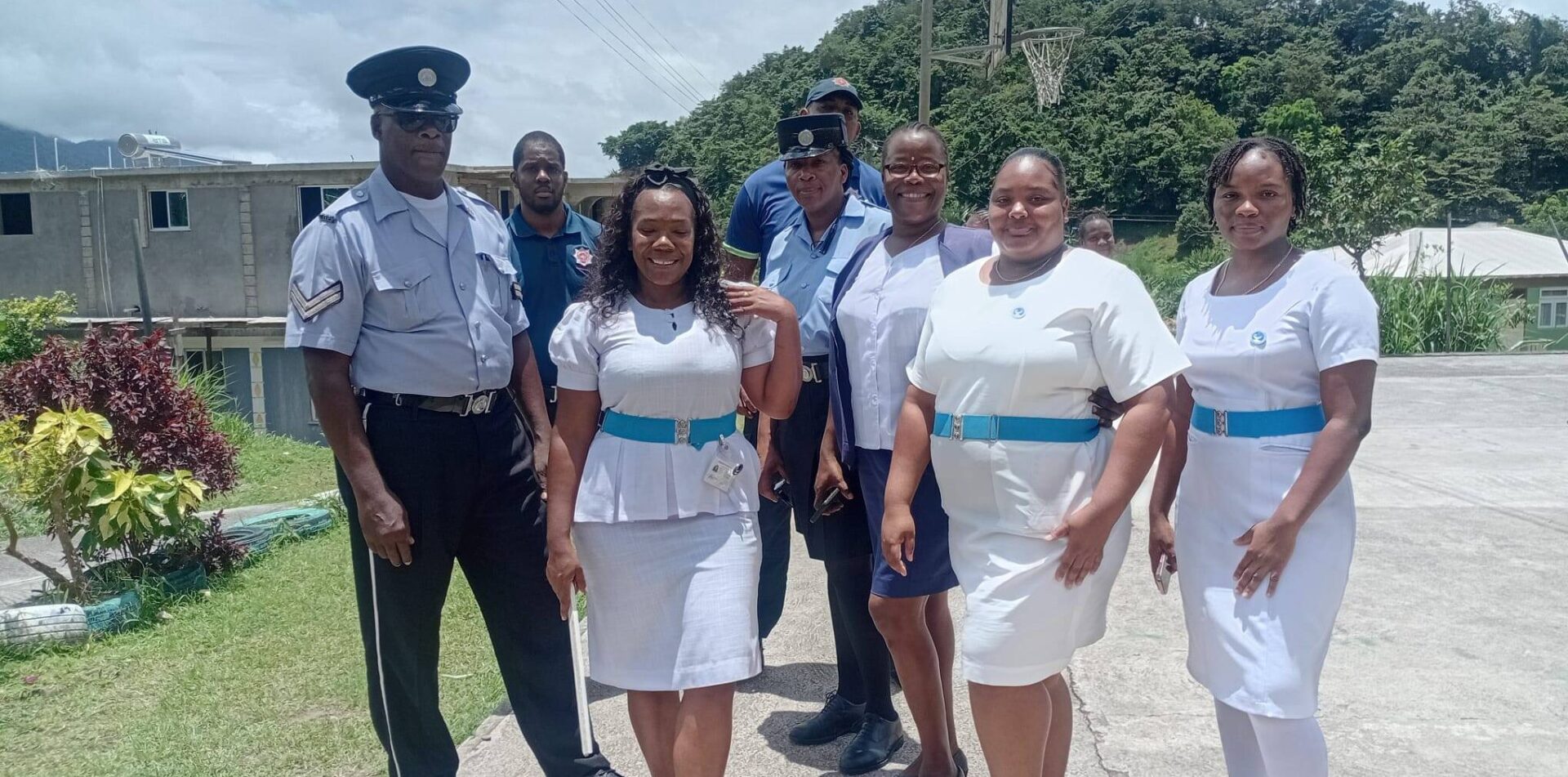
    On Saturday, May 9, 2026, a collaborative public health outreach initiative led by the Commonwealth of Dominica Community Policing Initiative brought together multiple local agencies to advance immunization access and public education in two rural Dominica communities. Partnering with the Grand Bay Police Division, the Grand Bay Fire and Ambulance Service, and frontline health sector workers, the group organized a targeted student vaccination clinic at Tete Morne Primary School, while also leading outreach sessions to teach residents of Tete Morne and Montin about the critical importance and life-saving benefits of routine immunization.

    Unlike traditional conceptions of law enforcement work focused solely on crime intervention, this event put a spotlight on the expanded, community-centered mission of the Commonwealth of Dominica Community Policing Initiative. Organizational leaders note that their work extends far beyond crime reduction, with core priorities that include building trust between police and local residents, expanding access to public health and safety education, and lifting up overall community well-being.

    By embedding law enforcement and emergency response teams alongside public health providers in this outreach effort, the initiative worked to break down silos between government sectors and connect more closely with local residents. Project organizers emphasized that collaborative cross-sector action is the only sustainable way to protect both public safety and community-wide health, a core message that was reinforced throughout the day’s activities.

    Following the successful completion of the vaccination drive and education sessions, event organizers extended public gratitude to every group and individual that contributed to the outcome. Special recognition was given to the administration and staff of Tete Morne Primary School, participating parents, frontline healthcare personnel, responding firefighters, local police officers, and grassroots community members, whose collective participation and support turned the planned initiative into a tangible success for the region.

  • Dominican artist Ilyas Nassief gears up for upcoming Old Mill exhibition exploring Identity, memory and cultural connection

    Dominican artist Ilyas Nassief gears up for upcoming Old Mill exhibition exploring Identity, memory and cultural connection

    For internationally recognized Dominican-born artist Jean-Claude Elias Nassief, better known by his professional name Ilyas Nassief, art has always been a mirror that reflects the full arc of a life shaped by movement, learning, and rediscovery. This month, he prepares to open his most personal exhibition to date, titled *The Return Series*, a collection of works rooted in themes of cross-border migration, collective and personal memory, evolving cultural identity, and the quiet joy of returning to one’s creative roots after a long journey away from the canvas.

    Nassief’s artistic path began in his home country of Dominica, where he was born in June 1968. He pursued formal artistic training in the United States, cutting his teeth in printmaking at Miami Dade Community College before completing his fine arts degree at the prestigious Maryland Institute College of Art. Over the decades, his work has earned global acclaim and widespread recognition across multiple creative fields: in 1995, he took home first prize in the highly regarded Lime Calendar Cover Design competition, and his art has graced the covers and pages of prominent publications including *Miambiance* magazine, *France-Antilles* newspaper, and *Domnitjen Magazine*. His work has been featured in international exhibitions spanning from Vienna’s Art Exchange to the Cezanne Center in Saudi Arabia, CARIFESTA 2019 in Trinidad and Tobago, and the Gallery of Caribbean Art in Barbados, alongside solo and group shows across the Caribbean with titles like *Repetition*, *Glimpses of Contrast and Sameness*, and *All Must Go*.

    A defining chapter of Nassief’s creative journey came between 2000 and 2012, when he stepped back from full-time painting to explore other passions, most notably the academic study of Arabic language. Even as painting receded to the background of his life, it never fully left his creative identity, and when he returned to the canvas, he brought with him a new depth of perspective shaped by his years living abroad. After 25 years residing in Saudi Arabia — a period he describes as deeply enriching both culturally and intellectually — Nassief made the decision to relocate back to his native Dominica. The journey home was far from simple: bureaucratic red tape and complex logistical hurdles turned a planned move into a years-long struggle, with barriers that finally fell only in December 2025.

    Even after arriving home, limitations shaped the earliest works of what would become *The Return Series*: restricted access to professional art supplies left Nassief working with just three core pigments, a constraint that ultimately shaped the stripped-down, intentional aesthetic of his new pieces. That raw, focused approach aligns with the artistic philosophy Nassief has cultivated over his entire career, rooted in his foundational training in printmaking. His signature style blends classic print techniques including woodcutting and stenciling, balancing abstract non-figurative imagery with recognizable, relatable visual elements. Contrast, he says, has been a core theme of his work since he first began creating art: contrast between bold and muted hues, between organic and geometric shapes, between rough and smooth textures.

    “My art is based on a vision that goes beyond geographical limitations to embrace traditions that are universal and varied, much like the variety in all aspects of the world which surrounds us,” Nassief explained in his artist statement for the upcoming show.

    *The Return Series* brings together both earlier works created during Nassief’s time abroad and new pieces completed after his return to Dominica, revealing the recurring symbols, forms, and themes that have threaded through his entire creative practice. Rather than seeing a sharp divide between works created in different places and times, Nassief notes that core motifs often reemerge and are reimagined across new bodies of work, creating a cohesive creative language unique to his practice. This continuity, he argues, is inherent to all art: “art, in reality, is an expression of thought, directed by inspiration and what one sees as relevant or important.”

    A recurring symbolic throughline in the exhibition is the use of Madras fabric, a textile deeply tied to Dominican and broader Caribbean cultural identity. For Nassief, the fabric carries layered meaning that perfectly encapsulates his interest in cross-cultural connection. The textile takes its name from Chennai, India — where it has long been produced — and the word itself traces back to the Arabic term *madrasah*, meaning “place of learning.” This layered history, with connections to South Asia, the Arab world, and the Caribbean, embodies the interconnectedness that is central to his work.

    Unlike the direct observational tradition that defines much of European art, Nassief’s practice draws heavily on intuitive and abstract approaches rooted in Eastern and indigenous artistic traditions, aligning more closely with his personal creative perspective. Rejecting narrow definitions of art tied to national or geographic boundaries, he instead leans into the universal threads that connect creative practices across the globe, even as his own personal experiences and roots inevitably find their way into his work.

    As audiences prepare to engage with *The Return Series*, Nassief says he has no fixed expectations for how viewers should interpret his work. Instead, he hopes each person will find their own personal connection and inspiration in the canvases, a outcome that he considers the ultimate goal of any creative work.

  • Paper or digital? Students on CXC exam shift

    Paper or digital? Students on CXC exam shift

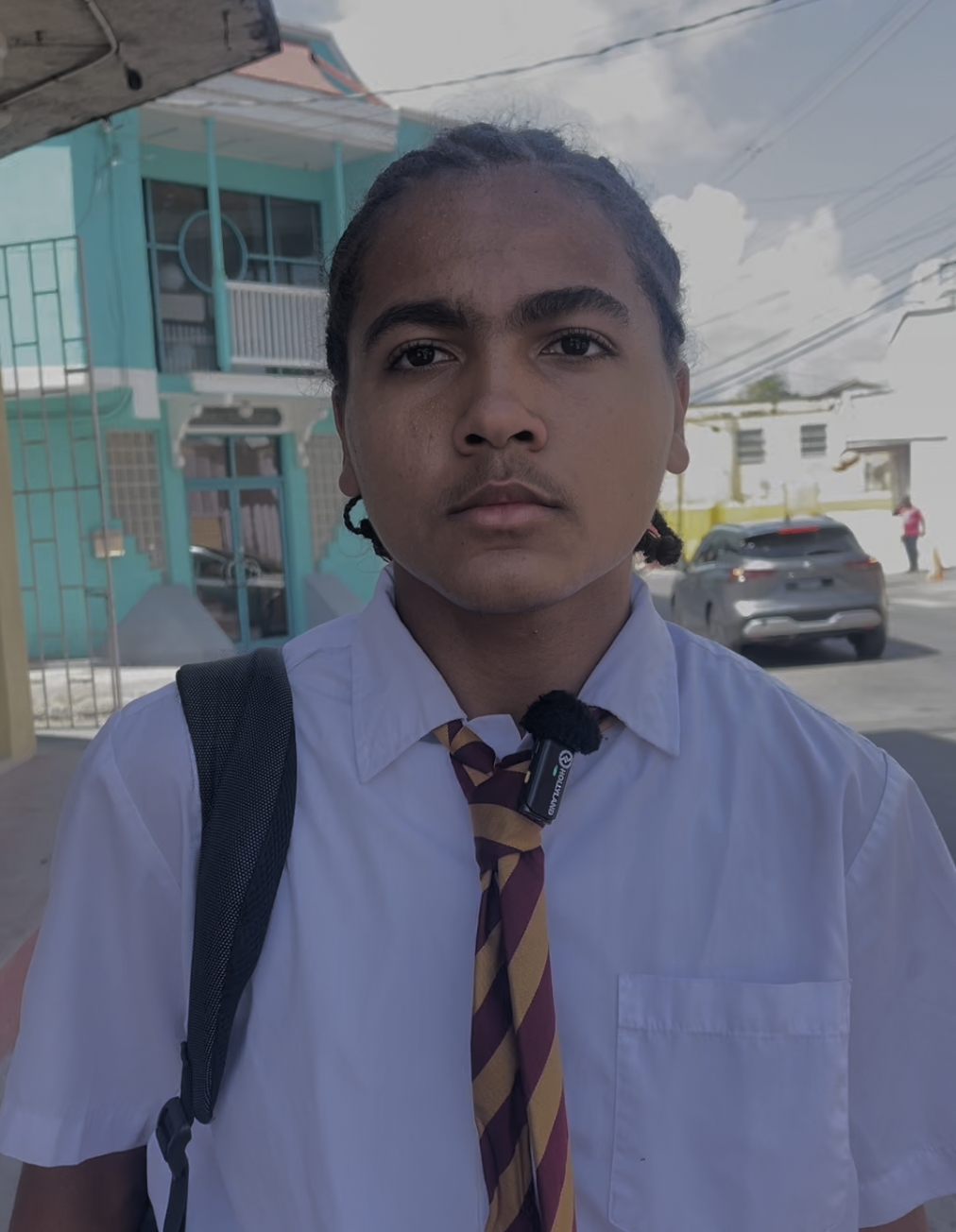
    The 2024 May-June examination season has kicked off across the Caribbean, marking a key milestone in the Caribbean Examinations Council (CXC)’s gradual shift from traditional paper-and-pen assessments to fully digital testing. But as regional secondary schools rolled out the first wave of digital exams for this term, student opinion remains sharply divided on the transition, with conflicting views on convenience, reliability, and long-term implications for testing integrity and learning culture.

    For some learners, the shift to digital formats brings clear practical benefits that address longstanding flaws of traditional paper-based testing. Tai Gill, a Lower Sixth student at Barbados’ elite Harrison College, noted that digital assessments are far more streamlined for objective, multiple-choice question sections. Unlike paper answer sheets that can be blown away by open classroom drafts or smudged during bubbling, digital interfaces let students select and adjust answers with a single click, eliminating unnecessary disruptions.

    Gill also highlighted major improvements for audio-dependent subjects like Communication Studies. In traditional paper-based listening exams, students seated far from the classroom speaker or teacher’s audio setup often struggle to hear playback clearly, creating unfair disparities between students based on their seating position. With digital testing, every student gets their own personal headphones connected to a dedicated testing device, ensuring consistent audio quality for all participants. “It removes the unfairness of trying to listen to a teacher from afar,” Gill explained.

    Even with these benefits, Gill and many other students still favor paper for extended written response sections and science-based exams. They argue that traditional answer sheets remain far more reliable for longer form work, especially when examinees need extra space for working through equations, drafting essay outlines, or organizing multiple reference materials such as data booklets during testing. “Instead of having limited desk space when you have a laptop, your answer sheet, your data booklet all at once, paper gives you more room to work,” Gill said. He added that many students also find writing on paper more comfortable, resulting in neater handwriting and a more natural testing experience that reduces unnecessary stress.

    Other students are fully committed to retaining traditional paper exams, citing a mix of cultural, practical, and ethical concerns. Na’Zyia Clarke, a student at Christ Church Foundation School, argued that preserving paper assessments is a way to maintain longstanding educational traditions amid a wave of rapid digital transformation. “Everything is going digital and online. I think we need to keep it old time-ish. We should stick to paper,” Clarke said.

    Her biggest worries around digital testing center on testing integrity and the growing role of artificial intelligence in academic work. Clarke pointed out that connected digital devices open new opportunities for students to cheat, while the broader shift to AI-integrated digital testing risks eroding core human skills that traditional assessments are designed to measure. “And just like you losing humanity in general and AI taking over,” she noted.

    For other students like Sarah Francis of Springer Memorial Secondary School, the main concern is technical reliability. Francis said she leans toward paper exams primarily because of widespread reports of technical glitches during earlier digital testing trials, noting that an unexpected computer crash or internet outage could derail a student’s months of preparation. Even so, she added that she could adapt to either format if required.

    The debate comes as the CXC moves forward with plans to transition all secondary school assessments to fully digital formats within the next three to five years. The regional examination body launched its first large-scale trial of digital and hybrid assessments in January 2024, with more than 10,000 students across the Caribbean participating in the pilot. While the CXC later described the pilot rollout as broadly successful, parents and education advocacy groups across the region have already raised a host of ongoing concerns, including inconsistent internet connectivity at testing centers, delayed exam starts, and insufficient access to dedicated devices for students at under-resourced schools.

  • Ecuador’s Maria Fernanda Espinosa kandidaat voor leiderschap VN

    Ecuador’s Maria Fernanda Espinosa kandidaat voor leiderschap VN

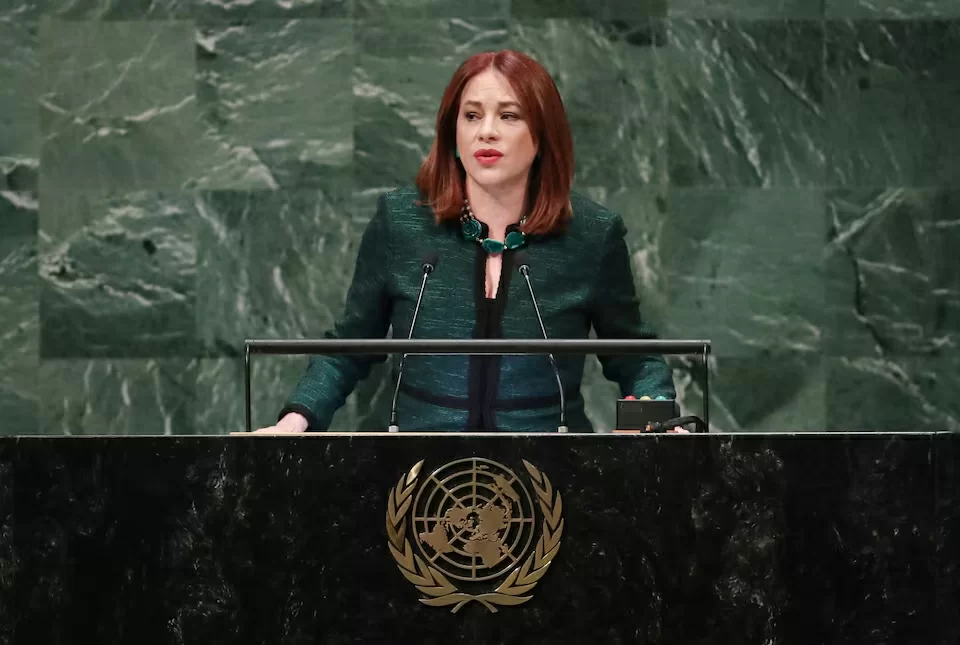
    A historic shift in the race for the world’s most prominent diplomatic role is taking shape, as veteran Ecuadorian diplomat Maria Fernanda Espinosa Garces has officially been put forward as a candidate for the next Secretary-General of the United Nations. The nomination was submitted Tuesday by the government of Antigua and Barbuda, a senior United Nations official confirmed to international news agency Reuters.

    Espinosa brings decades of high-level experience to the contest, with a long and distinguished track record in global diplomacy, multilateral cooperation and human rights advocacy. Between 2018 and 2019, she served as President of the UN General Assembly, holding one of the body’s most visible leadership roles before. She also previously served as Ecuador’s minister of both Foreign Affairs and Defense, giving her deep experience in national and international governance.

    With Espinosa’s entry into the race, the field of candidates vying to succeed incumbent Secretary-General António Guterres now stands at five. Notably, three of the five contenders are women, meaning the 2026 selection process could end with the appointment of the first female Secretary-General in the United Nations’ 81-year history. The election for this critical global leadership post is scheduled to take place later in 2026, and the successful candidate will begin a five-year term starting on January 1, 2027.

    The role of UN Secretary-General is widely regarded as one of the most influential positions in modern world politics. Tasked with leading the UN’s sprawling bureaucracy, the officeholder is responsible for advancing global peace and security, coordinating cross-border cooperation on a wide range of pressing global issues, from human rights protections and sustainable development to large-scale humanitarian response efforts.

    Guterres, who first took office in 2017, has spent his two terms navigating an unprecedented string of global crises, ranging from protracted regional armed conflicts to the accelerating impacts of climate change and the global COVID-19 pandemic. Whoever succeeds him will inherit a complex set of interconnected challenges, and will face the urgent task of rebuilding broad global confidence in multilateral cooperation at a time of rising geopolitical division.

    The presence of three women in the current candidate pool reflects a growing, years-long global demand for greater gender parity at the highest levels of international institutional leadership. For decades, advocacy groups have pushed for the United Nations to break the long-standing pattern of male-only leadership at the organization, arguing that greater gender diversity at the top will lead to more inclusive and effective global governance.

  • ABCAS Participants Return Home After UK Heritage Building Training

    ABCAS Participants Return Home After UK Heritage Building Training

    A cohort of vocational trainees from Antigua and Barbuda has completed an intensive specialized training course through the King’s Foundation Building Craft Programme in the United Kingdom, and has now returned to their home country ready to put their new expertise into practice. At the V.C. Bird International Airport, the returning group received a formal welcome from Dr. E. Jonah Greene, president of the Antigua and Barbuda College of Advanced Studies (ABCAS), the local institutional partner coordinating the skills initiative. As the trainees settle back into local life, they are preparing to roll out their updated competencies across heritage and construction projects across the twin-island nation.

    Per details shared by ABCAS, the UK-based training program was designed to immerse participants in two critical skill sets: time-honored traditional building crafts that are essential for restoring and maintaining historic structures, and cutting-edge climate-resilient construction techniques tailored to the unique environmental challenges facing small island developing states like Antigua and Barbuda. These skills directly address two long-term national priorities: preserving the country’s irreplaceable cultural heritage and building infrastructure that can withstand the growing impacts of climate change, including rising sea levels and more intense tropical storms.

    The training forms part of a sustained, coordinated national strategy to upskill local workers in high-demand specialized fields. By equipping Antigua and Barbuda residents with these niche construction and preservation capabilities, the initiative supports the country’s broader push to expand resilient infrastructure development and boost heritage tourism, a key economic driver for the nation. Moving forward, the newly trained cohort is expected to play a central role in advancing both conservation and sustainable development goals across Antigua and Barbuda.

  • St. Kitts and Nevis to launch 1st home porting cruise in Nov 2027, PM Drew confirms – WIC News

    St. Kitts and Nevis to launch 1st home porting cruise in Nov 2027, PM Drew confirms – WIC News

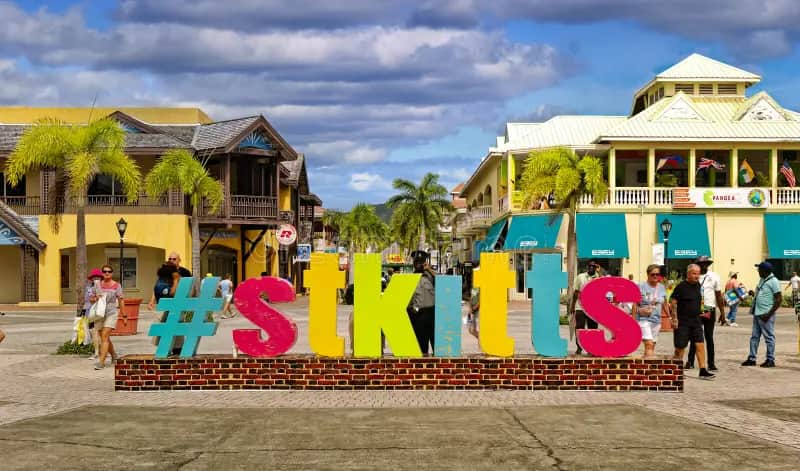
    The Caribbean federation of St. Kitts and Nevis is poised to claim a transformative new position in the regional cruise tourism industry, with Prime Minister Dr. Terrance Drew officially confirming the launch of the nation’s first-ever home porting cruise set for November 7, 2027. In a public announcement shared via official government social media channels, Drew revealed that he and his family will be onboard the inaugural voyage departing from Basseterre’s Port Zante, framing the project as a landmark turning point for the country’s tourism landscape and broader economic development.

    Unlike the traditional cruise stop model, where vessels only dock for a few hours and passengers leave limited economic impact on the destination, home porting operates as a game-changing structure: cruise itineraries begin and end at the host port. This model typically encourages travelers to arrive one or more days ahead of their departure date, or extend their vacation after the cruise concludes, translating to far greater spending across nearly every sector of the local tourism economy. Hotels, local restaurants, transportation providers, retail shops, independent tour operators and local attraction operators all stand to benefit from the extended visitor stays associated with home porting.

    The inaugural 2027 program will feature sailings on two of P&O Cruises’ flagship vessels, the Arvia and the Iona. The itineraries will connect St. Kitts and Nevis to 10 other popular Caribbean destinations, including Dominica, Antigua and Barbuda, Grenada, Curacao, Tortola, Saint Martin, Castries (St. Lucia), Bridgetown (Barbados), and Fort-de-France (Martinique).

    To accommodate the new operational demands of home porting, Port Zante will undergo major infrastructure upgrades centered on building a modernized cruise terminal. The upgraded facility will be engineered to handle higher passenger volumes and meet the expanded operational requirements that come with serving as a home port.

    Prime Minister Drew emphasized that the initiative delivers far more than just incremental growth to the country’s tourism sector. “This is tourism growth. This is economic transformation. This means hundreds of new jobs and opportunities for our people,” he stated. He also credited Minister Marsha T. Henderson and her entire ministry team for their persistent behind-the-scenes work and strong leadership that brought the project to fruition, noting that the initiative would not have become a reality without their sustained effort.

    Government and tourism officials project that home porting will act as a long-term economic driver for the federation, strengthening its competitive standing in the $35 billion Caribbean cruise industry while advancing the country’s ongoing tourism diversification strategy. The project is expected to generate sustained employment growth, lift overall visitor expenditure, and cement St. Kitts and Nevis’ status as a premier cruise departure and destination hub in the Eastern Caribbean.