作者: admin

  • Abinader swears in environmental observatory committee

    Abinader swears in environmental observatory committee

    SANTO DOMINGO – In a significant move toward enhanced environmental governance, Dominican President Luis Abinader has officially inaugurated the steering committee for the Observatory of Environmental Policies and Protected Areas. The ceremony, held at the National Palace, marks the operational launch of this multi-sectoral entity established under Decree 105-26.

    The newly formed Observatory is designed as an independent consultative body with a mandate to strengthen oversight, conservation, and sustainable management of the nation’s natural resources, placing particular emphasis on protected areas. It represents a collaborative governance model, integrating representatives from prominent environmental organizations, academic institutions, and the Ministry of Environment and Natural Resources.

    A core function of the initiative is to promote the generation of and public access to environmental information. It aims to foster cooperation across government agencies, civil society, and the academic sector, with future plans to transition into a formally established non-profit organization. The decree mandates the steering committee to finalize its legal incorporation and define its operational framework within a 45-day period. Subsequently, the body will be tasked with developing a sustainability plan and securing necessary resources in coordination with the Ministry of Environment.

    This establishment underscores the Abinader administration’s commitment to transparent, accountable, and participatory environmental policy management in the Dominican Republic.


  • Nurses group accused of defending gov’t over 5% salary allotment

    Nurses group accused of defending gov’t over 5% salary allotment

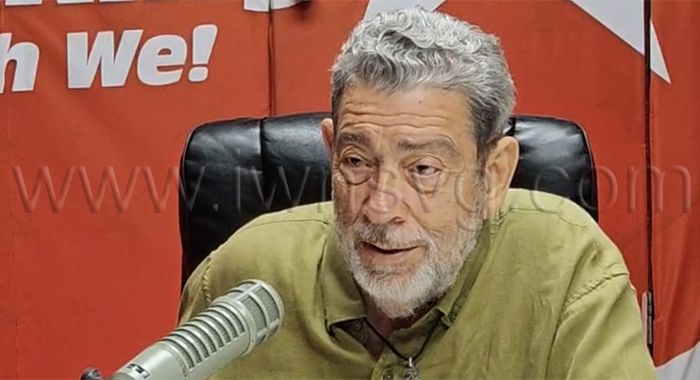
    A significant political controversy has emerged in St. Vincent and the Grenadines following allegations by Opposition Leader Ralph Gonsalves against Shelly-Ann Alexander-Ross, president of the SVG Nurses’ Association. Gonsalves has publicly accused Alexander-Ross of functioning as a “partisan political explainer” for the incumbent New Democratic Party (NDP) government regarding the discontinuation of a 5% tax-free supplement for nursing staff.

    The dispute centers around a temporary financial benefit initially introduced by the former Unity Labour Party (ULP) administration in 2024. During his appearance on Star Radio, Gonsalves revealed that his attention was drawn to the matter when nurses showed him payslips indicating the missing supplement. He expressed particular concern about Alexander-Ross’s dual role as both nurses’ association president and senior member of the Public Service Union.

    The Nurses’ Association had previously issued a March 11 press release clarifying that the 5% supplement was always intended as a temporary measure. The statement emphasized that the benefit was initially communicated as a time-bound provision designed to offer short-term fiscal relief while discussions about nursing post reclassification continued. The association acknowledged the supplement’s extension through 2025 but maintained its understanding of the temporary nature of the arrangement.

    Gonsalves countered these explanations, stating that during the election campaign, his party had clearly committed to continuing the supplement and incorporating it into future salary increases. The ULP, after 25 years in governance, was voted out of office in the 2025 elections, leading to the current political dynamic.

    The opposition leader expressed bewilderment at Alexander-Ross’s position, questioning her approach as a trade union representative. He emphasized that his government had clearly articulated the supplement’s continuation, making the current administration’s decision to discontinue it particularly concerning from his perspective.

  • Measures facilitating participation of Cubans abroad in the national economy

    Measures facilitating participation of Cubans abroad in the national economy

    In a landmark economic reform, Cuba has eliminated longstanding restrictions that previously limited domestic investment exclusively to permanent residents. The new provisions now empower Cubans residing abroad to invest directly in private enterprises and form partnerships with Cuban private economic actors under the Foreign Investment Law.

    Deputy Prime Minister and Minister of Foreign Trade and Foreign Investment, Oscar Pérez-Oliva Fraga, announced these transformative measures as part of Cuba’s comprehensive strategy to update its economic model. These changes reflect ongoing dialogues with the Cuban diaspora and demonstrate the government’s commitment to strengthening ties with global citizens who wish to contribute to national development.

    The reforms represent a significant decentralization effort aimed at increasing foreign capital participation and diversifying private sector involvement across economic sectors. The most notable change removes the permanent residency requirement that previously barred diaspora investment, while simultaneously opening banking sector opportunities and establishing new cooperation and investment funds.

    Under the new framework, expatriate Cubans can now establish partnerships with private companies through overseas-registered entities—a privilege previously reserved for state-owned enterprises. The financial sector reforms authorize diaspora participation in creating non-bank financial institutions and investment banks, subject to Central Bank approval, including opportunities in virtual asset services.

    To facilitate operations, diaspora investors will enjoy equal banking rights as domestic residents, including foreign currency account access. The government is also creating specialized funds to streamline cooperation efforts and maximize impact in priority areas.

    Food production receives particular emphasis, with the government encouraging agricultural investment at municipal levels. The Deputy Prime Minister cited successful Vietnamese rice production ventures as potential models for diaspora engagement through land usufruct arrangements.

    Despite these openings, officials acknowledge the persistent challenges posed by the US economic blockade, which restricts access to capital markets and financing. The humanitarian consequences include disrupted medical treatments, food production limitations, and widespread energy deficiencies affecting water access.

    The government is concurrently improving administrative mechanisms to ensure efficient processing of investment proposals, with enhanced business opportunity portfolios and reduced bureaucratic delays. These measures collectively represent Cuba’s strategic commitment to engaging its global diaspora in building a prosperous and sustainable economy grounded in social justice principles.

  • Kharg-eiland: Iran’s ‘onaanraakbare’ olieslagader onder vuur

    Kharg-eiland: Iran’s ‘onaanraakbare’ olieslagader onder vuur

    In a significant escalation of regional tensions, recent US military operations have directly targeted Iran’s critical Kharg Island oil facility, challenging previous strategic restraint. Located approximately 25 kilometers off Iran’s southern coast, this 20-square-kilometer island represents the crown jewel of Iran’s petroleum industry, handling an estimated 90% of the nation’s oil exports through its extensive network of pipelines, terminals, and storage facilities.

    The Trump administration’s authorization of airstrikes marks a dramatic shift in US approach, resulting in measurable damage to Iran’s oil infrastructure that threatens both export capabilities and economic stability. Military analysts note that while the United States and Israel possess the technical capacity to strike Kharg’s heavily fortified installations, previous reluctance stemmed from concerns about triggering disproportionate retaliation.

    The strategic significance of Kharg Island cannot be overstated. Its deep-water port facilities accommodate supertankers unable to navigate the shallow Persian Gulf waters, making it an indispensable node in global energy networks. Historical precedent exists for targeting this facility—during the Iran-Iraq conflict, the island suffered repeated attacks that underscored its vulnerability despite defensive measures.

    Security experts warn that sustained attacks on Kharg could provoke severe countermeasures from Tehran, potentially including closure of the Strait of Hormuz—a critical maritime choke point through which 20% of global oil shipments pass daily. Such action would likely trigger immediate spikes in oil prices and disrupt worldwide energy supplies.

    Iran maintains multiple asymmetric response options, including intensified proxy operations through regional allies in Iraq, Lebanon, Yemen and Syria. The Islamic Republic has also developed substantial cyber warfare capabilities that could target Western energy infrastructure and economic systems in retaliation.

    Despite years of sanctions forcing economic adaptation, analysts question Iran’s ability to withstand sustained attacks on its primary export facility. While alternative pipelines to the Persian Gulf and Caspian Sea exist, their capacity remains limited, and clandestine export methods would struggle to compensate for major infrastructure damage.

    The coming weeks will prove critical in determining whether targeted strikes continue or expand into broader conflict, with global energy markets watching nervously as geopolitical tensions reach new heights.

  • Defense Minister and U.S. Ambassador tour Dajabón border

    Defense Minister and U.S. Ambassador tour Dajabón border

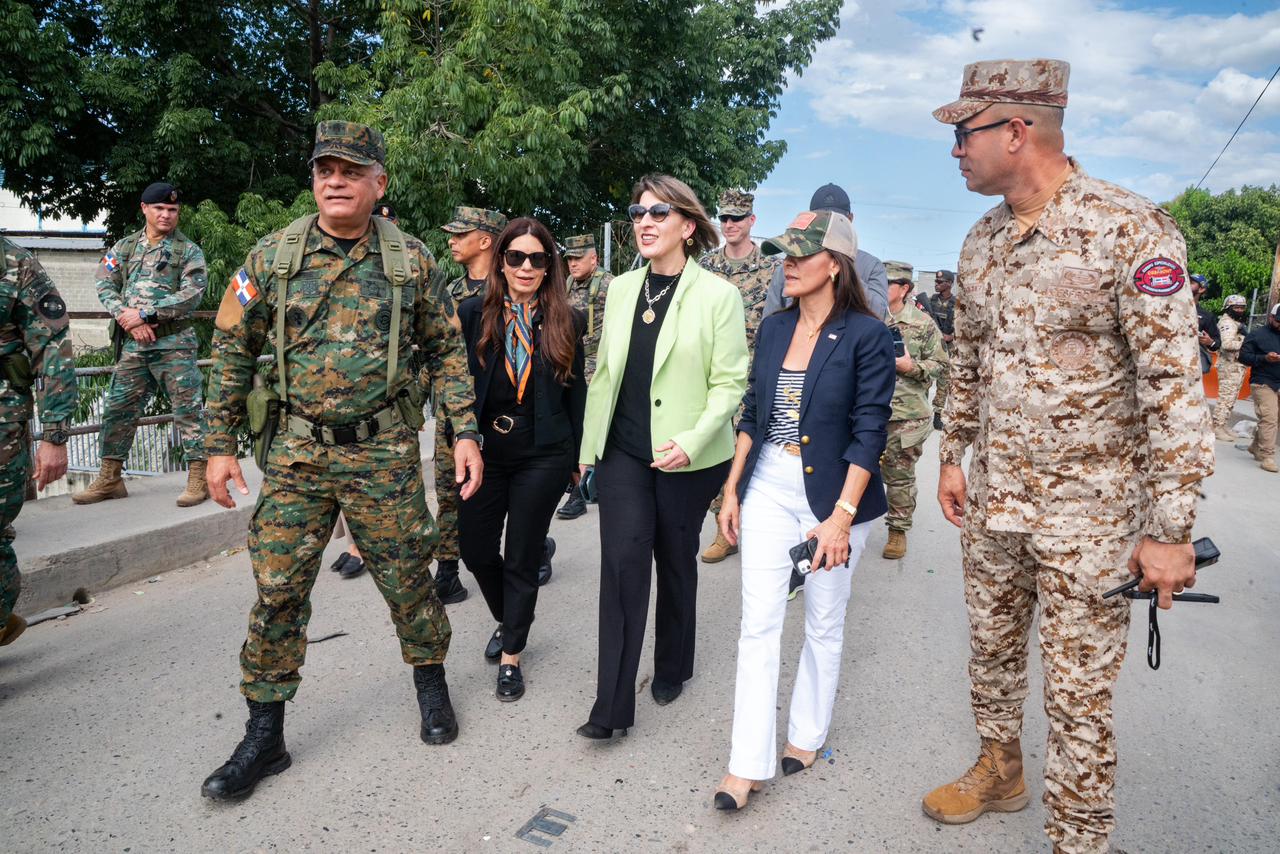
    In a significant demonstration of bilateral cooperation, Dominican Defense Minister Carlos Antonio Fernández Onofre and U.S. Ambassador Leah Campos conducted a comprehensive joint inspection of the Dajabón border region. The high-level delegation meticulously evaluated security infrastructure and operational protocols along this critical frontier zone.

    The officials undertook an extensive tour of strategic installations, including newly constructed perimeter fencing systems and the primary official crossing point. During their assessment, they observed firsthand the complex interplay of cross-border commercial exchanges and social interactions that characterize daily activity in this transnational community.

    Military authorities provided detailed briefings on integrated surveillance mechanisms and multi-layered control measures currently enforced by Dominican Armed Forces personnel. These operational procedures are designed to maintain border integrity while simultaneously facilitating legitimate cross-border movement. The delegation received comprehensive updates on technological enhancements and tactical deployments aimed at strengthening territorial monitoring capabilities.

    Minister Fernández Onofre was accompanied by senior military leadership including Army Commander General Carlos Antonio Camino Pérez and specialists from CESFRONT (Specialized Border Security Corps). These experts elaborated on strategic force deployment patterns and coordinated inter-agency security initiatives.

    This collaborative assessment underscores the deepening security partnership between the Dominican Republic and the United States, reflecting mutual commitment to addressing shared challenges in regional stability and transnational security management.

  • Gonsalves criticises Leacock’s Taiwan trip

    Gonsalves criticises Leacock’s Taiwan trip

    A significant political dispute has emerged in St. Vincent and the Grenadines following Opposition Leader Ralph Gonsalves’ strong criticism of Deputy Prime Minister St. Clair Leacock’s official delegation to Taiwan. The controversy centers on Leacock’s stated objective to secure a fleet of vehicles for crime prevention efforts during his visit to Taipei.

    Gonsalves, whose Unity Labour Party (ULP) governed for 25 years before being defeated by the New Democratic Party (NDP) in November elections, questioned the diplomatic appropriateness of the mission. He expressed particular concern that neither Prime Minister Godwin Friday nor Foreign Affairs Minister Fitzgerald Bramble led the delegation, despite Taiwan’s longstanding role as a development partner.

    The opposition leader highlighted the apparent contradiction in the NDP government’s position, noting they had previously campaigned against Taiwan and in favor of mainland China. Gonsalves characterized the vehicle-seeking mission as diplomatically embarrassing, stating that such requests typically occur through ambassadorial channels rather than high-level ministerial visits.

    Historical context reveals Taiwan’s substantial contributions to St. Vincent’s infrastructure development, including the Rabacca Bridge, international airport, and ongoing hospital construction at Arnos Vale. During Gonsalves’ administration, Taiwanese assistance grew from $1 million to $10 million annually through negotiated agreements.

    Beyond diplomatic concerns, Gonsalves raised practical questions about vehicle maintenance, durability, and funding sources. He also addressed broader issues within police vehicle usage, noting concerns about driver responsibility and vehicle care that transcend the acquisition of new assets.

    The incident reflects deeper tensions in Caribbean diplomatic relations and highlights the complex balancing act small nations face between Taiwan and mainland China. It also underscores ongoing challenges in police resource management and crime prevention strategies in the Eastern Caribbean region.

  • Column:Zes plus  partijen, vier wetten en veel zijden handschoenen

    Column:Zes plus partijen, vier wetten en veel zijden handschoenen

    Suriname’s ambitious judicial reform agenda has hit significant political roadblocks, revealing deep divisions within the governing coalition. The proposed legislative package, requiring constitutional amendments to establish cassation jurisprudence within Suriname, failed to advance during Monday’s parliamentary session despite the coalition’s technical 34-seat supermajority in De Nationale Assemblee.

    The government’s plan to overhaul the judicial system through four interconnected laws has encountered resistance from both opposition parties and coalition partners. The complexity of the reforms—affecting the fundamental structures of Suriname’s judiciary—has prompted extensive debate about potential unintended consequences.

    One consensus emerged: the abandonment of plans for a college of prosecutors-general. Instead, the proposal now suggests a governing board for the Public Prosecutor’s Office headed by a single prosecutor-general supported by multiple attorneys-general. However, two contentious issues have sparked intense debate.

    The most controversial provision concerns the prosecutor-general’s term limit. The proposed legislation would reduce the position from lifetime appointment to a five-year term, raising concerns about potential political influence during reappointment negotiations. Critics argue this could compromise the office’s required independence.

    Additionally, the bill proposes lowering the prosecutor-general’s retirement age to 65 while allowing judges to serve until 70. This discrepancy has prompted questions about why the nation’s top prosecutor should retire earlier than members of the judiciary.

    The interconnected nature of the four laws, combined with the required constitutional amendment, has created a legislative challenge of unusual complexity. The current impasse demonstrates that even with sufficient parliamentary votes, substantive judicial reforms require broader consensus beyond mere numerical majority.

  • Major venues readying for 2026 Central American Games

    Major venues readying for 2026 Central American Games

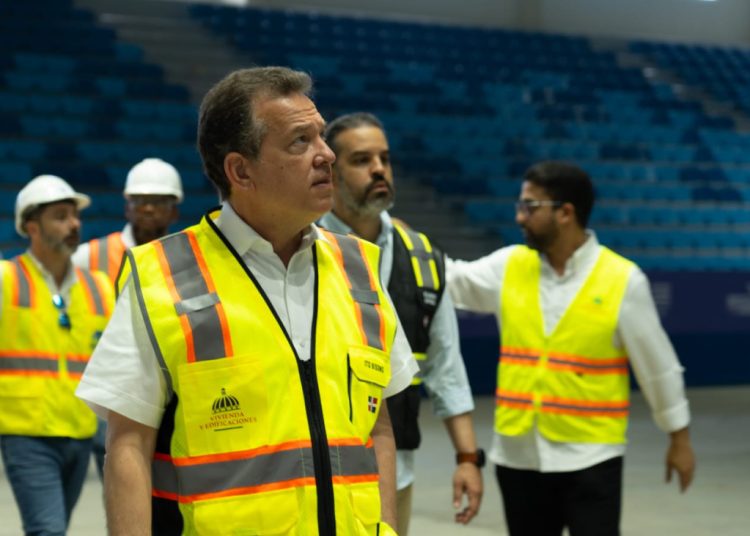
    Santo Domingo, Dominican Republic – Housing Minister Víctor “Ito” Bisonó recently conducted a comprehensive inspection of the emerging sports complex at Parque del Este, a flagship venue for the upcoming 2026 Central American and Caribbean Games. The supervisory visit served to assess construction milestones and reaffirm the nation’s commitment to providing world-class athletic infrastructure for the regional multi-sport event.

    During the thorough site evaluation, ministerial authorities examined multiple competition venues including gymnastics halls, table tennis arenas, weightlifting facilities, skating rinks, and handball courts. Project officials confirmed the archery and weightlifting pavilions have achieved full completion, while gymnastics and table tennis installations approach finalization at 98% completion rate. Ongoing construction continues at the handball pavilion, amphitheater, skating facility, and peripheral outdoor areas.

    Minister Bisonó emphasized the government’s vigilant oversight of all projects, stating that continuous monitoring ensures timely completion while guaranteeing superior quality and safety standards for both Dominican competitors and international athletes. The Parque del Este complex is designated to host pivotal competitions during the games, which will convene sports delegations from over 30 participating nations across the Caribbean and Central American region.

    The 2026 Games represent a significant opportunity for the Dominican Republic to showcase its organizational capabilities and sports infrastructure development, with government officials expressing confidence that all facilities will meet international standards for regional athletic competitions.

  • DNA vraagt aandacht voor acute problemen rijstboeren in Nickerie

    DNA vraagt aandacht voor acute problemen rijstboeren in Nickerie

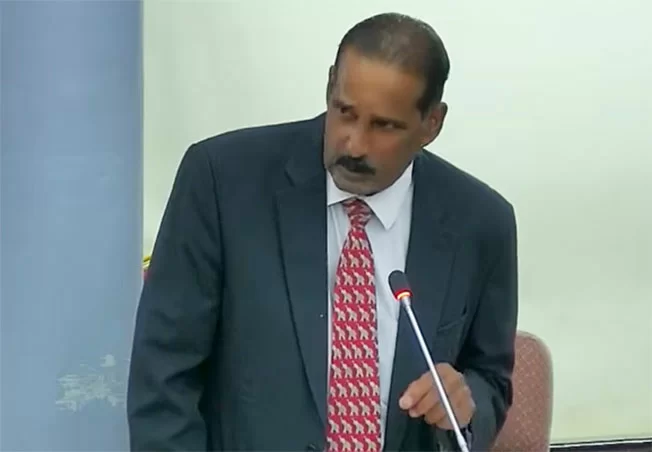
    In a heated session of the National Assembly on Monday, lawmakers sounded the alarm over the deepening crisis within Suriname’s rice farming sector in Nickerie. Parliamentarian Mahinder Jogi (VHP) brought the issue to the floor, emphasizing the acute challenges farmers face from excessive rainfall, significant harvest losses, and critically low market prices. He urgently called for government intervention to prevent further collapse.

    Ebu Jones (NDP), another assembly member, acknowledged that some steps are being taken but stressed that many critical issues demand immediate resolution. The debate highlighted that while problems have persisted for years, the current situation has reached a critical point, placing immense financial and operational pressure on farmers due to poor yields and unfavorable production conditions.

    Jones also criticized past governmental policies, pointing to longstanding mismanagement in the sector, including irregularities in fertilizer distribution, inadequate infrastructure, and unreliable fuel supplies. These systemic failures, lawmakers argued, have severely weakened the entire rice industry.

    Parliament has now called on the government to move beyond vague promises and implement concrete, short-term relief measures for struggling farmers. The focus is on sustaining production capacity and restoring viability to the sector. Recent visits to Nickerie by Assembly Chairman Ashwin Adhin and Minister of Agriculture, Animal Husbandry, and Fisheries, Mike Noersalim, included discussions with farmers about necessary legislative changes.

    In response, Vice President Gregory Rusland acknowledged the necessity of supporting the agricultural sector, confirming that further coordination with Minister Noersalim is underway. He emphasized that protecting production is vital not only for the economy but also for ensuring national food security during this critical period.

  • Alex Browne Thanks Supporters After St. Philip North By-Election Loss

    Alex Browne Thanks Supporters After St. Philip North By-Election Loss

    The Antigua and Barbuda Labour Party (ABLP) has claimed a decisive victory in the St. Philip North by-election, with preliminary results confirming candidate Randy Baltimore’s commanding lead. The electoral contest was called following the retirement of the constituency’s longstanding representative, Sir Robin Yearwood.

    United Progressive Party (UPP) contender Alex Browne formally acknowledged his defeat in a post-election address to his supporters. Having resigned from his Senate position to pursue the parliamentary seat, Browne expressed his appreciation for the backing he received throughout the campaign. “Thank you for your continued support. The work continues, my brothers and sisters,” he stated shortly after the results became evident.

    Electoral data indicated Baltimore’s insurmountable advantage with one ballot box still awaiting tallying, signaling a clear electoral mandate for the ABLP candidate. This by-election outcome is anticipated to influence the political equilibrium within the constituency previously held by a veteran parliamentarian. The transition marks a significant moment in the region’s political landscape, reflecting voter sentiment in the post-Yearwood era.