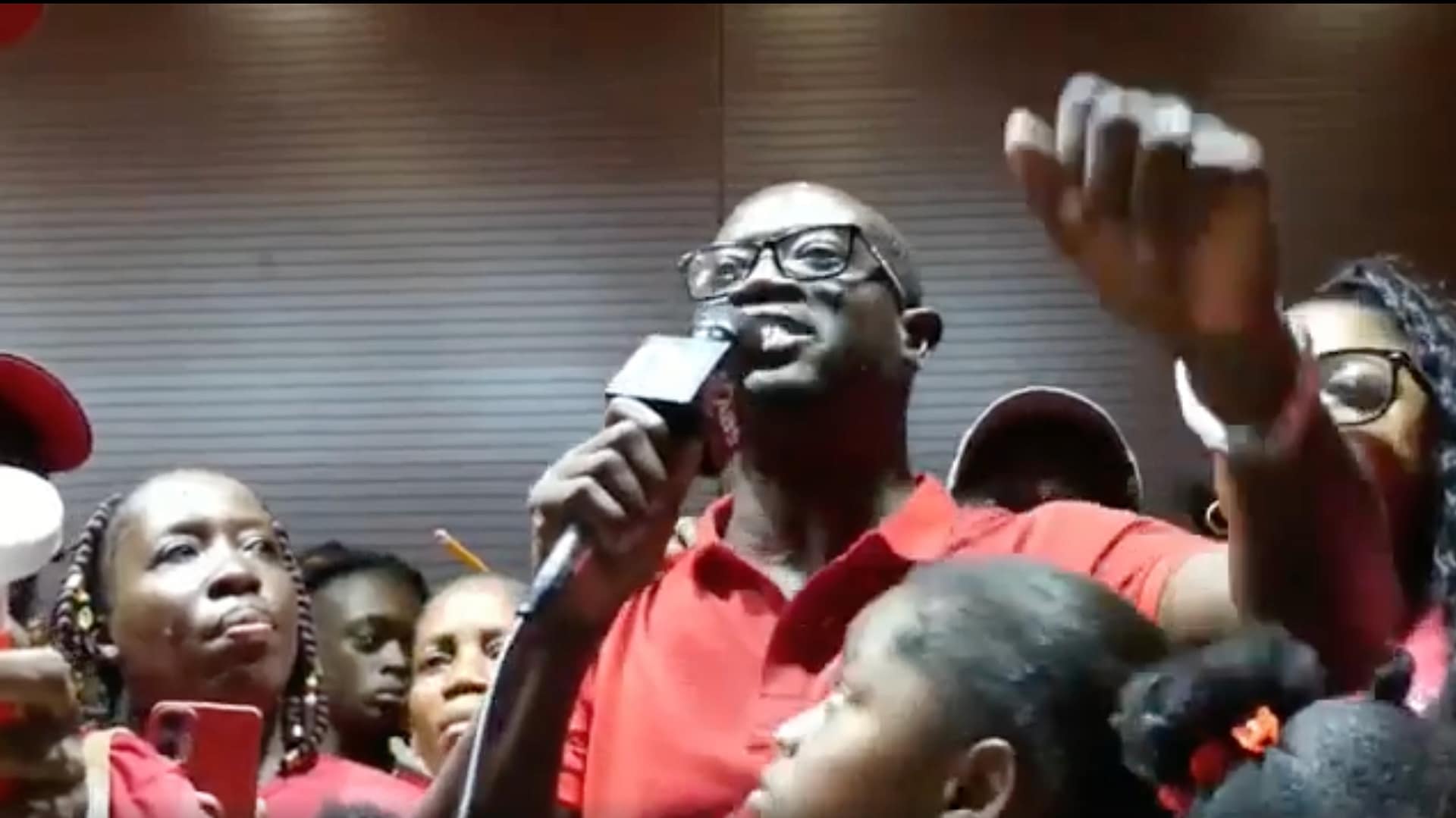
In the wake of a decisive by-election triumph, Randy Baltimore has formally assumed his role as the newly appointed Member of Parliament for St. Philip North. The victorious candidate commenced his inaugural address by extending profound appreciation to his electoral base and party leadership for their instrumental support throughout the campaign cycle. Baltimore attributed his electoral success to divine providence before systematically acknowledging the collective efforts of campaign volunteers, constituency workers, and senior government figures including the Prime Minister and cabinet members who amplified his grassroots mobilization efforts. The parliamentarian emphasized his campaign’s unwavering commitment to policy-driven electioneering, highlighting how his team maintained ethical campaigning standards while prioritizing the substantive concerns of local constituents. Baltimore confirmed the immediate continuation of constituent service initiatives, signaling no transitional pause between campaign promises and parliamentary action. While encouraging supporters to momentarily celebrate the electoral achievement, the newly elected representative concluded with a forward-looking declaration of ongoing dedication to public service in St. Philip North.
作者: admin
-
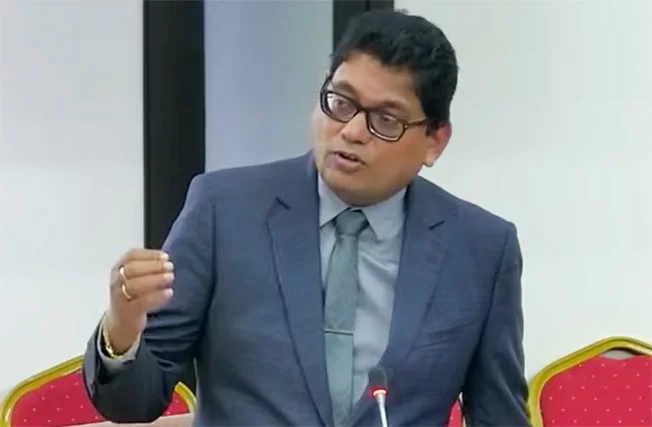
Gajadien vraagt duidelijkheid over wijziging Raad van Toezicht Centrale Bank
A significant governance dispute has emerged at the heart of Suriname’s financial system, with opposition leader Asis Gajadien of the VHP party raising formal inquiries in the National Assembly regarding recent changes to the Central Bank’s supervisory board. The controversy centers on alleged procedural violations in appointing new oversight members, potentially creating legal ambiguity about the board’s legitimate composition.
Gajadien emphasized that Parliament previously established clear regulatory frameworks through banking legislation that specifically outlines proper procedures for Central Bank operations and supervisory board appointments. According to his parliamentary address, a properly constituted board had already been installed for a standard five-year term when an administrative memorandum unexpectedly altered its composition.
The opposition leader challenged the legality of this modification, noting that the change was implemented through an administrative letter rather than through formal government decree as required by existing statutes. This procedural irregularity has resulted in fundamental uncertainty regarding which governing body currently holds legitimate authority over the nation’s central banking institution.
Gajadien warned that the situation might have created an administrative vacuum within the Central Bank, as the newly appointed board reportedly cannot convene operational meetings. He stressed the critical importance of resolving this matter promptly, given the central bank’s vital role in maintaining financial stability and public confidence in Suriname’s monetary system.
Vice President Gregory Rusland, responding on behalf of the administration, indicated that Finance Minister Adelien Wijnerman would address the concerns at a later time. Notably, Gajadien revealed that the controversial memorandum in question carried the Vice President’s own signature, adding further complexity to the governance dispute.
-
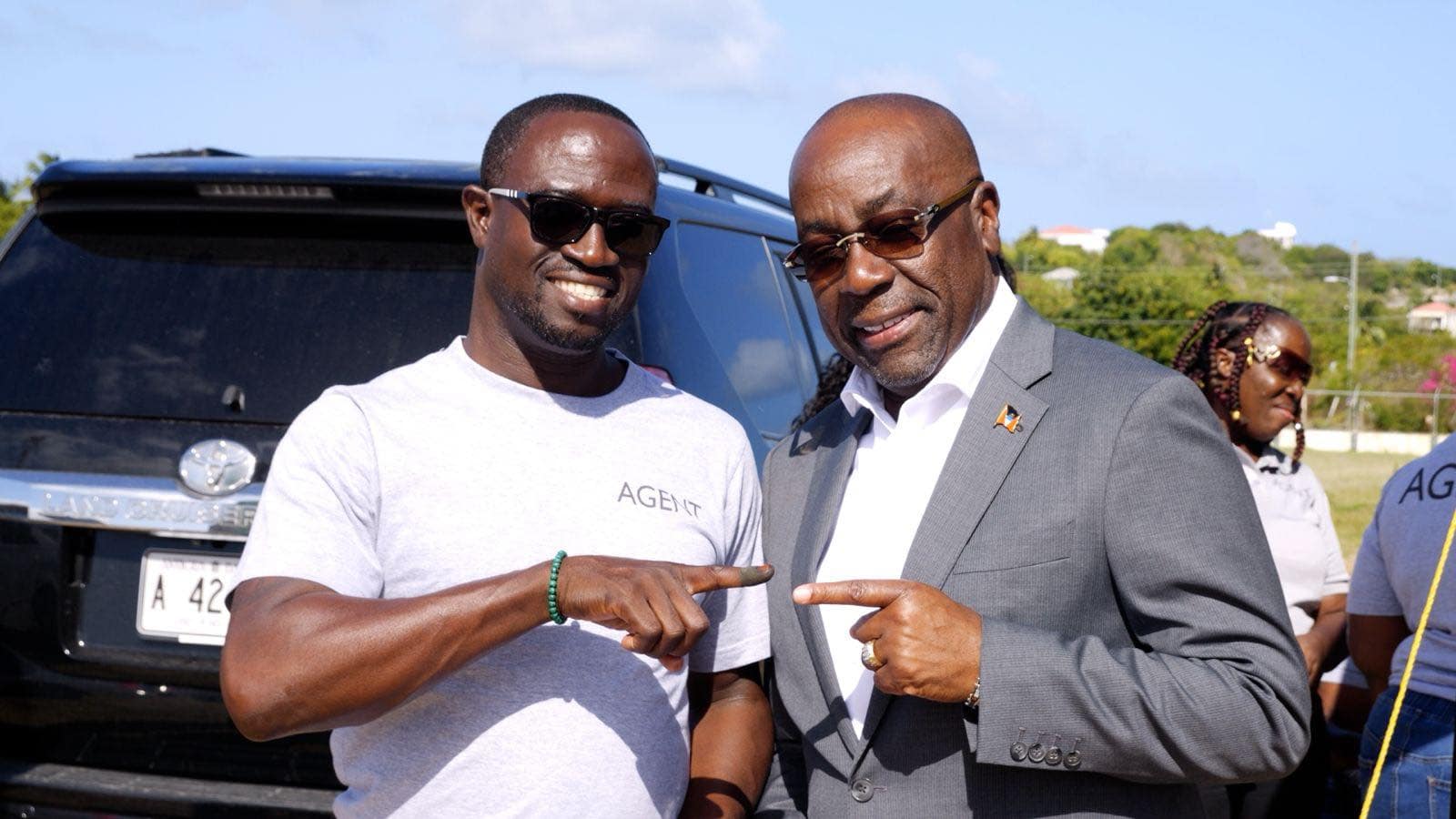
ABLP Chairman Congratulates Baltimore on St. Philip North Victory
The Antigua and Barbuda Labour Party (ABLP) has officially welcomed newly elected parliamentarian Randy Baltimore following his successful campaign in Monday’s crucial by-election. Party Chairman E.P. Chet Greene issued a formal congratulatory statement on behalf of Political Leader Gaston Browne, party officials, and membership ranks.
Greene characterized Baltimore’s electoral triumph as a decisive mandate achieved through an intensive 21-day campaign that focused squarely on developmental priorities affecting both the local constituency and national interests. The victory marks a significant political transition as Baltimore assumes the parliamentary seat previously held by long-serving MP Sir Robin Yearwood.
In his official communiqué, Greene emphasized that the election outcome demonstrates substantial voter confidence in Baltimore’s capability to perpetuate and build upon his predecessor’s legacy. The chairman notably framed the victory as not merely a partisan achievement but as a reaffirmation of public trust in the ABLP’s governance approach.
“This represents a profoundly proud moment for our party as we integrate such a committed representative into our parliamentary team,” Greene stated. “We anticipate productive collaboration in advancing our shared objectives for national development and collectively forging a more prosperous future for Antigua and Barbuda.” The statement concluded with formal welcoming remarks into the realm of governmental leadership.
-
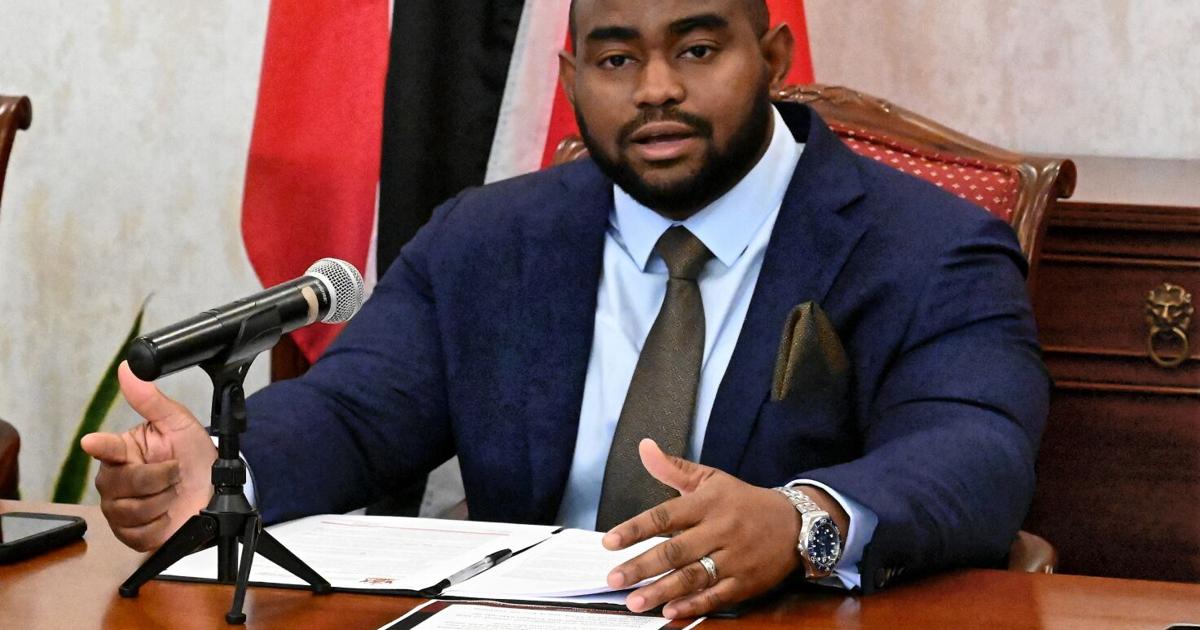
UK kicks out Trini ‘refugees’
In a significant diplomatic development, Trinidad and Tobago’s Foreign Minister Sean Sobers has confirmed the repatriation of hundreds of nationals whose UK asylum applications were denied. The minister revealed that between 90-97% of over 700 asylum seekers have been returned to Trinidad in recent months, marking a dramatic shift following Britain’s imposition of visa requirements.
The UK government implemented visa mandates for Trinidad and Tobago nationals on March 12, 2025, citing a concerning surge in asylum claims. Official data shows applications skyrocketed to 797 between 2023-2024, compared to an annual average of just 49 between 2015-2019. British authorities noted most claims were made upon arrival, creating substantial operational pressures at border points.
Former National Security Minister Fitzgerald Hinds previously asserted that criminal elements were exploiting visitor status to evade justice in Trinidad, contributing to the visa policy change. The UK Home Office’s explanatory memorandum highlighted that the measure aimed to address systemic abuse of asylum protocols.
Minister Sobers, during his recent London visit for Commonwealth meetings, discussed the issue with UK migration officials and even met King Charles III. The monarch reportedly recalled his positive memories of Trinidad while acknowledging the country’s recent electoral process.
The visa implementation has yielded dramatic results: current asylum claims have plummeted to approximately three cases since the policy took effect. Sobers emphasized this demonstrates the effectiveness of the visa system in curbing unfounded applications.
Regarding financial implications, Sobers noted Trinidad hasn’t yet covered repatriation costs, though the matter remains under cabinet consideration. He confirmed that some repatriated individuals were ‘persons of interest’ to law enforcement.
Collaborative security measures are advancing, including Trinidad’s development of an Advance Passenger Information System (APIS). This system will enable pre-travel screening of passengers, sharing criminal history and database alerts with UK authorities before flight departures. Sobers highlighted this could save British taxpayers approximately £65,000 per claim by preventing non-meritorious asylum applications upfront.
The UK Home Office recently expanded similar visa requirements to Nicaragua and Saint Lucia, noting that visa policies for several nations have prevented over 6,000 unfounded asylum claims system-wide.
-
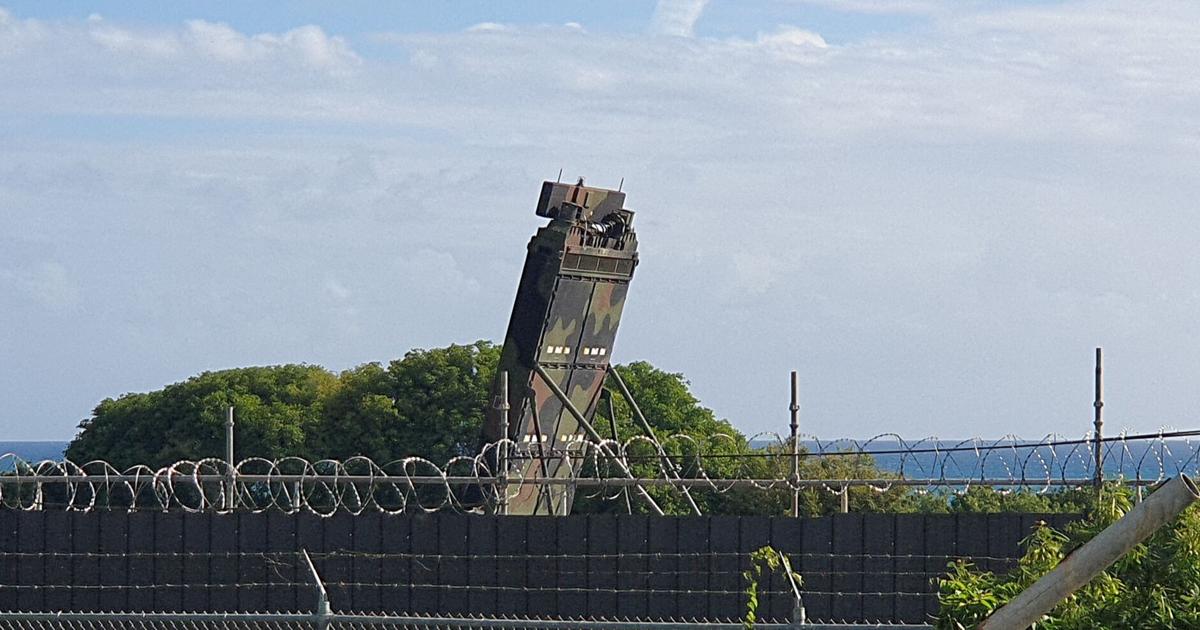
Farley: Never a permanent fixture
The controversial United States military radar system previously stationed at ANR Robinson International Airport in Crown Point, Tobago, has been formally dismantled and removed from the site. Visual confirmation yesterday revealed no traces of the equipment at its previous location, with airport security personnel now monitoring the area.
Chief Secretary Farley Augustine confirmed to media outlets that his office received advance notification about the equipment’s removal, characterizing the development as unsurprising. “The radar system that was temporarily installed in Tobago has now been dismantled and preparations are under way for the equipment and associated US military personnel to leave the island,” Augustine stated.
The Chief Secretary emphasized that the dismantling aligned perfectly with the original schedule presented to him, noting that the temporary nature of the installation made previous concerns about permanent militarization unfounded. “This was always a temporary fixture,” Augustine remarked, “which makes the alarmists quite laughable because they engaged in fearmongering about making us a military target.”
Augustine framed the episode as a crucial lesson in national security sovereignty, asserting that Trinidad and Tobago must invest in its own defense infrastructure. “We cannot permanently rely on the capabilities of other countries; we must make our own investments into our national security infrastructure to strengthen our surveillance, maritime and air defense systems,” he emphasized.
Prime Minister Kamla Persad-Bissessar had previously disclosed that the radar system operation cost the United States approximately $3 million daily. While unable to confirm the exact number of US personnel stationed at Grafton Beach resort, the Prime Minister indicated their phased departure would conclude by month’s end. She acknowledged the intelligence-sharing collaboration between US forces and the Trinidad and Tobago Police Service had proven instrumental in recent security operations.
Despite the removal of US military assets, Augustine maintained that “Tobago remains safe and focused on its development,” highlighting the island’s continued commitment to both security and economic progress.
-
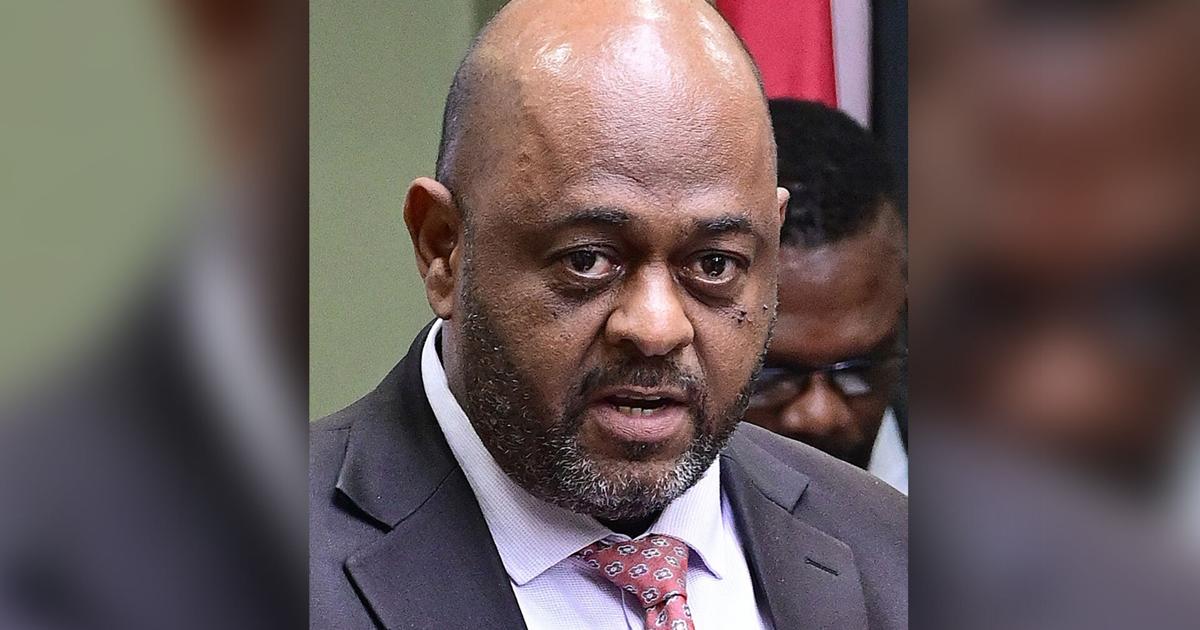
Opposition slams Sturge for ‘misleading T&T’
Trinidad and Tobago’s political landscape has been rocked by serious allegations from the Opposition People’s National Movement (PNM), which has demanded the immediate resignation of Defense Minister Wayne Sturge. The controversy centers around the mysterious dismantling of a United States-installed radar system in Tobago that was purportedly critical for drug interdiction operations.
Opposition Chief Whip Marvin Gonzales, who represents the Arouca/Lopinot constituency, has leveled accusations of deliberate deception against Minister Sturge. According to Gonzales, the minister had publicly assured the nation just two weeks earlier that the sophisticated radar equipment would remain operational indefinitely to support local authorities in combating drug trafficking through territorial waters.
The sudden disappearance of this vital security infrastructure has raised profound questions about ministerial credibility and government transparency. Gonzales emphasized that Sturge’s pattern of evading legitimate parliamentary inquiries through personal attacks and claims of national security privilege has only intensified public concern about the administration’s openness.
Through both WhatsApp communications with media outlets and an official Facebook statement, Gonzales documented the timeline of what he characterizes as a deliberate misinformation campaign. The opposition figure noted the irony that the government had previously highlighted this radar system as a cornerstone of their anti-narcotics strategy, using it extensively for public relations purposes.
Gonzales, who previously served as national security minister during the PNM’s administration, questioned whether the removal implies that drug trafficking operations in Trinidad and Tobago’s waters have ceased entirely. His social media statements included the hashtags #waynesturgemustgo and #resignnow, amplifying calls for accountability.
The developing situation underscores growing tensions between the government and opposition regarding national security management, with demands for complete transparency about the radar’s removal and the future of maritime surveillance capabilities in the region.
-

Defence attorney: Sturge told truth on Seetahal threat
A significant development has emerged in the ongoing investigation into the 2014 assassination of State Prosecutor Dana Seetahal, with defense attorney Criston J. Williams asserting that Minister of Defense Wayne Sturge’s parliamentary statement about prior police intelligence was accurate. Williams contends that law enforcement agencies received advanced warnings about a credible threat against Seetahal’s life before her May 2014 murder but failed to take adequate protective measures.
Williams, representing murder accused Rajaee Ali, has presented compelling evidence through correspondence with former Police Commissioner Erla Harewood-Christopher and Director of Public Prosecutions Roger Gaspard. In these December 2024 letters, Williams detailed how the Trinidad and Tobago Police Service (TTPS) and its affiliated agencies were alerted by the Strategic Services Agency (SSA) about the impending danger to Seetahal’s life. Despite this intelligence, the TTPS allegedly neglected to deploy available resources that could have prevented the tragic outcome.
The defense attorney further challenges the integrity of the digital evidence presented against his client, highlighting concerns about potential manipulation of metadata obtained through the Interception of Communications Act. Williams has simultaneously questioned the thoroughness of the investigation, suggesting alternative theories including possible involvement of transnational drug organizations. He references statements from former Commissioner Gary Griffith and US Assistant Secretary of State William Brownfield indicating DEA collaboration in the investigation and potential connections to drug trafficking networks using Caribbean transit routes.
The TTPS has declined Freedom of Information Act requests for comprehensive evidence disclosure, citing concerns about prejudicing ongoing court proceedings. Similarly, the DPP’s office has remained unresponsive to Williams’ inquiries about alternative investigation avenues, prompting judicial intervention to address these transparency concerns. Williams emphasizes that while sensitive information requires protection, states must maintain transparency regarding investigative procedures and findings to ensure accountability and prevent impunity.
-
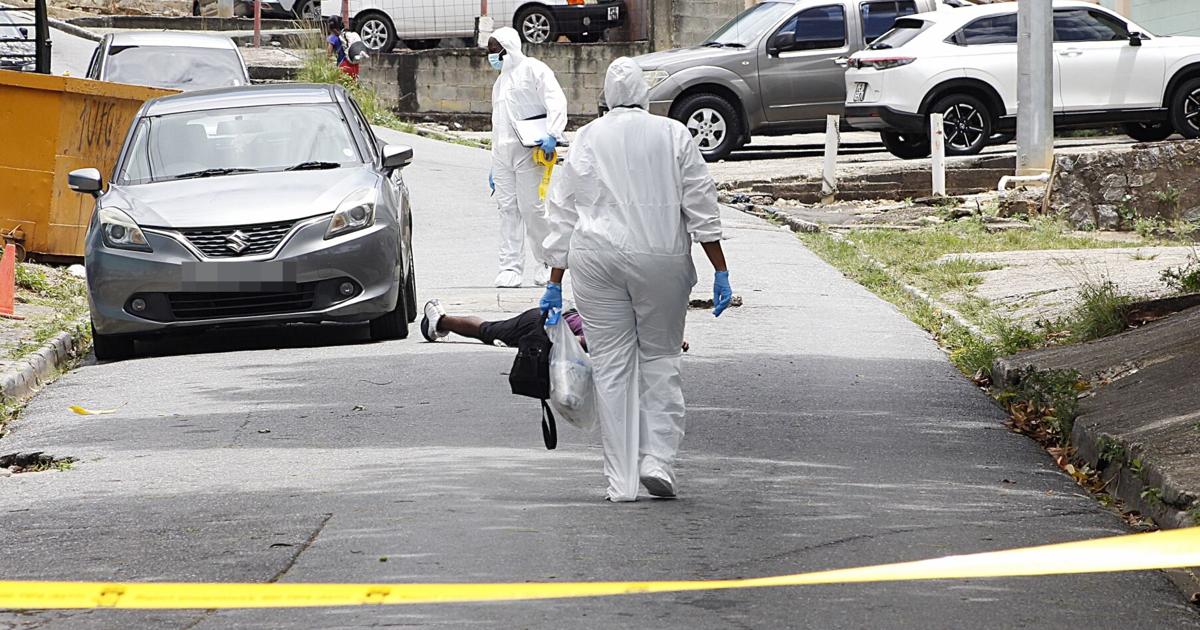
BLOODY 6 HOURS
A wave of violence swept through Trinidad’s capital on Sunday, resulting in the fatal shootings of three men in separate incidents across the Port of Spain Division within a narrow six-hour timeframe.
The first tragedy unfolded at approximately 4:30 p.m. in the McShine Lands area of Laventille. Romello Edingborough, a 29-year-old from Maraval, was engaged in renovation work with his father when six individuals clad in dark clothing approached the property. Two of the assailants, armed with firearms, reportedly seized Edingborough and executed him at the property’s entrance with multiple gunshots before fleeing towards Desperlie Crescent. Despite being rushed to Port of Spain General Hospital by his father, Edingborough was declared deceased upon arrival at 4:39 p.m. Law enforcement officials, including Ag/Cpl Nunez and teams from Homicide Region One, secured the scene and collected ballistic evidence comprising eight 5.56mm shell casings, two .40 caliber casings, one 9mm casing, and a blood sample.
Approximately two hours later, at 6:10 p.m., officers from the Port of Spain Task Force responded to reports of gunfire at Joe Sam Hill in Laventille. Their investigation led to the discovery of 29-year-old Shaquille Woods from Morvant, who was found deceased at the base of a staircase with multiple fatal gunshot wounds to his head. Emergency medical personnel confirmed no vital signs were present. Homicide detectives and forensic specialists processed the location, recovering a single 5.56mm spent shell casing.
The third homicide occurred near 9:40 p.m. along Picton Road in Laventille. Prince Moses, 35, was fatally shot outside his residence after stepping into his yard. Relatives reported hearing explosive gunshots before discovering Moses wounded. He was transported to Port of Spain General Hospital by PC Lewis and other responders but was pronounced dead at 10:05 p.m. Crime scene investigators subsequently retrieved multiple 9mm spent shell casings from the location.
In a related development, another shooting incident claimed the life of 22-year-old Umar Mohammed in Cocorite on Monday morning, bringing the nation’s murder toll to 73 for the year. This figure represents a decrease from the 83 homicides recorded during the corresponding period last year.
-
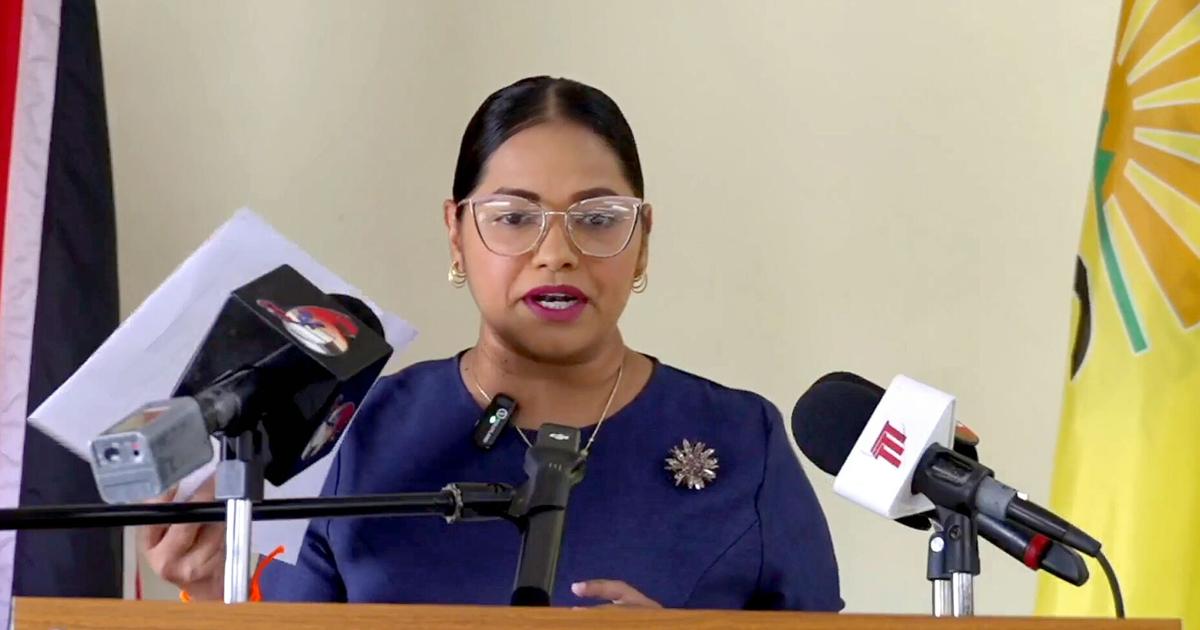
Children’s Authority board rejects call
A significant institutional standoff has emerged between Trinidad and Tobago’s Children’s Authority board and its overseeing minister, with board members firmly rejecting resignation demands despite revelations of substantial financial liabilities. Minister of People, Social Development and Family Services Vandana Mohit publicly called for the board’s resignation during a Sunday news conference, citing a troubling $77 million liability and alleged operational mismanagement within the agency.
Board Chairman Marsha Bailey explicitly stated the board’s intention to serve through its appointed term until October 2026, countering the minister’s demands. The authority’s governing body expressed astonishment at Mohit’s public statements, revealing that numerous formal requests for ministerial meetings had gone unanswered throughout their tenure.
The conflict appears rooted in fundamental disagreements regarding financial oversight and operational responsibilities. The board emphasized its compliance with the Children’s Authority Act, which establishes that presidential appointees serve fixed terms, suggesting the minister lacks direct authority to demand resignations.
Financial constraints have significantly hampered the Authority’s operations, affecting critical areas including personnel costs, foster care programs, facility maintenance, and infrastructure upgrades. These challenges were formally communicated to the ministry following the 2026 national budget passage, yet the board claims it received inadequate ministerial support.
The current confrontation escalated after the board implemented disciplinary measures regarding non-payment of statutory deductions—a violation of national law. Minister Mohit subsequently requested a comprehensive report on these actions, which the board provided within 24 hours despite having received only a brief five-minute meeting with the minister in February.
The board maintains that operational management falls under the director or chief executive officer’s purview, while their role focuses on governance and oversight. They expressed concern that public criticism potentially damages the Authority’s reputation and undermines the professionals serving on the board.
Both parties have committed to providing additional clarifications regarding the $77 million liability, though neither side had issued further statements by press time. The minister indicated a response would be forthcoming regarding potential government actions should the board maintain its position.
-
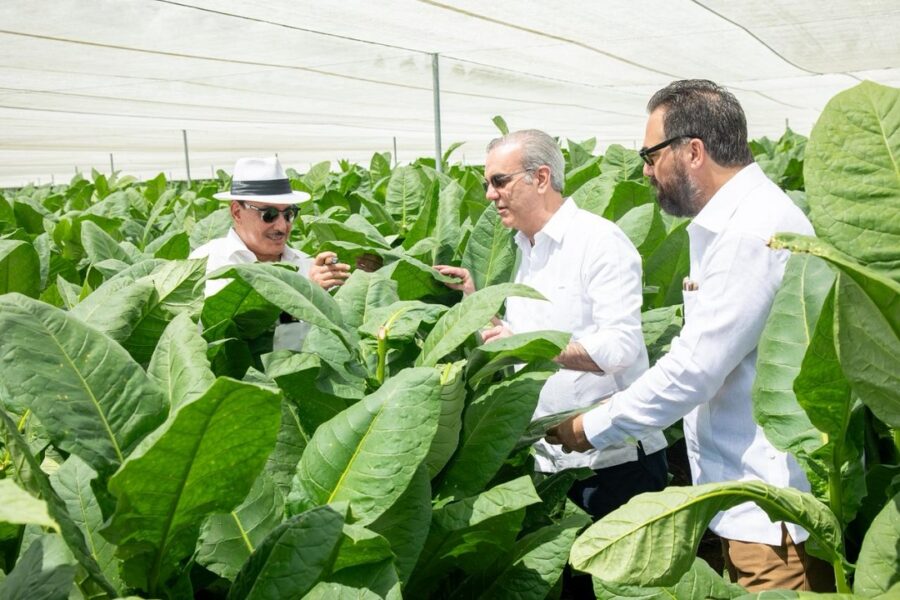
Abinader tours La Milagrosa Farm to strengthen tobacco technology
MONTE PLATA – In a significant move to bolster the national tobacco sector, President Luis Abinader conducted a high-profile inspection of the state-of-the-art ‘La Milagrosa’ tobacco plantation, a flagship operation managed by the renowned Arturo Fuente company. The presidential visit served as a strategic assessment of the advanced agricultural model that the government now seeks to replicate across other tobacco-producing regions in the Dominican Republic.
During the tour, President Abinader received detailed briefings from Arturo Fuente executives Ciro Cascella and Carlos Fuente, who elaborated on the farm’s substantial technological investments and its transformative effect on the production of premium cigars for the global market. The executives credited the sector’s robust expansion to the government’s business-friendly policies and supportive regulatory environment.
The sprawling 1,000-acre agricultural complex represents a capital investment surpassing RD$350 million and stands as a paradigm of modern farming. It integrates cutting-edge infrastructure, including automated irrigation networks, precision fertilization systems, solar energy installations, and high-capacity curing barns designed for optimal efficiency. Beyond its technological prowess, the project serves as a critical economic engine for the Monte Plata province, creating approximately 400 direct employment opportunities and stimulating local development.
Citing data from the Tobacco Institute of the Dominican Republic, the visit underscored the crop’s paramount role as the nation’s leading agricultural export. The industry generates an estimated $1.38 billion in revenue and sustains nearly 40,000 jobs within associated free trade zones, with a notably high rate of female workforce participation.
In addition to its commercial success, the Fuente family highlighted the profound social dividends of their operations through their dedicated foundation. This philanthropic arm has significantly broadened access to quality education, enhanced healthcare services, and funded community development initiatives, substantially improving living standards in tobacco-growing communities.